Vienna in winter: what to expect, what to do, honest tips
Vienna: Christmas Market Magic Walking Tour with a Local
Is Vienna worth visiting in winter?
Absolutely — the Christmas market season (mid-November to late December) is one of Vienna's best periods. January and February are quieter with shorter museum queues, the Staatsoper and Musikverein are in full season, and hotel prices drop. Cold but very manageable with proper clothing.
Vienna in winter: two very different seasons
Winter in Vienna divides into two distinct experiences: the Christmas market season (mid-November through December 26) and post-Christmas winter (January through mid-March). They’re connected by cold temperatures and a shared backdrop of Baroque and Gothic architecture, but the crowd levels, hotel prices, and overall character are completely different.
This guide covers both, with specific advice on what to do in each period, what the weather actually involves, and how to make the most of whichever you’re visiting.
The Christmas market season (mid-November to December 26)
What it’s like
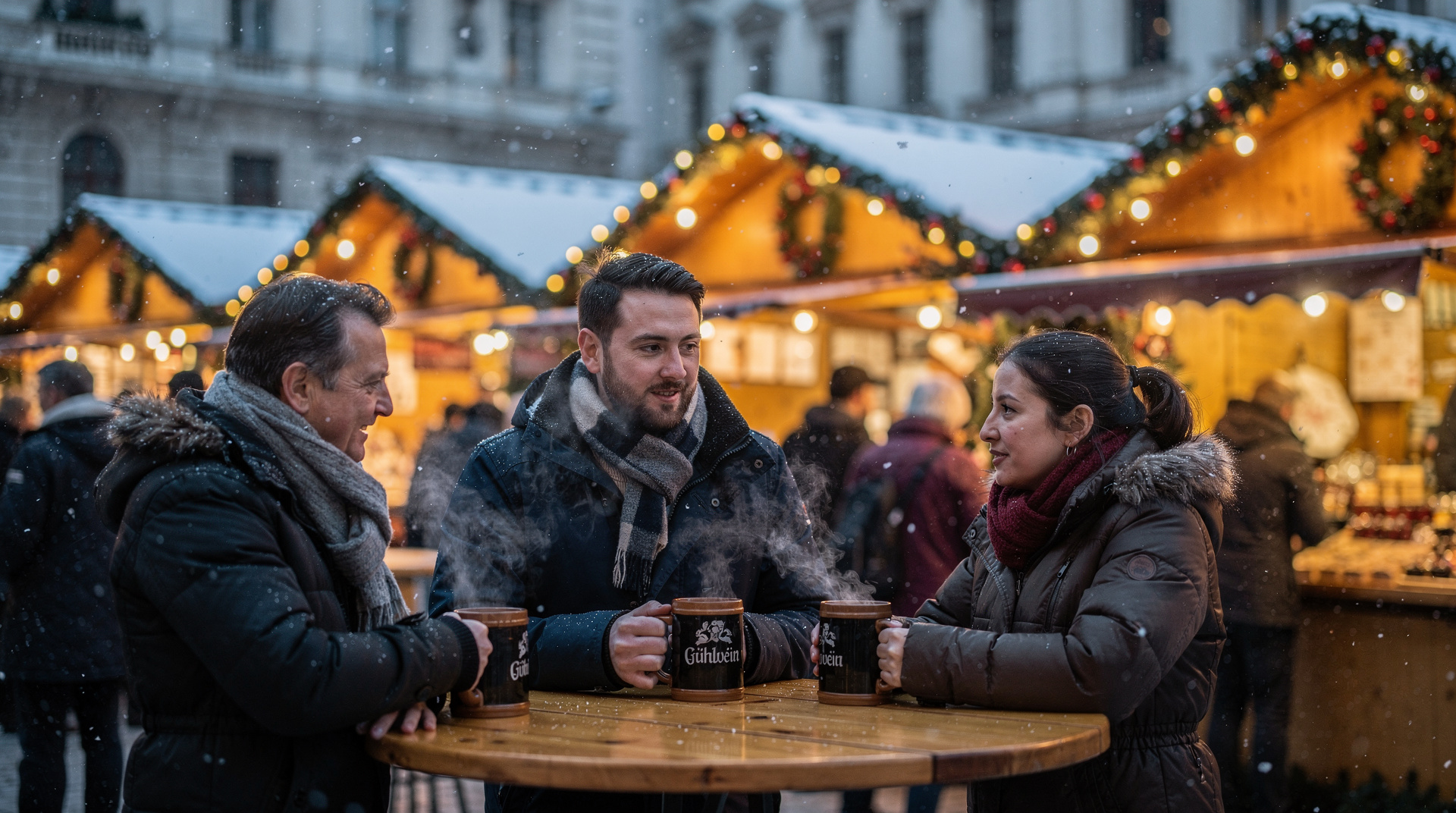
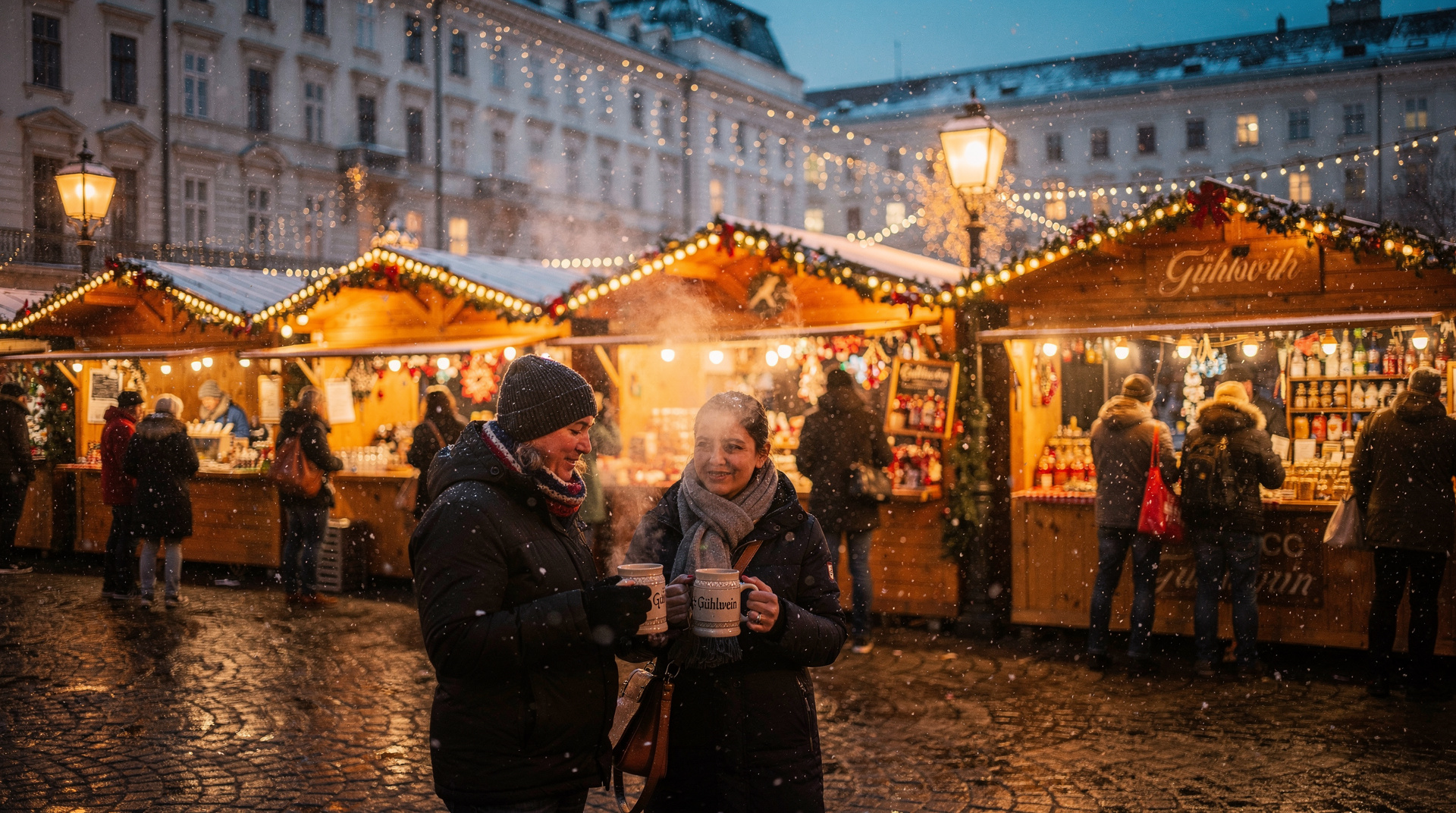
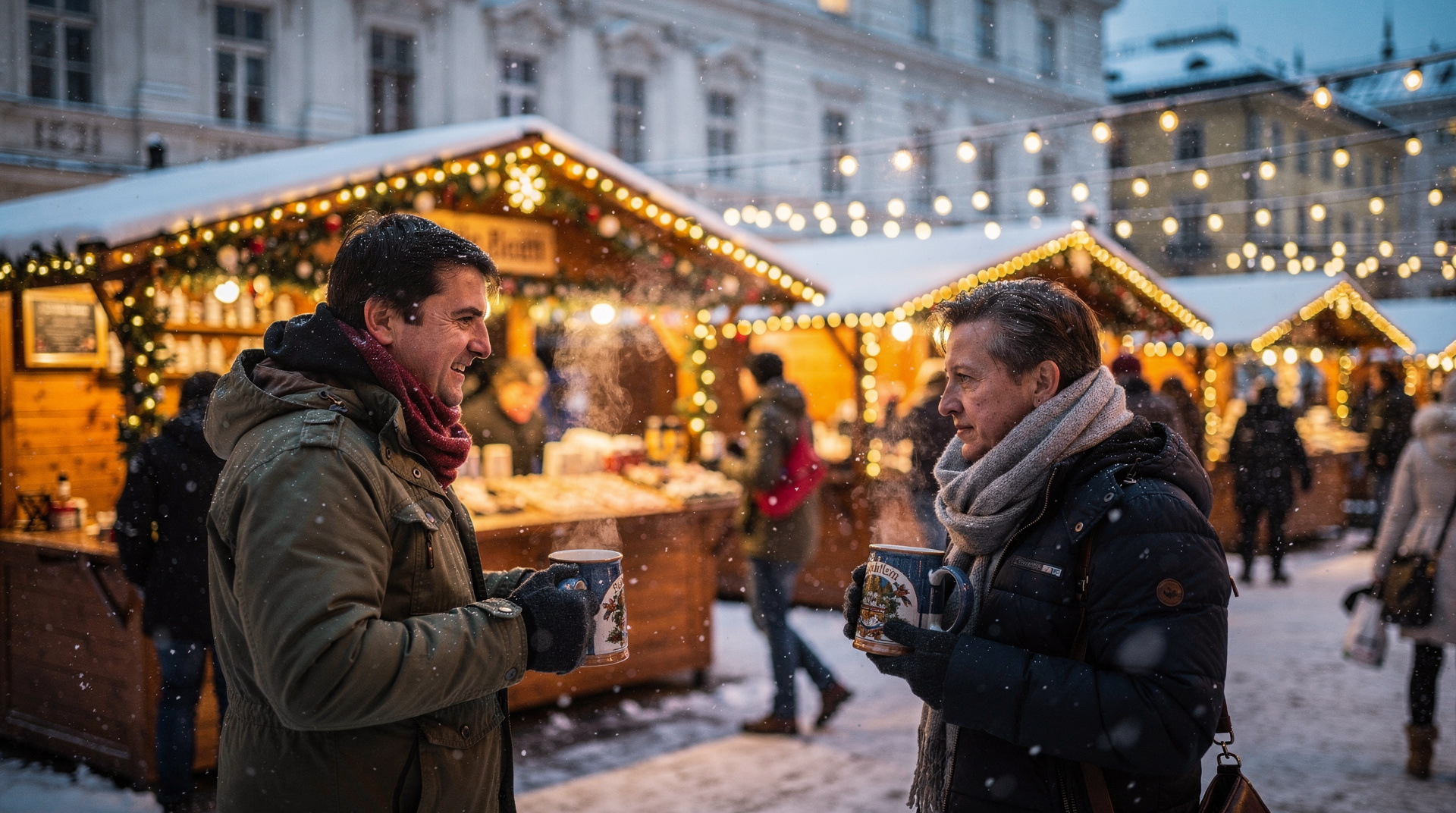
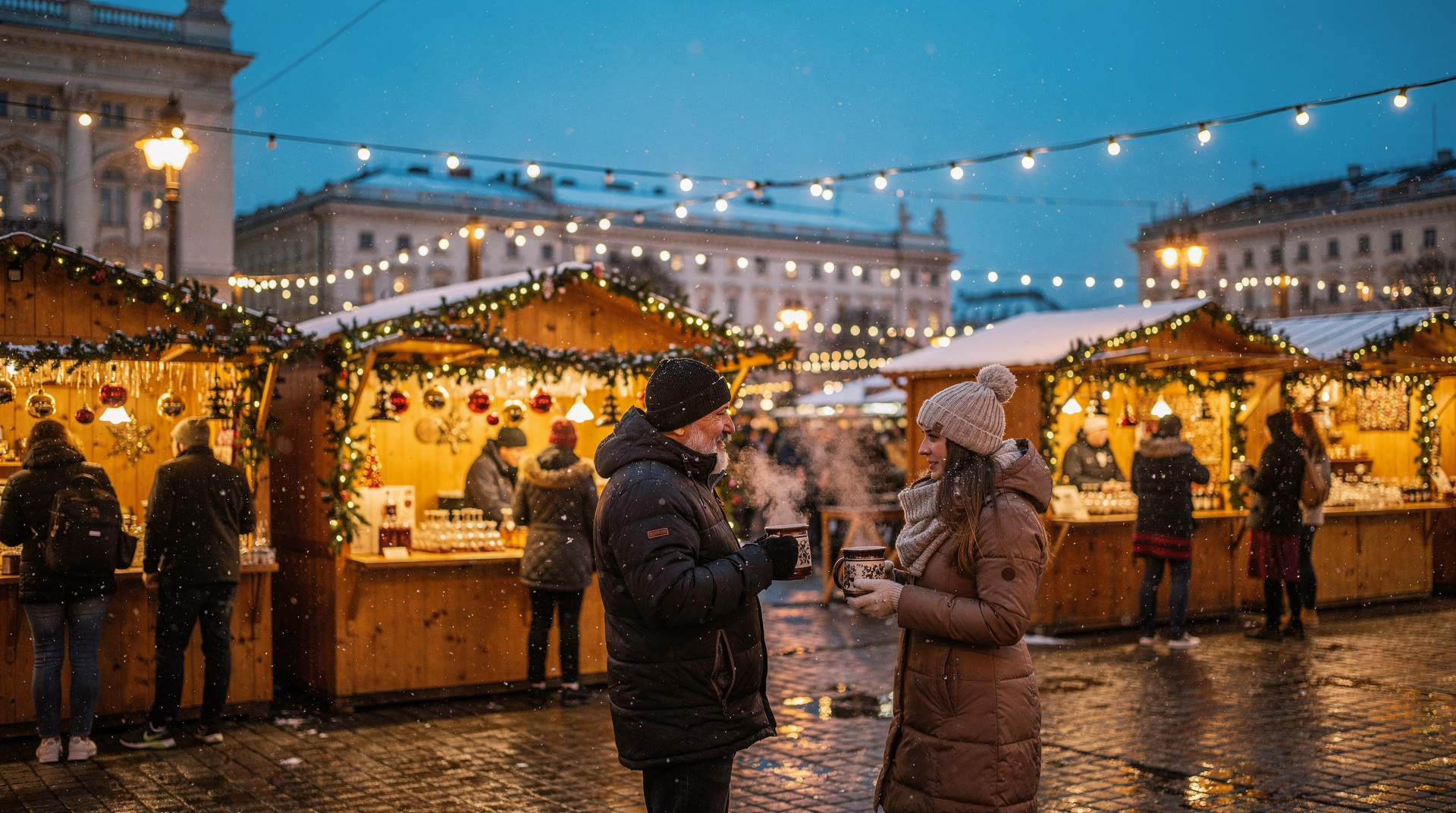
Vienna’s Christmas market season is genuinely one of the best in Europe — not because the markets are better than those in Prague or Strasbourg on a pure stall-for-stall basis, but because the setting (Baroque and Gothic architecture, the palace backdrop at Schönbrunn, the City Hall at Rathausplatz) is unmatched, and the city puts serious effort into the tradition.
The season runs roughly from the second week of November through December 26. The key markets:
- Rathausplatz (City Hall): largest, most visited, ice rink, family focus
- Schönbrunn Palace: most beautiful setting, craft emphasis, classical concerts
- Spittelberg (7th district): most atmospheric, best craft quality, most local
- Freyung and Am Hof: traditional, less crowded
The full comparison is in the best Christmas markets guide.
What to do beyond the markets
Classical music: The Musikverein and Staatsoper are in full season. The Christmas and Advent period features special programming — Handel’s Messiah, Christmas concerts, New Year’s Eve concerts. Book 2–4 weeks ahead for standard programme concerts; the New Year’s Day Philharmonic concert tickets are allocated years in advance by lottery.
Museum visits: The Kunsthistorisches Museum, Hofburg, and Belvedere are excellent in the Christmas period but more crowded than usual. Go on weekday mornings.
Day trips: Salzburg day trip in December is excellent — Salzburg’s own Christmas markets are some of Austria’s finest, and the combination of Vienna + Salzburg markets in one trip is very popular. Also: Bratislava has a good Christmas market and is 1 hour by train.
Coffee house culture: The Kaffehaus in winter is at its most atmospheric — warm interiors, newspapers, hot Melange, Guglhupf. The Viennese coffee house guide covers the best addresses.
The honest winter costs
Hotel prices during Christmas market season are 20–40% higher than shoulder season (April–June, September–October). The week before Christmas (December 18–24) is peak pricing. Book early if visiting during this period — 2–3 months in advance for good options at reasonable prices.
Restaurants don’t increase prices seasonally, but popular ones fill up faster. Book dinner reservations as you would in summer.
January and February (post-Christmas Vienna)
Why this is an underrated travel period
January and February are Vienna’s quietest tourist months. The Christmas crowds are gone, hotels are 20–30% cheaper than Christmas season, and the main attractions have their shortest queues of the year. The Spanish Riding School is back in performance (closed July–August but in full schedule from September to June). The Staatsoper and Musikverein continue their main season.
The trade-off is weather: January is the coldest month (regular nights below -5°C, occasional snowfall), and the city can be grey for extended periods. When it does snow, however, Vienna is extraordinarily beautiful — the white of the Schönbrunn gardens, the snow-covered Gothic spires of Stephansdom, the Prater avenue in winter silence.
What to do in January–February
Staatsoper and Musikverein: The main concert and opera season is in full swing. Standing-room tickets (Stehplatz) at the Staatsoper are €3–8 and can be purchased on the day from the box office. An extraordinary cultural experience at a price that suits any budget.
Museum visits: Hofburg, Kunsthistorisches, Belvedere, and the Leopold Museum have their shortest queues. Expect walk-in entry at Belvedere and the Leopold without significant waiting. The best museums guide covers the main options.
The Opera Ball (late January/February): The Vienna Philharmonic Opera Ball is held annually at the Staatsoper — the world’s most famous ball. Standing-room tickets (Stehplatz) go on sale a few weeks before the event and cost €23–28. Box and loge tickets are very expensive and mostly in the hands of businesses and prominent Austrians. Standing room lets you observe the ball from the gallery level — an extraordinary spectacle of evening dress, waltzing, and imperial tradition.
Skiing from Vienna: Semmering (1.5 hours by train from Wien Hauptbahnhof) is the closest ski resort to Vienna — small but genuine skiing within day-trip range. Hochkar (2 hours by bus) has better vertical and more reliable snow. For a ski weekend, Innsbruck (5 hours by train) opens the full Tyrolean range.
Coffeehouse visits: January is the best month to inhabit a Kaffehaus for a morning undisturbed. Café Sperl, Café Landtmann, and Café Central are noticeably less crowded. Read the newspaper, drink three Melanges, and feel fully Viennese.
Weather in January–February
January: Average high 1–2°C, average low -4 to -6°C. Snow possible at any point. Fog (Nebel) is common, sometimes lasting for days. Rain and sleet occur. Cold but manageable with proper winter clothing.
February: Slightly warmer — average high 4–5°C, nights -2 to -4°C. Snow less common. First hints of spring arrive toward the end of February.
What to wear: A proper winter coat (not a fashion-focused city coat — a functional winter coat), thermal underlayer, scarf, hat, warm socks, and waterproof shoes. Leather-soled shoes on icy cobblestones are dangerous. Waterproof boots with grip are strongly recommended.
Planning your days around the cold
Winter in Vienna rewards a rhythm that alternates short outdoor stretches with long indoor ones. A good day pairs a morning walk through the Innere Stadt or along the Ringstrasse with a long museum or coffeehouse stop in the middle of the day, then an evening concert or a market visit once the lights come on. Daylight is short, so put your outdoor sightseeing in the brightest hours and save the interiors for the dark ones.
If you are building a full trip, the winter itinerary shows how to sequence these days, and the weekend itinerary works well for a short cold-season break. For a longer stay, how many days in Vienna helps you decide how much indoor time you want to build in.
Palaces and gardens in the cold
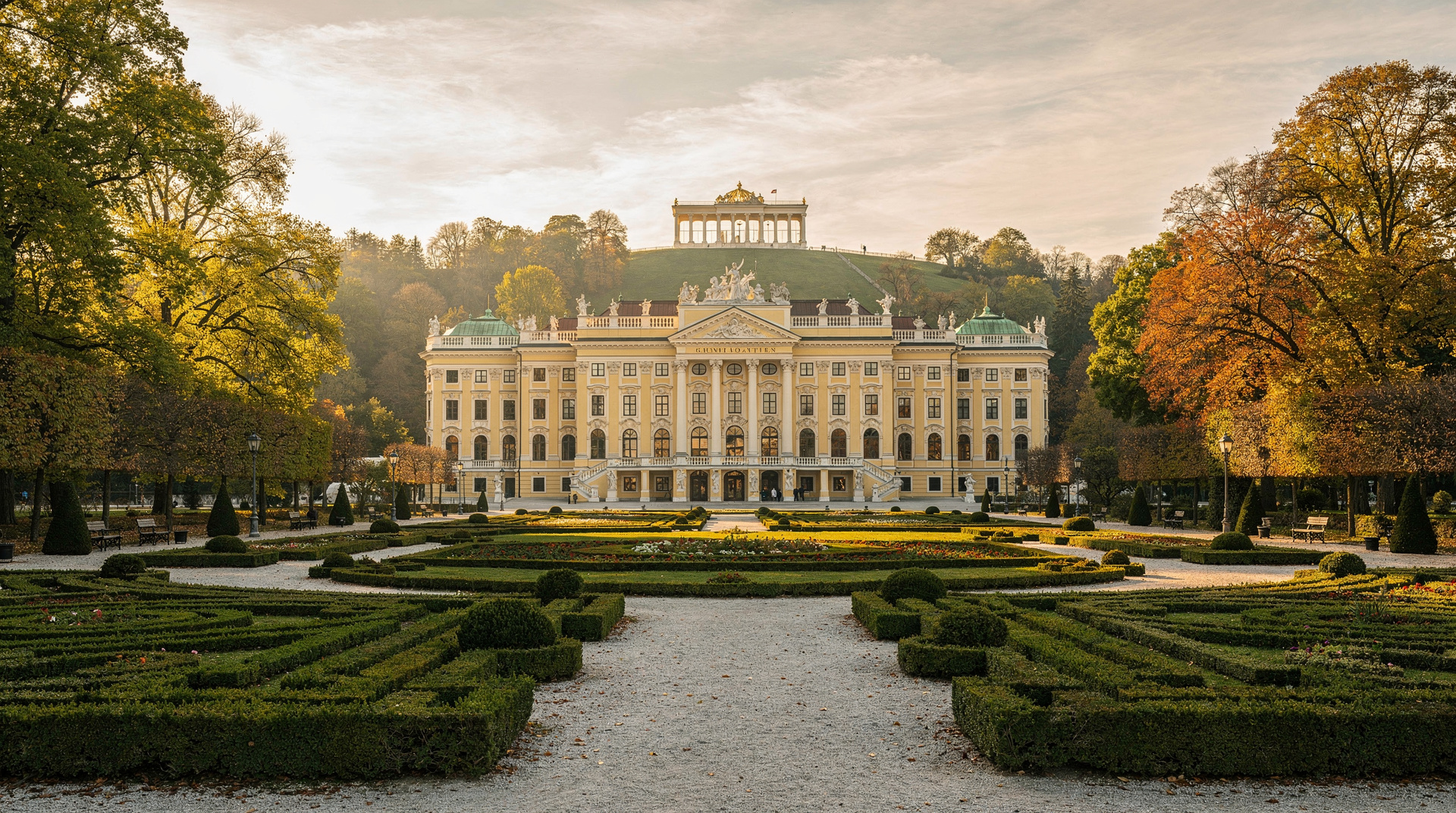
The Schönbrunn Palace guide is worth reading before a winter visit. The interiors are the main draw in cold weather, while the gardens are best treated as a short walk rather than a full afternoon. Frost or snow on the formal parterres can look wonderful, but plan to warm up inside afterwards. The Hofburg palace guide and the Imperial Apartments guide are natural choices for a grey day, since nearly everything happens under a roof.
Museum days when the weather turns
A rainy or foggy day is the right moment for the big collections. The Kunsthistorisches Museum guide and the Albertina Museum guide both suit a slow morning, and the Belvedere Palace guide is a good pick if you want art in a setting that feels as grand as the paintings. Pick one major museum per day rather than two; winter coats, scarves and boots make long museum days more tiring than they look on paper.
Evenings: music, wine and warm food
Winter is when Vienna’s evening culture feels most natural. After dark, a concert hall, a wine tavern or a traditional restaurant is the obvious destination, and you will often find the best atmosphere in places that are simply warm and unhurried.
For music, the Musikverein concerts guide and the Vienna State Opera guide explain how to choose a programme and where to sit. If you are comparing options for a first concert, classical vs touristic concerts is worth a read before you book, and the Vienna Boys’ Choir guide covers a quieter, more traditional kind of winter listening.
For food, the Vienna food guide and the best restaurants guide cover the hearty dishes that suit cold weather. The schnitzel guide is a good starting point for a proper winter dinner. Heurigen are mostly a warm-season tradition, so check the Heuriger guide before assuming one will be open on a particular winter evening.
Choosing between the Christmas season and deep winter
The honest way to choose is to decide what you want from the trip. If you want lights, mulled drinks and festive crowds, come during market season and accept the busier streets and higher prices. If you want space, calm and a city that feels like it belongs to its residents, come after Christmas. Both are valid, and neither is a compromise; they are simply different trips in the same city.
Travellers who are undecided can read when to visit Vienna to compare winter with the other seasons. If you are leaning towards the festive weeks, the Vienna Christmas markets guide is the fuller companion to this page, and the Rathausplatz market guide is the place to start for the biggest one.
Travelling with others in winter
Families and couples have different needs in the cold. For children, shorter outings with frequent warm-up stops work better than a packed schedule, and the Vienna with kids guide has ideas that suit indoor days. Couples looking for a romantic winter break will find more in the honeymoon guide, which fits the candlelit, concert-and-café mood of the season well.
Getting around in winter
Public transport is the sensible way to move in cold weather, and the public transport guide explains how the network works so you are not standing outside deciphering a map in the wind. If you are arriving by air, the airport to city guide lays out the options; after a cold flight, the simplest and most direct choice is usually the right one. Keep your walking legs for short hops between sights and let trams and the metro carry you across longer distances.
Guided winter experiences
The Christmas market tours operate only during the market season (November–December). For post-Christmas visits, the guided tours shift to museum and cultural experiences.
The Christmas Market Magic Walking Tour with a Local provides the best contextualised guide experience during the market season — a Vienna local who knows the tradition from the inside.
The Vienna Christmas Markets Tour covers multiple markets in a single evening with a guide — the best introduction to the Christmas market landscape.
The 2.5-hour magical festive Christmas market tour provides a longer format with more detail at each market — worth the extra time if you’re seriously interested in the Christmas tradition.
Honest tips
The Christmas market period is high season — plan accordingly. Mid-November to December 26, hotel prices are elevated and the famous markets can be uncomfortably crowded. Book accommodation early and visit markets on weekday afternoons.
January is genuinely underrated. Shorter queues everywhere, better hotel rates, full cultural season. The cold is real but Vienna has an outstanding indoor culture (coffeehouses, museums, opera) that makes it one of the better European cities for a winter visit even in the coldest months.
Pack for rain as well as cold. Vienna winters are often wet rather than snowy — grey skies and drizzle are more common than photogenic snowfall. A waterproof outer layer and waterproof shoes matter more than maximum warmth.
The Staatsoper standing room is one of Europe’s great bargains. For €3–8 you can stand in a designated area to watch a world-class opera or ballet performance. The view isn’t perfect from the back of the standing-room section, but the sound is excellent and the experience is extraordinary. Doors open 80 minutes before the performance; standing-room tickets sold at the box office from 80 minutes before curtain.
New Year’s Eve in Vienna is expensive and crowded. The city does it well (outdoor concerts on the Ringstrasse, fireworks at midnight, street entertainment), but hotel prices are extreme and the crowd on the Ringstrasse can be very dense. If you want New Year’s Eve in Vienna, book 3–4 months in advance.
Day trips in winter require weather checks. The Wachau is beautiful in winter frost (though boat trips don’t run). Hallstatt can be magical in snow but dangerous if access roads ice up. Check conditions before day trips in January–February.
Frequently asked questions about Vienna in winter
Is Vienna worth visiting in January?
For museum lovers, classical music fans, and those who want to avoid tourist crowds — emphatically yes. The cultural calendar is excellent, prices are lower, and the coffeehouses in January feel particularly authentic. The cold is real but Vienna has the indoor infrastructure to make it entirely viable.
What happens on Christmas Day in Vienna?
Most restaurants, shops, and attractions are closed on December 25. The Christmas markets may have reduced hours or be closed entirely (most close December 23–24). Hotels are open. A few restaurants (hotel restaurants, some tourist-oriented places) remain open. Plan ahead and book a restaurant if you’re in Vienna on Christmas Day.
Is Vienna good for New Year’s Eve?
The outdoor New Year’s concert (Silvesterpfad) on the Ringstrasse and around the city is a genuine event — multiple stages, free concerts, crowds in the hundreds of thousands. The countdown at midnight with fireworks is spectacular. The trade-off is extreme hotel pricing and very dense crowds. Cafés and restaurants have special New Year’s Eve menus at significantly elevated prices.
Can I ski from Vienna as a day trip?
Semmering is 1.5 hours by train from Wien Hauptbahnhof and offers a modest but functioning ski area (10+ pistes, reliable snow with snowmaking). For a proper ski day trip, the 3-hour train to Innsbruck is feasible with an early start. Most Viennese who ski do so as a weekend trip rather than a day trip.
Top experiences
Bookable activities with verified prices and instant confirmation on GetYourGuide.