Best museums in Vienna: an honest guide for 2026
Tickets for the Albertina Exhibitions
What are the best museums in Vienna?
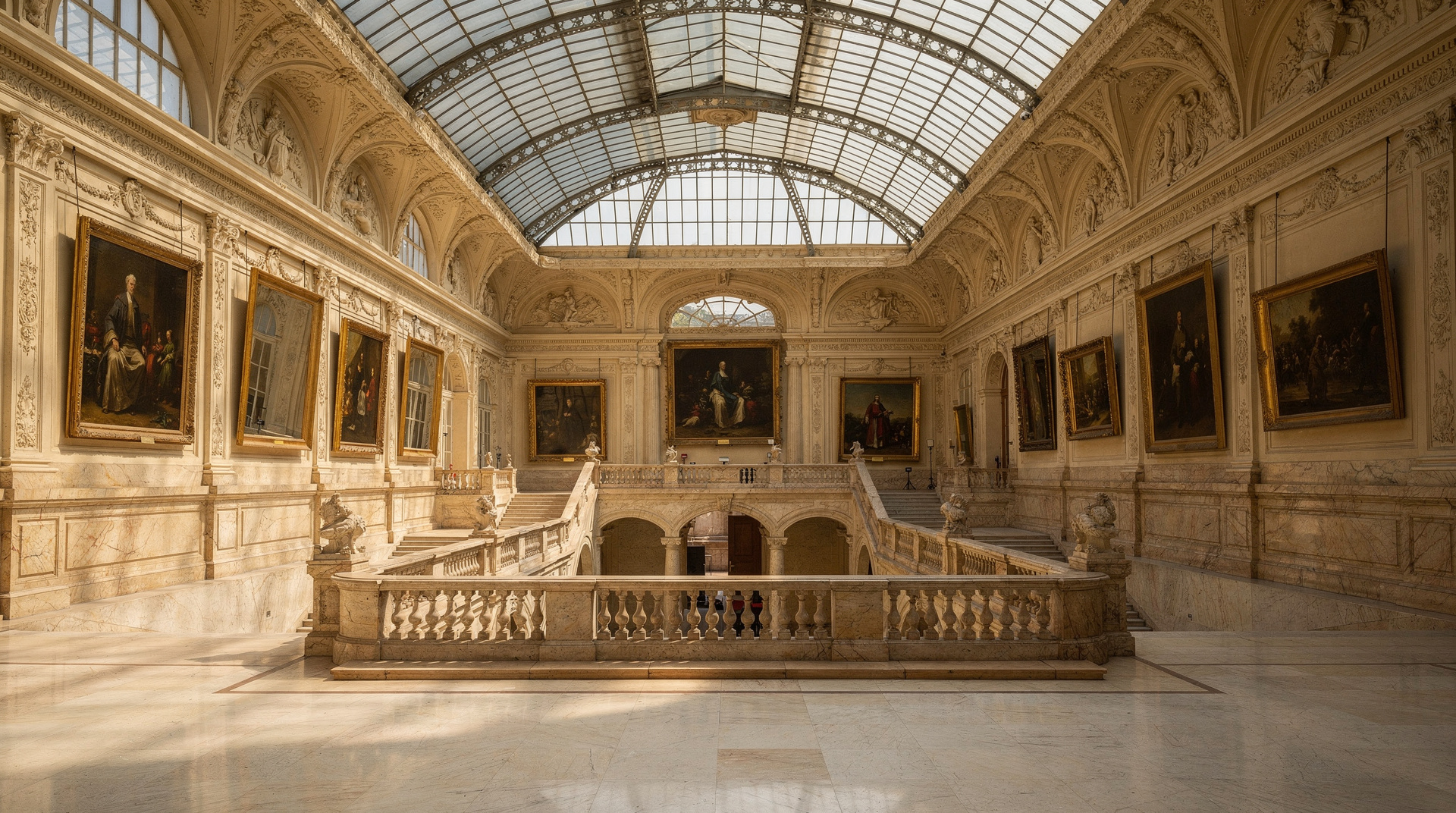
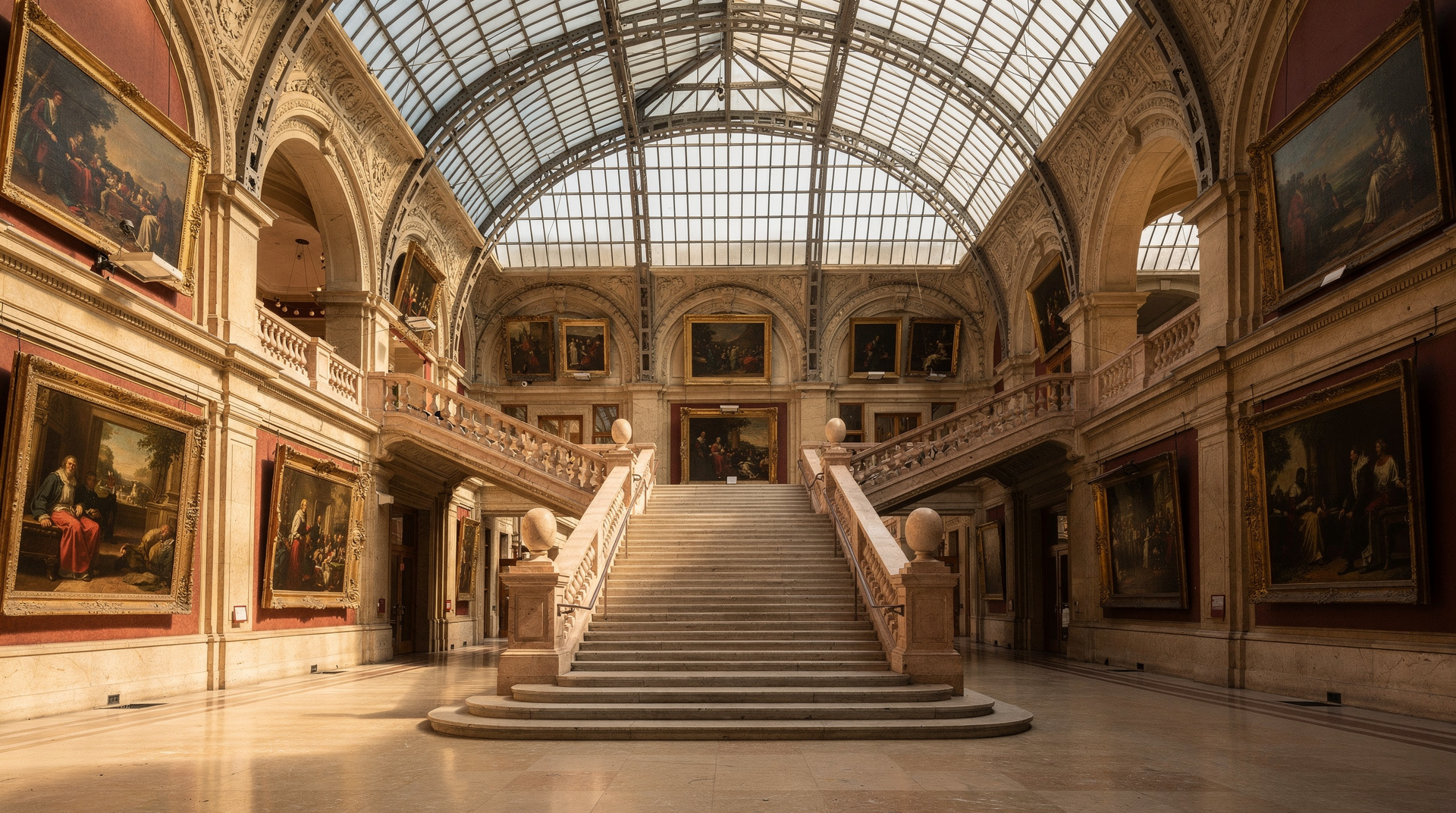
The Kunsthistorisches Museum (Habsburg art collections, Vermeer, Bruegel, Velázquez) and the Upper Belvedere (Klimt's The Kiss, Schiele) are the two essential art museums. For natural history, the Naturhistorisches Museum; for modern art, Leopold Museum or MUMOK; for prints and drawings, the Albertina. The Sisi Museum and Imperial Apartments are not strictly art museums but are among Vienna's most-visited institutions.
Vienna’s museums: more than a side dish
Vienna has more museums per capita than any other city in the world — over 100 by some counts, though many of these are highly specialized. The question for visitors is not whether there are good museums but which ones to prioritize with limited time.
This guide gives honest rankings and practical combinations for visitors with 1, 2, or 3 days available for museums.
| If you have 1 day | KHM or Belvedere — not both |
| If you have 2 days | Add Naturhistorisches + Albertina or Leopold |
| If you have 3 days | Add MuseumsQuartier (Leopold + MUMOK) |
| Best for children | Naturhistorisches Museum, Haus der Musik |
| Closed Mondays | KHM, Albertina, Naturhistorisches, MUMOK |
Museum comparison at a glance
| Museum | Strongest for | Time needed | Tier |
|---|---|---|---|
| Kunsthistorisches Museum | Old Masters, Habsburg collections | 3–4hrs | 1 |
| Upper Belvedere | Klimt’s The Kiss | 2–2.5hrs | 1 |
| Albertina | Dürer, works on paper | 2hrs | 2 |
| Naturhistorisches Museum | Dinosaurs, meteorites, families | 2–3hrs | 2 |
| Leopold Museum | World’s largest Schiele collection | 2hrs | 2 |
| MUMOK | Fluxus, Actionism, contemporary | 1.5–2hrs | 3 |
| Albertina Modern | Contemporary art, second museum day | 1.5–2hrs | 3 |
| Jewish Museum Vienna | Jewish history, undervisited | 1.5hrs | 3 |
Tier 1: Essential — at least one of these on any Vienna trip
Kunsthistorisches Museum (KHM)
The Habsburg art collection, assembled over three centuries by a dynasty with essentially unlimited funds and a policy of acquiring the best available. The KHM holds one of the deepest collections of Old Master paintings in the world: Brueghel the Elder’s cycle of seasonal paintings, Velázquez’s Infanta portraits, Vermeer’s Art of Painting, Raphael, Caravaggio, Rubens, Rembrandt, Titian. The Egyptian and Ancient Near Eastern departments are among the finest in the world.
Allow 3–4 hours. The KHM is too large to see thoroughly in less time; a focused 2-hour visit covering only the painting galleries is preferable to trying to see everything in the collection.
See our Kunsthistorisches Museum guide for what to prioritize.
Vienna Kunsthistorisches Museum day admission ticketUpper Belvedere (Klimt and Austrian art)
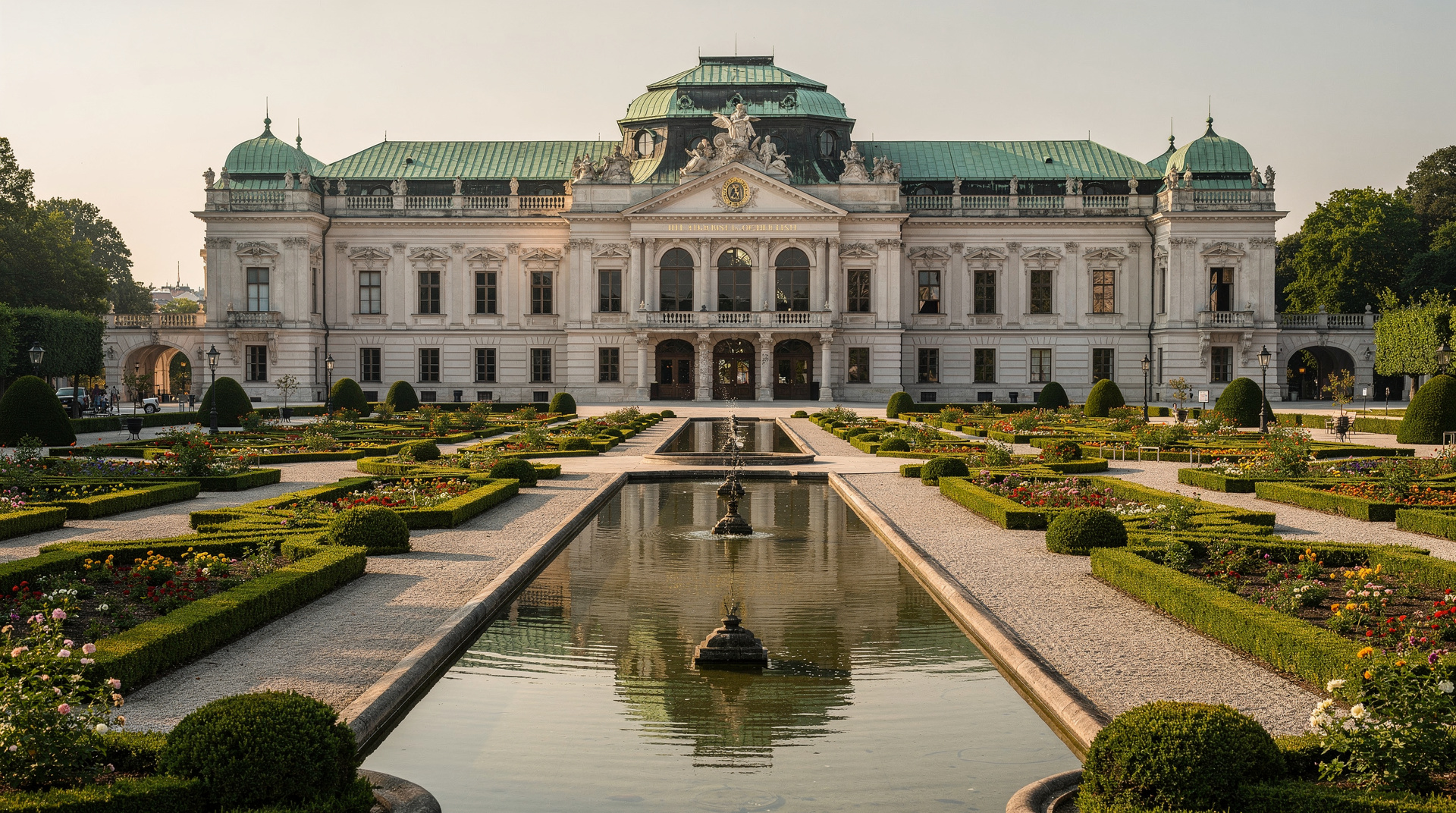
Austria’s greatest art museum, housing Klimt’s The Kiss and the core of his mature work, along with significant Schiele and Waldmüller. The Baroque palace setting and formal gardens add architectural value to the art. Allow 2–2.5 hours.
Important: Klimt’s The Kiss is at the Upper Belvedere, not the Albertina. The Albertina holds Klimt drawings and works on paper; the Belvedere holds the paintings.
See our Belvedere Palace guide for room-by-room priorities.
Vienna: Upper Belvedere and permanent collection entry ticketTier 2: Excellent — worth a dedicated half-day
Albertina Museum
Vienna’s print room — the largest and most important collection of graphic art in the world, with 65,000 drawings and nearly a million prints including works by Dürer, Michelangelo, Raphael, Klimt, Schiele, Monet, and Picasso. The Albertina also holds significant 20th-century painting including Monet’s Water Lilies and major Expressionist works.
The permanent collection is often underestimated because the Albertina is better known for its temporary exhibitions (which tend to be blockbuster shows of 20th-century artists). The basement level permanent galleries are frequently emptier and in some ways more rewarding.
See our Albertina Museum guide.
Tickets for the Albertina exhibitionsNaturhistorisches Museum (Natural History Museum)
The mirror building to the KHM across Maria-Theresien-Platz, housing one of the world’s great natural history collections: dinosaur skeletons, the meteorite hall (one of the best in the world), the Venus of Willendorf (28,000 years old, the oldest known female figurine), and extensive geology, paleontology, and anthropology departments.
Particularly good for children aged 6+. Allow 2–3 hours.
See our Naturhistorisches Museum guide.
Leopold Museum
The most important private art museum in Austria, in the Museumsquartier, housing Rudolf Leopold’s extraordinary collection of Austrian Expressionism: the world’s largest Egon Schiele collection (220 works), significant Klimt, Oskar Kokoschka, and Vienna Secession material.
The Schiele collection alone makes the Leopold worth 2 hours for anyone interested in Expressionism or early 20th-century art. See our Leopold Museum guide.
Tier 3: Specialist — right for specific interests
MUMOK (Museum of Modern Art)
Located in the Museumsquartier adjacent to the Leopold Museum, MUMOK covers modern and contemporary art from the early 20th century to the present: Fluxus, Vienna Actionism (one of the most comprehensive archives of this confrontational Austrian movement), American Pop Art, and contemporary installations. Important for visitors interested in post-war and contemporary art; less rewarding for those seeking more traditional museum content.
See our MUMOK guide.
Albertina Modern
The Albertina’s second location in the Karlsplatz area, focused on modern and contemporary art from 1900 to the present, with an emphasis on Expressionism, abstraction, and international contemporary works. A good complement to the main Albertina if you have a full museum day, but not essential for first-time visitors.
See our Albertina Modern guide.
Jewish Museum Vienna
Two locations (Dorotheergasse in the 1st district and Judenplatz with the Rachel Whiteread Holocaust memorial) covering Vienna’s Jewish history from the medieval settlement to the 20th century and the contemporary community. Excellent and undervisited. Allow 1.5 hours.
See our Jewish Museum Vienna guide.
Practical museum planning
1-day museum visitor
Choose either the KHM or the Belvedere. A serious 4-hour visit to either is more rewarding than a rushed 2-hour visit to both.
2-day museum visitor
Day 1: KHM (morning, 3–4 hours) + Naturhistorisches Museum (afternoon, 2 hours) Day 2: Upper Belvedere (morning, 2.5 hours) + Albertina or Leopold Museum (afternoon, 2 hours)
3-day museum visitor
Add the Museumsquartier (Leopold Museum + MUMOK) on Day 3. The Museumsquartier’s outdoor courtyard (one of the largest in Europe) is worth a lunchtime break between museums.
Closing days: a critical practicality
Most major Vienna museums close on Mondays:
- KHM: closed Monday
- Albertina: closed Monday
- Naturhistorisches Museum: closed Monday (until 9 pm Thursday)
- Leopold Museum: closed Tuesday (open Monday)
- MUMOK: closed Monday
Always open (daily):
- Upper Belvedere (open daily, Friday until 9 pm)
- Haus der Musik (open daily until 10 pm)
If you arrive on a Sunday afternoon and have Monday free, plan for Belvedere or Haus der Musik rather than KHM.
The Klimt trail and combining multiple sites
Vienna has significant Klimt works distributed across multiple institutions: the Belvedere (The Kiss, major paintings), the KHM (the ceiling paintings in the staircase), the Albertina (drawings and late works), the Wien Museum (early paintings), and the Secession building (the Beethoven Frieze). Our Klimt trail guide maps the full route for Klimt enthusiasts.
Where museum time fits your wider itinerary
Museum days are best spread rather than crammed, and how many you build in depends on your total trip length. Our Vienna 3-day itinerary allocates one museum-focused morning per day, which matches the “2-day museum visitor” plan above with a spare afternoon. If a PASS is on your radar, read the Vienna PASS review before committing — the museum entries above are exactly the attractions that determine whether it pays off.
How to pace a museum day without burning out
The most common regret among museum-focused visitors is not a missed collection but a day that was packed too tightly. Art fatigue is real: after a couple of hours of Old Masters, even a Vermeer starts to blur. Plan one anchor museum, take a proper break, and treat anything after that as a bonus rather than an obligation.
A few habits help. Start with the rooms you came for, before your attention fades, and wander the rest afterwards. Sit down often; every large Vienna museum has benches in front of the major works, and a few minutes of simply looking beats a dozen quick glances. Break for coffee in the middle of the visit rather than at the end. Our coffee house guide and the best coffee houses in Vienna are useful for choosing a place near your museum, and the coffee house etiquette guide saves you from a few awkward moments at the table.
Pairing museums with the neighbourhood around them
Vienna’s museums cluster, and that is the easiest way to build a sensible day.
- Maria-Theresien-Platz: the KHM and the Naturhistorisches Museum face each other across the square, so you can split one morning and one afternoon without crossing the city. The Ringstrasse architecture walk and the Ringstrasse district page show what else sits within a short stroll.
- MuseumsQuartier: the Leopold Museum and MUMOK share a courtyard, which makes this the best place for a relaxed two-museum day. Read the MuseumsQuartier district page for the surroundings.
- Belvedere area: the palace gardens connect naturally to the Belvedere district, and the Upper Belvedere pairs well with a slow lunch rather than a second museum.
- Innere Stadt: the Albertina and the Jewish Museum both sit in the historic centre, so they combine easily with the Innere Stadt page and a walk past the Hofburg.
If you like your museums with a musical twist, the Haus der Musik guide covers an interactive museum that works for every age, and the Vienna classical music itinerary shows how to join a museum day to an evening concert.
Choosing by interest, not by reputation
Rankings are a starting point, not a rule. If you are drawn to one story rather than to museums in general, build the day around it.
Klimt and Schiele. Start at the Upper Belvedere for the paintings, then add the Leopold Museum for Schiele. The Schiele and Vienna Secession guide explains how the two painters relate, and the Klimt trail strings the sites together.
Habsburg history. The KHM shows what the dynasty collected; the imperial residences show how they lived. Pair the museum with the Imperial Apartments, the Sisi Museum or the Imperial Treasury, and read the Habsburg history primer beforehand so the rooms make more sense.
Travelling with children. The Naturhistorisches Museum and Haus der Musik are the safest choices. For a wider plan, see the Vienna with kids guide and the family itinerary. Keep the visit short and let the children set the pace.
Contemporary art. MUMOK and Albertina Modern suit people who already enjoy modern work; they are not the place to be talked into it. Save them for a second museum day.
Fitting museums into a longer trip
Museums work best when they alternate with outdoor time, so that no two days feel the same. A trip of several days gives you room to do that: the Vienna 4-day itinerary and the 5-day itinerary leave space for a second or third museum without squeezing. If you are unsure how long to stay, the how many days in Vienna guide helps you decide. On a short stay, the weekend itinerary is the better template, and the honest advice there is to choose a single anchor museum and enjoy it fully.
Weather matters too. Museums are the obvious answer to a cold or rainy day, which is why they feature so heavily in the Vienna in winter guide. In warm months, schedule museum visits in the morning or late afternoon and leave the middle of the day for gardens and cafés.
Practical habits that make a difference
- Check opening days before you travel, then check again the week you arrive, since special exhibitions and holidays can change the usual pattern.
- Buy tickets online for the busiest museums so that you spend your time inside rather than in a queue.
- Travel light. Large bags are usually sent to the cloakroom, and a short walk back to it costs you time in the galleries.
- Learn the cloakroom and audio-guide routine at the entrance; both are worth the small effort when the collection is large.
- Use public transport to hop between districts; the Vienna public transport guide explains how, and the Vienna City Card review is worth reading if you expect to ride often.
- On a tight budget, the Vienna on a budget guide shows where to economise without skipping the highlights.
Frequently asked questions about Vienna museums
How many days do I need for Vienna’s museums?
A focused 1-day visitor can cover the KHM (4 hours) or the Belvedere (3 hours). Two days allows both. Three days opens up the Albertina, Leopold, Naturhistorisches, and MUMOK.
Is the Vienna PASS worth it for museums?
The Vienna PASS includes 85+ attractions. Break-even typically requires 3+ major museums in one day. Our Vienna PASS review calculates the specific math.
Which Vienna museum is best for children?
The Naturhistorisches Museum (dinosaurs, meteorites, Venus of Willendorf) works well for children aged 6+. Haus der Musik is the best interactive option for all ages.
Are Vienna museums open on Mondays?
Most major museums close on Mondays, including the KHM and Albertina. The Upper Belvedere is open daily.
What time do Vienna museums open?
Most open at 10 am. The Belvedere opens at 9 am. Many extend hours on specific evenings.
Is photography allowed in Vienna museums?
Most permit photography without flash for personal use. Check individual museum policies at the entrance.
Top experiences
Bookable activities with verified prices and instant confirmation on GetYourGuide.