Jewish Museum Vienna guide: history, tickets and what to expect
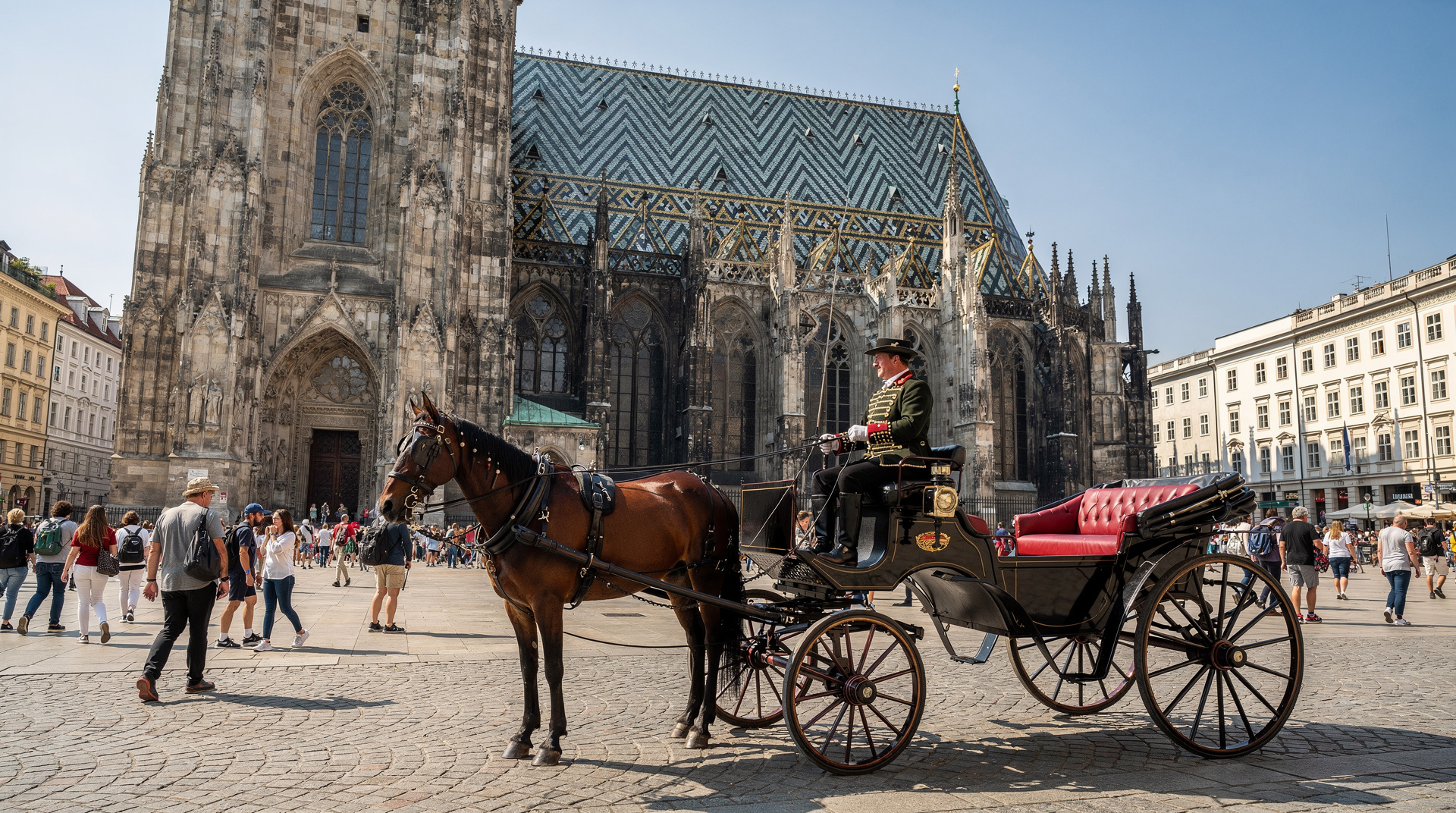
Vienna: Guided Walking Tour of City Center Highlights
Is the Jewish Museum Vienna worth visiting?
Yes — the Jewish Museum of Vienna is one of the oldest Jewish museums in the world (founded 1895) and one of the most thoughtfully curated. The main museum at Dorotheergasse covers Vienna's Jewish history from the medieval period to the present; the Judenplatz location includes Rachel Whiteread's major Holocaust memorial and excavations of a medieval synagogue. Combined visit: 2–2.5 hours.
Vienna’s Jewish history: why it matters to understand the city
Vienna in 1900 was one of the most intellectually productive Jewish cities in the world. Approximately 200,000 Jews — about 10% of the population — lived in the city, contributing to every field of cultural and intellectual life: Sigmund Freud was developing psychoanalysis from his apartment on Berggasse 19; Arthur Schnitzler was writing the city’s sharpest social comedies; Karl Kraus was editing Die Fackel; Arnold Schoenberg was inventing twelve-tone composition; Stefan Zweig was writing his great cosmopolitan novels. The Ringstrasse’s architects, the Secession’s collectors, the Danube steamship companies — Jewish participation in the construction of modern Vienna was essential.
Within 40 years, most of this community was dead. Understanding Vienna fully requires understanding this history: what was built, what was destroyed, and what remains.
The Jewish Museum of Vienna is the institution dedicated to making this history accessible and comprehensible.
| Where | Dorotheergasse 11 and Judenplatz 8, both 1st district |
| Cost | Around €15 combined ticket for both locations |
| Time needed | 2–2.5 hours combined |
| Getting there | U1/U3 to Stephansplatz, 5–7 minutes on foot |
| Best time | Weekday mornings — closed Saturdays |
What you need to know before you go
Main museum (Dorotheergasse): Dorotheergasse 11, 1010 Wien. Open Sunday–Friday 10 am–6 pm; closed Saturday. Admission approximately €12 adults.
Judenplatz location: Judenplatz 8, 1010 Wien. Open Sunday–Thursday 10 am–6 pm; Friday 10 am–2 pm; closed Saturday. Admission included in combined ticket with Dorotheergasse.
Combined ticket: Approximately €15, covering both locations. Recommended.
Getting there (both locations): U1/U3 to Stephansplatz, then 5–7 minutes on foot. Dorotheergasse is off Graben; Judenplatz is off Wipplingerstraße.
The main museum: Dorotheergasse
The Jüdisches Museum Wien at Dorotheergasse 11 occupies the Palais Eskeles, an 18th-century palace that was itself part of Vienna’s Jewish cultural world — it was used by the Jewish community for significant events and later became a centre of Jewish bourgeois life.
The collection
The museum was founded in 1895 — one of the first Jewish museums in the world — and holds a collection of Judaica (religious objects, Torah scrolls, ceremonial silver, Chanukah lamps), archival material (photographs, documents, newspapers), and art that covers Vienna’s Jewish history from the medieval settlement through the present.
The permanent exhibition is structured chronologically and thematically, beginning with the medieval period (Vienna had an established Jewish community by the 10th century) and moving through the Habsburg era (emancipation under Joseph II in 1782, the growth of the community in the 19th century), the pre-war cultural florescence, the Anschluss (Germany’s annexation of Austria in March 1938), the Holocaust (the Shoah — the murder of approximately 65,000 Austrian Jews), and the post-war community.
The holograms
An unusual and effective element of the permanent exhibition: holograms of significant Judaica objects from the museum’s collection that were destroyed in the Holocaust or looted and never recovered. The holograms make visible what no longer physically exists.
Temporary exhibitions
The museum runs a programme of temporary exhibitions that focus on specific aspects of Viennese Jewish history or contemporary Jewish culture. These exhibitions vary considerably in content and depth; check the current programme before visiting.
The Judenplatz location: memorial and excavations
The Judenplatz location is physically smaller than Dorotheergasse but in some ways the more powerful of the two sites.
Rachel Whiteread’s Holocaust memorial
The centerpiece of Judenplatz is the Holocaust memorial by British artist Rachel Whiteread, installed in 2000 after a decade of controversy about location, design, and the appropriate form for remembrance. The work — a white concrete cube approximately 10 metres long, 7 metres wide, and 3.8 metres high — takes the form of a library seen from the outside, with book spines turned inward. The books are unreadable; they represent all that was destroyed.
The inscription on the base lists the names of the concentration camps where Austrian Jews were murdered.
In a square surrounded by Baroque and Neoclassical facades, the stark white concrete presence of the memorial is deliberately dissonant — it refuses to fit into the aesthetic of its surroundings, which is part of the point.
The medieval synagogue excavations
Beneath the Judenplatz museum building, a medieval synagogue destroyed in 1421 has been partially excavated and is now visible through a glass floor in the lower level. The Vienna Gesera of 1421 — the expulsion and mass killing of the Jewish community of Vienna under Duke Albert V — ended the medieval Jewish settlement in the city. The synagogue, one of the largest in Central Europe at the time, was demolished on the Duke’s orders.
The museum explains the events of 1421 in their historical context, while the excavated walls below remind visitors that this is not an abstract historical event but one that happened on this specific square, in this specific city.
The broader Vienna Jewish heritage sites
Beyond the two museum locations, several other sites connect to Vienna’s Jewish history:
Sigmund Freud Museum (Berggasse 19): The apartment and practice where Freud developed psychoanalysis, preserved largely as it was when he fled Vienna in 1938. Open daily; admission approximately €14.
Stadtempel (city synagogue): The only Viennese synagogue to survive the November 1938 pogroms (Kristallnacht) intact — because its interior courtyard location meant burning it would have destroyed the surrounding buildings. Entry by appointment; contact the Israelitische Kultusgemeinde Wien.
Zentralfriedhof (Central Cemetery): The Jewish sections of Vienna’s main cemetery include significant 19th and early 20th century graves. The cemetery is a 20-minute U-Bahn ride (U3 to Simmering) and open daily.
Guided context for the visit
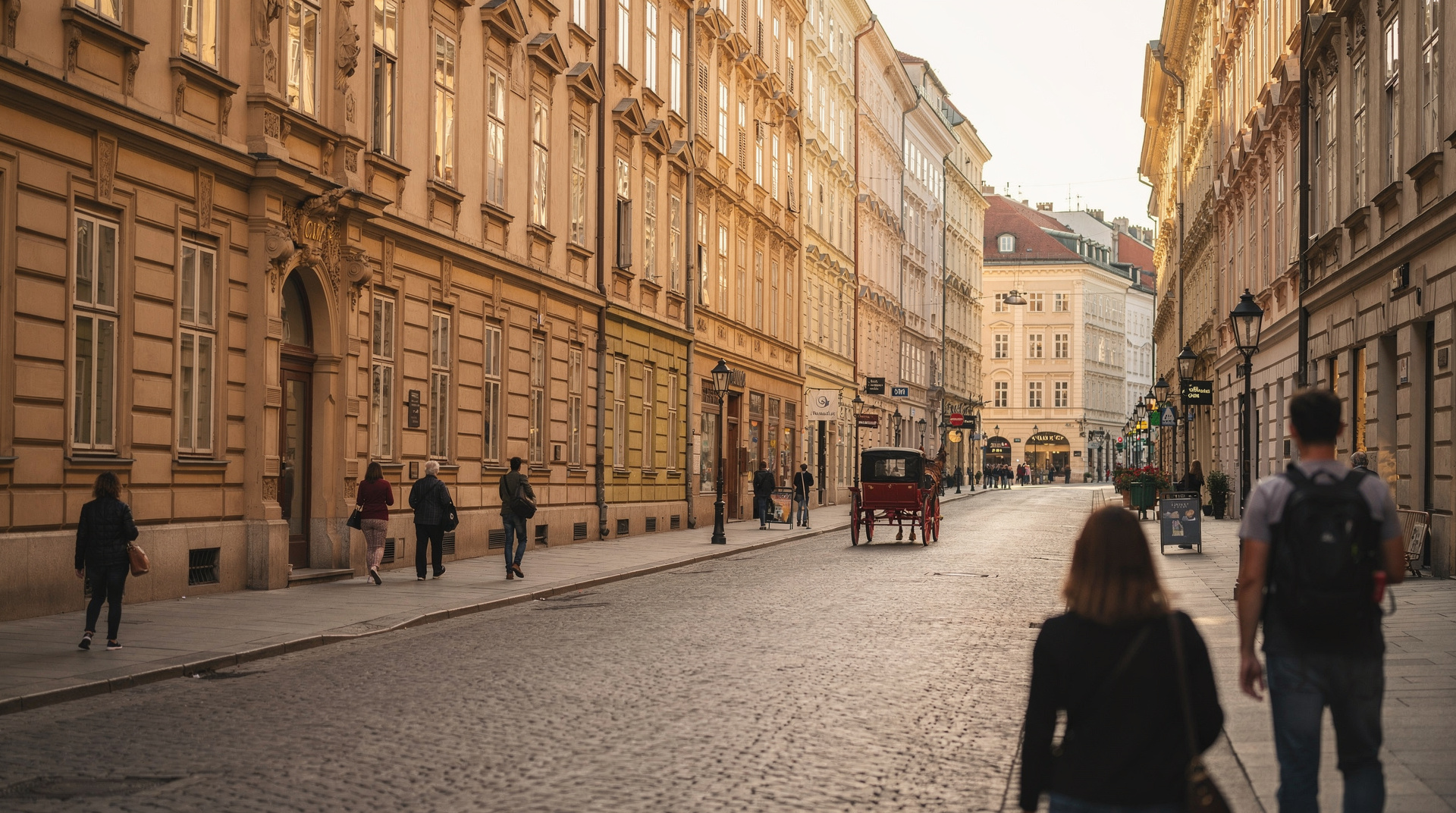
Vienna: guided walking tour of city center highlights A walking tour of the Innere Stadt that covers the history of the Jewish community alongside the broader Vienna story provides useful context before visiting the museums.
Vienna: 1.5-hour underground walking tourThe underground tour of Vienna, which covers layers of the city’s history including the medieval period, can complement the Judenplatz excavation visit.
Practical tips
Visiting order: Begin at Dorotheergasse for the full historical context, then visit Judenplatz for the memorial and excavations. The Dorotheergasse exhibition provides the narrative framework that makes the Judenplatz memorial comprehensible rather than simply sobering.
Photography: Permitted in both museum locations. The Judenplatz memorial is a public artwork and can be photographed from the square without any restriction.
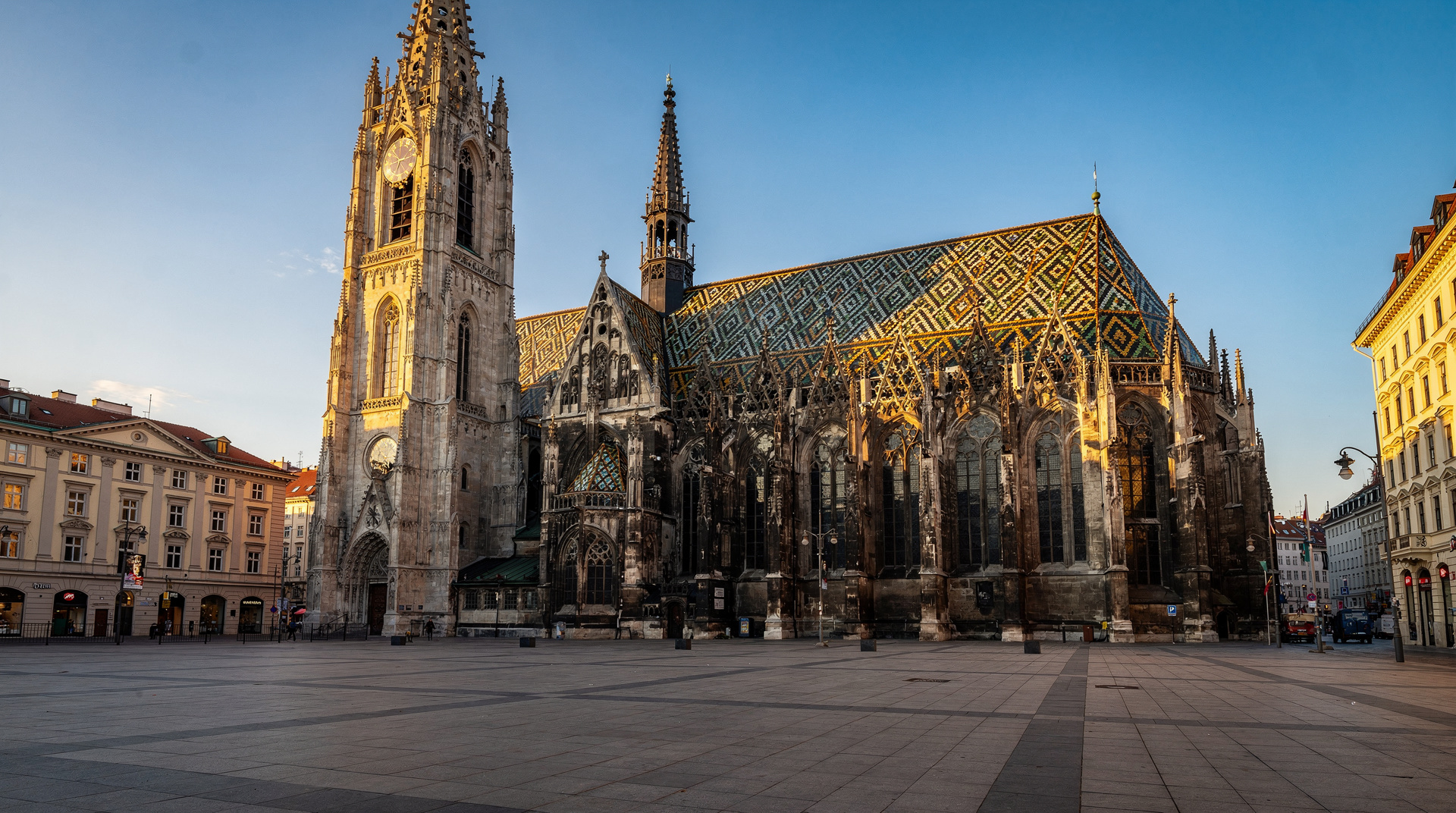
Combination with Stephansdom: Stephansdom is a 5-minute walk from both museum locations. The Stephansdom catacombs visit can be combined with a half-day Innere Stadt programme that includes the Jewish Museum, the underground church ruins at Michaelerplatz, and the Habsburg burial sites at the Kapuzinergruft.
Understanding the wider Habsburg context
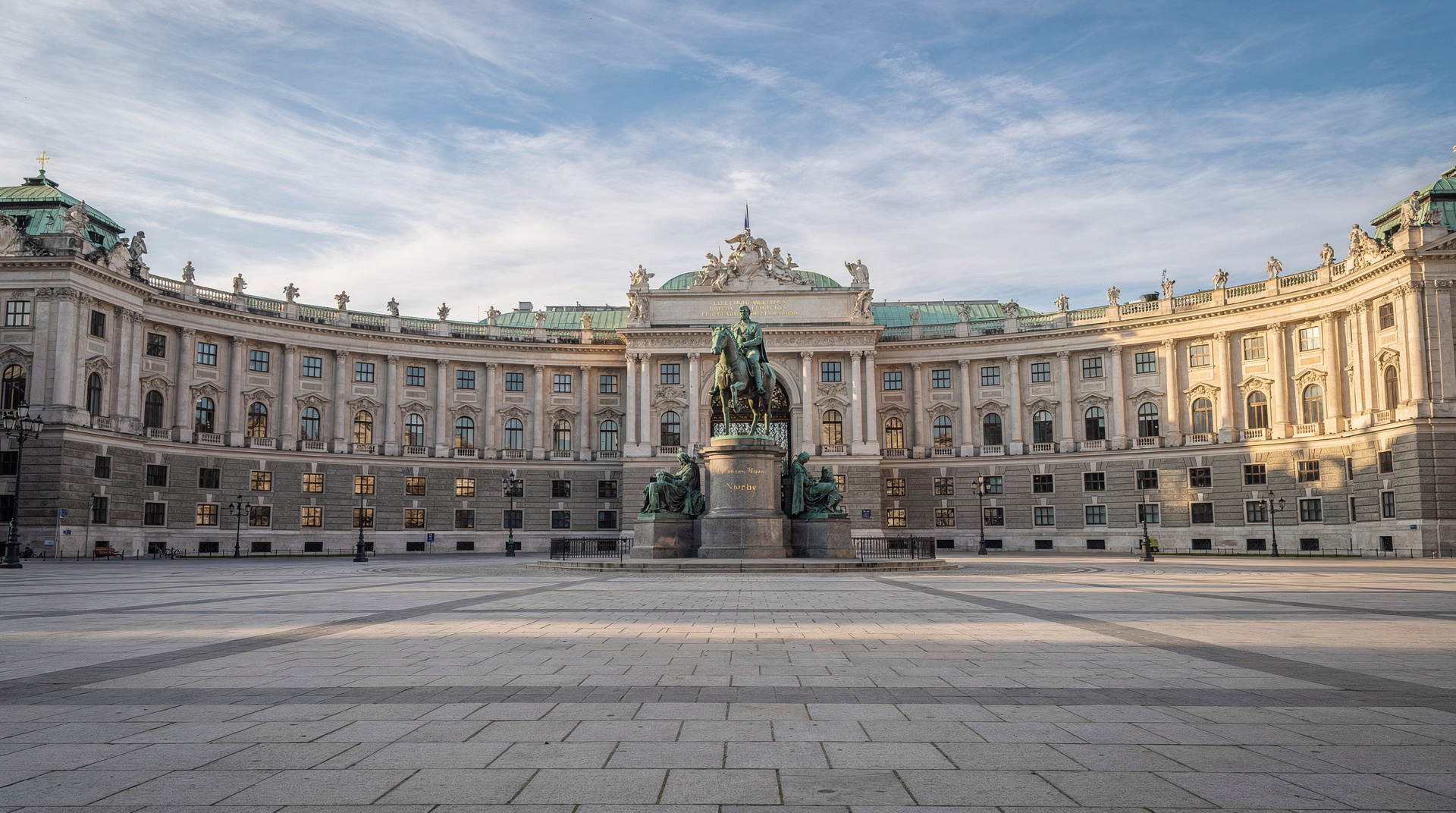
The Jewish Museum’s story does not sit in isolation from the rest of Vienna’s imperial history. The 1782 Edict of Tolerance under Joseph II, which opened professions and education to Jewish subjects for the first time, was part of the same Habsburg reform programme covered in our Habsburg history for travellers guide — understanding that broader arc of emancipation and later catastrophe makes the museum’s chronological displays land with more weight. Similarly, the Hofburg Palace, seat of the dynasty that both enabled and eventually failed to protect this community, is worth visiting with this history in mind rather than purely as an architectural spectacle.
Where the Jewish Museum fits among Vienna’s museums
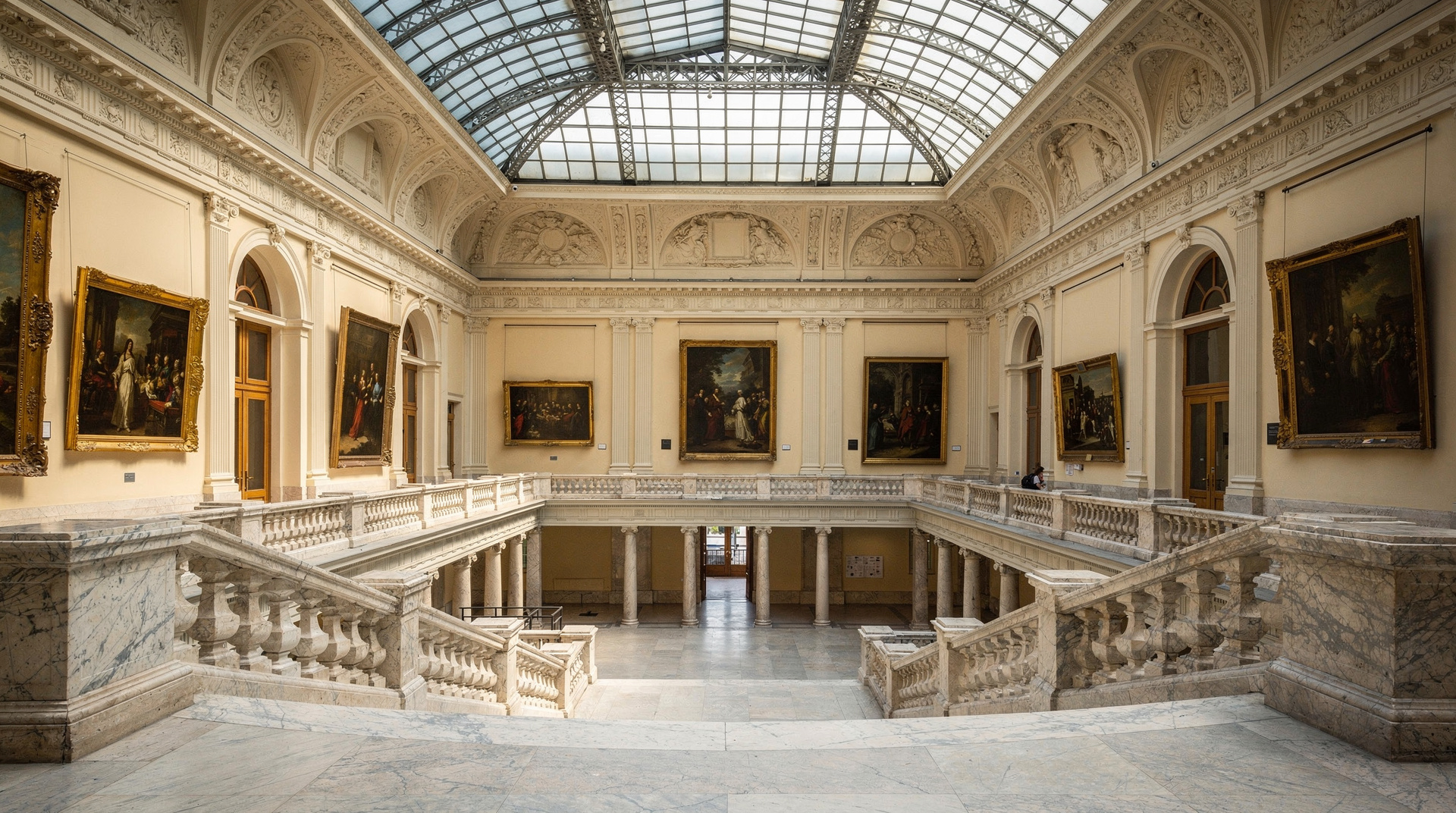
For visitors building a museum-focused day or two, the Jewish Museum is one of the most substantive stops in the city but is often left off standard itineraries in favour of the Kunsthistorisches Museum or Belvedere. Our best museums in Vienna guide places it in context alongside the city’s major art collections — it rewards a dedicated half-day rather than being squeezed in as an afterthought.
Building the visit into your days
The two sites sit in the heart of the Innere Stadt, which makes them easy to slot between other central stops. If you are working from a fixed plan, the 3-day Vienna itinerary and the 5-day itinerary both pass close enough that a morning here replaces nothing essential; it simply needs to be placed on a day that is not a Saturday. Travellers with more time will find that the 7-day itinerary leaves room to treat this as an unhurried half-day.
A good rhythm is to start early, spend the first part of the morning at Dorotheergasse, and walk to Judenplatz afterwards. The short walk between the two is useful in itself: it gives you a few minutes in the open air to absorb what you have just seen before arriving at a memorial that asks for quiet attention. Plan something lighter afterwards. A coffee in one of the city’s traditional cafés, described in our guide to Vienna’s best coffee houses, is a natural way to decompress, and the coffee house etiquette guide will help you settle in without any awkwardness.
How to approach the museum emotionally and practically
This is not a museum to rush through with a checklist. The material moves from the richness of Jewish cultural life to its violent destruction, and many visitors find the later rooms heavy. Give yourself permission to slow down, to sit when there is a place to sit, and to skip a display if you need a pause. The Dorotheergasse galleries are laid out so that you can follow the story in order, and doing so is far more rewarding than dipping in at random.
If you are travelling with teenagers, the museum can be a powerful experience, but it works best when the history has been introduced beforehand. Our notes on visiting Vienna with kids cover the general question of pacing a city break with younger travellers; for this museum in particular, a short conversation before you go about what you are about to see makes a real difference. Very young children will probably get little from the exhibitions and may be better suited to a different stop that day.
Solo visitors often find this one of the most rewarding stops precisely because it invites reflection. If you are exploring on your own, the solo travel in Vienna guide offers wider advice on structuring days so that quieter, more contemplative visits like this one sit comfortably next to livelier ones.
Pairing the museum with other history and culture stops
The Jewish Museum makes a strong counterweight to the imperial sights. After a day at the Hofburg or the Imperial Apartments, a visit here supplies the other half of the story: the people who lived, worked and created in the city while the court presided over it. The Franz Joseph and Sisi guide offers another angle on the same era, and reading it alongside this one gives a fuller picture of the world in which Vienna’s Jewish community flourished.
The cultural figures named in the museum’s displays also reappear around the city. If the names of Klimt and Schiele catch your attention, our Klimt trail and the guide to Schiele and the Vienna Secession follow the artistic side of this period, while the Ringstrasse architecture walk shows the boulevard that so many Jewish families helped to shape. For a more personal account of a visit that touches on similar themes, the off-the-beaten-path blog post is a good companion read.
Etiquette and respect at the sites
Both locations deserve the behaviour you would bring to any place of remembrance. Keep your voice low, silence your phone, and be thoughtful about photographs, particularly of other visitors. At the Judenplatz memorial, which stands in a public square, it is easy to treat the cube as a backdrop; take a moment to look at it properly before reaching for a camera, and avoid climbing on or leaning against the concrete. Staff at both sites are used to questions, so if something in an exhibition is unclear, ask.
Frequently asked questions about the Jewish Museum Vienna
Where is the Jewish Museum Vienna?
Two locations: Dorotheergasse 11 and Judenplatz 8, both in the 1st district — 5–7 minutes walk from Stephansplatz.
What is the Rachel Whiteread Holocaust memorial at Judenplatz?
A white concrete cube resembling a library with book spines turned inward (2000), commemorating approximately 65,000 Austrian Jews murdered in the Holocaust.
What does the Jewish Museum cover?
Vienna’s Jewish history from the medieval settlement (10th century) through the Holocaust to the contemporary community, with one of the world’s oldest collections of Judaica.
How long does the Jewish Museum Vienna take?
Dorotheergasse: 1–1.5 hours. Judenplatz: 30–45 minutes. Combined: 2–2.5 hours.
What is the medieval synagogue at Judenplatz?
Remains of a synagogue destroyed in 1421 during the Vienna Gesera, visible through a glass floor in the museum’s lower level.
How significant was the Jewish community in Vienna’s cultural history?
Enormously significant — in 1900, approximately 10% of Vienna’s population was Jewish, contributing disproportionately to every field of intellectual and cultural life, from Freud and Schnitzler to Schoenberg and Zweig.
Top experiences
Bookable activities with verified prices and instant confirmation on GetYourGuide.