Vienna
Plan your Vienna trip: imperial palaces, classical concerts, honest advice on coffee houses, day trips, and tourist traps to skip.
Vienna: Schönbrunn Palace & Gardens Skip-the-Line Tour
Quick facts
- Country
- Austria
- Currency
- Euro (€)
- Language
- German (English widely spoken)
- Best for
- Imperial heritage, classical music, coffee culture
Why visit Vienna
Vienna defies easy summary. The Habsburg emperors spent five centuries building one of Europe’s most extraordinary capital cities — a place where gilded ballrooms face minimalist Secession art galleries, where a single Ringstrasse boulevard packs in the State Opera, the Kunsthistorisches Museum and the Parliament. Yet the city never became a museum piece. Viennese coffee houses still serve as informal offices and living rooms. The Naschmarkt still smells of paprika and fresh cheese. At dusk, the Prater park fills with locals on bikes, not tourists posing for selfies.
The honest answer to “why visit Vienna” is not the Instagram answer. Yes, the palaces are spectacular. But the city rewards the traveller who sits long enough in a Kaffeehaus to order a second Melange, who takes the U-Bahn instead of the tourist bus, and who wanders the quiet streets of the 7th district when everyone else is queuing at Schönbrunn. This guide tells you how to do both — the must-sees and the quieter version.
| Country | Austria |
| Cost | Mid-range daily budget around 100–150€/person incl. one attraction |
| Time needed | 3–4 days for the core; 5+ to add day trips |
| Getting there | VIE airport, CAT train or ÖBB Railjet S7 to Wien Mitte, ~16min |
| Best time | April–June and September–October |
Top experiences
Vienna’s depth means that every traveller’s shortlist looks different. Here are the non-negotiables and how to approach them without losing half a day to ticket queues.
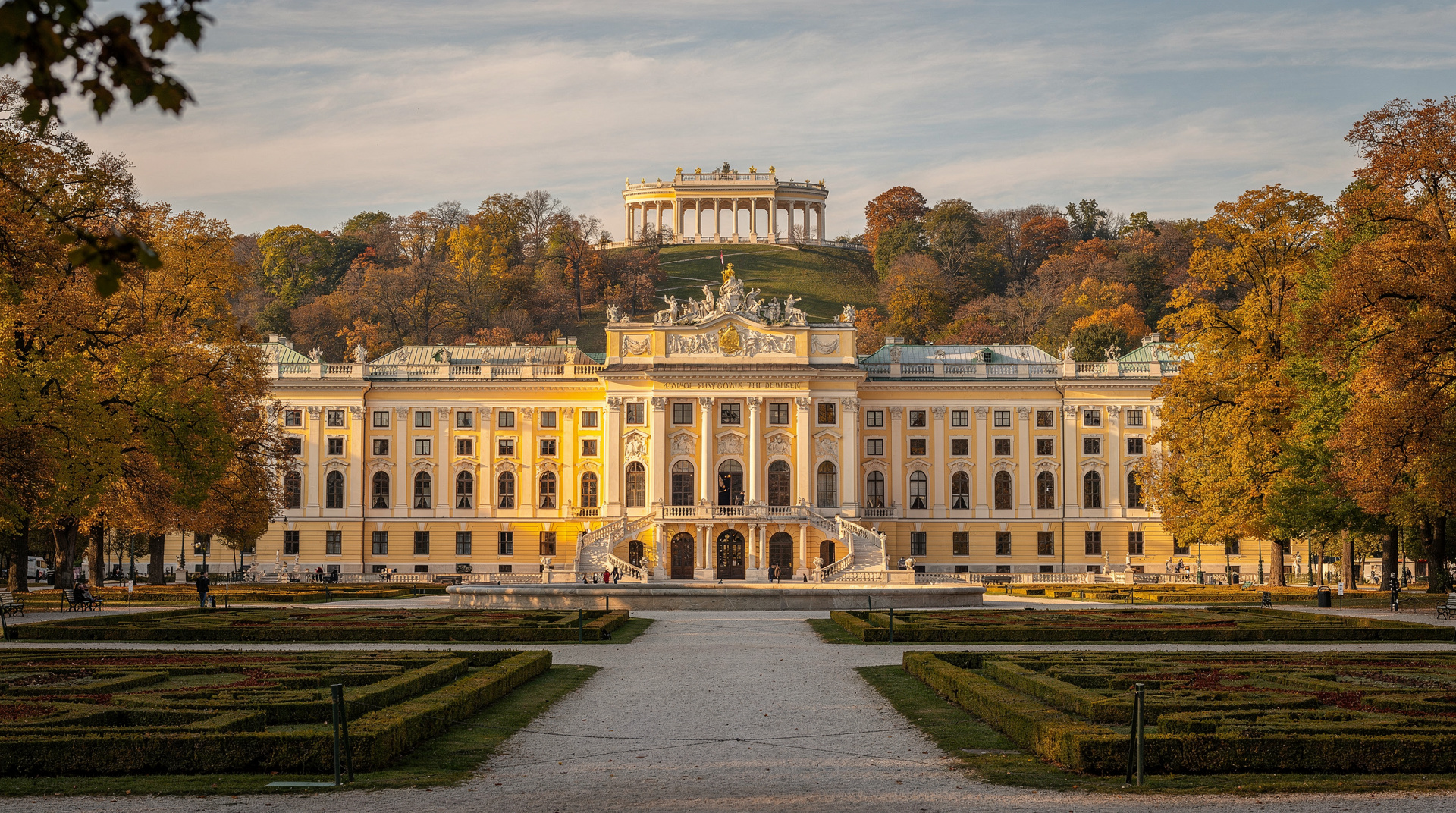
Schönbrunn Palace and gardens is the single most-visited attraction in Austria. Skip the queue to the Grand Tour (22 state rooms) is essential, especially in summer when the main entrance line can stretch 90 minutes. The gardens are free and worth an hour on their own — walk up to the Gloriette for a skyline view that rewards the climb.
Book a skip-the-line Schönbrunn Palace tour to save the queue time for the palace interior itself.
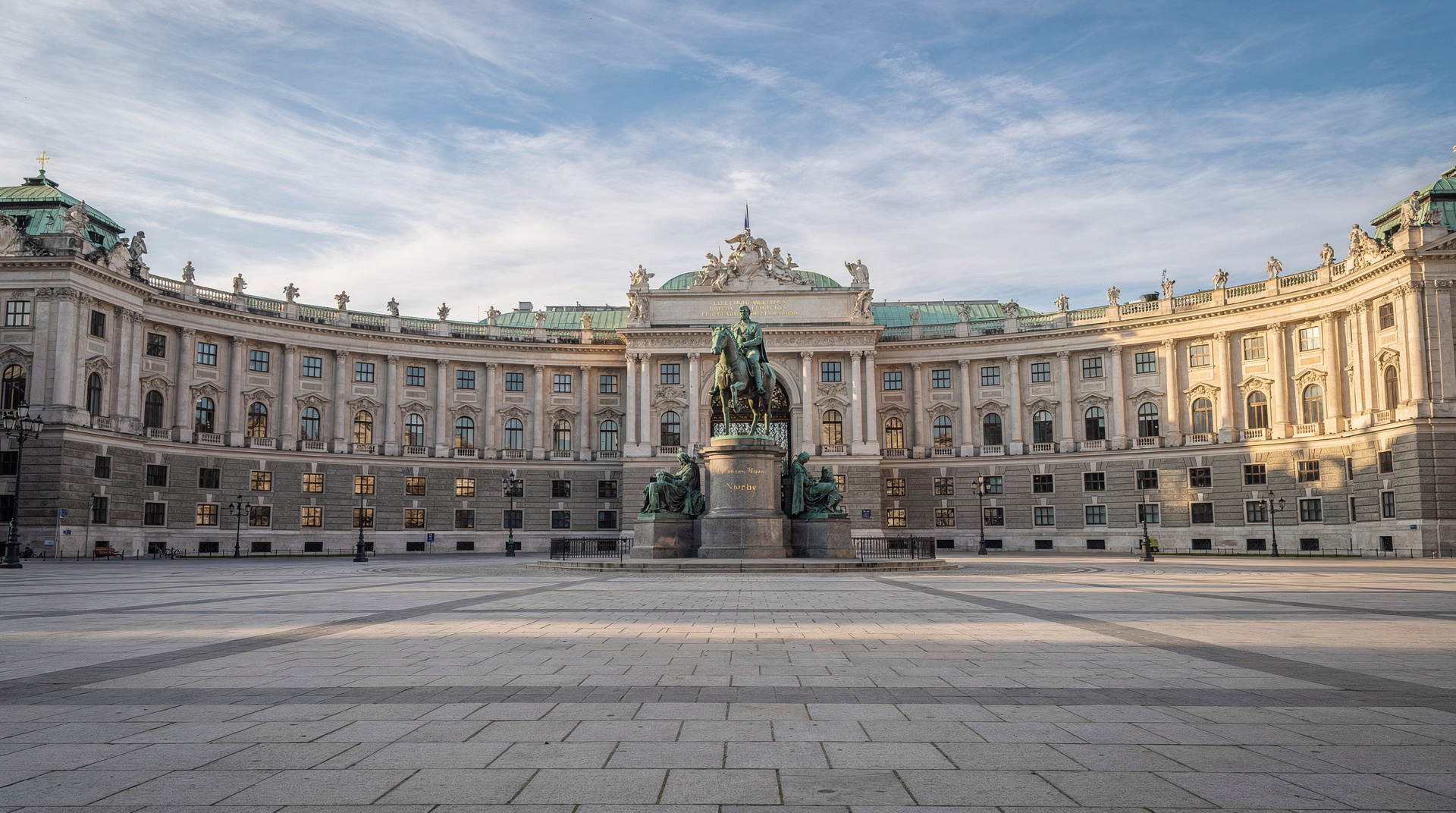
The Hofburg Imperial Palace covers more ground than Schönbrunn but is less photogenic on the outside. The Sisi Museum inside is the real draw — Empress Elisabeth’s obsessive fitness regime, her poetry, her tragic assassination in Geneva. The Imperial Apartments and the Imperial Silver Collection are included in the same ticket.
Join a guided Hofburg and Sisi Museum tour to understand the Habsburg story behind the rooms, not just the objects in them.
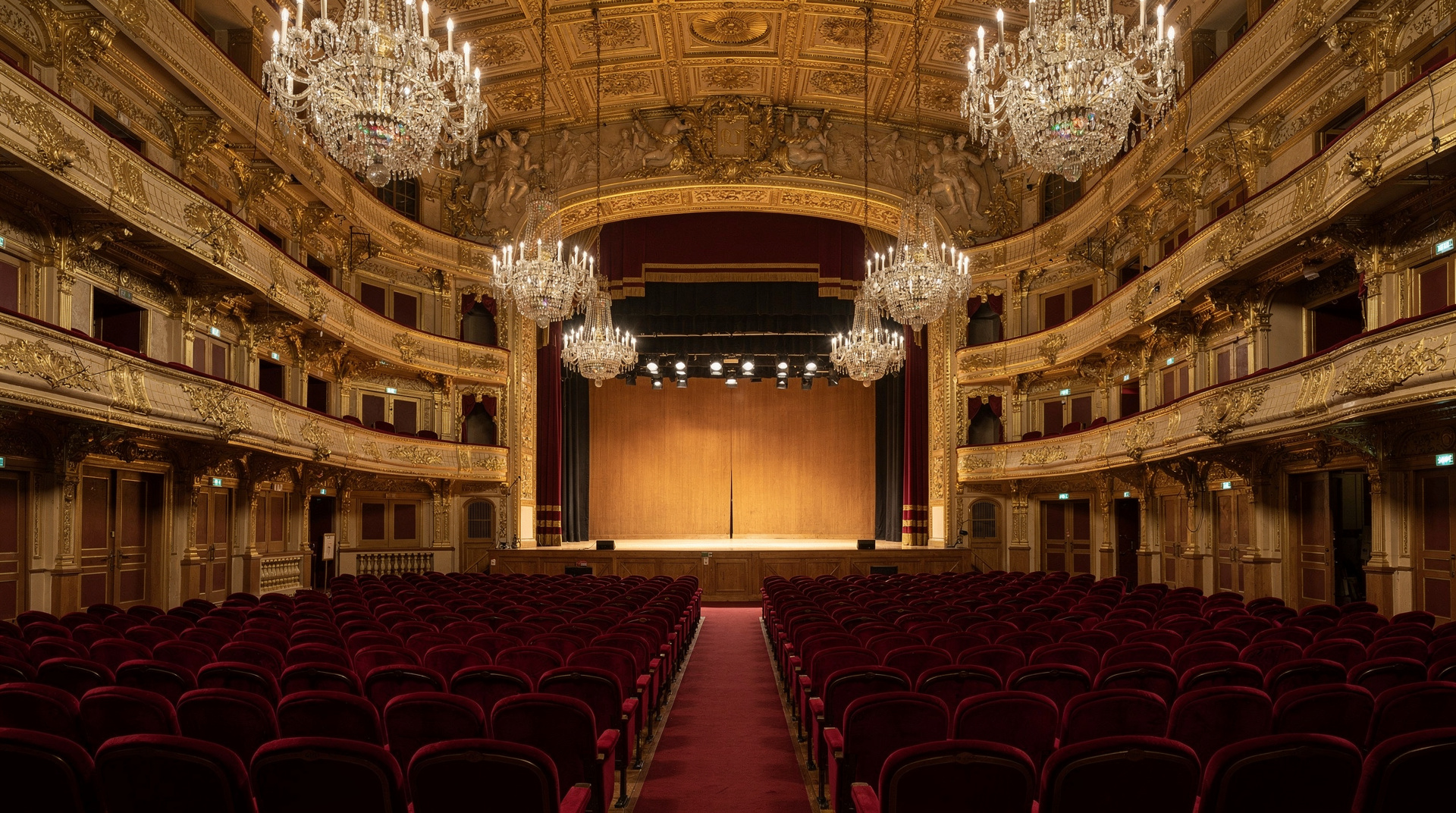
Classical music is Vienna’s other great reason to visit, though the market is deliberately confusing. Mozart-costumed touts stand outside the Staatsoper and Albertina every evening selling tickets to tourist-pitched concerts at 65–80€. Many are mediocre. The real option at a similar price — a Vivaldi and Mozart concert in the Musikverein’s Golden Hall — is in one of the finest acoustic spaces in Europe and worth the premium.
The Belvedere houses Klimt’s “The Kiss” in the Upper Belvedere palace — probably the most-visited single painting in central Europe after the Mona Lisa. The palace itself is baroque perfection, the gardens formal and well maintained, and the lower Belvedere shows the Habsburgs’ private collection. Arrive at opening (10:00) or book timed entry.
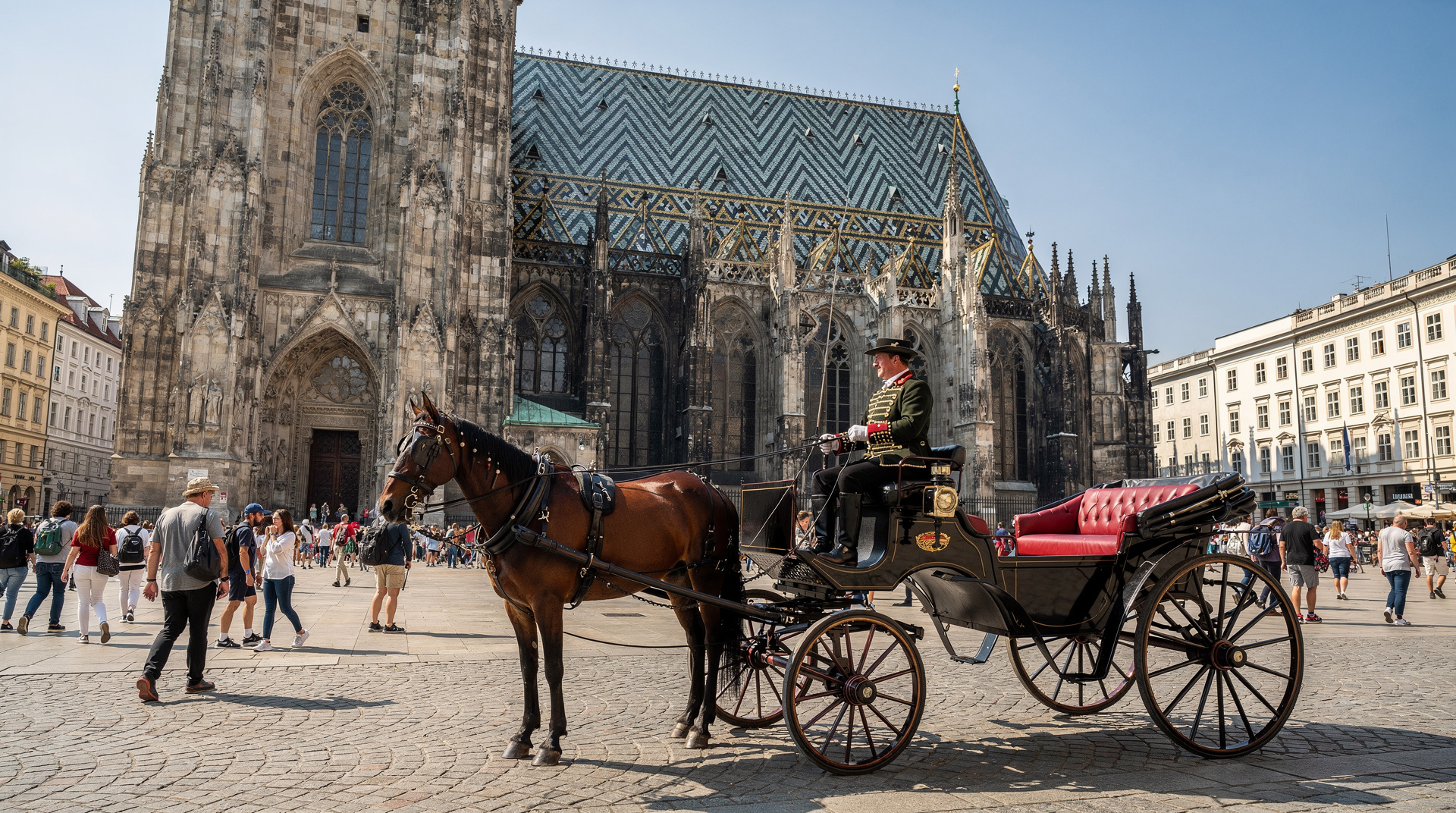
A walking tour of Innere Stadt (the 1st district) is the fastest way to understand the city’s geography — Stephansdom at the centre, the Hofburg to the west, the Musikverein and Kunsthistorisches Museum on the Ringstrasse. A guided city centre walking tour in two hours establishes the map in your head for the rest of the trip.
How long to spend
Three full days is the minimum for Vienna’s core: one day for Schönbrunn and the Ringstrasse, one day for Innere Stadt and the Hofburg, one day for the Belvedere and Naschmarkt. A fourth day opens up the Prater, Museumsquartier, a Heuriger evening in Grinzing, or a short day trip to Klosterneuburg.
Five or more days means you can add Hallstatt or the Wachau Valley without rushing. Check the 3-day Vienna itinerary or the 5-day itinerary for detailed day-by-day plans. The how many days in Vienna guide breaks the decision down further by traveller type — first-timers, repeat visitors, and those combining Vienna with other Austrian or central European stops.
| Days | Realistic itinerary |
|---|---|
| 1 day | Schönbrunn or Hofburg + Innere Stadt walk — pick one palace, not both |
| 3 days | Schönbrunn + Ringstrasse; Innere Stadt + Hofburg; Belvedere + Naschmarkt |
| 4 days | Add Prater, Museumsquartier, or a Grinzing Heuriger evening |
| 5–7 days | Add a day trip (Hallstatt, Wachau, Salzburg or Bratislava) per extra day |
Vienna by traveller type
Couples and honeymooners tend to prioritise the Schönbrunn evening concert, a Heuriger evening in Grinzing, and a Danube dinner cruise over museum-heavy days — the Vienna honeymoon guide has a curated romantic itinerary built around exactly this pacing. Families with children should weight the Schönbrunn Zoo and the Prater’s Wurstelprater and Lilliputbahn more heavily than the Belvedere or the classical concert circuit; the Vienna with kids guide covers stroller-friendly routes and which museums genuinely hold children’s attention.
Budget travellers can see most of central Vienna’s architecture for free (the Ringstrasse, the Innere Stadt streets, the Naschmarkt) and should prioritise the free palace gardens over paid interiors on a tight budget — see the Vienna on a budget guide for a full cost breakdown. Solo travellers find Vienna unusually easy to navigate alone, from standing-room opera tickets to the café culture built around sitting solo for hours; the solo travel Vienna guide has specific safety and social notes.
Neighbourhoods
Vienna’s 23 districts radiate from the old city. For most visitors, five areas matter:
Innere Stadt (1st district) — the medieval core inside the Ring. Stephansdom, Hofburg, the Graben pedestrian street, and Vienna’s densest concentration of museums. Pricey for coffee and lunch; go early to beat the crowds.
Ringstrasse — the grand boulevard built by Emperor Franz Joseph in the 1860s. Parliament, Rathaus, Burgtheater, Kunsthistorisches Museum, Naturhistorisches Museum, and the State Opera all sit within a 30-minute walk of each other. The Ringstrasse architectural walk explains the political ambition behind each building.
Museumsquartier (7th district) — the former imperial stables turned into one of Europe’s largest museum complexes: Leopold Museum (Klimt and Schiele), MUMOK (modern art), Albertina Modern. The courtyard is a lively outdoor meeting place in summer. See Museumsquartier for detail.
Naschmarkt and Mariahilfer (5th/6th/7th) — the city’s main open-air market runs along the Linke Wienzeile. Saturday morning is the best time, with the flea market extending south. Mariahilfer Strasse is the main shopping street. See Naschmarkt area.
Prater and Leopoldstadt (2nd district) — the former imperial hunting ground is now a public park with the iconic Riesenrad ferris wheel. Less tourist-heavy than the centre, with excellent Vietnamese and international food along Praterstrasse. See Prater and Leopoldstadt.
When to visit
April to June is the sweet spot: temperatures 15–22°C, terraces open, palace gardens in bloom, and the Spanish Riding School performing on its normal schedule. May sees the Vienna City Marathon and Kunsthistorisches Museum evening openings.
July and August brings crowds at Schönbrunn (queues start before 9:00), heat in the 30°C range, and — critically — the Spanish Riding School is closed. The Lipizzaner horses spend July and August in Piber stud farm in Styria. If the Riding School is on your list, come in spring or autumn. The Musikverein also has a reduced summer programme, as the Vienna Philharmonic is on tour.
September and October is arguably the best period: the Wachau is in harvest season (wine tours at their peak), temperatures are mild, and the city’s cultural calendar restarts in full. The Vienna Philharmonic season opens in early September.
November to December — Christmas market season. The Rathausplatz market is Europe’s most photographed; the Schönbrunn and Spittelberg markets are smaller but less crowded. Hotel prices rise 25–35% from late November. Book early.
January to March — quiet, cold (often below 0°C), and cheap. The Vienna Opera Ball in February fills the Staatsoper, but otherwise it’s the least expensive time to visit. Ski day trips to Semmering (1.5 hours by train) are possible.
What to eat
Vienna’s food culture runs deep, from the cathedral-ceilinged coffee house to the casual Würstelstand (sausage stand) at midnight. Budget for both.
Wiener Schnitzel — the city’s signature dish, veal (not pork) pounded thin and fried in clarified butter. Figlmüller on Wollzeile has been serving it since 1905 and is deservedly famous, though it operates like a tourist restaurant. Gasthaus Pöschl in the 1st district is better value and more local in feel. Avoid restaurants on Kärntner Strasse charging 28€ for a thin pork escalope labelled “Wiener Art” (Vienna style — not the real thing).
Coffee houses — the Viennese Kaffeehaus is a UNESCO-listed cultural heritage. Café Central (1880s, vault ceilings, Trotsky used to play chess here), Café Hawelka (bohemian, dark, unchanged since 1939), and Café Landtmann (adjacent to the Burgtheater, oldest continuously operating coffee house in Vienna) are the three classics. For a coffee house that isn’t a tourist stop, try Café Weidinger in the 6th district or Café Engländer in the 1st.
Sachertorte — the city’s most famous cake. The genuine article is served at Hotel Sacher with the round foil seal “Original Sacher-Torte.” Demel on Kohlmarkt serves the rival version (slightly more almond paste) with equal claim to authenticity. Both are excellent, both are expensive (about 8–10€ a slice). The tourist cafés near Stephansdom selling “Sachertorte” for 6€ are not the same thing.
Apfelstrudel and Kaiserschmarrn — strudel is best at Café Residenz at Schönbrunn or at the Naschmarkt bakeries. Kaiserschmarrn (shredded pancake with plum sauce) is on every traditional Austrian menu but is best at Zum Wohl in the 4th district.
Heuriger — the Viennese wine tavern, typically in the hillside villages of Grinzing, Nussdorf, or Neustift am Walde. Open seasonally (roughly April–October), announced by a pine branch above the door. See the Grinzing Heuriger guide for specific recommendations.
Where to stay
For location and splurge: Hotel Sacher (1st district, beside the Staatsoper) is the obvious classic — where Sachertorte was invented in 1832, and where the breakfast buffet alone is worth writing home about. Rooms from 450€. Hotel Imperial on the Ringstrasse has hosted Wagner, Liszt, and every head of state who visited Vienna. Palais Hansen Kempinski is the newer luxury option, in a neo-Renaissance palace on Schottenring.
For mid-range comfort: Hotel Topazz (1st district, boutique, quirky interiors), 25hours Hotel Vienna (7th district, design-forward, good bar), Hollmann Beletage (small, 26 rooms, excellent service, near Naschmarkt).
Budget well-placed: Wombat’s Hostel Vienna (near Naschmarkt, consistently well-reviewed), Pension Pertschy (1st district, family-run, old Vienna feel), Hotel Ambiente (2nd district, basic but clean and U2 line access).
For a first visit, staying in the 1st or 7th district puts you on foot to the Hofburg, Naschmarkt, Museumsquartier and Belvedere without needing transport for half your sightseeing.
Honest take
Vienna has a well-developed tourist economy, and some of it is worth skipping. The Mozart-costumed ticket sellers outside the Staatsoper and Albertina are paid on commission to sell mediocre concerts at inflated prices — they are not official Staatsoper staff. Before buying any concert ticket from a street tout, check the Staatsoper’s own website or use our concert comparison guide to understand what you’re paying for.
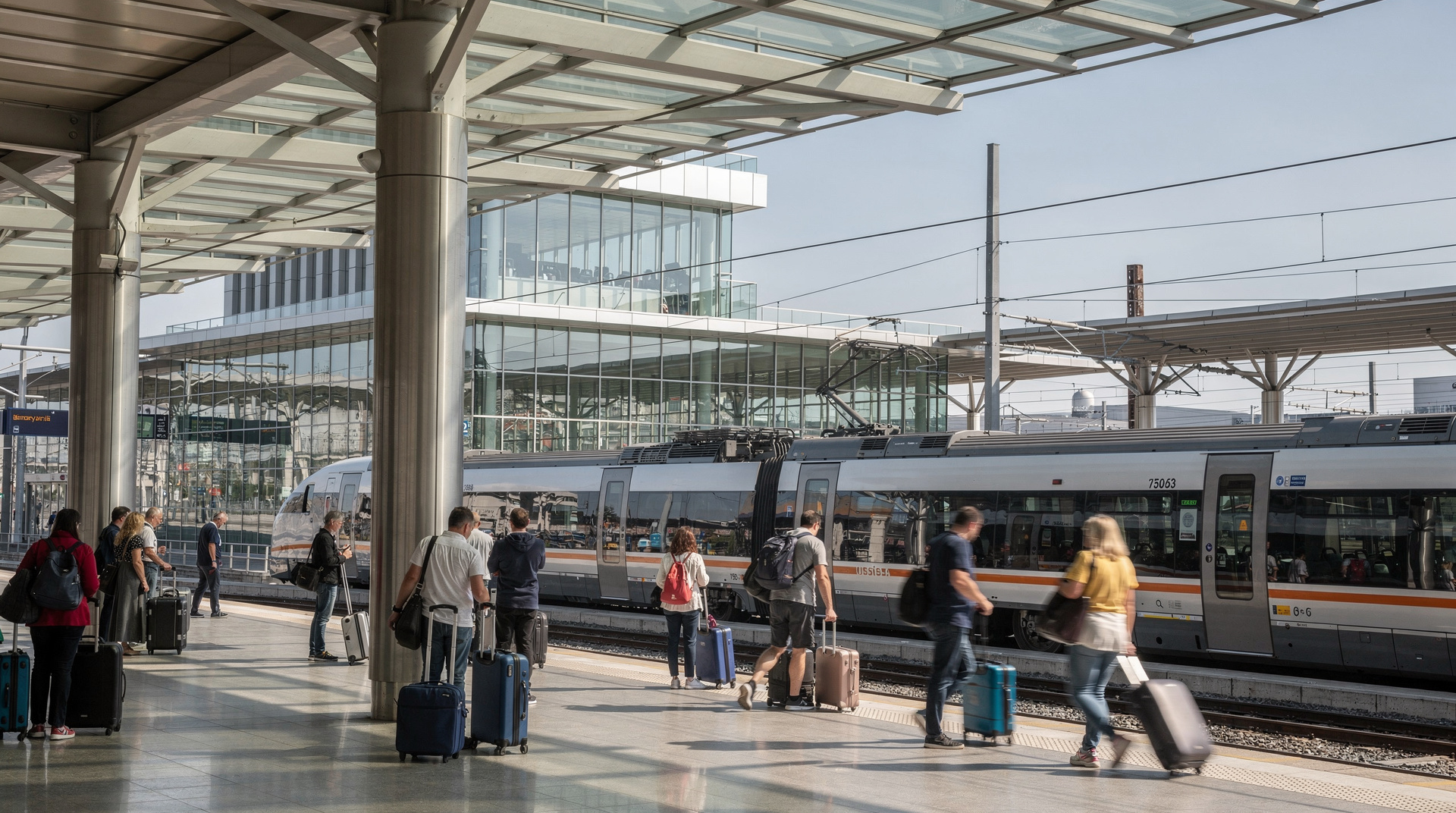
Taxis from VIE airport operate on a “fixed rate” system that is often double the correct metered fare. The City Airport Train (CAT, 16 minutes to Wien Mitte, around 15€) and the cheaper ÖBB Railjet S7 (same tunnel, 4.40€ to Wien Mitte) are both faster and cheaper than any taxi. See the airport transport guide.
The Spanish Riding School is genuinely spectacular but requires planning. It is closed July and August. Check the Spanish Riding School guide before booking.
Finally: the Schönbrunn Grand Tour ticket at 32€ per adult is not a tourist trap — it is excellent value for what you see. The trap is overpaying for tickets through hotel concierges or tour desks that add a margin. Book directly online and skip the queue.
Getting around
Vienna’s public transport (U-Bahn, trams, buses) is excellent. A 24-hour ticket costs around 8€ and covers the entire inner city. The Vienna City Card adds museum discounts. The hop-on hop-off bus is useful for a quick city overview on arrival but is not competitive with the U-Bahn for speed. For the city’s outer districts — Grinzing, Prater, Naschmarkt — the tram network is scenic and efficient.
For visitors deciding between multi-day passes, the Vienna Pass vs Flexi vs City Card comparison is worth reading before buying anything — the passes only pay for themselves above a certain number of paid attractions per day, and a single-ticket or 24-hour transport ticket is often the cheaper and simpler option for a typical 3-day visit that isn’t stacking five museums a day.
Day trips
Vienna’s geography makes it the best base in central Europe for day trips. Within 3 hours: Hallstatt (organised tour recommended — 3h30 each way by train is too much for one day), Bratislava (1 hour by train, very doable independently), Wachau Valley (Melk Abbey + Danube boat — see the Wachau guide), Salzburg (2h30 Railjet — better with an overnight), and Budapest (2h30 Railjet — best as an overnight or long day). See the best day trips from Vienna for a prioritised list.
Top experiences
Bookable activities with verified prices and instant confirmation on GetYourGuide.