Vienna classical concerts compared: which one is actually worth booking
Vienna: Classical Concert in the Musikverein (Four Seasons + Mozart)
What is the best classical concert in Vienna?
It depends on your expectations and budget. The Musikverein Golden Hall touristic concerts (€45–70) offer the most prestigious setting; the Schönbrunn Orangery evening package combines concert and dinner in a palace; the Kursalon Strauss Hall gives the most theatrical Strauss-and-Waltz experience. Avoid Mozart-impersonator touts near the Staatsoper — those shows cost €65 for a mediocre 70-minute performance.
Why the concert market in Vienna is confusing
Vienna has a reputation as the world capital of classical music — Beethoven, Mozart, Brahms, Bruckner, Mahler, Schoenberg all lived and worked here; the Wiener Philharmoniker and the Wiener Staatsoper are among the most important musical institutions in the world; the Musikverein Golden Hall is acoustically and architecturally extraordinary.
This reputation is genuine. It also creates a market in which dozens of concert operators charge tourist-level prices for highly variable quality under the general banner of “Vienna classical music.” Navigating it requires knowing which products you are actually buying.
This guide maps the landscape honestly.
| Most prestigious | Musikverein Golden Hall, around €45–70 |
| Most theatrical | Schönbrunn Orangery dinner concert, around €95–120 |
| Best atmosphere | Stephansdom, around €29–55 |
| Best value | Staatsoper standing room, around €3–4 |
| Avoid | Mozart-impersonator touts near the Staatsoper |
The options, ranked by musical seriousness
1. Wiener Philharmoniker (subscription and individual concerts)
The real thing. Full orchestra, conducted by world-class conductors, in the Musikverein Golden Hall or (for special programmes) the Konzerthaus. Tickets: €100–400 for seated positions. Standing room (Stehplatz): €5–8, available on the day.
How to get tickets: The Wiener Philharmoniker’s subscription system gives priority to season ticket holders. Individual tickets (Einzelkarten) go on sale publicly approximately 2–3 weeks before each concert. They sell out quickly. Joining the mailing list and setting sale-date alerts is the most reliable strategy. Standing room is the accessible alternative.
Season: September through June. The New Year’s Concert (broadcast globally) is the most famous single event but impossible to attend without multi-year subscription priority.
Verdict: If you have the time, the budget, and the advance planning capacity — this is what Vienna’s musical reputation is actually based on.
2. Wiener Staatsoper (Vienna State Opera)
Full-scale opera and ballet at the world’s most active opera house — the Staatsoper performs nearly every night from September to June, with a different programme each evening. Tickets: €10–250 depending on seat category. Standing room (Stehplatz): €3–4, queue at the box office from 80 minutes before curtain.
How to get tickets: Online at wiener-staatsoper.at. Standing room is released on the day. Guided tours of the building are available year-round.
For everything about attending the Staatsoper, see our dedicated Vienna State Opera guide.
3. Musikverein touristic concerts (chamber ensembles)
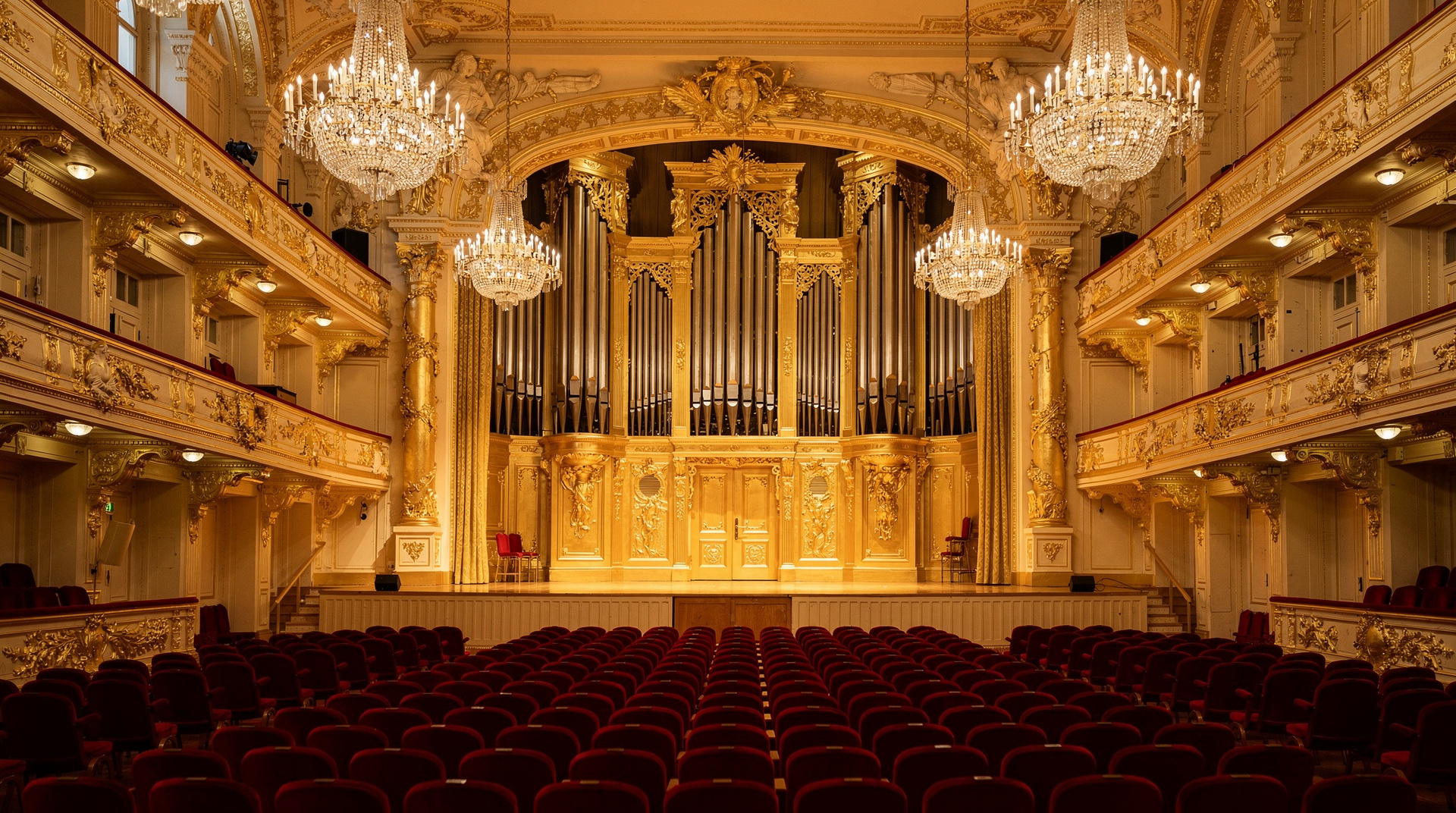
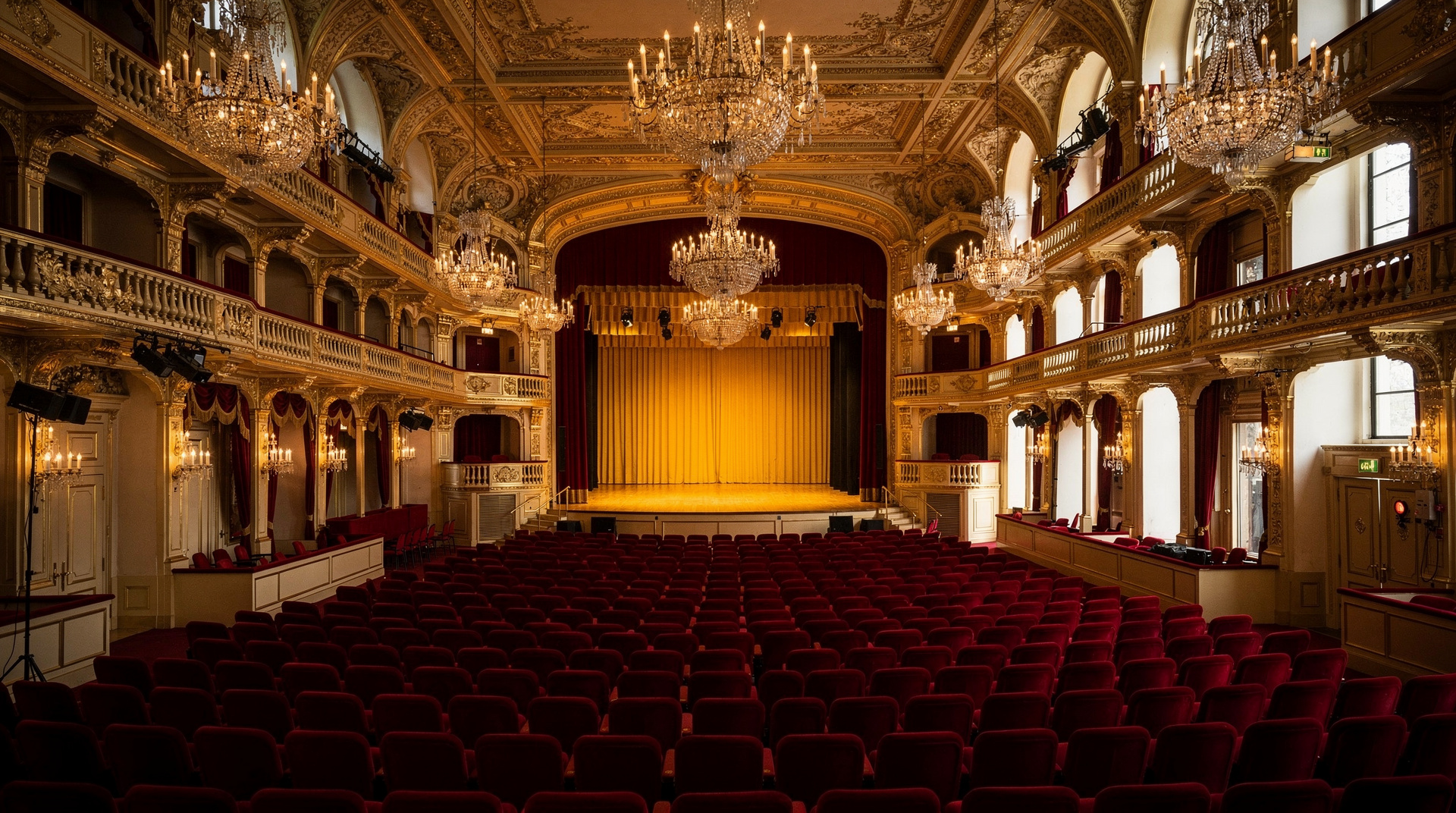
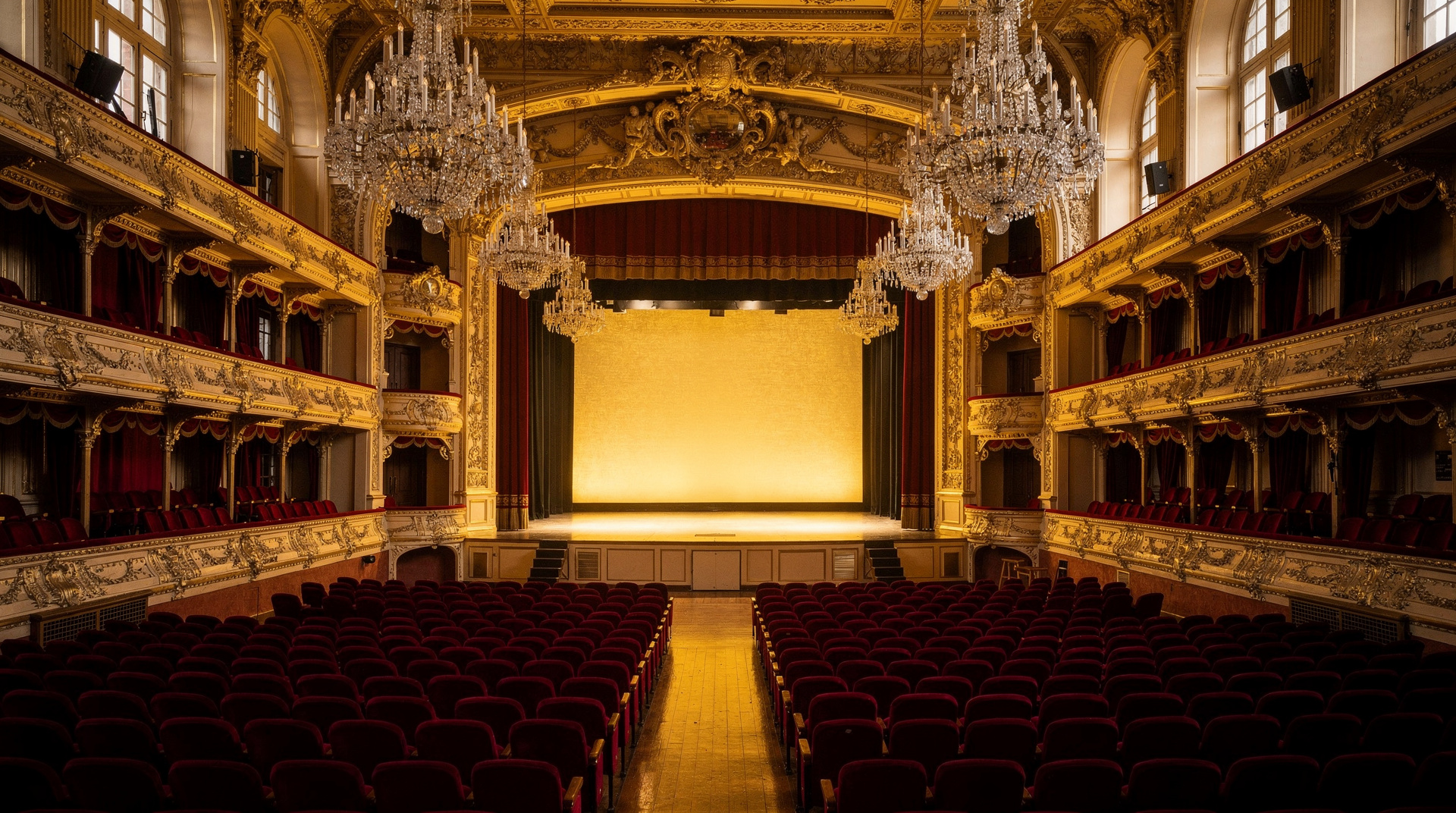
The Gesellschaft der Musikfreunde (the Musikverein association) licenses several chamber ensemble concert series in the Golden Hall and Brahms-Saal that are specifically oriented toward tourists: fixed programmes of well-known works (Vivaldi’s Four Seasons, Eine kleine Nachtmusik, Strauss waltzes), short duration (75–90 minutes), no interval, daily performances.
Tickets: €45–70 Duration: 75–90 minutes Musical standard: Professional chamber musicians, reliably competent, not the Philharmoniker but far from mediocre
Verdict: The most honest of the touristic concert options. You are paying for the room as much as the music — the Golden Hall is genuinely one of the most beautiful concert halls in the world — and getting a professional chamber music performance in it. Recommended.
Vienna: classical concert in the Musikverein (Four Seasons and Mozart)4. Schönbrunn Orangery evening concert and dinner
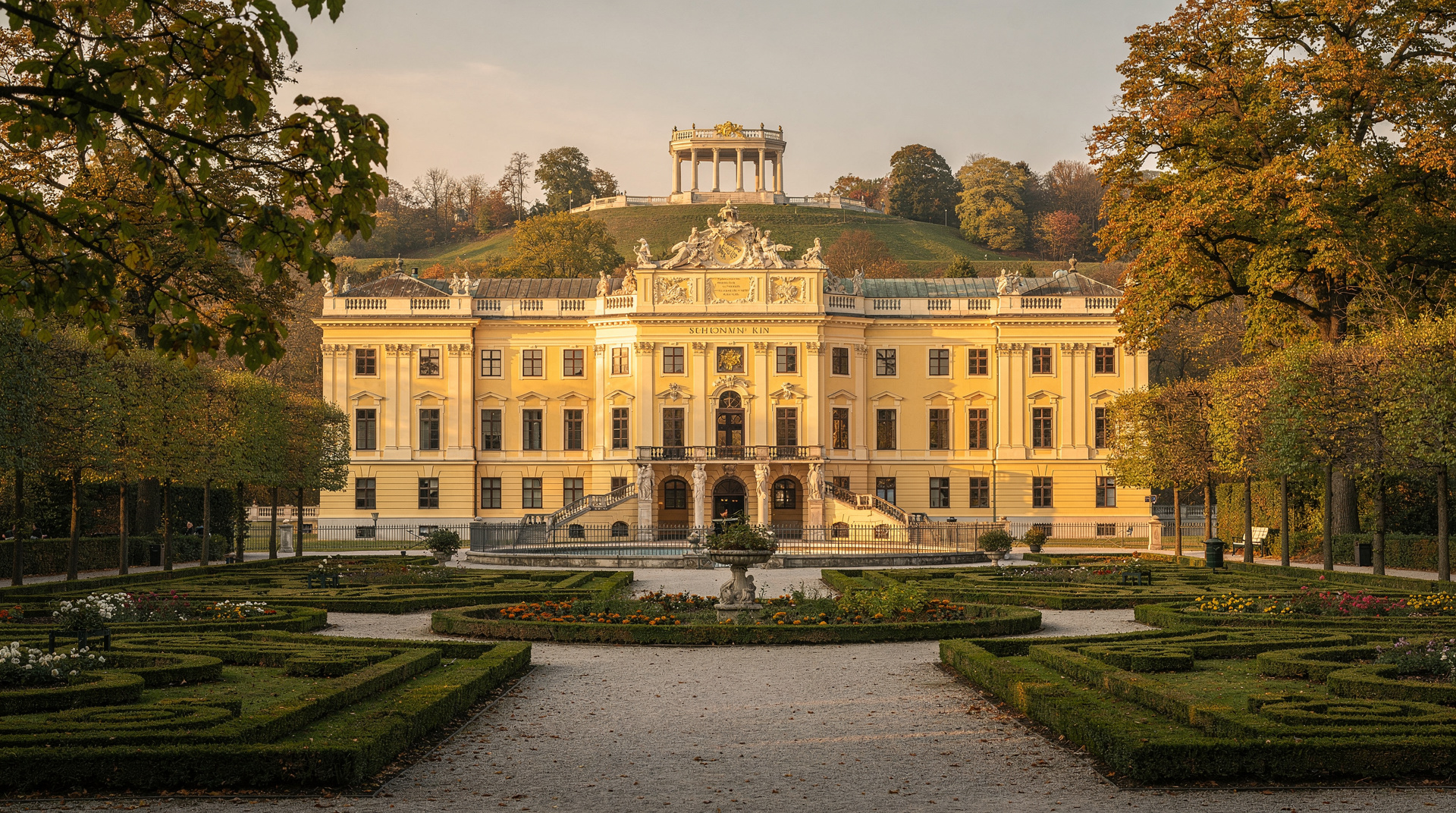
A 90-minute concert of Mozart and Strauss in the 18th-century Orangery at Schönbrunn Palace, preceded or followed by a three-course Austrian dinner. The setting is genuinely extraordinary: a 140-metre Baroque orangery by candlelight.
Tickets: €95–120 with dinner Duration: Dinner plus 90-minute concert (approximately 3 hours total) Musical standard: Professional soloists and small ensemble
Verdict: The most theatrical of the touristic concert options. Worth booking if the combination of palace, food, and music appeals — particularly as an evening event. See our Schönbrunn evening concert guide.
Vienna: Schönbrunn Palace evening tour, dinner and concert5. Kursalon Strauss Hall concerts
The Kursalon in the Stadtpark hosts two distinct concert series: the historic Strauss Hall 1837 performances (Strauss waltzes and polkas, Mozart, Beethoven excerpts) and evening programmes. The venue has a direct historical connection to Johann Strauss II, who conducted concerts here in the 1860s.
Tickets: €35–65 Duration: 90 minutes Musical standard: Professional soloists and orchestra, theatrical staging with costumes
Verdict: More theatrical than musically serious, but the Kursalon is the right venue for visitors who specifically want the Strauss waltz experience in a period-appropriate room. The costumed theatrical element distinguishes it from the more concert-oriented Musikverein option. See our Kursalon Strauss concerts guide.
Classics of Austria — classical concert in the historic 1837 Strauss Hall6. Stephansdom cathedral concerts
Selected evenings throughout the year, the Gothic nave of Stephansdom is used for classical concerts. The acoustic is remarkable for choral and organ music. The atmosphere — medieval stone, candlelight, Gothic space — is unique among Vienna’s concert venues.
Tickets: €29–55 Duration: 60–90 minutes Musical standard: Variable; check the specific ensemble before booking
Verdict: Best for organ recitals and choral programmes where the space adds something the performance alone cannot provide. Less suitable for chamber ensembles where the acoustic is too reverberant.
Vienna: classical concert at St. Stephen’s CathedralPicking a single concert for a short stay
If you only have one evening in Vienna to dedicate to classical music, the decision comes down to what you value most. Musical seriousness alone points to the Musikverein touristic concert or a Staatsoper standing-room ticket; atmosphere alone points to Stephansdom or the Schönbrunn Orangery; a specifically Viennese theatrical flavour points to the Kursalon. There is no wrong answer among the legitimate options above — the only genuine mistake is paying impersonator-tout prices for a lower standard of performance than the alternatives offer at similar or lower cost.
Building a concert evening into a wider itinerary
A concert works best as the fixed point of an evening rather than something squeezed in after a full day of sightseeing. If you are planning a longer stay, our classical music itinerary shows how to space performances between daytime visits, and the 3-day itinerary leaves room for a single evening concert without feeling rushed. Visitors who want to understand the city’s musical past before hearing it live can pair an evening with the Haus der Musik guide, which gives useful context for the programmes you are likely to hear.
Music lovers who are curious about the composers themselves may also enjoy the Mozarthaus concert guide, a smaller and more intimate alternative to the larger halls, and our blog account of Beethoven in Vienna for a more personal view of the city’s musical geography.
What the programme actually tells you
Whichever venue you choose, read the programme before you pay. A touristic concert built around a handful of famous pieces is a fine introduction, but the listing should name the works and the ensemble rather than relying on vague promises of “the best of Vienna.” If a seller cannot tell you what will be played, that is a signal to look elsewhere. Genuine programmes name composers, pieces and the venue clearly, and the legitimate operators in this guide all do so.
It also helps to match the programme to your own taste. Mozart and Strauss suit first-time listeners who want recognisable tunes. Organ and choral programmes reward people who enjoy sound that fills a large stone space. Opera suits those who want story and staging as much as music. Thinking about this beforehand makes the choice among the options far easier than comparing venues on prestige alone.
Dress codes across the different venues
Dress expectations vary more than first-time visitors expect. The Staatsoper and Musikverein subscription-season Philharmoniker concerts lean toward smart dress, particularly for premium seats, though jeans with a smart top are generally tolerated in standing room and cheaper categories. Touristic concerts at the Musikverein, Kursalon, and Schönbrunn are more relaxed — smart casual is genuinely fine, and no one will turn you away for less than that. Stephansdom concerts sit in between: respectful dress appropriate to a church setting, without requiring formal wear. When in doubt, smart casual works everywhere on this list.
What to avoid: the Mozart-impersonator touts
The performers in 18th-century white wigs and red coats handing out leaflets near the Staatsoper, the Albertina, and Stephansplatz are selling tickets for small church concerts (typically the Annakirche or similar) that last approximately 70 minutes and cost €65.
These concerts are not fraudulent — the performances happen, the musicians are paid professionals, and you will hear Mozart. The problem is value: €65 for 70 minutes of a small ensemble in a church is substantially worse than €45–70 for a similar programme in the Musikverein Golden Hall, or €55 for the Stephansdom concerts, or standing room at the Staatsoper for €3–4.
The performers in costume work on commission per ticket sold. They are persistent, friendly, and irrelevant to your decision about where to hear music.
Our honest planner guide to Mozart-impersonator concerts covers this in more detail.
Booking windows and how far ahead to plan
Booking timelines differ sharply across these options and catching visitors out is a common mistake. Wiener Philharmoniker tickets require the most lead time — months for subscription-linked seats, or watching for the 2–3-week individual sale window and moving fast. The touristic options (Musikverein chamber concerts, Kursalon, Schönbrunn, Stephansdom) run daily or near-daily performances and can typically be booked just a few days ahead outside peak season, though popular slots around Christmas and New Year fill up faster and are worth securing one to two weeks out. Staatsoper standing room is the outlier — released same-day, so it rewards spontaneity rather than advance planning.
Combining a concert with dinner
Several of these venues pair naturally with a pre- or post-concert meal, and thinking about the combination in advance avoids a rushed evening. The Schönbrunn Orangery option already bundles dinner into the ticket, so no separate planning is needed there. For Musikverein or Stephansdom evenings, the surrounding Innere Stadt has enough restaurant density that a reservation an hour or two before curtain works comfortably, provided you allow for a short walk and don’t cut the timing too fine — Vienna’s classical concerts start punctually and latecomers are sometimes not seated until an interval.
Before you commit, it is also worth reading our overview of common Vienna tourist traps, since concert touts are only one of several tempting but poor-value offers in the centre. Visitors travelling as a couple may find the Vienna honeymoon guide helpful for choosing a more romantic evening, and anyone watching their spending can check Vienna on a budget for ways to fit music into a tighter plan.
How to choose
| If you want… | Book… |
|---|---|
| The best acoustic and most prestigious hall | Musikverein (Wiener Philharmoniker for a full orchestra experience; touristic concerts for flexibility) |
| An all-in palace evening | Schönbrunn Orangery concert and dinner |
| The Strauss waltz experience | Kursalon |
| Gothic atmosphere | Stephansdom |
| Opera | Vienna State Opera |
| The real Vienna Philharmoniker | Standing room at the Staatsoper or Philharmoniker concerts (book early) |
For a deeper look at the difference between tourist concerts and the real philharmonic experience, see our classical vs touristic concerts guide.
Frequently asked questions about Vienna classical concerts
What is the difference between a touristic concert and a real philharmonic concert?
Touristic concerts use smaller ensembles, shorter programmes, and are priced and scheduled for tourists. Real Wiener Philharmoniker concerts use the full orchestra, cost €100–400, and must be booked 6–12 months in advance. Both are legitimate; they are different products.
Are the Mozart-impersonator concerts near the Staatsoper worth it?
No. A €45 Musikverein touristic concert in the Golden Hall is a substantially better use of the same money as a €65 impersonator-show church concert.
How do I book Wiener Philharmoniker tickets?
Individual tickets go on sale approximately 2–3 weeks before each concert and sell out quickly. Standing room (€5–8) is available on the day.
What is the Musikverein Golden Hall like?
One of the finest concert halls in the world for acoustic quality, with gilded caryatids and elaborate plasterwork. Even touristic concerts here are genuinely atmospheric.
What is the Schönbrunn evening concert?
A 90-minute Mozart and Strauss concert in the Schönbrunn Orangery combined with a three-course Austrian dinner. Tickets including dinner are approximately €95–120.
Is the Vienna Boys’ Choir worth seeing?
Sunday Mass at the Burgkapelle is a genuine religious service rather than a concert. Tickets are allocated by ballot two months ahead; standing places are available on the day.
Top experiences
Bookable activities with verified prices and instant confirmation on GetYourGuide.