Schönbrunn evening concert and dinner: is it worth booking?
Vienna: Schönbrunn Palace Evening Tour, Dinner and Concert
Is the Schönbrunn evening concert and dinner worth it?
Yes, for visitors who want a complete evening event rather than just a concert. The Orangery is an extraordinary 18th-century setting, the concert is professionally performed Mozart and Strauss, and the three-course Austrian dinner is well above average for this type of package. At €95–120 per person including dinner, it is priced at the top of the tourist concert market but delivers a genuinely different experience.
What the Schönbrunn evening concert actually offers
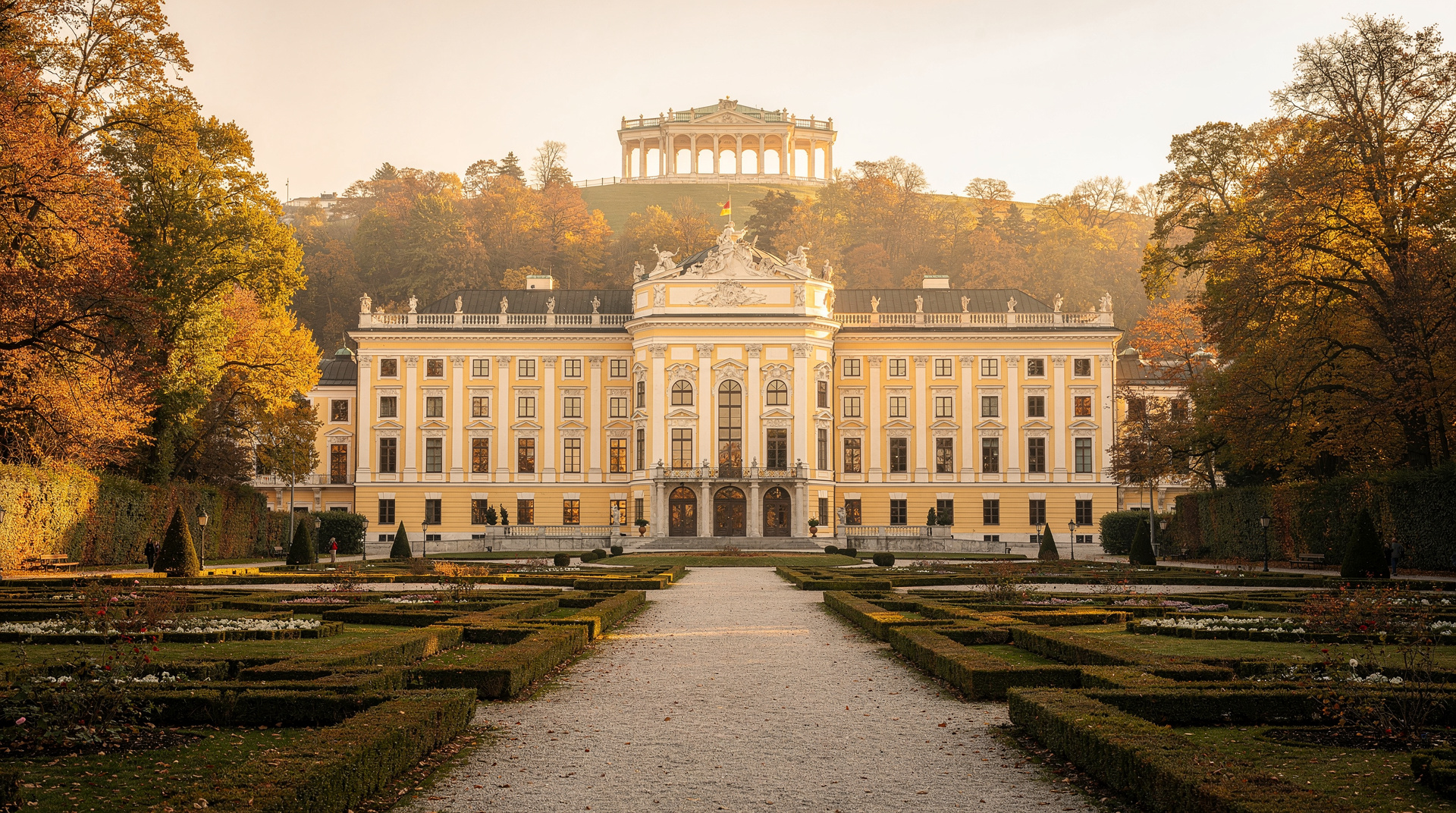
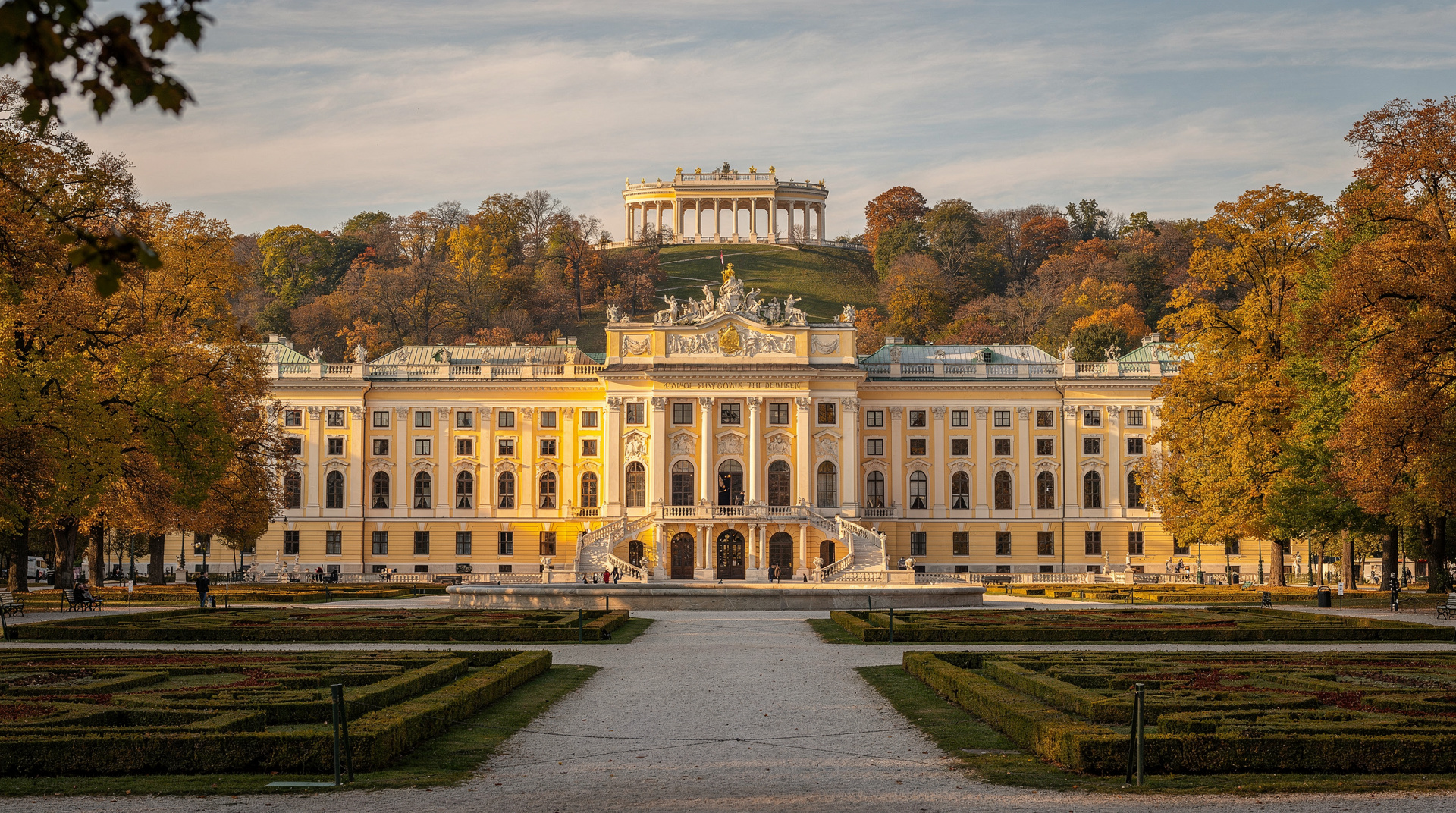
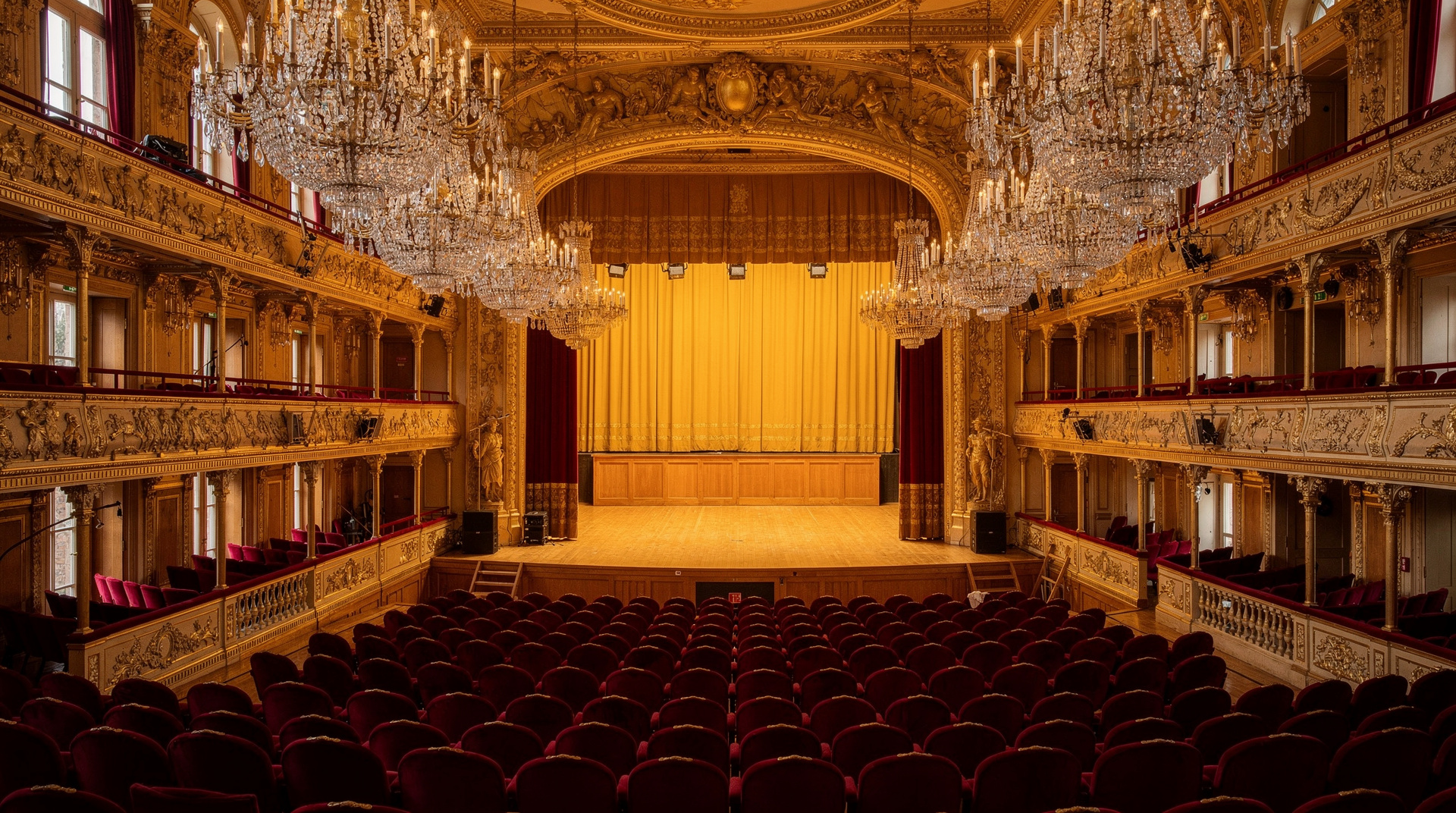
The Schönbrunn Palace evening concert and dinner is the most theatrical of Vienna’s tourist concert options — and also the most complete as an evening experience. You are not simply attending a concert. You are having dinner in an 18th-century Baroque orangery, then staying in the same room to hear Mozart and Strauss performed by period-instrument soloists while the palace gardens go dark outside the long windows.
This guide explains exactly what the experience involves and whether it justifies the cost.
| Where | The Orangery, Schönbrunn Palace, western wing |
| Cost | €95–120 with dinner; €39–55 concert only |
| Time needed | Around 3 hours (tour + dinner + concert) |
| Getting there | U4 to Schönbrunn, 7-min walk to the Orangery entrance |
| Best time | Year-round; book 2–3 weeks ahead in peak season |
The setting: the Orangery
The Schönbrunn Orangery was built between 1754 and 1756 under the patronage of Empress Maria Theresa. At 186 metres in length, it is the longest Baroque orangery in the world — a space designed to protect Mediterranean fruit trees through Austrian winters but also regularly used for imperial entertainment, including opera performances attended by the young Mozart in 1762.
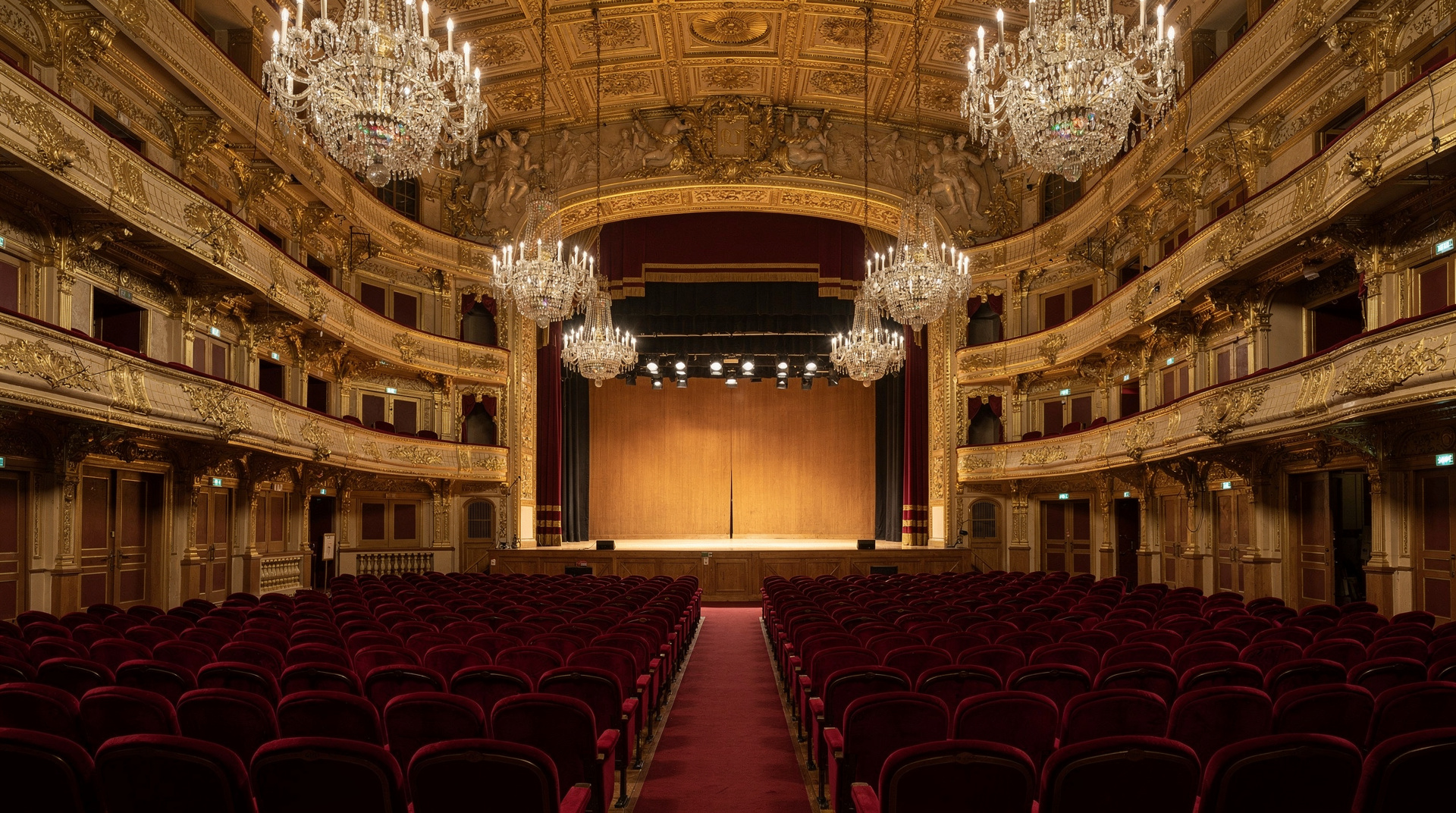
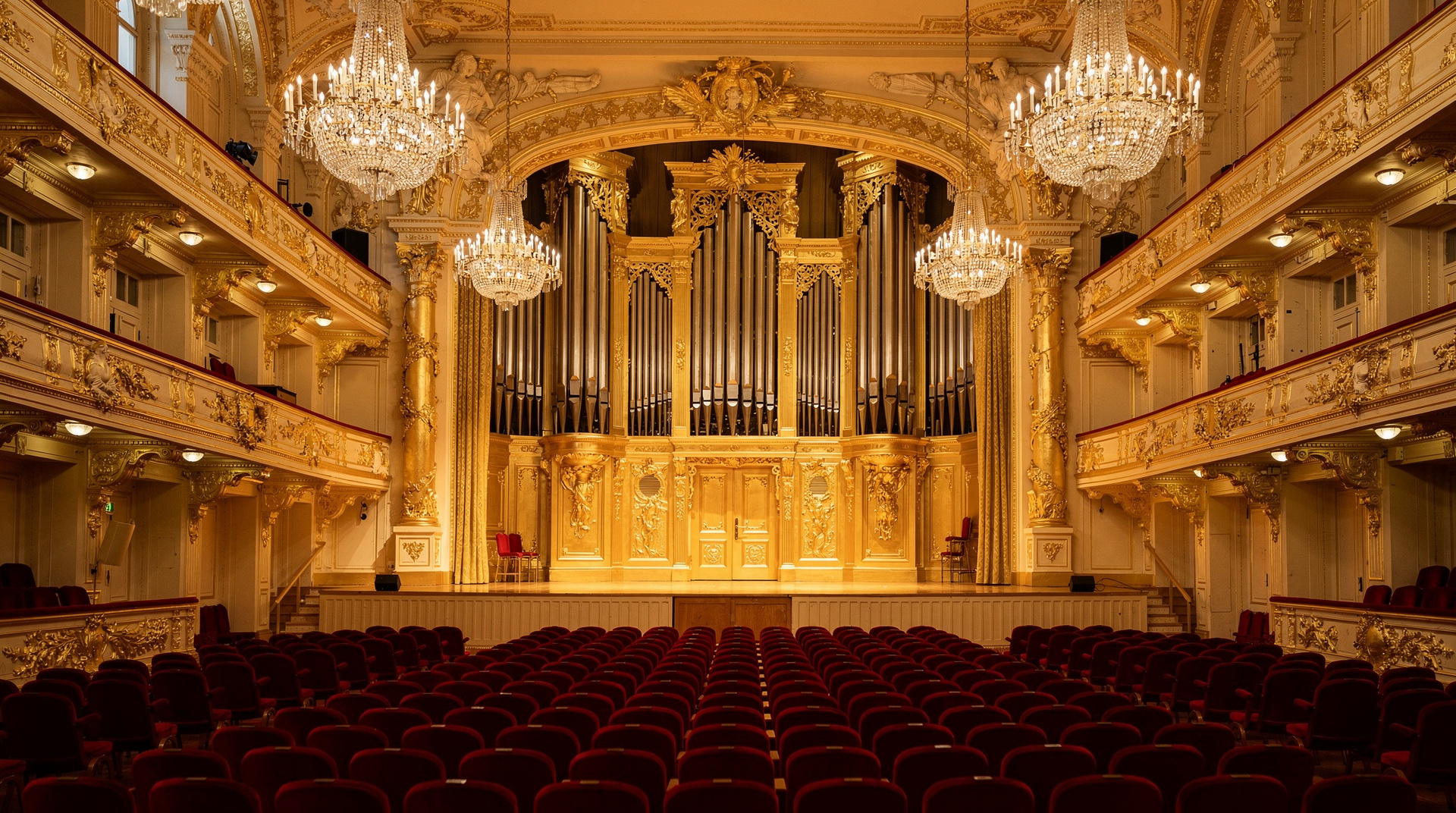
The scale of the room is extraordinary in person. The standard tourist concert at the Musikverein or Kursalon takes place in a room of perhaps 50 metres; the Orangery is nearly four times that length. Chandeliers run the full length of the ceiling. The room is lit by candlelight and warm lamp light rather than overhead spotlights.
The acoustic effect of a narrow, very long room is different from both the Musikverein’s shoebox hall and the cathedral acoustic of Stephansdom: voices and instruments project remarkably clearly in the central axis, with less reverberation than in stone buildings.
What you experience: the three-part evening
Part 1: palace tour (approximately 45 minutes)
The evening programme typically begins with a guided tour of the palace state rooms — the Grand Gallery, the Mirror Room, and several of the decorated apartments. The rooms are seen in evening light and without the daytime crowds, which significantly changes the experience. The Grand Gallery in particular — 43 metres long, with ceiling frescoes — looks different by evening lamplight than it does on a daytime tour.
If you have already done the full palace tour during the day, the evening version is still worth attending for the different quality of light.
Part 2: dinner (approximately 1 hour)
Dinner is served in the Orangery’s restaurant section before the concert begins. The three-course menu covers Austrian cuisine: typically a soup, a main course of Austrian meat dishes (Tafelspitz or Wiener Schnitzel are common), and a dessert. The quality is well above typical tourist-attraction restaurant standards — this is a catering operation that understands its audience expects something worthy of the setting.
Wine and water are available at additional cost. The welcome drink (usually Austrian Sekt) is included in some packages.
Part 3: the concert (90 minutes)
The concert follows immediately after dinner. The Schönbrunner Schlosskonzerte ensemble — professional soloists and a period-instrument chamber orchestra — performs a programme of Mozart (symphonies, arias, sometimes a piano concerto movement), Strauss (waltzes, polkas), and occasionally Haydn or Salieri. The programme is specifically designed for the Schönbrunn setting: pieces that connect to the palace’s history (Mozart performed for the Empress Maria Theresa; Salieri was imperial court composer).
The soloists — typically soprano, tenor, and instrumentalists — are professional opera and concert performers, not the casual ensembles found at some tourist concerts. The musical quality is the strongest argument for the Schönbrunn evening package over other options at the same price point.
Booking and prices
Vienna: Schönbrunn Palace evening tour, dinner and concert Standard package (palace tour + dinner + concert): approximately €95–120 per person Concert only (no dinner): approximately €39–55 per person Premium seating (front rows): additional charge
The price difference between the dinner-included and concert-only packages is approximately €50–65 per person for the dinner. Given that a similar quality meal in Vienna would cost €40–60 without the concert and setting, the dinner package is reasonably priced on this basis.
Booking: The online booking system is straightforward. Select your date, package type, and seat category. Confirmation is usually immediate. Wheelchair access is available — confirm at booking.
Comparing with other options
The Schönbrunn evening package is the most expensive of the standard tourist concert options and the most complete as a whole evening. Here is how it compares:
vs. Musikverein (touristic concert): The Musikverein has better acoustics and a more prestigious hall. The Schönbrunn package adds dinner and a palace tour and creates a more complete evening. If music quality is the priority, the Musikverein is better; if the complete experience is the goal, Schönbrunn is more.
vs. Kursalon: The Kursalon is less expensive and more theatrical (costumed dancers). Schönbrunn is a more serious musical programme in a more historically significant building.
vs. Vienna State Opera: Entirely different category — full professional opera at the world’s most active opera house vs. a tourist chamber concert in a palace. The Staatsoper is harder to obtain tickets for and longer (typically 3 hours for an opera), but the musical experience is incomparable.
Side-by-side comparison
| Schönbrunn Orangery | Musikverein | Kursalon | Staatsoper | |
|---|---|---|---|---|
| Price | €95–120 (with dinner) | €55–95 | €45–65 | €15–250+ |
| Length | ~3 hours (tour+dinner+concert) | ~2 hours | ~2 hours | ~3 hours |
| Setting | 18th-c. Baroque orangery | Golden Hall, prestigious | Historic dance hall | World-class opera house |
| Music quality | Strong, tourist-programme | Best acoustics | Theatrical, lighter | Full professional opera |
| Best for | A complete themed evening | Serious music lovers | A lighter, fun evening | Genuine opera |
See our Vienna classical concerts compared for the complete side-by-side guide, and the Musikverein concerts guide for full detail on that specific venue if acoustics matter more to you than the palace setting.
Who this evening suits best
The package works best for travellers who want one memorable, self-contained evening and would rather not piece together dinner and a concert separately. Couples marking an occasion will find it fits well, and the Vienna honeymoon guide lists it among the more romantic ways to spend a night in the city. Families can make it work too, particularly with older children, and the Vienna with kids guide helps you judge whether a long, seated evening suits your group.
It is a weaker fit for travellers who already know they dislike set-menu evenings, or who want to eat somewhere of their own choosing. If you would rather choose your own restaurant and simply attend a concert, a standalone ticket at another venue gives you that freedom. The Vienna restaurants guide and the Wiener Schnitzel guide are useful if you decide to eat elsewhere and go for the concert-only option.
Choosing between a tourist concert and the real thing
Some visitors worry that any palace concert is a tourist trap. The honest answer is that this one is clearly aimed at visitors, but it is performed by professionals in a genuine historic setting, which is a very different proposition from the costumed touts outside the Staatsoper. Our Mozart impersonator concert trap guide explains what to avoid, and classical vs touristic concerts sets out where this package sits on that spectrum. It belongs in the honest, well-produced end of the touristic category, and it does not pretend to be a Philharmonic subscription evening.
Making the most of the evening
A few small habits improve the night noticeably. Eat lightly earlier in the day so that the three-course dinner is a pleasure rather than a marathon. Arrive with enough margin to enjoy the walk through the grounds before the tour begins, since the approach to the palace is part of the atmosphere. During the tour, stay close to the guide in the state rooms, where the lamp light makes details such as the ceiling work easier to appreciate than in daytime crowds.
During dinner, take your time over the courses; the concert follows afterwards in the same room, so there is no need to rush. Once the music starts, settle in and let the length of the room do its work: seats nearer the central axis tend to give the clearest sound, which is one reason to consider a better seat category if the music matters to you.
After the final bow, the gardens are dark and the crowd leaves quickly. Plan your journey home before the evening starts, and check the Vienna public transport guide for how the metro and night services work so you are not caught out late. For a wider look at the palace and its grounds on another day, the Schönbrunn district page gathers the other things to see nearby, including the Schönbrunn Zoo guide.
Seasonal considerations
The Schönbrunn evening concert runs year-round, which is one of its advantages over the Musikverein (whose main season ends in June). Summer evenings (June–August) with the palace gardens lit behind the Orangery windows are particularly atmospheric. The Christmas period (November–December) offers the combination of the Schönbrunn Christmas market in the courtyard before your evening programme.
Note that the Spanish Riding School — which shares the Hofburg complex rather than Schönbrunn — is closed July–August. The Schönbrunn evening concert is not affected by this closure.
Weather note: Because the entire evening takes place indoors within the palace complex, the Schönbrunn concert is a reliable option regardless of forecast — a genuine advantage on a rainy Vienna evening when outdoor sightseeing plans have fallen through. The short walk from the U4 station is the only outdoor portion, and even that is largely covered by the palace forecourt’s arcades near the entrance.
Practical tips
Dress code: Smart casual is appropriate. Most guests dress up modestly for the evening — collared shirts for men, smart casual for women — and the Viennese guests at these events tend to be well-dressed. There is no formal requirement.
Getting there: U4 to Schönbrunn, then a 7-minute walk to the palace entrance on the right side (heading toward the Orangery end rather than the main visitor entrance). The evening programme typically begins at 6:30 or 7:00 pm; arrive 15 minutes early for the palace tour component.
Photography: Permitted during the dinner and palace tour; typically not during the concert itself (though practice varies — check with staff on arrival).
Combining with daytime Schönbrunn: If you have not visited the palace during the day, consider doing the Grand Tour (2 hours) and gardens in the morning, taking a break, and returning for the evening programme. See our Schönbrunn Palace guide for the daytime visit.
Building a full classical-music evening or trip
If classical music is a priority for your Vienna trip rather than a single evening, the Vienna classical music itinerary shows how to sequence the Schönbrunn concert alongside the Musikverein, Staatsoper and smaller venues across several days without repeating the same programme twice. Booking the Schönbrunn concert as your first evening — before you’ve adjusted to Vienna’s concert scene — works well, since the palace tour component doubles as an orientation to Habsburg history that makes later concerts and museum visits more meaningful.
Musikverein: Vivaldi’s Four Seasons concert is a good complementary booking if you want to compare the Schönbrunn experience with the Musikverein’s more serious acoustic on a different evening.
Frequently asked questions about the Schönbrunn evening concert
What is included in the Schönbrunn evening concert package?
The standard package includes a guided palace tour, a three-course Austrian dinner in the Orangery restaurant, and a 90-minute classical concert of Mozart and Strauss. Some packages include a welcome drink.
Where is the Schönbrunn Orangery?
The Orangery is at the western end of Schönbrunn Palace. It was built between 1754 and 1756 under Empress Maria Theresa and is the longest Baroque orangery in the world at 186 metres.
How does the Schönbrunn concert compare to the Musikverein?
The Musikverein Golden Hall has better acoustics; the Schönbrunn Orangery has the more extraordinary palace setting plus dinner. Different products for different priorities.
What is the Schönbrunn concert programme?
Standard programmes cover Mozart symphonies and arias, Strauss waltzes and polkas, and sometimes works by Haydn or Salieri. Programmes vary by date.
Is the Schönbrunn evening concert appropriate for children?
Dinner is appropriate for all ages. The 90-minute concert is suitable for children aged 8 and above with some patience for classical music.
How far in advance should I book?
At least 2–3 weeks ahead in peak season. Last-minute seats (without dinner) are sometimes available.
Top experiences
Bookable activities with verified prices and instant confirmation on GetYourGuide.