Albertina Museum Vienna guide: what to see and honest tips
Tickets for the Albertina Exhibitions
What is the Albertina in Vienna and is it worth visiting?
The Albertina holds the world's largest collection of graphic art — 65,000 drawings and nearly a million prints — including Dürer's Young Hare, Michelangelo drawings, and the world's largest Klimt drawing collection. It also holds a permanent gallery of Impressionist and modern painting (Monet, Picasso, Chagall) and blockbuster temporary exhibitions. Allow 2–3 hours; tickets are €17–20.
What the Albertina actually is
| Where | Augustinerstraße 1, next to the Hofburg |
| Cost | around €17–20, under 19 free |
| Time needed | 2–3hrs |
| Getting there | U1/U3 Stephansplatz, 5-minute walk |
| Best time | Wednesday evening, after 6pm |
The Albertina has a dual identity that confuses first-time visitors. It is simultaneously the world’s greatest collection of drawings and prints (65,000 drawings, nearly a million prints, works by Dürer, Michelangelo, Raphael, Rembrandt, Klimt, Schiele) and a major modern art museum with significant Impressionist and Post-Impressionist paintings. Understanding this duality helps you decide what you want to see.
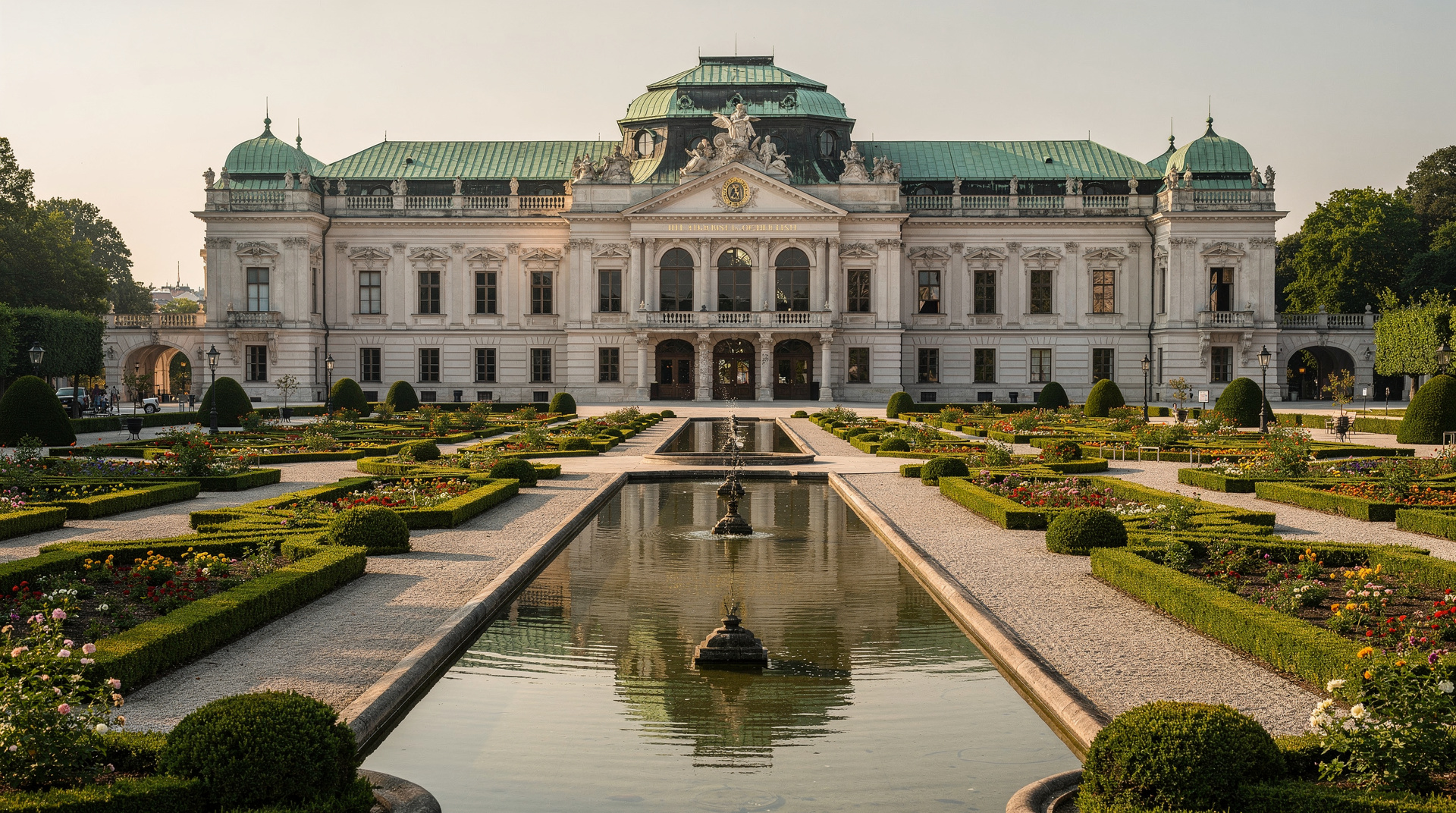
The collection was founded by Duke Albert of Saxe-Teschen in the 18th century and grew through acquisitions by subsequent Habsburg owners. The building at Augustinerstraße 1 is partly the Augustinian Court Bastei (a medieval fortification) and partly a Classicist palace added in the late 18th century.
What you need to know before you go
Address: Augustinerstraße 1, 1010 Wien — adjacent to the Hofburg Palace, facing Albertinaplatz Opening hours: Tuesday–Sunday 10 am–6 pm; Wednesday 10 am–9 pm. Closed Monday. Admission: €17–20 depending on current exhibitions; under 19 free Getting there: U1/U2/U4 to Karlsplatz (7 minutes walk); U1/U3 to Stephansplatz (5 minutes walk)
The Batliner Collection: Impressionist and modern painting
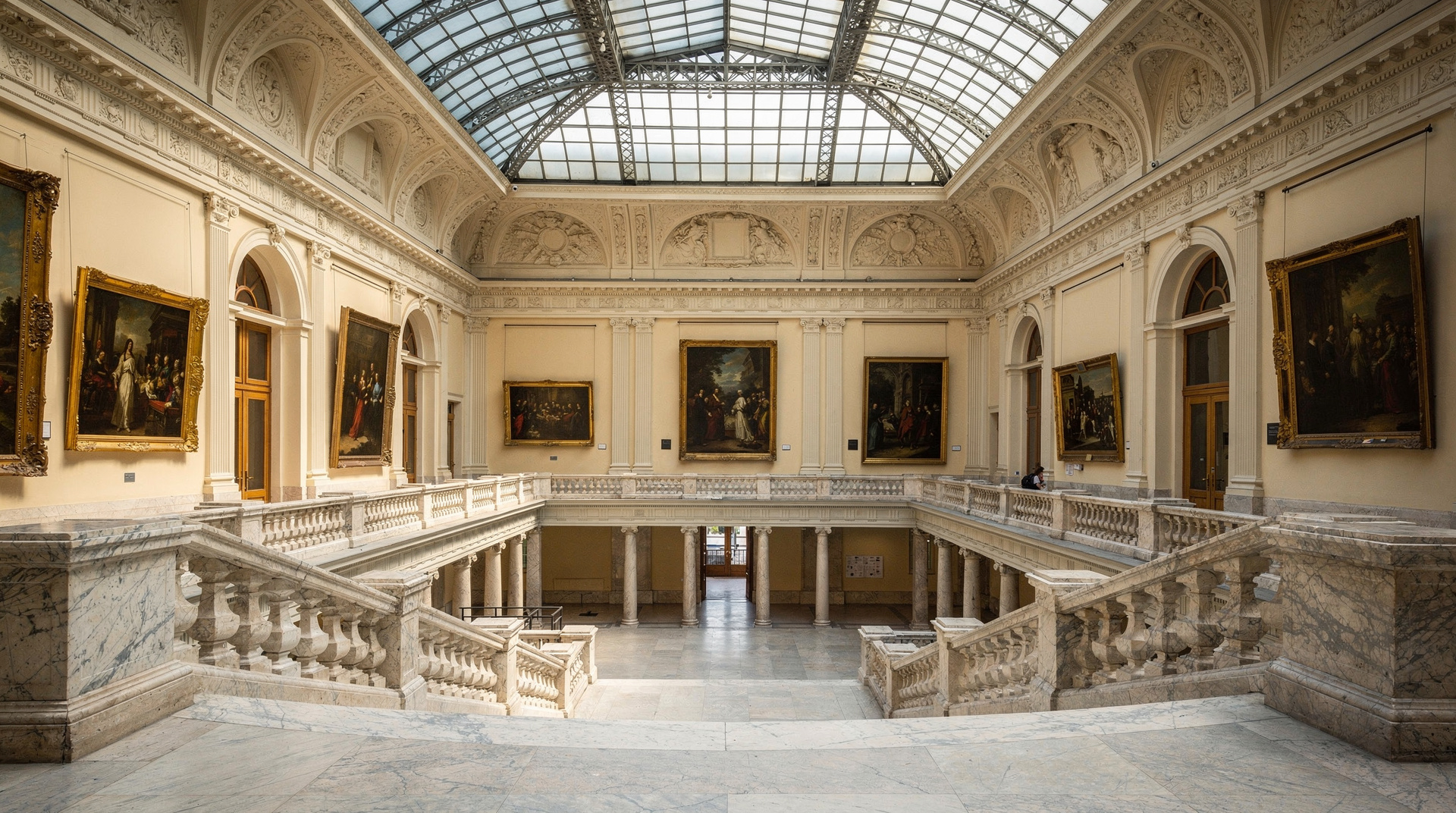
The Albertina’s permanent painting collection — the Sammlung Batliner — fills the first floor of the palace and is the most immediately accessible part of the museum. The collection runs chronologically from French Impressionism (Monet’s Waterlilies, several Renoir paintings) through Post-Impressionism (Cézanne, Van Gogh) to Expressionism (Kirchner, Nolde) and into the mid-20th century (Picasso, Chagall, Miró, Rothko).
The Monet waterlily paintings are the centrepiece: three large-format works from 1914–1917 that represent the furthest development of his garden series. In person they are different from the better-known versions at the Musée de l’Orangerie in Paris — the brushwork is even more dissolved, the colour more saturated.
The Picasso works range across different periods and styles. The Chagall paintings are among the most publicly appreciated in the collection — the floating figures and saturated colours work well in an environment where many visitors arrive without specific foreknowledge.
The Batliner Collection takes approximately 1.5 hours for a thorough visit.
The graphic art collection: drawings and prints
The Albertina’s core collection — the drawings and prints — is not displayed in permanent galleries in the conventional sense. Works on paper are extremely light-sensitive and cannot be shown continuously under museum conditions. Instead, the Albertina rotates works through thematic and monographic exhibitions drawn from the collection, and holds specific works in study rooms for scholars.
The result for general visitors is that the collection’s famous works — Dürer’s Young Hare, the Michelangelo drawings, the Klimt studies — may or may not be on display during your visit. Check the museum website for the current exhibition programme.
Dürer’s Young Hare (1502): This watercolour study of a sitting hare in extraordinary observational detail is shown periodically in its own display. When it is on view, it is the most visited single work in the Albertina. The level of detail — individual hairs, the reflection in the eye — requires close looking to appreciate fully.
The Klimt drawings: The world’s largest collection of Klimt works on paper, including preparatory studies for his major paintings (The Kiss, Judith, the University paintings), life drawings, and finished drawings as independent works. These are shown in rotating thematic displays from the collection.
Schiele drawings: Significant holdings of Schiele’s most characteristic works — the angular self-portraits, the posed figures — that complement the Schiele paintings at the Upper Belvedere and the Leopold Museum.
Temporary exhibitions
The Albertina runs two to four major temporary exhibitions per year — typically monographic shows of major 20th-century artists (Picasso, Monet, Expressionists, contemporary) that draw substantial visitor numbers. These exhibitions tend to be the busiest part of the museum; book tickets online on days when a major show is open.
Current exhibitions are listed on the Albertina website. Temporary exhibition tickets are often separate from or in addition to the permanent collection admission.
Albertina vs the other Vienna museums
Vienna has several major museums competing for the same afternoon, and the Albertina occupies a specific niche. See the best museums in Vienna for the full ranked list.
| Museum | Strongest for | Time needed |
|---|---|---|
| Albertina | Dürer, works on paper, Batliner Impressionists | 2–3hrs |
| Kunsthistorisches Museum | Old Master paintings, Habsburg collections | 3–4hrs |
| Belvedere | Klimt’s The Kiss and Austrian painting | 2–3hrs |
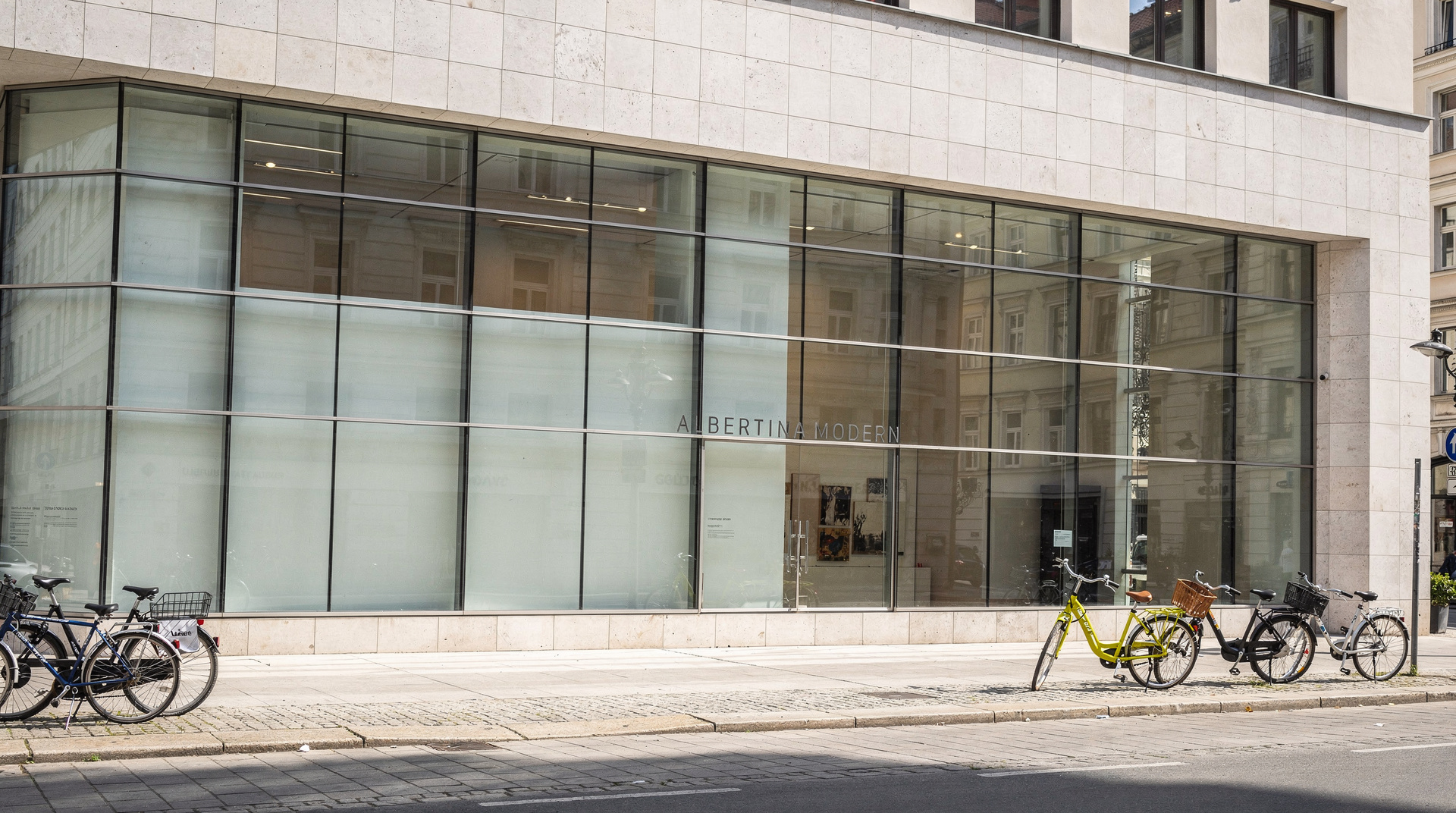
| Albertina Modern | Vienna Actionism, contemporary art | 1.5–2hrs |
For most first-time visitors, the Albertina and Kunsthistorisches Museum are the two priority stops; the Belvedere adds Klimt in oil, and Albertina Modern is for a second museum day. If you decide to pair the Albertina with the Old Masters, a day admission ticket for the Kunsthistorisches Museum lets you plan the second visit in advance rather than queueing on the day.
Tickets and booking
Tickets for the Albertina exhibitions Online booking avoids the ticket queue, which can be long during major temporary exhibitions.
Wednesday evening: The Albertina stays open until 9 pm on Wednesdays with significantly reduced visitor numbers after 6 pm. This is the quietest period for viewing the Batliner Collection.
The Albertina building and terrace
The Albertina’s public terrace (Ehrenramp, the ceremonial ramp facing Albertinaplatz) offers one of the better urban views in central Vienna: the Staatsoper across the road, the Burggarten to the right, the Ringstrasse below. The large outdoor sculpture by Erwin Wurm (Fat House, or similar rotating installation) on the terrace is typically distinctive.
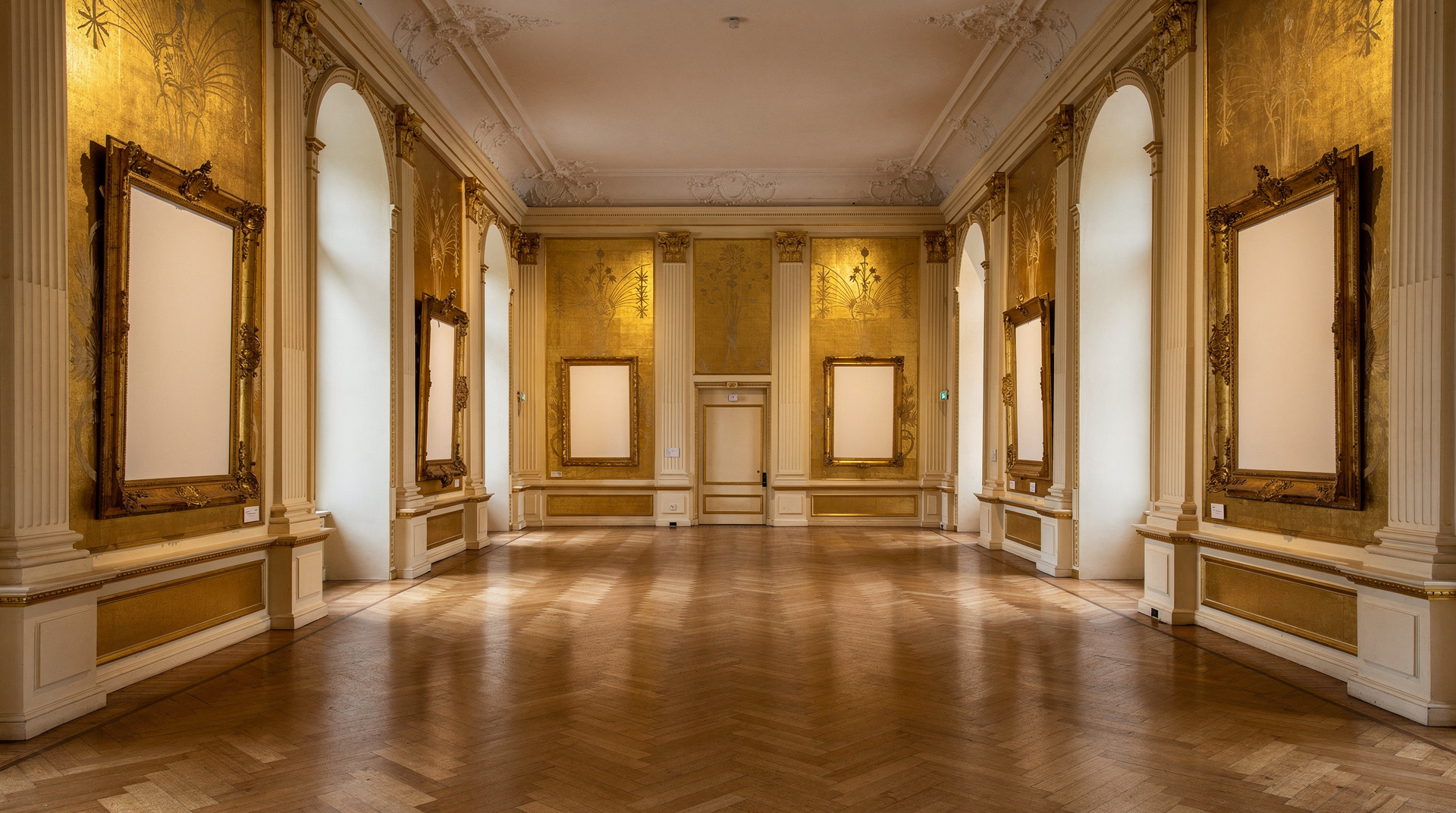
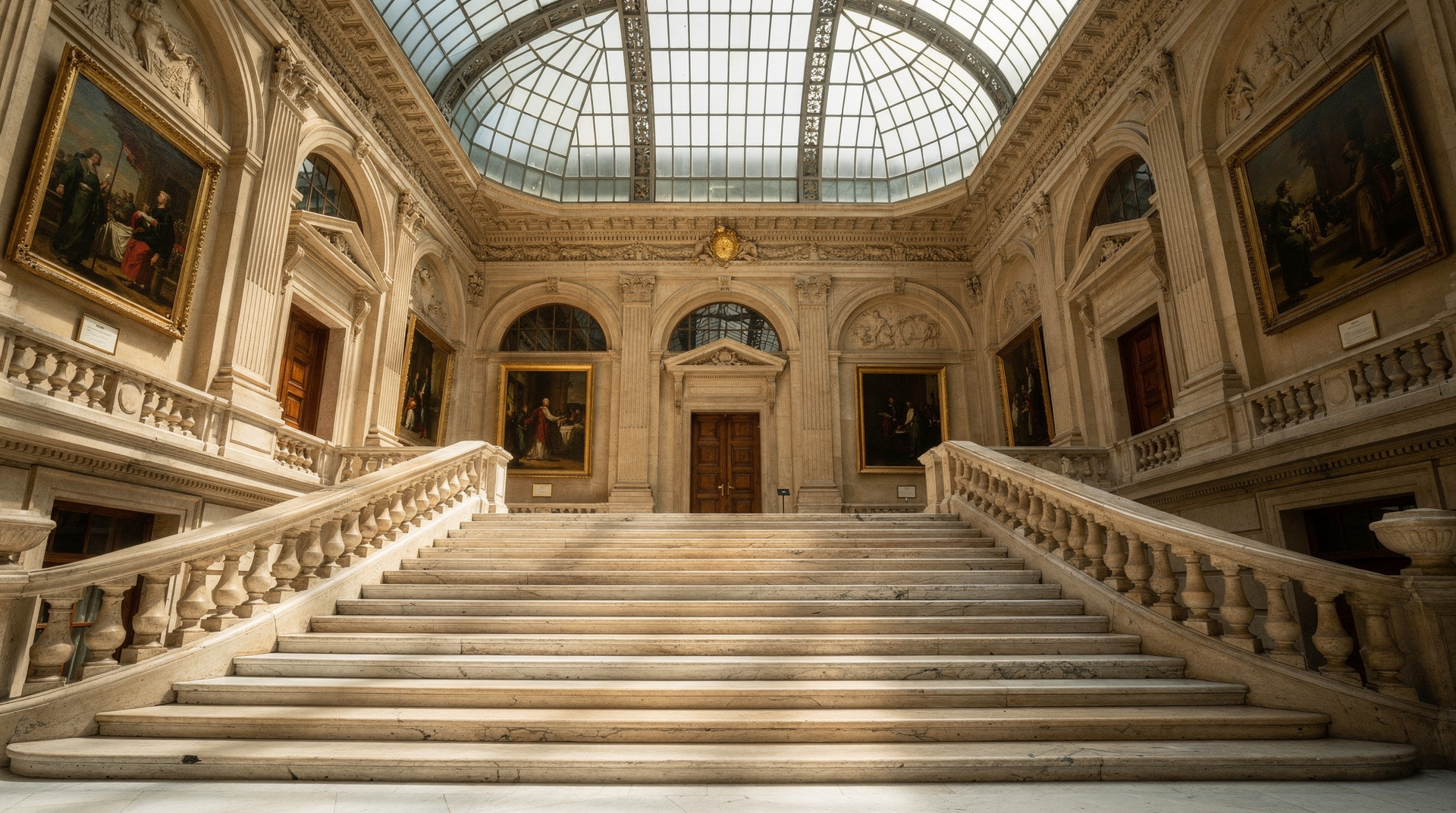
The building’s history as a Habsburg palace is visible in the state rooms (Prunkräume) on the first floor, which are open as part of the museum visit — elaborate Neoclassical interiors from the early 19th century, including the rooms used by Archduke Karl.
Combining with nearby sites
Adjacent: The Augustinerkirche (Augustinian Court Church), literally next door, is where Habsburg hearts were kept in silver urns after 1654. It is free to enter and takes 15 minutes. The Hofburg’s main visitor entrance (Sisi Museum, Imperial Apartments) is a 3-minute walk from the Albertina entrance.
Same-day: The Albertina and the Belvedere are both manageable in one day — Albertina in the morning, Belvedere in the afternoon — but the combination is long (5–6 hours of museum time). Our Vienna 3-day itinerary spaces them across separate days. If Klimt in oil is your goal, an entry ticket for the Upper Belvedere and its permanent collection is easy to arrange ahead of that second day.
Klimt trail: For Klimt enthusiasts, the Albertina drawings + the Belvedere paintings + the KHM staircase (early Klimt) + the Secession building (Beethoven Frieze) constitute the complete Vienna Klimt itinerary. Our Klimt trail guide maps the full route.
Nearby cathedral: Stephansdom is a 5-minute walk from the Albertina and pairs naturally as a first or last stop on the same walk through the Innere Stadt.
How to plan your visit
The simplest way to enjoy the Albertina is to decide in advance which of its two identities you are visiting for. If the paintings are the draw, go straight to the Batliner Collection on the first floor and give it unhurried time before looking at anything else. If the drawings are the draw, check the current programme first, because what hangs on the walls changes and the museum website tells you what is on. Visitors who arrive with no plan tend to drift through the temporary exhibition, tire out, and miss the permanent paintings entirely.
A sensible order is the state rooms first, while you are fresh, then the Batliner paintings, then the temporary show. The state rooms set the scene: you are in a former Habsburg residence, and the interiors explain why the collection ended up here. Reverse the order if the temporary exhibition is the reason you came, and go to it first, before the crowds build through the day.
Pace yourself. A museum of this kind rewards fewer works looked at properly over many works glanced at. Pick a handful of pictures, sit down in front of them when a bench is free, and let the rest of the visit be a pleasant bonus. The audio guide or the room texts help most with the drawings, where the subject matter is often less obvious than in a large painting.
Who the Albertina suits best
Art lovers on a short trip. If you have only a few days, the Albertina is the museum that combines a famous name (Monet, Picasso, Chagall) with an easy central location. It sits comfortably between the Hofburg and the opera, so it fits into a walking day without a detour. Our Vienna 3-day itinerary and the Vienna weekend itinerary both show how it slots in.
Visitors who find big palaces tiring. Compared with the vast halls of the Kunsthistorisches Museum or the sprawl of Schönbrunn Palace, the Albertina is compact and easy to navigate. You can see the essentials without feeling lost.
Rainy-day planners. Vienna weather is not always kind, and a museum next to the main sights is a reliable fallback. Read our best time to visit Vienna guide and our notes on Vienna in winter if you are travelling when indoor plans matter most.
Families with older children. Teenagers with an interest in art often respond to the Impressionist rooms more than to Old Master galleries. For younger children, Vienna with kids suggests better-suited stops, and the Albertina works best as a short, focused visit rather than a long one.
Visitors with mobility needs. See our accessible Vienna guide for general advice on getting around the city centre, and check with the museum directly before you go if you need specific facilities.
Looking at drawings: what to pay attention to
Works on paper are quieter than oil paintings, and many first-time visitors walk past them too quickly. A few habits make a difference.
Get close, then step back. Drawings are often small and reward close inspection of line and pressure, but they also read differently from a distance, when the composition becomes clear.
Look for the working process. A preparatory study shows how an artist thought. When you see a sketch for a famous painting, compare it with what you remember of the finished work. The Klimt studies are especially good for this, and our Klimt trail guide explains how they connect to the paintings elsewhere in the city.
Notice the difference between artists. Schiele’s lines are nervous and angular; Klimt’s are fluid and sensual. Seeing both in one visit, and then in oil at the Belvedere or the Leopold Museum, is one of the best ways to understand Vienna around 1900. Our guide to Schiele and the Vienna Secession gives the background.
Accept the rotation. It is frustrating to arrive hoping for one famous drawing and find it absent. Treat the rotation as part of the experience: the museum has so much in its stores that each visit is different, and a second trip years later can feel like a new museum.
Making a day of it in the Innere Stadt
The Albertina is in the heart of the old centre, so it pairs well with a wider walk. The Innere Stadt destination page lays out the neighbourhood, and the Ringstrasse architecture walk is a natural follow-on once you have finished inside.
A relaxed plan: start with the museum, then take a break in a traditional café. Our guide to the best coffee houses in Vienna and the coffee house etiquette notes help you choose and behave well. If you fancy something sweet, the Sachertorte guide explains which cafés are worth the queue.
In the evening, the nearby Vienna State Opera is just across the square, and our classical concerts comparison helps you pick a performance if you want to continue the cultural theme. For other museums in the same area, see the Hofburg Palace guide.
If you are building a longer stay around museums, how many days in Vienna gives a framework, and the best museums in Vienna list helps you choose between them.
Practical advice for a smoother visit
- Travel light. Large bags are generally not welcome in galleries, so leave heavy items at your accommodation rather than hunting for storage on arrival.
- Wear comfortable shoes. Even a compact museum involves a lot of standing, and the surrounding streets are best explored on foot.
- Photography rules vary. Rules can differ between the permanent collection and temporary exhibitions, so follow the signs in each room.
- Keep time for the terrace. After the galleries, the outdoor terrace is a pleasant place to rest and look over the square.
- Check the programme beforehand. Because exhibitions change, a quick look at the museum website saves disappointment.
If you are comparing ways to save on admissions across several sights, our Vienna PASS review and Vienna City Card review explain how the passes work in practice and when they make sense for a museum-heavy trip.
Frequently asked questions about the Albertina Museum
What is the most famous work in the Albertina?
Albrecht Dürer’s Young Hare (1502) — a watercolour in extraordinary detail — is the most famous individual work, shown periodically due to light sensitivity.
Does the Albertina have Klimt paintings?
The Albertina holds the world’s largest collection of Klimt drawings. For Klimt oil paintings, the Upper Belvedere is the primary Vienna institution.
What is the difference between the Albertina and Albertina Modern?
The main Albertina holds Old Master drawings, Impressionist painting, and major temporary exhibitions. The Albertina Modern at Karlsplatz focuses on modern and contemporary art from 1900 to the present. Separate museums, separate tickets.
Where is the Albertina in Vienna?
Augustinerstraße 1, adjacent to the Hofburg Palace — 5 minutes walk from Stephansdom, facing Albertinaplatz.
Is the Albertina included in the Vienna PASS?
Yes — the Vienna PASS includes the Albertina and the Albertina Modern.
When does the Albertina close?
Closed Mondays. Open Tuesday–Sunday 10 am–6 pm; Wednesday until 9 pm.
Top experiences
Bookable activities with verified prices and instant confirmation on GetYourGuide.