Albertina Modern Vienna guide: contemporary art at Karlsplatz
Tickets for the Albertina Exhibitions
What is the Albertina Modern and is it worth visiting?
Albertina Modern is the Albertina's second location, opened in 2020 in the former Künstlerhaus at Karlsplatz. It focuses on modern and contemporary art from 1900 to the present, including Expressionism, Vienna Actionism, and international contemporary works. Worth visiting for those interested in modern art — less essential than the main Albertina for first-time Vienna visitors.
A newer museum in an older building
| Where | Karlsplatz 5, former Künstlerhaus building |
| Cost | around €16, combined ticket with main Albertina available |
| Time needed | 1.5–2hrs, up to 3hrs with a temporary show |
| Getting there | U1/U2/U4 Karlsplatz, 1 minute walk |
| Best paired with | Main Albertina or the Karlskirche next door |
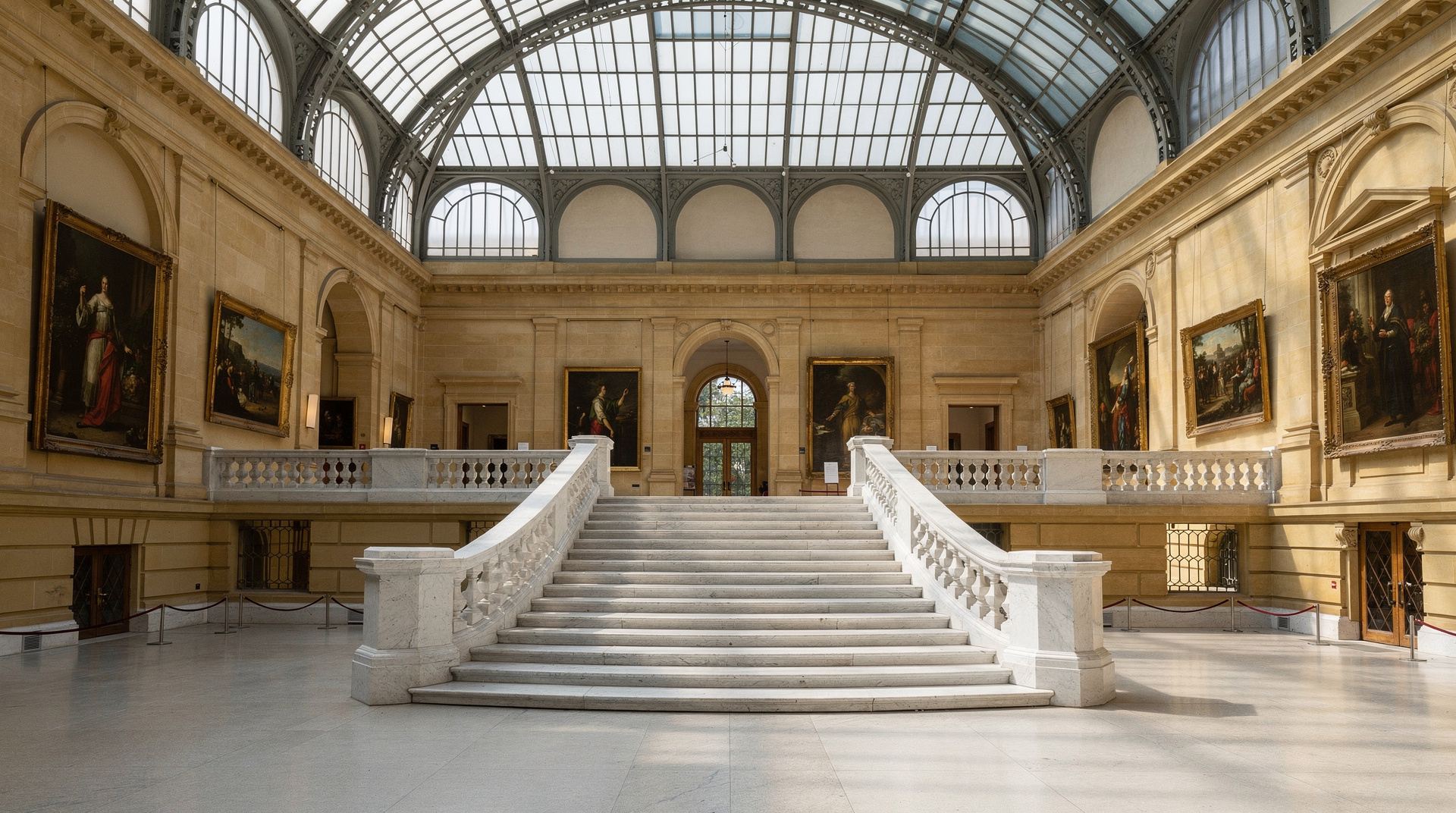
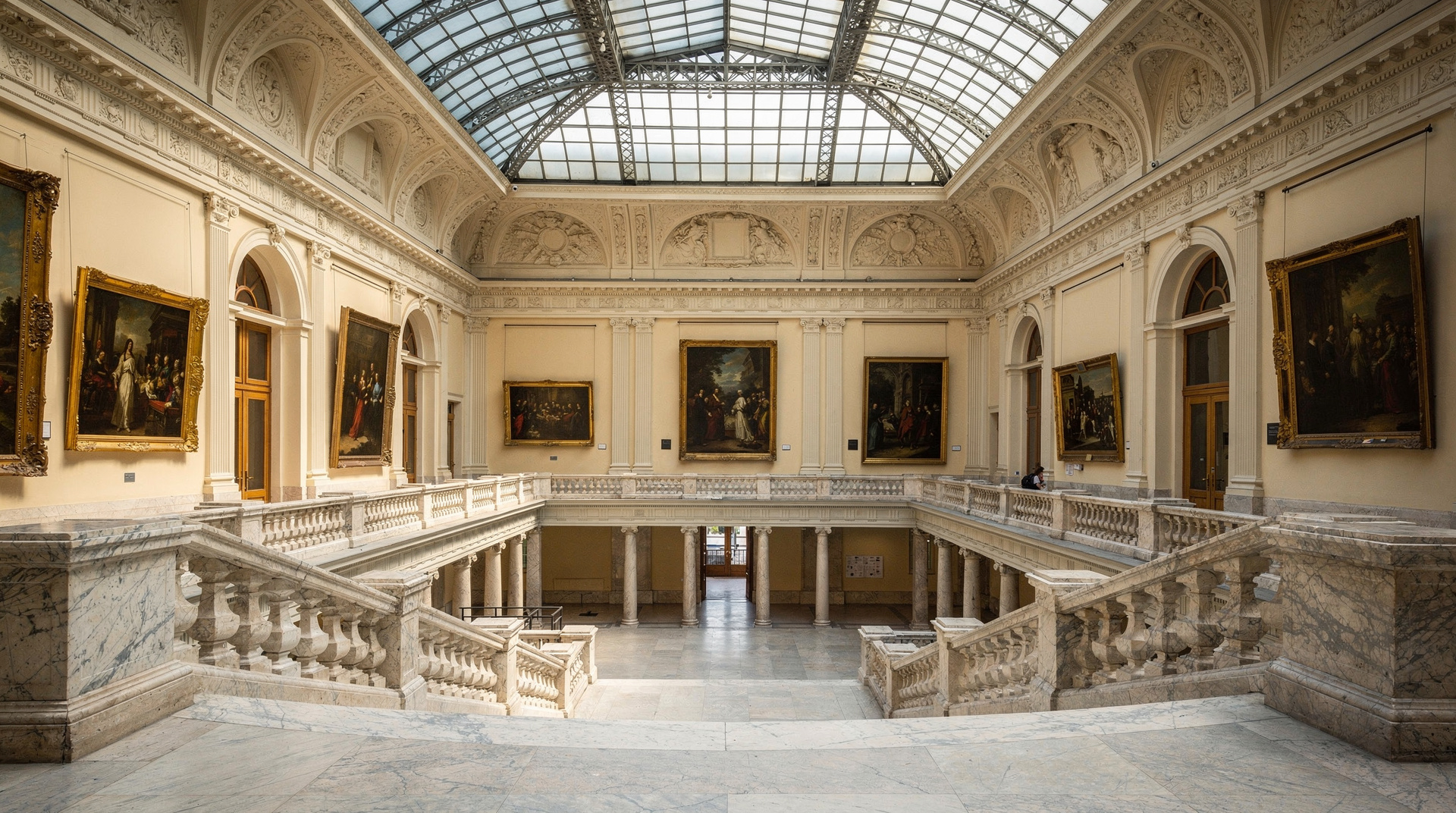
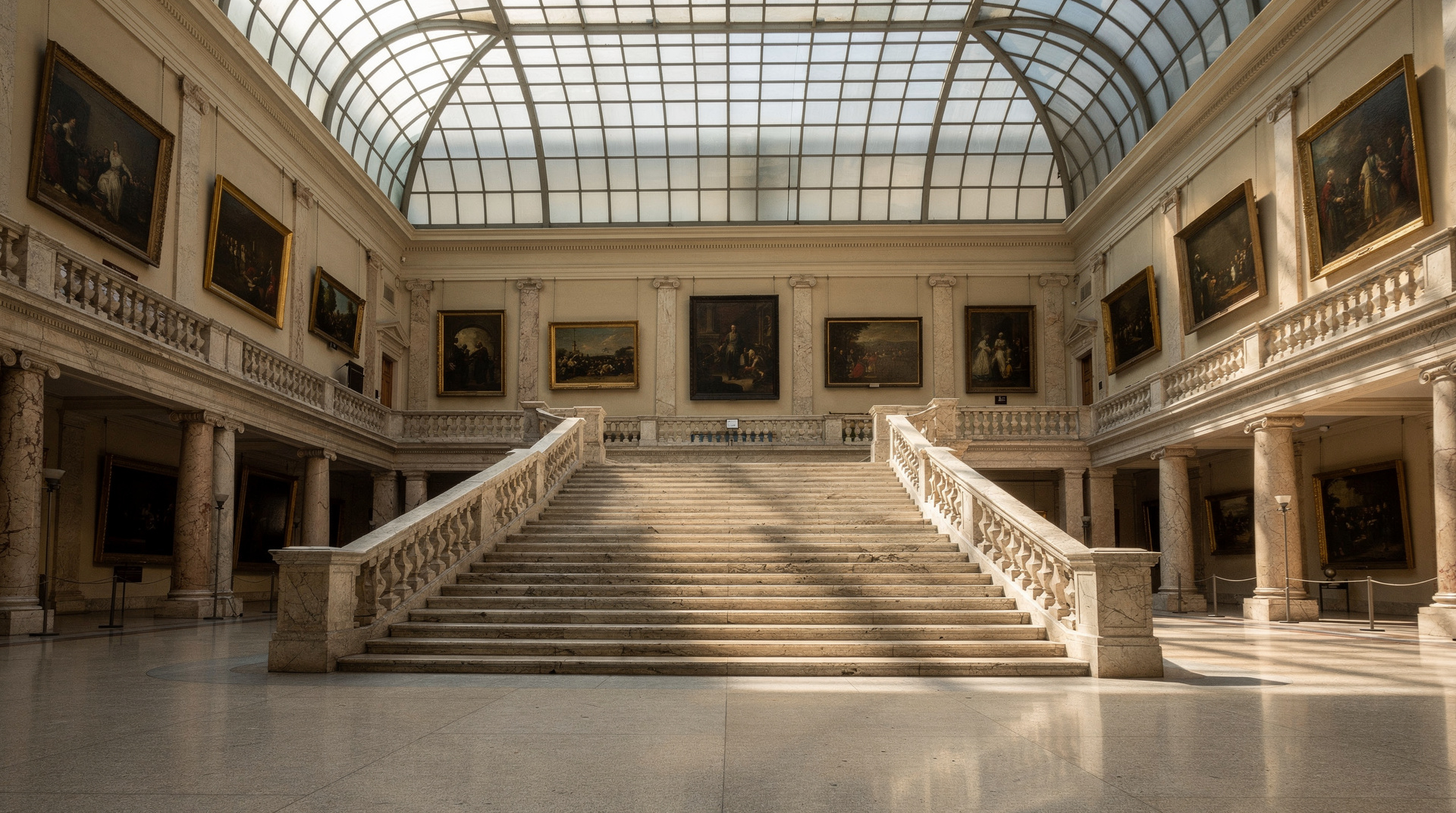
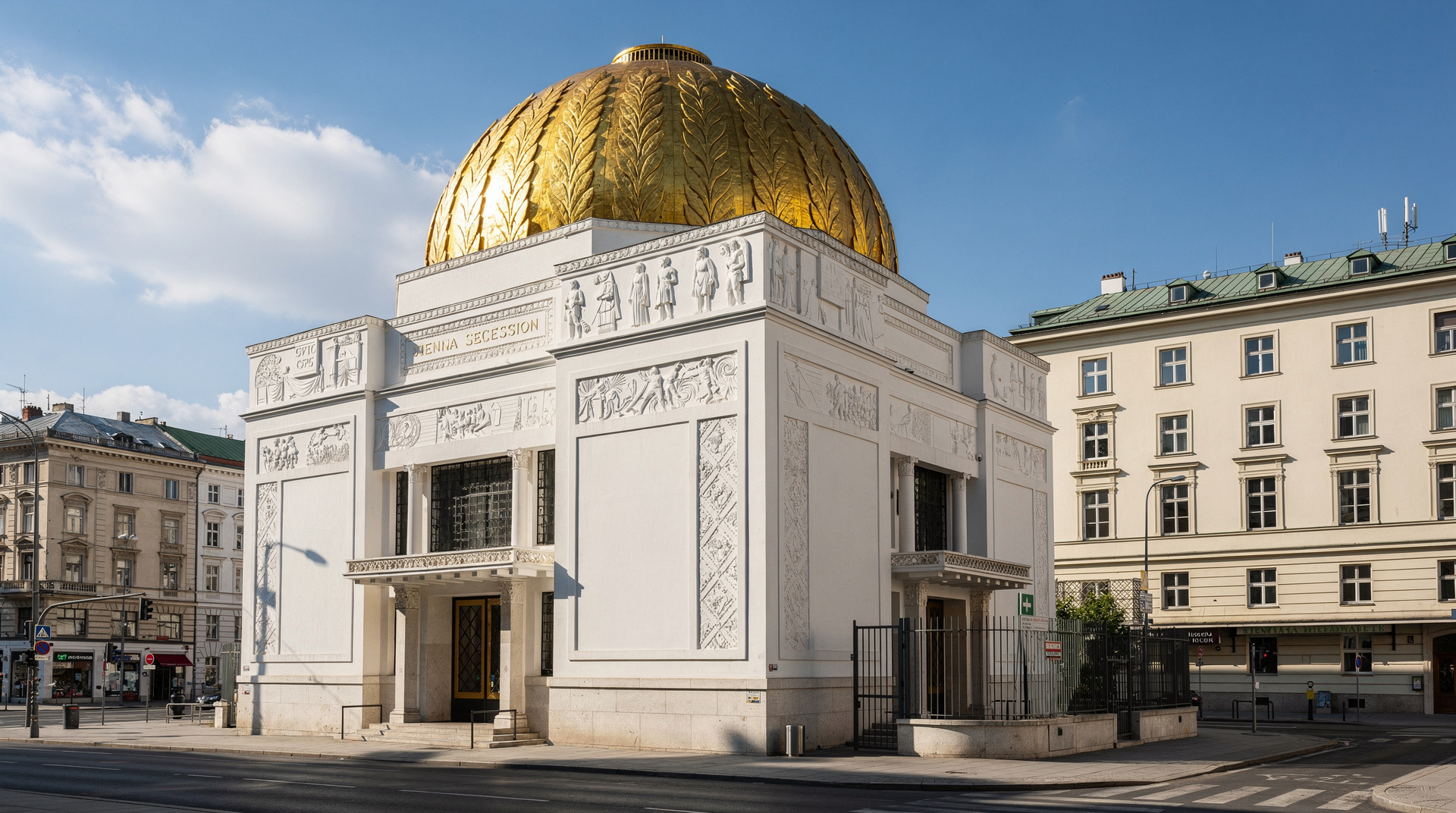
Albertina Modern opened in 2020 in the former Künstlerhaus at Karlsplatz — a 19th-century exhibition building that had served as Vienna’s main contemporary art venue for over a century before being taken over by the Albertina and substantially renovated. The result is a museum that combines historically significant architecture (the Künstlerhaus dates from 1868) with a contemporary interior and a collection focused on modern and contemporary art.
It is the younger and less internationally known of the two Albertina institutions. For visitors with a specific interest in 20th-century Austrian art or contemporary international art, it is a significant museum. For first-time Vienna visitors with limited time, the main Albertina, the Belvedere, and the KHM take priority.
What you need to know before you go
Address: Karlsplatz 5, 1010 Wien (entrance via the Künstlerhaus building on Karlsplatz) Opening hours: Tuesday–Sunday 10 am–6 pm; Wednesday 10 am–9 pm. Closed Monday. Admission: €16 adults; combined ticket with main Albertina available Getting there: U1/U2/U4 to Karlsplatz (1 minute walk); tram D, 1, 2 to Karlsplatz
The permanent collection
The Albertina Modern’s permanent collection is structured around Austrian modern art and its international connections.
Expressionism and early modernism
The collection covers the Vienna Secession’s legacy into the 1920s and 1930s, including Austrian Expressionism (Oskar Kokoschka, Herbert Boeckl) and the work of artists who connected Austrian art to the international modernist movements based in Paris and Germany. This section complements the Secession’s own Beethoven Frieze display and the Schiele holdings at the Leopold Museum.
Vienna Actionism
Vienna Actionism was one of the most radical art movements of the post-war period. Working primarily in the 1960s, artists including Hermann Nitsch, Günter Brus, Otto Muehl, and Rudolf Schwarzkogler performed and documented actions that pushed against every social and aesthetic boundary of the era — using blood, bodily fluids, destruction of objects, and self-harm in performances that were simultaneously genuine art practice and social provocation.
The Albertina Modern holds one of the most comprehensive archives of Vienna Actionism documentation in the world. The material is graphic; some works are not suitable for younger viewers. For those interested in the history of performance art and its relationship to broader social movements in Austria, this collection is invaluable.
Contemporary international art
The upper floors of the museum include significant contemporary works — painting, sculpture, photography, installation — by international figures alongside Austrian artists. The selection ranges across European and American post-war painting (George Baselitz, Maria Lassnig) to more recent works.
Maria Lassnig (1919–2014) is an Austrian painter whose work was overlooked for decades before achieving international recognition in the 2010s. Her body-awareness paintings — figures rendered from the inside, representing physical sensation rather than external appearance — are among the strongest works in the collection.
Albertina Modern vs Leopold vs MUMOK
Vienna has three museums that all touch modern and contemporary art, and first-time visitors often conflate them. Here is how they actually split, alongside the best museums in Vienna overview if you are prioritising a shortlist.
| Museum | Focus | Best for |
|---|---|---|
| Albertina Modern | Austrian Expressionism, Vienna Actionism, contemporary | Post-war and Actionism specialists |
| Leopold Museum | Klimt and the world’s largest Schiele collection | First-time visitors wanting Klimt/Schiele |
| MUMOK | Fluxus, Pop Art, conceptual art | Contemporary/conceptual art specialists |
If your time is limited to one modern-art museum on a first Vienna trip, the Leopold at MuseumsQuartier is the stronger single choice for most visitors, given its Klimt and Schiele holdings. Albertina Modern earns its place on a second visit or for anyone specifically drawn to Vienna Actionism.
Temporary exhibitions
Albertina Modern runs a programme of temporary exhibitions that tend to focus on specific 20th and 21st century artists or movements, often in dialogue with works from the Albertina’s permanent collection. The temporary shows are generally at a similar curatorial level to the main Albertina’s temporary programme.
Visiting strategy
If you are primarily interested in Klimt and Schiele: The Leopold Museum is a better choice than Albertina Modern — the Leopold’s Schiele collection is the world’s largest, and the Klimt holdings are significant.
If you are interested in post-war and contemporary art: Albertina Modern and MUMOK are complementary but cover different parts of the territory. MUMOK focuses more on Fluxus, Pop Art, and conceptual art; Albertina Modern is stronger on Austrian Expressionism and Actionism.
Combined with the main Albertina: The two Albertina institutions are 5 minutes apart and are designed to be visited together. The main Albertina’s focus on Old Masters and Impressionism creates a clear distinction from Albertina Modern’s contemporary focus — visiting both on the same day gives a comprehensive picture of the Albertina’s scope.
Tickets for the Albertina exhibitionsCheck at the time of booking whether combined Albertina + Albertina Modern tickets are available — this is often the most economical option if visiting both.
Vienna: guided walking tour of city center highlightsThe Karlsplatz location
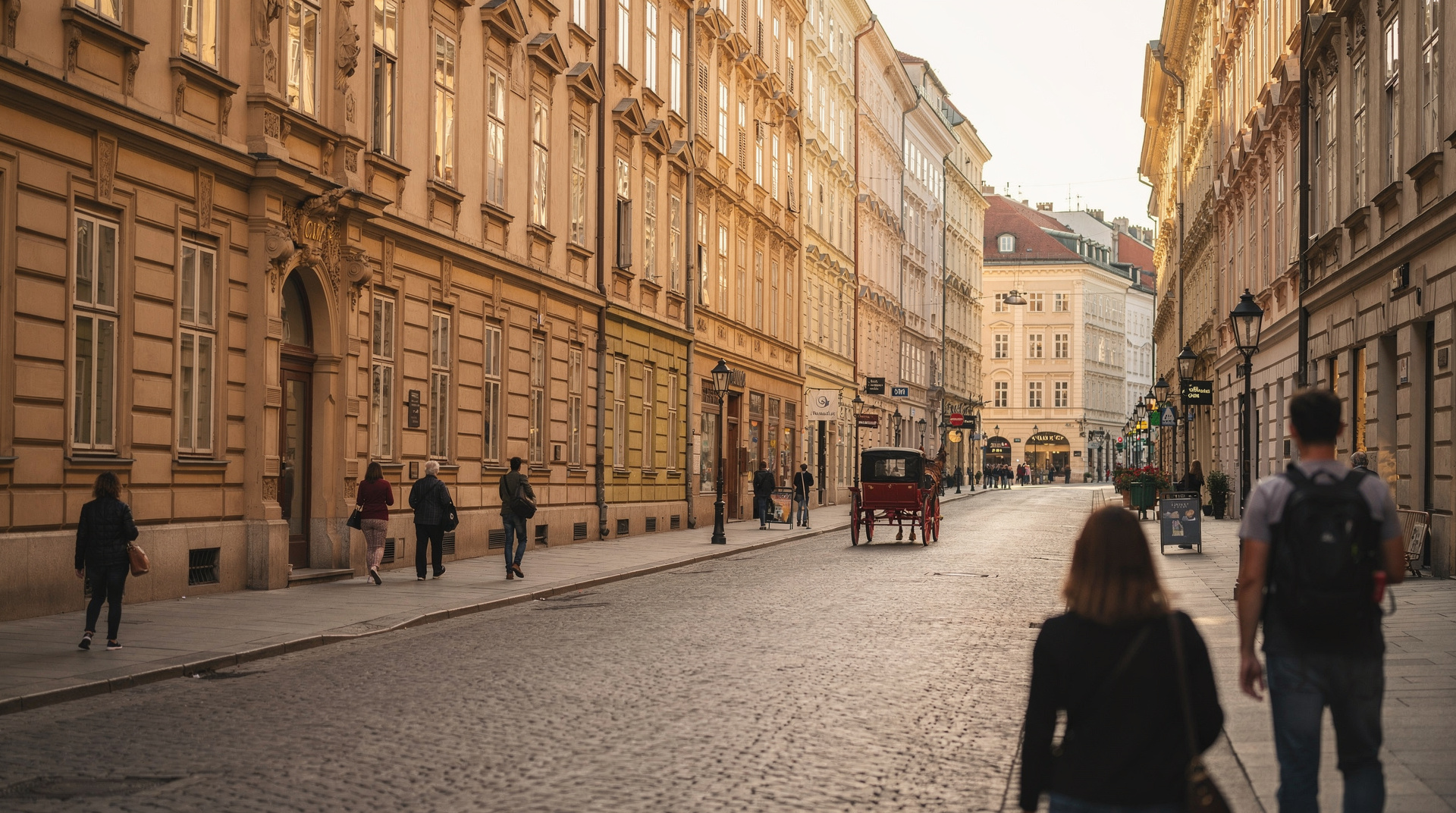
Karlsplatz is one of Vienna’s most architecturally dense squares — the Karlskirche (Charles Church, one of the finest Baroque churches in Europe), the Wien Museum (the city history museum, recently renovated), the Musikverein (200 metres from Karlsplatz), and the U-Bahn station with Otto Wagner’s famous 1899 Stadtbahn pavilions. The Albertina Modern’s location here means visitors can combine a museum visit with the Karlskirche (free to enter), the Wien Museum, and the architectural experience of the Wagner pavilions.
The Schiele and Vienna Secession guide covers the artistic movement that preceded and influenced the work in Albertina Modern’s collection.
A practical day around Karlsplatz
Because Albertina Modern, Karlskirche, the Wien Museum and Musikverein all sit within a few minutes of each other, it makes sense to build a half-day around Karlsplatz rather than treating Albertina Modern as an isolated stop. Start with the main Albertina Museum near the Hofburg, walk the five minutes to Albertina Modern, then finish at the Karlskirche (free) or the Wien Museum. This avoids the common mistake of tacking Albertina Modern onto a rushed end-of-day visit when energy and attention are already spent.
If contemporary art across the whole city is the goal rather than just Karlsplatz, the MuseumsQuartier — home to the Leopold and MUMOK — is a 15-minute walk or a short tram ride away and can anchor a second museum-focused day.
How to look at the work
Modern and contemporary art rewards a slower pace than an Old Masters gallery, and the building helps: rooms are laid out so that you can step back from a large canvas without bumping into the next one. Pick a handful of works and give them real time rather than trying to read every label. Wall texts are the quickest way to understand why a piece mattered when it was made, so read them for the works that stop you and skip them for the rest.
The Actionism rooms deserve a different approach. Much of what survives from those performances is photographs, films, drawings and written scores, because the actions themselves were short-lived. Treat the room as a documentary archive: look at how the artists staged and recorded each event, and notice how deliberately they controlled the camera. That framing makes the material easier to take in and explains why it is considered so important to the history of performance art.
For the painting galleries, try comparing two artists from the same decade side by side. Lassnig’s inward-looking figures and the heavier, more physical canvases of her contemporaries make a useful contrast, and the contrast is far more interesting than any single work seen in isolation.
Building a modern-art route through Vienna
Albertina Modern works best as one stop in a longer thread of art. A sensible sequence for a keen art lover starts with the Secession-era story in the Schiele and Vienna Secession guide, continues with Klimt via the Klimt trail in Vienna, and then jumps forward to the post-war rooms here. If you are curious about the nineteenth-century art that came before, the Belvedere Palace guide and the Kunsthistorisches Museum guide fill in the earlier chapters.
Anyone assembling a longer stay can slot this museum into a wider plan. The 3-day Vienna itinerary leaves room for one art-focused afternoon, while the 5-day itinerary gives space for a full day of galleries. If you are travelling in the colder months, a museum like this is a natural indoor choice, as discussed in the Vienna in winter guide. The same logic applies on a wet day in any season.
Rest, food and pacing
Gallery fatigue is real, and the best fix is a proper break rather than pushing on. Karlsplatz and the streets around it have plenty of places to sit down, and a traditional coffee house is the classic Viennese answer. The best coffee houses in Vienna guide and the coffee house etiquette page explain how to order and how long you can linger without feeling rushed.
If you want something more substantial after the galleries, the Vienna food guide and the Naschmarkt eating guide cover options a short walk away. Pace the day so that the art comes first while your attention is fresh, and keep the meal for afterwards.
Planning around your travel style
Different visitors will want different things from this museum:
- Travelling on a budget: the Vienna on a budget guide and the Vienna Pass review help you decide whether a pass or individual tickets suit the museums you actually plan to enter.
- Travelling solo: a museum is an easy, unhurried way to spend time alone, and the solo travel in Vienna guide has more ideas for structuring your days.
- Travelling with children: the Actionism material means this is not the first museum to pick for a family day, so see Vienna with kids for better-suited options.
- Wanting a wider overview: the Innere Stadt district page places the museum within the historic centre, and the Ringstrasse architecture walk is a good way to see the grand nineteenth-century buildings that frame this part of the city.
Making the most of a second visit
Because the temporary programme changes, a return visit can feel like a new museum. If you enjoyed the permanent rooms the first time, check what is currently on before you plan another trip. The permanent collection also tends to be rehung, so works that were not on view before may appear. Visitors who come back are often the ones who appreciate the museum most, since the first visit is usually spent working out what the place is and the second is spent looking.
Honest assessment
Albertina Modern is a strong museum for its target audience — visitors with an interest in modern and contemporary art who want to understand Austrian art beyond Klimt and Schiele. For general visitors prioritising the main Vienna museums, the KHM, Belvedere, and main Albertina remain the first-tier priorities.
The Vienna Actionism material is important for anyone interested in the history of performance art. The Lassnig holdings are a significant rediscovery for visitors unfamiliar with her work. The contemporary international sections are competent without being exceptional.
Admission: worth it for the right visitor. If you have time after the main Albertina and are interested in 20th-century art, add Albertina Modern to your afternoon. If you have to choose between it and the Leopold Museum for a Schiele focus, choose the Leopold.
Frequently asked questions about Albertina Modern
What is the difference between the Albertina and Albertina Modern?
The main Albertina specialises in Old Master drawings, Impressionist painting, and major temporary exhibitions. Albertina Modern focuses on 20th and 21st century art including Expressionism and Vienna Actionism. Separate buildings, separate tickets.
Where is the Albertina Modern?
Karlsplatz 5, in the former Künstlerhaus building — 5 minutes walk from the main Albertina and 1 minute from Karlsplatz U-Bahn.
What is the permanent collection at Albertina Modern?
Austrian modern art (Expressionism, Vienna Actionism), international post-war art, and contemporary works by Austrian and international artists.
Is Albertina Modern suitable for families with children?
The Vienna Actionism material can be graphic. The contemporary painting and sculpture galleries are generally appropriate for all ages. Check current exhibition content if visiting with younger children.
How long does Albertina Modern take?
Allow 1.5–2 hours for the permanent collection, or 2.5–3 hours with a major temporary exhibition.
Can I visit both Albertina museums in one day?
Yes — they are 5 minutes apart. A combined ticket is often available and saves money.
Top experiences
Bookable activities with verified prices and instant confirmation on GetYourGuide.