Vienna Christmas markets guide: everything you need to know
Vienna: Christmas Markets Tour
When are Vienna's Christmas markets open?
Most Vienna Christmas markets open mid-November and run until December 23–26. Rathausplatz and Schönbrunn open around November 15–17. Some markets (Rathaus ice rink, select markets) continue until January 6 (Epiphany). The busiest period is the two weekends before Christmas.
Vienna at Christmas: the honest picture
Vienna’s Christmas markets are genuinely excellent. They’re also genuinely crowded. These two facts coexist without contradiction — the city puts real effort into its markets, the architecture of its Baroque and Gothic backdrop is unmatched in Europe, and the tradition of Advent markets (Adventmarkt) has deep local roots. But the Rathausplatz market on the Saturday before Christmas is shoulder-to-shoulder with visitors from across Europe, and the Glühwein quality varies considerably.
This guide explains what the Vienna Christmas market experience actually involves, which markets to prioritise, when to visit, and how to get the most from the season without being swallowed by the tourist wave.
| When | Mid-November to December 23–26 |
| Cost | Free entry; around €4–7 per drink |
| Best time to go | Weekday afternoons, 3–5pm |
| Biggest market | Rathausplatz (150+ stalls) |
| Calmer alternative | Spittelberg |
What you need to know
The dates
Vienna’s Christmas markets typically open in the second or third week of November and run until December 23 or 26. Some markets (particularly those with ice rinks) continue through the end of December and into early January.
2026 provisional dates (confirm nearer the time):
- Rathausplatz: approx. November 13–26 December
- Schönbrunn: approx. November 14 – December 26
- Spittelberg: approx. November 20 – December 23
- Freyung (Old Vienna Market): approx. November 20 – December 24
The two weekends before Christmas are the busiest and most atmospheric. If you’re visiting specifically for the markets, aim for the last two weeks of November or the first week of December — still full atmosphere, substantially smaller crowds.
The markets: an overview
Vienna has approximately 20 Christmas markets of varying size and character:
Large tourist markets: Rathausplatz (City Hall), Schönbrunn Palace Medium mixed markets: Freyung, Am Hof, Karlsplatz Smaller artisan markets: Spittelberg, Maria-Theresien-Platz, Naschmarkt Advent Neighbourhood markets: Ottakring, Floridsdorf, various outer-district markets
The full comparison of the main markets is in the best Christmas markets Vienna guide. This guide covers the experience as a whole. For the two specific markets covered in the most depth elsewhere on the site, see our dedicated Rathausplatz Christmas market guide and Spittelberg Christmas market guide.
What a Vienna Christmas market is like
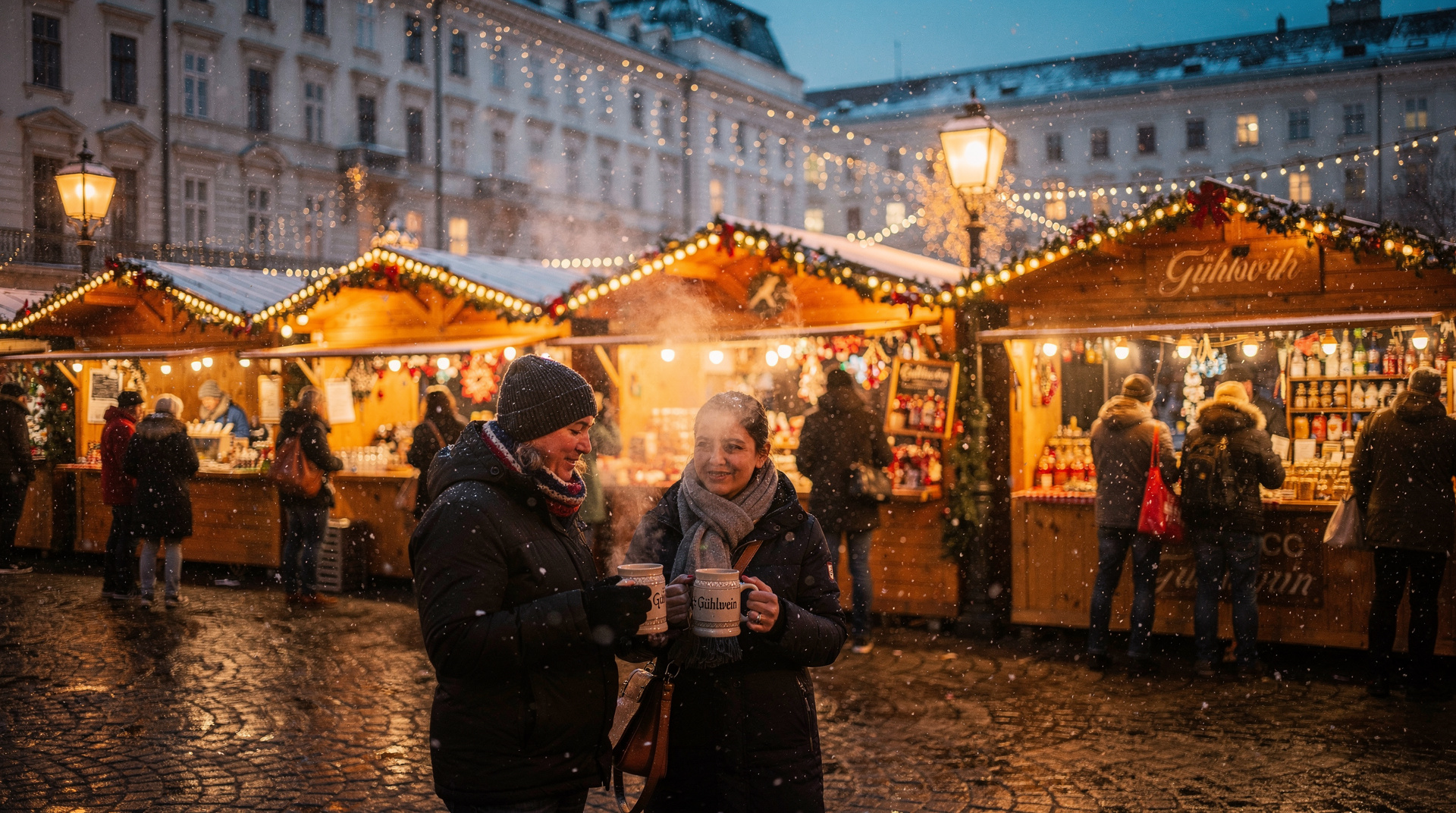
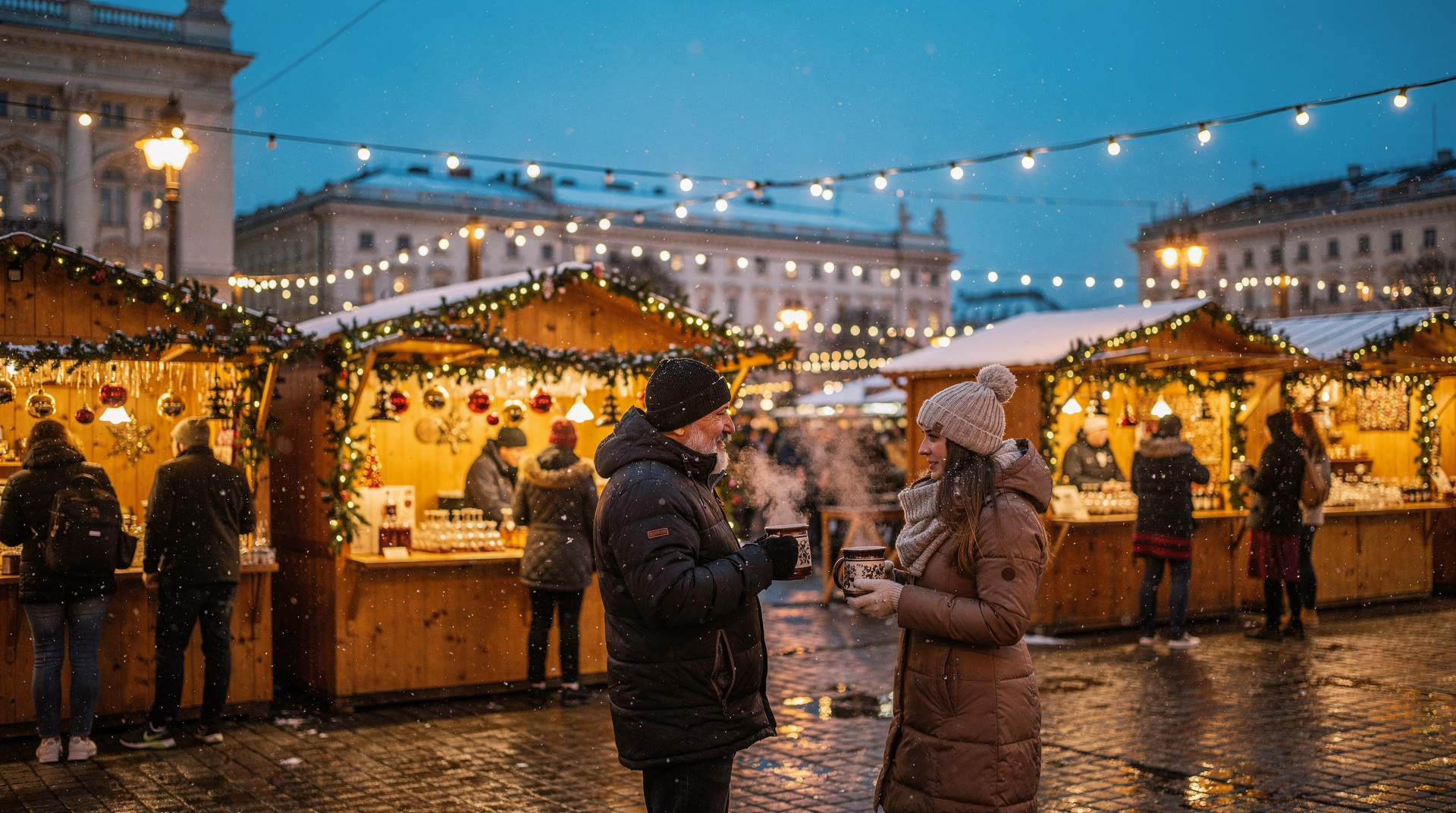
The typical Vienna Advent market occupies a historic square or park, with wooden stalls (Hütten) selling handicrafts, food, drinks, and Christmas decorations. The atmosphere is created by:
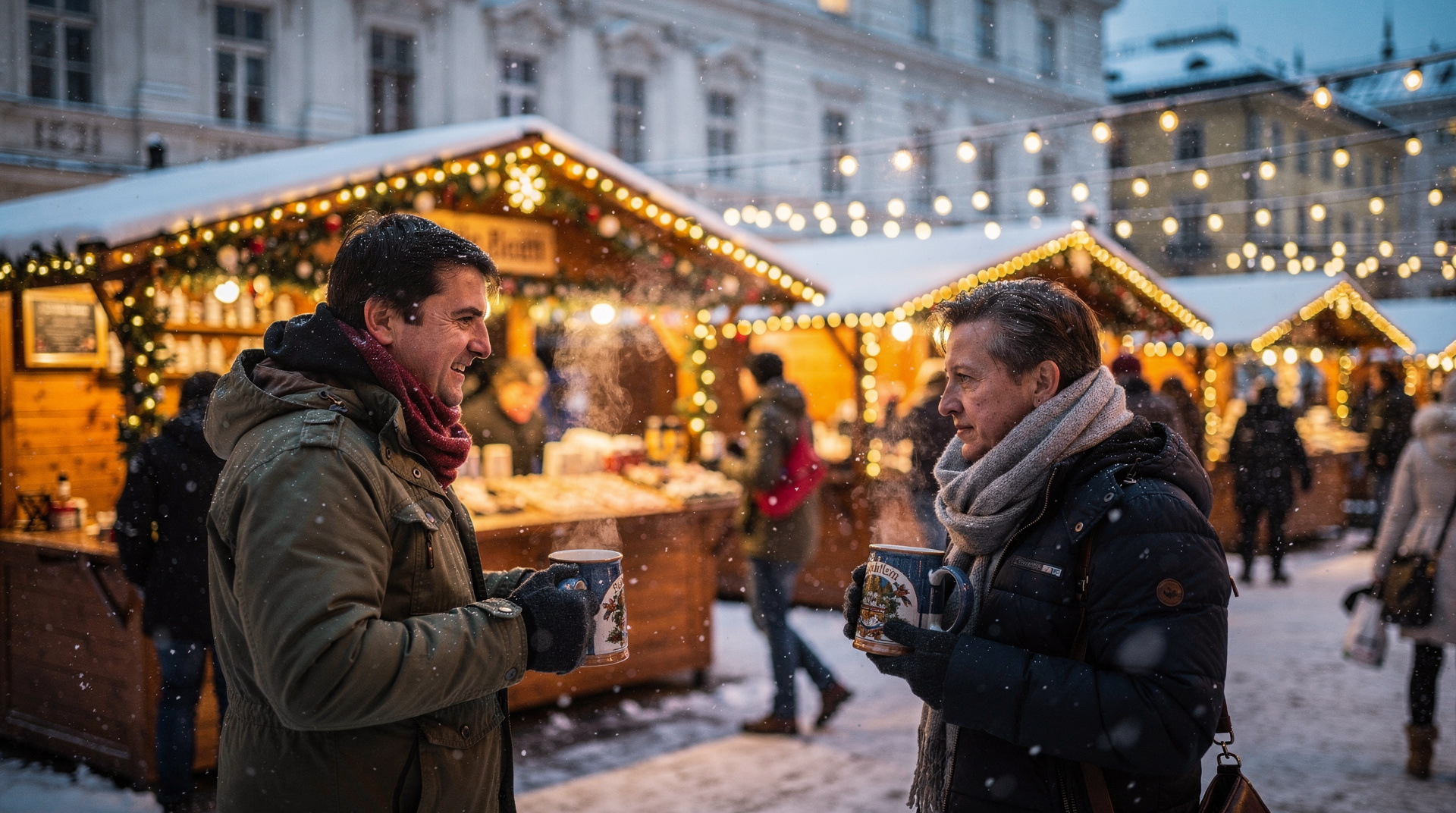
- Punsch and Glühwein stands — Vienna Punsch (hot spiced wine with rum) is the default drink. Alcohol-free Kinderpunsch (hot fruit juice) is available everywhere.
- Food stalls — sausages (Käsekrainer, Bratwurst), Germknödel, chestnuts, Strudel, Langos, smoked meats
- Craft stalls — handmade ornaments, Advent calendars, wooden decorations, candles, local pottery, textile goods
- Ice skating — the Rathausplatz market has one of Vienna’s main outdoor ice rinks; Schönbrunn also has skating
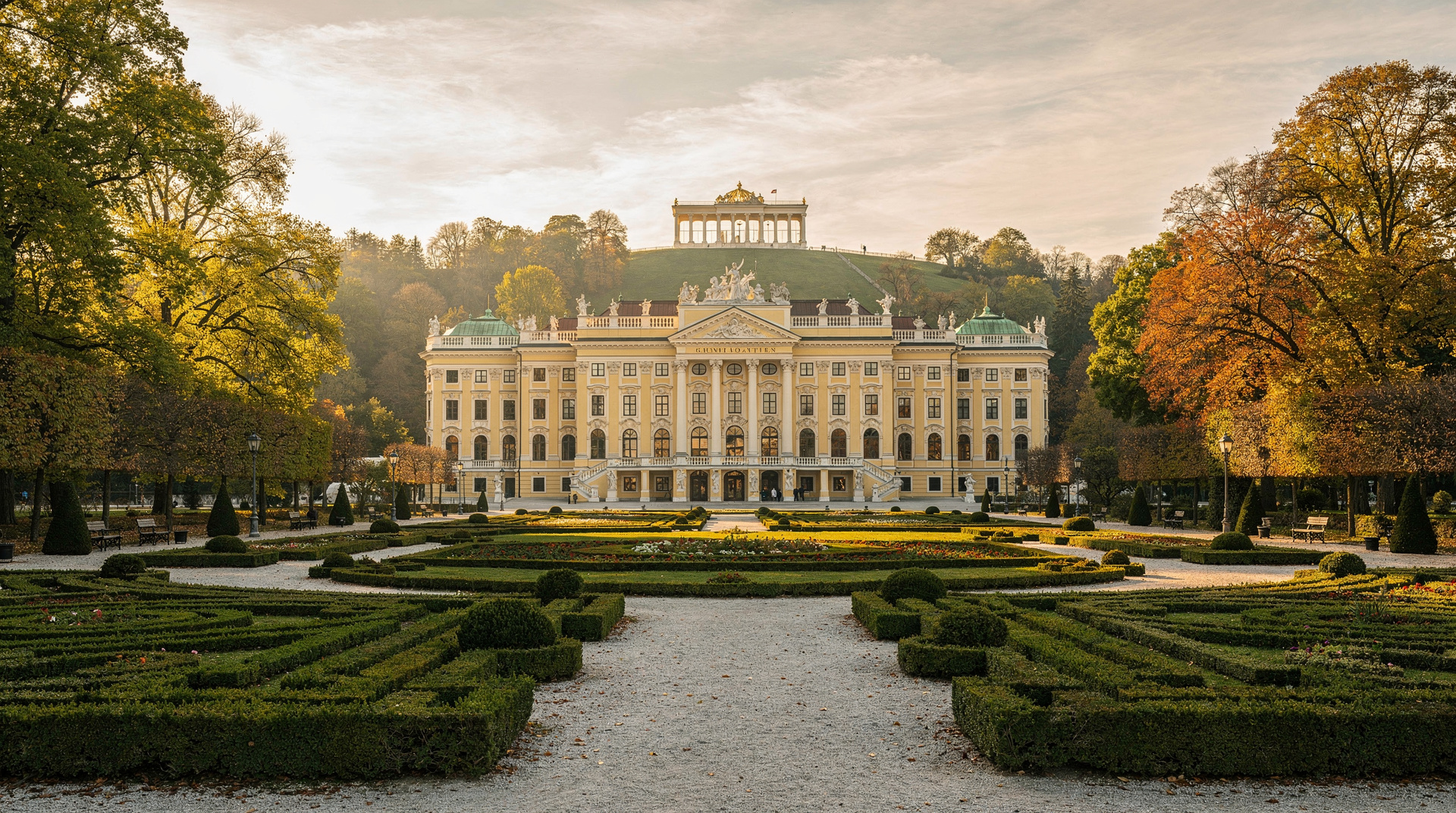
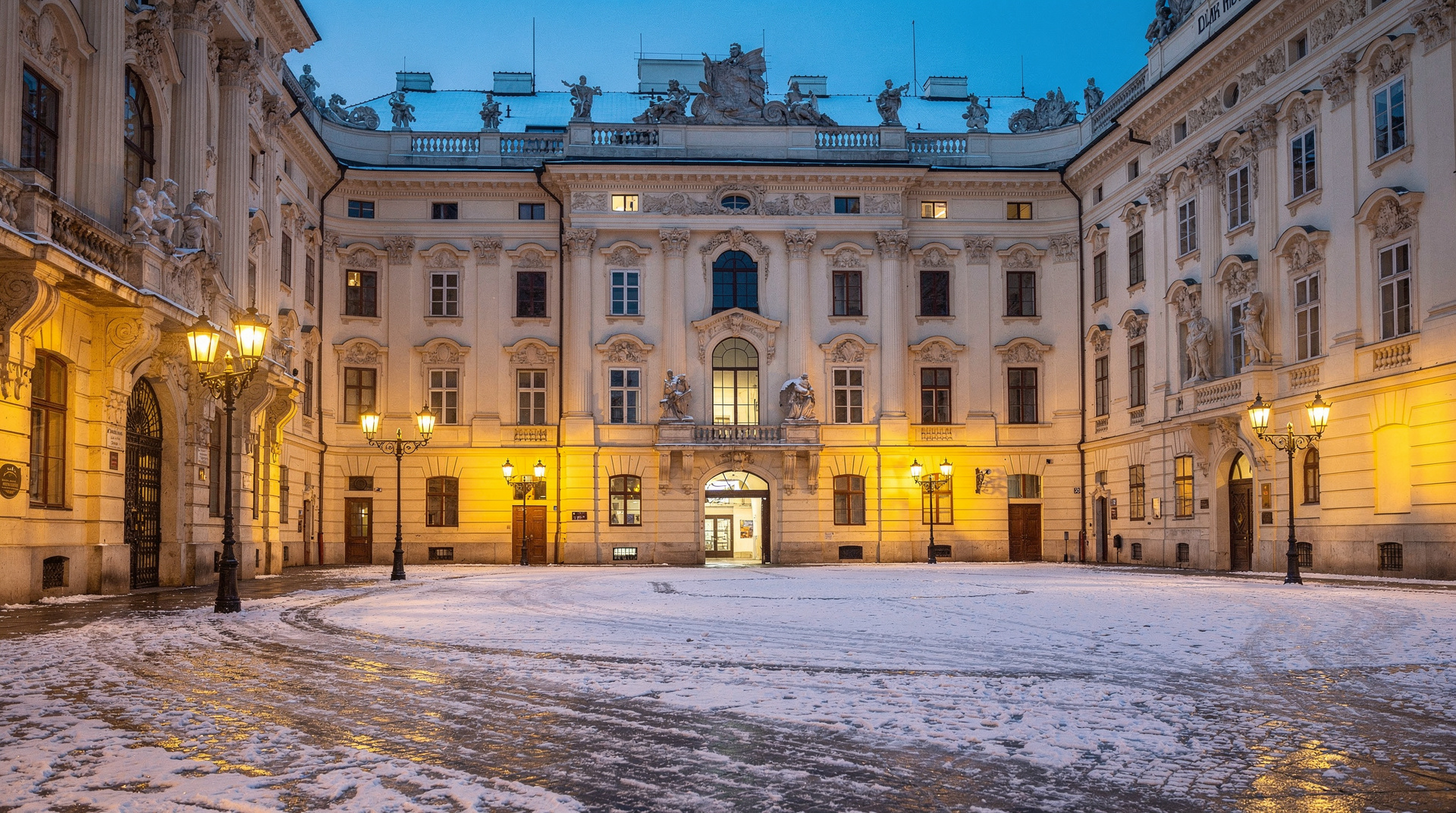
The background architecture matters enormously. Standing in front of the neo-Gothic City Hall or the Baroque palace of Schönbrunn, with a Punsch in hand, surrounded by lit stalls and carol music, is one of Central Europe’s genuinely memorable experiences.
What it costs
Free entry to all Vienna Christmas markets (no tickets, no fences). Punsch/Glühwein: €4–7 per cup, plus a €2–3 refundable cup deposit (the cups are usually collectible and visitors keep them). Food: Sausages €4–6, Germknödel €5–7, chestnuts €4–5, Langos €5–8 Craft items: Wide range — simple ornaments from €3, handmade ceramics €20–60, Advent calendars €15–50
Budget €25–45 per person for an evening with 2–3 drinks and some food.
What to eat and drink
Punsch: The Viennese speciality — distinct from German Glühwein. Made with red wine, rum, spices (cinnamon, cloves, star anise), fruit juice, and sweetened with sugar syrup. Served hot in a small cup. Vienna markets have their own recipes and stall-specific formulations. The cup deposits range from €2–3 — keep the cup as a souvenir of the market.
Kinderpunsch: Hot apple or elderberry juice with spices, no alcohol. Excellent and warming for children and designated drivers.
Germknödel: A large steamed yeast dumpling filled with Powidl (plum jam), dusted with poppy seeds and icing sugar, served with vanilla sauce. One of the most comforting things you can eat in the cold. Share one if you’re not hungry.
Maroni: Roasted chestnuts (Esskastanien) from open roasting drums. Sold in paper bags. A classic market smell — the roasting aroma fills the air.
Käsekrainer: The Vienna sausage filled with Emmental cheese, grilled over an open flame. Perfect with mustard and bread. The market version is a slightly larger format than the Würstelstand version.
When to visit
The best timing: Weekday afternoon (Monday–Thursday), arriving around 3–4pm. The light is still adequate for photos (especially until 4:30pm), the stall holders are unhurried, and the crowd builds gradually to a manageable level.
Avoid: Friday and Saturday evenings in the last two weeks of Advent. These are the most crowded and the queue at the Punsch stands can be significant.
The magic window: Thursday or Friday evening in the first two weeks of December. Still pre-Christmas atmosphere, but without the final-countdown crowds.
Building a market evening that actually works
The simplest way to enjoy the markets is to treat each one as a short stop rather than a destination for the whole night. Start at one of the larger squares while there is still some daylight, take a slow lap of the stalls before buying anything, and only then choose where to spend your money. Prices and quality vary from one hut to the next, and a first lap lets you see which Punsch stand has a queue of locals and which has only tourists.
From there, move on to a second, smaller market for dinner-style snacks. A sausage or a Germknödel eaten standing up is part of the experience, and swapping between a big market and a quiet one keeps the evening from feeling repetitive. If you want to put a few markets into a single day alongside sightseeing, our Vienna 3-day itinerary and Vienna winter itinerary show how to fit them around the main sights without rushing.
Markets with children
Families usually find the markets easier than expected, because the open-air format means children can move around rather than sit still in a restaurant. Kinderpunsch keeps hands warm, the ice rinks give younger visitors something to do, and the lights and carols do much of the entertaining. The main challenge is the crowd on busy evenings, when a small child can disappear behind a wall of coats within seconds. Agree on a meeting point before you arrive, and keep to the afternoon slots described above if you can. For wider ideas on keeping younger travellers happy in the city, see Vienna with kids and the Vienna with kids itinerary.
Pairing markets with the rest of a winter trip
Christmas markets are rarely the only thing on a December Vienna itinerary. Our Vienna in winter guide covers the season more broadly — museum hours, weather, and what else is worth doing between market visits — and the Vienna food guide is useful for evenings when you want a proper sit-down meal rather than standing at a Punsch stand.
Photographing the markets well
The combination of warm stall lighting against a dark winter sky makes Vienna’s Christmas markets genuinely rewarding for photography, but the crowds and the low light both work against casual phone snapshots. The best results generally come from shooting during the “blue hour” just after sunset (around 4–4:30pm in December), when there’s still enough ambient light in the sky to balance against the market’s own lighting rather than a flat black background. A small tripod or a stable surface helps considerably once full darkness sets in, since stall lights alone often require a slower shutter speed than handheld photography can manage cleanly.
Guided Christmas market tours
A guided tour provides a structured introduction to multiple markets in a single evening, with a guide who can explain the traditions, recommend the best stalls, and take you to the less-obvious smaller markets that solo travellers often miss.
The Vienna Christmas Markets Tour covers multiple markets in one evening with a local guide — typically 2–2.5 hours, covering 3–4 different markets.
The 2.5-hour magical festive Christmas market tour takes a slightly longer format with more depth at each market — a good choice for visitors who want explanation alongside the experience.
For something more intimate: the Christmas market magic walking tour with a local provides a personalised perspective from someone who knows which Punsch vendor is best and which craft stall is genuinely handmade.
What changes if you’re travelling with a group
A group of four or more visiting the markets together faces slightly different logistics than a couple or solo traveller. Heated seating areas at the larger stalls fill quickly and rarely have space for a big group all at once, so plan to split up briefly to find drinks and food, then regroup at a fixed, easy-to-find landmark like the Rathausplatz Christmas tree or a specific stall. Groups also benefit more from a guided tour format than solo travellers do, since a guide keeps everyone moving together between markets rather than the group naturally fragmenting as individual members get distracted by different stalls.
Combining markets with music and cafés
Advent is also concert season, and an evening at the markets pairs naturally with a classical programme earlier or later in the day. Before booking anything, read our guide to classical versus touristic concerts so you know what you are paying for. When the cold gets to be too much, a traditional coffee house is the obvious refuge: the Viennese coffee house guide explains how to settle in, and the coffee house etiquette guide helps you avoid the small missteps that mark out a first-time visitor.
If you want a personal account of the season before you decide how to spend your time, the Vienna Christmas markets diary follows one visitor’s evenings through the stalls, and the winter in Vienna trip report covers the wider trip.
Honest tips
The Rathausplatz is the biggest but not the best. It’s worth seeing for the scale and the ice rink, but don’t mistake size for quality. Spittelberg is smaller, calmer, and has genuinely better crafts. See the best markets compared guide.
Dress for sub-zero temperatures. December in Vienna averages 2–4°C during the day and goes below 0°C at night. Markets are outdoors. A proper winter coat, scarf, hat, and waterproof shoes are essential, not optional.
The cup deposit system is worth understanding. Most markets have collectible cups (often different designs each year). The deposit is €2–3. If you keep the cup, you’ve lost the deposit but gained a souvenir. The cups are genuinely worth collecting.
Get there early for parking/seating. The outdoor seating at heated stalls fills quickly on busy evenings. Arrive at 3–4pm to secure a spot at one of the larger heated areas, then sit and drink while the crowd builds around you.
The smaller markets are less crowded and often more interesting. The Freyung market (Am Hof square), the Karlsplatz market (focused on artisan crafts), and the Spittelberg market are all less crowded than Rathausplatz while offering a more curated experience.
Frequently asked questions about Vienna Christmas markets
Do I need to buy tickets for Vienna’s Christmas markets?
No — all of Vienna’s Christmas markets are free to enter. No advance ticket or reservation is needed to walk around the stalls. Only specific events within or adjacent to markets (concerts, ice skating) may charge fees.
Is the Schönbrunn Christmas market worth the extra journey?
Yes — the palace backdrop makes it one of the most beautiful market settings in Europe. See the Schönbrunn Christmas market guide for detail. It’s slightly further from the city centre but easily reached by U4 to Schönbrunn.
Can I visit Vienna Christmas markets as a day trip from another city?
Yes. Vienna’s Christmas markets are a primary reason to visit the city from neighbouring cities (Bratislava, Salzburg, Prague). A day trip from Bratislava (1 hour by train) or Salzburg (2.5 hours) specifically for the markets is very feasible.
Are Vienna Christmas markets accessible for mobility-impaired visitors?
The main markets (Rathausplatz, Schönbrunn courtyard, Freyung) are on paved surfaces and broadly accessible. Some smaller markets may have cobblestones or uneven surfaces. The Rathausplatz is on flat pavement throughout. Check specific market accessibility information through the tourist board.
Top experiences
Bookable activities with verified prices and instant confirmation on GetYourGuide.