Spittelberg Christmas market: Vienna's cosiest Advent market
Vienna: Christmas Market Magic Walking Tour with a Local
Why is the Spittelberg Christmas market special?
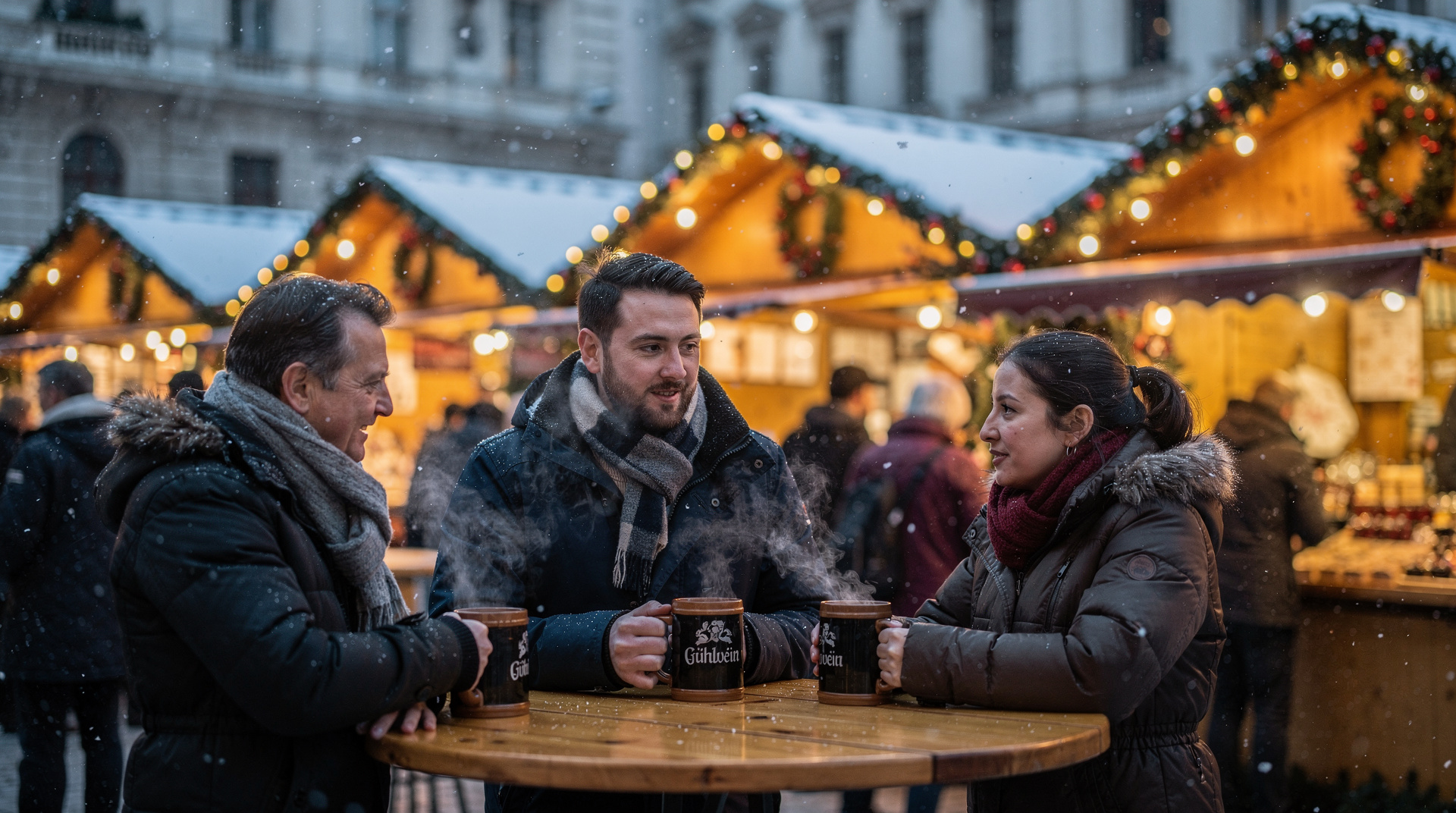
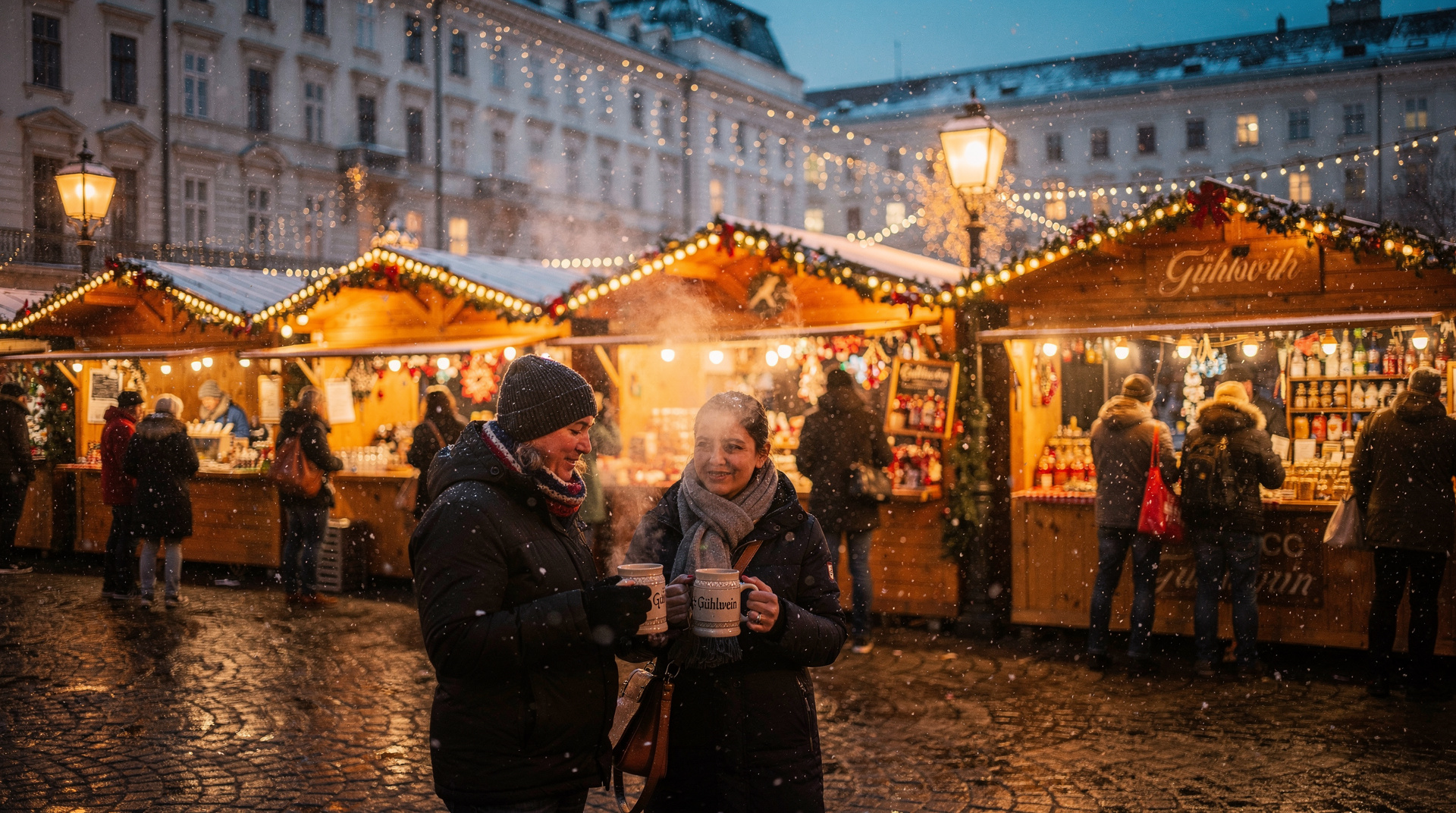
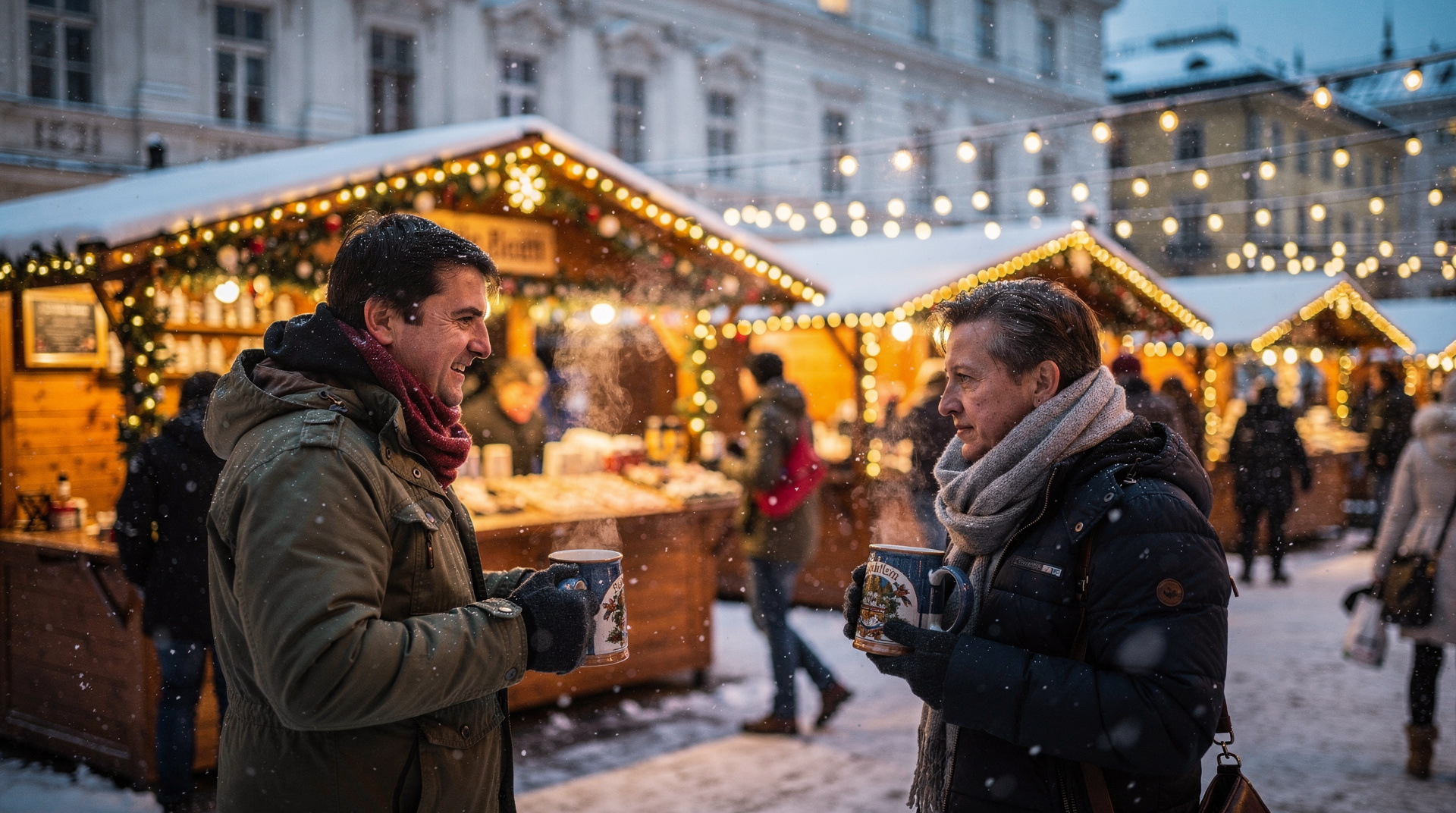
Spittelberg is Vienna's most atmospherically cosy Christmas market — set in the lantern-lit alleyways of a preserved 18th-century Biedermeier neighbourhood, with genuinely handmade Austrian crafts, better-quality Punsch, and a predominantly local Viennese clientele rather than international tour groups.
The Christmas market Viennese actually go to
Ask Viennese locals which Christmas market they visit themselves — not which one they recommend to tourists — and a disproportionate number will mention Spittelberg. It’s smaller, slightly out of the way, less immediately obvious, and significantly less crowded. It’s also the market with the most consistent quality in its handmade crafts and the most genuinely atmospheric setting.
Spittelberg is a preserved 18th-century Biedermeier neighbourhood in the 7th district (Neubau) — a grid of low-rise streets that somehow escaped Vienna’s 19th-century transformation and the 20th-century damage. Its cobblestoned alleyways, lantern-lit and decorated with Advent lights, become one of Vienna’s most gemütlich (cosy) settings when the Christmas market occupies them.
| Where | 7th district (Neubau), near MuseumsQuartier |
| Cost | Free entry; Punsch around €4–6 plus deposit |
| Time needed | 1.5–2.5 hours |
| Getting there | U2 Volkstheater (10 min walk) |
| Best time | Weekday evenings, last week of November |
What you need to know
The neighbourhood
The Spittelberg neighbourhood was built in the 1770s–1790s as working-class housing near the city walls. Its characteristic two-to-three storey buildings, inner courtyards, and narrow streets have been preserved (and extensively renovated) since the 1970s. Today it’s a creative district with independent boutiques, wine bars, and restaurants year-round — the Christmas market is an annual overlay on a neighbourhood that’s already interesting.
The market stalls are distributed through the alleyways — primarily Spittelberggasse, Gutenberggasse, Kirchberggasse, and the connecting streets. Because the market is linear (along streets rather than concentrated in a square), the natural flow of pedestrian traffic distributes the crowd more evenly than at a square-based market. This is one reason it feels less overcrowded even on busy evenings.
The crafts
Spittelberg’s market is explicitly a craft market, not a food and drink market with some crafts attached. The organisers apply stricter curation than most Vienna markets — stalls selling handmade goods are prioritised, and the market has built a reputation for genuine Austrian artisanship:
- Hand-blown glass ornaments (traditional Austrian glassblowing is alive in specific regions — Salzkammergut particularly)
- Beeswax candles (natural, locally produced)
- Ceramics and pottery (handmade by the artists present at the stalls)
- Woodcarving and Schnitzerei (carved wooden decorations, animals, nativity figures)
- Austrian textile goods — knitted items, embroidered linens, Trachten accessories (Dirndl aprons, Lederhosen accessories)
- Handmade jewellery in silver, horn, and felt
- Soap and cosmetics from Austrian small producers (Schafmilchseife — sheep’s milk soap)
The visible indicator that a stall is selling genuinely handmade goods: the maker is usually present, working on items, and can explain their process. Stalls with the artist absent and anonymous, identical items, and mass-produced aesthetics are the ones to skip.
The food and drink
Spittelberg’s food offering is smaller than Rathausplatz’s (fewer stalls, less variety) but with a slightly higher average quality:
- Punsch: Multiple vendors, each with their own recipe. Worth trying two different stalls to compare. The general quality at Spittelberg is better than at the tourist-facing stalls at Rathausplatz.
- Germknödel: Available, freshly made to order rather than pre-made and held warm.
- Käsekrainer: Grilled to order.
- Langos: Traditional Hungarian-Austrian fried bread.
- Süße Stücke (sweet items): Lebkuchen (gingerbread), Strudel from a proper baker rather than commercial produce.
- Mulled wine and apple cider: Both alcoholic and non-alcoholic versions.
The heated seating areas are smaller than at Rathausplatz — arrive early to claim a spot on busy evenings.
The atmosphere
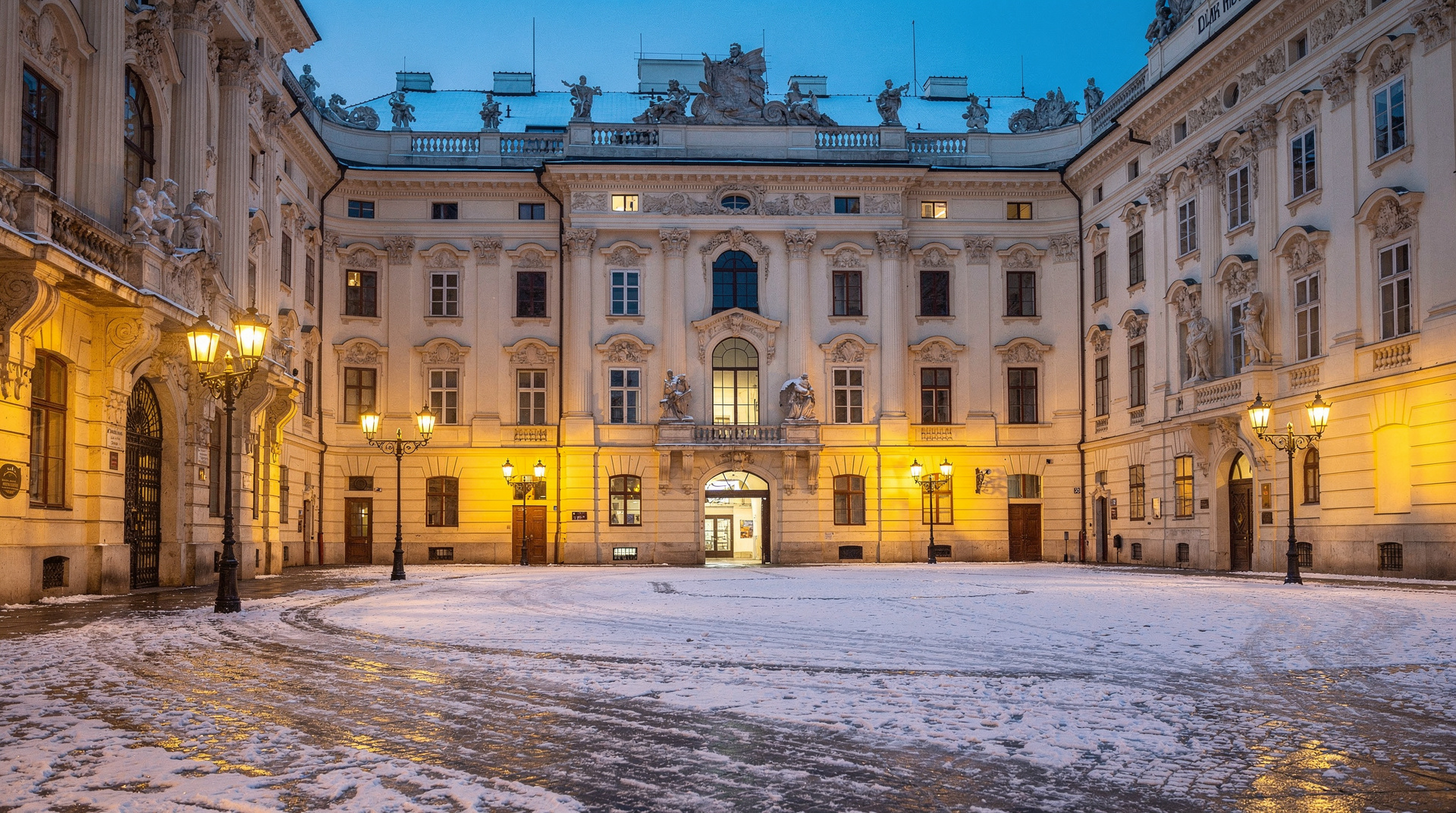
The market is lantern-lit rather than LED-lit — a deliberate aesthetic choice that creates significantly warmer and more traditional light than the bright white LED lighting of larger markets. The narrow alleyways mean you’re surrounded by illuminated stalls on both sides, with decorated windows of the residential buildings above, creating a genuine feeling of walking through an Advent scene rather than a commercial market.
Christmas carol music plays at a reasonable volume — audible but not overwhelming.
Getting there
By U-Bahn: U2 to Volkstheater station. Exit the station and walk south through Neubau — approximately 10 minutes on foot. The walk passes through the creative district (Kirchengasse, Zollergasse) which is worth exploring in its own right.
By tram: Tram 49 runs along Burggasse (adjacent to the market area) from the Ring direction. Stop at Neubaugasse.
On foot from MuseumsQuartier: 15 minutes through the 7th district.
From Rathausplatz: 20 minutes on foot through the Innere Stadt and down into the 7th district, or 10 minutes by tram 49 from the Burgring.
How Spittelberg compares to Vienna’s other markets
Spittelberg is one of several Christmas markets worth knowing about before you commit an evening. Our best Christmas markets in Vienna compared guide ranks all the major options against each other, while the Vienna Christmas markets guide gives the full overview of dates, locations and what makes each one distinct.
If you’re weighing Rathausplatz specifically, our dedicated Rathausplatz Christmas market guide covers the larger, more spectacle-driven alternative in detail, and the Schönbrunn Christmas market guide covers the palace-courtyard option if you’d rather combine markets with a daytime palace visit.
Museum quarter and neighbourhood context
Because Spittelberg borders the MuseumsQuartier, it’s easy to combine an afternoon of museums with an evening at the market without much extra travel — walk from the MuseumsQuartier courtyards straight into the market’s northern edge in about 15 minutes. If you’re staying multiple days in December, our Vienna in winter guide covers how to sequence several markets and indoor sights across a trip without exhausting yourself on cold, crowded evenings.
Planning your visit
Ideal schedule
Weekday evening (recommended):
- Arrive at Volkstheater U2 at 4pm as dusk falls
- Walk south through Neubau to the market entrance on Spittelberggasse
- Enter the market from the north, walking slowly through the alleyways
- First stop: the glass ornament stalls (top of the market)
- Get a Punsch from a stall halfway through (avoid the first one — walk until you see the one with the most locals)
- Continue south through Gutenberggasse and Kirchberggasse
- Browse ceramics and woodcarving stalls
- Find a heated seating area (there are 2–3 warming stations)
- Second Punsch and a Germknödel
- Exit south to the MuseumsQuartier or tram
Total time: 1.5–2.5 hours.
Combined with Rathausplatz: Go to Rathausplatz first (3pm), get the scale and ice rink, then tram or walk to Spittelberg (5:30pm) for the quality crafts and local atmosphere. The contrasting character of the two markets in sequence illustrates Vienna’s Christmas market range better than either would alone.
Guided experiences
The Christmas Market Magic Walking Tour with a Local is particularly well-suited to Spittelberg — a local guide who knows the neighbourhood can point you to the best craft stalls and explain the Biedermeier neighbourhood history alongside the market.
The Vienna Christmas Markets Tour may include a Spittelberg stop alongside other markets — ask the tour operator when booking if the current route includes it.
Honest tips
The Spittelberg market is best when visited slowly. The crowd pressure is low enough that you can stop at any stall without being pushed along. Take your time — examine what’s handmade vs. commercially produced, talk to the makers, and let the atmosphere work on you.
The craft quality varies within the market. Not every stall at Spittelberg is exceptional — some are better than others. The glass ornament and ceramics stalls are typically the most impressive in quality. The souvenir-adjacent stalls (printed items, mass-produced crystals) are less interesting.
Visit the neighbourhood restaurants after. The 7th district has some of Vienna’s best independent restaurants and wine bars (Mast Weinbistro, Glacis Beisl nearby). A post-market dinner in the neighbourhood extends a pleasant evening without returning to the tourist centre.
The market is smaller than expected. First-time visitors sometimes feel they’ve seen everything in 45 minutes. The correct approach is to slow down, look more carefully, buy something from a maker you’ve spoken with, and find the best Punsch rather than treating it as a box to be ticked efficiently.
November is quieter than December. If you can visit during the last week of November rather than mid-December, the crowd is noticeably thinner while the market is fully in operation.
Building an evening around the market
Spittelberg works best as the second half of a day rather than a standalone outing. Spend the afternoon indoors, then let the market take over once the light fades. The Leopold Museum guide and our mumok guide for the MuseumsQuartier are both natural daytime partners, since the walk from the museum courtyards to the market’s northern edge is short and entirely on foot.
If you are mapping out several December days, the Vienna winter itinerary shows how a quiet craft market like this one fits between the bigger set pieces. Visitors who prefer a slower, less packed schedule will find the same logic in the Vienna 3-day itinerary, where an unhurried evening in the 7th district balances a heavy sightseeing day in the centre.
Eating before or after
The market’s own food stalls are good for a Punsch and a snack, but a full meal is better taken in the neighbourhood. Our Vienna food guide and the best restaurants in Vienna list will help you choose somewhere that suits your budget. If you are watching costs, the Vienna on a budget guide explains why a free-entry market with a couple of drinks is one of the better-value evenings of the season.
Moving around in the cold
December evenings in Vienna are cold, and the walk between the U-Bahn and the market is part of the experience, so dress for standing still outdoors rather than for walking. Our Vienna public transport guide covers how the U-Bahn and trams connect the market to the rest of the city, which matters when you want to leave quickly once the cold sets in. For a wider picture of the neighbourhoods around the market, the Innere Stadt destination page is a useful companion, as it covers the central district you will likely pass through on the way.
Taking children or a camera
Families deciding how much of the market to attempt should read the Vienna with kids guide first, because it helps set realistic expectations for a lantern-lit evening without dedicated attractions. Photographers can pair this market with the viewpoints in our Vienna photography spots guide, which is handy for planning a daytime shoot followed by blue hour in the alleyways. And if you are still deciding when to travel, the best time to visit Vienna guide explains how December compares with the other months.
A short history of the market itself
The Spittelberg Christmas market in its current form dates to the 1990s, when the neighbourhood’s newly renovated Biedermeier houses and its established creative-district identity (independent boutiques and studios had moved in through the 1980s) made it a natural fit for a craft-focused Advent market, distinct from the larger civic markets at Rathausplatz and elsewhere. Unlike Rathausplatz, which is organised by the city, Spittelberg’s market has historically involved closer cooperation with the neighbourhood’s resident artisans and shopkeepers, which is part of why the craft curation has remained notably stricter over the decades — it grew out of, rather than was imposed onto, an existing creative community.
Getting the timing right for photos
Photographers should aim for the blue hour just after sunset (roughly 30–45 minutes after the sun goes down in November/December), when the lanterns and Advent lights are lit but there’s still enough ambient light in the sky to avoid pure black backgrounds. Weeknights have noticeably fewer people in the frame than weekends. The narrow alleyways mean a wide-angle lens captures the atmosphere better than a zoom, and a small tripod is workable early on quieter weeknights, though hand-held with a bit of extra ISO is more practical once the market fills up.
Frequently asked questions about the Spittelberg Christmas market
Is Spittelberg more or less commercial than Rathausplatz?
Significantly less commercial. The market organisers actively curate for genuine craft rather than commercial output. You’re much less likely to encounter mass-produced imports presented as Austrian handmade items at Spittelberg than at Rathausplatz.
Are there toilets at the Spittelberg Christmas market?
Yes — portable facilities are provided within the market area. The neighbourhood bars and restaurants also provide toilet access to customers.
Is the Spittelberg market child-friendly?
Yes, though it doesn’t have specific child-oriented attractions (no ice rink, no Märchenbahn). The scale and the lantern-lit atmosphere are magical for older children. For younger children who need a dedicated children’s programme, Rathausplatz is better suited.
Can I park near the Spittelberg Christmas market?
Parking in the 7th district is restricted and limited during the Christmas season. Public transport is the practical option. U2 from anywhere in the inner city reaches Volkstheater in minutes.
Top experiences
Bookable activities with verified prices and instant confirmation on GetYourGuide.