Best time to visit Vienna: honest month-by-month breakdown
Vienna: Guided Walking Tour of City Center Highlights
When is the best time to visit Vienna?
April–June and September–October are the best times: mild weather (15–22°C), manageable crowds, and everything open including the Spanish Riding School. December is magical for Christmas markets but cold and crowded. Avoid the Spanish Riding School closure (July–August) if that is a priority. January–March is quiet and cheap.
The real answer to “when should I go?”
Most Vienna travel articles give you vague advice about “shoulder season” or “avoiding summer crowds.” This guide gives you specific information about what is open, what is closed, and what each month actually delivers in terms of weather, crowds, and cultural access.
The headline: Vienna is a genuinely year-round destination with no bad month — but the Spanish Riding School closure (July–August), the Musikverein summer recess (July–August), and the Christmas market crowd peak (mid-November to 23 December) all affect the quality of specific experiences significantly.
| Best overall | May or September |
| Cheapest | January–March (hotels 20–30% lower) |
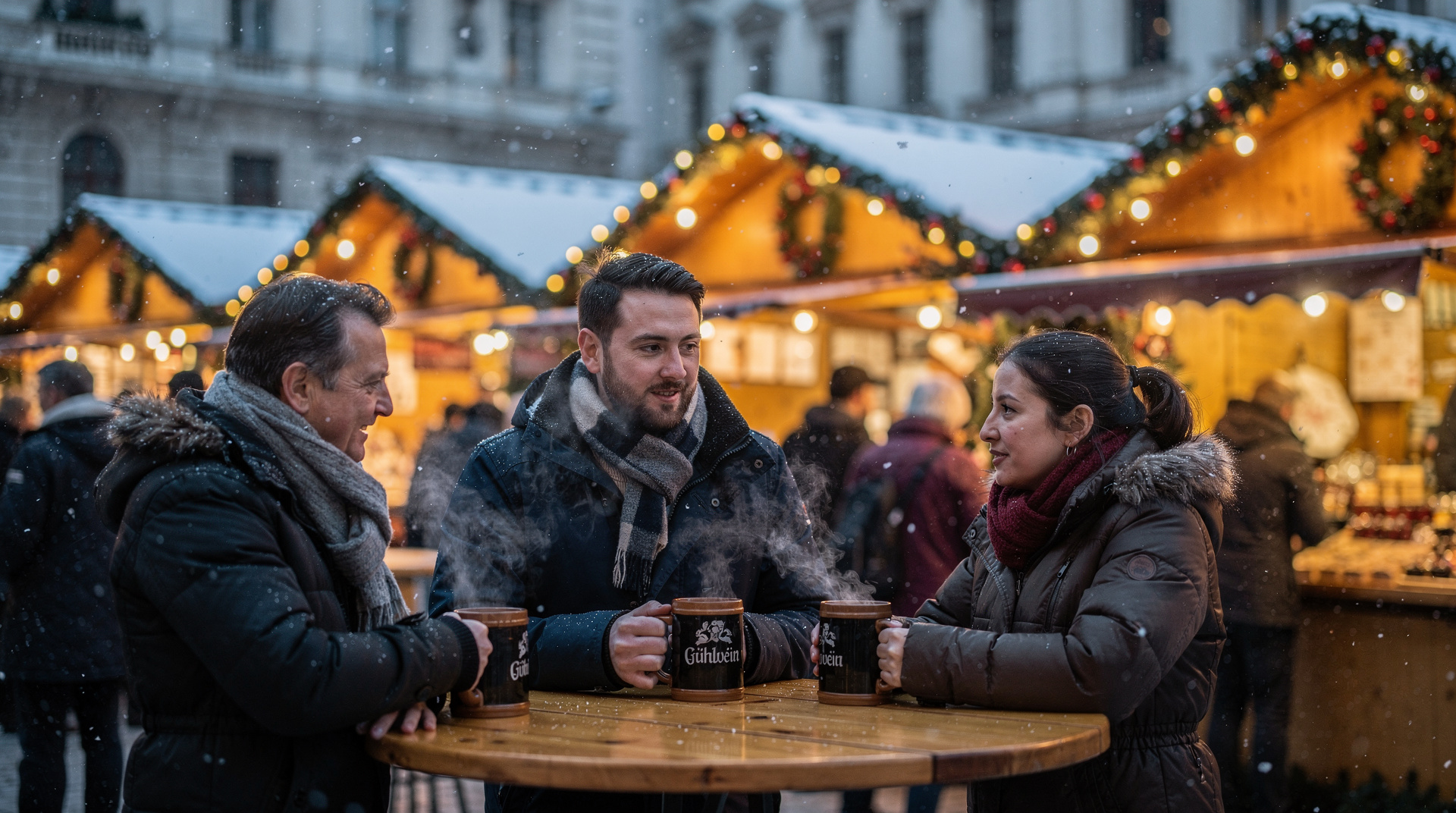
| Christmas markets | Mid-November to 23 December |
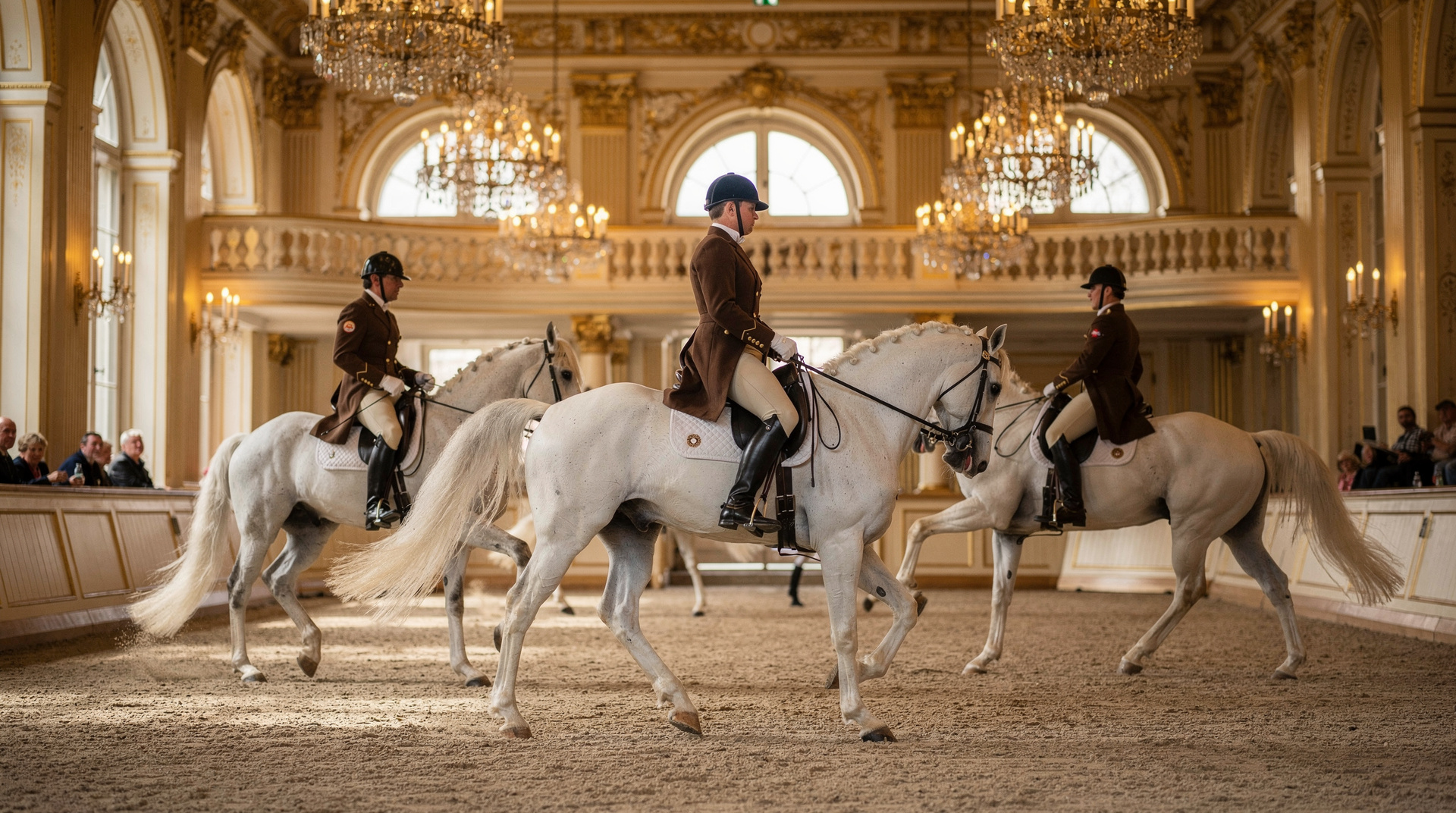
| Spanish Riding School closed | July–August (Lipizzaners at Piber) |
| What to pack | Layers plus a compact waterproof, any month |
Booking windows: what to reserve ahead
Vienna rewards a little planning, even in low season. Spanish Riding School performances (see our full guide) sell out weeks ahead for Saturday morning shows, less so for weekday training sessions. Staatsoper tickets for premieres and big-name conductors move fast once the opera season reopens in September — standing-room tickets are same-day, but seated tickets for popular dates need booking one to two weeks out.
The Sommernachtskonzert in the Schönbrunn gardens is free and unticketed, but arriving two hours early for a good lawn spot is realistic in June. Christmas market weekends (see the Christmas markets guide) get genuinely crowded from early December — visit on a weekday evening if you can, and book central hotels months ahead since Advent rates rise sharply.
Vienna Pass: skip-the-line entry to top attractionsPacking and practicalities by season
Winter (December–February) calls for a proper coat, hat and gloves — the cold is damp rather than dry, and it cuts through thin layers. Spring and autumn (March–May, September–October) are classic layering seasons: mornings can be 8°C cooler than afternoons, so a packable jacket earns its space. Summer (June–August) means light clothing plus one layer for air-conditioned museums and evening drops in temperature; a refillable water bottle matters more than most visitors expect during the July–August heat.
Whatever the month, Vienna’s pavements and cobblestones favour comfortable walking shoes over anything else — this is a walking city first, a public-transport city second. If you are also weighing a Wachau day trip or a Heuriger evening, check that week’s forecast specifically: both are far better in dry weather, and the Wachau boat sections are open-air.
Month-by-month breakdown
January
Weather: 0–3°C, frequent grey skies, occasional snow. Cold but not extreme. Crowds: Lowest of the year. Post-New Year Vienna is genuinely empty by tourist standards. What’s special: The Fasching season (Carnival) begins in January with formal balls in the Hofburg and other palaces. The Wiener Eistraum (ice rink in front of the Rathaus) is open January–March. What’s closed/limited: Some Heuriger wine taverns are closed. Outdoor activities are limited. Budget: Hotel rates at their lowest. 20–30% cheaper than peak season. Best for: Budget travellers, museum lovers, those wanting an uncrowded Vienna.
February
Weather: 2–6°C, similar to January. Crowds: Increasing slightly with Fasching events. What’s special: Ball season peaks (Vienna Philharmonic Ball, Opera Ball, Coffee House Owners’ Ball). If you want to experience Vienna’s ball culture, February is the month. What to note: The Spanish Riding School is open, Vienna Boys’ Choir Sunday mass resumes after January break. Best for: Ball season visitors, opera-goers, budget seekers.
March
Weather: 5–13°C, first signs of spring mid-month. Crowds: Moderate and increasing. What’s special: Museums are excellent in wet March weather. The Spanish Riding School and Boys’ Choir are in full season. Easter weekend (date varies) brings outdoor markets and pleasant atmosphere. What to note: Heuriger wine taverns begin opening mid-to-late March in good years. Best for: First-time visitors who missed autumn, culture-focused travel.
April
Weather: 10–18°C, variable but often beautiful. Crowds: Rising but manageable. What’s special: Schönbrunn gardens tulip bloom (mid-April). The Wachau apricot blossom (usually 3rd–4th week of April) transforms the Danube valley into a sea of white and pink — arguably the single most beautiful day-trip moment of the year. Heuriger fully open. Spanish Riding School: Open, full programme. Opera/Musik: Full season. The Musikverein and Staatsoper have their strongest spring programmes. Best for: The absolute best month for the Wachau day trip, gardens lovers, fair-weather visitors.
From Vienna: Wachau Valley day tour with wine tastingMay
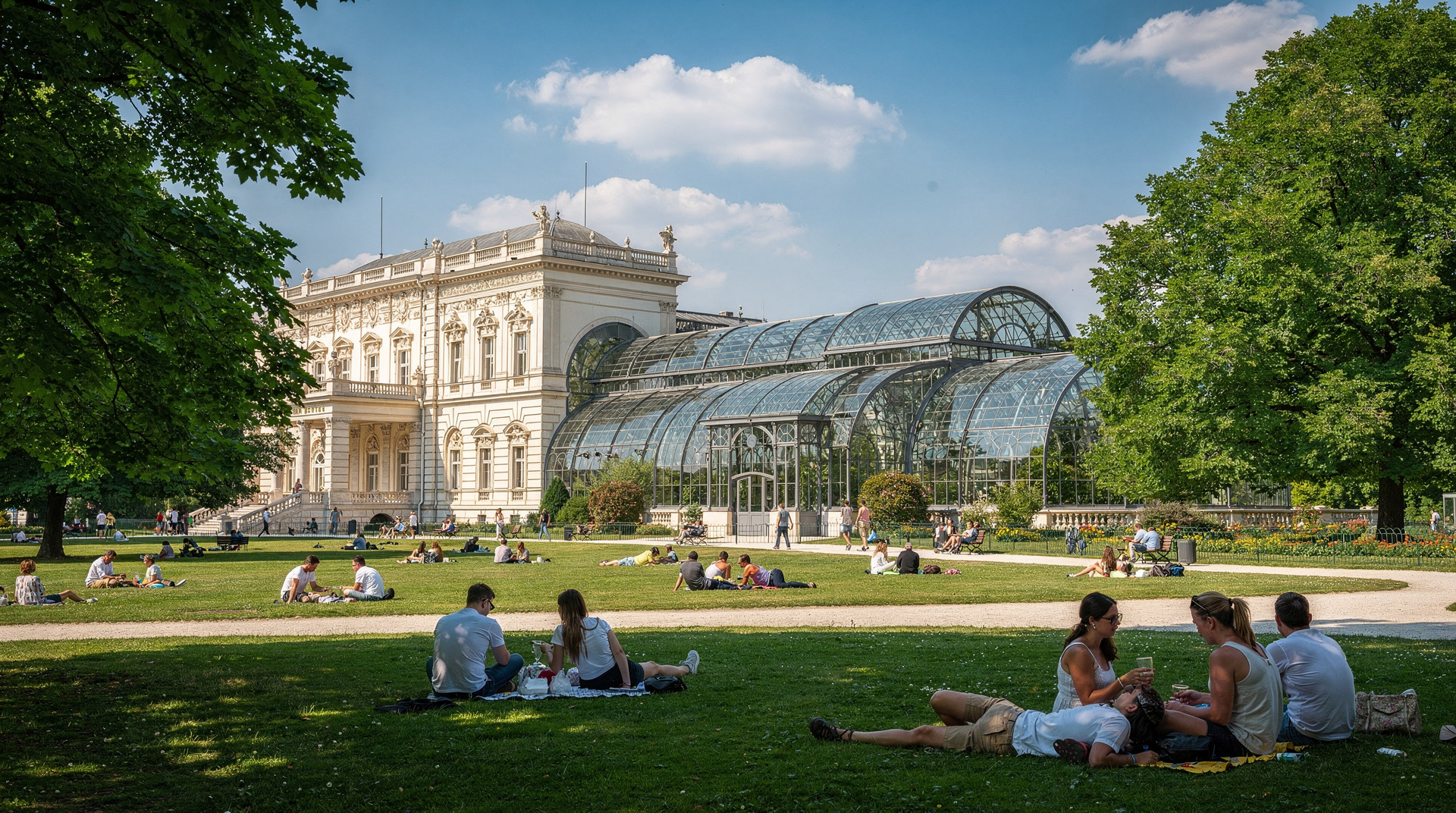
Weather: 16–23°C, warm and pleasant. Crowds: Peak beginning. Schools in many countries still in session, so more manageable than June. What’s special: Rose season at Schönbrunn. Outdoor café culture fully active. Long evenings (sunset at 8:30 pm). Best for: The ideal balance of warmth, culture, and manageable crowds. One of the two best months overall.
June
Weather: 20–27°C. Warm, mostly sunny. Crowds: High and rising. What’s special: Long days (sunset 9 pm). Vienna Philharmonic outdoor Sommernachtskonzert (Summer Night Concert) in the Schönbrunn gardens — free, outdoor, broadcast live, attended by 100,000+ people. Usually early June. Heuriger: At their most atmospheric in the warm evenings. Best for: Outdoor lovers, evening culture. Still good before full summer crowds arrive.
July
Weather: 24–30°C, sometimes 35°C+. Humid. Crowds: Peak. Schönbrunn queues longest. Critical closure: SPANISH RIDING SCHOOL CLOSED. The Lipizzaner stallions spend July–August at Piber stud farm in Styria. No performances, no morning exercises. Musikverein: Summer recess — the Vienna Philharmonic orchestra is on tour. What’s open: Vienna Boys’ Choir (different programme in summer). Donauinselfest (Danube Island Festival) — Europe’s largest free outdoor music festival, late June/early July. Best for: Visitors whose travel is fixed on this date and who don’t need the Spanish Riding School or Philharmonic.
August
Weather: Similar to July. Hottest month (average 25°C, often higher). Crowds: Slightly lower than July as European families return to school. Critical closure: Spanish Riding School still closed. What’s special: MuseumsQuartier outdoor programme, open-air cinema events, Vienna Jazz Festival (July–August). Best for: Heat-tolerant visitors focused on museums, coffee houses, and Danube experiences.
September
Weather: 18–24°C, golden light. Ideal conditions. Crowds: Dropping sharply from August. By mid-September, notably quieter. What’s special: Opera season reopens (September premiere at Staatsoper is an important cultural event). Spanish Riding School reopens mid-September. Harvest season in the Wachau — vineyards being picked, Sturm (partially fermented new wine) available at Heuriger. The single best month for the Wachau day trip. Best for: Best overall month for first-time visitors. Everything open, manageable crowds, excellent light for photography.
October
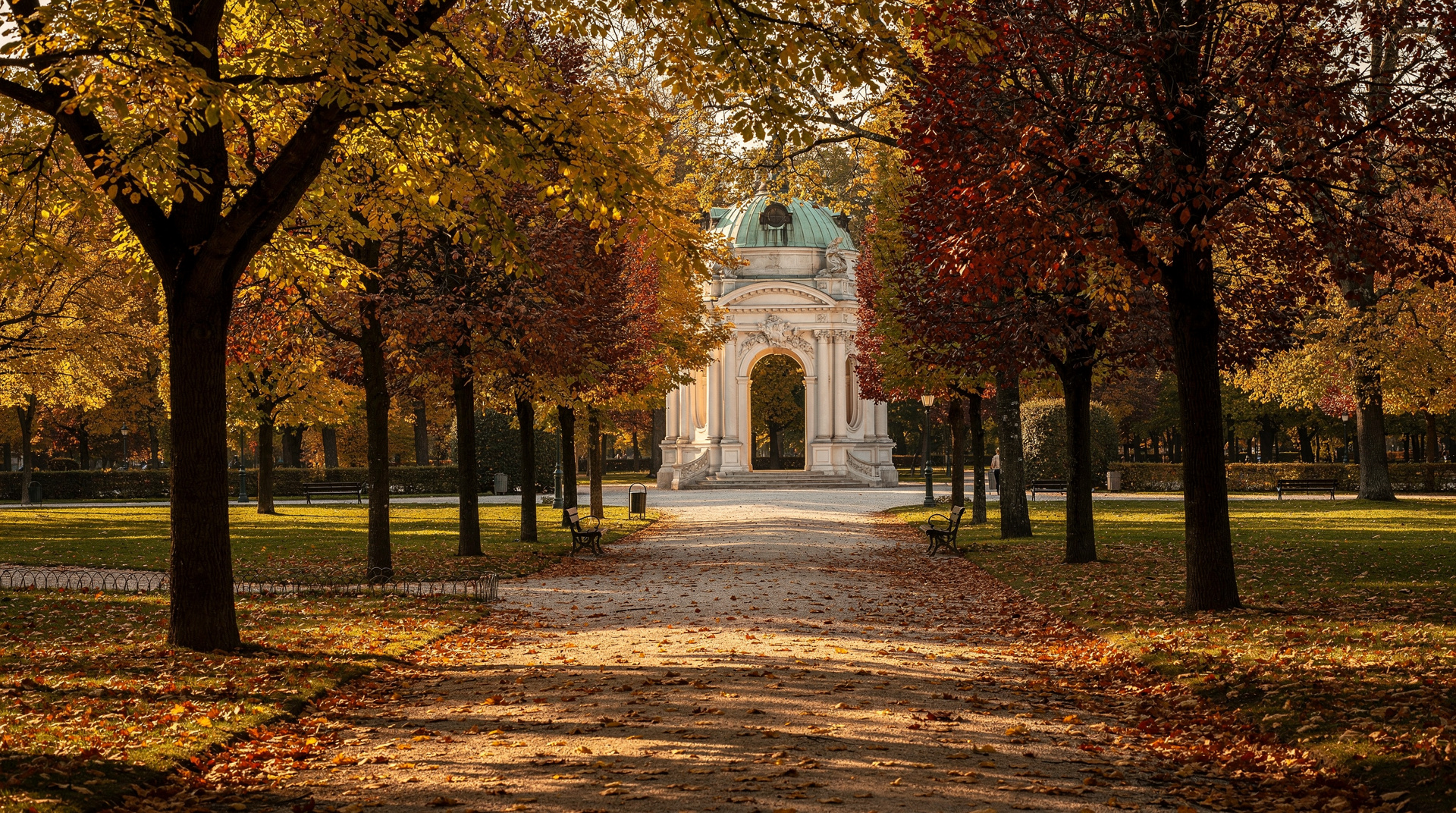
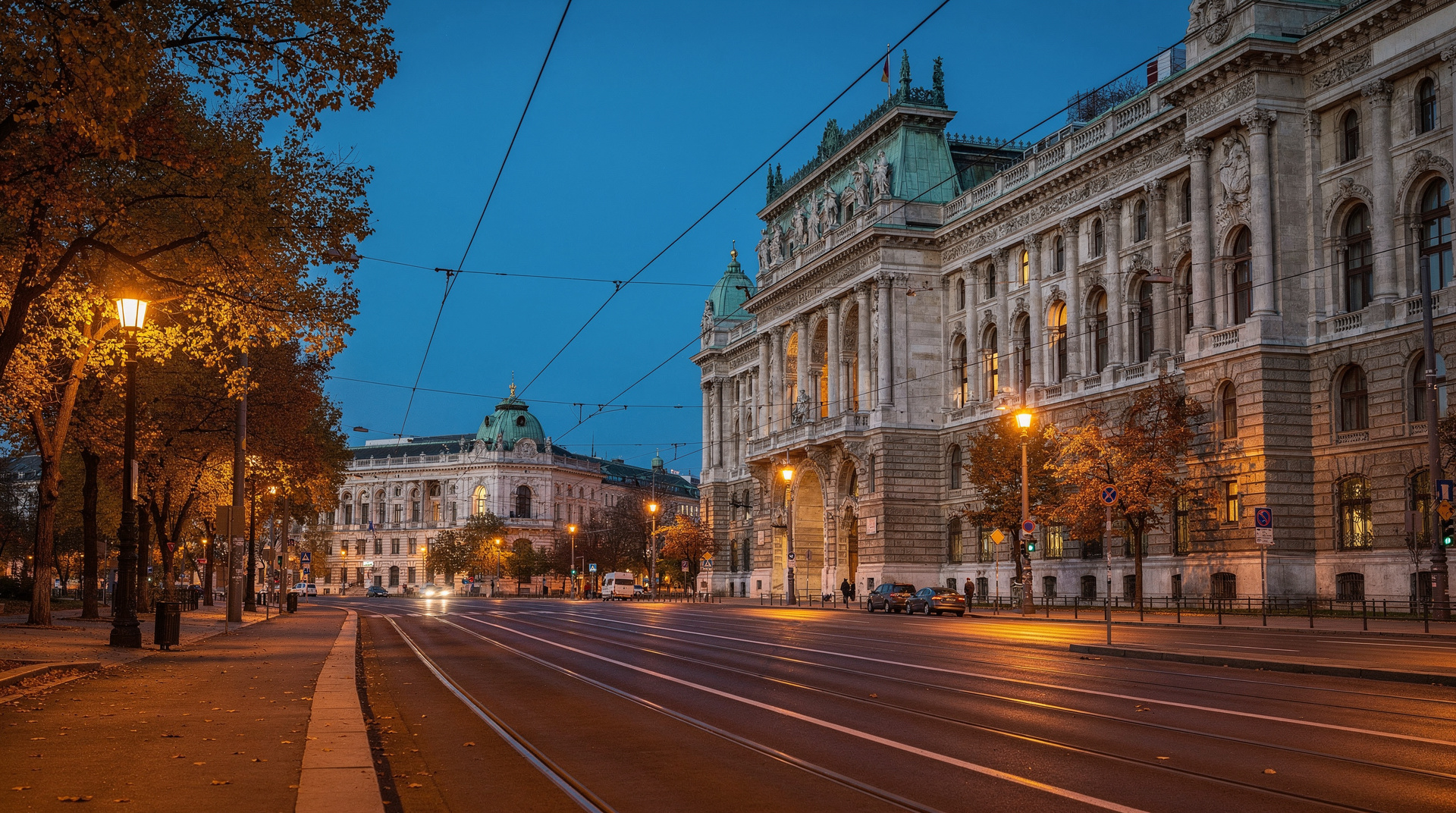
Weather: 12–18°C, cooling with some rain. Crowds: Moderate. What’s special: Autumn colours in the Prater Hauptallee and Vienna Woods. Wachau wine harvest ongoing. Heuriger in their most atmospheric month (new wine, harvest foods). What to note: Some Heuriger begin closing for the season late October. Best for: Wine-focused visitors, autumn foliage photography, budget-conscious travellers.
November
Weather: 5–10°C, increasingly cold. Crowds: Low in early November, rising sharply at Christmas market opening (mid-November). Christmas markets: Vienna’s Christmas markets open mid-November. The Rathausplatz market (the largest) and the Schönbrunn market are the first and most important. Crowds build throughout the month. What’s special: The Christmas market atmosphere is genuinely magical — mulled wine (Glühwein), roasted chestnuts, handmade decorations. Best for: Christmas market visitors willing to deal with moderate crowds and cold.
December
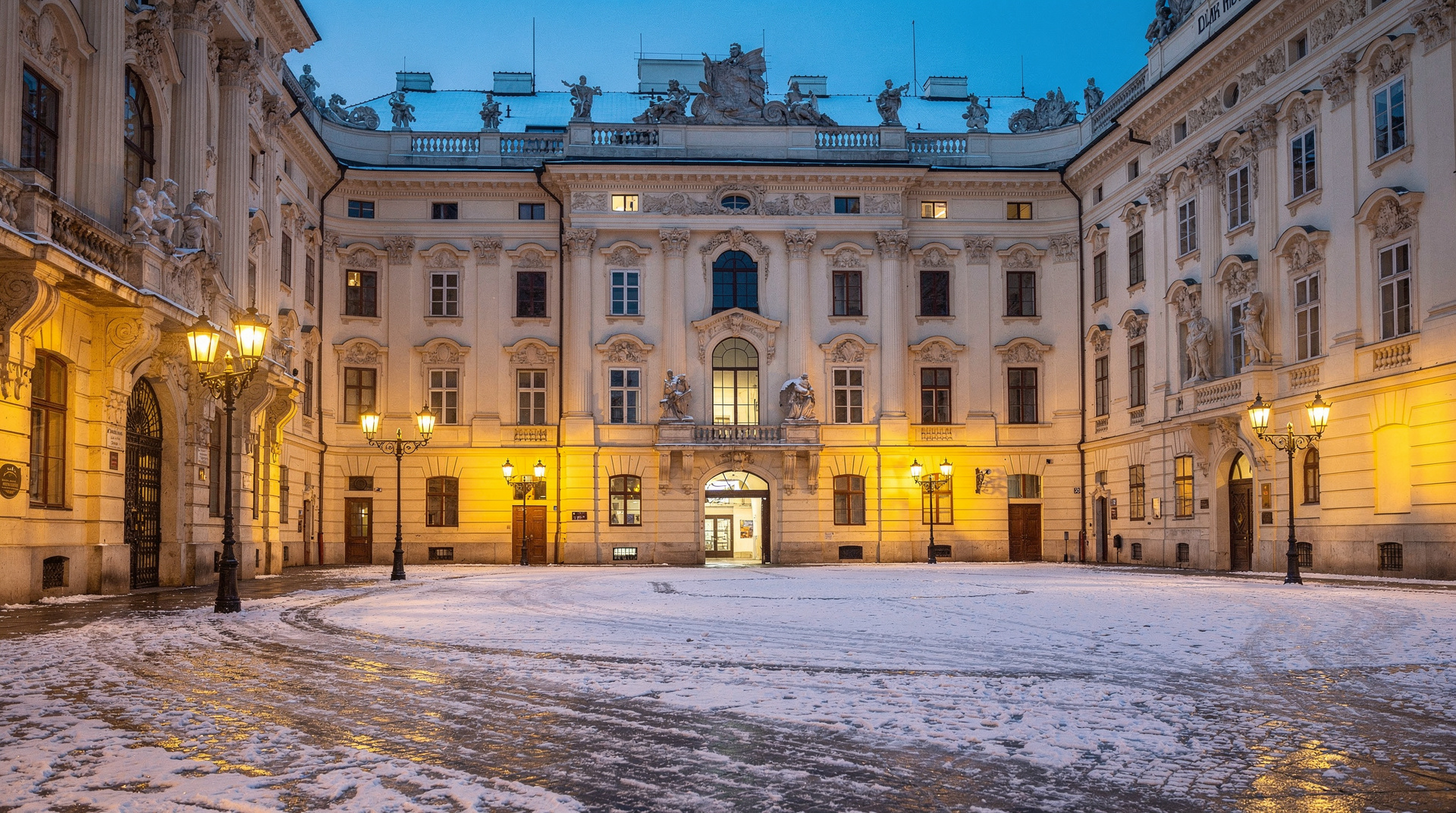
Weather: 0–5°C, cold. Snow is possible but not reliable. Crowds: Peak again for Christmas markets (until 23 December), then drop after Christmas. Christmas markets: Run until 23 December (most) or early January (some). Evening visits are best — markets illuminate beautifully after dark. What to note: Hotel prices rise 30–40% during Advent and Christmas week. Book well in advance. Christmas Day: Most sights are closed 25 December. 26 December (Boxing Day, also an Austrian public holiday) has partial openings. Best for: Christmas market experience, winter atmosphere, the specific magic of Vienna at Advent.
Summary: best months by priority
| Priority | Best months |
|---|---|
| Best weather | May–June, September |
| Fewest crowds | January–February |
| Best value | January–March |
| Spanish Riding School | September–June (not July–August) |
| Christmas markets | Mid-November to 23 December |
| Wachau apricot blossom | Mid-late April |
| Wachau wine harvest | September–October |
| Opera season | September–June |
| Heuriger wine taverns | April–October |
The Spanish Riding School closure: planning implications
This is the most important scheduling fact for many Vienna visitors. The Spanish Riding School — one of Vienna’s most distinctive experiences — closes entirely from approximately mid-July to mid-September, when the Lipizzaner stallions are at stud farm in Piber, Styria. Both the performances and the morning exercises are unavailable during this period.
If the Spanish Riding School is on your list, plan your trip for September–June. See our Spanish Riding School guide for advice on which ticket type to choose.
Vienna: Schönbrunn Palace and Gardens skip-the-line tourMatching the season to your kind of trip
The right month depends less on the calendar than on what you want to come home with. Use the profiles below as a shortcut once you know your priorities.
Culture and music first. If concerts, opera and the Spanish Riding School are the reason for the trip, build the visit around the September-to-June window. Our guides to Musikverein concerts and to classical versus touristic concerts help you decide what to book, and the classical music itinerary shows how to string the evenings together.
Food, coffee and wine. Coffee houses are a pleasure in every season, and they become a refuge on cold or rainy days. Wine taverns and wine-country excursions reward the warmer months and the harvest, so lean towards spring or early autumn. Our Heuriger guide and the Wachau wine route guide explain what to expect once you are there.
Families. Long days and open-air attractions make late spring and early autumn comfortable for children, while the heat of high summer can tire little ones quickly. See Vienna with kids for ideas that work in any weather.
Short stays. With only a long weekend, the season matters even more, because you cannot swap a rainy day for a sunny one. A weekend itinerary planned around indoor highlights is a sensible fallback if the forecast turns.
Rain or shine. Vienna copes well with bad weather. Museums, palaces and coffee houses give you plenty of dry options, so a grey day rarely means a wasted day. If you are visiting in colder months, the winter guide covers how to make the most of short days and long evenings.
Choosing between two good options
Many travellers find themselves torn between spring and autumn. Spring brings blossom, gardens coming back to life and the first outdoor terraces. Autumn brings softer light, the wine harvest and the reopening of the opera season. Neither is a wrong answer, and your own priorities should break the tie. The seasonal guides to Vienna in spring and Vienna in autumn go deeper on each.
If your dates are fixed and fall in a less ideal period, do not despair. Plan the outdoor, weather-dependent items for the best-looking days of your forecast, keep museums and concerts for the rest, and leave a little slack in the schedule. Flexibility is worth more than a perfect month.
Vienna weather overview
| Month | Avg High | Avg Low | Rain days |
|---|---|---|---|
| January | 3°C | -2°C | 8 |
| April | 15°C | 6°C | 10 |
| July | 29°C | 17°C | 11 |
| October | 14°C | 7°C | 8 |
| December | 4°C | -1°C | 7 |
Vienna has a humid continental climate with warm summers and cold winters. Rainfall is relatively evenly distributed throughout the year — there is no dry season. Pack a light layer and a compact waterproof regardless of month.
Frequently asked questions about the best time to visit Vienna
What is Vienna like in spring (March–May)?
Spring is excellent: Schönbrunn gardens in bloom, moderate crowds, temperatures 10–22°C. The Wachau apricot blossom in mid-late April is extraordinary. Spanish Riding School and Heuriger open from April.
Is summer (June–August) a good time to visit Vienna?
Crowded and hot at peak (July–August). Critical: Spanish Riding School closes entirely July–August. Musikverein in summer recess. Compensations: long evenings and outdoor events.
Is Vienna good to visit in autumn?
Excellent — arguably the best season. Golden light, manageable crowds, harvest season, opera season reopens. September is the single best month for combining everything.
Is Vienna worth visiting in winter?
Yes, especially for Christmas markets (mid-November to 23 December). January–March is quiet, cold, cheap, and uncrowded. Museums and coffee houses are excellent year-round.
When should I avoid visiting Vienna?
No month is truly bad. Avoid July–August if Spanish Riding School is a priority. Mid-November to 23 December is crowded and expensive for Christmas market season.
Top experiences
Bookable activities with verified prices and instant confirmation on GetYourGuide.