Salzburg day trip from Vienna: Railjet, Sound of Music and honest tips
Salzburg: Small-Group Day Trip from Vienna
Is Salzburg worth visiting as a day trip from Vienna?
Yes, but the 2.5-hour train journey each way means a 12-hour door-to-door day. Leave Vienna by 7 am, arrive Salzburg 9:30 am, leave by 6 pm. You can cover the old town, the fortress and Mirabell Gardens comfortably. One overnight is recommended if you want the Sound of Music tour and time to breathe.
Salzburg in a day: ambitious, possible, worth it
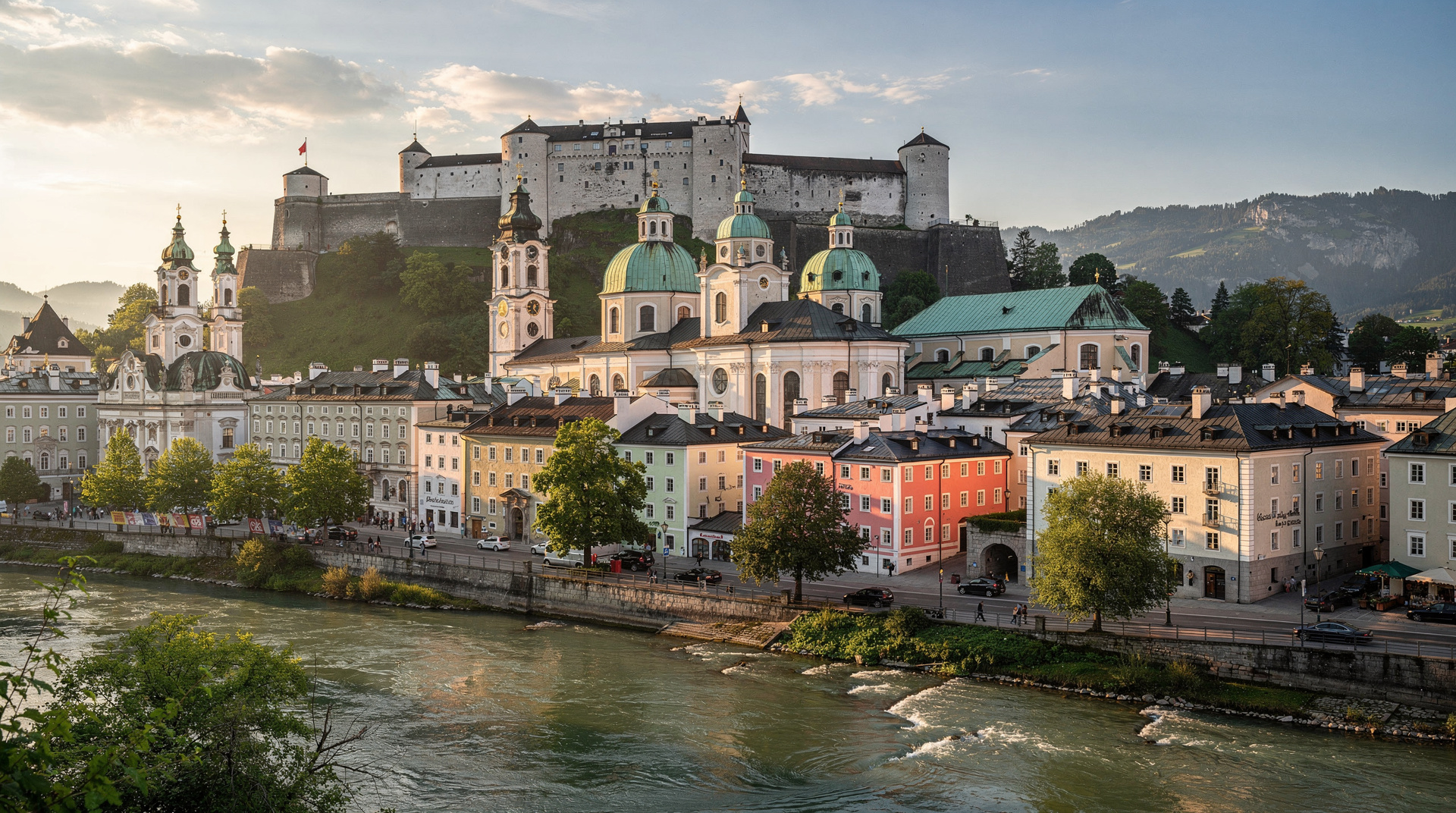
Salzburg sits at the northern edge of the Alps, 290 km west of Vienna — a Baroque city built on the banks of the Salzach River with a medieval fortress above. It is the birthplace of Mozart, the setting for The Sound of Music, and the host city of one of the world’s most prestigious classical music festivals. It is also a UNESCO World Heritage city with an extremely well-preserved old town. Given all this, the question is not whether Salzburg is worth visiting but whether a single day from Vienna does the city justice. It’s one of several strong options among the best day trips from Vienna, and arguably the one that rewards an overnight the most.
The honest answer: a day trip is perfectly feasible and delivers the core experience. But Salzburg is the destination on the Vienna day-trip list that most rewards an overnight stay. If your itinerary has any flexibility, keep an extra night.
| Where | Salzburg, 290km west of Vienna |
| Cost | Around €30–50 return train fare, plus €12–20 per attraction |
| Time needed | 12 hours door-to-door for a day trip; better with an overnight |
| Getting there | ÖBB Railjet, 2h25 direct from Wien Hauptbahnhof |
| Best time | April–June or September–October |
Getting from Vienna to Salzburg
By ÖBB Railjet (2h25 — direct)
The ÖBB Railjet runs directly from Wien Hauptbahnhof to Salzburg Hauptbahnhof, approximately hourly throughout the day. Journey time: 2 hours 25 minutes. The trains are comfortable (air-conditioned, restaurant car, good wi-fi in first class).
Price: Sparschiene early-booking tickets start around €15–18 one-way (4–6 weeks ahead). Standard fares are €40–50 one-way. A day-trip return booked in advance typically costs €30–50 total.
For a day trip: Take the 6:52 or 7:07 departure from Wien Hauptbahnhof (arriving Salzburg 9:20–9:35 am). Return on the 17:30 or 18:30 (arriving Vienna 20:00–20:55). This gives you approximately 7–8 hours in Salzburg, of which 5–6 are usefully available after the walk from the station.
The Salzburg Hauptbahnhof is 20 minutes on foot or 10 minutes by bus (lines 1, 3, 6, 8) from the old town.
By organised tour from Vienna
Small-group deluxe tours from Vienna handle the transport and include a guide familiar with both the musical history and the Sound of Music locations. These tours are particularly useful if you want the Sound of Music film-location experience without managing the logistics yourself.
Salzburg: small-group day trip from Vienna From Vienna: day trip to Salzburg with Sound of Music tourFor a broader Salzkammergut experience that combines Salzburg with the alpine lakes:
From Vienna: Salzburg and alpine lakes full-day tripMelk sits almost exactly halfway along the Vienna–Salzburg autobahn, so stopping at the abbey costs an hour rather than a detour: a guided day trip to Salzburg including Melk uses that geography instead of driving past it.
What to see in Salzburg
Hohensalzburg Fortress
The Festung Hohensalzburg above the old town is one of the largest and best-preserved medieval fortresses in Europe. Construction began in 1077; the current appearance dates largely from the 15th and 16th centuries. The fortress is reached by funicular from Festungsgasse (€14 return including fortress entry) or by a steep 20-minute walk.
Inside: the state rooms (Hohe Stock) with their remarkable Gothic carved wood decor, the torture chamber, the Rainer Regiment Museum, and the panoramic terrace overlooking the city and the Alps. Allow 1.5–2 hours.
Mozart Geburtshaus
Getreidegasse 9 is the address where Wolfgang Amadeus Mozart was born on 27 January 1756. The family apartment on the third floor contains original instruments (Mozart’s child-sized violin, his clavichord), letters, portraits and personal effects. It is more intimate and touching than grand Habsburg museums — the scale is domestic, the objects are genuine.
Open daily 9 am–5:30 pm (until 8 pm July–August). Entry: €12. Allow 45–60 minutes.
Getreidegasse itself is one of the more pleasant shopping streets in Austria — medieval buildings with wrought-iron guild signs hanging above the doorways, a mix of international boutiques and local shops.
Mirabell Palace and gardens
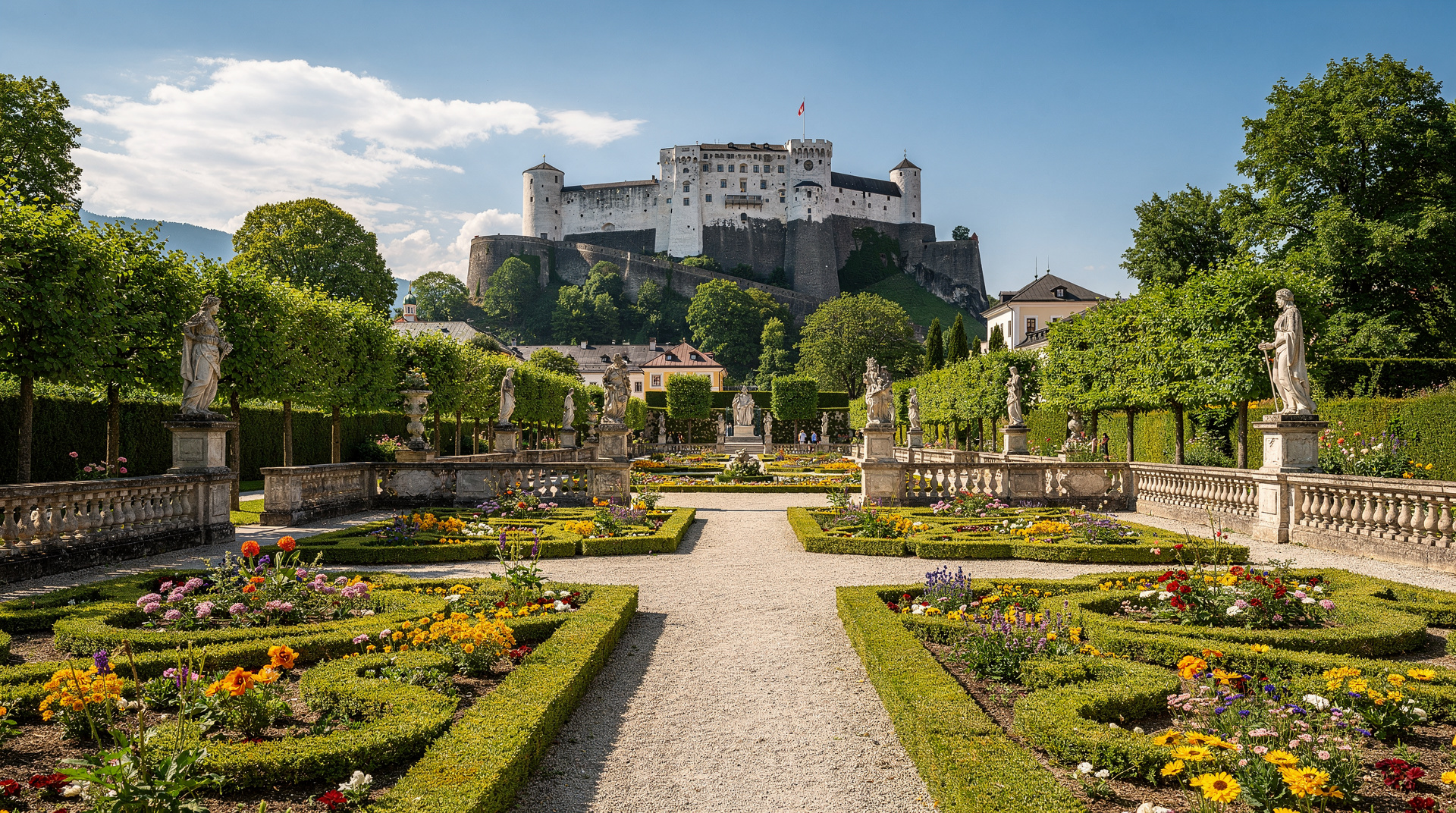
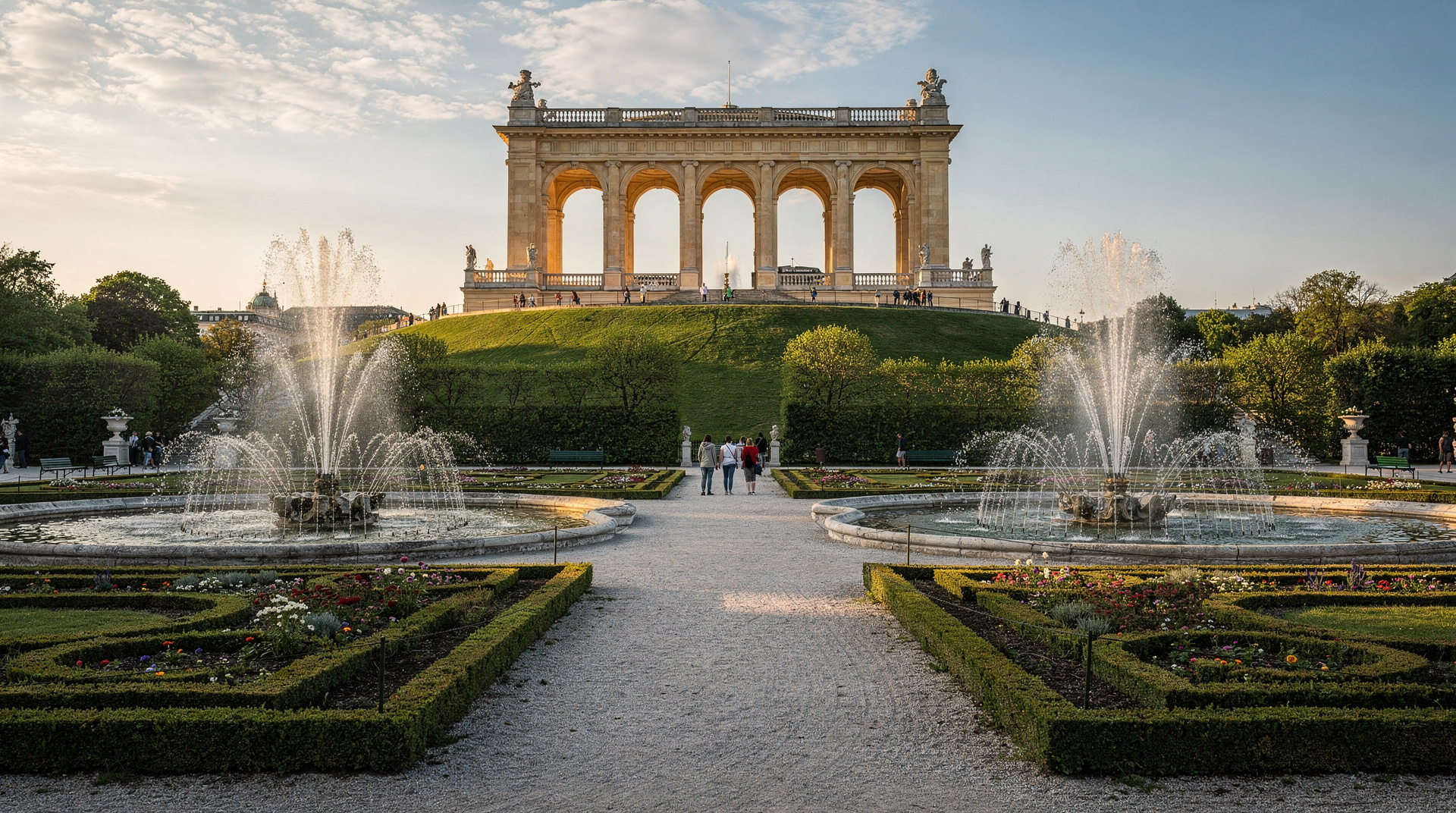
Mirabell Palace was built in 1606 for Archbishop Wolf Dietrich von Raitenau as a gift for his mistress (with whom he had 15 children — not the most discreet of archbishops). The gardens, redesigned in Baroque style in the 18th century, are free to enter and contain the fountain and staircase used in the “Do-Re-Mi” sequence in The Sound of Music. The Marble Hall inside the palace is used for classical concerts throughout the year.
Mirabell is on the right (Neustadt) bank of the Salzach, a 10-minute walk from the old town via the Staatsbrücke bridge.
The old town (Altstadt)
The Altstadt is compact enough to walk entirely in 2 hours. Key stops: the Cathedral (Dom), which houses the font where Mozart was baptised; the Residenz, the prince-archbishop’s palace with impressive state rooms (€12); the Kollegienkirche (Fischer von Erlach’s Baroque masterpiece); the Salzburg Museum on Mozartplatz (excellent for pre-visit context); and the Stift Nonnberg, a Benedictine convent where the real Maria von Trapp actually did spend time before the events portrayed in the film.
Hellbrunn Palace and trick fountains (optional)
Hellbrunn Palace, 4 km south of the centre (bus 25), is worth adding if you have 3+ hours to spare. The Baroque pleasure palace of Archbishop Markus Sittikus (1615) is famous for its trick fountains — water jets hidden in stone benches and table tops that soaked guests during outdoor banquets, set off by the archbishop operating hidden foot pedals. Still operational, still amusing. Entry: €14 (palace + trick fountains). Allow 1.5 hours.
A realistic day-trip schedule, hour by hour
| Time | Activity |
|---|---|
| 6:52–7:07am | Depart Wien Hauptbahnhof by Railjet |
| 9:20–9:35am | Arrive Salzburg Hauptbahnhof; bus or walk to old town |
| 10:00am–12:00pm | Altstadt walk: Dom, Residenz, Getreidegasse, Mozart Geburtshaus |
| 12:00–1:00pm | Lunch (Stiftskeller St. Peter or Café Bazar) |
| 1:00–3:00pm | Hohensalzburg Fortress (funicular up, walk down) |
| 3:00–4:00pm | Mirabell Gardens and the Do-Re-Mi staircase |
| 4:00–5:30pm | Free time: shopping, a second coffee, or Hellbrunn if time allows |
| 5:30–6:30pm | Walk or bus back to the Hauptbahnhof |
| 6:00–8:55pm | Return Railjet to Vienna |
This schedule prioritises the fortress and old town over Hellbrunn or a full Sound of Music tour — fitting both in the same single day is tight. If the film locations matter more to you than the fortress, swap Hellbrunn or the afternoon free block for the guided Sound of Music tour instead, accepting that you’ll see less of the old town at leisure.
Sound of Music locations in Salzburg
The 1965 film used real Salzburg locations alongside Austrian Alpine scenery. Key spots accessible on a day trip:
- Mirabell Gardens: “Do-Re-Mi” staircase and fountain sequence
- Nonnberg Abbey: Exterior only (the real convent where Maria lived before her marriage)
- Leopoldskron Palace: Lakeside terrace where children fell into the lake (private property, view from outside only)
- Felsenreitschule: The outdoor theatre where the Von Trapps sing at the festival — now a real concert venue in the Salzburg Festival
The full Sound of Music tour by bus (4 hours, €40–55) includes Mondsee (wedding church, 30 km outside Salzburg) and several suburban filming locations. See the Sound of Music day trip guide for complete details.
Where to eat in Salzburg
Café Tomaselli (Alter Markt 9): The oldest coffee house in Salzburg, founded 1703. Excellent Apfelstrudel and coffee in an atmospheric interior. Tourist prices but genuine quality.
Café Bazar (Schwarzstrasse 3): On the Salzach riverbank with terrace views. Good lunch menu, more local clientele than Tomaselli.
Stiftskeller St. Peter (St. Peter Bezirk 1/4): Claims to be the oldest restaurant in Europe (documented since 803 AD). The atmospheric medieval cellar and courtyard serve excellent Austrian food at mid-range prices.
For Mozartkugeln: The original Mozartkugel was created in Salzburg by confectioner Paul Fürst in 1890. The hand-made original (round, no foil, sold only at Café Fürst on Brodgasse) is entirely different from the mass-produced foil-wrapped versions sold at souvenir shops. Buy the Fürst version if you want the real thing.
When to go
April–June and September–October are ideal — good weather, manageable crowds, pleasant old-town atmosphere. September coincides with the harvest season in the alpine foothills.
Late July–August: Salzburg Festival. Tickets are expensive and largely sold out. Hotels cost significantly more. The old town is extremely crowded between 10 am and 5 pm. If you are not attending festival events, avoid this period.
December: The Salzburg Christmas market (Domplatz and Residenzplatz) is genuinely beautiful and one of the best in Austria. However, accommodation is expensive and the old town is very crowded on weekends.
Honest assessment
Salzburg is undeniably attractive but has been somewhat victim of its own brand. The Sound of Music tourism (which the Salzburgers themselves have always found somewhat baffling, as the film was not successful in Austria) and the Mozart brand marketing create a slightly theme-park atmosphere on the main tourist routes. The genuine pleasures — the fortress views, the cathedral, Fischer von Erlach’s architecture, a concert in the Marble Hall — are more interesting than the surface suggests.
One overnight allows for the evening atmosphere (the old town is beautiful at dusk, the fortress is illuminated) and a morning visit to Hellbrunn before a leisurely afternoon return to Vienna. The Salzkammergut loop from Vienna itinerary incorporates Salzburg alongside Hallstatt for a 6-day circuit.
Salzburg as a base for the wider lake district
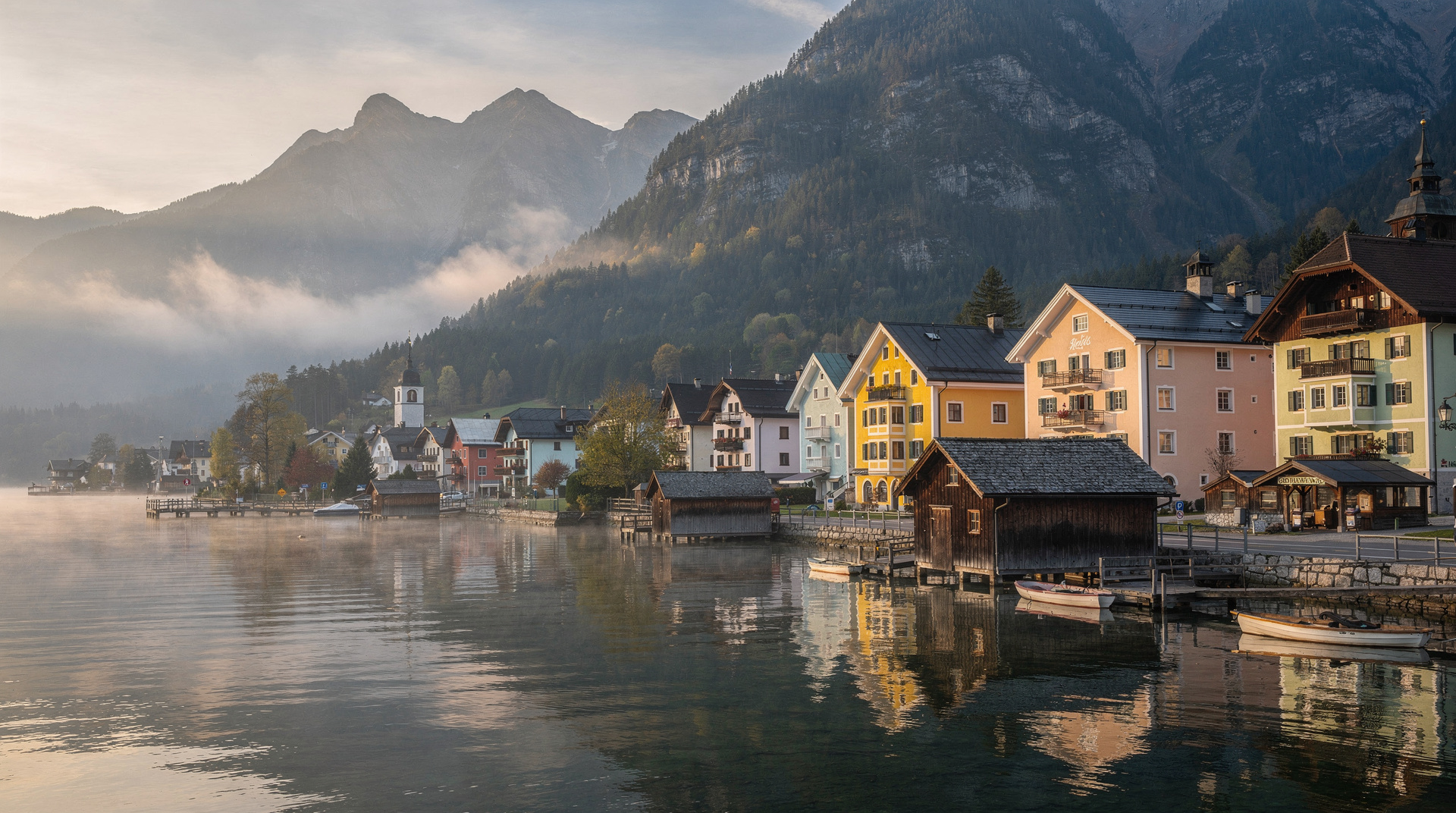
If you have more than a single day, Salzburg is also the practical base for exploring the Salzkammergut lakes — Mondsee, Wolfgangsee and Hallstatt are all reachable as onward day trips by bus once you’re already there, which is considerably easier than attempting any of them directly from Vienna in a single day.
Comparing logistics: the Hallstatt day trip from Vienna guide covers the direct train-and-ferry route if Salzburg isn’t part of your plan, while combining both destinations from a Salzburg base spreads the travel time more comfortably across several days — see the 5-day Vienna itinerary for how a Salzburg/Salzkammergut extension can fit into a broader Austria trip.
Fitting Salzburg into your wider Vienna plan
Before committing a whole day, it helps to see where Salzburg sits in your overall trip. Our guide on how many days to spend in Vienna shows how much slack a typical stay has, and the Salzburg destination page gives a fuller picture of the city if you decide to stay longer than a day.
If the main draw is music, the Marble Hall at Mirabell is one option, but it is worth comparing what Salzburg offers with the Vienna alternatives in our classical versus touristic concerts guide, so you do not pay for the same experience twice. The same applies to souvenirs: our Mozartkugel original versus fake guide explains what to look for before you buy, and the Vienna tourist traps guide is a useful companion for spotting the same patterns in Salzburg’s busiest streets.
Seasonality matters for a long travel day, so check the best time to visit Vienna as well as the Salzburg notes above. On the Vienna side of the journey, the public transport guide helps you reach Hauptbahnhof early without fuss. If you would rather keep Salzburg for a later visit, the Wachau day trip is a much shorter outing from the capital and makes an easier alternative on a tight schedule.
Frequently asked questions about the Salzburg day trip from Vienna
How long is the train from Vienna to Salzburg?
The ÖBB Railjet takes 2 hours 25 minutes from Wien Hauptbahnhof to Salzburg Hauptbahnhof. Trains run approximately every hour. Return tickets booked 4–6 weeks ahead cost €30–50; last-minute fares can reach €80+.
What is the best thing to do in Salzburg?
Hohensalzburg Fortress (one of the largest medieval fortresses in Europe), the old town UNESCO district (Mozart’s birthplace, cathedral square, Getreidegasse), Mirabell Gardens and the Sound of Music filming locations. For music lovers, the summer Salzburg Festival (late July–August) is world-class.
Can I visit Mozart’s birthplace in Salzburg?
Yes — Mozart Geburtshaus on Getreidegasse 9 is open daily 9 am–5:30 pm (longer in summer). Entry: €12. It contains original instruments, letters and portraits from Mozart’s childhood years. Well worth an hour.
Is the Sound of Music tour worth doing in Salzburg?
If you love the film, yes — the tour visits the actual filming locations including Mirabell Gardens (Do-Re-Mi staircase), Mondsee (wedding church), Leopoldskron Palace and others. It takes about 4 hours by bus and is best booked in advance. If you are not particularly attached to the film, the old town and fortress are more rewarding uses of limited time.
When is the Salzburg Festival?
The Salzburg Festival (Salzburger Festspiele) runs from late July to the end of August. It is one of the most prestigious classical music events in the world (opera, drama, concerts) but tickets are expensive (€50–500+) and often sold out a year in advance. Hotels are also significantly pricier during the festival.
Is Salzburg more crowded than Vienna?
Per square metre of old town, yes. Salzburg’s UNESCO district is very compact and receives a disproportionate number of visitors for its size — particularly in summer and during the festival. Early morning or late afternoon visits are noticeably more comfortable.
Top experiences
Bookable activities with verified prices and instant confirmation on GetYourGuide.