Salzkammergut loop from Vienna: a 6-day lakes and mountains route
Vienna: Hallstatt Day Trip with Boat Ride / Skywalk
The Salzkammergut is a landscape that would seem implausible if you described it without evidence: 76 lakes set among the limestone Alps of Upper Austria, each one a different shade of blue or green depending on the angle of the light. The route from Vienna through Hallstatt, around the Wolfgangsee, Mondsee, Traunsee, and into Salzburg covers the best of this landscape in six days at a pace that allows the scenery to land. It pairs naturally with a shorter Hallstatt day trip from Vienna if six days isn’t available, and it makes a good comparison against the Wachau day trip from Vienna if you’re deciding which Austrian landscape to prioritise.
At a glance
| Duration | 6 days, 5 nights outside Vienna |
| Pace | Moderate — two bases (Hallstatt, Salzburg), short drives between |
| Best for | Nature lovers, drivers, lake-district enthusiasts |
| Transport | Car recommended; bus/regional train possible but slower |
| Budget | Mid-range, car rental + fuel + tolls on top of accommodation |
| Best season | May–June or September–October |
Car note: A car is recommended for this route. Without one, the loop can be done by bus and regional train (Salzkammergut lines) at the cost of less flexibility and longer transit times. See our Salzkammergut lakes guide for a fuller comparison of driving versus public transport across the whole region.
Day-by-day summary
| Day | Base | Focus |
|---|---|---|
| 1 | Hallstatt | Drive from Vienna via Gmunden; village first walk |
| 2 | Hallstatt | Dachstein Glacier, ice caves, salt mine |
| 3 | Hallstatt | Gosausee, Hallstättersee boat circuit |
| 4 | Salzburg | Bad Ischl, Wolfgangsee, Mondsee, arrival |
| 5 | Salzburg | Hohensalzburg Fortress, Sound of Music locations |
| 6 | Return | Attersee, Gmunden, drive back to Vienna |
Day 1: Vienna to Hallstatt
Drive: Wien to Hallstatt
Distance: 280 km via A1 Autobahn to Attnang-Puchheim, then B145 south. Time: 3 hours without stops. Recommended stop: Gmunden on the Traunsee — the lakeside esplanade and the Kammerhof Museum (history of salt and the Salzkammergut). 30-minute detour.
Arrival in Hallstatt: by 14:00 if departing Vienna at 10:30.
Parking: Hallstatt’s car park (P1) is outside the village — take the ferry from the car park to the village (2 € each way, runs frequently in daylight). The village has no through-traffic, which is why it is so peaceful on foot.
Afternoon in Hallstatt
Check in to your accommodation — the village is small and accommodation books out fast in summer. Seehotel Grüner Baum (Marktplatz 104) has lake views and a good restaurant; Heritage Hotel Hallstatt (Landungsplatz 101) has the most dramatic position directly on the lake.
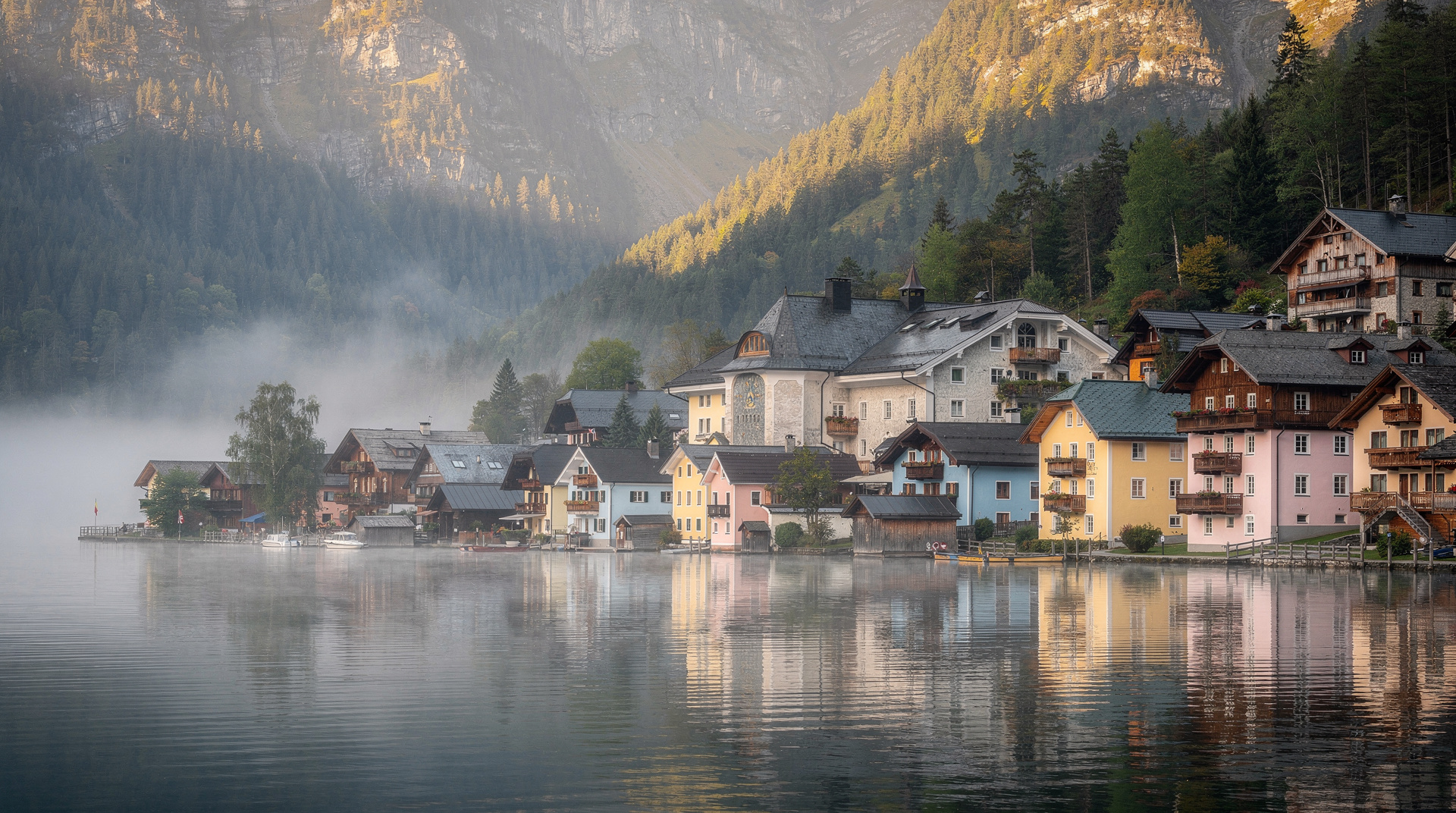
First walk: the Market Square (Marktplatz) with its flower-covered pastel houses, the Catholic Parish Church (15th century, dramatic lakeside position), and the Ossuary (Beinhaus) — a charnel house with 1,200 painted skulls, a tradition since the 18th century when land for graves was too scarce. Unsettling in the best way; open to visitors.
Evening dinner at the Gasthof Simony (Marktplatz 105) for Forellen (local trout from the Hallstätter See) or Saibling (Arctic char). Simple, good, local.
Day 2: Hallstatt — Dachstein and the salt mine
Morning (9:00–13:00): Dachstein
Drive or take the cable car from Hallstatt (5 km south to Lahn, then cable car) up to the Dachstein Glacier. The cable car rises to 2,100m in two stages; from the summit station, the view encompasses the entire Salzkammergut lake district and, on a clear day, Munich to the north.
The Dachstein Ice Caves (Dachstein Eishöhlen) — enormous caverns of ancient ice, open May–October, guided tours every 30 minutes (15 €). The Mammoth Cave (separate ticket) is warmer and more accessible. Both are extraordinary.
Ice cave practical note: Temperature inside is always around 0°C. Bring a warm layer regardless of outside temperature.
Afternoon (14:00–18:00): Hallstatt salt mine
The Salzwelten Hallstatt (salt mine, Salzbergweg 21) — this is the world’s oldest known salt mine, in continuous use since at least 1000 BC. The “Hallstatt culture” (the name given to the early Iron Age culture in Central Europe, c. 800–450 BC) is named after this site. The mine tour (2 hours) includes wooden miners’ slides (adults can slide them), a salt lake boat ride underground, and the history of 3,000 years of mining. Cable car access from the village (7 €), mine entry 34 € adults.
Afternoon back to the village — walk the Echo Wall trail along the lake edge for the best views of the village from the water.
Day 3: Hallstatt — Gosausee and the Hallstätter See
Morning (9:00–13:00): Gosausee
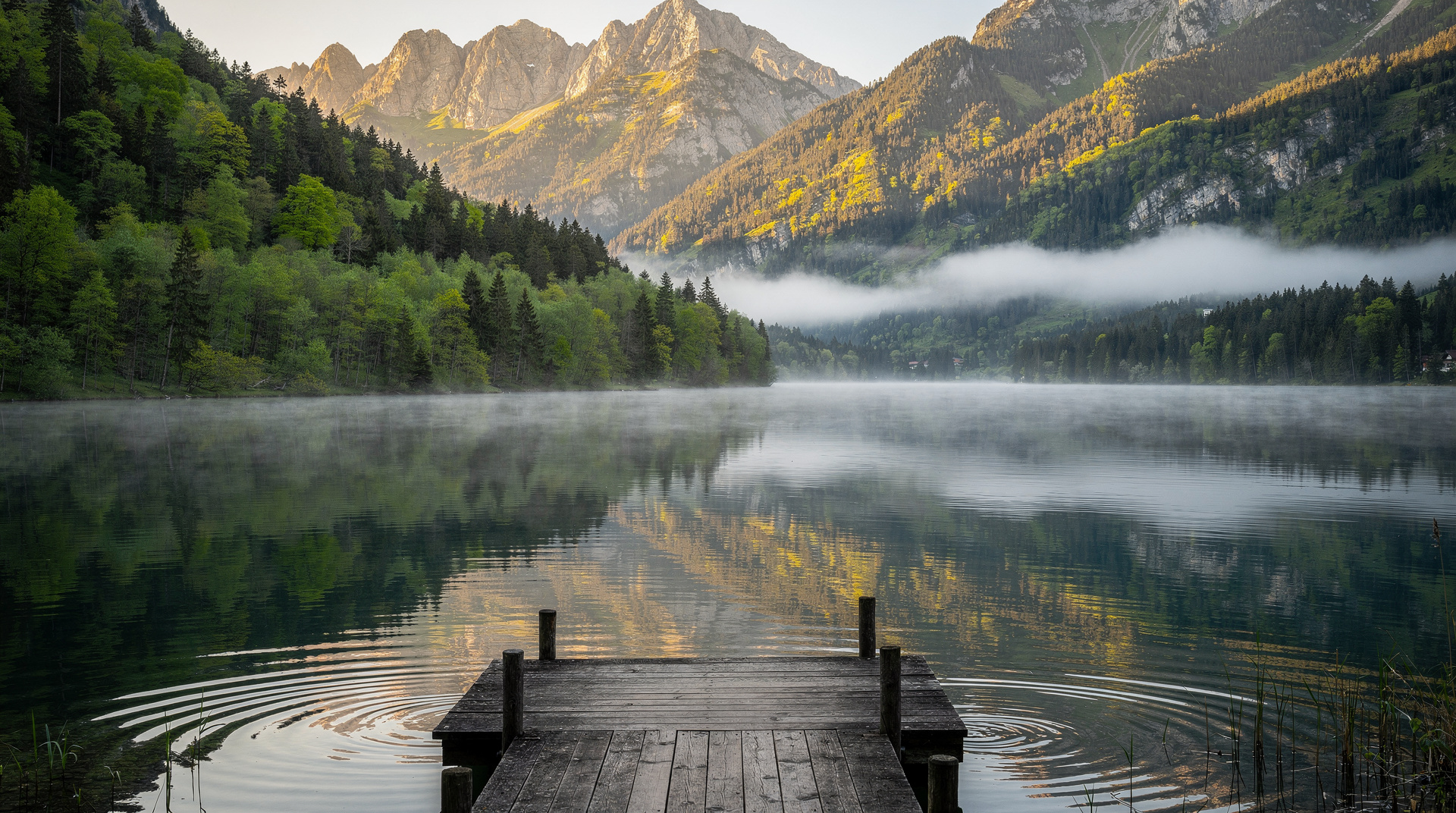
Drive 15 km west from Hallstatt to Gosausee — two glacial lakes at the foot of the Dachstein massif. The view from the Vorderer Gosausee (lower lake) across the water to the Gosaukamm limestone pinnacles and the Dachstein glacier is one of the most photographed in the Salzkammergut. A well-maintained path circles the lower lake (1.5 hours). The upper lake (Hinterer Gosausee) requires 2 hours return on foot from the lower lake car park.
For the combined Gosausee and Hallstatt experience: the From Vienna: Hallstatt, Mountains and Alpine Lakes day trip is excellent for those without a car — it covers both Hallstatt and the alpine lake landscape in a single day.
Afternoon (13:30–17:30): the Hallstätter See by boat
Return to Hallstatt and take the Hallstättersee tour boat — the service circulates the lake calling at the north shore (where the salt mine tramway descends) and the Hallstatt village jetty. A full circuit (1 hour) gives the perspective from the water that makes the village setting comprehensible. Boats run hourly in summer (May–October).
The From Vienna: day trip to Hallstatt and Salzkammergut including boat covers this for those arriving on an organised tour rather than independently by car.
Evening
Second evening dinner — try Café Simony’s Fischstüberl for the local Saibling preparation (marinated then pan-fried with herbs). Last evening lakeside walk at dusk; the village is illuminated in a way that makes it look exactly like the postcards.
Day 4: loop via Bad Ischl and Wolfgangsee to Salzburg
Morning (9:00–11:00): Bad Ischl
Drive 30 km northeast from Hallstatt to Bad Ischl — the Imperial summer spa town where Franz Joseph and Elisabeth spent their summers. The Imperial Villa (Kaiservilla) is open to visitors (guided tours, 16 €): the shooting trophies and Sisi’s private rooms tell the story of the marriage more honestly than the Hofburg museums do. The Café Zauner (Pfarrgasse 7, since 1832) is the Demel of the Salzkammergut — the pastries and Kaiserschmarrn are exceptional.
Late morning (11:30–13:00): Wolfgangsee and St. Wolfgang
Drive 25 km west from Bad Ischl to St. Wolfgang am Wolfgangsee. The village is home to the White Horse Inn (Weisses Rössl), the setting of Ralph Benatzky’s beloved 1930 operetta, and to the Pilgrimage Church of St. Wolfgang — a late Gothic church with the Michael Pacher altarpiece (1481), one of the great German-language Gothic paintings. The lake is magnificent.
Wolfgangsee scenic drive: The B158 along the north shore of the Wolfgangsee from St. Wolfgang to Strobl to St. Gilgen is one of the most beautiful lakeside roads in Austria.
Afternoon (13:30–16:00): Mondsee and the A1
From St. Gilgen, drive north over the Schafberg mountain pass (or take the longer lakeside route) to Mondsee — the warmest of the Salzkammergut lakes. The Mondsee Abbey Church was used for the wedding scene in The Sound of Music (1965 film). It is smaller and more serene than the Salzburg Cathedral.
Drive from Mondsee to Salzburg: 30 km on the A1, approximately 25 minutes.
Arrival in Salzburg (16:00)
Check in. Where to stay in Salzburg: Old Town (Altstadt) for immediate access — Hotel Goldener Hirsch (Getreidegasse 37, historic, expensive but exceptional), Hotel Elefant (Sigmund-Haffner-Gasse 4, good value, central). Or the Stein Hotel with its rooftop terrace overlooking the Fortress.
Evening: walk the Getreidegasse (Mozart’s birthplace is at No. 9, open as a museum 9 €), dinner at Stiftskeller St. Peter (Petersbrunnhof 1/4) — founded 803 AD, allegedly the oldest restaurant in the world, good Salzburg cooking in vaulted Roman cellars.
Day 5: Salzburg
Morning (9:00–13:00): Hohensalzburg Fortress and the Altstadt
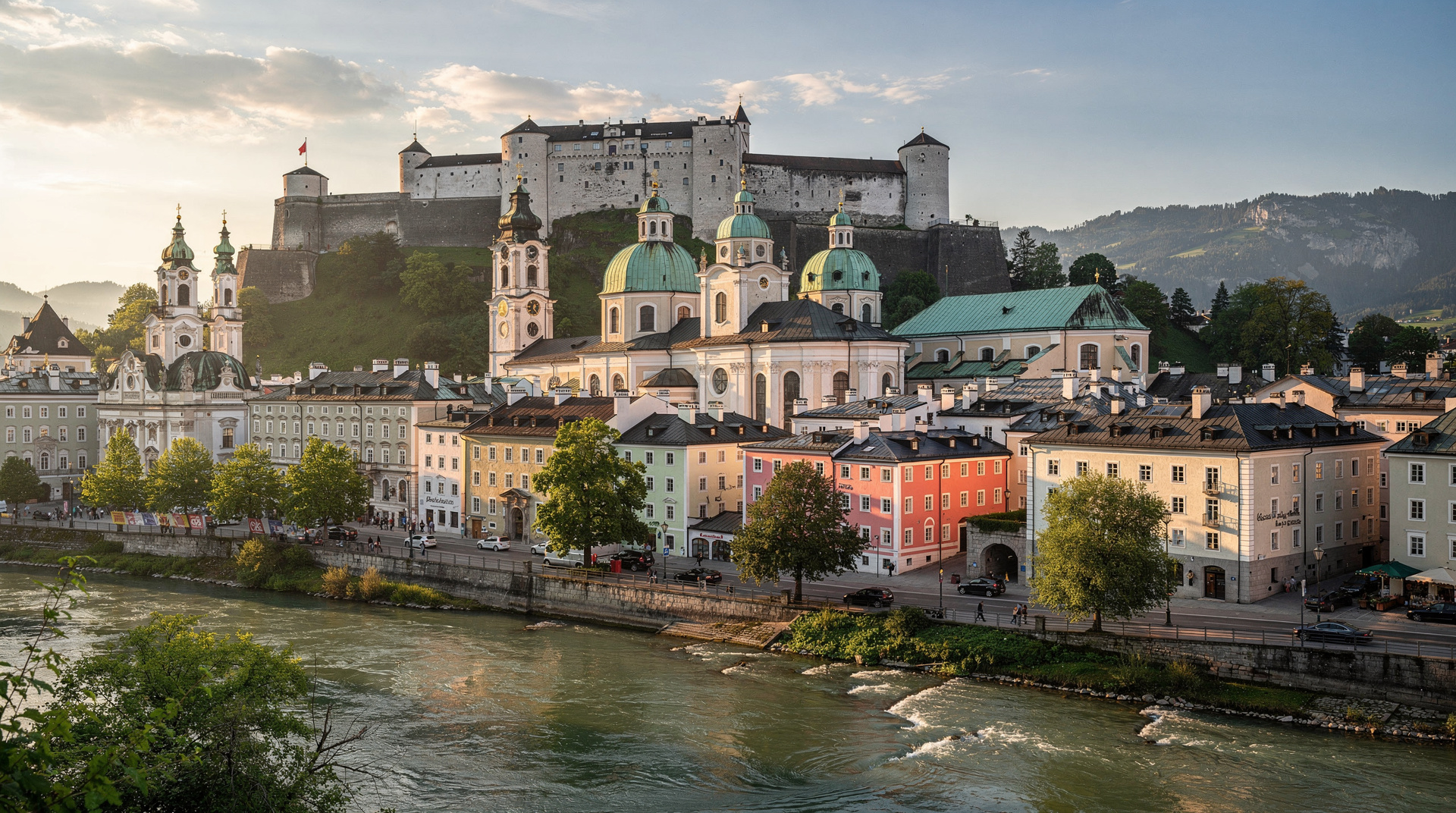
Hohensalzburg Fortress (Festungsgasse 4) — the largest fully preserved medieval castle in the German-speaking world. Cable car or 15-minute walk up. The State Rooms are extraordinary; the view from the ramparts takes in the entire city, the Salzach, and the Berchtesgaden Alps. Entry 13 €.
The Altstadt is compact and extraordinary: Residenzplatz (the Archbishop’s residence and fountain), the Mozarteum (Schwarzstrasse 26, Mozart’s concert organ is here), the Dom (Salzburg Cathedral, where Mozart was baptised).
Afternoon (13:30–18:00): Sound of Music locations
The film The Sound of Music (1965) was shot almost entirely in and around Salzburg. Whether you are a devotee or simply curious: the from Vienna: day trip to Salzburg with Sound of Music tour covers the filming locations with a guide. For those based in Salzburg independently, a self-guided Sound of Music walk is fully possible with a map from the tourist office.
Key locations: Mirabell Gardens (opening “Do-Re-Mi” scene, steps still there), Leopoldskron Palace (exterior of the Von Trapp villa, private but viewable from the lake path), Nonnberg Abbey (Maria’s convent, still inhabited by Benedictine nuns, the oldest nunnery north of the Alps).
Evening
Dinner at Café Tomaselli (Alter Markt 9, since 1700) for coffee and afternoon pastries if timing allows. Serious dinner: Restaurant Bärenwirt (Müllner Hauptstrasse 8) across the Salzach for traditional Salzburg food at honest prices — Salzburg specialties include Salzburger Nockerl (sweet soufflé), Bierfleisch (beer-braised pork), and the inevitable Mozartkugel.
Mozartkugel note: The genuine original Mozartkugel is made by Café Fürst in Salzburg (Brodgasse 13 — the original recipe, hand-dipped, 1890). The Reber Mozartkugeln in the red wrappers (sold in Vienna) are industrially produced imitations. Do not buy “Salzburg” Mozartkugeln in Vienna.
Day 6: Mondsee, Attersee, and return to Vienna
Morning (9:00–12:00): Attersee
Drive from Salzburg east to Attersee — the largest lake entirely within Austria (46 km²). Gustav Klimt spent 12 consecutive summers here (1900–1916) and painted some of his most luminous landscapes from a rowing boat on the water. The Klimt Villa in Kammer am Attersee is now a small museum (Klimt-Villa Litzlberg, open May–October, 8 €).
Drive the Attersee circuit (south shore via Unterach, north shore via Weyregg) — 40 km of lakeside road with views of the Höllengebirge mountains.
Midday (12:00–13:00): Gmunden
Drive north from the Attersee to Gmunden on the Traunsee — the largest lake in the Salzkammergut and the one that looks most like a fjord. The Traunsee Schloss Ort (a castle on a small island connected by a wooden bridge to the shore) is the image most associated with Gmunden. The town also has the world’s only surviving ceramic tram line (the Gmunden tram — narrow gauge, heritage rolling stock, extraordinary).
Lunch at the Seehotel Schwan terrace (Rathausplatz 8) or a lakeside café before the drive back to Vienna.
Afternoon (13:30 onwards): return to Vienna
Drive from Gmunden to Vienna via A1 Autobahn: approximately 2.5 hours (220 km). Arrive Vienna by 17:00–18:00.
Costs and logistics
Car rental: Book in advance from Vienna Airport (VIE) or Wien Hbf. Austrian roads are toll roads (Autobahn vignette required — 10-day vignette €11.90). Petrol: approximately 1.60–1.70 €/L (Austria, 2026). Parking in Hallstatt: P1 car park 7–10 € per day.
Without a car: The Salzkammergut regional train network connects Attnang-Puchheim to Hallstatt (change at Stainach-Irdning) — slow but scenic. RegioJet buses connect Bad Ischl, St. Wolfgang, and Mondsee. Salzburg is on the main ÖBB Wien Hbf–München line (Railjet, 2h30 from Vienna). The Hallstatt and Salzkammergut boat day trip handles the Vienna–Hallstatt transit without a car for those doing only the Hallstatt section.
Best season: May–June (pre-crowd, wildflowers), September–October (wine harvest, golden light, fewer tourists). July–August: Hallstatt is extremely crowded; early morning and late afternoon visits are significantly better.
Packing and driving notes
Layer up regardless of season — the Dachstein Ice Caves sit at a constant 0°C while the valley floor can be 25°C in summer, so a packable warm layer earns its space in the bag. Good walking shoes matter more than on a city-based Vienna weekend itinerary: the Gosausee circuit, the Echo Wall trail, and the Hohensalzburg ramparts are all uneven ground. If you are hiring the car in Vienna, collect it after your last city day rather than on arrival — parking a rental car in central Vienna for several nights costs more than the loop itself justifies, and the Vienna public transport guide covers getting around the city without one first.
Driving in Austria requires the Autobahn vignette (a windscreen sticker, sold at petrol stations near the border and at VIE airport) — a rental car usually already has one, but confirm before departing. Mountain roads around the Dachstein and Schafberg pass can have sudden weather changes even in summer; check conditions the morning of Day 4 if rain is forecast.
Before and after the loop
The loop works best as a break between city days rather than a replacement for them. A few days beforehand in the capital, following the Vienna 3-day itinerary, makes the lakes feel like a deliberate change of pace, and the best time to visit Vienna guide helps you line up the season with the May–June or September–October windows recommended above.
Salzburg gets only one full day here, so if the Mozart side of the city is the reason you came, the Salzburg day trip from Vienna and the Salzburg destination page give more detail on what to prioritise. The Imperial summer-court story you meet in Bad Ischl is told in full in Franz Joseph and Sisi, which is worth reading before you stand inside the Kaiservilla.
If you would rather see how another traveller handled the same ground, the Salzburg from Vienna trip report and the Hallstatt: overrun or magical? diary give candid, first-hand impressions, and the Sound of Music day trip guide covers the filming locations in more depth than Day 5 can.
Where this fits against other Vienna day trips
If six days feels like too much of a commitment, the single-day Hallstatt, Mountains and Alpine Lakes tour compresses the Hallstatt highlights into one long day from Vienna — see our best day trips from Vienna guide for how it stacks up against the Wachau Valley and Bratislava options.
Travellers extending onward from Salzburg rather than looping back to Vienna should also check the Vienna to Prague overland itinerary and the Vienna, Bratislava and Budapest 8-day itinerary for how a Central European multi-city route can be sequenced instead.
Frequently asked questions about this itinerary
Q: Is a car essential for the Salzkammergut loop?
A car gives you the flexibility to drive the lake circuits and stop on the mountain roads. Without one, the loop is possible but slower — regional buses and trains require planning and limit spontaneous detours. For Hallstatt only (without the loop), the organised day trip from Vienna is the better choice.
Q: Can I combine Hallstatt and Salzburg in one day?
Only with a car and very early start (depart Vienna 7:00 to be in Hallstatt by 10:00, Salzburg by 17:00). It is tiring. Two separate days (as in this itinerary) gives each destination the time it deserves.
Q: Is Hallstatt overcrowded?
Yes, in July–August, by 10:00–14:00 on weekend days. Arriving before 9:30 or after 16:00 makes a significant difference. Spring and autumn are consistently better. Weekdays are better than weekends.
Q: What makes the Salzkammergut different from the Swiss lake district?
The scale is more intimate, the prices are lower (Austria, not Switzerland), and the cultural layer (salt mining history, Habsburg summer courts, Klimt’s summers) is distinct. The landscape is arguably as beautiful; the atmosphere is more relaxed.
Q: Can I do this loop by public transport instead of a car?
Yes, but expect longer transit times and more planning. Regional trains reach Attnang-Puchheim and Hallstatt (with a change), RegioJet buses connect Bad Ischl, St. Wolfgang and Mondsee, and Salzburg sits on the main Railjet line. You will lose the flexibility to stop at viewpoints like the Wolfgangsee lakeside road or the Attersee circuit on a whim, which is much of the appeal of doing this route by car.
Q: Should I book Dachstein Ice Cave tickets in advance?
In July and August, yes — the guided tours run every 30 minutes but sell out by early afternoon on peak days. In shoulder season (May–June, September–October), same-day tickets are usually available, though arriving before 11:00 still avoids the longest queues.
Top experiences
Bookable activities with verified prices and instant confirmation on GetYourGuide.