Salzkammergut lakes
The Salzkammergut lake district: Hallstatt, Wolfgangsee, Traunsee and Gosausee. How to visit from Vienna, what to do and the best touring routes.
From Vienna: Day Trip to Hallstatt & Salzkammergut incl. Boat
Quick facts
- Distance from Vienna
- 250–320 km depending on lake
- Main lakes
- Hallstätter See, Wolfgangsee, Traunsee, Gosausee
- Currency
- Euro (€)
- Best approach
- Day trip tour or 2-night self-drive
Austria’s lake district
The Salzkammergut — the name means “salt chamber estate,” from the salt mines that funded the Habsburg court for centuries — is a region of alpine lakes, forested limestone mountains, and spa towns spread across Upper Austria, Salzburg state, and Styria. Its 76 lakes range from the famous Hallstätter See to the quieter Mondsee and Traunsee, and share the character of remarkably clear cold water against steep forested peaks, with villages strung along their shores that were summer resorts for the Habsburg aristocracy from the mid-19th century onward.
Franz Joseph spent every summer of his long reign at Bad Ischl, at the centre of the lake district, in a villa that still stands. The court followed; the railways were built to accommodate them; and the resulting concentration of spa architecture, lakeside promenades, and Biedermeier resort hotels gives the Salzkammergut a quality that distinguishes it from the Alps to the west — this is mountain country that was also, for a century, fashionable.
The region is most often visited from Vienna as a day trip centred on Hallstatt, but the single-site approach understates the place significantly. A two-night loop by car reveals a different Salzkammergut: the Wolfgangsee and its two contrasting villages, the Gosausee with its direct view of the Dachstein glacier, the elegant streets of Bad Ischl, and the quieter lakes that have not been photographed into icons.
| Where | Upper Austria / Salzburg state / Styria, 250–320km from Vienna |
| Cost | Day tour from Vienna typically 90–140€; self-drive fuel + tolls extra |
| Time needed | Full day for Hallstatt; 2–3 days for the wider region |
| Getting there | Organised day tour, or car/train + local bus for independent visits |
| Best time | Late May–June and September–October |
The main lakes
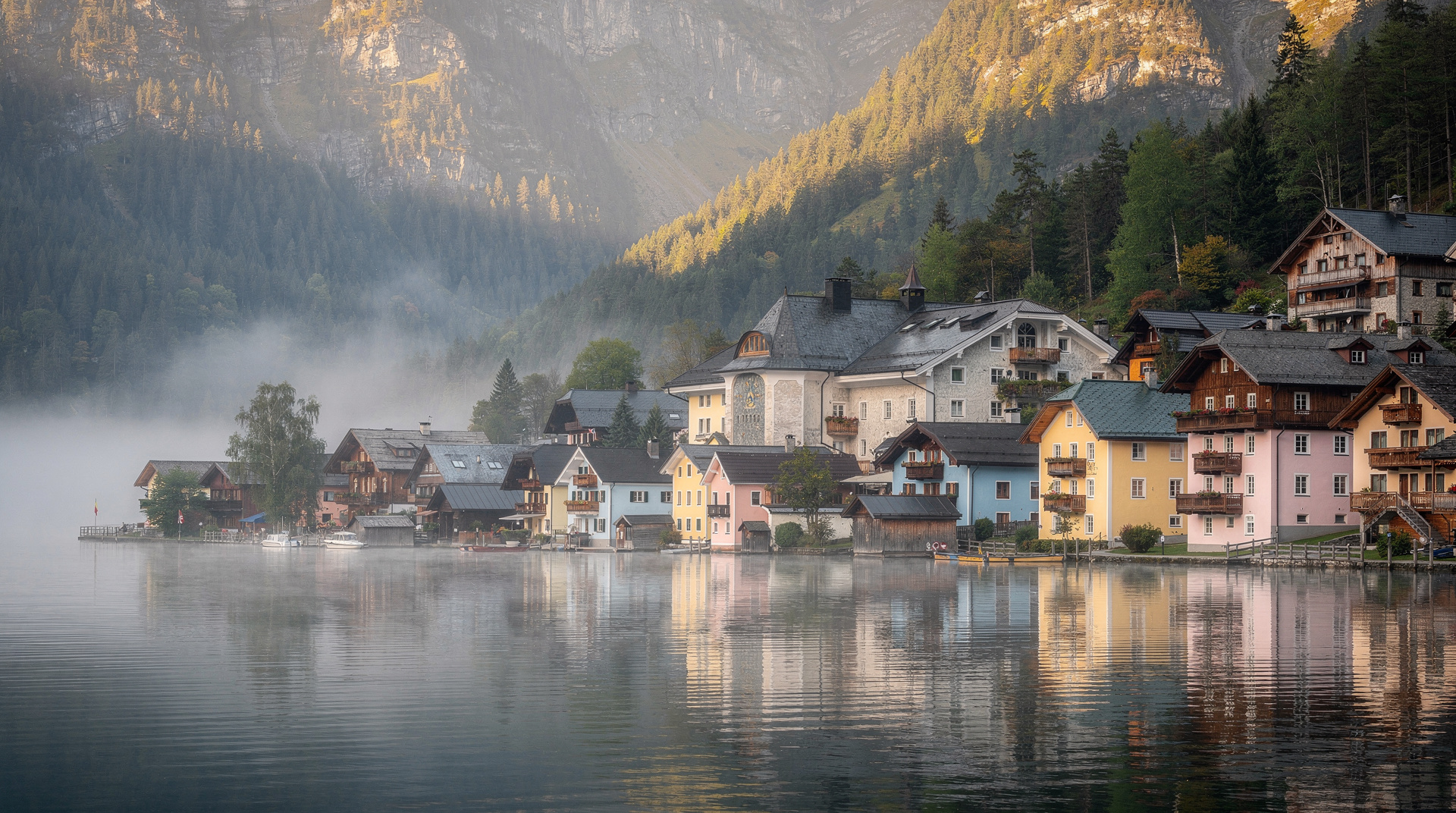
Hallstätter See — the deepest and most dramatically positioned lake in the region, with Hallstatt village squeezed into the narrow strip between the cliff wall and the water. The village pre-dates the Bronze Age (the Celtic salt-mining culture centred here gives its name to the Hallstatt archaeological period, 800–450 BC), and the combination of the lake, the church spire, and the mountain backdrop is one of the most-replicated images in Austrian travel photography. See the full Hallstatt destination guide for practical detail. Arrive early — the village is small and visitor numbers in summer are considerable.
Wolfgangsee — two villages on its shores worth knowing. St. Wolfgang is the famous one, with the Weisses Rössl (White Horse Inn) hotel on the lakefront — the setting for the 1930 operetta of the same name, which became one of the most performed in German musical theatre — and the Gothic high altar by Michael Pacher (1471–1481) in the pilgrimage church that is one of the greatest works of late Gothic sculpture in the German-speaking world.
The intricacy of the carved figures, the gilding, and the narrative panels make Pacher’s altarpiece something entirely different from the baroque art that dominates most Austrian church interiors. St. Gilgen at the western end of the lake is smaller, quieter, and has a cable car up the Zwölferhorn for alpine views over the lake.
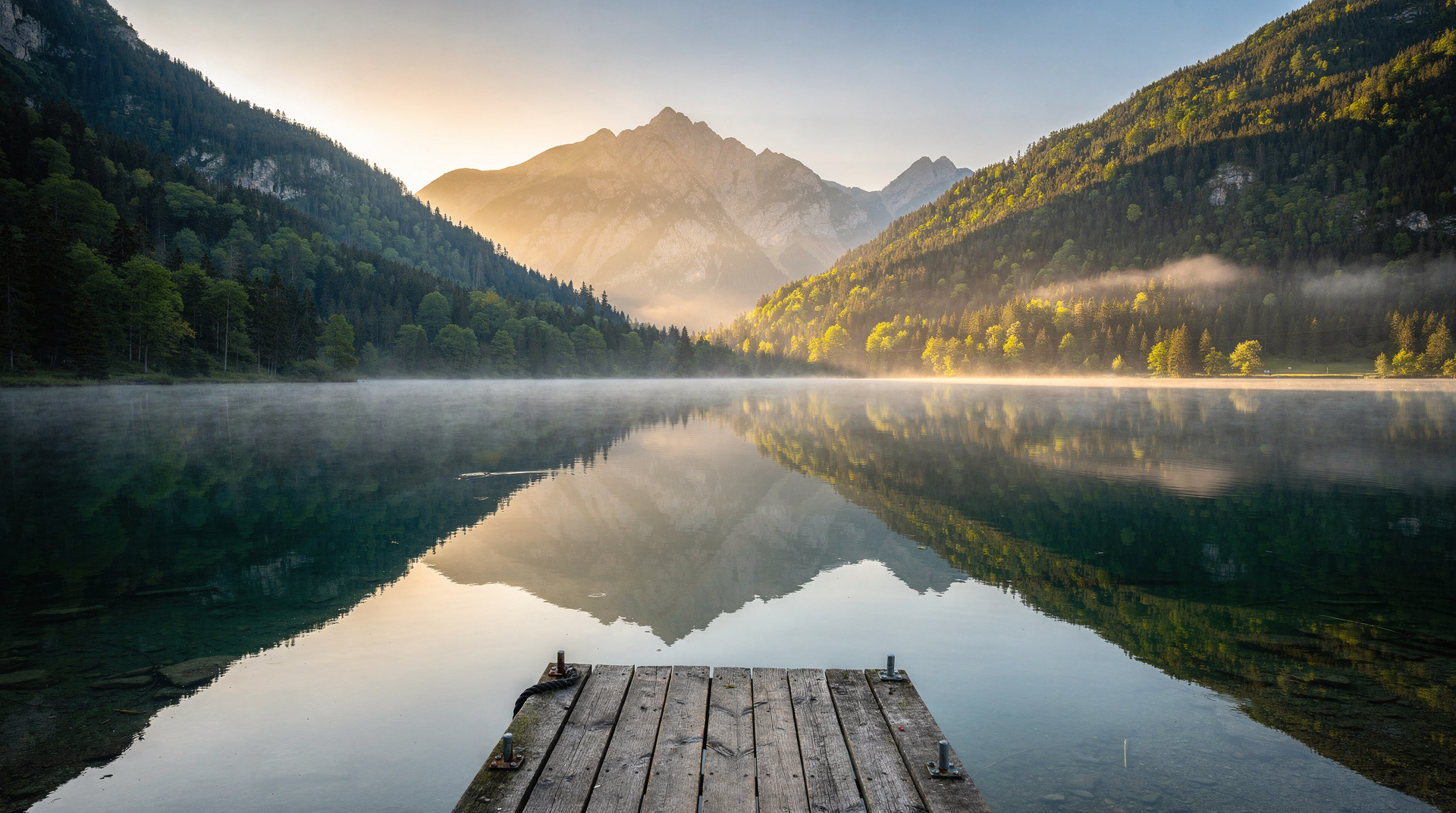
Gosausee — reached from the Gosau valley, a 20-minute drive from Hallstatt. A circuit walk around the lower lake (about 90 minutes) with direct views of the Dachstein glacier and Gosaukamm ridge above is one of the finest alpine walks in Austria accessible without mountaineering equipment. In summer, the snow on the Dachstein reflects in the lake below; in autumn the larch forest around the shore turns gold. The upper Gosausee (a 30-minute uphill walk or chairlift from the lower) is quieter and has more dramatic views.
Traunsee — the longest lake in Upper Austria, with the spa town of Gmunden at its north end and Ebensee at the south. Gmunden is known for its ceramic ware (the distinctive green-and-white Gmunden pottery is available from workshops throughout the town), and for the Orth Castle, a small schloss on an island in the lake connected to the shore by a wooden bridge. The castle is photographically excellent and feels appropriately fairytale. More off the standard tourist route than Hallstatt — Traunsee feels genuinely local, particularly in the off-season.
Mondsee — the closest lake to Salzburg and easily combined with a Salzburg day trip. The white Romanesque church at Mondsee village was used for the wedding scene in the Sound of Music (1965), which gives it a specific kind of visitor; away from the church, the village is pleasant and the lake is notably warmer than Hallstatt, popular for swimming from June onward. The surrounding meadows and the reflected Schafberg peak make Mondsee one of the more photogenic lakes in the region.
Day trips from Vienna
The full-day Salzkammergut and Hallstatt tour with boat ride covers the lake district with a boat crossing on the Hallstätter See — the most comprehensive single-day option from Vienna, with the boat crossing from the Hallstatt landing (the village can only be approached by boat from the main lakeshore car park side) providing the classic view of the village from the water.
The Salzburg and alpine lakes full-day trip combines a Salzburg city visit with the Wolfgangsee and Mondsee — the better option for visitors who want the lake district in combination with a major city rather than as the sole destination.
The Hallstatt mountains and alpine lakes day trip takes a more scenic routing through the Gosau valley, with more time in the alpine landscape and less in the village itself — the right choice for visitors drawn by the mountains and hiking rather than the postcard architecture.
Self-drive loop
With a car, the Salzkammergut is one of Austria’s most rewarding two or three-day drives. A sensible two-night loop from Vienna:
- Day 1: Vienna → Hallstatt via Wels or Enns (around 3 hours) → overnight in Hallstatt or Bad Goisern (less expensive, 5 km south)
- Day 2: Gosausee morning walk (allow 2–3 hours) → Bad Ischl for lunch (the Café Zauner on the Esplanade has been serving pastries since the 19th century) → Wolfgangsee → St. Wolfgang overnight
- Day 3: Mondsee (1 hour from St. Wolfgang) → Salzburg (1 hour from Mondsee) → Vienna via A1 motorway (2h30)
Roughly 600 km total. The roads through the lake district are narrow but excellent; the only congestion is at Hallstatt in summer (the village road is one lane and backed up by mid-morning — arrive before 09:00 or after 17:00).
When to visit
Late May and June offer wildflowers on the alpine meadows, clear water, the most reliable weather for long walks, and manageable visitor numbers at Hallstatt before the main summer season. The mountains still carry snow above the treeline in May, and the contrast with the valley flowers below is at its most photogenic.
July and August — peak season. Hallstatt is genuinely busy; the other lakes are less crowded and still very pleasant. Swimming is good throughout (the lakes warm quickly in July, unusually so for alpine water). Boat services are fully operational.
September and October bring autumn colour on the lakeside forests — particularly vivid around the Gosausee, where the larches turn gold — and quiet that makes the lakes feel like a different place from the summer version. Most hiking trails remain open until mid-October. This is the best time for photography.
Winter — the Dachstein ski area operates above the Gosausee. Access to Hallstatt in winter requires checking road conditions, as the lake road can be closed after heavy snowfall. The village under snow is famously beautiful, if not easy to reach.
Which lake for which traveller
| Lake | Best for | Crowds | Notes |
|---|---|---|---|
| Hallstätter See | Photography, history | Very high (Hallstatt village) | Arrive before 09:00 or take a tour with early entry |
| Wolfgangsee | Culture, church art, cable car views | Moderate | Pacher altarpiece, St. Gilgen quieter than St. Wolfgang |
| Gosausee | Hiking, glacier views | Low | Best alpine walking without mountaineering gear |
| Traunsee | Local atmosphere, pottery | Low | Most “undiscovered” feeling of the major lakes |
| Mondsee | Swimming, Sound of Music fans | Moderate | Warmest water, closest to Salzburg |
Honest note on Hallstatt specifically: the village’s global popularity, driven partly by social media, means summer daytime visits can feel more like crowd management than lake scenery. Early morning or an out-of-season visit changes this completely — see the Hallstatt: overrun or magical? trip report for an unvarnished take, and the Hallstatt day trip from Vienna guide for timing strategies that avoid the worst of it.
Choosing between a tour and driving yourself
The honest trade-off is between effort and freedom. A guided day from Vienna removes every logistical question: parking, timing the boat, finding the right road. You are carried to the lakes and brought back, and you can spend the journey looking out of the window. The cost is that you move at the group’s pace, and the time at each stop is decided for you. If Hallstatt is the only place you care about, that is an acceptable bargain. If you want to walk around the Gosausee without watching the clock, it is a poor one.
Driving yourself reverses the equation. You choose when to arrive, which is the single most useful lever in a region where crowds gather at midday. You can linger over lunch in Bad Ischl, change your mind about a lake because the weather turned, or stay a second night because the light was good. The price is the planning, and the long drive in and out. Readers who are unsure how much time to commit will find the best day trips from Vienna overview useful for comparing the lakes against the Wachau and the other classic excursions.
Those arriving without a car should not assume the lakes are out of reach. Public transport works, but it rewards patience and a printed timetable, and the connections thin out in the evening. If you plan to rely on it, build a generous margin into the last leg back toward Vienna.
How to pace a lake day
Whatever route you choose, the lakes reward a slower rhythm than a city. A few habits make the difference between a good day and a rushed one:
- Pick one anchor and one extra. A morning at the Gosausee plus an afternoon in a single village is a fuller day than four lakes ticked off from a car window.
- Put the busiest place first or last. Hallstatt is at its best at the edges of the day. Use the middle hours for the quieter lakes, where midday crowds do not matter.
- Keep a weather fallback. Cloud sits low on the Dachstein and can erase the glacier view. Have an indoor option in mind, such as the Pacher altarpiece in St. Wolfgang or the pastries and promenade of Bad Ischl.
- Carry layers. Lake air is cooler than the valley, and a boat crossing is colder than it looks from the shore.
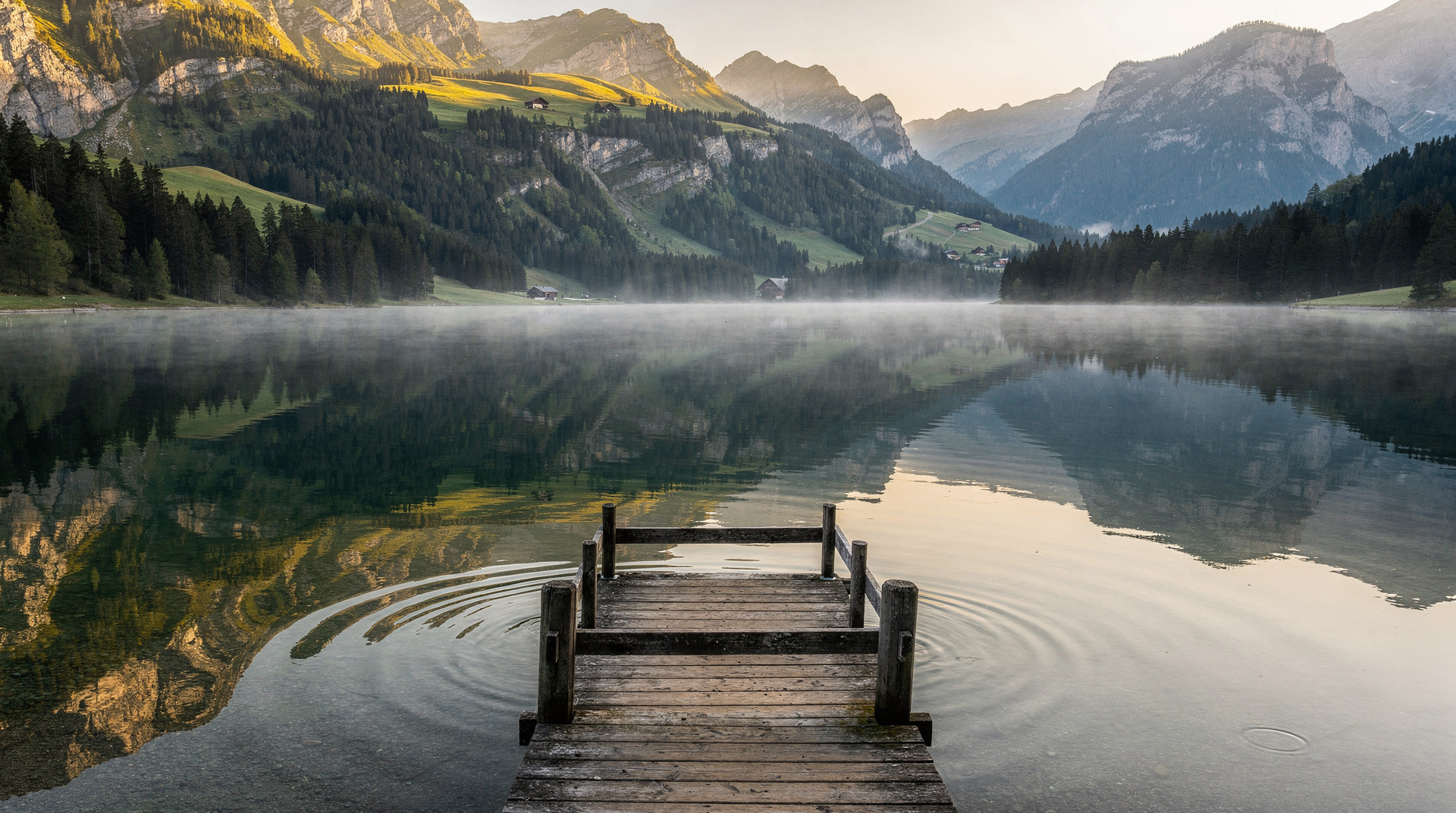
- Leave time for the water itself. Sitting on a jetty, or taking a short boat ride, is part of why people come here.
Combining the lakes with other trips
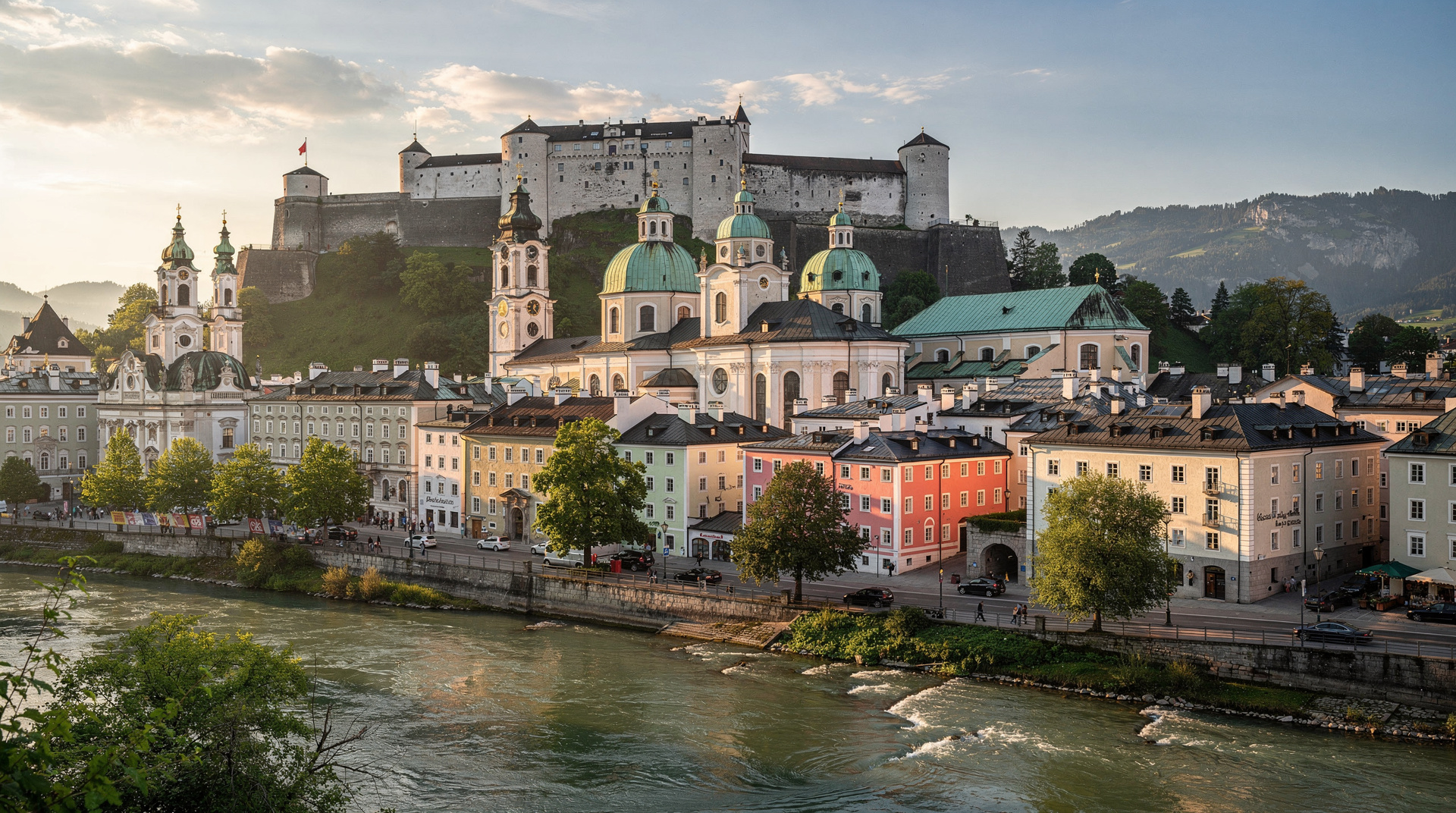
The Salzkammergut sits naturally between Vienna and Salzburg, which makes it easy to fold into a longer journey. A traveller heading west can stop for the lakes and continue to Salzburg, and the Salzburg day trip from Vienna guide explains how that city fits into a schedule on its own. Those who loved the film locations around Mondsee may want the Sound of Music day trip for the wider story behind them.
If your interest is more in mountain scenery than in lakes, the contrast with the gentler landscapes closer to the capital is worth noting. The Vienna Woods hiking guide covers walking that can be done without leaving the city’s orbit, while the Wachau valley offers a river-and-vineyard counterpart to the Salzkammergut’s lakes and limestone. Visitors with a longer stay can sketch the whole picture in the seven-day Vienna itinerary, then decide how many days to give the Alps.
For readers still deciding whether a lake day belongs in their trip at all, the how many days in Vienna guide helps weigh the city against the countryside. Anyone who prefers to travel when the weather is kindest can cross-check the seasons above with the best time to visit Vienna page.
For a Salzburg-plus-lakes combination, see the Salzburg destination guide; for a structured multi-day version of the self-drive loop above, the Salzkammergut loop from Vienna itinerary lays out day-by-day timing, and the full Salzkammergut lakes guide adds practical transport detail for each lake.
Top experiences
Bookable activities with verified prices and instant confirmation on GetYourGuide.