Best restaurants in Vienna: where locals and visitors eat well
Vienna: Best of Vienna Food Tour
Where should I eat in Vienna?
For Schnitzel: Figlmüller or Gasthaus Pöschl. For Tafelspitz: Plachutta Wollzeile. For coffee and cake: Café Central or Landtmann. For market eating: Naschmarkt stalls. Avoid restaurants on Kärntner Straße.
Eating well in Vienna: the honest picture
Vienna has a restaurant scene that rewards the curious and punishes the lazy. The city’s culinary identity runs deep — centuries of imperial cooking, a thriving coffeehouse tradition, and Central European influences from across what was once a vast empire. But the main tourist streets are lined with restaurants making a comfortable living off captive visitors who don’t know better.
This guide focuses on the genuinely good options: restaurants where the food is correctly made, the pricing is honest, and the experience is worth the time.
| Schnitzel | Figlmüller or Gasthaus Pöschl, around €22–28 |
| Tafelspitz | Plachutta Wollzeile, around €32–38 |
| Budget lunch | Mittagsmenü, around €9–15 |
| Booking | Essential at Figlmüller/Plachutta/Glacis Beisl |
| Avoid | Kärntner Straße restaurants with hosts and photo menus |
Where to eat, by budget
| Category | Example | Price range | Booking |
|---|---|---|---|
| Fine dining | Konstantin Filippou | from €120 tasting menu | Months ahead |
| Traditional, central | Figlmüller, Plachutta | €22–38 | 2–7 days ahead |
| Modern Austrian | Glacis Beisl, Mast Weinbistro | €22–34 | Recommended |
| Neighbourhood Beisl | Meixner’s Gastwirtschaft | €5–10 less than central | Rarely needed |
| Lunch special | Mittagsmenü at most Gasthäuser | €9–15 | Walk-in |
| Street food | Würstelstand | €4–8 | None |
What you need to know
The restaurant categories
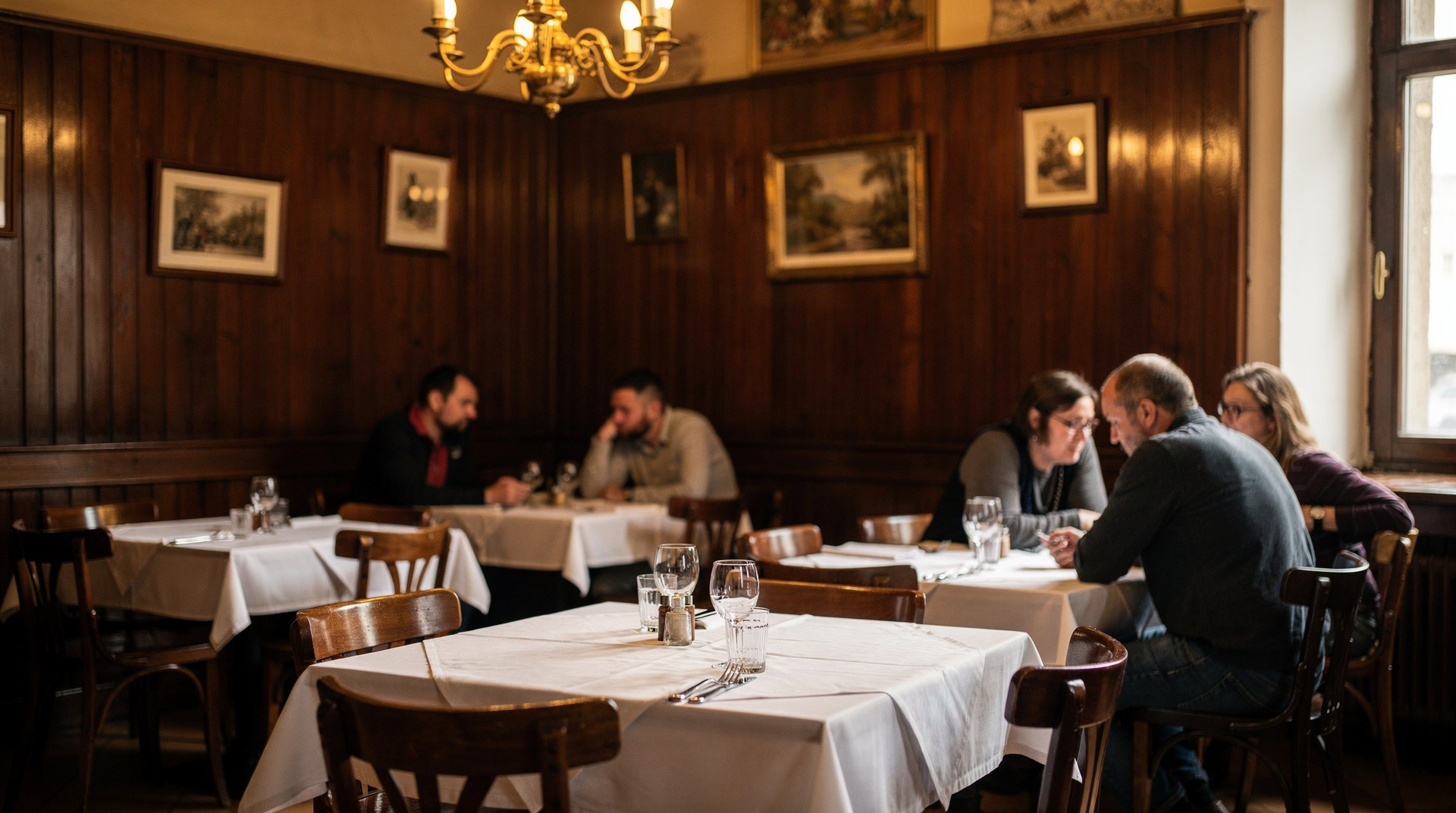
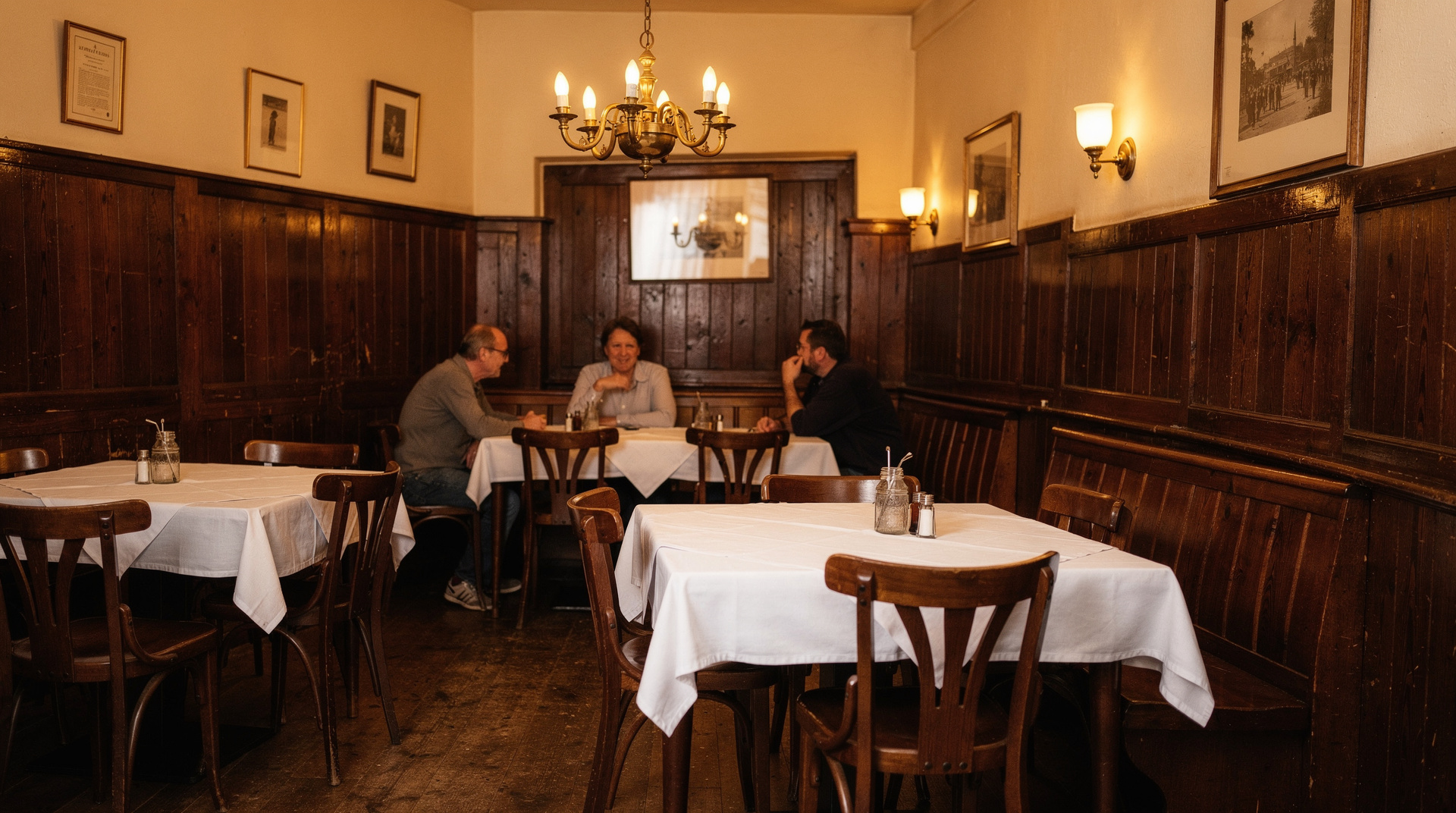
Gasthaus / Gasthof: The foundational category of Austrian dining — a neighbourhood restaurant serving traditional cooking at moderate prices. Could be anything from a 1950s wood-panelled room to a modern space. The best Gasthäuser are in outer districts (7th, 8th, 17th, 18th, 19th).
Beisl: Smaller, more casual than a Gasthaus. The word comes from Yiddish. A proper Beisl has 10–20 tables, a handwritten menu (or short printed one), wines by the carafe, and prices €5–10 per main lower than a comparable central restaurant.
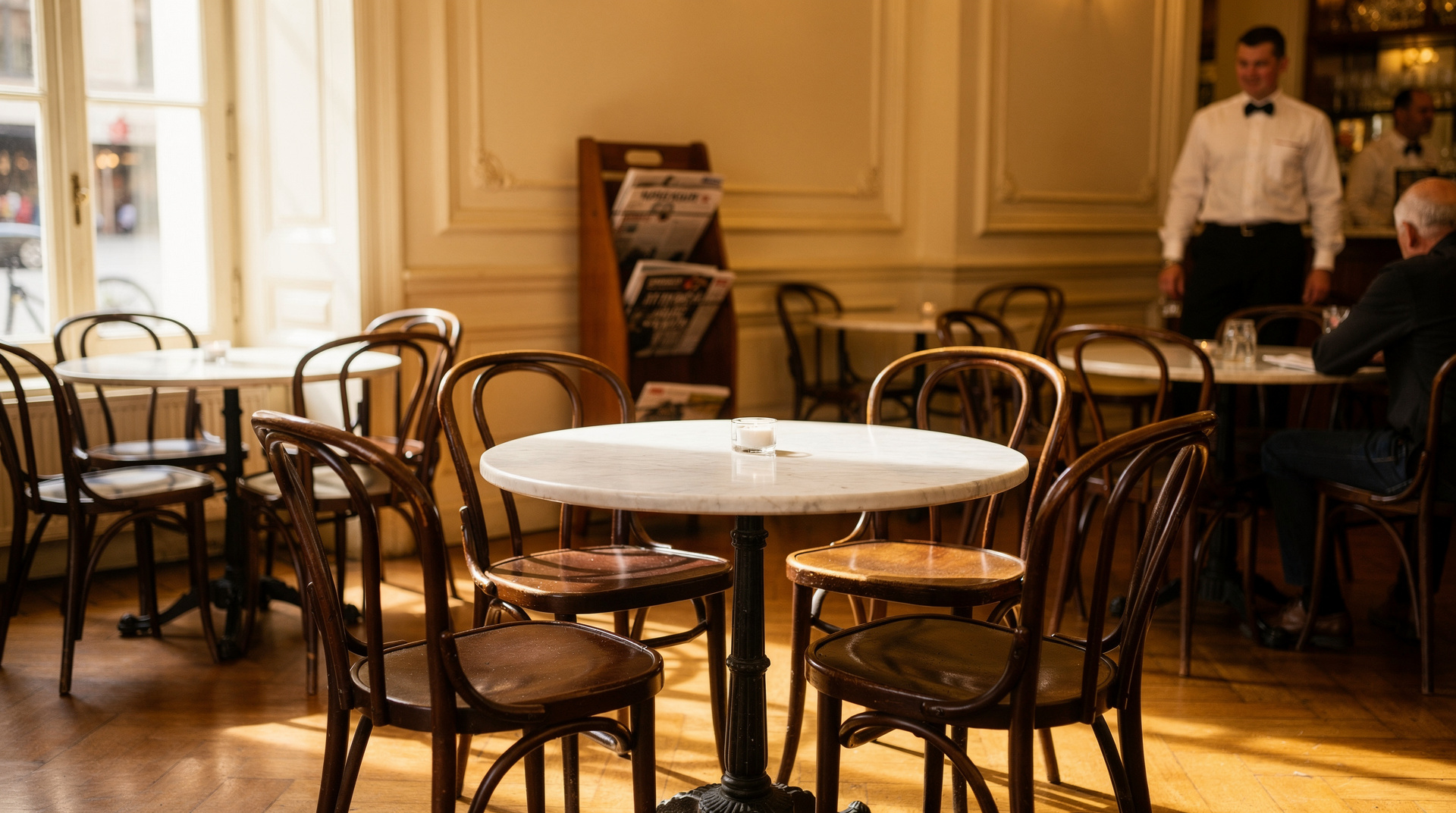
Kaffehaus: The historic coffeehouse isn’t primarily a restaurant, but many serve substantial food — Gulasch, Tafelspitz, Schnitzel — alongside the famous cake and coffee. Café Central, Landtmann, and Hawelka all serve food. See the Viennese coffee house guide for detail.
Heuriger: Wine tavern, primarily for wine and cold buffet. Not a restaurant in the conventional sense. See the Heuriger guide for full detail.
Würstelstand: The Viennese sausage kiosk is technically a restaurant (it has a permanent location and a menu). The best are open 24 hours. The food is excellent for what it is. Not a dinner substitute but genuinely Viennese.
Best traditional Viennese restaurants
Figlmüller (Wollzeile and Bäckerstrasse)
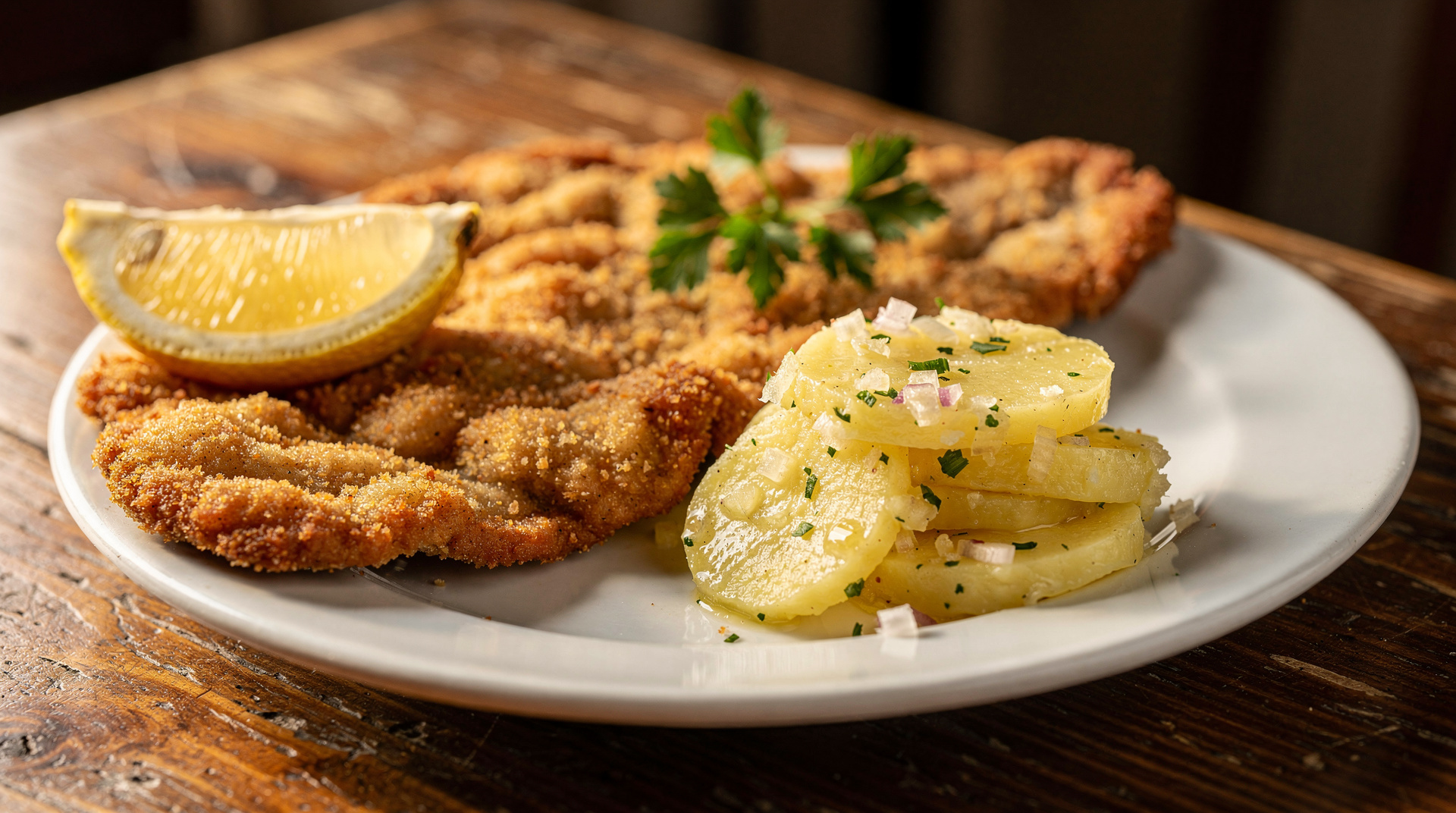
The definitive Schnitzel address. Two locations in the Innere Stadt, both excellent, both consistently busy. The enormous veal Schnitzel that overhangs the plate has been a Viennese institution since 1905. Quality: reliably high. Price: €22–28 for Schnitzel with sides. Booking: essential (online or phone). See the full Schnitzel guide for detail.
Plachutta Wollzeile
The city’s foremost Tafelspitz restaurant — boiled prime beef in its own broth, served with horseradish sauce, apple sauce, and Rösti. The ritual of the silver-lidded tureen and the broth poured first as soup is worth experiencing at least once. The Schnitzel here is also exceptional. Prices: Tafelspitz €32–38, Schnitzel €34–38. Booking: necessary, especially for dinner.
Plachutta am Schottentor (8th district) is the calmer, slightly less expensive sibling location — easier to book.
Gasthaus Pöschl
The best value-for-quality Schnitzel in the Innere Stadt. Quieter than Figlmüller, less theatrical, equally correct. About €22–24 for Schnitzel with Erdäpfelsalat. No reservations — arrive at opening time (11:30am for lunch).
Meixner’s Gastwirtschaft
A proper Viennese neighbourhood Gasthaus, operating in the same location since 1928. Excellent Gulasch, good Schnitzel, fair prices. In the 15th district — a bit of a trek but genuinely local.
Zum Wohl
Near the Naschmarkt in the 6th district. A wine bar with a short, excellent food menu — Austrian classics cooked properly, good wine list, relaxed atmosphere. Not cheap but honest value.
Best modern Austrian and creative restaurants
Glacis Beisl
In the gardens of the MuseumsQuartier. One of Vienna’s most atmospheric summer settings — garden dining with fairy lights, a menu of modern Austrian cuisine with an emphasis on local ingredients. More expensive than a traditional Beisl (mains €22–34), but the setting in summer is extraordinary.
Mast Weinbistro
An excellent wine-forward bistro in the 7th district. Small menu that changes with the seasons, excellent Austrian and natural wine selection. A favourite of food-aware Viennese for a good reason.
Konstantin Filippou
Vienna’s two-Michelin-star address for those wanting fine dining. Austrian-Greek influences, extraordinary technique, very expensive (tasting menu from €120). Booking months in advance is typical.
Best for specific situations
Lunch on a budget: Mittagsmenü
Most Austrian restaurants offer a Mittagsmenü (lunch special) Monday–Friday: typically a soup, a main course, and sometimes a drink for €9–15. This is how locals eat affordably at restaurants they couldn’t otherwise justify at dinner. Look for “Mittagsmenü” signs, typically displayed from 11:30am to 2pm.
Late night after the opera or concert
Café Schwarzenberg (Ringstrasse): open late, Austrian food, excellent position. A Gulasch at midnight after the Staatsoper is a genuinely Viennese experience.
Würstelstand Leo (near Naschmarkt, open 24h): for those who want a Käsekrainer at 1am.
Gasthaus Pöschl closes relatively late by Viennese standards — usable post-concert.
Near the major attractions
Café Landtmann (Dr.-Karl-Lueger-Ring, across from the Burgtheater): consistently good, more expensive than average, but proper quality and no tourist-trap atmosphere. Linked to Freud’s favourite café history. See the café comparison guide.
Café Central (Herrengasse, near the Hofburg): excellent Gulasch and pastries, beautiful Habsburg-era architecture. More tourist traffic than Landtmann but still genuinely good. The Vienna food guide covers both.
Restaurant at the Albertina (Museum Café): mid-range, acceptable quality, useful for after the museum.
By neighbourhood
7th district (Neubau): The most interesting neighbourhood for restaurants outside the Innere Stadt. A mix of traditional Beisln and modern creative cooking. Kirchengasse, Zollergasse, and the streets around the MuseumsQuartier have the highest concentration.
9th district (Alsergrund): Near the University — traditional student Beisln alongside better-quality neighbourhood restaurants. More affordable than the Innere Stadt.
19th district (Döbling): Where the Heurigen culture is concentrated (Grinzing, Nussdorf). Also where some of Vienna’s best bourgeois dining happens — away from tourists, high-quality, expensive. The Heuriger guide covers the wine tavern options.
Markets, sweets and comparing food tours
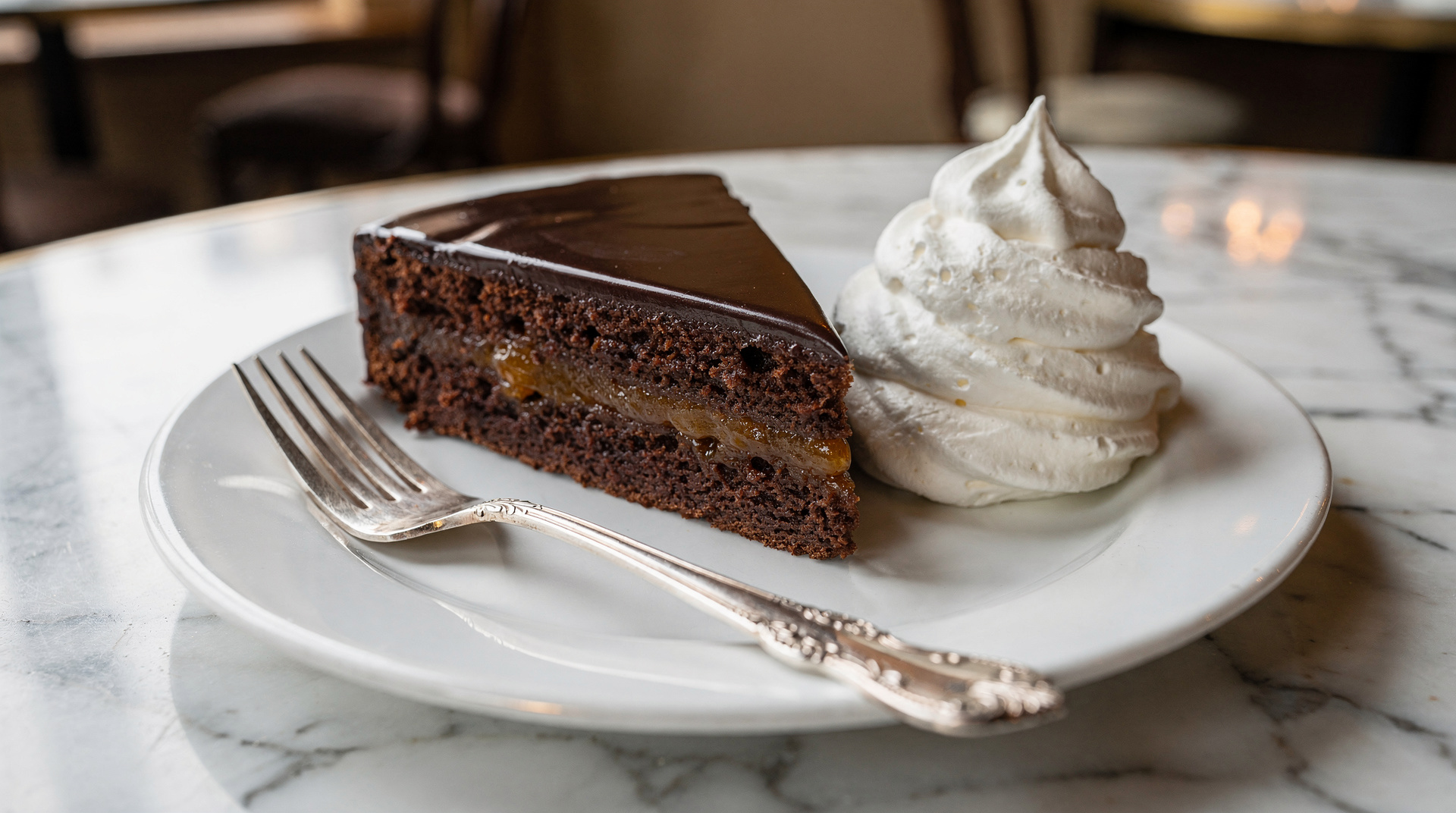
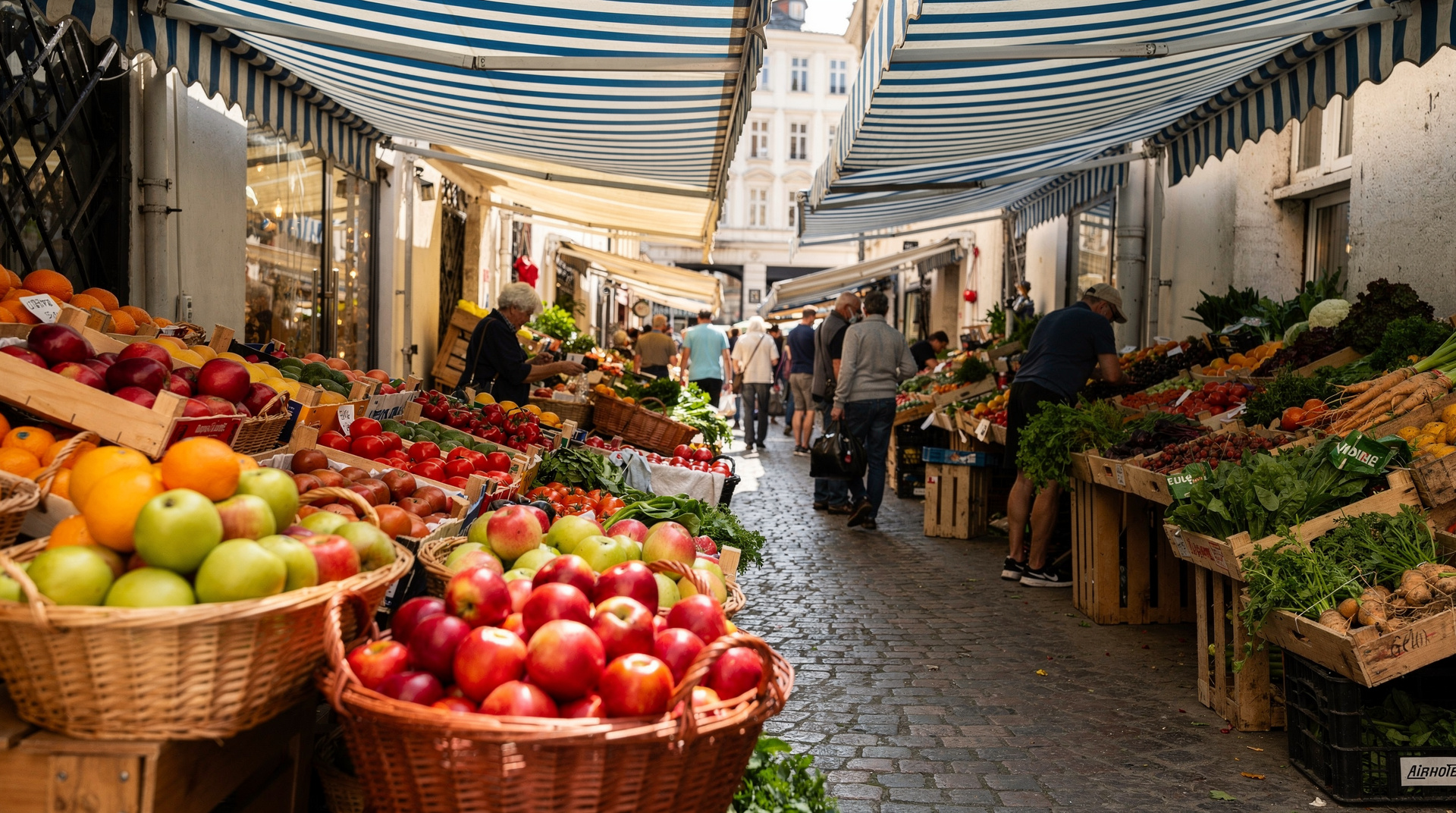
For a more casual, self-directed eating style, the Naschmarkt eating guide covers Vienna’s biggest market as a meal in itself — stalls, sit-down spots, and how to avoid the tourist-priced ones near the entrance. For dessert specifically, the Vienna pastry tour and the Sachertorte guide go deeper than the restaurant recommendations above.
If you’re deciding between several guided food experiences rather than one, the Vienna food tours compared guide ranks them by what they actually cover, so you can pick the one that matches your restaurant-finding goals rather than booking blind.
Food tours as a restaurant finder
If you’re spending more than 3 days in Vienna, a food tour on day 1 or 2 is worthwhile not just for the eating but for the restaurant intelligence. A good guide will tell you which specific restaurants are currently worth visiting, which have declined, and what the best current options are in each category.
The Vienna food tour typically includes guide recommendations for dinner restaurants that aren’t on the official tour — ask at the end.
The full-meal Austrian food tour functions partly as a restaurant introduction — by the end of the evening you’ve eaten in 3–4 different establishments and know which suits your style.
Building meals around your sightseeing
The easiest way to eat well is to let your day’s route decide the restaurant, not the other way round. Hunger usually strikes in the middle of a museum or palace visit, and that is exactly when visitors drift into the nearest place with a menu on the pavement. Decide your lunch stop in advance and the problem disappears.
If your morning is spent at the Hofburg palace or in the Imperial Apartments, you are already in the heart of the Innere Stadt, so walk a few streets away from the main squares before you sit down. The Innere Stadt neighbourhood page helps you read the map. After a long visit to Schönbrunn, the palace grounds have their own cafés, but the better meal is usually waiting back in town, so keep your appetite for the evening.
Around the MuseumsQuartier, the courtyard cafés are pleasant for a coffee, while the side streets of the 7th district offer the more interesting dinners. A day built around the Belvedere and the Naschmarkt area pairs naturally: gallery in the morning, market grazing at midday, a proper sit-down dinner at night.
Matching restaurants to your trip length
On a short visit, pick one big name meal and keep the rest informal. The Vienna weekend itinerary leaves natural gaps for exactly this: one booked dinner, a market lunch, and a coffeehouse afternoon. With more time, the 3-day itinerary lets you spread the traditional addresses across different evenings so you do not eat Schnitzel twice in a row. Travellers staying longer can use the how many days in Vienna guide to decide how much of the trip to give over to food.
Special occasions and different budgets
For a celebratory dinner, the Vienna honeymoon guide and the luxury guide suggest ways to turn a single evening into the centrepiece of the trip. If money is the main constraint, the Vienna on a budget guide shows how the Mittagsmenü, the Würstelstand and the market can carry most of your meals, leaving room for one proper restaurant night. Families will find the Vienna with kids guide useful, since early dining hours and individual portions suit children well. Solo travellers can read the solo travel guide, where the counter seats, wine bars and coffeehouses make eating alone easy and unremarkable.
Watching out for the traps
The pattern that separates a good restaurant from a trap is rarely the cuisine; it is the way the room is run. A host who stands outside and urges you in, a menu with photographs in six languages, and a very long list of dishes from every corner of the country are all warning signs. A short menu, a handwritten daily special and a dining room full of regulars are good ones. The Vienna tourist traps guide collects the wider pattern across the city, and the Sachertorte comparison shows the same logic applied to dessert.
Honest tips
The tourist restaurant trap is primarily geographic. Move two streets off Kärntner Straße in any direction and the ratio of quality to price improves dramatically.
Book everything you care about. Vienna has enough visitors and few enough good restaurants that the best places fill up. Plachutta on a Saturday night without a reservation is nearly impossible.
Cash is preferred at traditional restaurants. Gasthaus and Beisl culture is cash-first. Most restaurants accept cards now but may add a small surcharge. Carry €50–80 if you’re planning a significant dinner.
Order the lunch special. If you’re doing the Innere Stadt tourist circuit and want to eat at Plachutta or Figlmüller, the lunch menu (where available) is the same kitchen at 30–40% less cost.
Ask for tap water. Austrian tap water (Leitungswasser) is excellent and legally what you receive if you specifically ask. “Stilles Leitungswasser” clears up any ambiguity. Restaurants that refuse to serve tap water are in a tourist-trap category.
Frequently asked questions about Vienna’s restaurants
What is service like in Viennese restaurants?
Slower than you may be used to. The Viennese coffeehouse tradition (“the guest shall feel that the waiter doesn’t need him”) extends to many traditional restaurants. Waiters will not hover or rush you. Flag them down for the bill (say “Zahlen bitte” or catch their eye). This is a feature, not a bug.
Is it rude to share dishes in Viennese restaurants?
It’s not customary. Viennese dining is individual-portion culture — sharing dishes is seen as foreign behaviour in traditional restaurants and may confuse the service. Modern restaurants are more flexible.
Do Viennese restaurants serve early dinner?
Most restaurants don’t open for dinner until 6pm, with many starting service at 6:30–7pm. If you want to eat before 6pm you’re typically limited to coffeehouses, Würstelstände, and snack places.
How do I pay in Vienna restaurants?
Most restaurants now accept Mastercard and Visa. American Express has patchy acceptance outside upmarket establishments. Cash is always accepted. Tap-to-pay (contactless) is widely available. Tipping: round up to the nearest €5 or add 10% for good service — say the amount you want to pay when handing over cash rather than leaving it on the table.
Top experiences
Bookable activities with verified prices and instant confirmation on GetYourGuide.