Sachertorte: Sacher vs. Demel vs. tourist cafés — the real deal
Vienna: Typical Austrian Food Tour with Coffee House Visit
Where can I eat the real Sachertorte in Vienna?
Hotel Sacher makes the trademarked 'Original Sacher-Torte' with apricot jam middle layer. Demel makes a rival recipe (no middle jam layer) that is equally serious and quieter. Tourist cafés sell generic versions — they look similar but taste mediocre.
The most contested chocolate cake in Austria
The Sachertorte is one of the rare cases where a cake spawned a legal battle. From 1954 to 1963, Hotel Sacher and Demel — two of the grandest institutions in Vienna — fought in the Austrian courts over who had the right to sell the “Original” Sachertorte. The verdict transformed what is essentially a chocolate cake with apricot jam into a matter of Viennese identity.
This guide explains what makes the real thing different from the generic versions sold throughout the city, where to eat it, and how to choose between Sacher and Demel.
| Where | Café Sacher (Philharmoniker-Strasse 4) or Demel (Kohlmarkt 14), 1st district |
| Cost | Around €14–19 per slice with coffee; whole cakes from around €22 |
| Time needed | 45–60 minutes for a proper sit-down slice |
| Getting there | Both walkable from Stephansplatz or Karlsplatz |
| Best time | Opening (8–9am) or 3–4pm to skip the queue |
What you need to know
The history in brief
Franz Sacher, a 16-year-old apprentice chef, created the cake in 1832 on orders from Prince Metternich, who had requested a new dessert for an important dinner. Franz’s son Eduard Sacher later apprenticed at the Demel confectionery and then opened the Hotel Sacher in 1876, taking what he claimed was the original recipe with him.
Demel maintained that they had preserved Eduard’s original recipe. Hotel Sacher maintained they were the legitimate heirs. The lawsuit ran for nearly a decade. The eventual settlement: Hotel Sacher could use a round chocolate seal saying “Original Sacher-Torte.” Demel could sell their version but had to call it the “Eduard Sacher Torte” and use a triangular seal.
This dispute was taken so seriously in Austria that it was dubbed the “Sweet Conflict” (Süßer Streit) and is still taught in some Austrian law schools as an example of trademark litigation.
The recipe difference
The two versions differ in one key detail: the position of the apricot jam layer.
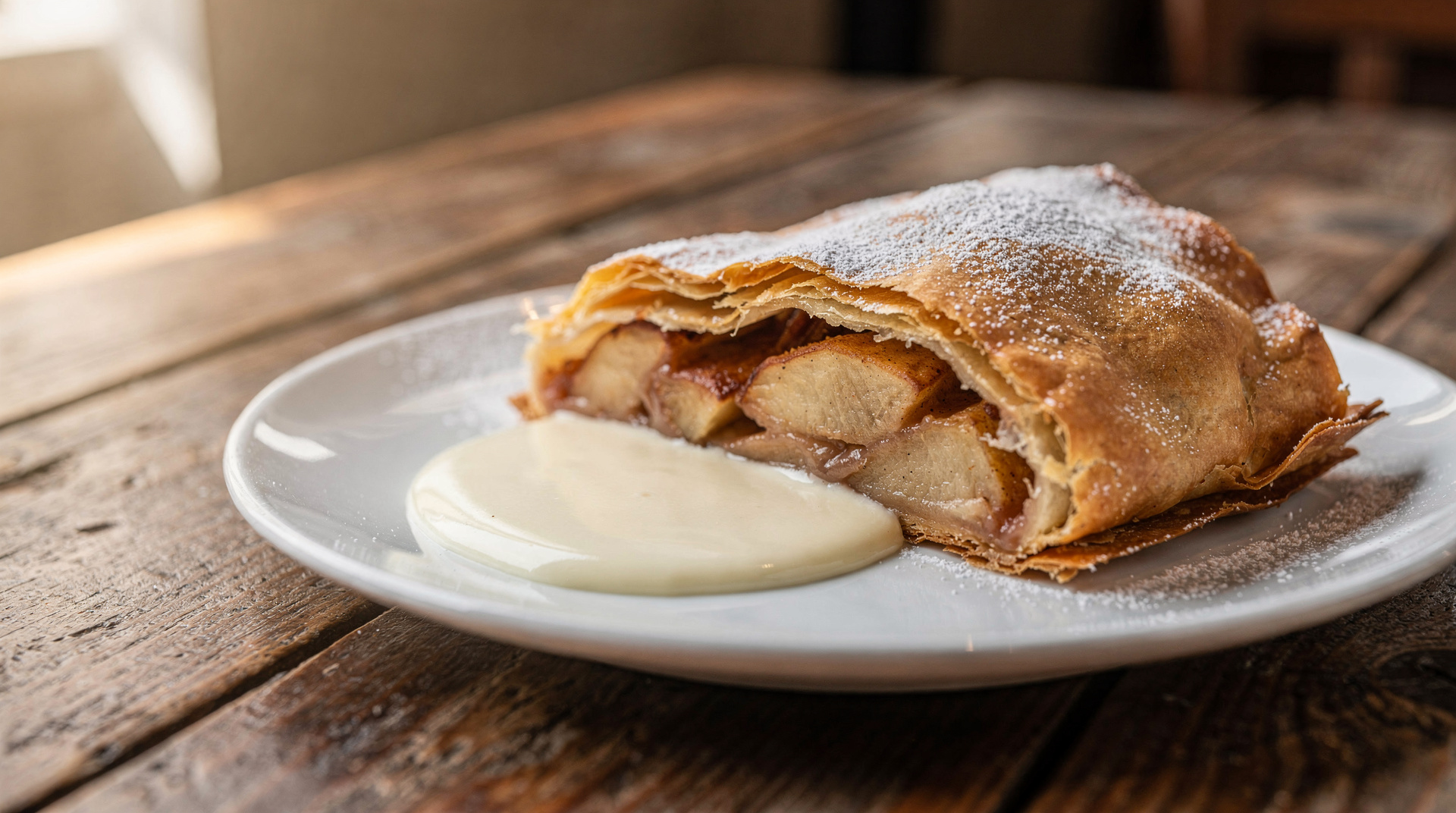
Hotel Sacher’s Original Sacher-Torte: Two layers of dense chocolate sponge separated by a thin layer of apricot jam, the whole cake then coated in smooth dark chocolate glaze. The result has a distinct jam note in every bite.
Demel’s Eduard Sacher Torte: The apricot jam sits only between the chocolate sponge and the outer glaze — not inside the cake itself. This produces a slightly different texture and flavour balance.
Which is better? Genuinely subjective. Both are excellent. The Sacher version is marginally richer due to the internal jam layer; the Demel version has a crisper outer texture.
Where to eat it
Café Sacher, Hotel Sacher
Address: Philharmoniker-Strasse 4, 1010 Vienna (behind the Staatsoper) Slice with coffee: approx. €16–19 Whole cake to take away: from €46
The theatrical experience. Café Sacher has deep-red velvet booths, attentive waitstaff in bow ties, and the seal-stamped Original Sacher-Torte on every table. The cake is dense, moist, and correctly made — the chocolate glaze is smooth and slightly bitter, the apricot jam adds tartness, and the whole thing is served with an unsweetened Schlagobers (whipped cream).
The queue is real. In summer and during the Christmas market season, waits of 30–60 minutes outside are normal. Strategies: go at 8am (opening), between 3–4pm, or book a table for Kaffee und Kuchen (coffee and cake) via the hotel’s reservation system.
Alternatively, walk around to the hotel bakery shop (Sacher Eck, around the corner) and buy a slice to go — no wait, same cake, about €7.
Demel
Address: Kohlmarkt 14, 1010 Vienna Slice with coffee: approx. €14–18
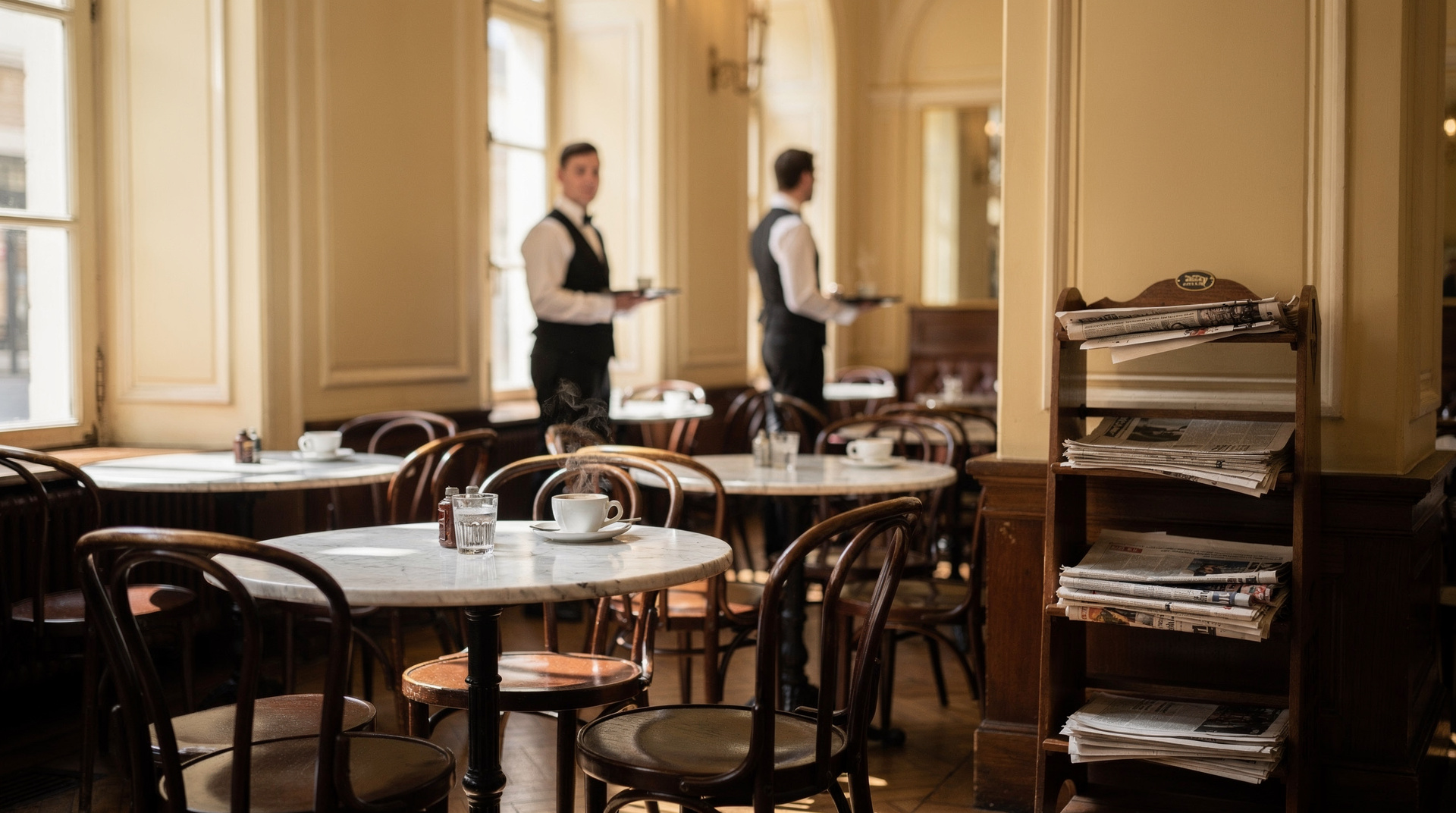
Demel is the grander and more ornate confectionery: high ceilings, gilded showcases, glass viewing windows into the kitchen, and walls lined with sugar sculptures. It’s also generally less crowded than Café Sacher, making it a more pleasant sit-down experience during peak season.
Demel’s version of the cake is excellent and serious — this is not a consolation prize. The Eduard Sacher Torte is made with similar care and high-quality ingredients. Demel also produces a wide range of other exceptional Viennese pastries and chocolates, so it’s worth lingering over the cake counter before ordering.
See the comparison of Vienna’s historic cafés for a fuller picture of Demel vs. Café Sacher as total experiences.
What to avoid: generic “Sachertorte” in tourist cafés
No legal protection exists for the name “Sachertorte” beyond the specific trademarks held by Sacher (for “Original Sacher-Torte”) and Demel (for “Eduard Sacher Torte”). Every café in Vienna can legally sell a cake called “Sachertorte.”
Most of them do. And most of these are significantly inferior.
Identifying a generic tourist version:
- Pre-portioned slices kept in a refrigerated display case for hours
- Very sweet, sticky jam with a floral or preserved-fruit synthetic note
- Thin chocolate glaze that is dull rather than glossy
- Dry or crumbly sponge
- Served cold rather than at room temperature
The restaurants along Kärntner Straße and Graben that display Sachertorte slices in their café windows typically fall into this category. A slice at these places costs €9–14 — comparable to Demel — but the quality is incomparable.
Sacher vs. Demel vs. tourist café: the honest comparison
| Café Sacher | Demel | Tourist café | |
|---|---|---|---|
| Jam position | Inside the sponge | Under the glaze only | Varies, often synthetic-tasting |
| Price/slice | €16–19 with coffee | €14–18 with coffee | €9–14 |
| Queue | 30–60 min peak season | Usually shorter | Rarely any queue |
| Setting | Theatrical, red velvet | Grander, more ornate | Generic café interior |
| Verdict | The trademarked original | Equally serious rival | Skip unless desperate |
If you’d rather widen the café search beyond Sachertorte alone, the best coffee houses in Vienna guide and the Viennese coffee house guide cover the wider Kaffeehaus culture that both Sacher and Demel are part of.
How to buy Sachertorte to take home
Both Hotel Sacher and Demel sell whole Sachertortes packaged in round wooden boxes. They are shelf-stable (preservative-free but tightly sealed) for 3 weeks, making them viable as gifts or to eat at home after your trip.
Hotel Sacher shop: Available at the hotel and at the airport Vienna Schwechat duty-free shops. A standard 12-portion cake: around €46–50. Mini versions (3–4 portions) available from €22.
Demel shop: On Kohlmarkt, prices broadly similar.
If you plan to fly back with one, the wooden box is designed to survive as hand luggage. Just don’t let it get crushed.
Doing the Sacher-Demel comparison in one afternoon
Because both cafés sit within a 10-minute walk of each other in the 1st district, it’s entirely feasible to try both versions on the same trip and form your own opinion on the Süßer Streit. A practical approach: have your Café Sacher slice mid-morning after opening (shortest queue), walk the short distance to Kohlmarkt, browse Demel’s confectionery counter and sugar sculptures, then order a smaller Demel slice with an Einspänner rather than a full second dessert. Splitting portions with a travel companion makes the comparison manageable without over-eating cake before lunch. This side-by-side approach is, in miniature, exactly the kind of debate Viennese locals still have, decades after the court case was settled.
Tickets and tours
The Austrian food and coffee house experience pairs naturally with a Kaffehaus visit — many food tours include a stop for coffee and cake at a traditional café, explaining the cultural context alongside the tasting.
The Austrian food and coffee house tour includes a coffeehouse stop with explanation of Viennese pastry traditions — a good way to contextualise the Sachertorte experience.
The Vienna food tour covers a broader range of Viennese food including pastries, and guides can recommend the best current option for authentic Sachertorte.
Honest tips
Sit down at Sacher or Demel at least once. The cake tastes noticeably better when eaten fresh, at room temperature, in the correct environment with good coffee. Taking a slice to eat on a bench outside doesn’t do it justice.
The takeaway wooden box makes an excellent gift — but buy it early in your trip and leave it unopened in your hotel room. Don’t carry it around all day in a tourist rush.
Demel has shorter queues and equally serious cake. If the Café Sacher line is dispiriting, walk five minutes to Demel. You are not getting an inferior product; you are getting a different version of a dispute that was settled in court 60 years ago.
Pair it with an Einspänner (espresso topped with whipped cream) rather than a Melange. The bitterness of the espresso cuts through the sweetness of the chocolate in a way that a milky Melange doesn’t.
The Sacher hotel shop sells mini cakes (3–4 person size) from around €22. A better format for solo travellers or couples than the full 12-portion cake.
Seasonal note: Both Sacher and Demel are open year-round but are particularly atmospheric during the Christmas market season (mid-November to 23 December) and on quiet winter mornings. The tourist crush in summer is real.
Making the cake part of a wider day
Both cafés sit in the Innere Stadt, so the cake slots easily into a day of sightseeing on foot. Café Sacher stands right behind the Vienna State Opera, which makes it a natural pause before or after a visit there. If you want a second opinion on the cake question, the Sachertorte real vs. tourist guide takes a slightly different angle on the same choice, and the first-person Sachertorte pilgrimage diary shows what it is like to do the rounds in practice.
The same instinct that helps you avoid a weak slice applies across the city. The Vienna tourist traps guide and the guide to Viennese coffee tourist traps explain how to spot places that trade on a famous name. If you are unsure what to order with your cake, Viennese coffee types explained decodes the menu, and the coffee house etiquette guide covers how to sit, order and linger without feeling rushed. Buying souvenirs to take home? The Mozartkugel original vs. fake guide applies the same honest-planner logic to the other famous Austrian sweet. Anyone weighing a guided tasting should also look at the Vienna food tours compared guide.
Making a full food stop of it
Sachertorte works well as one stop on a broader Vienna food itinerary rather than a standalone errand. Pair it with lunch at one of the restaurants in the Vienna food guide or a Wiener Schnitzel beforehand — Viennese portions mean cake is best enjoyed as a mid-afternoon break rather than straight after a heavy meal. The Vienna restaurants guide and the dedicated Vienna pastry tour both make good companions to this guide if pastry is a trip priority rather than a single stop.
Frequently asked questions about Sachertorte
How long does a Sachertorte last?
The sealed Sacher wooden-box cakes last approximately 3 weeks at room temperature. Once opened, consume within 3–4 days. Refrigeration is not recommended as it dries the sponge.
Is Sachertorte served warm or cold?
Room temperature. Both Sacher and Demel serve it at around 18–20°C. Tourist cafés often store their slices refrigerated and may not bring them to temperature before serving — this is one of the clearest quality indicators. Cold Sachertorte has a heavier, greasier texture.
Why is the Schlagobers (whipped cream) unsweetened?
Viennese tradition. The unsweetened whipped cream provides contrast to the sweet cake and bitter chocolate. Sweetened cream would make the combination cloying. This is one of the details that distinguishes proper Viennese service from tourist-adapted service.
Can I visit the Sacher kitchen or bakery?
Not regularly as a tourist, but occasional special events and baking classes are available through the hotel. The Demel café has glass windows into the kitchen where you can watch confectionery work happening during opening hours.
Are there other Viennese cakes worth trying?
Absolutely. Doboschtorte (layered sponge with caramel), Linzer Torte (oldest cake recipe in the world, almond and redcurrant), Malakoff Torte (rum-cream ladyfinger cake), and Esterhazy Torte (almond meringue layers) are all excellent and less exported than Sachertorte. Demel and Café Central are the best places to explore these.
Top experiences
Bookable activities with verified prices and instant confirmation on GetYourGuide.