Vienna food tours compared: which one is worth booking?
Vienna: Best of Vienna Food Tour
Which is the best food tour in Vienna?
The Best of Vienna Food Tour (2.5–3 hours) is the most versatile. For a full meal experience, the Ultimate Full-Meal Austrian Food Tour covers more ground and includes sit-down portions. For market-only focus, the Naschmarkt Gourmet Tour is ideal.
Why a food tour makes sense in Vienna
Vienna’s food landscape is genuinely complex. The city has excellent Viennese classics, a thriving international food scene centred on the Naschmarkt, a coffee house culture that requires decoding, and a persistent tourist-trap layer that can trap the unwary into paying €28 for industrial Schnitzel. A knowledgeable guide shortens the learning curve considerably.
Food tours in Vienna typically run 2–3 hours, cover 4–7 stops, and include food at each stop (sometimes drinks). The best ones explain cultural context — why Viennese coffeehouses are UNESCO heritage, how Heurigen wine culture works, what the difference between Sachertorte at Hotel Sacher and a tourist-café version actually is.
This guide compares the main options honestly, without pretending every tour is equally good.
| Where | Naschmarkt and the central 1st/6th districts |
| Cost | around €45–130 per person, depending on length |
| Time needed | 2–4 hours, mostly on foot |
| Getting there | walkable from Karlsplatz or Kettenbrückengasse U-Bahn |
| Best time | morning starts (9–10am); book Saturdays well ahead |
What you need to know
What to expect from a Vienna food tour
A typical mid-tier Vienna food tour runs 2–2.5 hours and covers:
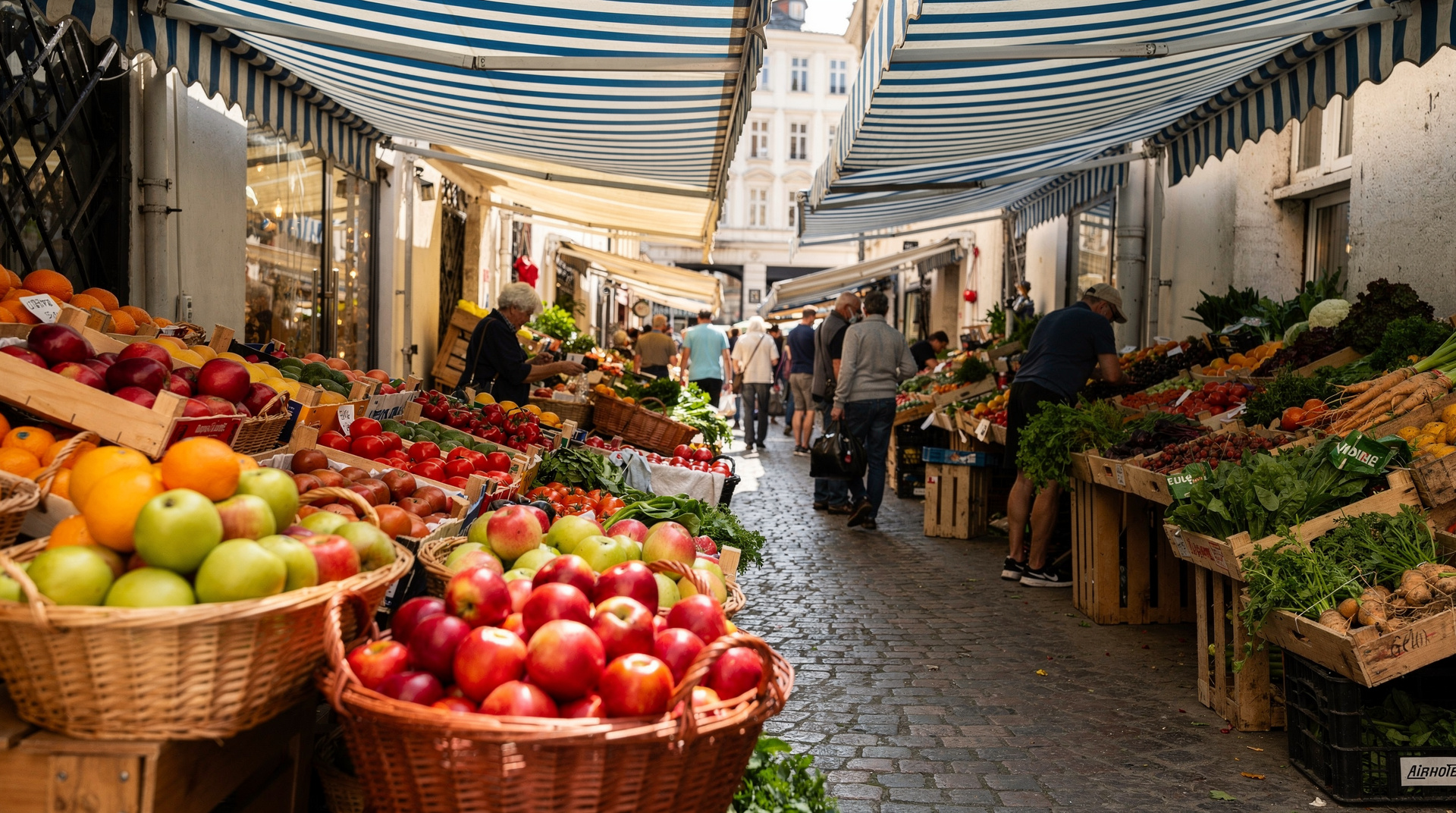
- Naschmarkt or similar market — 2–3 tastings (cheese, sausage, olives, bread)
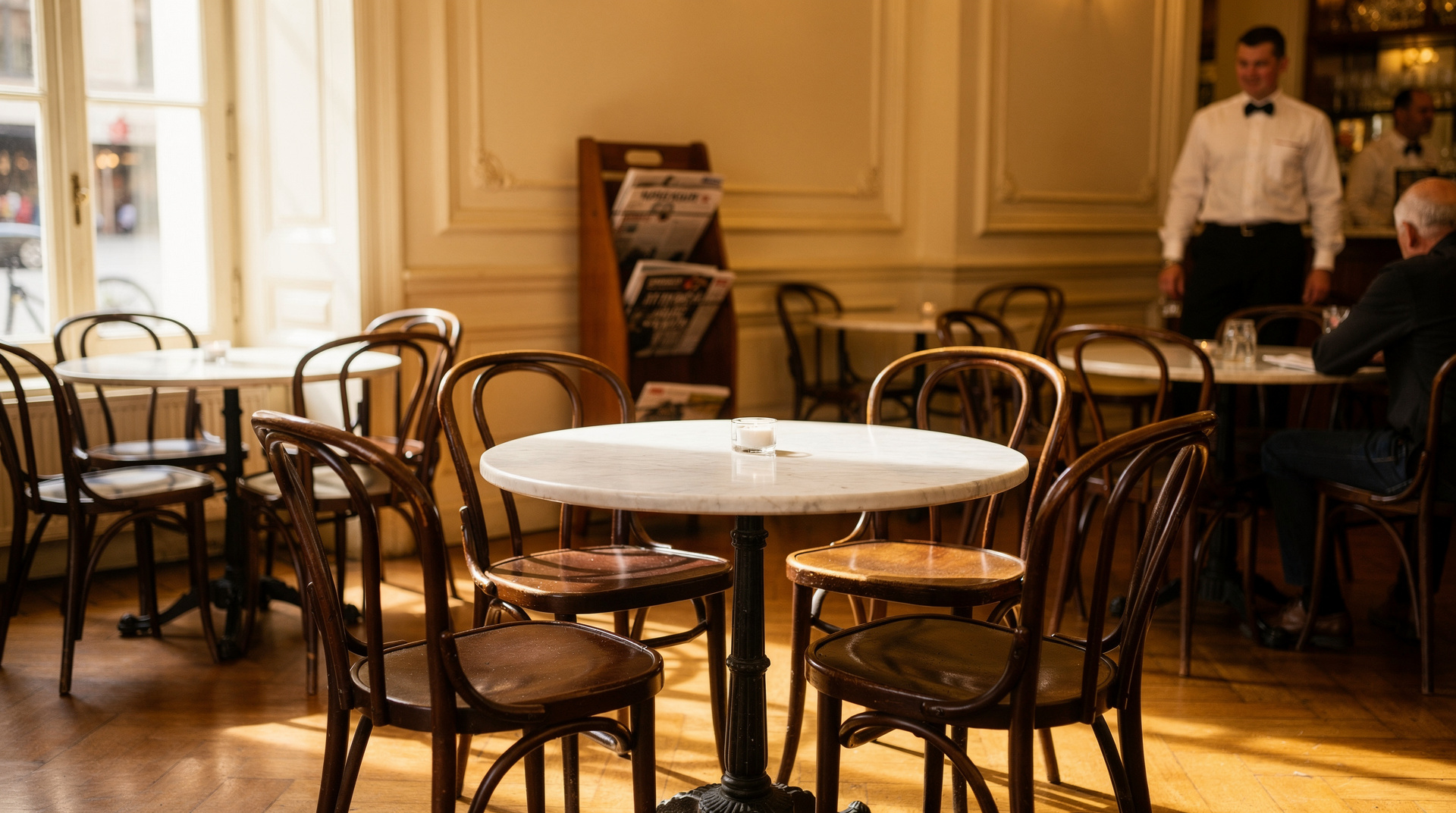
- Traditional café or Kaffehaus — coffee tasting, pastry
- Würstelstand — Käsekrainer sausage with bread and mustard
- Wine or beer stop — glass of Grüner Veltliner or local beer
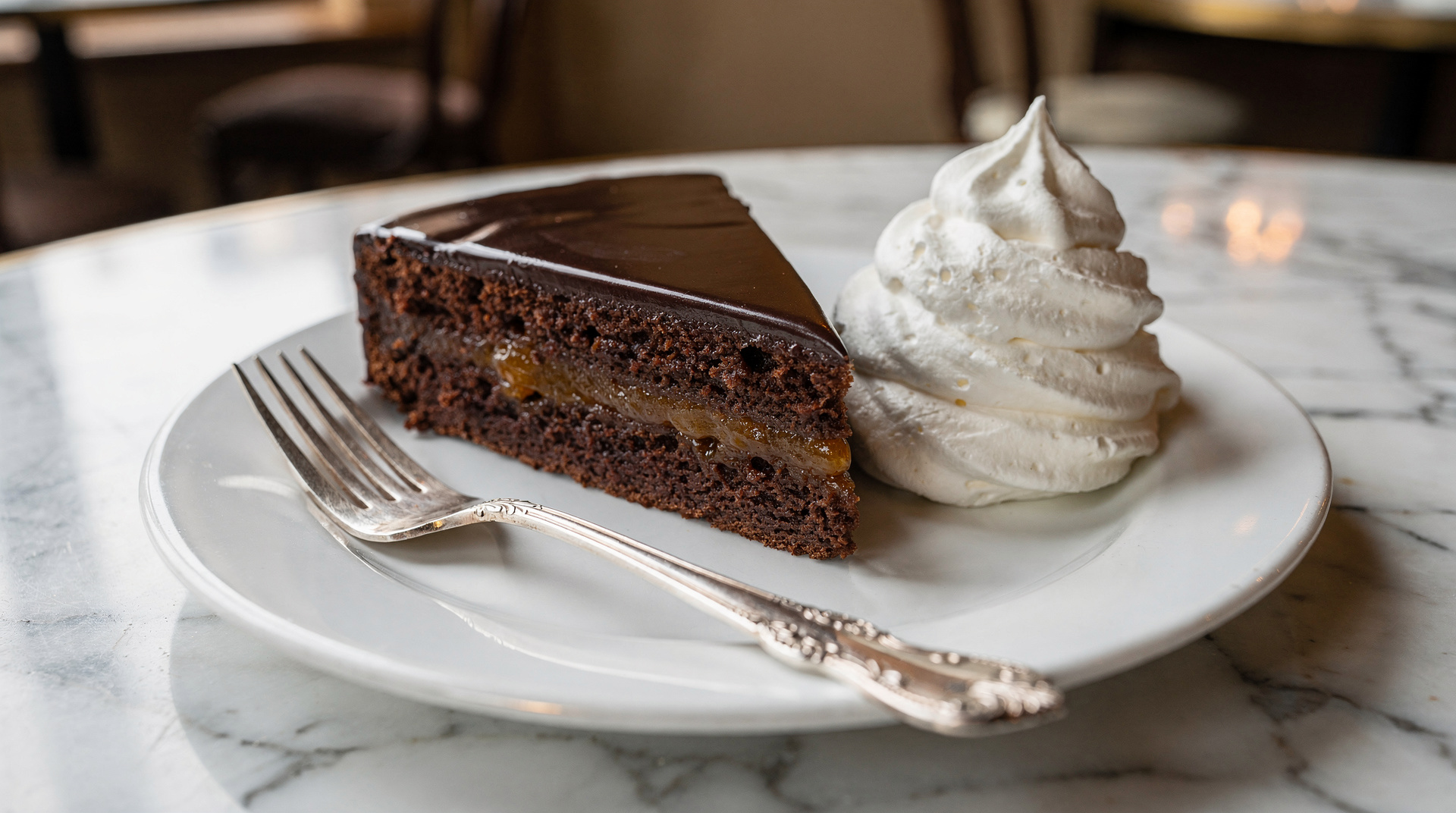
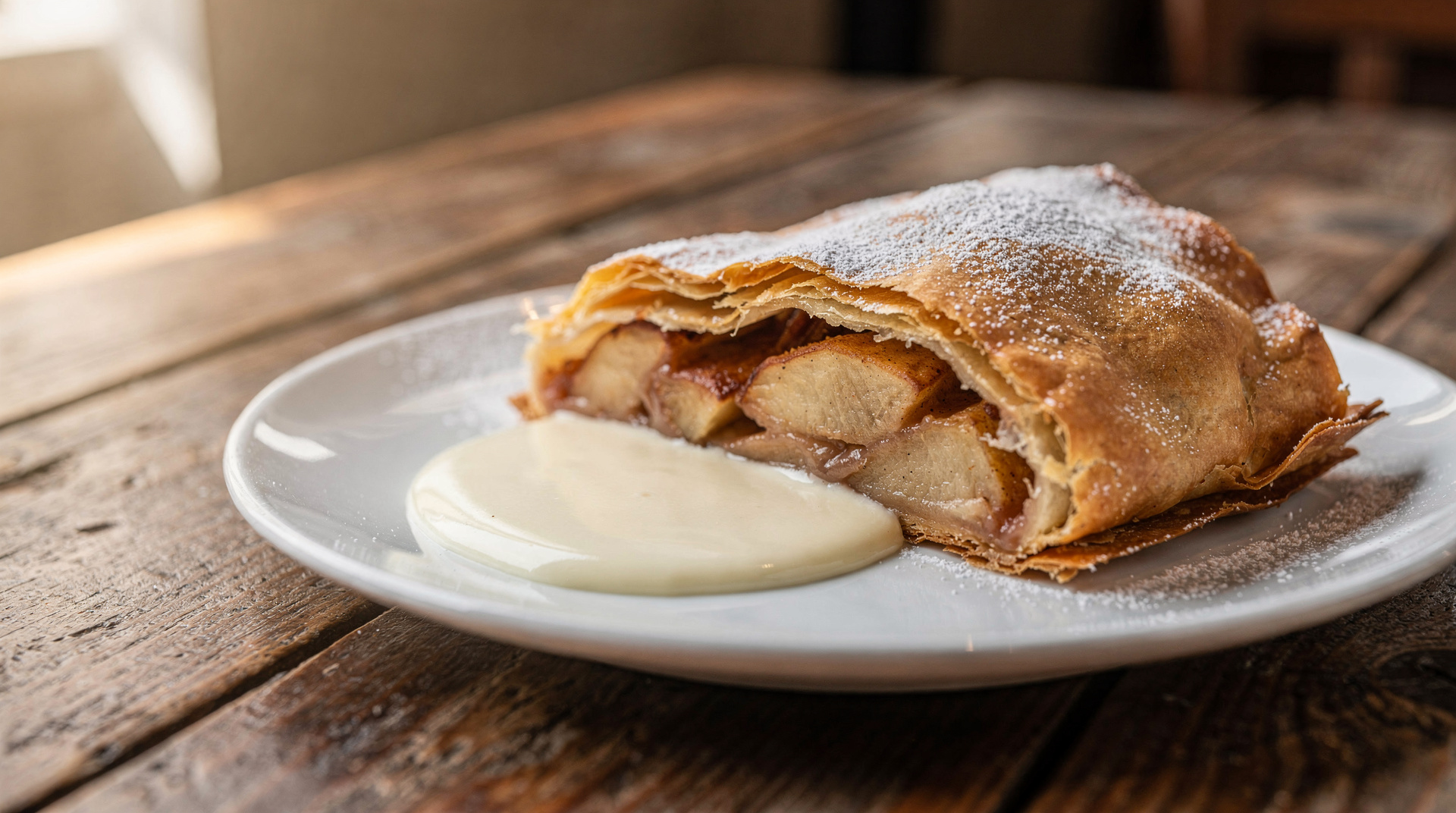
- Pastry or cake tasting — Strudel, Sachertorte, or similar
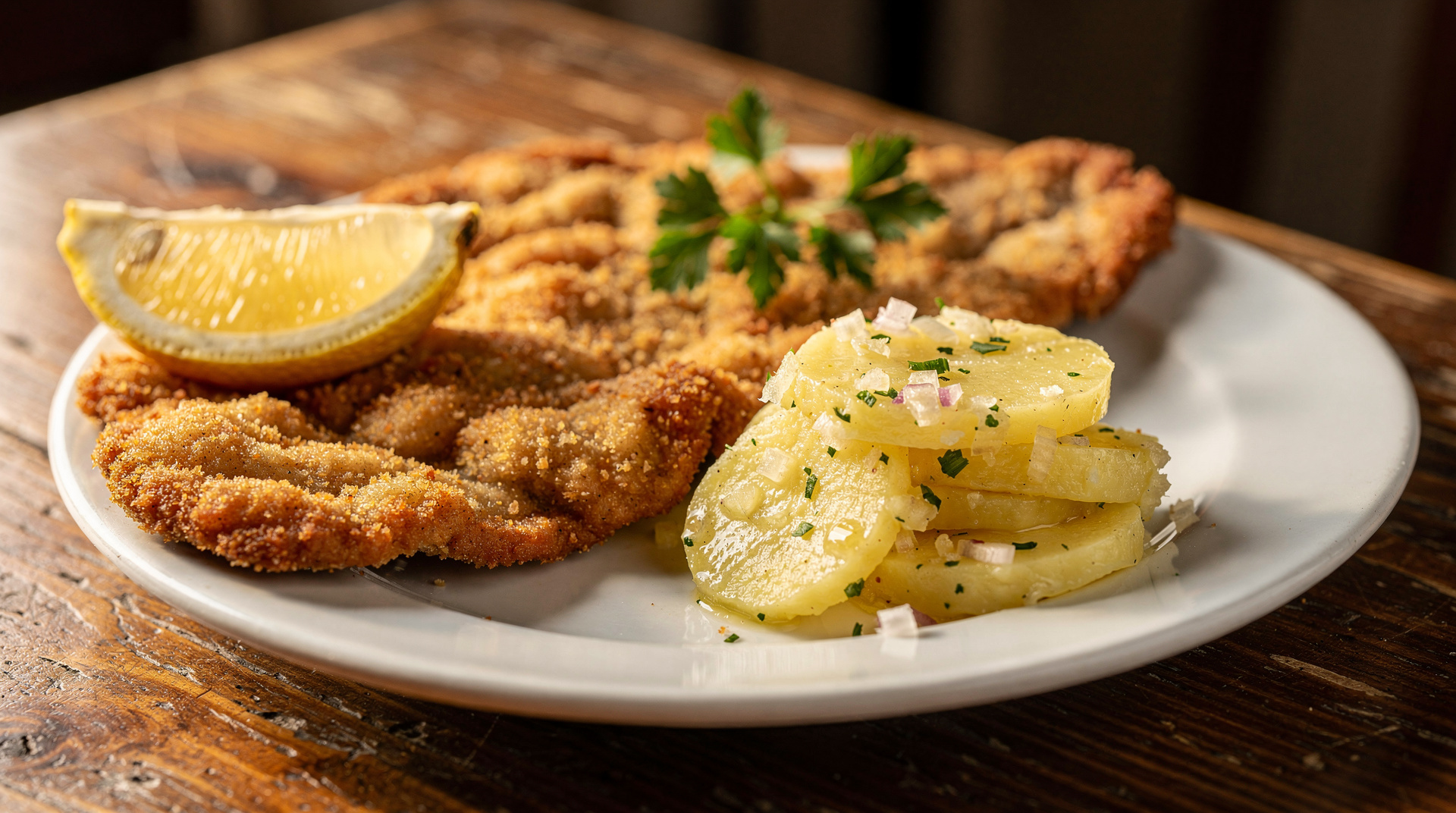
Longer tours (3+ hours) add a full sit-down course at a traditional restaurant, covering Schnitzel or Tafelspitz.
Group size matters
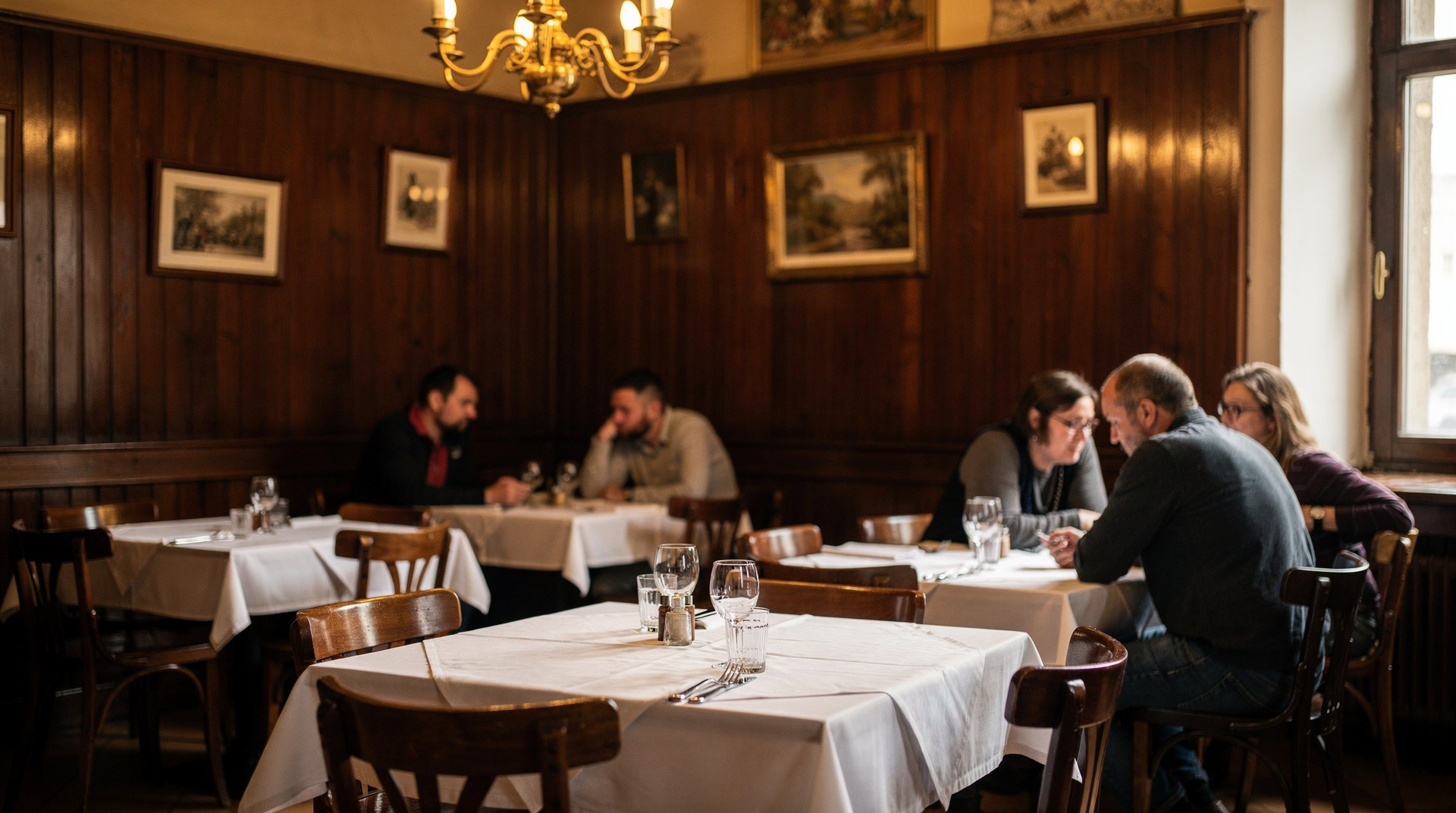
Small-group tours (8–12 people maximum) are significantly better than large-group tours (20+). At small stops like a Würstelstand or a market stall, a large group can’t cluster around without blocking foot traffic or overwhelming the vendor. Look for tours specifying “small group” — the capacity cutoff is usually 12–15.
Walking distance
Most food tours cover 3–5km on foot across 2–3 hours. Comfortable walking shoes are essential. The terrain is flat in the central districts and Naschmarkt area.
Tour comparison
The Best of Vienna Food Tour
Duration: 2.5–3 hours Group size: Small group (typically up to 12) What’s included: Naschmarkt tastings, Kaffehaus stop, Würstelstand, Austrian wine, Strudel
The most versatile option and the one that suits the widest range of travellers. A competent guide covers the key stops efficiently, explains the context, and leaves you with both full knowledge and a reasonably full stomach. Not a full replacement for dinner — more a substantial afternoon snack accompanied by cultural education.
Best for: first-time visitors wanting an efficient overview of Viennese food culture.
Book the Best of Vienna Food TourThe Ultimate Full-Meal Austrian Food Tour
Duration: 3.5–4 hours Group size: Small group What’s included: Multiple sit-down stops, a full Schnitzel course, traditional Austrian dessert, wine pairing
The premium option. This tour is explicitly designed to replace a restaurant dinner — you eat full portions at each stop rather than tastes. If your goal is to understand and eat Viennese food in depth (rather than just sample it), this is the appropriate choice. More expensive accordingly.
Best for: serious food travellers, couples celebrating a special occasion, anyone who wants the food experience without the research burden of finding the right restaurants.
Book the Full-Meal Austrian Food TourThe Naschmarkt Gourmet Tour
Duration: 2–2.5 hours Group size: Small group (typically up to 10) What’s included: Naschmarkt-specific tastings (6–8 stops within the market), Austrian wine, guide commentary on vendors
Market-focused rather than city-wide. This tour doesn’t leave the Naschmarkt — it goes deep within it. The guide knows specific vendors, explains the history of the market, and takes you to stalls you’d miss on a self-guided walk. Better for: repeat Vienna visitors who’ve done a general food tour before, or anyone with a specific interest in markets and ingredient shopping.
Best for: market enthusiasts, food writers, anyone who wants to understand the Naschmarkt specifically rather than Viennese food generally.
Book the Naschmarkt Gourmet TourThe Austrian Food and Coffee House Tour
Duration: 2–3 hours Group size: Small group What’s included: Austrian food tastings, extended Kaffehaus visit with coffee tasting, pastry, explanation of coffee types
Coffee-house-centric. If your primary interest is the Kaffehaus culture rather than the Schnitzel and market culture, this tour provides the deepest coverage of Vienna’s historic coffeehouses, coffee types (Melange, Einspänner, Mokka, etc.), and pastry traditions. Pairs well with the Viennese coffee types explained guide for background reading.
Best for: coffee lovers, anyone visiting Vienna primarily for the café culture, travellers who’ve already done the market tour on a previous visit.
Book the Austrian Food and Coffee House TourHow to choose
| Your situation | Best option |
|---|---|
| First trip to Vienna, want an overview | Best of Vienna Food Tour |
| Want a full meal, not just tastes | Ultimate Full-Meal Food Tour |
| Specifically interested in the Naschmarkt | Naschmarkt Gourmet Tour |
| Coffee and café culture is your priority | Austrian Food and Coffee House Tour |
| Very limited time (under 2 hours) | None — self-guide the Naschmarkt instead |
Self-guided alternative
If you prefer independent exploration, the Naschmarkt eating guide and Vienna food guide together cover the key information. The downside is no guide to explain context, no insider stall recommendations, and a higher risk of making avoidable mistakes (eating at sit-down restaurants inside the market, for example, where value is poor).
Self-guided food exploration works better in the afternoon when you can see which stalls have queues of locals — that’s the reliable quality indicator.
What a food tour won’t replace
A food tour is not a substitute for a proper sit-down dinner, and it isn’t meant to be — even the Ultimate Full-Meal option is designed around grazing several stops rather than a leisurely single restaurant experience. If you want the definitive Wiener Schnitzel or Tafelspitz dinner, plan that separately using the best restaurants in Vienna guide rather than expecting a food tour to deliver it. Similarly, a food tour introduces you to Sachertorte in a tasting portion; if you want to properly compare the Hotel Sacher and Demel versions side by side, the Sachertorte real vs tourist guide is the better resource, and a dedicated visit is worth the extra hour.
Combining a food tour with the rest of your trip
Food tours work best scheduled early in a Vienna visit rather than late — the vendor and café recommendations you pick up are far more useful if you still have days left to act on them. A morning food tour followed by an afternoon at the Naschmarkt on your own lets you return to the stalls the guide highlighted, this time without a group schedule. Evenings are well spent using what you learned about coffee houses at a proper Viennese Kaffeehaus, armed with the etiquette and order the guide explained. If your trip includes a Wachau day trip, save any wine tastings for there — a Vienna food tour glass of Grüner Veltliner is a taste, not a wine education.
Pairing a tour with other food experiences
A food tour works best as one piece of a wider eating plan rather than the whole of it. Think of it as the orientation session: it teaches you what to look for, and the rest of your stay is where you put that knowledge to use.
If the tour sparks an interest in sweets, the Vienna pastry tour guide goes further into the cake counters and confectioners that a general tour can only touch briefly. If it is the market that wins you over, the Naschmarkt area page explains how the surrounding streets fit together, so you can wander beyond the stalls the guide pointed out.
Wine is another natural follow-up. A single glass on a tour introduces Grüner Veltliner, but the Grüner Veltliner guide explains what to look for on a list, and the Heuriger guide shows how to turn that curiosity into an evening at a wine tavern on the city’s edge. Anyone who wants to see where those wines come from can read the Wachau wine route guide when planning a day out of the city.
Matching a tour to your travel style
Couples. The Ultimate Full-Meal option suits couples who want dinner and an introduction in one booking. It removes the pressure of choosing a restaurant on a first evening, and the pace is relaxed enough for conversation. If your trip is a celebration, the Vienna honeymoon guide has ideas for building the rest of the days around a food-led start.
Solo travellers. A small-group food tour is one of the easier ways to meet people on your own. Everyone is standing around the same plate, which makes conversation come naturally, and you are never stuck eating alone at a table for two. The solo travel in Vienna guide covers other ways to make a first day feel comfortable.
Families. Check the booking page before bringing children. Tours are built around tastings of wine, coffee and strong flavours, and the walking pace may not suit very young travellers. Older children who like trying new things often enjoy the sausage stand and pastry stops most. For other ideas, see the Vienna with kids guide.
Budget-conscious visitors. The shorter market-focused tours cost less than the full-meal option, and a tour that replaces a meal can work out sensibly against a restaurant bill. If money is tight overall, the Vienna on a budget guide shows where to save elsewhere so you can still afford one good guided meal.
Reading the tour description before you book
Tour pages all sound enthusiastic, so it helps to look for the details that separate a good booking from a disappointing one.
- Stops named in the description. A tour that lists specific stops and food items is usually better planned than one that promises “local specialities” in general terms.
- Whether food is tastings or portions. This is the single biggest difference between the shorter and longer tours, and it decides whether you need dinner afterwards.
- What is included in the price. Check whether drinks are covered at every stop or only at some. Water and extra coffee are the usual surprises.
- Meeting point and finish point. A start near a U-Bahn station and a finish in the centre make the rest of your day easier. If you plan to continue to a museum afterwards, the best museums in Vienna guide can help you choose one close to where you end up.
- Cancellation terms. Weather and travel plans change, so a flexible policy is worth having.
Where a food tour fits in a short stay
On a short visit, a food tour is most efficient in the first half of the trip. Our three-day Vienna itinerary leaves room for a morning guided tasting before the afternoon sights, and the Vienna weekend itinerary can absorb a tour on the first morning without crowding the schedule. Visitors with more time can follow the lighter pace of the five-day Vienna itinerary and leave a full free afternoon after the tour to revisit favourite stops.
If you are still working out how long to stay, the how many days in Vienna guide helps you decide how much space a food-focused morning deserves.
Avoiding tourist-trap meals after the tour
One lasting benefit of a good tour is learning to recognise the difference between a place that serves locals and one that serves queues of visitors. Carry that eye with you. The Vienna tourist traps guide lists the habits and spots that catch out first-timers, and the Schnitzel guide is a useful companion for choosing where to eat the dish properly once you have tasted a sample on tour.
Honest tips
Book in advance, especially on Saturday. Saturday morning tours fill up first. Book at least 5–7 days ahead for peak season; 24 hours in advance may work for midweek.
Wear layers. Tours run regardless of weather and the Naschmarkt has covered and uncovered sections. A light jacket is advisable even in summer.
Tell the guide about dietary restrictions immediately. Most guides can accommodate vegetarians, but advance notice means they can plan alternative tastings. Vegan options are more limited at traditional Austrian stops.
Bring water. You’re tasting a lot of food over 2–3 hours. Staying hydrated between stops is important.
Take notes or photos. The specific restaurant and stall recommendations you receive from a good guide are worth recording — you’ll want to return to specific places after the tour.
Frequently asked questions about food tours in Vienna
Are food tours in Vienna conducted in English?
Yes. All major food tour operators in Vienna offer English-language tours as their primary option. Some offer tours in German, French, or Spanish on request. Check the booking page for language availability.
Can I book a private food tour?
Yes. Private versions of most standard food tours are available, typically at 2–3x the cost. Worth considering for groups of 4 or more who want a fully tailored itinerary, or for visitors with significant dietary restrictions.
What happens if it rains?
Tours run in light rain — the Naschmarkt has covered sections. Most operators cancel in severe weather and offer a refund or reschedule. Check the cancellation policy before booking.
Is tipping expected?
In Austria, tipping is appreciated but not obligatory. €5–10 per person for a good guide is a standard tip for a 2–3 hour tour.
Top experiences
Bookable activities with verified prices and instant confirmation on GetYourGuide.