Viennese coffee types explained: Melange, Einspänner, Mokka and more
Vienna: Typical Austrian Food Tour with Coffee House Visit
What are the main Viennese coffee types?
The core types: Melange (espresso + steamed milk, similar to a latte macchiato), Einspänner (double espresso under a cap of whipped cream), Mokka (strong black espresso), Großer/Kleiner Brauner (espresso with a drop of cream), and Verlängerter (espresso diluted with water, like Americano).
The Viennese coffee menu: a guide to ordering correctly
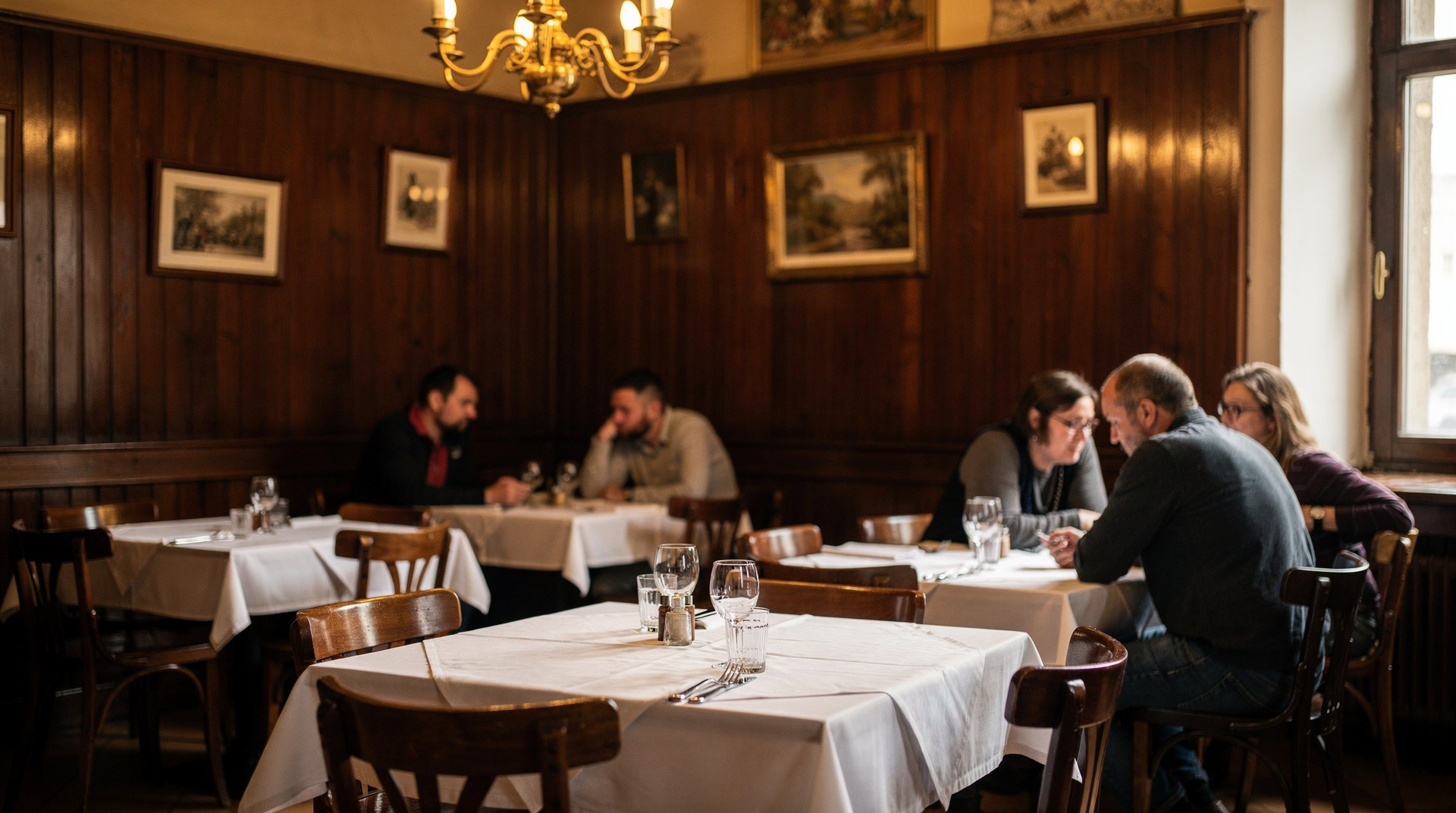
Walking into a Viennese Kaffehaus and asking for “a coffee” is perfectly acceptable — the waiter will interpret it and bring you something reasonable. But it is a missed opportunity. The Viennese coffee menu is a lexicon that carries 350 years of history, and knowing it transforms the ordering experience from a transaction into a ritual.
This guide explains every main coffee type you’ll encounter on a Viennese café menu, what each tastes like, its historical background, and when to order it.
| Where to order | Any traditional Kaffehaus — Central, Landtmann, Sperl, Hawelka |
| Cost | around €3.50–5 for most types; €6–8 for cream/liqueur coffees |
| Easiest starter order | Melange — “Einen Melange, bitte” |
| Best afternoon order | Einspänner, paired with an Apfelstrudel |
| Best evening order | Fiaker or Maria Theresia (both contain alcohol) |
Think of this page as the vocabulary lesson that comes before the rest of your coffee-house planning. Once you know the names, the Viennese coffee house guide tells you what a Kaffehaus is for, and the coffee house etiquette guide covers how long you may sit, how to catch the waiter’s eye and when to pay. If you are still choosing where to go, the comparison of Café Central, Landtmann and Sacher is a good next step.
What you need to know
The coffee itself
Viennese coffeehouses use espresso as the base for most coffee preparations — typically a blended roast that is slightly darker than Italian standard but not the severely dark roast common in some French or American café cultures. The emphasis is on rich, rounded flavour rather than extreme intensity. Crema should be present but not dominant.
Milk-based coffees use proper steamed milk (not ultra-frothy microfoam). The Schlagobers (whipped cream) used on top of Einspänner, Fiaker, and Maria Theresia is always unsweetened — the sweetness balance is the coffee’s job, and the cream provides fat richness and temperature contrast.
The glass tradition
Many Viennese coffees are served in glass rather than ceramic cups — particularly the Einspänner, Fiaker, and Maria Theresia. This is historical: glass allowed coachmen and outdoor workers to hold the cup from the top (not the handle) with a steady grip. It also displays the layers of coffee and cream visually.
The water glass
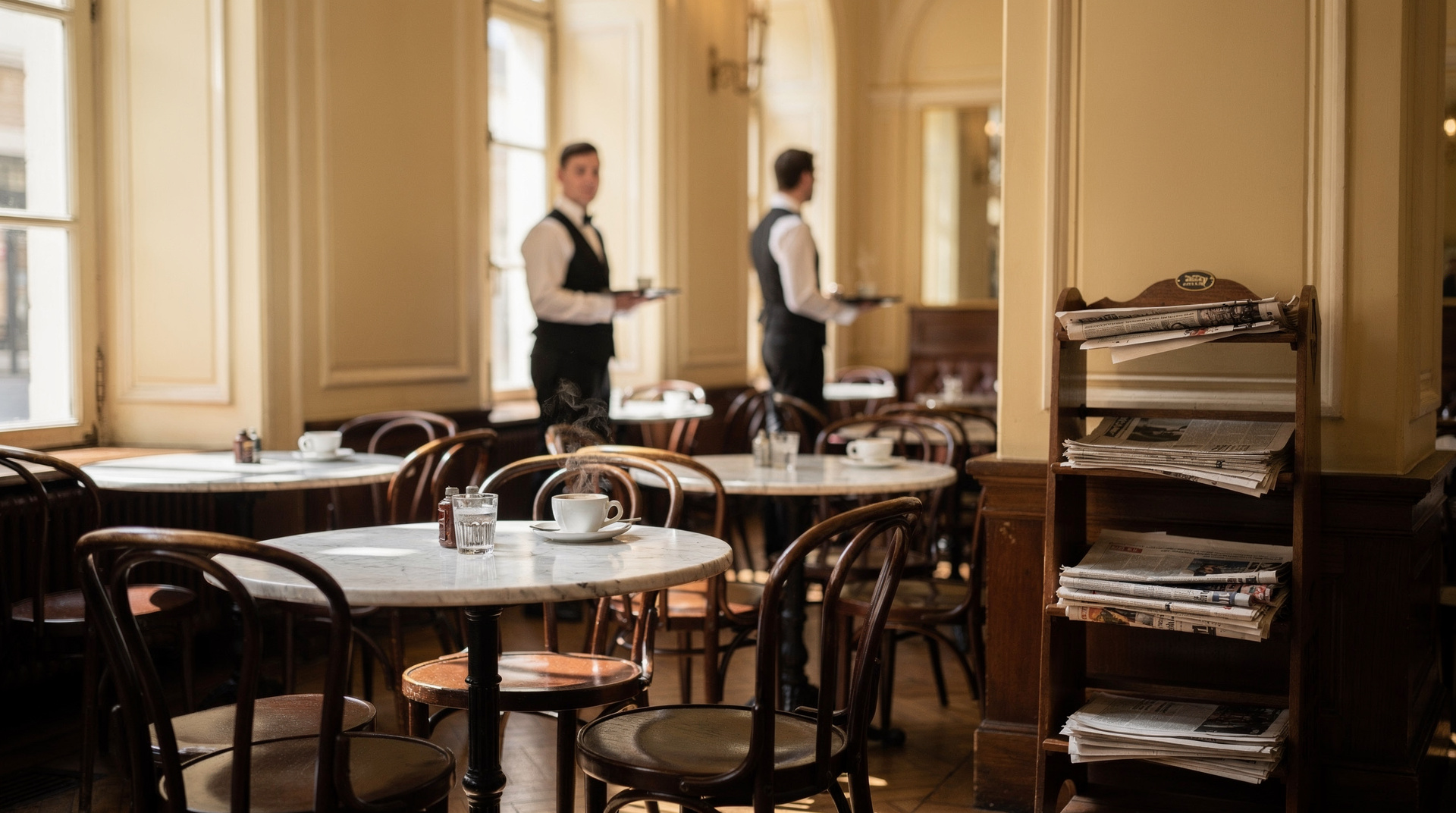
A small glass of cold still water is served alongside every coffee automatically, without charge and without prompting. This is non-negotiable Kaffehaus culture. The water is to cleanse the palate before drinking, and replenished without being asked.
The coffee types, explained
Melange — the everyday Viennese coffee
What it is: Espresso topped with equal parts steamed milk and milk foam. Served in a ceramic cup. Similar to: Cappuccino (slightly larger, less foam), flat white (slightly more foam, similar proportion) When to order: Morning or afternoon — the default Kaffehaus coffee at any hour How to say it: “Einen Melange, bitte” (“I’ll have a Melange, please”)
The Melange is what Viennese order when they sit down in a Kaffehaus and want coffee without making a specific decision. It is the baseline. It is what Freud ordered, what Trotsky ordered at Café Central, what Zweig described in his memoirs. Entirely milk-softened, medium strength, the natural companion to a newspaper and an hour of thinking.
Einspänner — espresso with whipped cream
What it is: A double espresso served in a tall glass, with an unsweetened Schlagobers (whipped cream) cap on top Similar to: Nothing directly in Italian or Americanised coffee culture When to order: Any time, but particularly good mid-afternoon with a pastry How to say it: “Einen Einspänner, bitte”
The technique: drink through the cream rather than mixing it in. The cream melts slowly from the heat of the coffee beneath, giving a gradually changing ratio of cream to coffee with each sip. Named after the one-horse carriage (Einspänner) whose drivers held the glass from above (no handle, held from the rim) so they could keep one hand on the reins.
Mokka — black coffee, strong
What it is: A double espresso, served black with no milk or cream Similar to: Doppio espresso When to order: After a meal; when you need to wake up; when you prefer coffee without dairy How to say it: “Einen Mokka, bitte” or “Einen Schwarzen” (a black)
The Großer Schwarzer (large black) is a double Mokka. The Kleiner Schwarzer is a single. The simplest item on the menu and the most direct statement that you want strong coffee with no decoration.
Großer Brauner and Kleiner Brauner
What it is: Espresso (double for Großer, single for Kleiner) with a small measure of heavy cream served separately Similar to: Espresso macchiato (though the cream is usually separate, added to taste) When to order: Morning; when you want a compromise between Melange milk and black Mokka How to say it: “Einen Großen Brauner, bitte” / “Einen Kleinen Brauner, bitte”
The name means “brown” — the colour the coffee turns when a small amount of cream is added. The cream is typically served in a small ceramic jug on the side; you add as much as you want.
Verlängerter — the diluted espresso
What it is: Espresso or Mokka diluted with hot water to produce a longer, milder drink Similar to: Americano When to order: When you prefer a gentler, less concentrated coffee How to say it: “Einen Verlängerten, bitte”
Also called “Verlängerter Brauner” when served with a touch of cream. The name means “lengthened” — the espresso is stretched with water. Preferred by guests who want the flavour of coffee without the intensity of Mokka.
Einspänner mit Rum (Fiaker)
What it is: Strong black coffee in a glass, sweetened, with a measure of rum (sometimes Slivovitz), topped with whipped cream Similar to: Irish coffee without whiskey specifically When to order: Afternoon or evening; cold days; after dinner How to say it: “Einen Fiaker, bitte”
Named after the Viennese horse-carriage drivers who needed warming on winter nights. The rum is typically added generously. A Fiaker at 4pm in a warm Kaffehaus while it rains outside is one of the more specific Viennese pleasures.
Maria Theresia
What it is: Black coffee sweetened with sugar syrup, combined with orange liqueur (Cointreau or Grand Marnier), topped with unsweetened whipped cream, served in a glass Similar to: No direct equivalent elsewhere When to order: Afternoon or evening; as a dessert-coffee combination How to say it: “Eine Maria Theresia, bitte”
The orange liqueur gives a warm citrus note that plays against the bitterness of the coffee and the richness of the cream. Allegedly named after Empress Maria Theresia (1717–1780) who was supposedly devoted to the combination. An excellent ordering choice if you want something distinctive and specifically Viennese.
Kapuziner
What it is: A small espresso with a small amount of cream, producing a brown colour said to resemble the brown robes of Capuchin monks Similar to: Ristretto macchiato; related to the Italian cappuccino by name When to order: Morning; as a brief, sharp start How to say it: “Einen Kapuziner, bitte”
The historical predecessor of the Italian cappuccino (the Capuchin connection is shared). At some coffeehouses, the Kapuziner and the Kleiner Brauner are used interchangeably; at others there’s a subtle distinction.
Pharisäer
What it is: Strong black coffee with rum and sugar, topped with whipped cream — similar to Fiaker but with a specific historical origin in Hamburg/Northern Germany, adopted into Viennese café culture When to order: Late afternoon or evening How to say it: “Einen Pharisäer, bitte”
The legend: a group of devout churchgoers in 19th-century Schleswig were caught drinking rum in their coffee during a gathering, and justified it by saying the cream on top concealed the rum (hence Pharisäer — Pharisee, or hypocrite). The story may be apocryphal, but the drink is real and good.
Überstürzter Neumann (Café Nuss)
What it is: A glass half-filled with cold whipped cream, with hot espresso poured over it — reversing the usual order Similar to: Affogato (but with whipped cream, not ice cream) When to order: A specific request for a cold-cream-forward experience How to say it: Ask for it by name
An unusual variant found at coffeehouses with comprehensive menus. The name is a specific coffee house joke — “an overturned” preparation.
Coffee types at a glance
| Type | Style | Alcohol | Best time |
|---|---|---|---|
| Melange | Espresso + steamed milk | No | Any time |
| Einspänner | Double espresso, whipped cream | No | Afternoon |
| Mokka/Schwarzer | Black espresso | No | After meals |
| Großer/Kleiner Brauner | Espresso, cream on the side | No | Morning |
| Verlängerter | Diluted espresso | No | Anytime, gentler |
| Fiaker | Sweetened black coffee, rum, cream | Yes | Afternoon/evening |
| Maria Theresia | Sweetened coffee, orange liqueur, cream | Yes | Afternoon/evening |
This table is a quick-reference for deciding what to order without rereading the full descriptions above — useful to screenshot before you sit down at your first Kaffehaus. For where to actually order these — which coffeehouses suit which mood — see the Viennese coffee house guide and, if you want to avoid the more tourist-facing venues, the coffee house tourist traps guide.
Ordering strategies
Your choice of coffee also depends on the kind of day you are having. On a museum day, a quick Mokka or Melange fits between visits; the best museums in Vienna are full of places where a coffee break is natural. On a long sightseeing day around the Ringstraße, a slower Einspänner in a grand café makes a better pause, and the Ringstraße architecture walk passes several of the classic coffeehouses along the way.
For a first visit
Order a Melange. It’s what the coffeehouse was designed to serve and pairs perfectly with any pastry. Say “Einen Melange, bitte” when the waiter approaches.
For an authentic afternoon experience
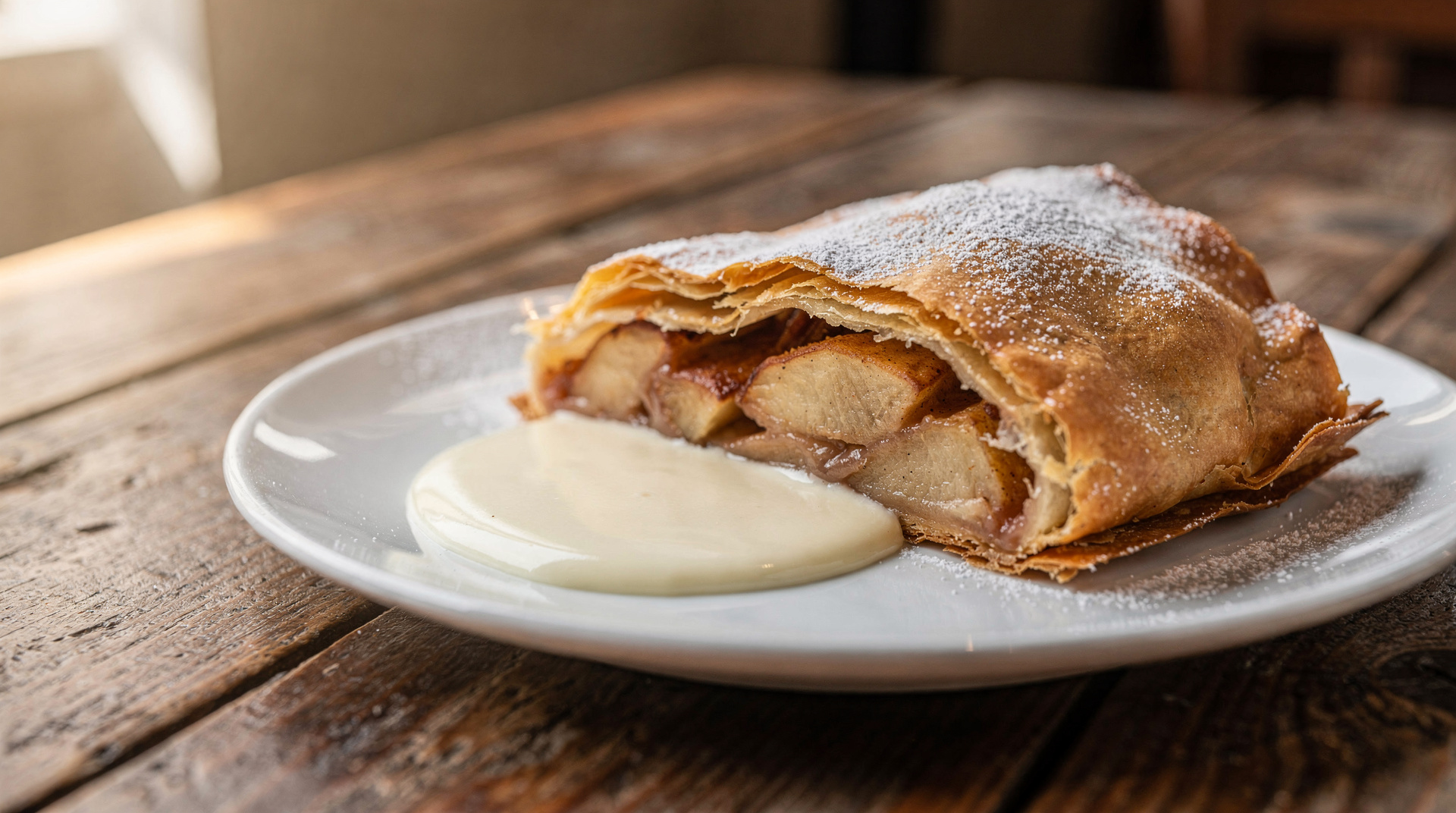
Order an Einspänner with an Apfelstrudel. The combination of bitter coffee, cold cream, and warm apple pastry is a canonical Viennese café experience.
For an evening drink
Order a Fiaker or Maria Theresia. Both are substantial enough to function as a dessert drink after dinner, with the added pleasure of alcohol warmth.
Pairing coffee with pastry
Most of these coffee types are designed to be drunk alongside something sweet, and the pairing matters as much as the coffee choice itself. A Melange works with almost any pastry; an Einspänner’s cold cream cuts nicely through a warm Apfelstrudel; a Fiaker or Maria Theresia is substantial enough to function as a dessert on its own after a light dinner. The Vienna pastry tour guide goes through the main sweet options in more depth, and if Sachertorte specifically is on your list, the best coffee houses in Vienna guide flags which cafés do it best alongside these coffee styles.
Guided introduction to Viennese coffee
If you would rather learn the menu by tasting it, a guided session removes the guesswork. It pairs well with the wider Vienna food guide, and the comparison of Vienna food tours helps you decide which format suits your trip.
The Austrian food and coffee house tour includes an extended session in a traditional Kaffehaus where your guide explains the coffee types with tastings — the most efficient way to understand the menu before having to navigate it independently.
The Vienna food tour includes a Kaffehaus stop with coffee tasting — practical experience alongside the cultural explanation.
Seasonal and specialty variations
Some coffeehouses run seasonal versions worth knowing about even though they don’t appear on every menu. Winter often brings a Kaisermelange — a Melange enriched with egg yolk and honey, a richer variant popular in the colder months. Christmas season sometimes sees a cinnamon or spiced version alongside the standard menu. None of these are essential ordering knowledge, but recognising them on a seasonal menu avoids the confusion of assuming every unfamiliar name is a mistake or a tourist gimmick — most are genuine, if less common, parts of the wider Viennese coffee repertoire.
Where these coffees fit into a trip
Coffee-house time works best when it is planned as part of the day rather than squeezed in. In the Vienna 3-day itinerary and the Vienna weekend itinerary, an afternoon Kaffehaus stop is a natural way to rest between sights. The Innere Stadt district holds many of the best-known traditional cafés within a short walk of each other, so it is the easiest area to try several types in one visit.
The seasons shape the order too. A warming Fiaker or Maria Theresia suits cold, grey days, as described in the winter in Vienna guide, while a lighter Verlängerter or a Melange on a terrace suits Vienna in spring. For a wider look at what to eat and drink alongside your coffee, the Vienna food guide is the natural companion to this page.
Honest tips
Order by name, not by description. “I’ll have a coffee with milk and cream” will result in confusion. “Einen Melange” takes three words and works perfectly.
Don’t ask for a latte macchiato. Some coffeehouses now offer it, but ordering a latte in a traditional Kaffehaus is like ordering a hamburger in a Michelin-starred French restaurant. They’ll serve it — but you’re missing the point.
The cream in an Einspänner is unsweetened for a reason. Don’t ask for sweetened whipped cream — the bitter-fat contrast against the strong coffee is the drink’s design. If you want sweetness, stir in the sugar cube provided.
The morning water glass matters. Drink it before your coffee. This is the traditional sequence — water to cleanse the palate first, then coffee to savour. Reversing the order is a tourist tell.
Take notes on what you order. Most visitors try two or three different coffees over a Vienna trip and can’t remember exactly which they preferred. The menu names are distinct enough to reference later.
Ask the waiter if genuinely unsure. Viennese café waiters are generally happy to briefly explain the difference between two similar-sounding types, particularly outside peak hours. This is a far better strategy than guessing from an unfamiliar menu and ending up with something you didn’t want.
Frequently asked questions about Viennese coffee types
Are Viennese coffees served with sugar?
A cube of white sugar or brown sugar is typically served alongside. Add it or don’t — both are acceptable. The traditional Viennese position is that each type of coffee is designed with a certain sweetness level in mind (Mokka: unsweetened to appreciate bitterness; Melange: often taken without or with a half-cube).
Why doesn’t Vienna use the Italian cappuccino name?
It does, but it’s less used than the Viennese equivalents. A Melange and a cappuccino are functionally very similar; the local name simply reflects the fact that Viennese coffee culture predates and partly inspired Italian espresso culture rather than the other way around.
Can I order decaffeinated coffee?
Yes — “einen koffeinfreien Melange” or just ask for “dekaffeiniert.” Availability depends on the café; traditional coffeehouses may have limited decaf options. Café Central and the larger coffeehouses universally offer it.
What non-coffee options exist in a Kaffehaus?
Tea (Tee) is always available. Hot chocolate (Kakao) is traditional. For children, hot milk (warme Milch) or a Kakao mit Schlagobers (hot chocolate with cream). Some coffeehouses offer fruit teas and herbal infusions (Kräutertee).
Top experiences
Bookable activities with verified prices and instant confirmation on GetYourGuide.