Wiener Schnitzel: where to eat the real thing in Vienna
Vienna: Best of Vienna Food Tour
Where is the best Wiener Schnitzel in Vienna?
Figlmüller (Wollzeile or Bäckerstrasse) for the classic enormous Schnitzel; Plachutta for premium refinement; Gasthaus Pöschl for a quieter, equally authentic experience. Avoid restaurants on Kärntner Straße.
The Schnitzel that Vienna is actually famous for
There’s a version of Wiener Schnitzel in every Austrian restaurant in every European city. Most of them are fine. None of them are what they’d serve you in Vienna itself, at the restaurants that have been making this dish for over a century.
Wiener Schnitzel is deceptively simple: a thin escalope of veal, coated in a light egg-and-breadcrumb crust, fried in lard or clarified butter until golden and slightly puffed away from the meat. The difference between a great Schnitzel and a mediocre one lives in the quality of the veal, the thickness of the pounding, the fineness of the crumb, and the temperature of the fat.
This guide tells you where to find the best, what to expect, and which restaurants to walk past. It’s part of the same honest-eating approach covered in the broader Vienna food guide.
| Where | Figlmüller, Plachutta or Pöschl, all in the 1st district |
| Cost | €22–36 per Schnitzel; €14–18 in outer districts |
| Time needed | 1–1.5 hours including likely queue |
| Getting there | All walkable from Stephansplatz |
| Best time | Lunch (12–2pm weekdays) or opening time (11am/11:30am) |
What you need to know before ordering
Veal is non-negotiable for the real thing
Austrian food standards are legally specific: a dish can only be called Wiener Schnitzel if it uses veal (Kalbfleisch). If it’s pork, the restaurant must call it Schnitzel Wiener Art (Schnitzel in the Viennese style). Many tourist-facing restaurants either don’t make this distinction or actively hide it.
When ordering, it’s acceptable to ask “Ist das Kalbfleisch?” — and if the waiter hesitates, that tells you everything.
Frying method matters
Authentic Wiener Schnitzel is pan-fried in generous quantities of lard (Schweineschmalz) or clarified butter (geklärte Butter) — not deep-fried, not baked, not air-fried. The technique is specific: fat hot enough to make the breading “swim” and bubble slightly away from the meat, creating the characteristic light, airy crust. Deep-frying produces a different (and inferior) texture.
Size is a tradition, not a joke
At Figlmüller, the Schnitzel regularly overhangs the plate. This is deliberate and traditional — a visual statement that the portion is generous and the house is confident. Don’t be alarmed.
What it comes with
The classic pairing is Erdäpfelsalat (warm potato salad dressed with vinegar and oil, not mayonnaise) or Petersilkartoffeln (boiled potatoes with parsley butter). A wedge of lemon is mandatory — squeezing it over the Schnitzel just before eating is part of the ritual. Preiselbeeren (lingonberry preserves) are traditional as a sweet-tart accompaniment.
Where to eat Wiener Schnitzel in Vienna
Figlmüller Wollzeile — the classic
Address: Wollzeile 5, 1010 Vienna (near Stephansdom) Price: Schnitzel approx. €28, with sides
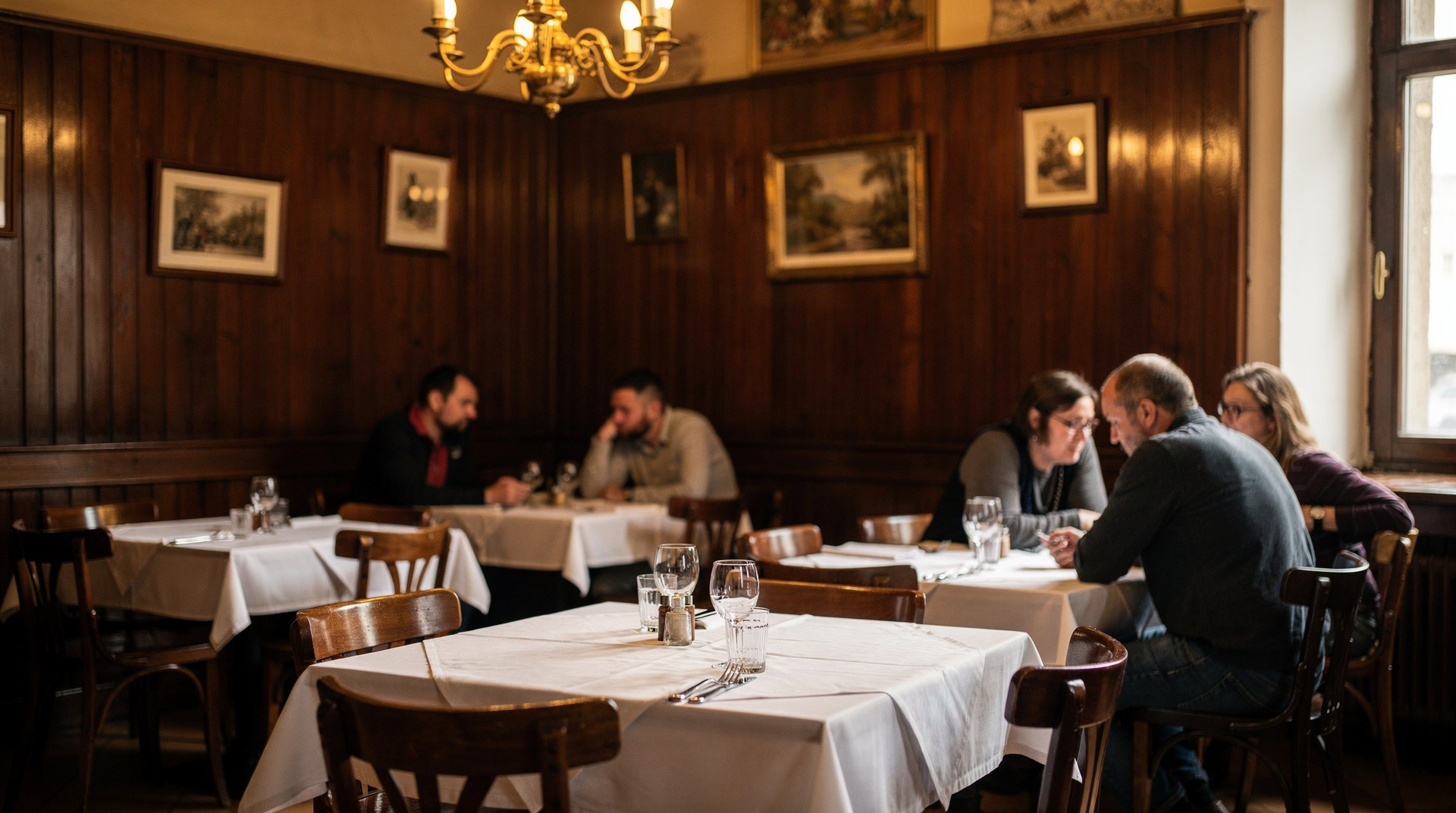
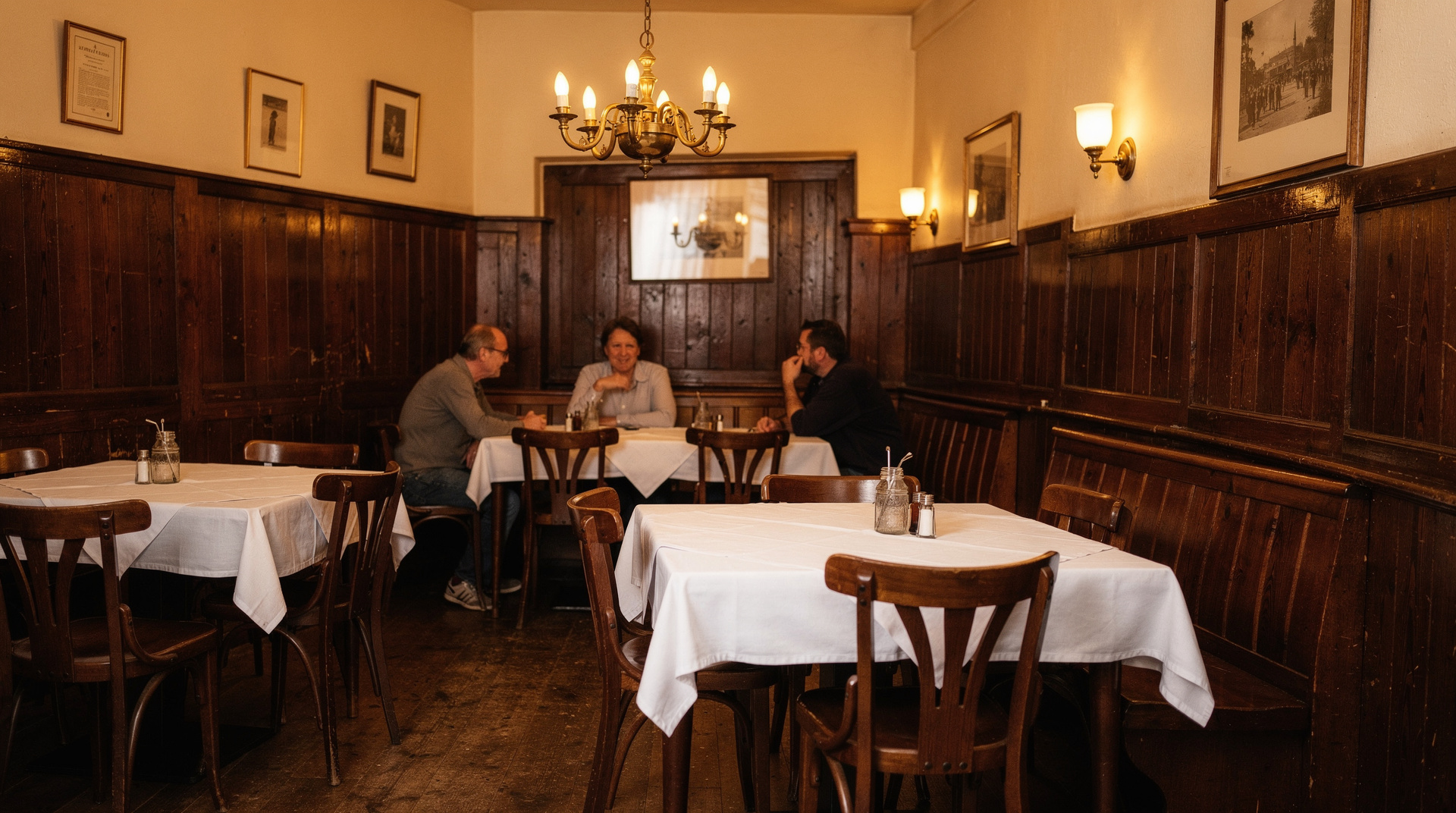
The original Figlmüller, opened in 1905. The formula hasn’t changed: enormous veal Schnitzel, wood-panelled rooms, long communal tables, no-nonsense service. The Schnitzel is reliably excellent — a proper crust, quality veal, correct frying. The place is packed at lunch and dinner, so book ahead or arrive at opening time (11am).
The tourist-trap trap: Figlmüller is genuinely touristy. The street around it is full of restaurants trying to cash in on its proximity. Don’t let this put you off the restaurant itself.
Figlmüller Bäckerstrasse — the sister branch
Address: Bäckerstrasse 6, 1010 Vienna Price: Schnitzel approx. €28, with sides
Slightly easier to get into than Wollzeile, though equally popular. Same quality, more intimate courtyard setting. Often the better choice for a summer visit.
Plachutta Wollzeile — premium and unhurried
Address: Wollzeile 38, 1010 Vienna Price: Schnitzel approx. €32–36
Plachutta’s primary reputation is for Tafelspitz, but the Wiener Schnitzel here is exceptional. Made from superior veal, served with impeccably prepared sides, in a calmer and more refined setting than Figlmüller. More expensive, less hurried. An excellent choice for a proper dinner rather than a quick lunch.
Gasthaus Pöschl — the neighbourhood gem
Address: Weihburggasse 17, 1010 Vienna Price: Schnitzel approx. €22–24
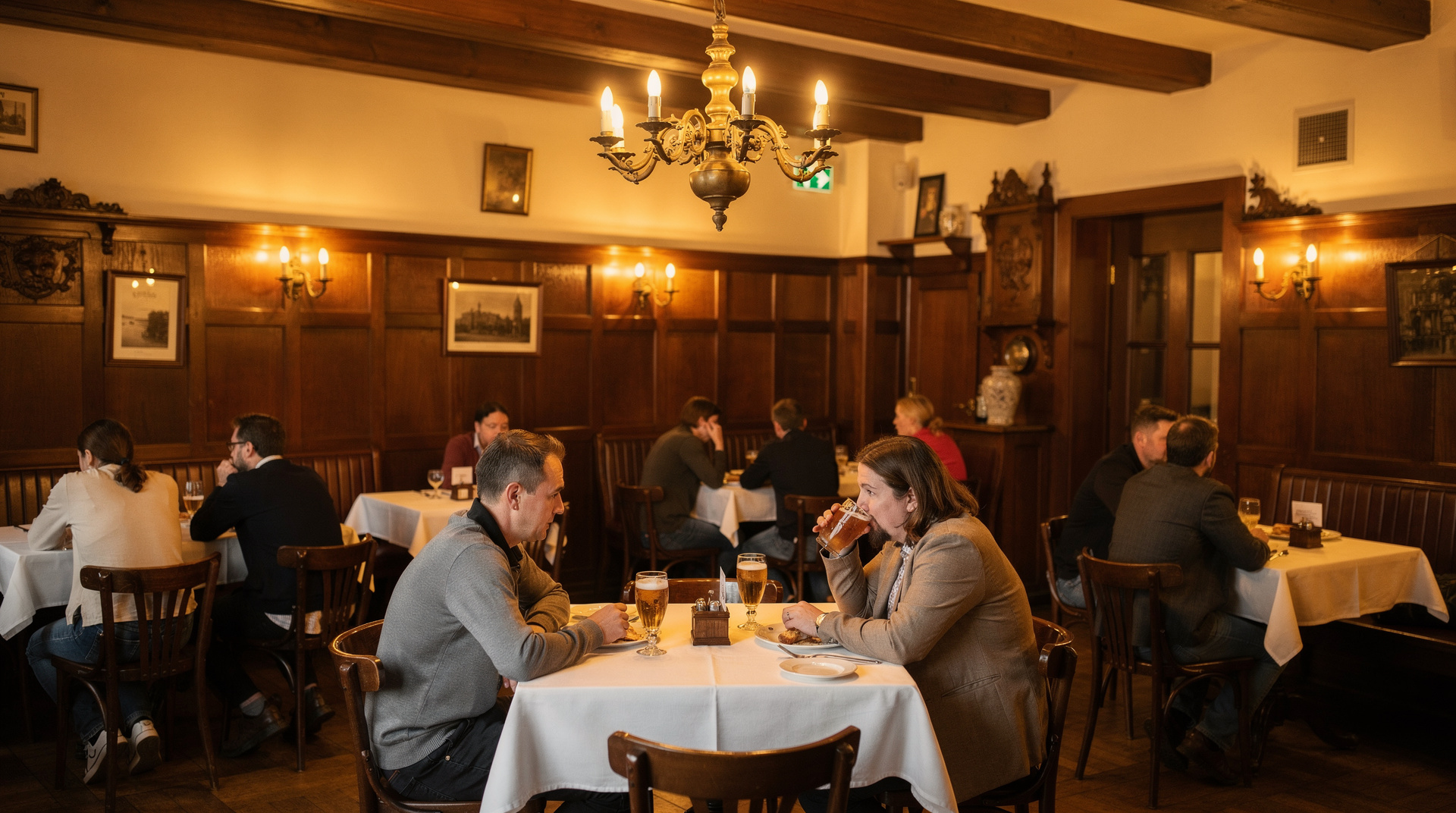
Less famous, equally good, and significantly less crowded than Figlmüller. Pöschl operates like a genuine neighbourhood Gasthaus — no theatre, no waiting, proper Viennese cooking. The Schnitzel is large, correctly made, and reasonably priced. If you want the food without the queues, this is your best bet in the Innere Stadt.
Zum Wohl — for value in a local setting
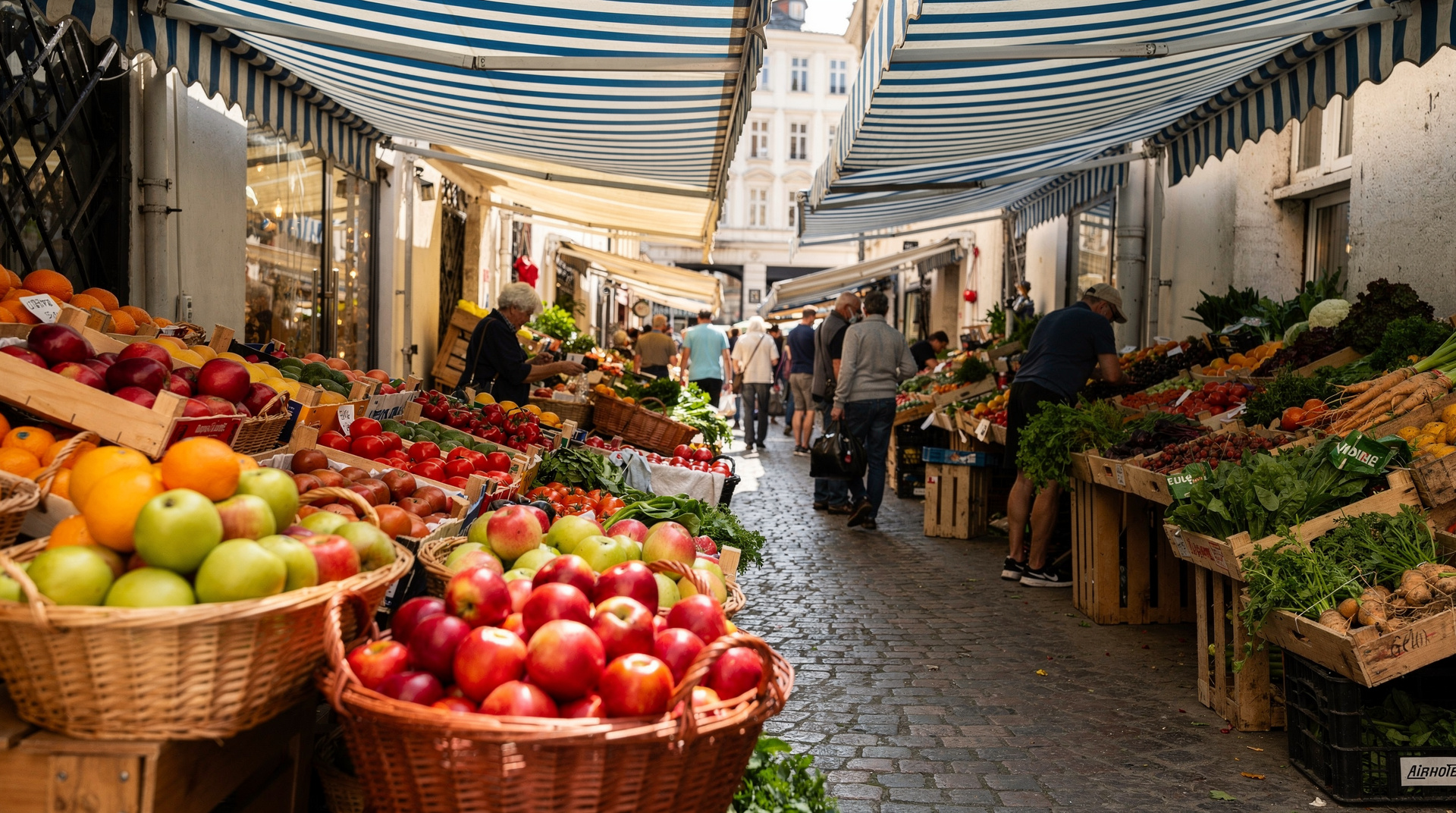
A few streets from the Naschmarkt in the 6th district. Frequented by locals, reasonable prices (€16–20 for Schnitzel with sides), correct technique. Not a headline restaurant but a dependable, honest one. If you’re already exploring that area, see the Naschmarkt eating guide for the market’s food stalls before or after your Schnitzel.
Comparing the main options
| Restaurant | Price | Queue | Style |
|---|---|---|---|
| Figlmüller (Wollzeile/Bäckerstrasse) | ~€28 | 30–45 min peak | Loud, communal, oversized portions |
| Plachutta Wollzeile | €32–36 | Rarely | Refined, unhurried, best for dinner |
| Gasthaus Pöschl | €22–24 | Minimal | Genuine neighbourhood Gasthaus |
| Zum Wohl | €16–20 | Minimal | Local, dependable, no theatre |
| Outer-district Gasthaus (7th/10th/20th) | €14–18 | Minimal | Most local, least convenient |
What to avoid: the tourist-trap anatomy
The restaurants directly on Kärntner Straße, Graben, and the immediate radius around Stephansplatz operate a well-known model: staff outside flagging down tourists, laminated menus with photos, Schnitzel for €28–38 made from industrial pork with frozen potato sides. The Schnitzel may not even be labelled correctly.
Signs to watch for:
- A staff member standing outside actively soliciting customers
- Menus in 12 languages with photos of every dish
- The words “Wiener Schnitzel” without “vom Kalb” (from veal)
- Paper placemats with tourist attractions on them
None of these automatically mean bad food, but together they strongly correlate with overpriced mediocrity.
Fitting Schnitzel into your Vienna days
A Schnitzel lunch is a substantial meal, so it works best when the rest of the day is planned around it. If your morning is spent in the Innere Stadt, the walk to Wollzeile or Weihburggasse is short, and you can pair it with a cathedral visit; the Stephansdom guide covers what to see before you sit down. After a heavy lunch, a slow afternoon suits better than a long museum marathon, and a coffee-house stop is the natural way to digest. Our Viennese coffee house guide explains how to linger without feeling rushed.
If you are still deciding how long to stay, the how many days in Vienna guide helps you see how much room there is for long, unhurried meals. On a short trip, the Vienna 3-day itinerary leaves a sensible gap at midday where a proper sit-down Schnitzel fits without squeezing out the big sights.
Eating well without overspending
The honest way to eat well on a budget is to treat Schnitzel as your main meal of the day and keep the other meals light. Lunch menus, the outer-district Gasthäuser and the quieter neighbourhood places all let you eat the real dish without paying a premium for the address. Our Vienna on a budget guide goes further on stretching a food budget, and the Vienna tourist traps guide shows the same pattern of touts, photo menus and inflated prices turning up well beyond the restaurant scene.
Reading the room when you arrive
Before you commit to a table, take a moment to look around the dining room. A busy room with a mix of local regulars and visitors, handwritten daily specials and staff who seem unhurried is almost always a better sign than an empty room with a bright menu board on the pavement. Viennese Gasthäuser are not built for speed or theatre; service is brisk and polite rather than chatty, and that is a feature of the tradition, not a sign of indifference. Order your drink first, take your time with the menu, and expect the Schnitzel to arrive freshly fried, since a good kitchen does not hold it under a lamp.
If you are travelling as a family, a Schnitzel is one of the easiest dishes to share with children, and the Vienna with kids guide offers more ideas for eating out with younger travellers. If you are travelling alone, a Gasthaus counter or a shared table is a comfortable place to eat, and the solo travel in Vienna guide has more on dining on your own.
How food tours can help
If you’re unsure about navigating Vienna’s restaurant scene, a guided food tour takes the guesswork out. The Vienna food tours typically include a Schnitzel tasting alongside other Viennese classics, and your guide can explain exactly what separates a well-made version from a tourist-grade one.
Book the Vienna food tour for a 3-hour guided introduction to Viennese cuisine, including Schnitzel, Kaffehaus, and market stops.
The ultimate full-meal Austrian food tour provides a longer, more immersive experience — multiple restaurants, full portions, and detailed explanation of what you’re eating.
Honest tips
Book Figlmüller. It’s not optional in peak season (May–September). The walk-in queue can be 30–45 minutes. Online reservations are available and strongly recommended.
Go at lunch. Schnitzel restaurants are more relaxed at midday, prices for set lunch menus (Mittagsmenü) are often lower (€12–16 for Schnitzel with sides), and service is faster.
Order the potato salad, not the fries. Erdäpfelsalat is the traditional accompaniment and is better suited to a Schnitzel than French fries, which appear on menus for tourists expecting them.
Don’t skip the lemon. It sounds obvious, but the acidity cuts through the richness of the fried crust in a way that transforms the dish. Use it.
Try a Schnitzel in the outer districts. A Gasthaus in the 7th, 10th, or 20th district serving local regulars will often produce a Schnitzel every bit as good as Figlmüller for €15–18. Less convenient, but a genuinely local experience. Ask hotel staff for recommendations.
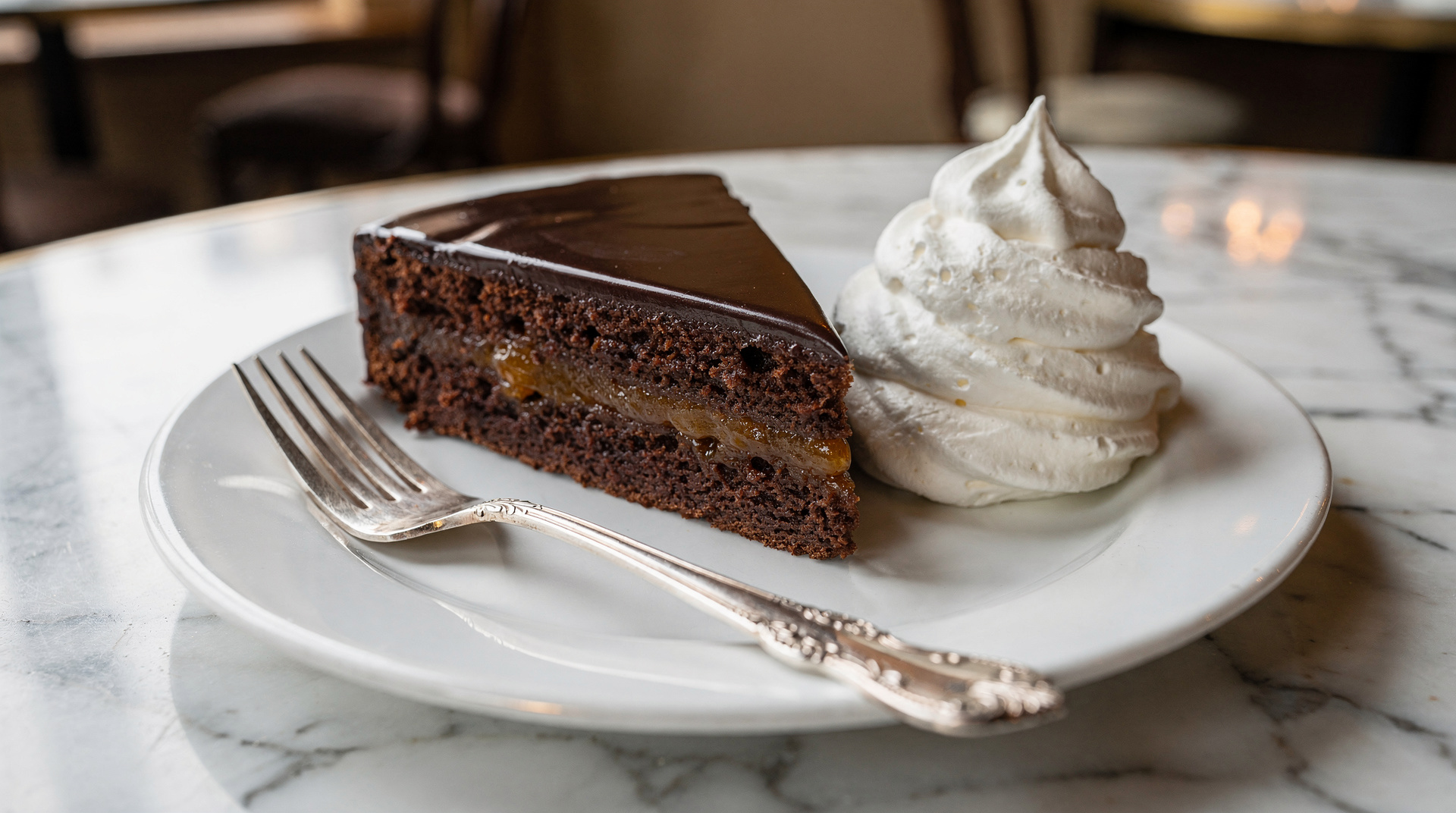
Save room, or split it, if you’re planning cake later. A proper Figlmüller Schnitzel is genuinely enormous. If a stop at Sachertorte is also on your itinerary for the same day, consider sharing a Schnitzel between two people or scheduling the cake for a separate afternoon rather than immediately after lunch.
Building a full Viennese food day around Schnitzel
Schnitzel pairs naturally with a wider food itinerary. The best restaurants in Vienna guide covers non-Schnitzel options if you want variety across a longer trip, and the Vienna food tours compared guide is useful if you’d rather have a guide navigate the choices for you on your first day, then return independently to a favourite discovered on the tour.
Frequently asked questions about Wiener Schnitzel
Can I get a vegetarian or vegan version?
Some restaurants offer a Kürbisschnitzel (pumpkin Schnitzel) or a breaded and fried cauliflower version. These are good in their own right but not the same experience. The authentic dish is fundamentally meat-based.
How does Wiener Schnitzel differ from other Schnitzel types?
The main European relatives are the German Jägerschnitzel (pork with mushroom sauce), Rahmschnitzel (with cream sauce), and the Italian Milanese cotoletta (also veal, also breaded, but typically a thicker cut and often served bone-in). Wiener Schnitzel is defined by its thinness, its pan-frying method, and the absence of sauce — the lemon wedge is the only “condiment.”
Is it rude to eat the Schnitzel with a fork and knife simultaneously?
Not at all. European dining etiquette applies — fork in the left hand, knife in the right. The only unusual note is that you typically squeeze the lemon before cutting, so the juice runs over the whole crust, not just the piece you’ve cut.
What should I drink with Wiener Schnitzel?
A crisp Grüner Veltliner white wine is the classic pairing — its acidity and peppery finish complement the richness of the fried crust. Alternatively, a cold Ottakringer or Schwechater beer (Vienna’s local lagers) works perfectly. See the Grüner Veltliner guide for wine options.
Where is the best Schnitzel outside the Innere Stadt?
Gasthaus Pöschl is already close to the edge of the tourist area. Further out, try the traditional Gasthäuser in the 17th and 18th districts (Hernals, Währing) for proper local versions at considerably lower prices.
Top experiences
Bookable activities with verified prices and instant confirmation on GetYourGuide.