Wachau wine route guide: vineyards, tastings and Grüner Veltliner
From Vienna: Wachau Valley Day Tour with Wine Tasting
How do I visit the Wachau wine route from Vienna?
Take the train to Melk (1h15), then the DDSG boat to Krems (1h45), walking or cycling between villages along the way. Or join a small-group wine tour from Vienna that handles transport. The wine route runs between Melk and Krems along the Danube.
The world’s most beautiful wine route
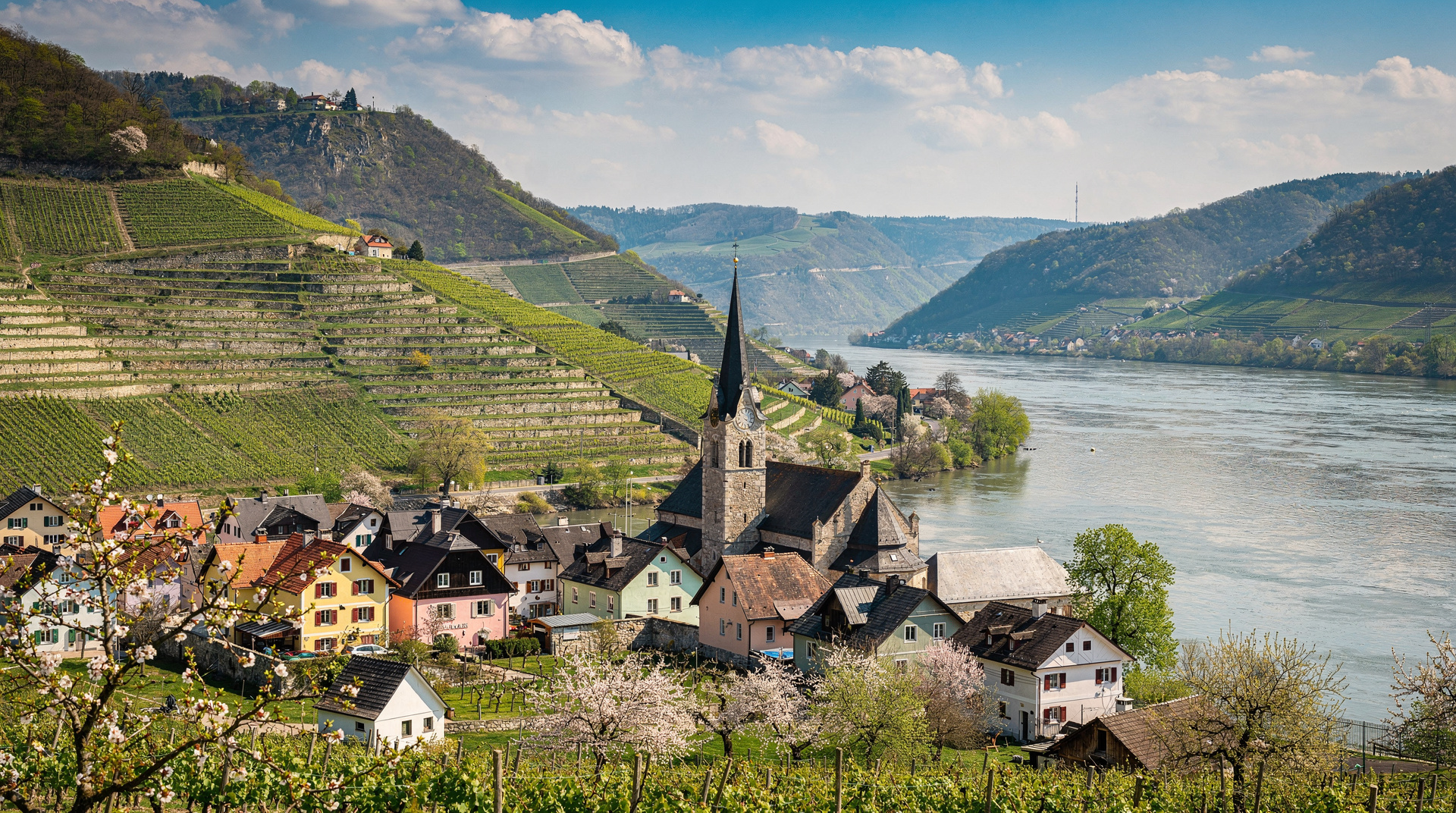
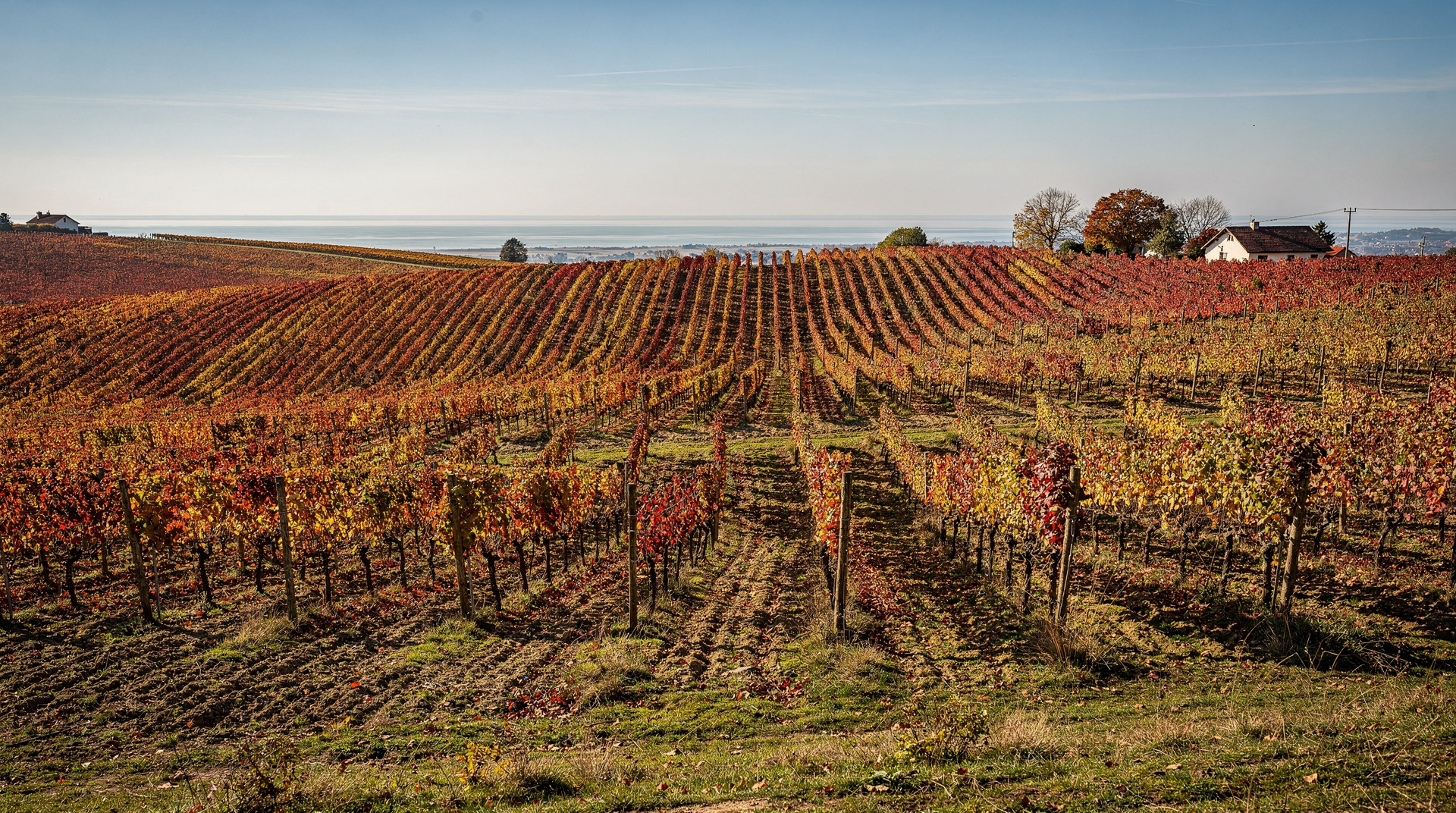
The Wachau Valley is a UNESCO World Heritage Site for its landscape — 35 kilometres of Danube bend between Melk and Krems, flanked by terraced vineyards on steep granite and gneiss slopes, dotted with Baroque abbeys, medieval castles in ruin, and small wine villages. It is also where Austria’s finest white wines are made.
The combination of great landscape and great wine makes the Wachau exceptional even by the standards of world wine routes. Unlike Burgundy (flat, agricultural) or Napa (suburban industrial), the Wachau remains human-scaled — individual winemakers on steep terraces, village tasting rooms, a boat on the Danube connecting the villages.
This guide explains the wine route itself, the key villages and producers, and how to visit from Vienna.
| Where | Melk to Krems, along the Danube, roughly 80–90 minutes west of Vienna by train |
| Cost | Around €15–25 for a train + boat day; tastings typically €10–20 per estate; guided day tours from around €90–130 |
| Time needed | A full day (8–9 hours) for the train + boat route; a guided tour runs a similar length |
| Getting there | ÖBB train from Wien Hauptbahnhof to Melk, then DDSG boat onward to Krems (or the reverse) |
| Best time | April–May for apricot blossom, September–October for harvest; see the seasonality table below |
What you need to know
The geography
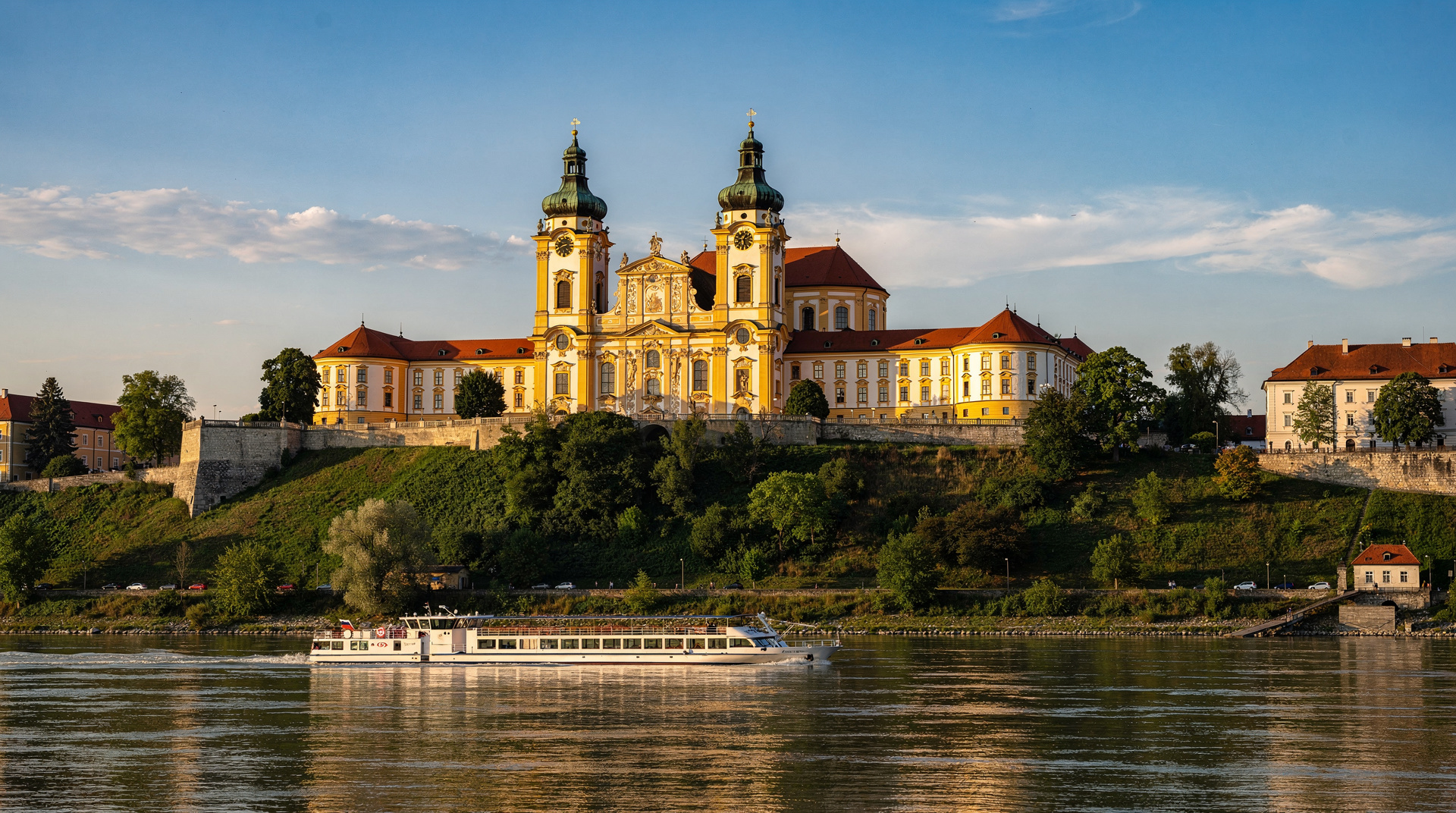
The Wachau begins at Melk (where the great Benedictine abbey sits above the Danube — see the separate Melk Abbey day trip guide if you want to linger there) and ends at Krems, where the valley widens and the character of the landscape changes. Within this stretch, the key wine villages are:
Mautern (north bank, across from Krems): home to Nikolaihof, one of Austria’s oldest wine estates (documented from Roman times, now biodynamic). A quieter village, good starting point if arriving from the Krems direction.
Dürnstein (north bank): the most photographed Wachau village — blue-and-white Baroque church tower above the Danube, ruins of the castle where Richard the Lionheart was imprisoned (1193). Excellent wine from Knoll and Schmelz estates nearby.
Weißenkirchen (north bank): the Wachau’s wine-producing heart. Home to the Rudi Pichler and Prager estates. The town square has a fortified church and a wine museum (Wachaumuseum).
Loiben/Unterloiben (north bank): home to FX Pichler, the most celebrated of all Wachau producers. The wines are allocated globally; getting a tasting appointment requires advance planning.
Spitz (north bank): the Tausendeimerberg (thousand-bucket hill) is the most famous single vineyard site. Good village tasting options.
The Wachau classification
See the full explanation in the Grüner Veltliner guide. In brief:
- Steinfeder: Light, for early drinking
- Federspiel: Medium-bodied, food-versatile, 3–7 years of drinking
- Smaragd: Premium, age-worthy, complex
The Smaragd classification is particular to the Wachau — no other Austrian region uses this three-level system. When you see a Wachau Smaragd from a top producer (FX Pichler, Nikolaihof, Rudi Pichler), you’re looking at wine that competes with white Burgundy.
The apricot culture
The Wachau is also Austria’s primary Marille (apricot) region. The same south-facing terraced slopes that warm the grapes ripen apricots from late June to early August. Apricot products appear everywhere: Marillenknödel (apricot dumplings), Marillen Schnapps, Marillen Marmalade, and fresh apricots sold along the roadside. The spring blossom (April–May) is one of Austria’s most beautiful seasonal spectacles.
Best time to go, month by month
The wine route rewards planning around the season — light, crowds, and what’s happening in the vineyard all shift through the year.
| Period | Conditions | Why go now |
|---|---|---|
| April–May | Mild, occasional rain, fewer crowds | Apricot (Marille) blossom, new vintage releases, comfortable walking/cycling weather |
| June–August | Warm to hot, busiest season | Long daylight for cycling the Donauradweg, apricot harvest from late June, but book tastings well ahead |
| September–October | Mild, golden vineyard colour | Weinlese (grape harvest) — the most atmospheric season for wine tourism, harvest festivals in the villages |
| November–March | Cold, many tasting rooms closed or by appointment only | Quietest, cheapest, but a poor choice unless you already have producer appointments confirmed |
Wachau versus other Austrian wine routes
The Wachau is Austria’s most famous wine route, but it isn’t the only one within reach of Vienna. The Burgenland wine route, around Lake Neusiedl to the southeast, is flatter, warmer, and known for red wines and dessert wines rather than the Wachau’s white-focused Grüner Veltliner and Riesling.
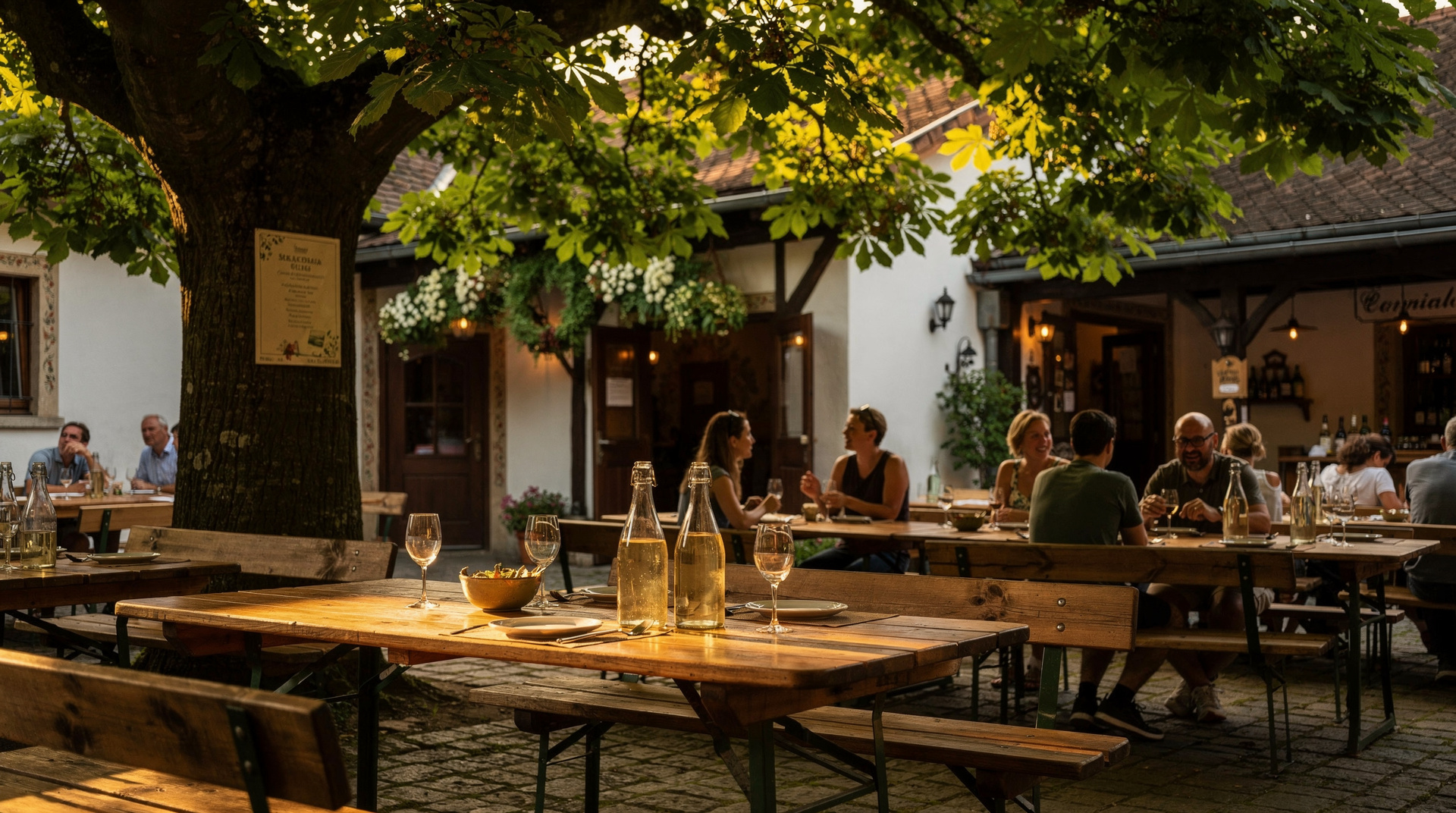
If you only have one day, the Wachau’s dramatic terraced landscape and UNESCO status make it the stronger first choice; Burgenland suits a second wine day trip or travellers specifically chasing red wine and Ausbruch dessert wine. For a lower-commitment introduction to Austrian wine without leaving the city, an evening at a Vienna Heuriger in Grinzing or Nussdorf gives a completely different, much more casual experience — young carafe wine and a buffet rather than a structured tasting.
Key producers to visit
FX Pichler (Loiben)
The most prestigious name in Wachau wine. The Grüner Veltliner and Riesling Smaragd examples (particularly “M” and “Unendlich”) are internationally collected and age for decades. Getting a tasting requires an appointment and usually a wine trade connection or advance persistence. The estate itself is modest in appearance — the reputation is entirely in the bottle.
Nikolaihof (Mautern)
Described in wine guides as “the oldest documented wine estate in Austria” — Roman origins, documented use since 790 AD. Now biodynamic and demeter-certified under the Saahs family. The wines are made to age: the Vinothek series (wines held back for 8–10 years before release) are extraordinary. Tasting room open with appointment.
Rudi Pichler (Weißenkirchen)
No relation to FX Pichler. Rudi Pichler’s wines are slightly less expensive than FX Pichler but equally serious. The Weißenkirchen terroir (Ried Hochrain, Ried Kollmütz) produces outstanding Grüner Veltliner and Riesling. More approachable tasting room than FX Pichler.
Domäne Wachau (cooperative)
The Wachau cooperative, now a private company, bottles wine from 200+ small growers under strict quality controls. The advantage: consistent quality at more accessible prices, widely available in Vienna wine shops and restaurants. The Terrassen Federspiel (Grüner Veltliner) is an excellent everyday bottle.
Knoll (Unterloiben)
The Emmerich Knoll estate produces both Grüner Veltliner and Riesling of consistently excellent quality. Their Smaragd examples are less internationally known than FX Pichler but equivalent in quality at slightly lower prices. Good tasting room.
How to visit the Wachau wine route
By organised tour (recommended)
The easiest approach — transport handled, wine producer access arranged, the context explained.
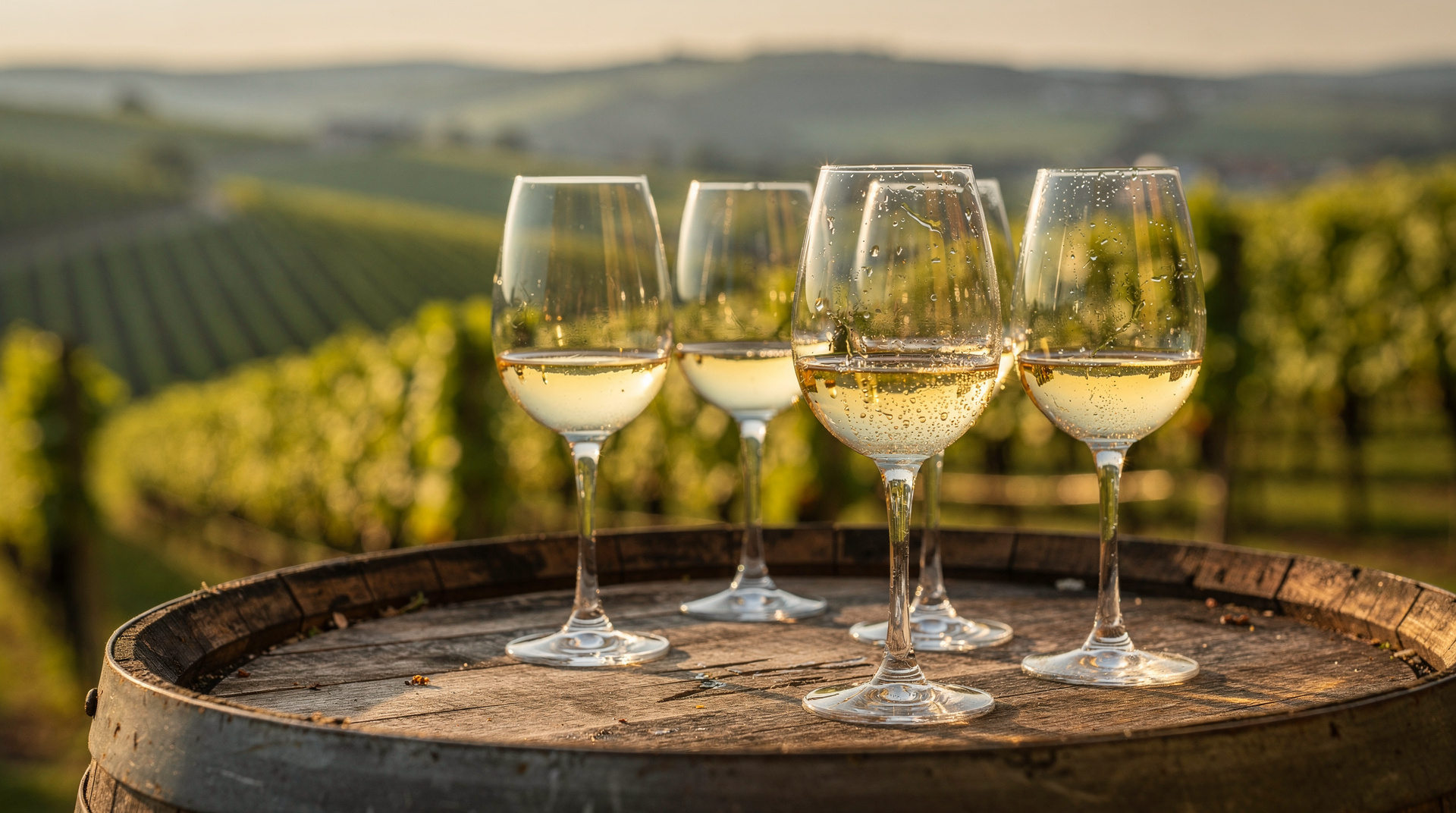
The Wachau Valley day tour with wine tasting takes a small group from Vienna into the wine region, with vineyard stops, producer tastings, and the full Wachau landscape in one day.
The Wachau 3 Castles and Wine private guided tour covers the valley’s castle heritage alongside wine tastings — a more comprehensive day that suits visitors interested in both history and wine.
By public transport (train + boat)
The classic DIY Wachau route:
- Wien Hauptbahnhof → Melk (ÖBB train, 1h15, hourly)
- Visit Melk Abbey (90 minutes)
- Walk down to the Danube pier and board the DDSG Blue Danube boat to Krems (1h45, April–October, 2–3 daily)
- Walk or cycle through Dürnstein, Weißenkirchen, and Spitz along the way
- Arrive in Krems, explore the old city
- Krems → Wien Westbahnhof (ÖBB train, 1h, frequent)
Wine tastings at individual producers along the route require advance booking. The Domäne Wachau shop in Dürnstein is open without appointment. For a version of this trip that puts the boat ride itself centre stage rather than the wine stops, see the dedicated Melk to Krems boat trip guide — it covers the DDSG timetable and river views in more depth.
By cycling
The Donauradweg (EuroVelo 6) runs from Melk to Krems, mostly flat on the north bank. Distance: 35km. Time: 3–5 hours including stops. Bikes can be rented in Melk and Krems (ask at the train stations). This is one of the most beautiful day cycles in Central Europe.
See the full Wachau day trip guide for complete logistics.
Honest tips
Tasting appointments at top estates are essential. FX Pichler, Nikolaihof, and Rudi Pichler don’t welcome walk-in visitors — they’re working wineries, not tourist destinations. Email 2–4 weeks ahead with a specific date request. An Austrian wine merchant or your hotel concierge may be able to facilitate introductions.
The Domäne Wachau shop is your fallback. If you can’t arrange private tastings, the Domäne Wachau shop in Dürnstein sells a full range of Wachau wines with staff who explain the classification system. Good selection, reasonable prices, no appointment needed.
April–May and September–October are the best times. Spring brings the apricot blossom and the new vintage release; autumn brings harvest energy and the most vivid vineyard colours. Summer is reliable but can feel crowded.
The north bank is the wine bank. Most Wachau wineries are on the north bank of the Danube (left bank as you travel downstream from Melk). The south bank (Donautal/Strudengau) is scenic but has fewer wine stops.
Buy wine to bring home. Austrian wine is excellent value for quality in the Wachau. Purchasing directly from a producer is typically 20–30% cheaper than buying equivalent wines in a Vienna restaurant. Check airline rules on packing bottles — wine bags and protective packaging are available in shops.
Frequently asked questions about the Wachau wine route
How does Wachau Riesling compare to German Riesling?
Wachau Riesling is drier and has less of the petrol/mineral note that characterises mature German Riesling. It’s more austere and more suited to food pairing. Top Wachau Rieslings (Nikolaihof Vom Stein, FX Pichler Kellerberg) have extraordinary concentration and age beautifully. Different style from German Riesling, not inferior — just different expression.
Can I visit the Wachau as a wine novice?
Absolutely. The Wachau is accessible to complete wine beginners — the visual drama of the landscape provides context even without wine knowledge, and the classification system is simple enough to explain in one sentence. Start with the Domäne Wachau shop, taste the Steinfeder, Federspiel, and Smaragd side by side, and the differences become immediately apparent.
Is driving the wine route safe?
You’ll be tasting wine throughout the day. Driving is therefore a bad idea unless you have a designated driver. The public transport and boat combination (or a guided tour) is the appropriate approach for a wine route visit.
What is Grüner Veltliner like from the Wachau compared to a Vienna Heuriger version?
Night and day. A Heuriger Grüner Veltliner is a young, light, peppery carafe wine — fresh and pleasant, not complex. A Wachau Smaragd from FX Pichler is a major wine: rich, layered, with 15+ years of ageing potential. Same grape, completely different expression. Both are worth experiencing on the same Vienna trip — see the Vienna Heuriger guide to plan the contrast.
Top experiences
Bookable activities with verified prices and instant confirmation on GetYourGuide.