Vienna in autumn: why September and October are the best months
From Vienna: Wachau Valley Day Tour with Wine Tasting
Is Vienna good to visit in autumn?
Autumn (September–October) is arguably Vienna's best season. The Spanish Riding School reopens in September after the summer break, crowds drop significantly, opera season begins, Heuriger wine taverns serve the new harvest wine (Sturm), and the Wachau Valley turns gold. Temperatures remain warm (15–22°C) through September before cooling in October.
Why autumn is Vienna’s secret best season
If you ask Viennese residents when to visit their city, most will say September. Not July, with its crowds and heat. Not May, with its perfect weather but rising tourist traffic. September — when the summer visitors have gone, the Spanish Riding School has reopened, the opera season has begun, and the Wachau valley is in the thick of harvest.
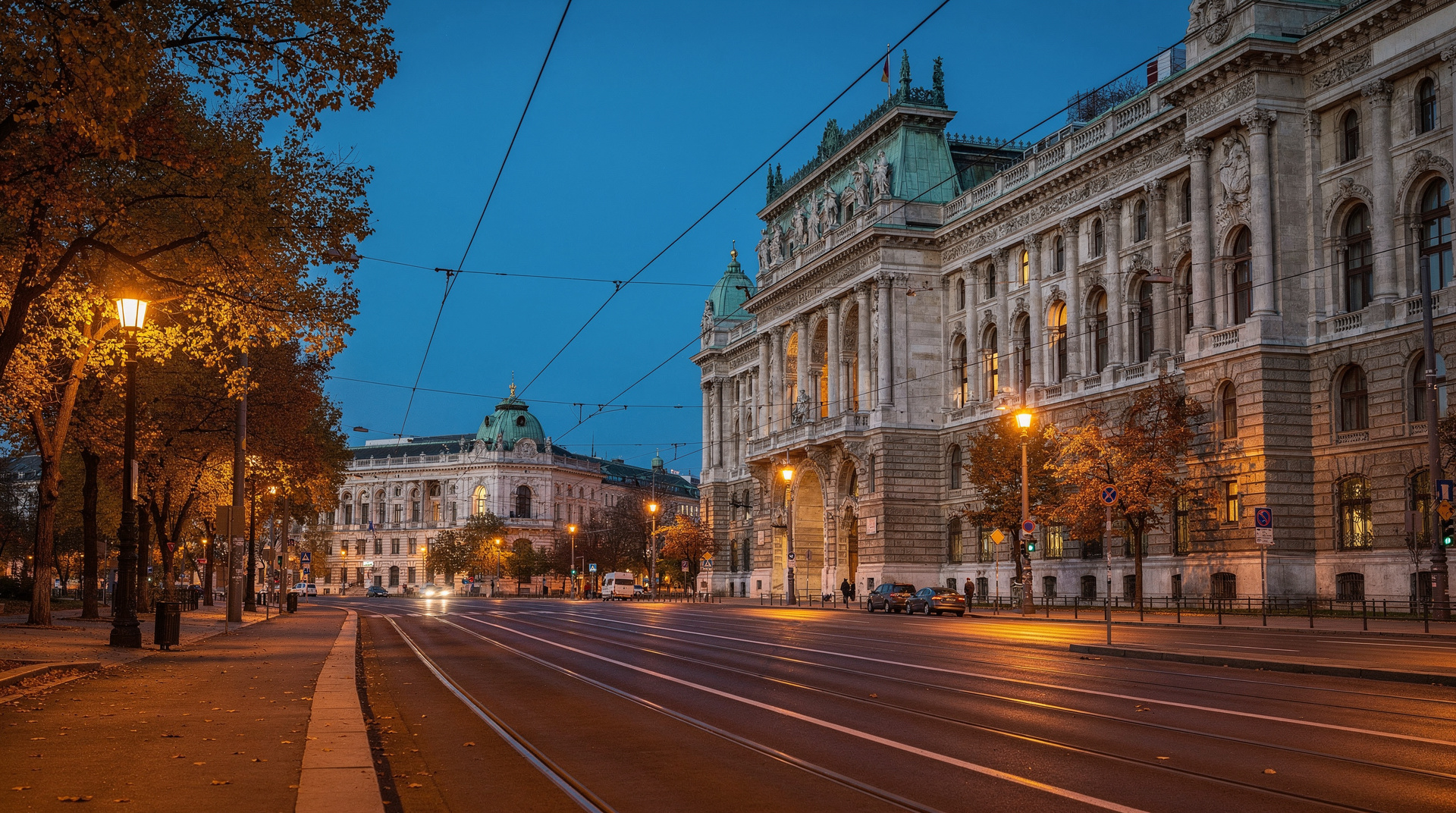
October remains excellent, just cooler. Autumn in Vienna has a particular quality of light — low, golden, warm — that hits the baroque stone facades of the Ringstrasse at a different angle than summer. The coffee houses feel more purposeful. The Heuriger wine taverns feel like the occasion rather than the afterthought.
This guide covers the specific autumn advantages and what to plan around them.
| Where | Vienna city centre, Wachau Valley, Grinzing |
| Cost | comparable to spring; hotel rates below summer peak |
| Time needed | September–October, 3–7 days |
| Best time | last week of September into mid-October |
| Weather | 12–24°C, cooling through October |
Autumn month by month
| September | October | |
|---|---|---|
| Temperature | 18–24°C days, 13–16°C evenings | 12–18°C days, 7–10°C evenings |
| Crowds | Noticeably lower than August | Lower still, quietest of the two |
| Spanish Riding School | Reopens mid-month | Full schedule |
| Wachau harvest | Begins, peaks late Sept | Peak into early Oct, then winds down |
| Heuriger | Sturm wine at its freshest | Most atmospheric, some houses close late month |
September: the transition month
Weather and pace
September mornings in Vienna feel like late summer: temperatures still reaching 20–24°C, clear skies, and long afternoon light. By evening it drops to 13–16°C — comfortable for outdoor dining without a coat. This is the European city in its most pleasant register.
The August crowd drops off sharply after the first week of September. Schools have resumed across Austria and much of Europe, and the summer tourist traffic thins. You will find shorter queues at Schönbrunn and Belvedere, more flexibility at restaurants, and the general atmosphere of a city returning to its own rhythm.
What reopens in September
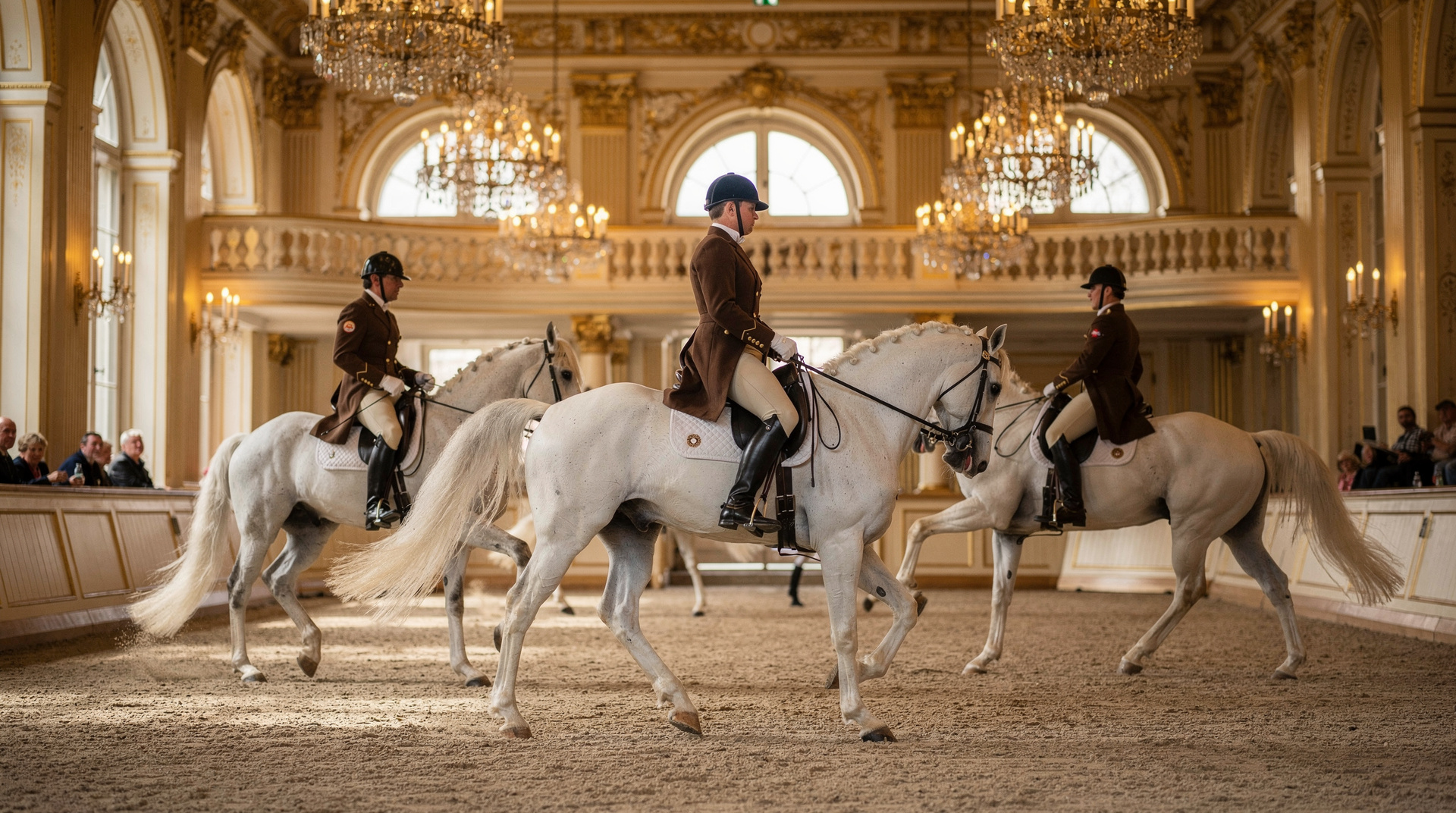
Spanish Riding School: The Lipizzaner stallions return from Piber stud farm in mid-September, and both morning exercises (€16) and full performances (€36–256) recommence. If the Spanish Riding School was the reason you chose autumn, this is the specific draw. Book as soon as the autumn schedule is published (typically announced in August on the Spanische Hofreitschule website).
Staatsoper and cultural season: The Vienna State Opera traditionally opens its new season in September with a high-profile premiere — often a major new production. The Musikverein subscription series also resumes. If you want to attend a significant opera production, September’s opening weeks are the ones to target (though they require advance booking, sometimes months ahead).
Vienna Boys’ Choir Sunday mass: The Burgkapelle Sunday mass at the Hofburg resumes after the summer break in September, running through June. Book 6–8 weeks ahead at hofmusikkapelle.gv.at.
The Wachau in early harvest
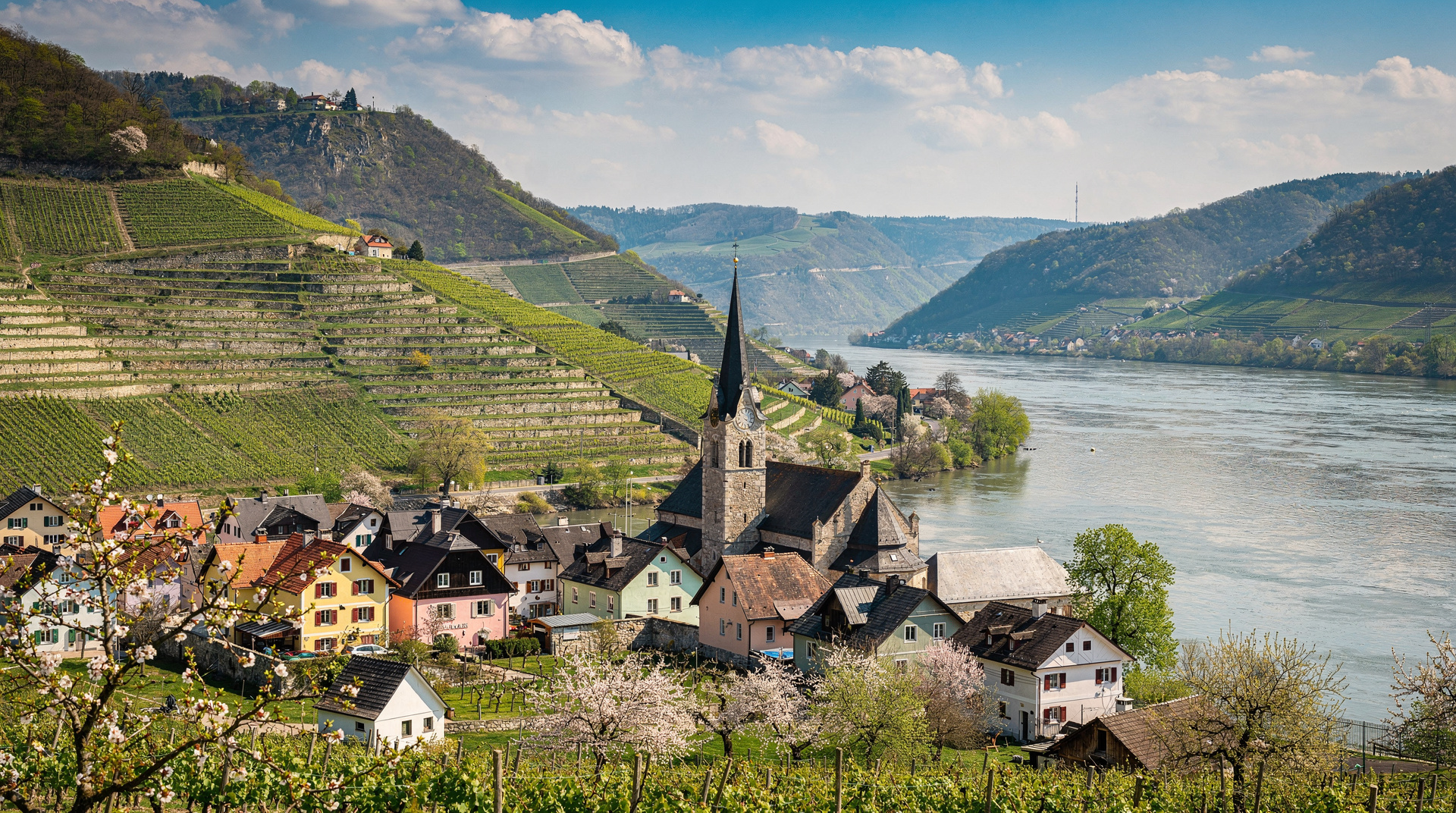
By late September, the Wachau wine harvest is in full swing. Vineyards on both banks of the Danube between Melk and Krems are being picked — the Grüner Veltliner and Riesling grapes that define Austrian wine. The wine cooperatives are working flat-out, the narrow roads through Dürnstein and Weißenkirchen smell of fermenting must, and the light on the vineyards at golden hour is extraordinary.
From Vienna: Wachau Valley day tour with wine tastingA wine-focused Wachau day trip in September or early October is the single best combination of food, landscape, history, and season in the Vienna region.
Sturm: the autumn wine you can’t get otherwise
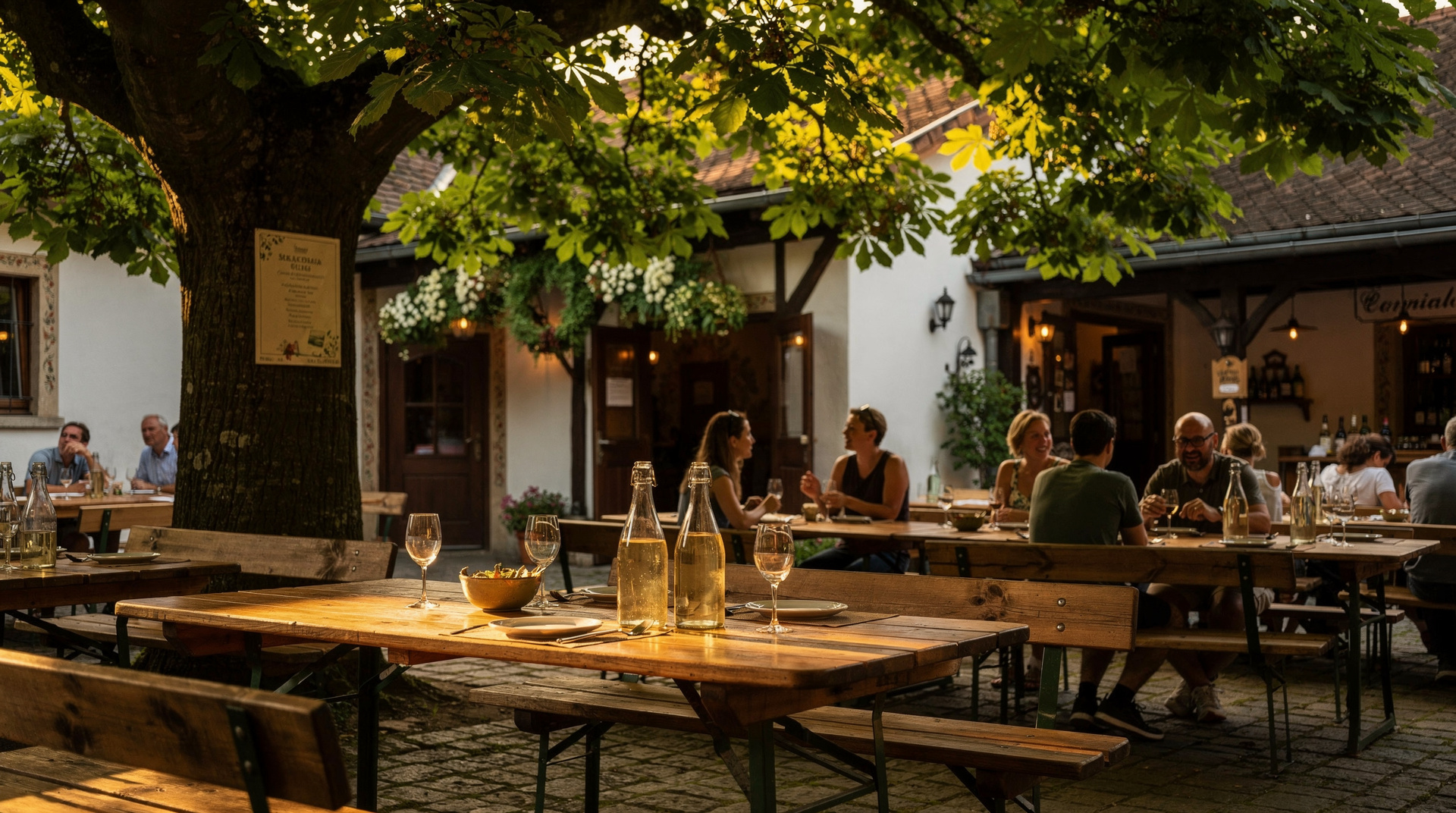
Sturm is partially fermented grape juice — still actively fermenting when served, which is why it’s cloudy, slightly carbonated, and sweet-tart. It is only available for approximately six weeks during the harvest. Heuriger wine taverns in Grinzing, Nussdorf, and Heiligenstadt put out their pine-branch signs (indicating they’re open) and serve Sturm alongside cold cuts and bread.
A September Heuriger evening — sitting in the garden with Sturm and a Brettljause plate as the sun sets over the hillside — is the quintessential Vienna autumn experience.
October: golden autumn
What October offers
October is cooler than September (12–18°C average, dropping to 7–10°C evenings) but brings Vienna’s most distinctive autumn character:
Autumn colours: The Prater’s Hauptallee (main avenue, 4.5km of mature chestnut trees) turns gold and amber in the third week of October. The Vienna Woods (Wienerwald) provide a full-scale autumn spectacle accessible in 30–40 minutes from the city. The Kahlenberg viewpoint in the hills above the 19th district offers panoramic views over an autumn-coloured Vienna.
Wachau at peak harvest: The best single October image in Austria is the Wachau valley in full harvest — golden vineyards on both banks, castle ruins (Aggstein, Dürnstein) above the river, the apricot orchards turning amber. The boat from Melk to Krems runs through October and is at its most photogenic in the harvest light.
Mushroom season: Wild mushrooms appear in Vienna’s markets and restaurant menus throughout October — Steinpilze (porcini) from the Vienna Woods, Pfifferlinge (chanterelles), and more. This is when traditional Austrian cooking’s forest character comes through most clearly.
What closes or reduces in October
Some Heuriger wine taverns close in late October — the convention is “one pine branch, one fortnight” and some Heuriger operate limited annual days. Check current schedules for specific houses before planning an October Heuriger evening.
Some outdoor attractions become less comfortable in cold, wet October weather. The Schönbrunn Gloriette walk (uphill, exposed) is less pleasant in rain.
Autumn events in Vienna
Viennale (International Film Festival): October–November, Vienna’s main film festival, showing international premieres at cinemas throughout the city. Good for visitors interested in world cinema.
Vienna City Marathon: Running through October (date varies), with the route taking runners through the Ring, past Schönbrunn, and through the city’s historic districts. Spectating is free.
Wien Modern (music festival): Contemporary music festival in November, a counterpoint to Vienna’s classical heritage.
Autumn compared to spring
Vienna’s two shoulder seasons are often treated as interchangeable, but they suit different priorities. Spring (see our Vienna in spring guide) offers blossom and slightly milder rain patterns; autumn offers harvest, richer restaurant menus, and — for most visitors — better light for photography, since the low golden-hour sun sits at a more dramatic angle against the Ringstrasse facades from September onward. If you can only pick one, choose autumn for wine and food, spring for gardens and flowers.
Autumn fashion and packing
Vienna’s autumn calls for layers. A typical September day requires a T-shirt at noon and a light jacket in the evening. By October, a proper coat for evenings and cool days. October rain is possible — a compact waterproof is worth packing. The indoor (coffee house, museum) culture of Vienna means you are never long without warmth.
Autumn restaurant culture
Autumn is when Vienna’s restaurants shift to their seasonal menus — game dishes (Wildgerichte) appear in October: Reh (venison), Wildschwein (wild boar), Ente (duck). Plachutta Wollzeile is excellent for Tafelspitz year-round but its game autumn menu is the seasonal speciality. Gasthaus Pöschl in the 1st district has a notably good autumn wild game menu.
Vienna: classical concert in the Musikverein — Vivaldi and MozartEvening concerts in the Musikverein or Kursalon are particularly suited to an autumn visit — the combination of an afternoon in the Wachau or Vienna Woods followed by an evening concert in the Golden Hall creates the ideal Vienna autumn day.
Day trips in autumn
Wachau wine harvest (strongly recommended): Best in the third and fourth weeks of September, continuing into October. The boat from Melk to Krems in harvest light is among the best daytrip experiences in Central Europe.
Vienna Woods: The Mayerling excursion and the Heiligenkreuz Abbey in the Vienna Woods turn beautiful in autumn colour. See the Vienna Woods day trip guide.
Bratislava: Excellent in autumn — lower crowds than summer, comfortable temperatures, and the Slovak capital’s wine villages (Svätý Jur, Modra) are in harvest.
Budapest: Still warm enough in September–October for outdoor terrace culture on the Danube. A comfortable 2.5-hour Railjet journey. See our Vienna to Budapest guide.
Shaping an autumn trip around the weather
Autumn weather in Vienna is changeable, so the best plans pair an outdoor highlight with an indoor fallback. On a bright day, spend the morning outside: a walk along the Ringstrasse to catch the low light on the facades, or a slow wander through the gardens of Schönbrunn. If clouds roll in, the city’s museums are the natural backup, and our best museums in Vienna guide helps you choose which one deserves a grey afternoon.
Coffee houses come into their own as the days cool. A long stop in one of the best coffee houses in Vienna is not a detour in autumn but part of the plan, and the habit of lingering over a single cup suits the season well. If you are unsure how to behave once you sit down, the coffee house etiquette guide covers the unwritten rules.
For photographers, autumn is forgiving. The softer light makes it easier to shoot palaces and church spires without harsh shadows, and the Vienna photography spots guide lists the viewpoints that work best when the leaves are turning. Early mornings and the hour before sunset are the moments to prioritise.
Choosing how long to stay
Autumn rewards a slightly longer stay than a rushed weekend, because a rainy day or two is easier to absorb when you have room to rearrange. A compact trip fits the 3-day Vienna itinerary, while a longer visit that leaves space for a Wachau harvest day and an evening at the Heuriger suits the 5-day Vienna itinerary. Either way, keep one day loosely planned so you can swap activities according to the forecast rather than fighting it.
Evenings are worth planning on purpose. A concert, a long dinner, or an evening in the hills at a wine tavern all feel more rewarding once the air has a chill. If music is a priority, our Musikverein concerts guide explains what to expect from an evening in the Golden Hall, and the Grinzing Heuriger district is the classic setting for the wine side of the season.
The case for September specifically
September is the month that combines everything Vienna does best:
- Post-summer crowd reduction
- Spanish Riding School and full cultural calendar open
- Wachau harvest and Sturm wine
- Warm days, cool evenings
- Opera season premiere atmosphere
- Manageable hotel prices (not the peak summer premium)
If you can only visit Vienna once and can choose the timing, choose September.
Where autumn changes your itinerary planning
Because the Spanish Riding School reopens only in mid-September, an early-September trip should not assume it will be available on arrival — check the published autumn schedule before booking flights around it. Similarly, the Vienna Boys’ Choir Sunday mass resumes in September after the summer break, so a September visit is the first realistic window since June. If your trip spans the September transition, build flexibility into the first few days rather than locking in a specific date for either.
Autumn is also the strongest season for combining the city with how many days in Vienna planning around day trips — cooler temperatures make the Wachau, Vienna Woods, and Bratislava all comfortable full-day options without the summer heat penalty that shortens outdoor time in July and August.
Frequently asked questions about Vienna in autumn
What is Vienna like in September?
Temperatures 18–24°C, crowds significantly lower than August, Spanish Riding School and opera season reopening, Wachau harvest beginning. Golden afternoon light and warm evenings.
What is Vienna like in October?
Cooler (12–18°C) but beautiful autumn colours in the Prater and Vienna Woods. Wachau harvest at peak, Heuriger most atmospheric. Some outdoor attractions begin closing late October.
What is Sturm and where can I try it?
Partially fermented grape juice — cloudy, slightly fizzy, sweet-tart — available only during the autumn harvest (September–October). Try at Heuriger Mayer am Pfarrplatz or Heiligenstadt Heuriger wine taverns.
When does the Wachau wine harvest happen?
September through October, peaking in the third and fourth weeks of September. One of Austria’s great seasonal travel experiences.
Is autumn a good time for day trips from Vienna?
Excellent. The Wachau wine harvest makes September–October the best time for a Wachau day trip. The Vienna Woods turn amber in October.
Top experiences
Bookable activities with verified prices and instant confirmation on GetYourGuide.