Vienna to Budapest by train: tickets, times and honest tips
From Vienna: Budapest Small-Group Guided Day Tour
How do I get from Vienna to Budapest by train?
The ÖBB Railjet runs direct from Wien Hbf to Budapest-Keleti in 2h30. Trains run approximately 8 times per day. Advance booking (1–2 months ahead) gets tickets for €19–29; standard fare is €40–60. Book at oebb.at or Hungarian MÁV website. Seat reservation is included.
Vienna to Budapest: 2h30 and one of Europe’s great rail corridors
The Vienna–Budapest corridor is one of Central Europe’s most scenic rail routes — two hours and thirty minutes through the Austrian lowlands, across the border, and into the Hungarian plains, with the Danube visible in sections and the approaching Budapest skyline emerging on the horizon. The Railjet is fast, comfortable, and reliable. Book in advance and the price is very reasonable.
This guide covers everything you need to plan the journey.
| Where | Wien Hbf to Budapest-Keleti |
| Cost | Around €19–29 advance booking; €40–60 standard fare |
| Time needed | 2h30 direct, ~8 trains daily |
| Best time to book | 1–3 months ahead for Sparschiene fares |
| Day trip feasible | Yes, but tight — 1–2 nights recommended for proper time |
The train journey
Train: ÖBB Railjet (and some RegioJet services) Departure: Wien Hbf (Vienna Hauptbahnhof) — accessible by U1/U6 and the airport Railjet Arrival: Budapest-Keleti (Keleti Pályaudvar) Journey time: 2 hours 30 minutes Frequency: Approximately 8 trains per day Seat reservation: Included in ÖBB tickets (Railjet includes compulsory reservation)
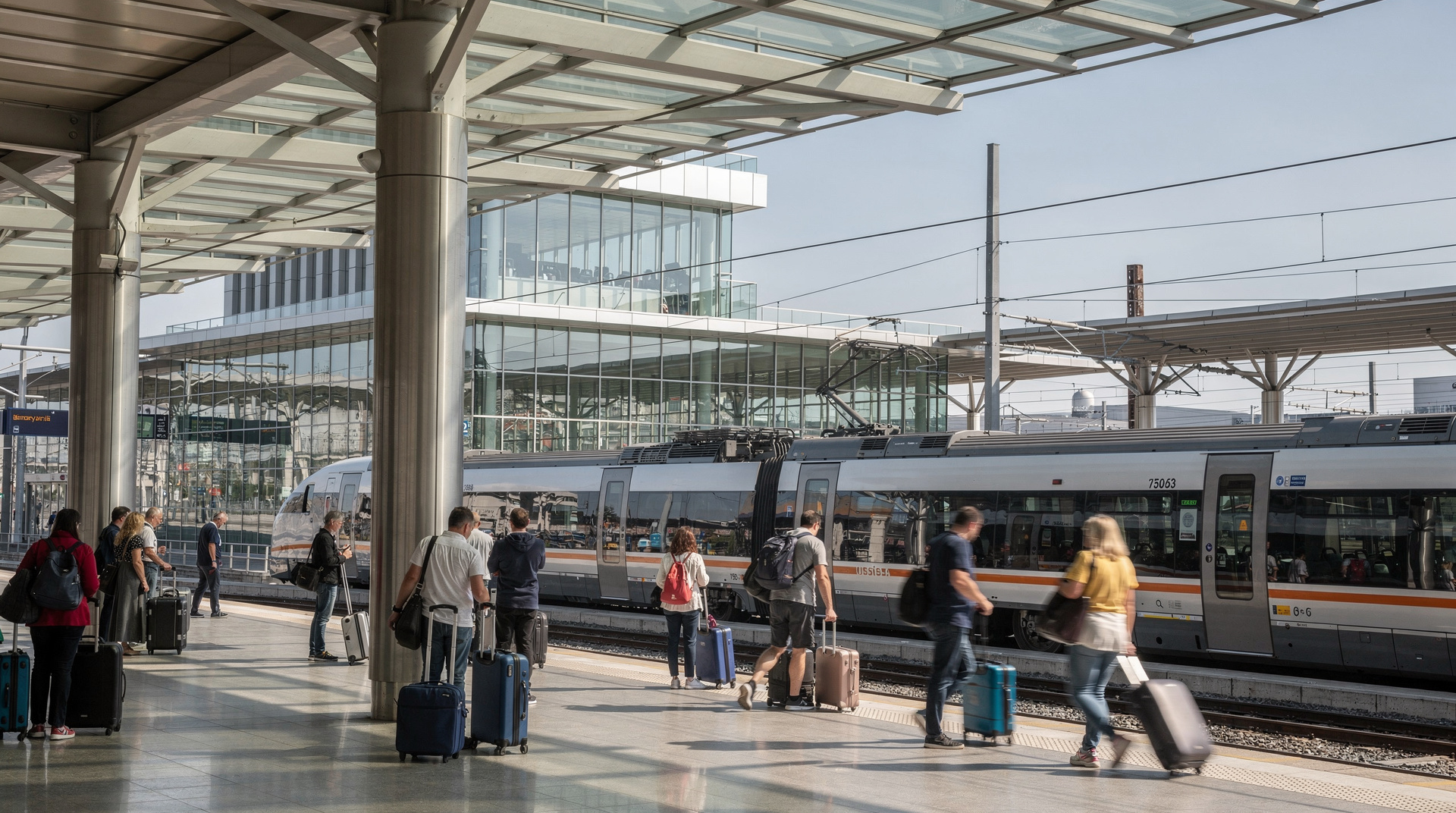
The Railjet is ÖBB’s premium intercity service — modern, comfortable, with a café-bistro car, Wi-Fi, and good seating in all classes. First-class carriages are quiet and spacious; second class is comfortable for a 2.5-hour journey.
The route passes through the Austrian lowlands (Bruck an der Leitha, Parndorf), crosses into Hungary at Hegyeshalom, then traverses the Hungarian Great Plain (Győr, Tatabánya) before approaching Budapest. The landscape is open and agricultural — not dramatic, but peaceful. The approach to Budapest from the west gives glimpses of the Buda hills.
Booking tickets
ÖBB (oebb.at): The primary booking platform for this route. The Sparschiene early-bird fares (€19–29 each way) require advance booking — typically 1–3 months ahead for the cheapest prices. Standard fares run €40–60 each way. Book early if your dates are fixed.
RegioJet (regiojet.com): Occasionally runs direct Vienna–Budapest services at competitive prices. Check alongside ÖBB for the best current fare.
MÁV-Start (mavcsoport.hu): Hungarian national railways — allows booking from the Budapest direction, sometimes with different pricing.
First class vs. second class: First class on the Railjet is quiet, with more legroom and included light catering on some services. The upgrade is approximately €10–20 more than second class. For a 2.5-hour journey, second class is very comfortable.
Advance booking strongly recommended. The Railjet fills up, particularly on Friday afternoons (Vienna → Budapest) and Sunday evenings (Budapest → Vienna). Standard open tickets at short notice cost 2–3x the advance fare.
What you need to know about the border crossing
Austria and Hungary are both Schengen zone members, so there is no passport control in the traditional sense. However:
- Hungarian border police do board trains at the Hungarian border and may check documents for Hungarian citizens (non-EU documents may occasionally be inspected)
- EU/EEA citizens need their passport or ID card
- Non-EU visitors with Schengen visa-free status (US, UK, Canada, Australia etc.) should carry their passport as normal
- No luggage inspection or customs declaration for travellers within the EU
The border crossing adds minimal delay — typically 5–10 minutes.
Currency note: Budapest uses the Hungarian Forint
Vienna uses the Euro; Budapest uses the Hungarian Forint (HUF). The approximate exchange rate is 1€ = 390–410 HUF. Major hotels, restaurants, and tourist attractions in Budapest accept cards, but many markets, transport, and smaller establishments are cash-only. Withdraw HUF from an ATM in Budapest (Keleti station has ATMs) rather than exchanging currency at the airport or at the border.
Do not exchange Euros for Forint in Vienna. Exchange rates at Vienna exchange bureaux are poor. Use Budapest ATMs directly.
Budapest: key logistics on arrival
Budapest-Keleti station: One of Budapest’s three main stations (Keleti = Eastern, Nyugati = Western, Déli = Southern). Keleti is the most central for most visitors.
From Keleti to the city centre:
- Metro M2 (red line) from Keleti: 3 stops to Deák Ferenc tér (the main central square), 8 minutes. Ticket: 450 HUF (about €1.10).
- Tram 24 from Keleti: slower but scenic route through Pest.
- Taxi/Uber: approximately 10–15 minutes to the centre, 1,500–2,500 HUF.
Budapest transport: The BKK transit network covers metro, trams, and buses. A 24h pass costs 2,150 HUF (~€5.50). The Hop-On Hop-Off bus is available for a single Ringroad orientation loop.
Budapest highlights for a day trip or short stay
Buda side (hilltop):
- Buda Castle and the Castle District
- Fishermen’s Bastion (panoramic terrace, iconic twin-tower neo-Gothic structure)
- Matthias Church (richly decorated interior)
Pest side (flat, commercial):
- Great Market Hall (Nagyvásárcsarnok) — Budapest’s market equivalent of Vienna’s Naschmarkt
- Váci Street and the pedestrian old town
- St. Stephen’s Basilica
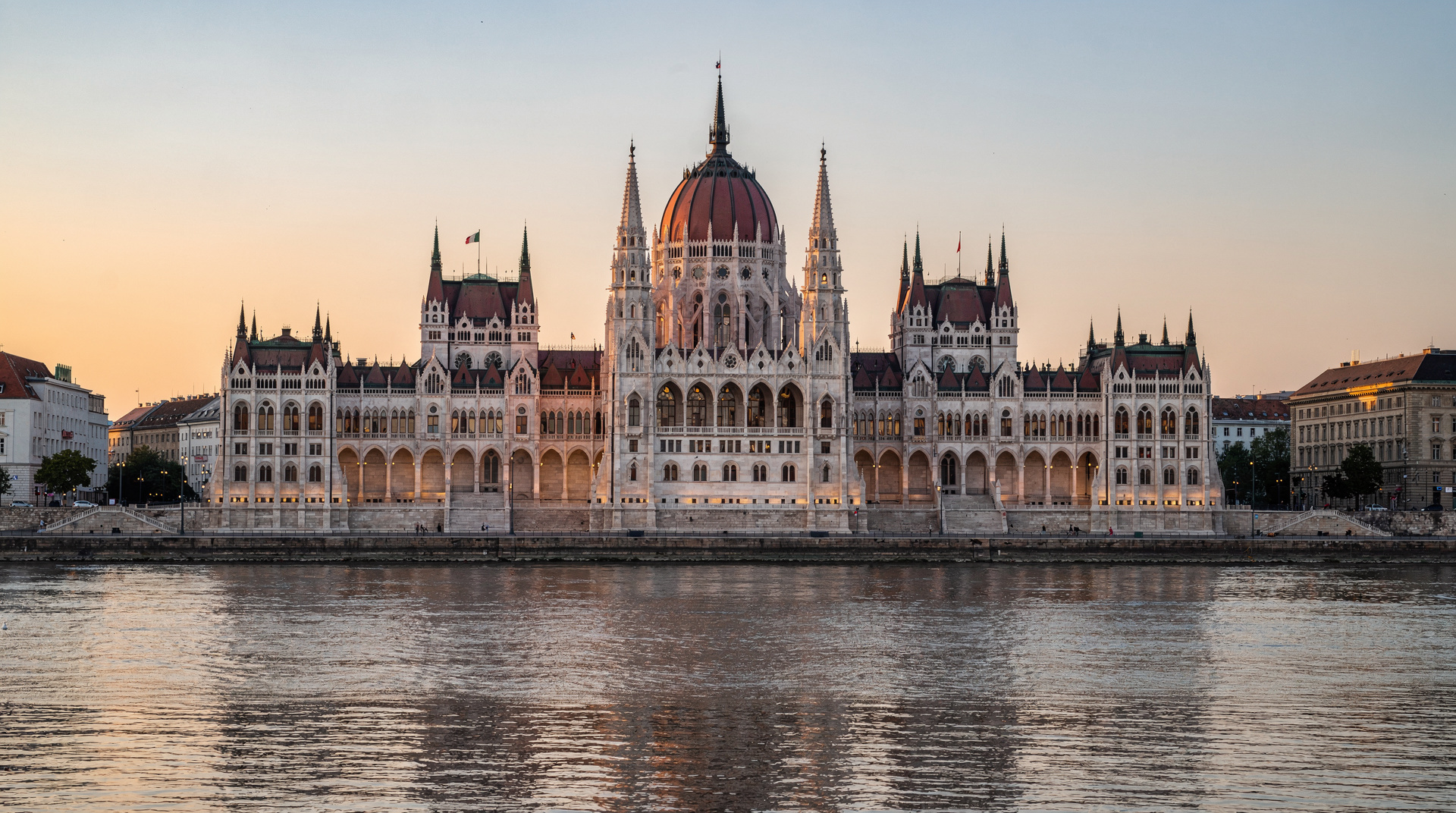
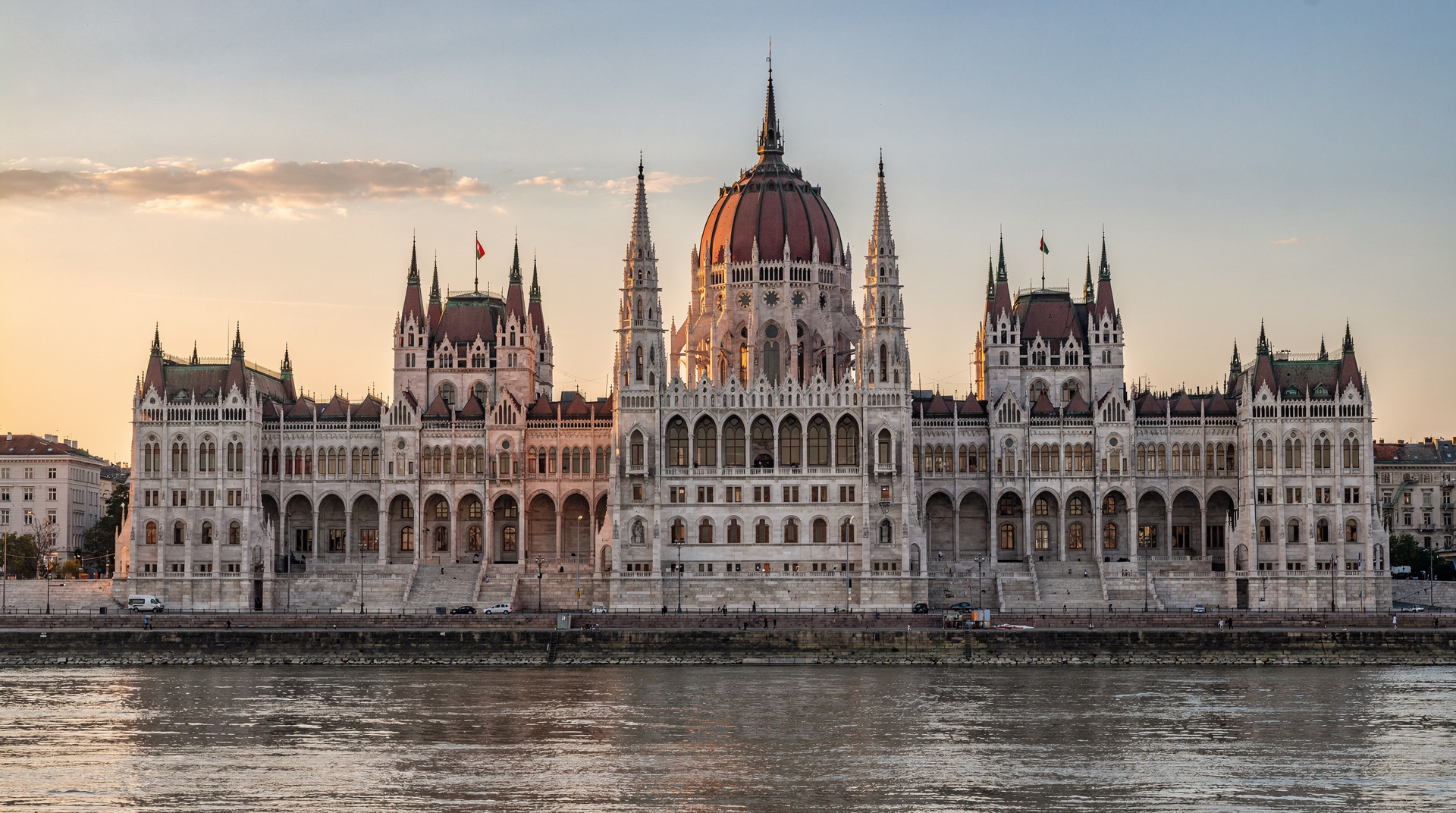
- Hungarian Parliament (exterior; interior tours require advance booking)
- Ruin bars in the 7th district (Jewish quarter) — particularly Szimpla Kert
Thermal baths: Széchenyi Fürdő (in City Park, largest in Budapest, open daily), Gellért Fürdő (Art Nouveau, on the Buda side). Both require advance booking in peak season.
Jewish Quarter and Great Synagogue: The Dohány Street Synagogue is the largest in Europe. Guided tours available.
Guided day trips from Vienna to Budapest
For travellers who prefer an organised experience rather than navigating independently, guided day trips from Vienna include transport, a Budapest city tour with a local guide, and the major highlights.
From Vienna: Budapest small-group guided day tourSmall-group guided day trips typically include bus transport (slightly longer than train but with picked-up service from Vienna hotels), a walking tour of the castle district and city centre, and return by early evening. Good for first-timers who want context and don’t want to research Budapest logistics.
From Vienna: day trip to Budapest including Bratislava photo stopThe combined Vienna–Bratislava–Budapest day trip (with Bratislava as a photo stop en route) is a popular format for visitors doing the Central European circuit. Note that this is a long day — typically 6 am departure, 9 pm return — and gives limited time in Budapest.
Vienna–Bratislava–Budapest: the three-capital route
The geographic logic of the three cities makes this one of Europe’s most natural multi-city routes:
Vienna → Bratislava (1h train) → Budapest (2h30 from Vienna via Bratislava — or change at Bratislava for faster routing)
The practical route for travellers doing all three: Vienna (2–3 nights) → Bratislava (half-day stop or 1 night) → Budapest (2 nights). Return either by overnight train to Vienna or by flight. The trains run frequently in both directions throughout the day.
See our Vienna to Bratislava transport guide for the Bratislava leg.
Deciding between a day trip and an overnight stay
Whether Budapest deserves a day trip or a proper overnight stay depends on what you want from the visit. Our Budapest day trip from Vienna guide sets out a realistic day-trip itinerary built around the 2h30 Railjet, while this guide’s own FAQ above covers the transit-time trade-off. If you’re weighing Budapest against other cross-border options, the Vienna to Prague guide and Vienna to Bratislava guide cover the comparable journeys — Bratislava is far shorter and easier as a day trip, while Prague is roughly the same distance as Budapest but without a direct 2.5-hour train.
For planning how much of your total Vienna trip to allocate to Budapest, see the how many days in Vienna guide, and for what awaits on arrival, the Budapest destination overview covers the city’s neighbourhoods and character beyond this transport-focused guide.
Getting to Wien Hbf and settling in before departure
Arrive at the station with time to spare rather than cutting it fine. Wien Hbf is a large modern station with shops, bakeries and a supermarket, so you can stock up on food and water before boarding. If you are coming from the airport, our Vienna airport to city guide explains the options, and the CAT vs Railjet vs bus comparison shows how the same rail network can take you straight toward the station. Within the city, the Vienna public transport guide covers how to reach the platforms by metro or tram with the right ticket.
Check the departure board for your platform shortly before the train is due, and note which carriage your reserved seat is in. The Railjet is made up of clearly labelled sections, and boarding at the right end saves you a long walk through a busy train with luggage.
Choosing your seat and making the ride comfortable
On a journey this short you do not need much, but a few choices help. Window seats are worth requesting if the scenery matters to you, and a seat facing the direction of travel is easier for anyone prone to motion sickness. Travelling with a laptop or a phone full of downloaded maps is straightforward, since the carriages have power sockets and Wi-Fi, though the signal can be patchy in places, so download your Budapest map and tickets before you leave.
Keep valuables on you rather than in the overhead rack, as you would on any international train, and keep your passport or ID card within easy reach for the border stretch. Large bags go on the luggage racks at the carriage ends, which is another reason to board at the right door.
Combining the train with a longer Central Europe trip
The Budapest rail link works well as one leg of a bigger journey. If you are building an itinerary, our three capitals itinerary shows how to chain the cities together without backtracking. Travellers with a short stay in Austria can slot a Budapest night into a Vienna weekend itinerary only if they accept a fast pace, whereas a five-day Vienna itinerary leaves more room for an overnight trip east and back.
If you are still deciding which city deserves more of your time, the Vienna vs Budapest comparison lays out the character of each, and the Vienna destination page is a good base for planning what to see before you leave. A first-hand account of the trip is in our Budapest day trip diary, which gives a feel for how the day actually unfolds.
Planning around money and timing
The train is usually the best-value way to reach Budapest when you book ahead, and it fits neatly into a tight budget. Our Vienna on a budget guide shows where else to save, so that the money you keep goes toward Budapest experiences such as a bath session or a good dinner. Season matters too: the best time to visit Vienna page is a useful reference when picking dates, because the weather and crowds you meet at the start of your trip will shape how much you want to move on. For wider trip planning, the planning a Vienna trip diary walks through the decisions travellers face before booking anything.
Whichever dates you choose, build in a little slack on both ends. A delayed train is rare but possible, and arriving a bit early at the station is far less stressful than watching the clock. On the way back, allow yourself a relaxed evening rather than aiming for the last possible departure, especially if you have a flight or an early start in Vienna the next morning.
What to do on your first hour in Budapest
Having arrived at Keleti, resist the urge to rush straight to a sight. Drop your bags at your accommodation if you are staying over, or use a luggage option at the station if you are returning the same day. Then head to the centre on the metro and orient yourself on foot. A short walk through the pedestrian streets of Pest gives you a feel for the city before you commit to the castle hill or a bath.
If you only have a day, pick one side of the river for the morning and the other for the afternoon instead of crisscrossing. Pest rewards wandering and food stops, while the Buda side suits viewpoints and quieter streets. Leave time at the end for a relaxed meal near the station so you are not racing for the return train.
Frequently asked questions about the Vienna to Budapest train
How long is the train from Vienna to Budapest?
The direct ÖBB Railjet takes 2 hours 30 minutes from Wien Hbf to Budapest-Keleti. Approximately 8 departures per day.
How much does a Vienna to Budapest train ticket cost?
Advance booking: €19–29 per person each way. Standard fare: €40–60 each way. Book at oebb.at.
Is there a direct train from Vienna to Budapest?
Yes — the ÖBB Railjet runs direct, no changes required.
What station do trains from Vienna arrive at in Budapest?
Budapest-Keleti (Eastern Station), with excellent metro connections (M2 red line).
Should I do Budapest as a day trip from Vienna?
It’s feasible (2h30 each way, 5h total transit), but 1–2 nights allows proper exploration including the thermal baths and ruin bars. An early departure (7 am Vienna) gives 8+ hours in Budapest.
Top experiences
Bookable activities with verified prices and instant confirmation on GetYourGuide.