Vienna Woods day trip: Mayerling, Heiligenkreuz and Baden bei Wien
Vienna Woods and Mayerling Half-Day Tour from Vienna
What is the best way to see the Vienna Woods in a day?
The classic circuit covers Mayerling (Crown Prince Rudolf's hunting lodge, 1889 suicide site), Heiligenkreuz Abbey (12th-century Cistercian monastery), and Baden bei Wien (Roman spa town). A half-day guided tour handles the logistics without a car. Alternatively, combine bus and taxi from Vienna.
The forest that starts where Vienna ends
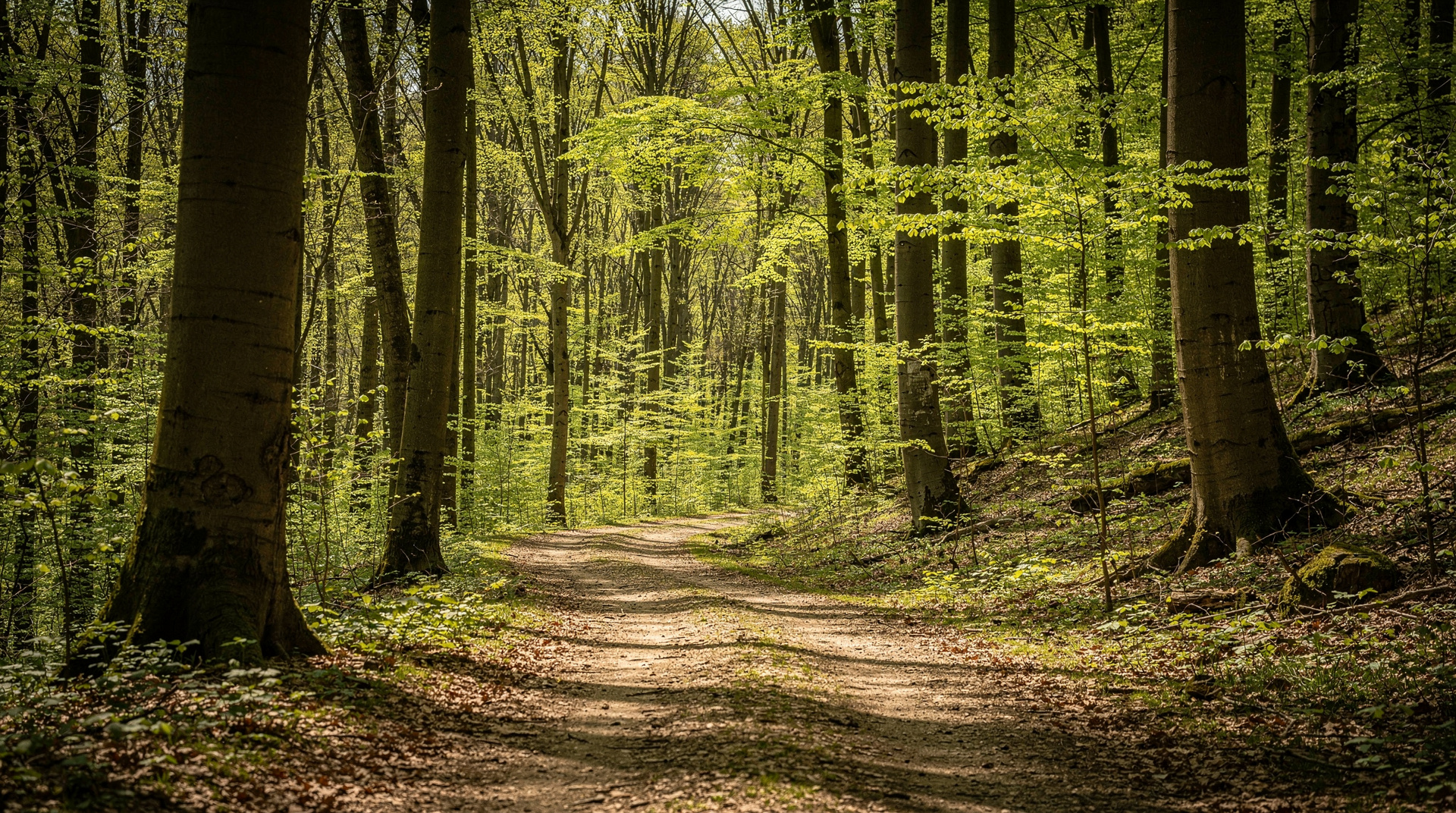
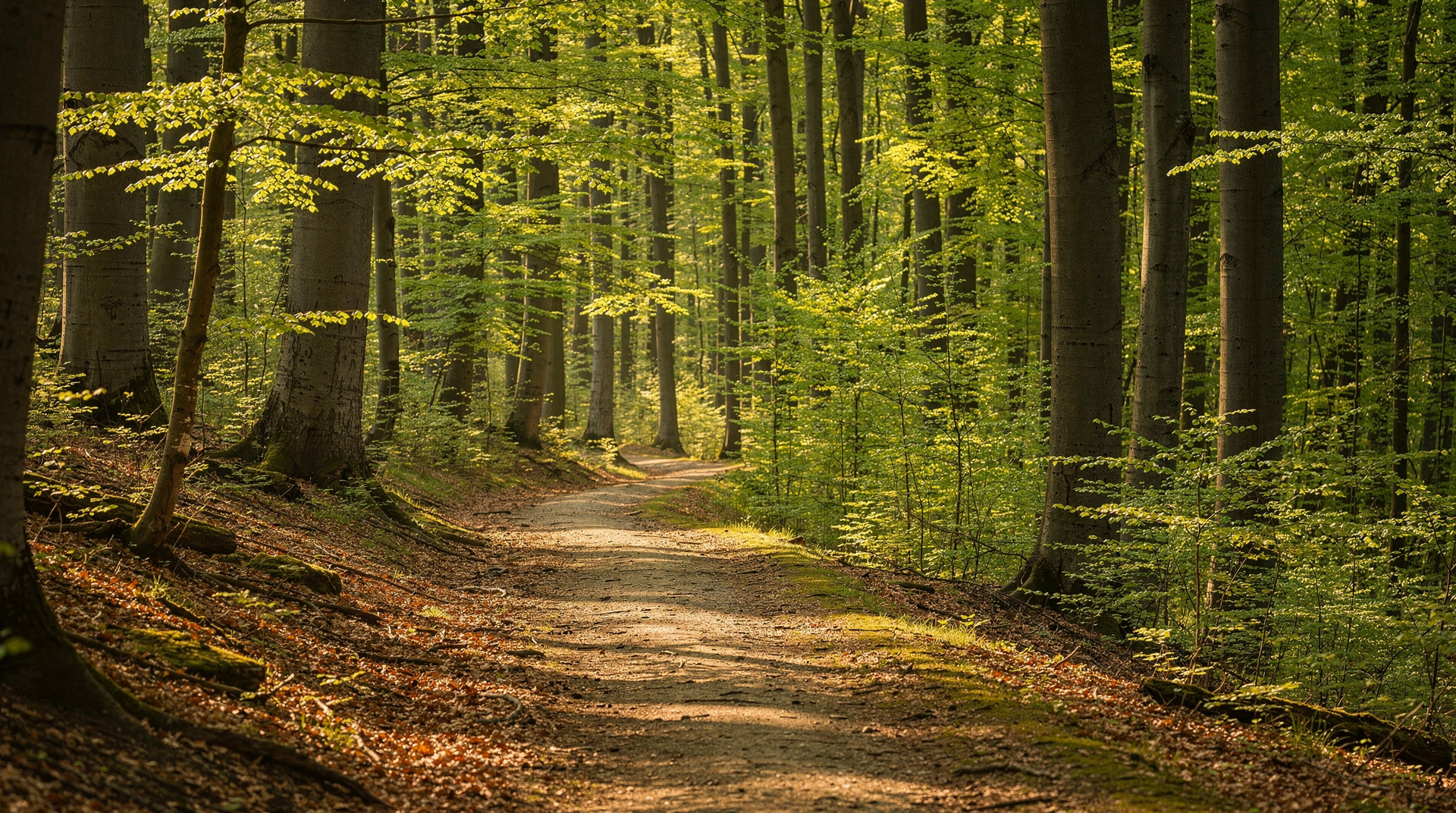
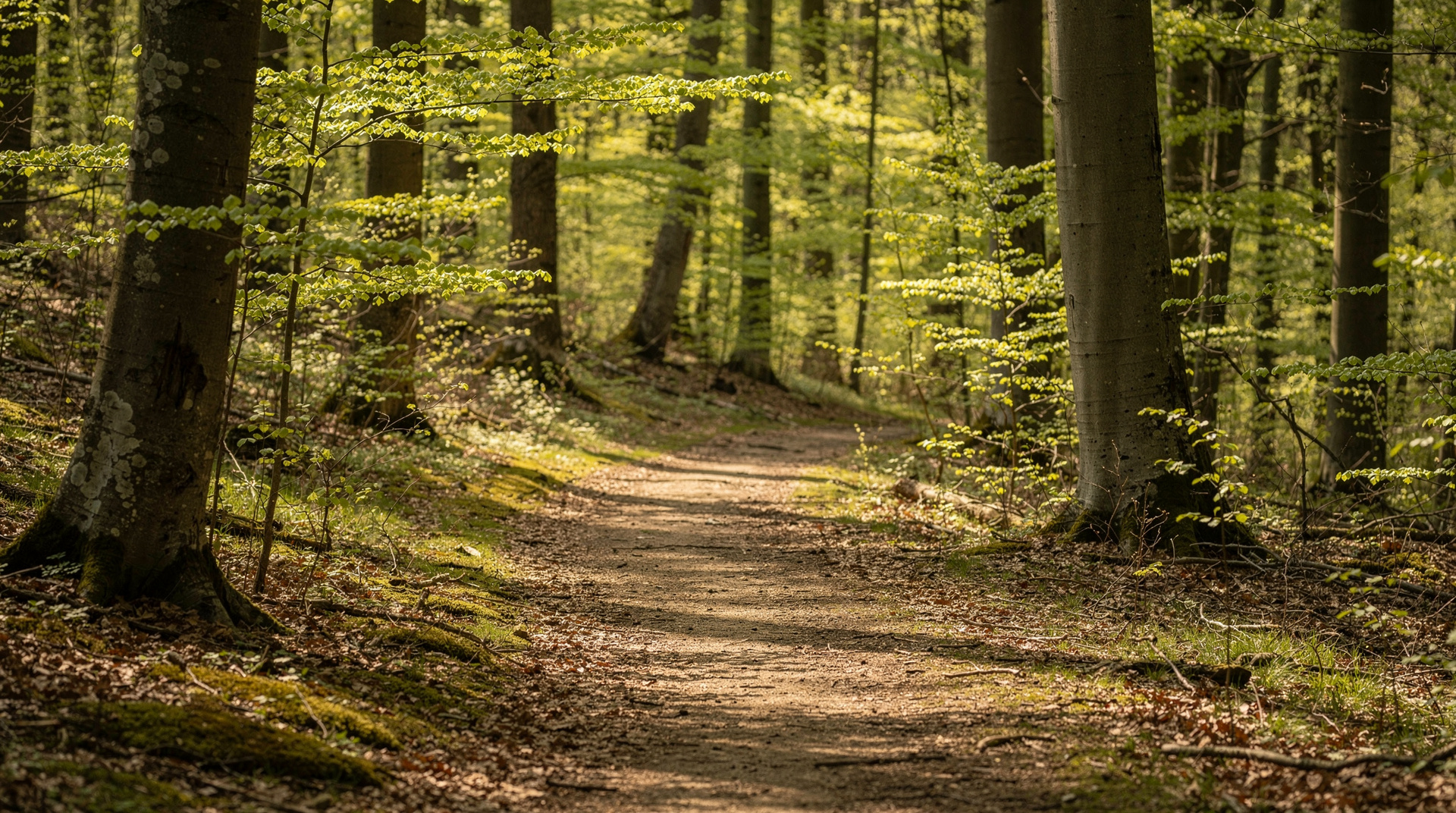
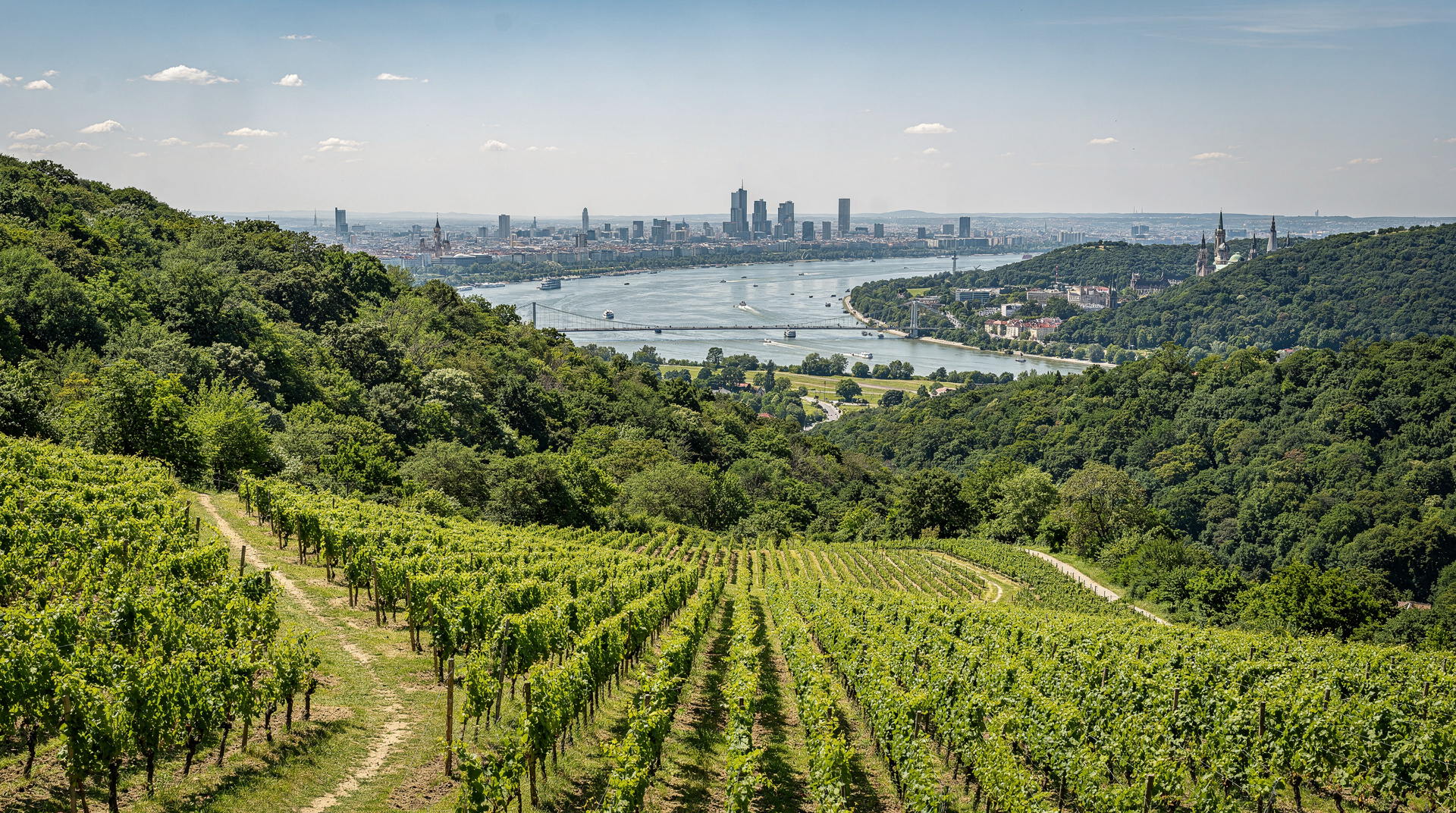
The Wienerwald (Vienna Woods) is the northernmost extension of the Eastern Alps — a forested plateau of beech, oak and pine that begins immediately at Vienna’s western edge and extends some 50 km into Lower Austria. This is where Viennese families have walked, cycled and picked mushrooms for centuries; where Beethoven composed parts of the Sixth Symphony while listening to birdsong above Heiligenstadt; where Habsburg emperors came to hunt. It is quiet, green, and — by the standards of the region’s famous competitors — deeply underrated by international visitors.
A Vienna Woods half-day or day trip is a deliberate change of pace. The attractions are not grand museums or dramatic mountain scenery; they are a tragic chapter of Habsburg history, a medieval monastery in remarkable condition, and the gentle pleasures of a well-worn spa town where Viennese families have been taking the waters since Roman times.
| Where | Mayerling, Heiligenkreuz, Baden bei Wien — 25–35 km from Vienna |
| Cost | around €4–10 per site, or a half-day tour from around €50–70 |
| Time needed | Half-day (3–4 hrs) for Mayerling + Heiligenkreuz; full day with Baden |
| Getting there | Bus 365A from Wien Meidling, or an organised half-day tour |
| Best time | Spring and autumn for the forest colours; year-round for the sites |
Getting to the Vienna Woods
Without a car
Baden bei Wien: Direct train from Wien Hauptbahnhof (30 minutes) or tram/train from Wien Meidling. Baden is accessible independently.
Mayerling and Heiligenkreuz: These two sites are close together but awkward without a car or taxi. From Baden, bus 365 runs to Mayerling and Heiligenkreuz on a limited schedule. Taxis from Baden to Heiligenkreuz cost approximately €15–18 and are more practical.
From Vienna: Bus line 365A runs from Wien Meidling to Heiligenkreuz in about 45 minutes, running several times daily. This is the most practical public transport option for the abbey specifically.
By organised half-day tour (recommended)
The simplest and most time-efficient approach is an organised half-day tour from Vienna. These tours typically cover Mayerling, Heiligenkreuz and — in longer versions — Baden bei Wien or Seegrotte, with a guide who explains the Mayerling tragedy and the Cistercian history.
Vienna Woods and Mayerling half-day tour from ViennaFor a longer, more leisurely exploration of the area:
Vienna Woods and Mayerling tour: enchanting escapesWhat to see
Mayerling hunting lodge
The Mayerling hunting lodge is a place of pilgrimage for anyone interested in the twilight of the Habsburg Empire. On the night of 29–30 January 1889, Crown Prince Rudolf — the only son of Emperor Franz Joseph and heir to the Austro-Hungarian throne — shot his 17-year-old mistress Mary Vetsera and then himself in this unremarkable hunting lodge in the woods above Baden.
The Habsburg court, desperate to conceal the scandal, initially announced that Rudolf had died of a heart attack. Pope Leo XIII was quietly informed of the suicide so that Rudolf could receive a Catholic burial. Mary Vetsera’s body was removed secretly to a local cemetery. The full story of that night emerged only gradually over the following decades.
Emperor Franz Joseph, devastated, ordered the hunting lodge converted into a Carmelite convent within months. The Carmelite sisters have occupied the site ever since. Today the convent chapel (built on the exact spot of the bedroom where the deaths occurred) is open to visitors. A small museum adjacent displays portraits, contemporary newspaper reports and objects from the night of the tragedy, including Mary Vetsera’s final letter to her mother.
The visit is quiet, melancholy and historically absorbing. Entry to the convent chapel and museum: €4. Allow 45–60 minutes.
The significance: Rudolf’s death without an heir set in motion the chain of succession events that eventually brought Archduke Franz Ferdinand — whose assassination in Sarajevo in 1914 triggered the First World War — to the position of heir presumptive. Mayerling is, in a sense, the starting point of the 20th century’s first catastrophe.
Heiligenkreuz Abbey
Founded in 1133 by Margrave Leopold III (later canonised as the patron saint of Austria), Heiligenkreuz is the oldest continuously inhabited Cistercian monastery in the world. Unlike many medieval monasteries that have been converted into museums, Heiligenkreuz is still a functioning religious community — approximately 80 monks live here — and this living religious presence gives the site a quality that purely museum monasteries lack.
The Romanesque-Gothic church (12th–14th centuries) is the architectural centrepiece. The original Romanesque nave, with its round arches and stripped stone columns, transitions into a Gothic choir of considerable delicacy. In the crossing chapel, the remains of various Babenberg dynasty rulers are interred — including Leopold III himself, and six others from the ruling house that preceded the Habsburgs in Austria.
The cloister is the most beautiful part of the complex: a late Gothic cloister garden with slender clustered columns, intricate tracery and a washing basin (lavabo) surrounded by Renaissance bronze candlesticks. The chapter house contains the tombstones of early Babenberg princes.
Gregorian chant is sung in the chapel at regular hours throughout the day — an experience that has become a specific reason some visitors make the Heiligenkreuz trip. The monastery produced a bestselling CD of Gregorian chant in 2008; the musical tradition is genuine and daily.
Guided tours: €10. The gardens and church are accessible independently. Allow 1–1.5 hours.
Baden bei Wien
Baden (25 km south of Vienna by train) is Austria’s most complete classical spa town. The natural thermal springs have been in use since Roman times (the Romans called the settlement Aquae); the current townscape is largely Biedermeier (early 19th century), reflecting the period when the Habsburg court spent summers here and the Viennese wealthy followed.
Beethoven was among the regular visitors — he composed parts of his Ninth Symphony while walking the hills above Baden in the 1820s. His summer lodgings are preserved and open to visitors (Beethoven’s house, Rathausgasse 10, entry €5).
The main square (Hauptplatz) and the pedestrianised Kurpark (spa park) with its bandstand and thermal pool are pleasant for a 30–45 minute walk. The Römertherme thermal bath complex is open for public bathing if you want to take the waters as the Romans and Habsburgs did (entry €20–25 for 2 hours).
Seegrotte (optional)
Seegrotte near Hinterbrühl (between Mödling and Heiligenkreuz) is a former gypsum quarry converted by flooding into an underground lake — claimed to be the largest in Europe. During the Second World War, the Heinkel aircraft manufacturer used the stable underground temperatures to manufacture Heinkel He 162 jet fighter components away from Allied air raids.
Guided tours (45 minutes) take visitors on a small electric boat across the underground lake through illuminated caverns. Entry: €14 adults, €8 children. Worth considering if you have children in the group or a specific interest in WWII history.
Combining Vienna Woods with hiking
The Vienna Woods is also a serious hiking destination. The Vienna Woods hiking guide covers the main trail networks, and the Kahlenberg hike describes the closest panoramic viewpoint to the city (484m, reached by bus 38A from Heiligenstadt). For visitors who want fresh air and walking rather than historical sites, these are the better options.
How this compares to other Vienna day trips
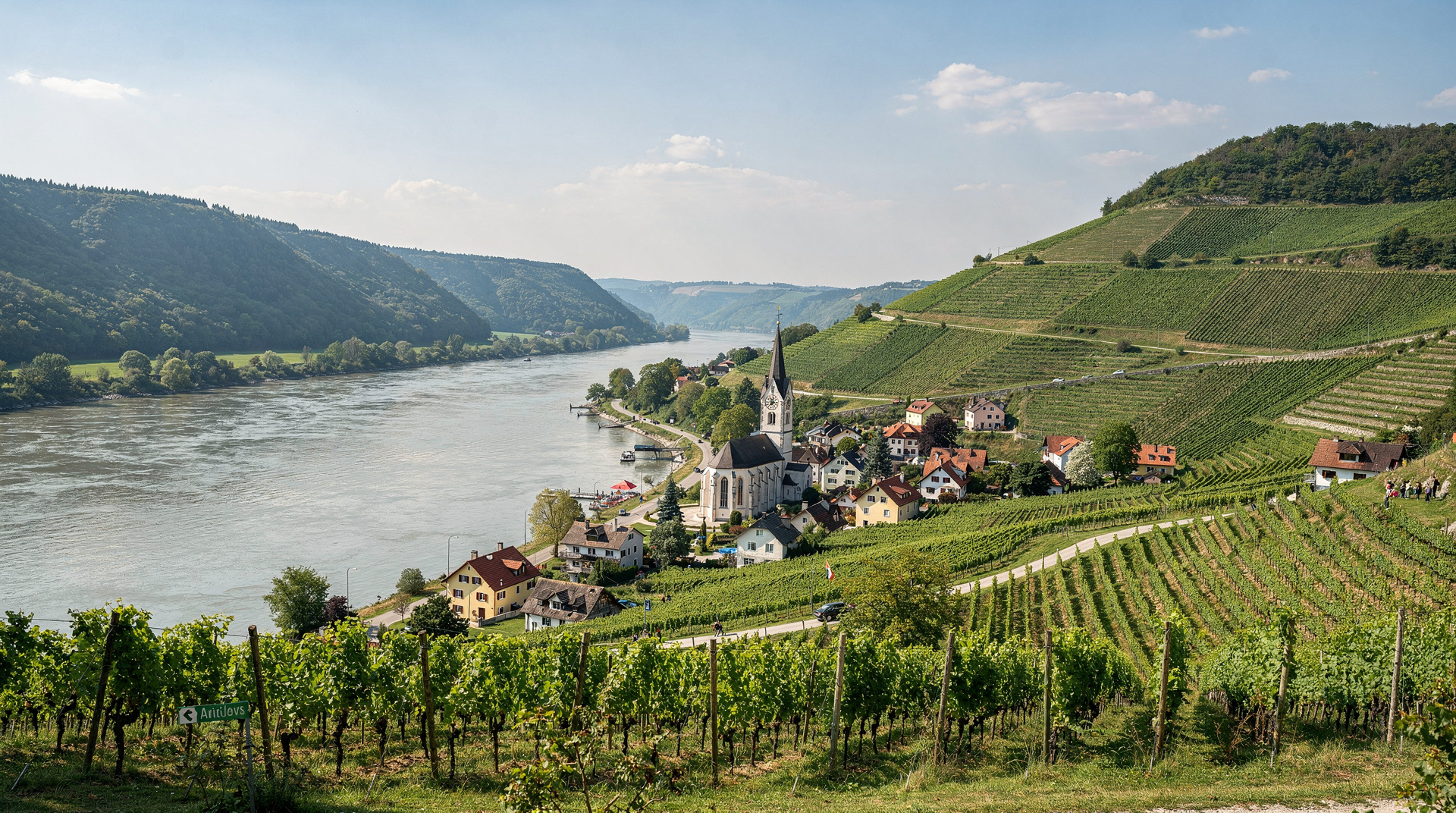
The Vienna Woods is a quieter, cheaper alternative to the region’s bigger-name excursions. Compared with the Wachau Valley day trip (a full day, boat cruise, wine country), the Vienna Woods is a half-day of history and forest without the logistics of a river crossing.
Compared with Eisenstadt (Haydn’s Esterházy court, about an hour away) or the more ambitious Salzburg day trip, the Vienna Woods is the option for visitors who want a genuine change of pace without a long transit day. If you’re deciding between all of these, the best day trips from Vienna guide ranks them by effort versus reward.
Wine and food after the sites
Baden and the villages fringing the Vienna Woods sit close to some of the region’s Heurigen wine-tavern country. If your circuit includes Baden or you have transport that allows a small detour, a stop at a countryside Heuriger for Austrian cold cuts and young wine rounds out the day nicely — see the Heuriger guide for what to expect and how the tradition works. This pairs naturally with the monastic and imperial history of the day: the Cistercian monks at Heiligenkreuz have their own centuries-old brewing tradition, a fitting bookend to an afternoon spent among vineyards.
When to go
The Vienna Woods is pleasant year-round, with specific seasonal highlights:
- Spring (April–May): Beech trees leaf out in brilliant green; anemones and primroses on the forest floor; birdsong.
- Summer (June–August): Ideal walking weather; the monastery gardens are in bloom.
- Autumn (September–October): The most spectacular season — beeches and oaks turn copper and gold. The forest paths are carpeted with leaves.
- Winter: The forest is quiet and sometimes snow-covered. Heiligenkreuz and Mayerling are open year-round.
Extending the circuit to Eisenstadt
Travellers with a full day and a car (or willing to arrange a longer taxi/tour) sometimes extend the Vienna Woods circuit east towards Eisenstadt, the seat of the Esterházy princes and the town where Joseph Haydn spent most of his working life. It’s roughly an hour from Baden and makes a natural pairing for anyone whose interest in Mayerling and Heiligenkreuz extends to Austrian aristocratic and musical history more broadly. See the Eisenstadt day trip guide for how to combine the two without an exhaustingly long day.
Practical tips
Half-day or full day? Mayerling and Heiligenkreuz together make a comfortable half-day (3–4 hours). Adding Baden bei Wien and/or Seegrotte extends it to a full day. The organised half-day tour leaves the afternoon free for Vienna.
What to bring: Comfortable walking shoes. The abbey tours involve cobblestoned courtyards and stone floors. Light jacket even in summer — the forest valleys are often cooler than Vienna by 3–5°C.
Photography: The cloister at Heiligenkreuz is one of the most photogenic medieval spaces in Austria. Flash photography is not permitted inside the church.
Café: The Stift Heiligenkreuz has a small café serving the monks’ own produced beer (Stiftsbier) — an unusually pleasant opportunity for monastic hospitality.
Booking ahead: The organised half-day tours run daily in season but can sell out on weekends in summer; book at least a few days ahead if a specific date matters. Independent visitors relying on bus 365A should treat the printed schedule as approximate and build in slack, especially for the return leg — missing the last bus back to Baden or Vienna means an expensive taxi.
See the best day trips from Vienna for comparison with other half-day destinations, and the Vienna 7-day itinerary for how the Vienna Woods fits into a longer trip.
Frequently asked questions about the Vienna Woods day trip
What happened at Mayerling?
On 30 January 1889, Crown Prince Rudolf — heir to the Habsburg throne — shot his 17-year-old mistress Mary Vetsera and then himself at the Mayerling hunting lodge. The Habsburg court suppressed the details for decades. Emperor Franz Joseph had the hunting lodge converted into a Carmelite convent in 1889 as a place of penance. The tragedy contributed to the eventual crisis of Habsburg succession.
Is Heiligenkreuz Abbey worth visiting?
Yes. Founded in 1133 and continuously inhabited since then, Heiligenkreuz is one of the oldest Cistercian abbeys in the world. The Romanesque-Gothic church, the late Gothic cloister, and the medieval ambience are genuinely impressive. Gregorian chants are sung in the chapel daily — an unusual experience in the 21st century.
How far is the Vienna Woods from central Vienna?
The western edge of the Vienna Woods begins about 15 km from the city centre. Heiligenkreuz is about 25 km from Vienna, Mayerling about 30 km, Baden bei Wien about 35 km. All are within 30–50 minutes by car or organised transport.
What is Seegrotte?
Seegrotte near Hinterbrühl claims to be Europe’s largest underground lake. During WWII, the Heinkel aircraft manufacturer used the caverns to manufacture jet engines away from Allied bombing. Guided tours take visitors on a boat ride through the illuminated underground lake. Entry: €14 adults.
Can I do the Vienna Woods without a car?
Yes, but it requires effort. Bus 365 runs from Baden bei Wien (itself reachable by train from Vienna Hauptbahnhof, 30 minutes) to Mayerling and Heiligenkreuz. However, the connections are infrequent and taxis between the sites are the most practical option. An organised half-day tour eliminates the logistics entirely.
Is Baden bei Wien worth visiting?
Baden is a pleasant classical spa town with a pedestrianised centre, Beethoven associations (he summered here for many years) and thermal outdoor pools. It is more of a half-hour stroll than a major attraction, but pleasant as part of a Vienna Woods circuit.
Top experiences
Bookable activities with verified prices and instant confirmation on GetYourGuide.