Vienna Woods
Explore the Vienna Woods: half-day tours to Mayerling, Heiligenkreuz Abbey, Baden bei Wien and the forested hills southwest of the city. Guide from Vienna.
Vienna Woods and Mayerling Half-Day Tour from Vienna
Quick facts
- Distance from Vienna
- 20–40 km southwest
- Access
- S-Bahn S1/S2 or car; half-day tour from city
- Key sites
- Mayerling hunting lodge, Heiligenkreuz Abbey, Baden
- Terrain
- Rolling forest hills, 300–600m elevation
The forest at Vienna’s edge
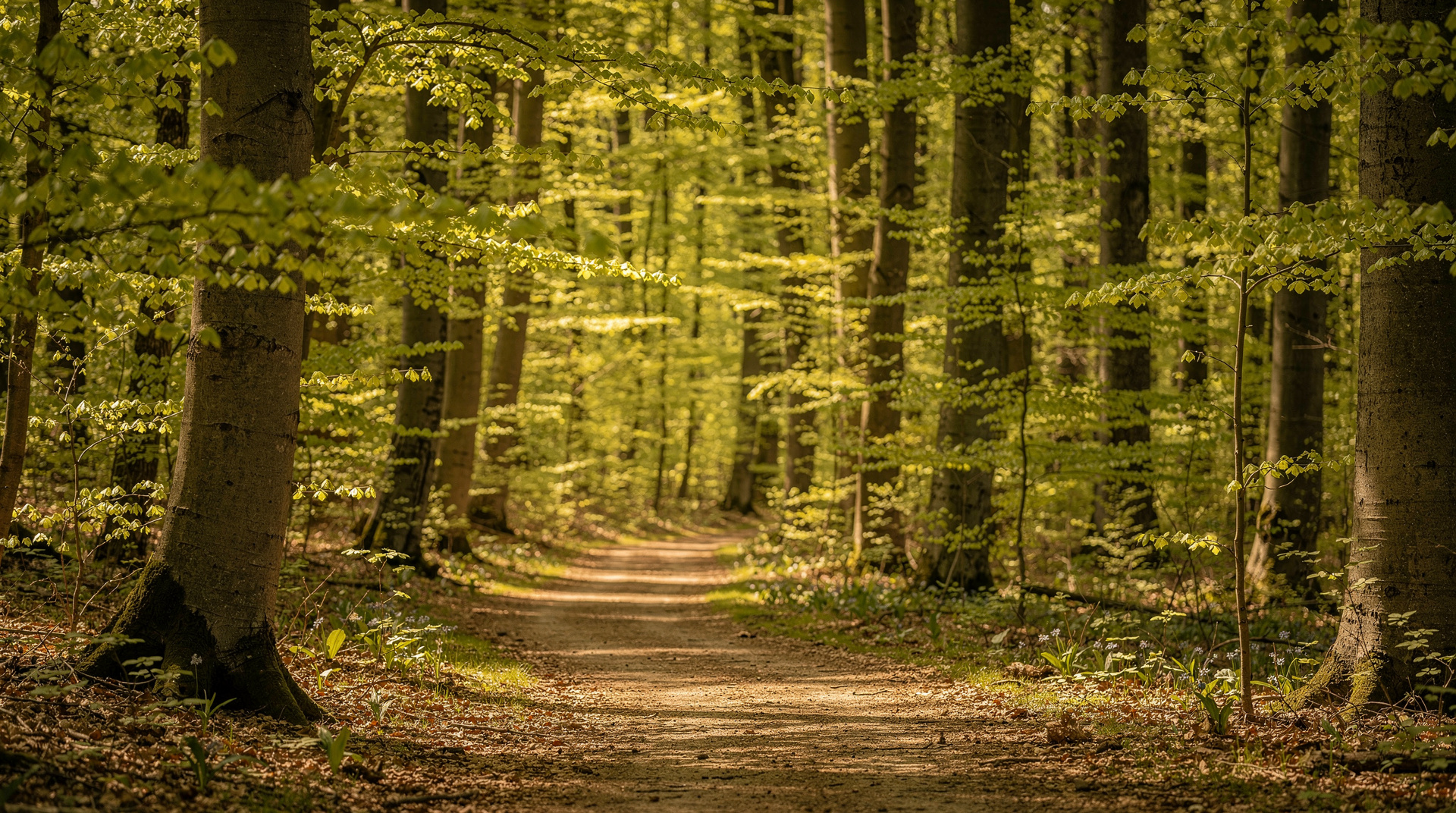
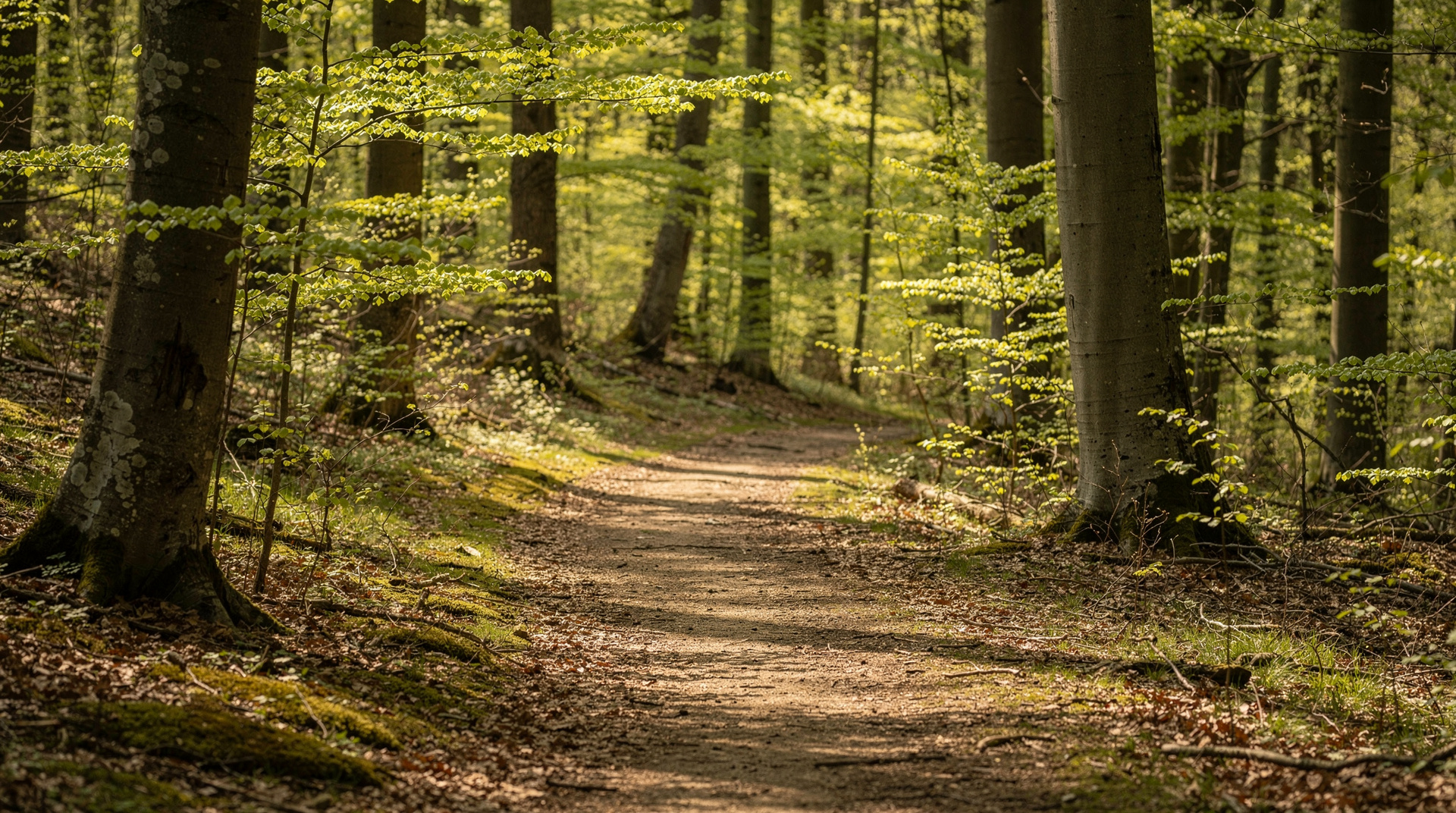
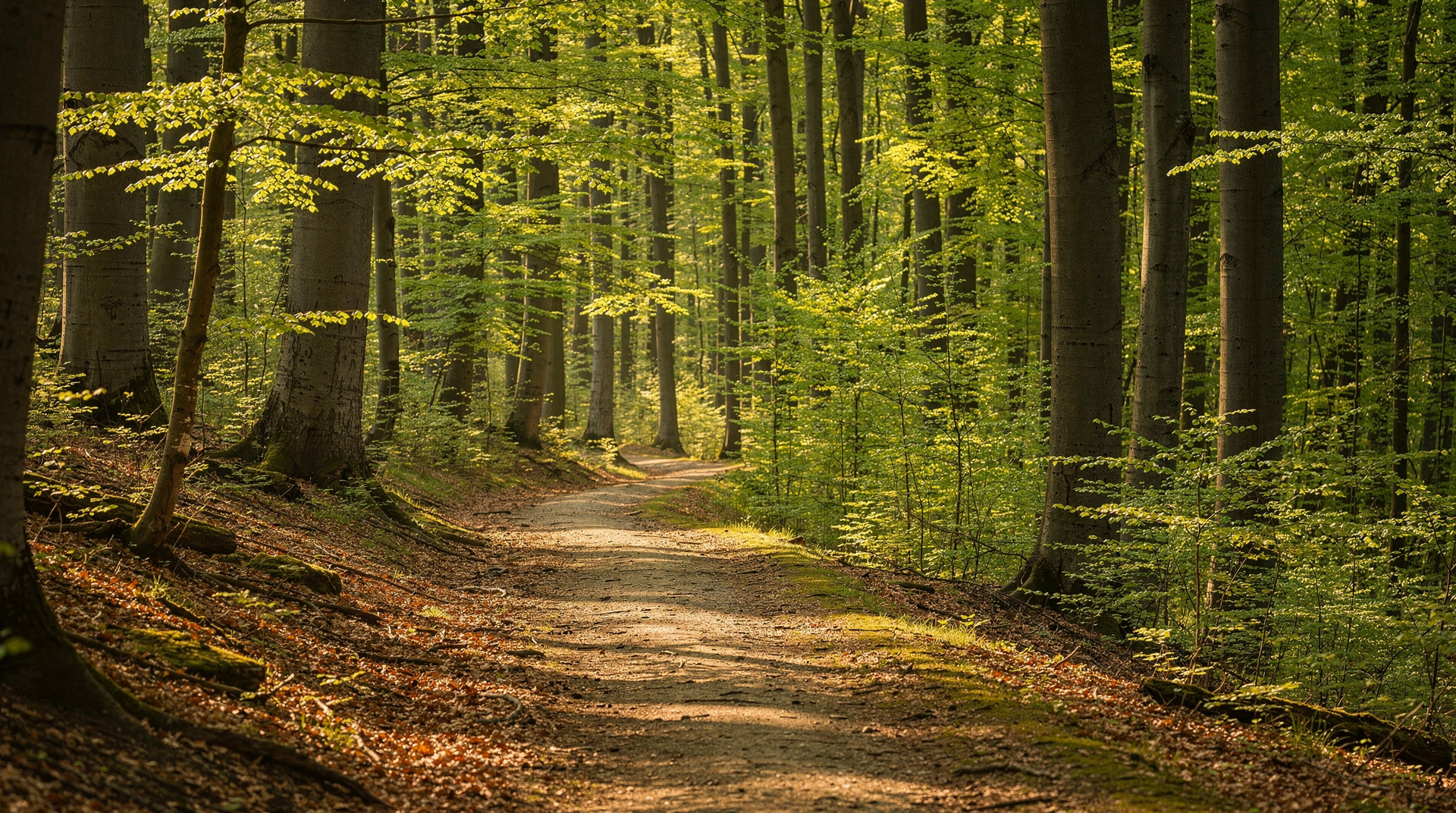
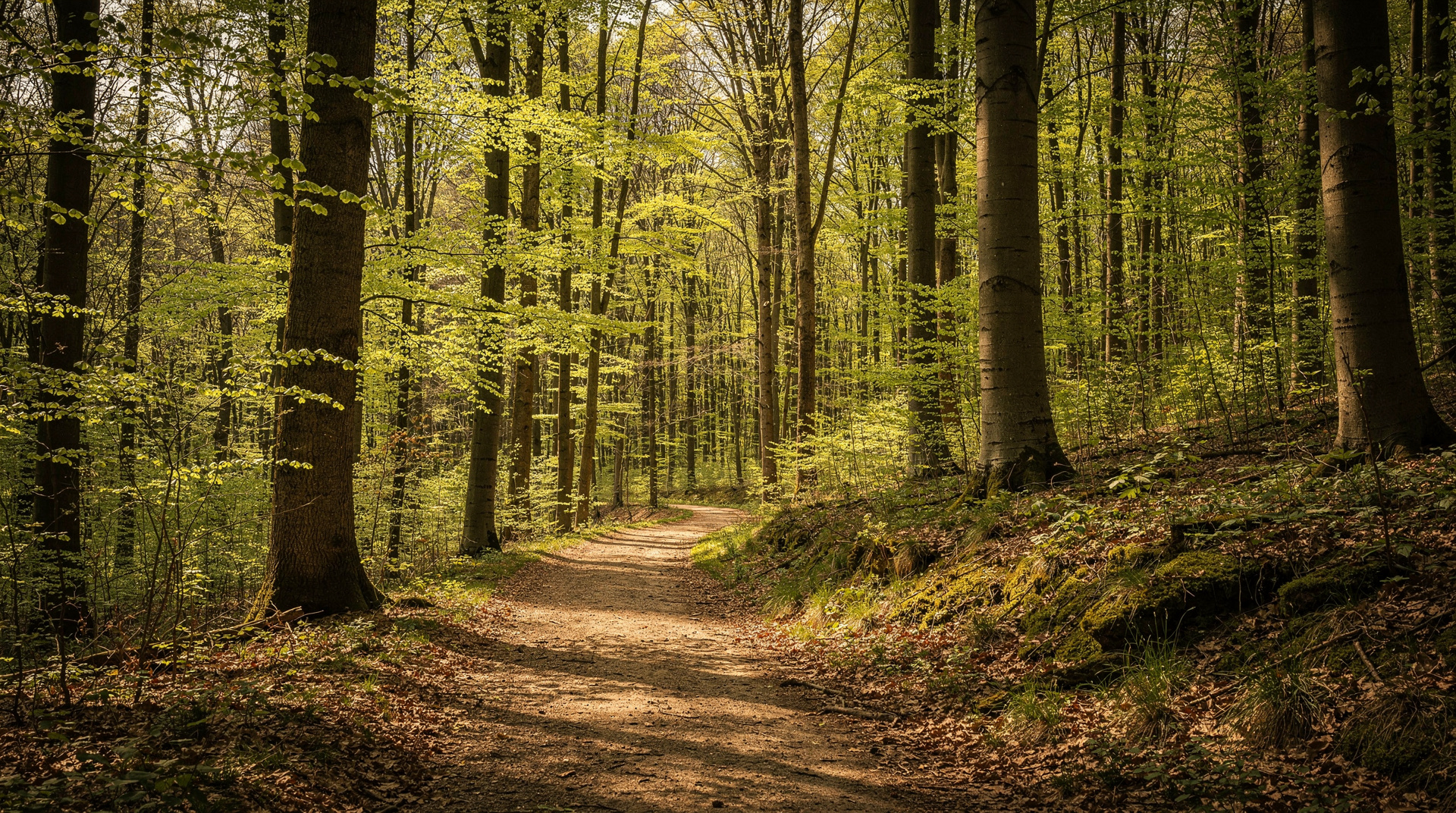
The Wienerwald — the Vienna Woods — is a 50-kilometre arc of forested hills that wraps around the south and west of Vienna, beginning in the northern wine villages of Grinzing and Kahlenberg and sweeping south through Klosterneuburg, the Lainzer Tiergarten and Mödling to the thermal springs of Baden. Declared a UNESCO Biosphere Reserve in 2005, the woods cover some 1,300 km² and rise to around 600 metres at the Schöpfl, the highest point — enough altitude to produce noticeably different weather from the city below.
For most visitors, the Vienna Woods means three specific things: the tragic royal hunting lodge at Mayerling, the medieval Cistercian abbey at Heiligenkreuz, and the spa town of Baden bei Wien. But the woods are also the backdrop to two of Austria’s most famous wine regions (the Vienna Heuriger villages of Grinzing and Nussdorf, and the Thermenregion wineries around Baden), a serious network of hiking trails accessible within 30 minutes of the city centre, and — for locals — the green counterweight to an intensely urban daily life.
| Where | 20–40km southwest of Vienna |
| Cost | Half-day tour typically 60–90€; S-Bahn ticket a few euros for independent visits |
| Time needed | Half a day for Mayerling + Heiligenkreuz; a full day with hiking or Baden |
| Getting there | S-Bahn S1/S2 to trailheads, or organised half-day tour |
| Best time | April–October for hiking; November for autumn colour |
Why Mayerling matters
The village of Mayerling is 25 kilometres southwest of Vienna in a quiet valley of the Wienerwald — a location that would be entirely unremarkable except for what happened there on 30 January 1889.
On that date, Crown Prince Rudolf — the heir to the Habsburg throne, only son of Emperor Franz Joseph and Empress Sisi, 30 years old, a progressive thinker who had clashed repeatedly with his father’s conservative court — was found dead at his hunting lodge, alongside his 17-year-old mistress, Baroness Mary Vetsera. The official ruling was murder-suicide: Rudolf shot Mary Vetsera and then himself. The true sequence of events, the depth of Mary Vetsera’s consent, and Rudolf’s state of mind in the final weeks have been debated by historians ever since. The Austrian government suppressed the evidence for decades.
The historical consequences were seismic. With Rudolf dead, the Habsburg succession passed to Archduke Franz Ferdinand — who was assassinated in Sarajevo on 28 June 1914, triggering the chain of events that produced the First World War and the collapse of the Habsburg Empire. The entire 20th-century history of central Europe bends through what happened at Mayerling.
Franz Joseph ordered the hunting lodge demolished and replaced with a Carmelite convent, where the room in which the deaths occurred was converted into a chapel. The convent still operates today, with a small museum about the events of 1889 and the subsequent history of the site. The atmosphere is quiet and unusually sombre for a tourist attraction.
Heiligenkreuz Abbey
Five kilometres from Mayerling, Stift Heiligenkreuz (Holy Cross Abbey) is a Cistercian monastery founded in 1133 by Margrave Leopold III of Babenberg — one of the oldest continuously inhabited monasteries in the world. The Babenbergs, who preceded the Habsburgs as rulers of Austria, are buried here; the Gothic chapter house contains a row of medieval grave slabs that provide a direct physical link to the 12th and 13th centuries.
The Romanesque cloister (12th–13th century) is one of the finest in central Europe — double columns of red marble, carved capitals, and the silence that comes from eight centuries of monastic use. The Gothic chapter house holds the Babenberg ducal tombs. The baroque church (remodelled in the late 17th century) has a Trinity Column and high altar of considerable drama. Guided tours in English run several times daily and provide essential context for the different architectural phases of the complex.
The monks of Heiligenkreuz released a Gregorian chant recording in 2008 that sold over two million copies internationally — an improbable popular success for a community of medieval monks in the Viennese forest. The tradition they recorded is still performed daily; Vespers at 18:00 can be attended by visitors without a tour ticket, and the acoustics of the abbey church make the chanting genuinely moving.
Half-day tours from Vienna
The Vienna Woods and Mayerling half-day tour from Vienna covers the Mayerling hunting lodge, Heiligenkreuz Abbey, and the Hinterbrühl area (site of the Seegrotte — Austria’s only underground lake, formed when an old gypsum mine flooded; the boat tour through the illuminated cavern is genuinely unusual) in a convenient 4–5 hour circuit. This is the most efficient way to see the key Wienerwald sites without a car, and it includes stops that are difficult or time-consuming to reach by public transport.
The Vienna Woods and Mayerling enchanting escapes tour extends the circuit with additional scenic stops and more time at Heiligenkreuz — the better choice for visitors who want depth at the abbey rather than a quick circuit.
Hiking in the Vienna Woods
The woods are crossed by marked hiking trails, most of them accessible from Vienna’s suburban rail and bus network. The most popular routes:
Kahlenberg and Leopoldsberg (19th district) — two peaks above the Danube north of the city, at 484m and 425m respectively. Accessible by bus 38A from Grinzing or Heiligenstadt. The ridge walk from Kahlenberg to Leopoldsberg and down to Klosterneuburg takes 2–3 hours, with views over the Danube and the Vienna basin throughout. On the clearest days, the Hungarian plain is visible to the east.
Lainzer Tiergarten — a former imperial hunting ground of 1,250 hectares enclosed by an 18th-century stone wall, now a nature reserve accessible to walkers (no cycling). The beech woodland is home to deer, wild boar, and occasional foxes. The Hermes Villa at the centre of the reserve (built for Empress Sisi, who retreated here from the court) houses a museum on Vienna’s city history and is surrounded by formal gardens. Accessible by tram or bus from the 13th district.
Hermannskogel — the highest point within Vienna’s city limits at 542m. Marked trails from Neuwaldegg (bus 146A from Hernals). The summit observation tower, built in the early 20th century, gives views over both the city and the surrounding forest.
See the Vienna Woods hiking guide for detailed trail maps and public transport connections to each trailhead, and the Kahlenberg hike guide for a route-by-route breakdown of the most popular ridge walk specifically.
Which route for which visitor
| Route | Distance/time | Difficulty | Best for |
|---|---|---|---|
| Kahlenberg–Leopoldsberg ridge | 2–3hrs | Easy–moderate | Danube views, day-trippers without a car |
| Lainzer Tiergarten | 1–4hrs (flexible loops) | Easy | Wildlife, families, the Hermes Villa |
| Hermannskogel | 2–3hrs round trip | Moderate | Highest point in Vienna, observation tower |
| Mayerling–Heiligenkreuz circuit | Half-day (tour or car) | Easy (mostly sightseeing) | History, architecture, not primarily hiking |
For visitors without a car who still want the Mayerling and Heiligenkreuz history without joining an organised tour, the Mayerling and Heiligenkreuz destination guide covers the public transport connections in detail — it is possible but considerably slower than the half-day tour. The broader Vienna Woods day trip guide compares all the approaches — tour, car, and public transport — for a first-time visitor deciding how to spend the day.
Baden bei Wien
The spa town of Baden, 25 kilometres south of Vienna on the S1 suburban rail line (around 40 minutes), was the Habsburg court’s preferred summer residence before Schönbrunn became the primary option. Emperor Franz I held his summer court here; Beethoven spent fifteen summers in Baden composing, and the house where he worked on the Ninth Symphony is marked. The central thermal spa park (Kurpark) — a formal garden with thermal fountains, casino, and open-air stage — remains one of Austria’s finest public parks of its type.
The thermal baths themselves, drawing on the sulphur springs that have been used since the Roman period, are still operating and open to the public. See Baden bei Wien for the full guide.
Pairing the woods with the rest of your trip
The Vienna Woods work best as a change of pace inside a longer stay rather than as a stand-alone destination. After a few days of palaces and museums, a quiet morning among beech trees resets the pace. If you are still deciding how long to stay in the city, the how many days in Vienna guide helps you judge whether a day in the forest fits, and the Vienna 5-day itinerary and Vienna 7-day itinerary both leave room for a slower outdoor day. On a short trip, the Vienna weekend itinerary is better spent on the centre, with the Kahlenberg ridge as the only woodland detour.
The northern edge of the woods blends into the city’s wine culture. A walk down from the ridge toward Grinzing ends naturally at a tavern table, and the Grinzing Heuriger guide and the Heuriger guide explain how these seasonal wine taverns work, what to order and how to read the signs outside. If you want to compare the better-known addresses first, the best heurigen in Grinzing and Nussdorf covers the choices.
Planning the day around history and nature
The most satisfying Wienerwald days combine one story with one stretch of walking. Mayerling is the story: it connects directly to the lives of Franz Joseph and Sisi, and the background in Franz Joseph and Sisi and Habsburg history for travelers makes the small convent museum far more meaningful. Readers who want to see how the same family lived in the city can follow up with the Schönbrunn Palace guide, which shows the other side of the court that Rudolf was trying to escape.
Arrive with a loose plan rather than a strict timetable. Start early so the quiet monastery hours are yours, keep the walking for the afternoon when you can shorten or extend it depending on your energy, and leave a buffer for the return journey. Comfortable shoes matter more than any other piece of kit, since forest paths stay damp long after rain, and a light layer is useful because the woods feel cooler than the streets below. Bring water and something to eat, as the smaller trailheads are not always close to a café.
Choosing between the woods and other day trips
The woods are the closest escape, but not the only one. Travellers weighing options will find the best day trips from Vienna a useful comparison. If you prefer river scenery and wine terraces to forest, the Wachau valley is the natural alternative, while those drawn to a spa-town atmosphere with a more relaxed pace will find that Baden covers it without leaving the Wienerwald. Hikers who like the idea of a longer route should also look at the Salzkammergut lakes, which offer bigger landscapes at the cost of a much longer journey.
Because the woods sit so close to the city, they also suit travellers who do not want to commit a full day. A late-afternoon ridge walk followed by dinner back in town is entirely realistic, and families with younger children often prefer this gentler format; the Vienna with kids guide has more ideas for mixing outdoor time with city sights. For getting around without a car, the Vienna public transport guide explains how the suburban rail and bus network fits together, which is the key to every independent route on this page.
When to go
Spring (April–May): Wildflowers in the meadows of the Lainzer Tiergarten and the forest glades of the Wienerwald proper. The beech forests turn bright green in late April, and the trails are quieter before summer begins.
Summer (June–August): Ideal hiking weather, longer days, and the outdoor thermal pools in Baden fully operational. The wine Heuriger in Grinzing and Nussdorf are open evenings for alfresco wine drinking.
Autumn (October–November): Outstanding forest colour, particularly the beech woodland of the Lainzer Tiergarten, which turns copper and gold in October. Mayerling and Heiligenkreuz are quieter and more atmospheric in autumn than during the summer tour season.
Winter: Cross-country skiing on the Wienerwald ridge trails when snow covers above 400m — typically a few weeks each winter. The Kahlenberg area in snow, with views over the white Vienna basin, is one of the city’s best winter escapes.
Top experiences
Bookable activities with verified prices and instant confirmation on GetYourGuide.