Mozarthaus concert guide: classical concerts at Mozart's Vienna apartment
Vienna: Classical Concert at Mozart's First House
What is the Mozarthaus in Vienna and are the concerts worth attending?
Mozarthaus Vienna is the only surviving apartment where Mozart lived in the city — he stayed here from 1784 to 1787, during the most productive years of his Vienna period. The museum documents his life in Vienna; the adjacent concert hall hosts classical performances. Concerts in Mozart's actual apartment building are more historically meaningful than standard tourist concerts. Tickets €30–55; museum entry €12.
Mozart’s Vienna: what most tourists miss
Wolfgang Amadeus Mozart was not Viennese. He was born in Salzburg on 27 January 1756 and is buried in Vienna — specifically at St. Marx Cemetery in the 3rd district, in a common grave whose exact location remains uncertain. Between those two facts lies a life of extraordinary productivity that centred on Vienna for its final decade.
When Mozart moved to Vienna in 1781, abandoning his position as court musician to Archbishop Colloredo of Salzburg, he was making a bet on the city as the most important musical marketplace in the world. He won the bet artistically — The Marriage of Figaro (1786), Don Giovanni (1787), and The Magic Flute (1791) were all composed here — and lost it financially, dying in poverty and debt at age 35.
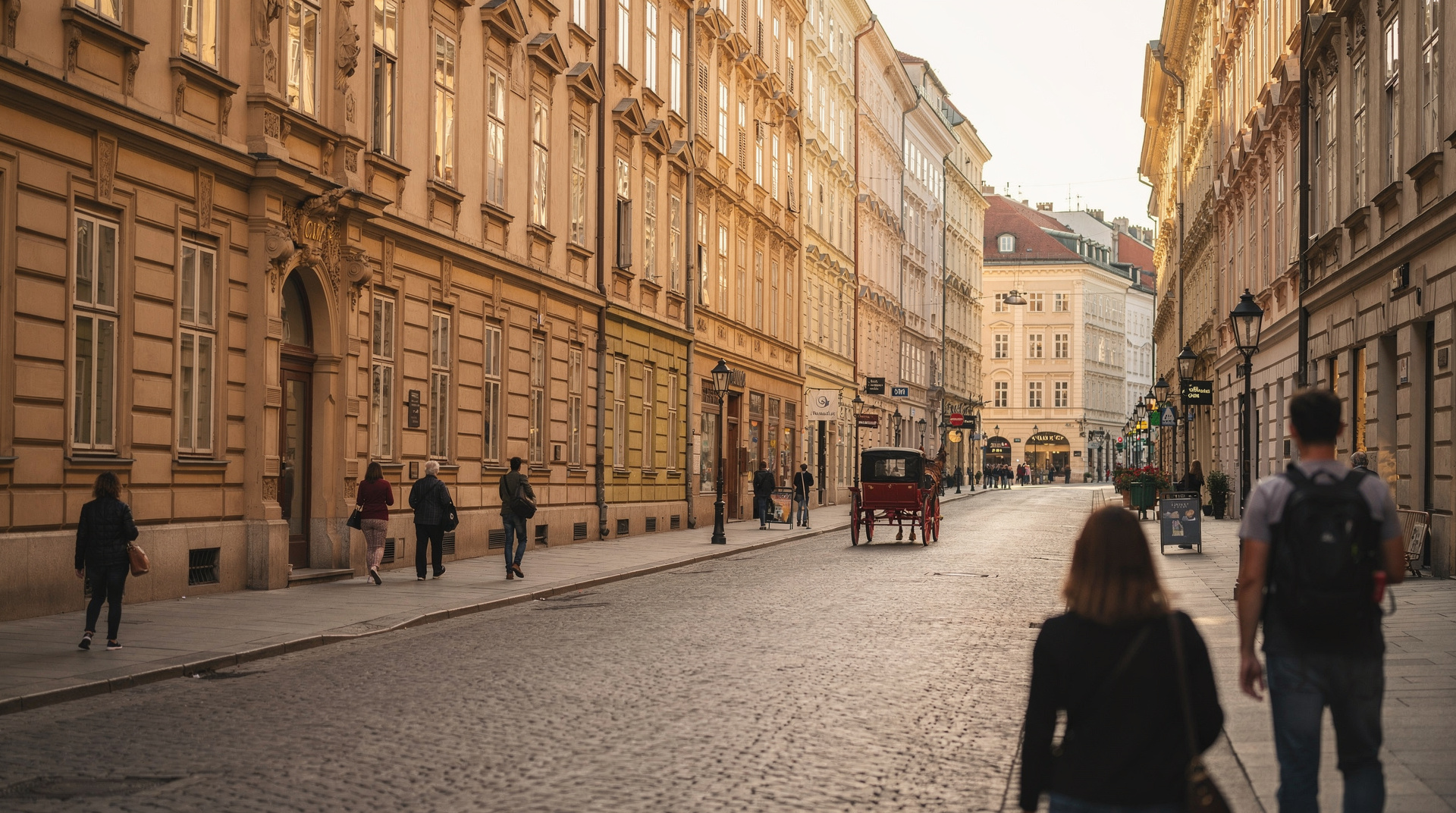
The Mozarthaus at Domgasse 5 is where the most productive period of this Vienna story unfolded.
| Where | Domgasse 5, Innere Stadt, 3 min from Stephansdom |
| Museum entry | Around €12 adults |
| Concert tickets | Around €30–55 |
| Time needed | 1–1.5h museum; 60–90 min concert |
| Best paired with | Stephansdom |
The Mozarthaus: the apartment
Mozart and his wife Constanze Weber lived at Domgasse 5 from 1784 to 1787. This was the most expensive apartment they ever rented — 460 gulden per year at a time when a skilled craftsman earned perhaps 200 gulden annually — and it reflects the high point of Mozart’s Vienna career, when subscriptions to his piano academies were in demand and his reputation was at its peak.
The apartment had four main rooms plus service rooms, positioned on the first floor above a courtyard. The Marriage of Figaro was composed here. Lorenzo Da Ponte (his librettist) visited frequently. The apartment was large enough to hold piano academies — informal concerts where Mozart performed his own works for subscribers.
The building itself survived Vienna’s later development largely intact, and the apartment was opened as a museum in 1941 (expanded and renovated in 2006). It is the only remaining Mozart residence in Vienna.
What is in the Mozarthaus museum
The museum occupies three floors:
Floor 1 (the apartment itself): A reconstruction of how the rooms looked in Mozart’s time, using period furniture and documentation about the apartment’s original layout. The reconstruction is scholarly rather than theatrical — based on inventories and visual sources rather than guesswork.
Floor 2: Mozart’s Vienna — the social world of 18th-century Viennese musical life. This floor covers the concert culture Mozart operated within (the academies, the aristocratic salons, the public concerts at the Burgtheater), his relationships with other composers (Haydn, Salieri), and his Freemasonry (he was an active and serious Mason from 1784).
Floor 3: The broader context — Mozart’s relationship to the Vienna in which he lived, the city’s geography and social structure in the 1780s, and the final years (1788–1791) when his financial position deteriorated and he died in an apartment on the Rauhensteingasse that no longer exists.
The museum takes 1–1.5 hours at a comfortable pace. The audio guide (included in some ticket options) is detailed and worth using.
Concerts at Mozart’s apartment building
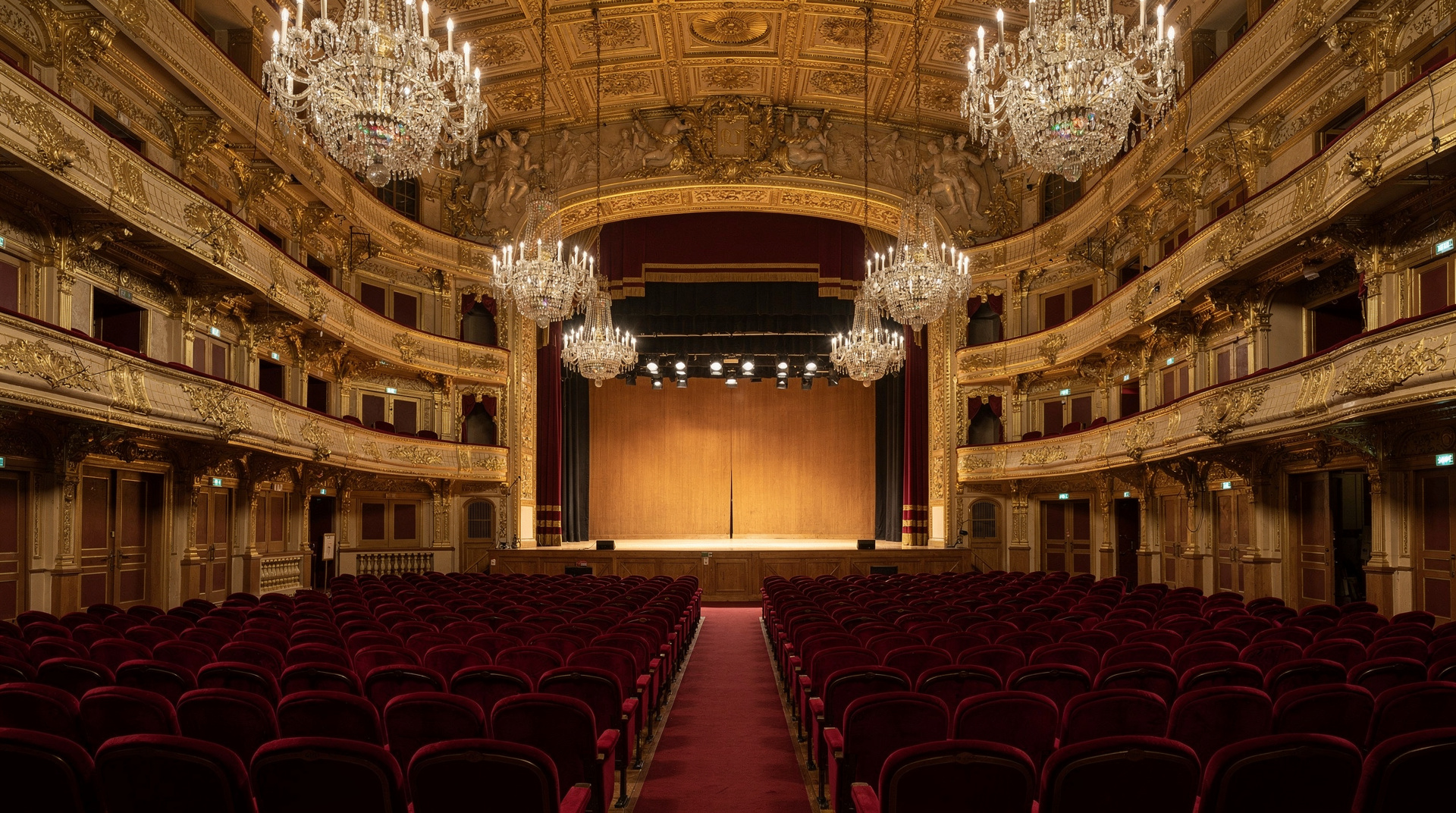
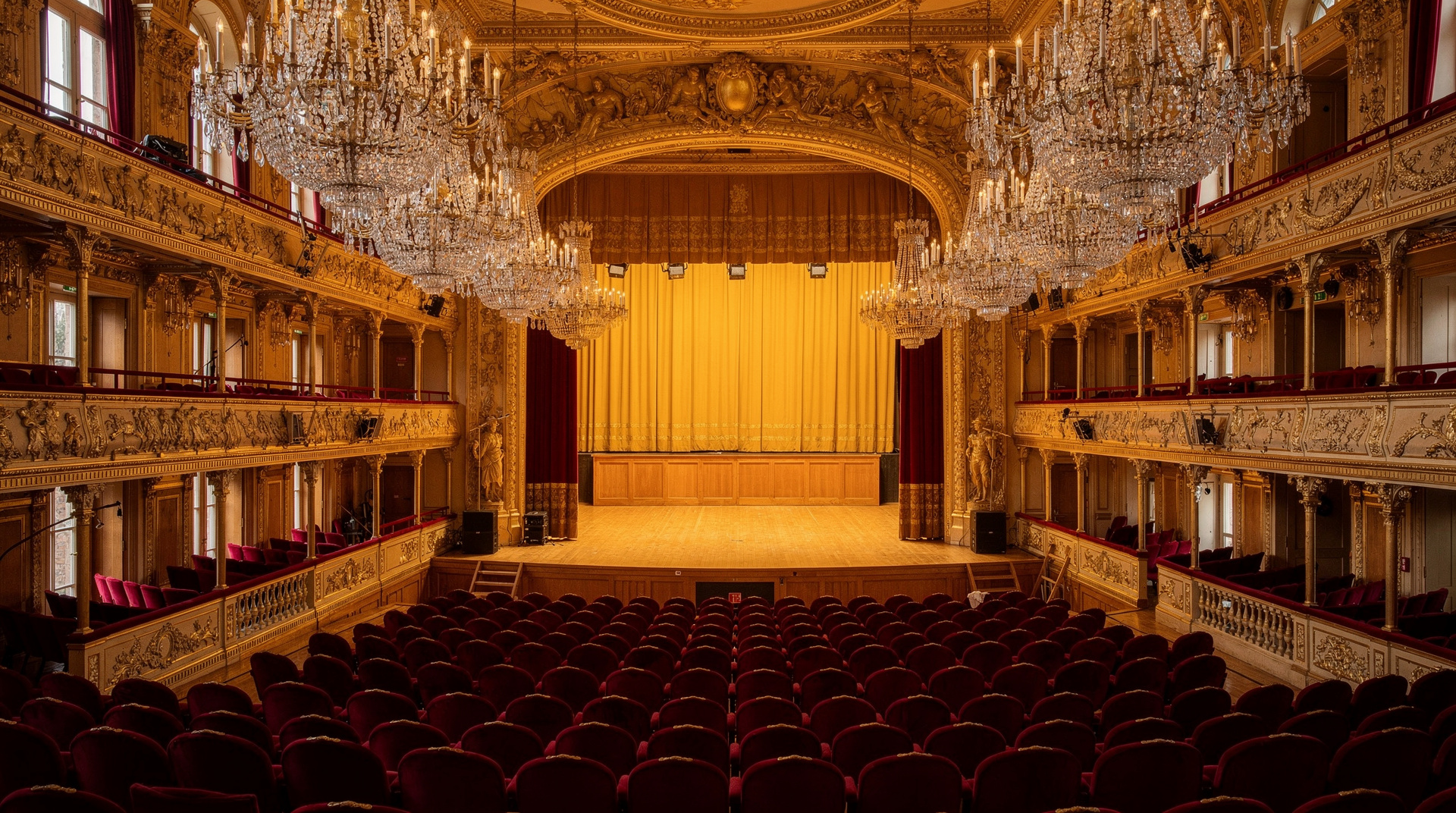
Vienna: classical concert at Mozart’s first house Classical concerts are held in the Mozarthaus venue adjacent to the museum. The programming focuses on Mozart’s Vienna-period works — the piano concertos, the string quartets, chamber music and opera arias from the period of his Domgasse residence.
The historical connection adds a layer of meaning that generic tourist concerts in unconnected venues cannot provide. Hearing the String Quartet No. 19 (K. 465, dedicated to Haydn and composed here in 1785) in the building where it was written is a genuinely different experience from hearing it in a modern concert hall.
Tickets: Approximately €30–55 depending on seat category Duration: 60–90 minutes Programme: Changes seasonally; check current programme at booking Vienna: tickets for Mozarthaus Vienna with audio guide Museum-only entry (€12 adults) with audio guide is available for visitors who want the historical context without attending a concert.
Mozart in Vienna: the essential facts for travellers
Born: Salzburg, 27 January 1756 (not Vienna) Arrived in Vienna: 1781, aged 25 Lived in Vienna: 1781–1791 (10 years) Major works composed in Vienna: Symphonies 35–41 (including the Jupiter), Piano Concertos 20–27, The Marriage of Figaro, Don Giovanni, Così fan tutte, The Magic Flute, Requiem (unfinished) Died: Vienna, 5 December 1791, aged 35 Buried: St. Marx Cemetery, Vienna (3rd district) Cause of death: Uncertain; contemporary diagnosis was “hitziges Frieselfieber” (miliary fever); modern analyses have proposed rheumatic fever, renal failure, or other causes
What Mozart was not: The white-wigged, red-coated performer represented by the touts outside the Staatsoper. That image conflates 18th-century aristocratic fashion with Mozart’s own style, which was distinguished from court fashion even in his time.
Nearby: the Stephansdom and the Innere Stadt
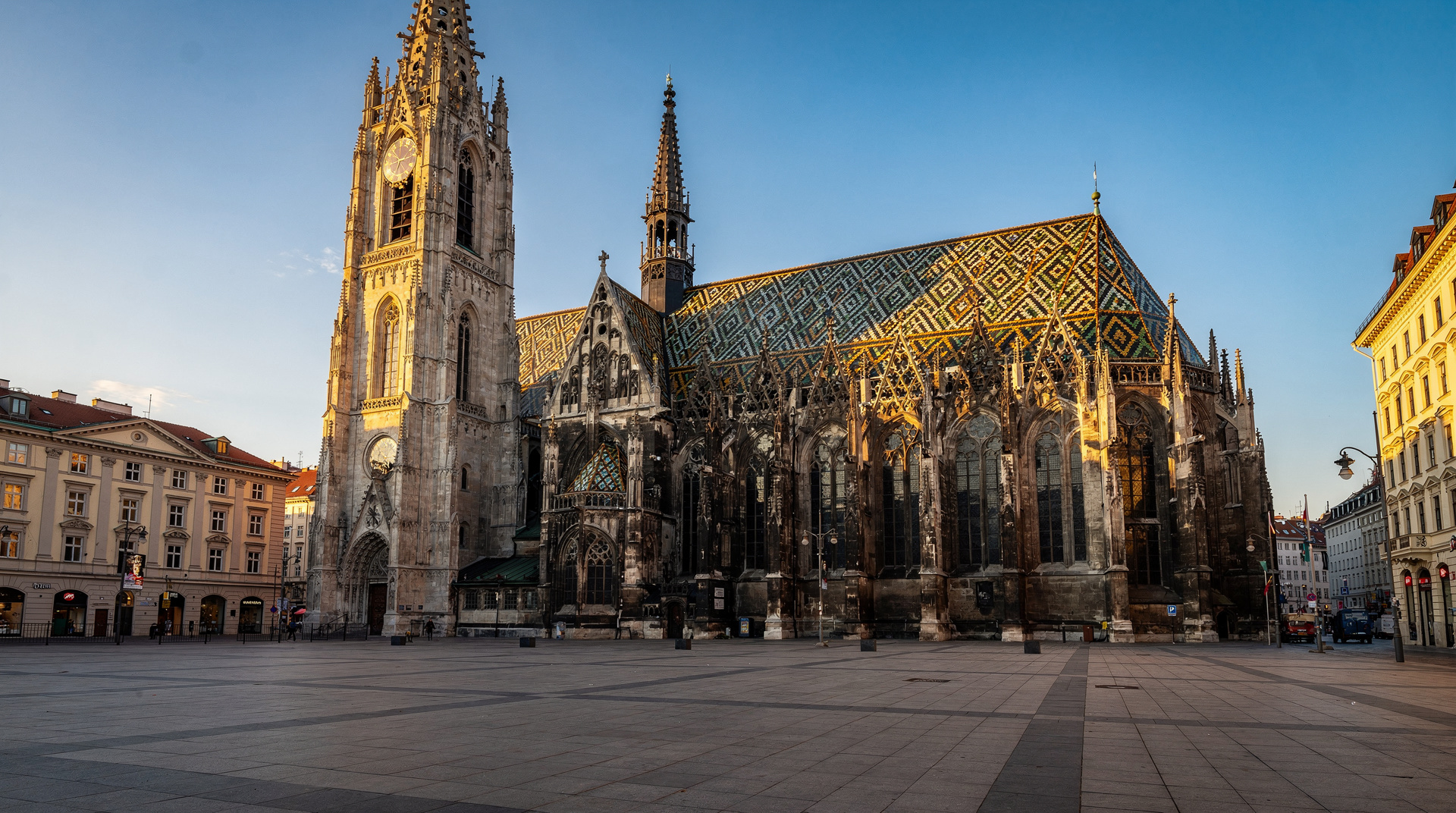
Mozarthaus is a 3-minute walk from Stephansdom. The Stephansdom guide covers the cathedral’s significance in Mozart’s Vienna life: he was married there (1782, to Constanze Weber) and his funeral Mass was held there in 1791. The Ringstrasse walk begins a 10-minute walk from Mozarthaus.
The Burgtheater — where The Marriage of Figaro premiered on 1 May 1786 — is on the Ringstrasse, a 15-minute walk from Mozarthaus. The current building dates from 1888 (the original Burgtheater where Mozart performed has been demolished), but the institution is continuous.
Comparing Mozarthaus concerts with the Musikverein
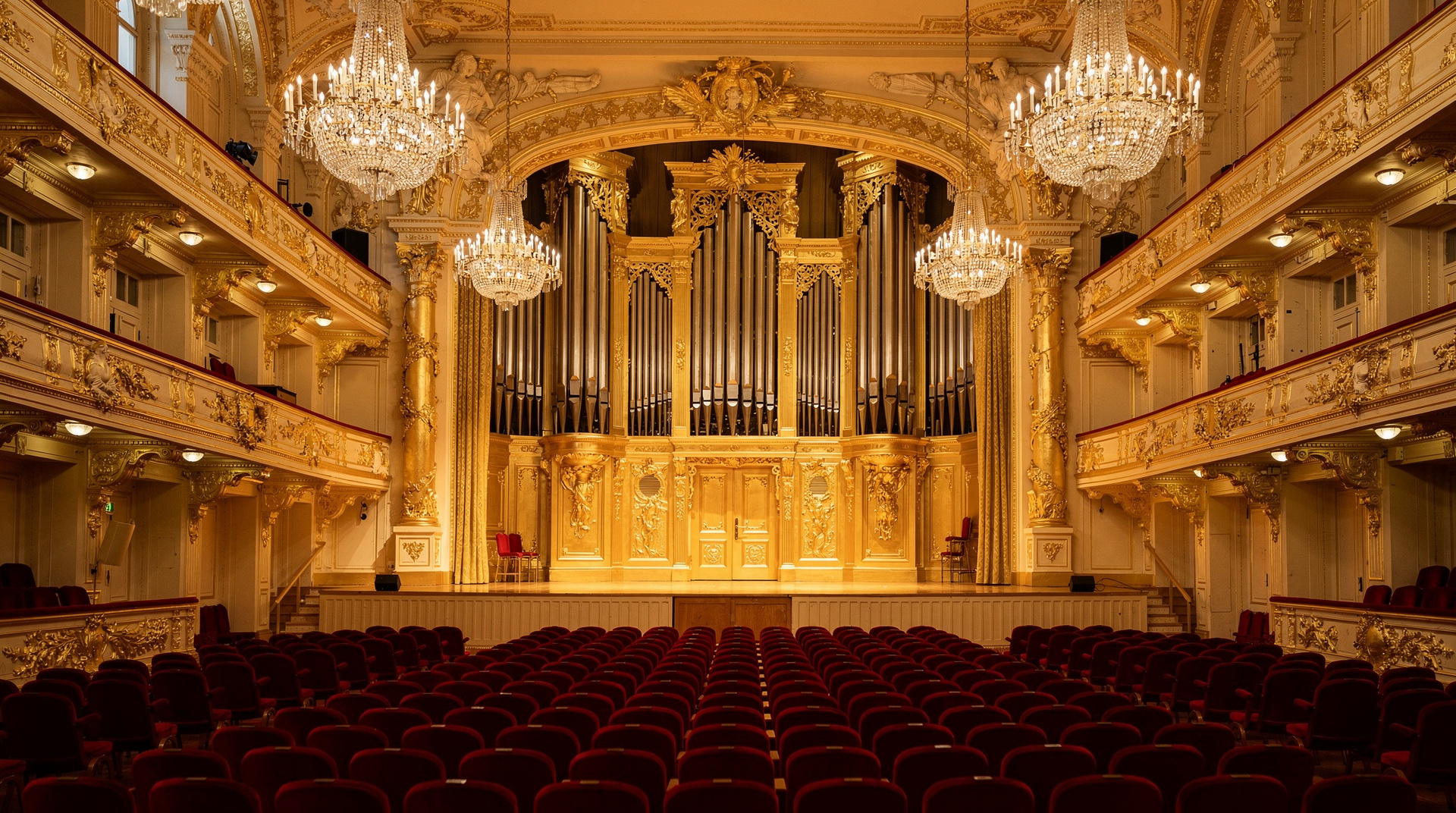
Visitors often ask whether to choose Mozarthaus or the Musikverein for a Mozart concert, since both offer touristic chamber programmes at broadly similar prices (€30–55 versus €45–70). The honest answer is that they serve different priorities. The Musikverein’s Golden Hall is acoustically superior — built in 1870 specifically for orchestral sound — and hosts larger ensembles.
The Mozarthaus venue is smaller and more intimate, and its unique selling point is not the room’s acoustics but its authenticity: you are in the building where the music being performed was actually composed. For a first Vienna concert focused purely on sound quality, the Musikverein wins. For a visit built around Mozart specifically, where meaning matters as much as acoustics, Mozarthaus has no equivalent.
Building Mozart into a longer Vienna visit
Mozart’s Vienna sites cluster conveniently in the Innere Stadt: Mozarthaus (Domgasse), Stephansdom (his wedding and funeral church, 3 minutes away), and the Burgtheater site (Figaro’s premiere, 15 minutes away) can all be covered on foot in half a day. Visitors building a music-focused Vienna trip should also consider the Vienna classical music itinerary, which sequences Mozarthaus alongside the Musikverein, the Staatsoper and the Haus der Musik across several days rather than trying to compress everything into one rushed afternoon.
For souvenir-hunters following the Mozart trail, it’s worth knowing that the confection sold as “Mozartkugel” around the Innere Stadt has no real connection to Vienna at all — the original recipe and the only handmade version come from Salzburg, not from anywhere near Domgasse. The Mozartkugel original vs fake guide explains the distinction if you want an accurate Mozart-themed gift rather than a marketing exercise.
How to plan the visit around the concert
The simplest way to get the most from Domgasse is to treat the museum and the concert as two halves of one outing. Walk through the rooms first, while your attention is fresh, and let the concert come afterwards as the payoff. By the time the musicians begin, the reconstructed apartment, the stories about the piano academies and the portrait of Mozart’s circle will already be in your head, and the music lands differently as a result. Visitors who arrive straight from the street, with no context, tend to treat the evening as pleasant background; visitors who have done the museum first tend to listen.
If your day is otherwise open, start in the Innere Stadt with a slow morning, take the museum before lunch, and keep the concert for later. The lanes around the cathedral are full of places to stop between the two, and the guide to Vienna’s coffee houses will help you choose somewhere better than the first terrace you pass. For a sense of how a coffee-house afternoon works, the coffee house etiquette guide saves you from a few small embarrassments.
Who will enjoy it most
Mozarthaus suits curious travellers more than box-ticking ones. Couples planning a romantic trip often find it a quiet, memorable evening, and the Vienna honeymoon guide places it among other music-led ideas. Solo visitors are comfortable here too, since the venue is small and nobody feels out of place arriving alone; the solo travel guide has more on evenings out by yourself. Families with older children who already play an instrument or enjoy history will get plenty from the museum, while very young children may find the scholarly tone slow, so it is worth reading our Vienna with kids guide before deciding whether to bring them.
If you are not especially drawn to Mozart, the case is weaker. The room is not grand, the programme is chamber-scale, and the experience depends on you caring about the story. In that situation, a larger and showier venue may suit you better, and the classical vs touristic concerts guide explains how to tell what kind of evening you are actually buying.
What to expect on the evening
Expect a small, focused performance rather than a spectacle. The format is built around a handful of musicians playing music from the period when Mozart lived in this building, and the atmosphere is closer to a salon than to a concert hall. That intimacy is the real attraction: you hear the instruments directly, you notice the details of the playing, and there is little distance between audience and performers. It also means that the quality of the evening depends heavily on the ensemble, as the programme itself is only part of the picture.
Dress is relaxed, and nobody will mind smart casual clothing. Arrive early enough to settle in without rushing, particularly if you are coming from another sight across town. If you are building a whole evening around music, you might compare this with the setting described in the Schönbrunn evening concert guide, which offers a more palatial backdrop, or with the St. Stephen’s Cathedral concert guide for a very different acoustic and a sacred setting.
Avoiding the wrong kind of Mozart evening
Vienna sells a great deal of Mozart, and not all of it is equal. Costumed ticket sellers near the main sights are the most visible sign of the problem, and the Mozart impersonator concert trap guide explains how those offers work and why a visit to a genuine historical site is a better use of an evening. More broadly, the Vienna tourist traps guide collects the recurring pitfalls that catch first-time visitors, from overpriced cafés to misleading souvenirs.
If you enjoy Mozart’s contemporaries and successors as well, Vienna offers other worthwhile rooms. The Kursalon Strauss concerts guide covers the waltz tradition, while the Vienna State Opera guide is the place to start if you would rather hear Mozart’s operas staged. Families and music lovers who want something hands-on can pair a visit here with the Haus der Musik guide, which approaches sound and composers from an interactive angle.
Placing Mozart in the wider story
Mozart’s years in the city make more sense against the background of the court and society that supported, and eventually frustrated, him. The Habsburg history guide for travellers gives the political backdrop, and the blog’s Beethoven in Vienna piece shows how the next generation of composers inherited the same musical city. If you only have a short stay, the Vienna weekend itinerary and the three-day itinerary both show where a Mozarthaus visit can sit without crowding out the big palaces. Those who are weighing sightseeing passes against single tickets can check the Vienna Pass review before paying for entry piece by piece.
Honest assessment
The Mozarthaus is smaller and less visually spectacular than the Schönbrunn or Hofburg. The museum is scholarly and detailed rather than theatrical. But for any visitor who cares about Mozart beyond the souvenir figurine — who wants to stand in the room where The Marriage of Figaro was written, or understand what Mozart’s Vienna actually was — it is one of the most honest and meaningful cultural sites in the city.
The concerts are the right option for visitors who want musical experience with historical grounding. The museum alone is worth the afternoon for anyone interested in 18th-century musical culture.
See our Vienna classical concerts compared for how Mozarthaus concerts fit into the broader Vienna concert landscape.
Frequently asked questions about Mozarthaus concerts
Did Mozart live in Vienna?
Yes — though Mozart was born in Salzburg (1756), he moved to Vienna in 1781 and lived there until his death in 1791. Mozarthaus at Domgasse 5 is the only surviving apartment where he lived in the city.
What is in the Mozarthaus museum?
Three floors covering Mozart’s Vienna years: his musical output, his social world, the 18th-century Viennese music scene, and a reconstruction of how the Domgasse apartment looked when he lived there.
What is the connection between Mozart and Vienna?
Mozart moved to Vienna at age 25, leaving Salzburg. In Vienna he composed his greatest operas and died in 1791 at age 35. He is buried at St. Marx Cemetery in Vienna’s 3rd district.
Where is Mozart buried in Vienna?
Mozart was buried in St. Marx Cemetery (3rd district), in a common grave whose exact location is uncertain. A commemorative monument marks the approximate site.
Are Mozarthaus concerts better than other Vienna Mozart concerts?
The historical connection is genuine and adds meaning — you are hearing Mozart performed in the building where he composed it. The musical quality depends on the specific ensemble.
Can I visit Mozarthaus without attending a concert?
Yes — museum-only tickets are available (€12 adults), open daily. Allow 1–1.5 hours for the museum.
Top experiences
Bookable activities with verified prices and instant confirmation on GetYourGuide.