Hofburg Palace guide: tickets, what to see and honest tips
Vienna: Hofburg and Empress Sisi Museum Guided Tour
What's the best Hofburg Palace ticket?
The combined ticket (€17.50) covers the Sisi Museum, Imperial Apartments, and Imperial Silver Collection — all three belong together and each adds context the others lack. Buy online to avoid the morning queue at the Michaelerplatz entrance.
The Hofburg in plain terms
The Hofburg is not a single building. It is a complex of 19 connected buildings, 54 staircases, 2,600 rooms, and 19 courtyards that grew haphazardly over six centuries, as each Habsburg generation added, expanded, and rebuilt in whatever architectural style was fashionable at the time. The result is one of the largest palace complexes in the world — and one of the most confusing to navigate.
This guide focuses on what first-time visitors actually need to know: which parts are open to tourists, how to get a ticket, where to enter, and what you will actually see when you get inside.
| Where | Michaelerplatz, Innere Stadt (U3 Herrengasse) |
| Cost | Combined ticket around €17.50 (Sisi Museum + Apartments + Silver Collection) |
| Time needed | 1.5–2hrs core visit; 2.5–3hrs with Silver Collection |
| Hours | Daily 9am–5:30pm, last entry 4:30pm |
| Best time | Book online; arrive before 10am or after 3pm to avoid the queue |
What you need to know before you go
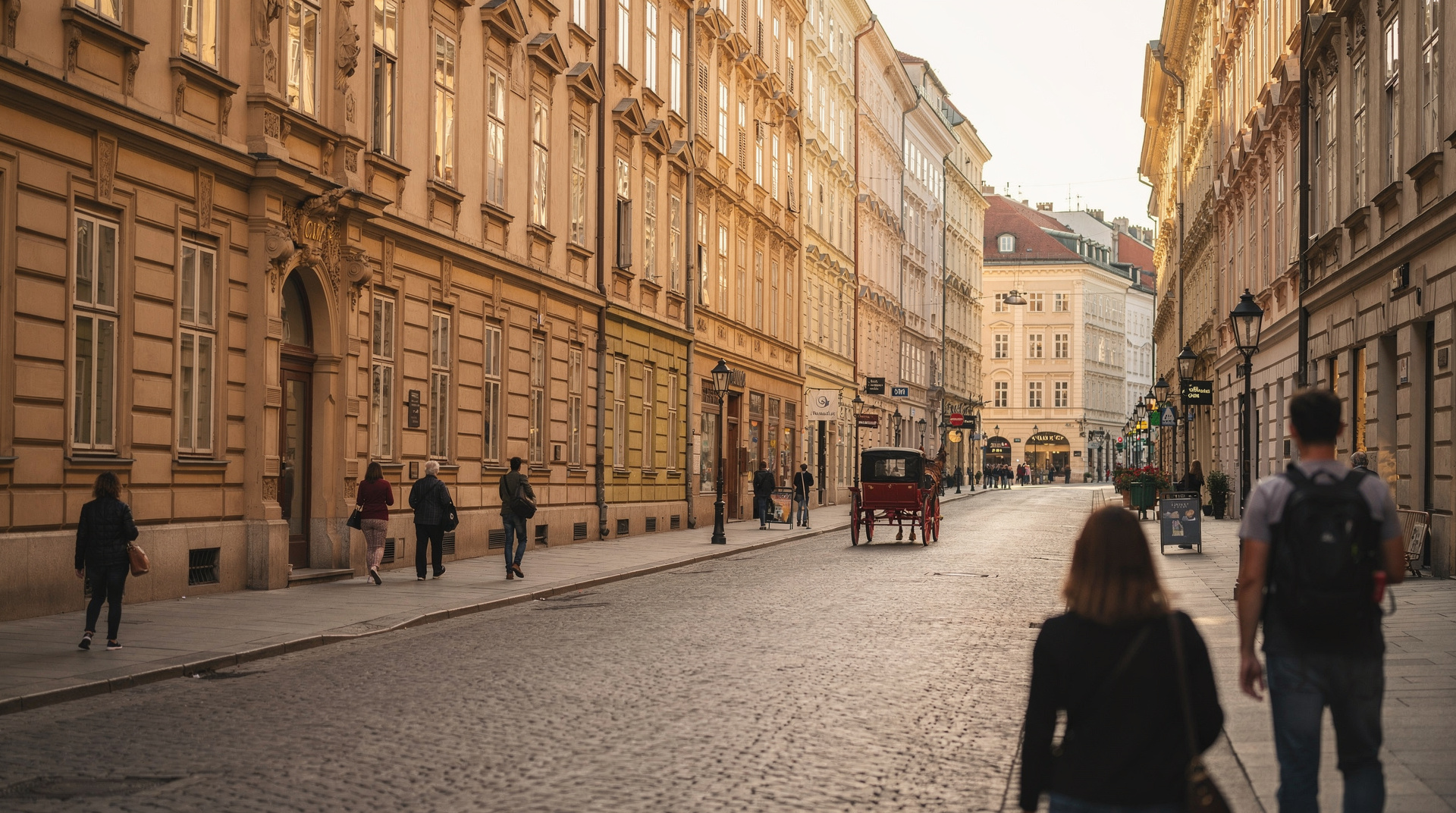
Location: The main visitor entrance is at Michaelerplatz, a 10-minute walk from Stephansdom along Kohlmarkt. The U3 stop at Herrengasse is 3 minutes’ walk. The Burggarten (free public garden with the Mozart statue) is on the south side.
Opening hours: Daily 9 am–5:30 pm (last entry 4:30 pm). Closed 1 January, Easter Sunday, 1 November, 24–25 December.
Ticket prices (2026): Combined ticket (Sisi Museum + Imperial Apartments + Silver Collection) — €17.50 adults. Audio guide — included. Children under 6 — free.
Getting in: The ticket office and entrance are in the Michaelerkuppel rotunda. In summer, the queue at the ticket desk reaches the courtyard by 10 am. Book online.
What is in the combined ticket
Sisi Museum
The Sisi Museum opened in 2004 and occupies rooms that once formed part of the Empress Elisabeth’s private apartments. It presents a revisionist take on the Sisi myth: the museum opens with a room devoted to how Empress Elisabeth became a commercial phenomenon (the Romy Schneider film trilogy, the musical, the souvenir industry) and then works backwards to the real person.
What you see: original court dresses, including the black mourning gown she wore for most of the second half of her life; her travelling gymnasium equipment (she was obsessively athletic); her elaborate hair care tools (her hair reached to her ankles and took two hours to dress each day); and the replica of the FN Browning pistol with which she was assassinated in Geneva in 1898.
The museum is unflinching about the contradictions: Elisabeth was adored by the public and stifled by the court she was married into at 16. She spent most of her adult life travelling to escape it. The Hofburg itself became a place she avoided.
Imperial Apartments
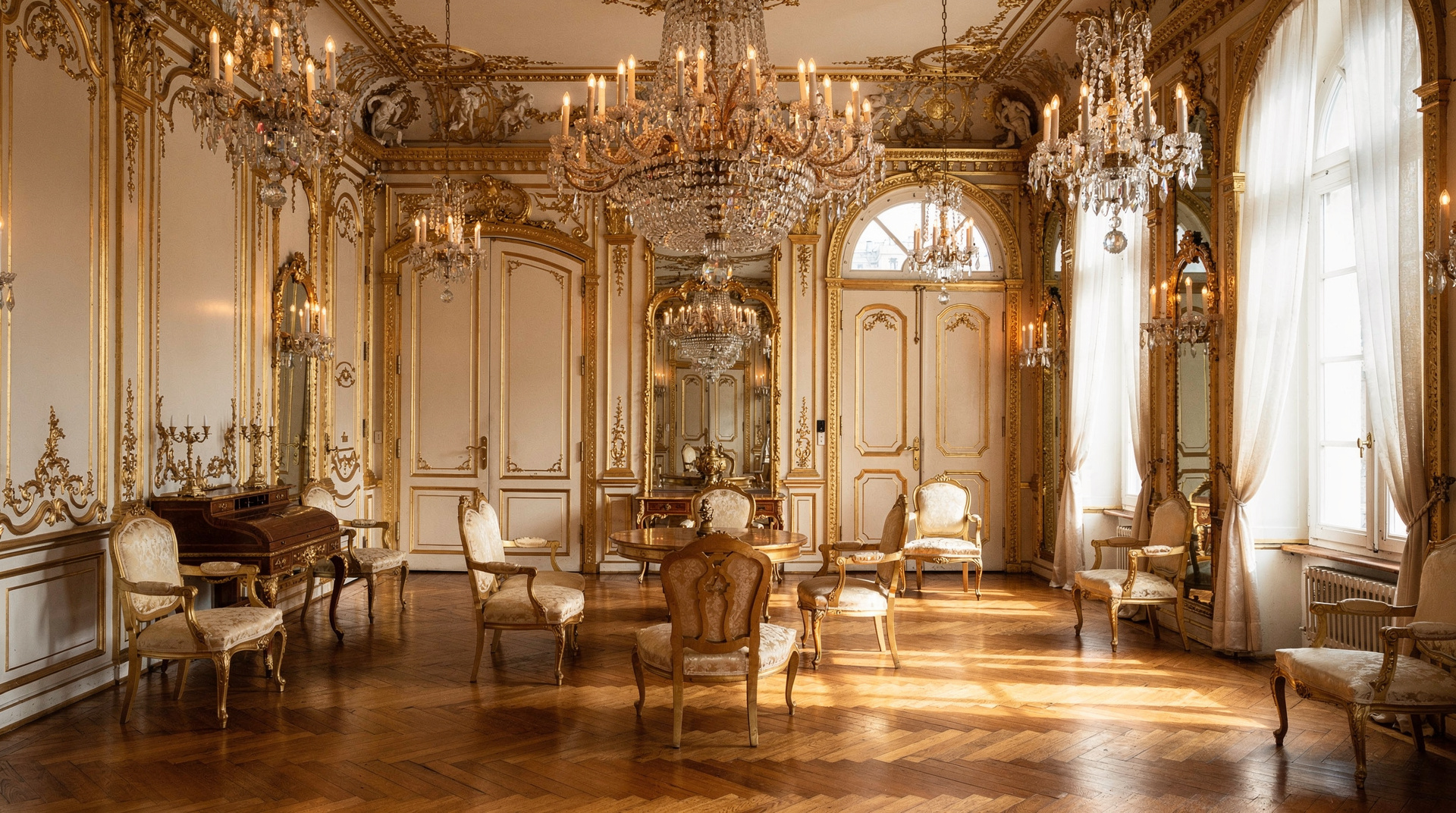
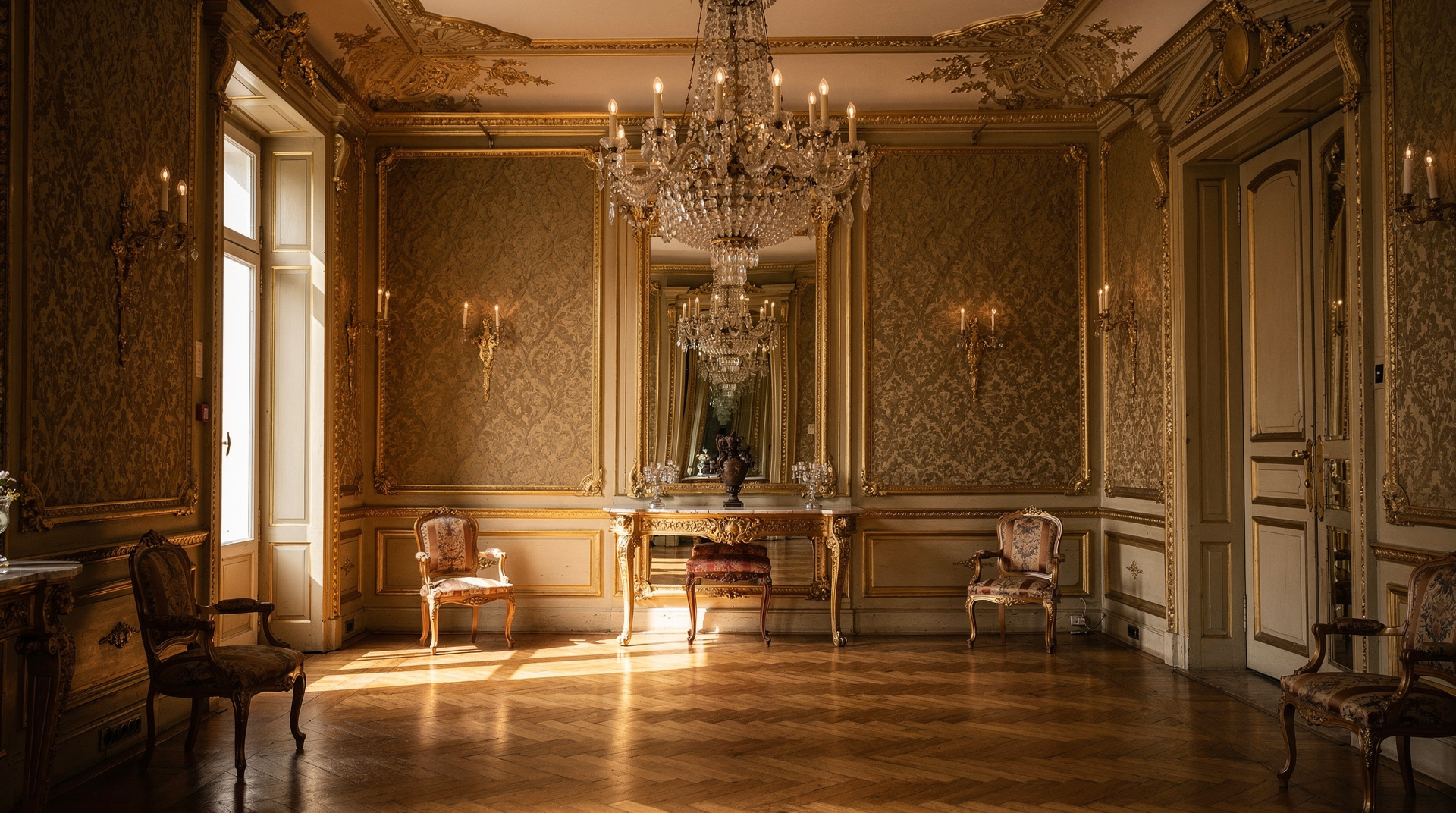
The 22 Imperial Apartments follow a prescribed route through the rooms used by Franz Joseph and Elisabeth from the 1850s onwards. Franz Joseph’s study — with its famously austere iron camp bed and the Spartan desk where he worked from 4 am daily — is the most revealing room in the complex. He was emperor for 68 years (1848–1916) and ran the most bureaucratically detailed court in Europe from this modest space.
Elisabeth’s rooms, by contrast, show her attempts to carve out personal space: the gymnastics rings in her dressing room, the special bathroom fittings, the portrait of herself that she later had turned to face the wall.
Imperial Silver Collection
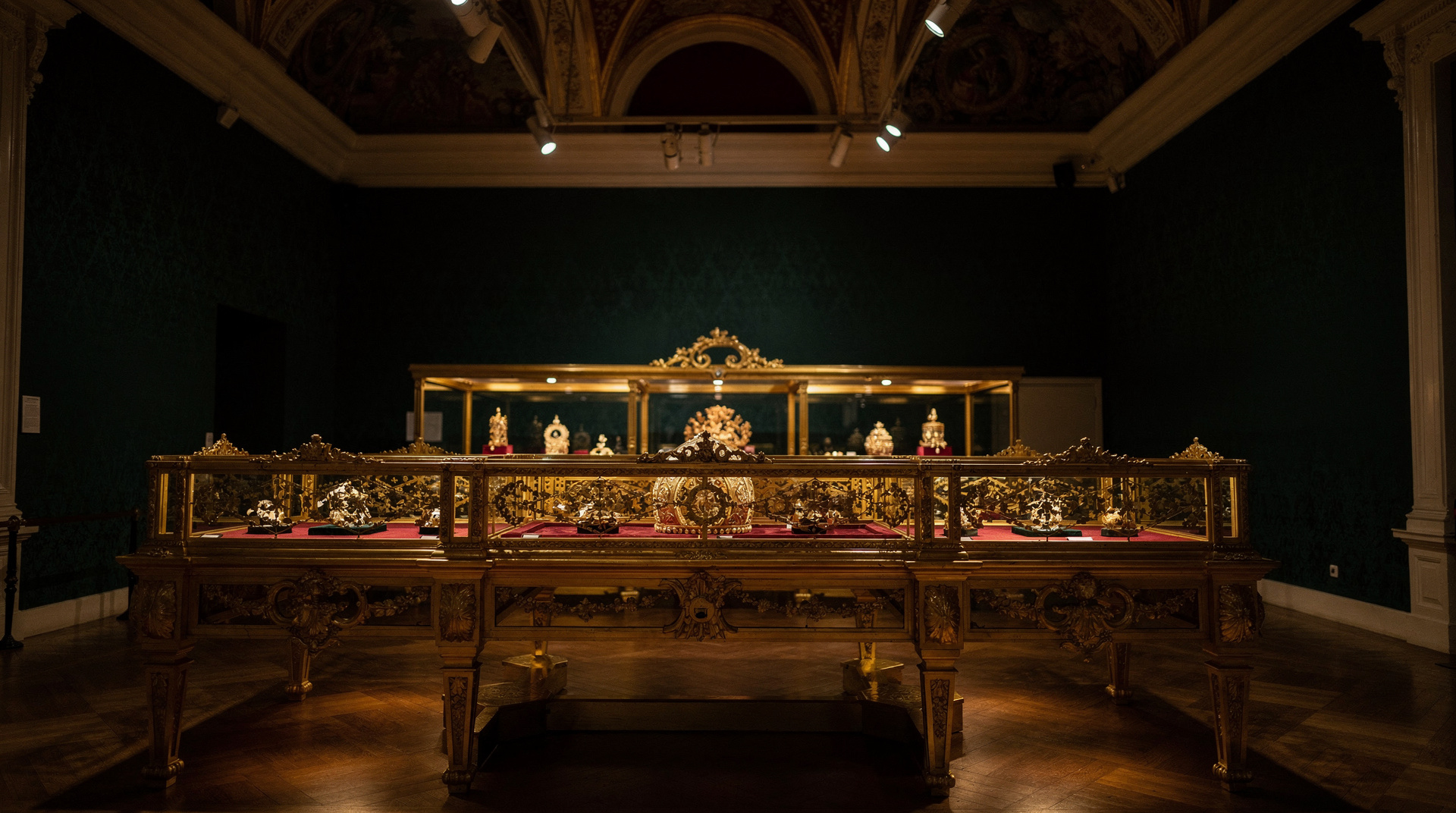
The Silberkammer is housed in the same building but is often skipped by visitors who run out of time. This is a mistake if you have any interest in how Habsburg state banquets actually worked. The collection includes 140-metre-long banquet table arrangements set out as they would have appeared for imperial dinners, along with the porcelain services (Sèvres, Meissen, Vienna), vermeil flatware, and the famous Vermeil Table Service given by Napoleon to Maria Louisa — which ended up in Habsburg hands in one of history’s less subtle ironies.
Tickets and tours
Vienna: Hofburg and Empress Sisi Museum guided tour A guided tour with a live guide rather than the audio device works particularly well at the Hofburg, where the architecture and the family dynamics reward a knowledgeable narrator. The official audio guide is good but covers only the rooms included in the ticket; guides can explain the broader Hofburg complex.
Vienna: Sisi Museum, Imperial Apartments and Hofburg tourIf you are short on time and want to go directly to the most interesting rooms, skip-the-line access with a focused tour of the Sisi Museum and apartments is the most efficient option.
Vienna: skip-the-line Hofburg and Empress Sisi Museum tourWhat else is in the Hofburg complex
The combined ticket covers only three of the Hofburg’s museums. The complex also contains:
Imperial Treasury (Schatzkammer): Separate admission (€14), housed in the Schweizerhof wing. Contains the Habsburg Crown Jewels, the Holy Lance (relic), and the Order of the Golden Fleece insignia. Covered in our Imperial Treasury guide.
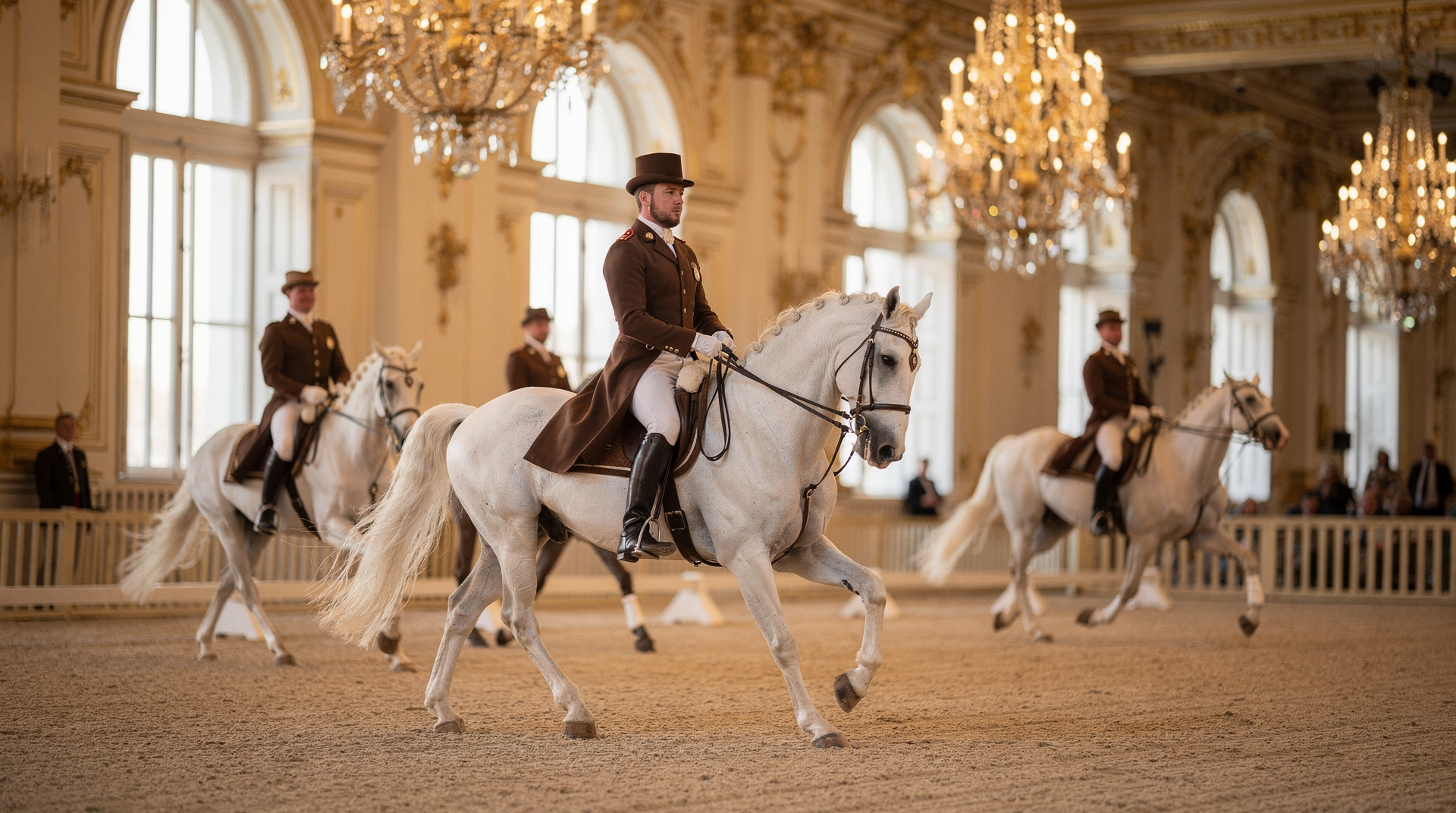
Spanish Riding School (Spanische Hofreitschule): Separate admission. The world’s only institution where Baroque equestrian art has been preserved. Closed July–August (Lipizzaner horses on summer pasture). See our Spanish Riding School guide.
Augustinerkirche (Augustinian Church): Free admission. The Habsburg parish church, where Imperial hearts are kept in silver urns (the bodies are in the Kapuzinergruft; the hearts are here). Genuinely strange and worth the 10-minute detour.
Nationalbibliothek (National Library): The Prunksaal — the State Hall — is one of the finest Baroque interiors in Europe and costs €10 to enter. Undervisited and spectacular.
When to visit and how to combine it
The Hofburg is open year-round and is an indoor attraction, making it a good rainy-day option. Summer weekday mornings are the busiest; Thursday and Friday evenings are quiet. The complex is a 10-minute walk from Stephansdom and 5 minutes from the Kunsthistorisches Museum.
A full Hofburg visit (Sisi Museum + Apartments + Silver Collection + peek at the Nationalbibliothek Prunksaal) takes a half day. Combine with Stephansdom in the afternoon for a solid first day in Vienna.
For Schönbrunn, allocate a separate full day — the two palaces share the same Habsburg story but reward separate treatment rather than rushing both into one long day.
Honest tips
The Spanish Riding School touts: Men in Hofburg-adjacent costume near the Michaelerplatz offer to help you buy tickets for the Spanish Riding School. They are not affiliated with the school and add a commission. Buy direct from the school’s website.
The Ringstrasse exit: The Hofburg opens onto Heldenplatz, the large ceremonial square facing the Ringstrasse. It is worth walking through even if you have not bought a museum ticket — the scale of the Neue Burg wing and the equestrian statues of Archduke Karl and Prince Eugene are impressive, and the view toward the Kunsthistorisches and Naturhistorisches Museums across Maria-Theresien-Platz is one of Vienna’s great civic vistas.
The Burggarten: Behind the Hofburg, facing the Ringstrasse, the Burggarten contains the famous Mozart statue and (less famously) a seated statue of Franz Joseph and a glass pavilion café. It is a pleasant 20-minute walk-through after a museum visit.
Ticket options compared
| Ticket | Covers | Approx. price | Best for |
|---|---|---|---|
| Combined (Sisi Museum + Apartments + Silver Collection) | All three core museums | €17.50 | First-time visitors, best overall value |
| Guided tour with live guide | Sisi Museum + Apartments, narrated | Higher, varies by tour | Visitors who want context beyond the audio guide |
| Skip-the-line focused tour | Sisi Museum + Apartments, fast entry | Higher, varies by tour | Time-limited visitors avoiding the ticket queue |
| Imperial Treasury (separate) | Crown jewels, Holy Lance | ~€14 | Visitors also interested in dynastic power objects |
Understanding the deeper story
The Hofburg’s confusing layout — 19 buildings added over six centuries — makes far more sense once you know which Habsburg rulers built which wing and why. Our Habsburg history for travellers guide gives the broader dynastic context that the museum’s own labelling only partly covers, and it is worth reading before your visit if you want the Sisi Museum’s objects and the Imperial Apartments’ rooms to feel connected to a larger story rather than a series of disconnected exhibits. The Franz Joseph and Sisi guide goes deeper still on the marriage itself, which the Sisi Museum and Imperial Apartments both revolve around.
Reading the palace as you walk through it
Because the Hofburg grew wing by wing, it helps to treat your visit as a walk through layers rather than a single building. The rooms you see in the Imperial Apartments belong to the nineteenth-century court, while the courtyards and facades outside carry older and newer styles side by side. Slow down in the Michaelerkuppel rotunda before you queue: the entrance itself is a good introduction to the imperial scale of the place. If the apartments leave you wanting more on the two people who lived in them, our dedicated Imperial Apartments guide and Sisi Museum guide go room by room.
The blog is a useful companion too. A first-person account of the Sisi myth and the museum shows how the revisionist approach of the museum lands on a real visitor, and Schönbrunn versus Versailles puts the Habsburg palaces in a wider European frame. For a direct comparison of the two Viennese palaces, see Schönbrunn versus Hofburg.
Building a day around the Hofburg
The Hofburg sits in the middle of the Innere Stadt, so it combines easily with its neighbours. Read the Innere Stadt destination page for the wider picture of the old centre, and use the Ringstrasse architecture walk to continue along the boulevard once you leave Heldenplatz. If music is part of your plan, the Vienna Boys’ Choir guide explains the imperial chapel tradition that is still tied to this complex, and the Vienna State Opera guide covers the evening option a short walk away.
A good rhythm for a first visit is to do the museums early, take a long coffee break, and keep the afternoon for wandering. The Viennese coffee house guide will help you pick somewhere nearby that suits the mood, and the coffee house etiquette guide saves you from small embarrassments at the table. If you are planning several days, the 3-day itinerary and the Vienna in 5 days itinerary show where the Hofburg fits alongside everything else, and the Vienna museums overview helps you decide how much museum time you really want.
Practical comfort for a long visit
Palace visits are tiring in ways people underestimate: long corridors, standing in front of display cases, and a prescribed route that does not let you shortcut. Wear comfortable shoes, keep your bag light, and take the audio guide at your own pace rather than trying to hear every entry. Travelling with children changes the pace again, and our Vienna with kids guide suggests how to shape a day so that a palace morning is followed by something more active. Visitors with reduced mobility should read the accessible Vienna guide before planning the route. If you are unsure whether a pass is worth it for the sights you have in mind, compare the options in the Vienna Pass review before you buy.
Frequently asked questions about Hofburg Palace
How long does the Hofburg take to visit?
The three-museum ticket takes 2.5–3 hours at a comfortable pace. If you are only doing the Sisi Museum and Imperial Apartments (skipping the Silver Collection), allow 1.5–2 hours.
What is the difference between the Hofburg and Schönbrunn?
The Hofburg was the Habsburg winter residence in central Vienna; Schönbrunn was the summer palace in the suburbs. The Hofburg is larger and more architecturally complex, but Schönbrunn is more unified as a visitor experience. Both are worth visiting on a 3-day trip.
Is the Sisi Museum at the Hofburg worth it?
Yes — it is the best place in Vienna to understand Empress Elisabeth beyond the romanticized myth. The museum uses original objects (dresses, travel equipment, her gymnastics apparatus) to show the reality of a woman trapped by a court she despised.
Can you visit the Hofburg for free?
The exterior courtyards (Michaelerplatz, In der Burg, Heldenplatz) are free to walk through. The interiors — Sisi Museum, Imperial Apartments, Silver Collection — all require paid tickets.
Where is the Hofburg in Vienna?
The Hofburg occupies a vast complex between the Innere Stadt and the Ringstrasse. The main visitor entrance is at Michaelerplatz, accessible from Herrengasse (U3) or a 10-minute walk from Stephansdom.
Does the Hofburg ticket include the Spanish Riding School?
No. The Spanish Riding School is a separate admission and requires advance booking, especially for performances. See our Spanish Riding School guide for details.
Top experiences
Bookable activities with verified prices and instant confirmation on GetYourGuide.