Hallstatt day trip from Vienna: trains, tours and honest advice
Vienna: Hallstatt Day Trip with Boat Ride / Skywalk
How do you get from Vienna to Hallstatt for a day trip?
By train it takes 3.5 hours (Wien Hbf → Attnang-Puchheim → Hallstatt, plus a 5-minute ferry). That makes for a very long day. Most visitors find an organised guided tour (around 13 hours door-to-door, departing early morning) more practical and comfortable.
Why Hallstatt became the world’s most photographed village
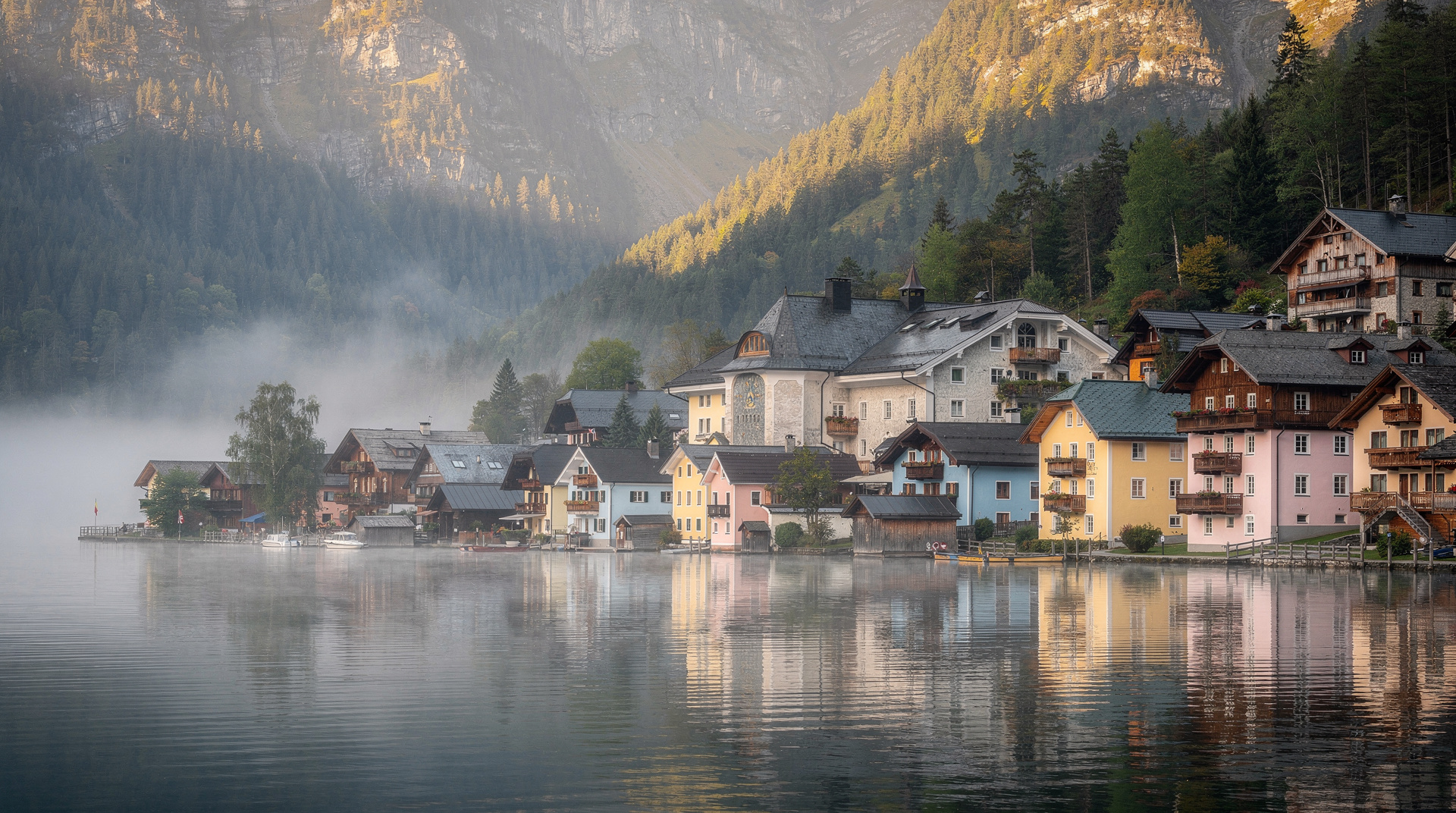
Hallstatt has been a human settlement for 7,000 years — the oldest salt-mining site in the world gives the entire Iron Age era its name (“Hallstatt period”, 800–500 BC). It was already a UNESCO World Heritage site and an established tourist destination when a Korean television drama (“Spring Waltz”) and later Instagram made it go viral. The lakeside market square, with pastel houses reflected in dark water and limestone cliffs rising behind, has become one of the most reproduced images in European travel photography.
The honest version: Hallstatt is a genuinely beautiful village that has been somewhat overwhelmed by its own success. In July and August between 9 am and 4 pm, the main promenade is a slow-moving queue of selfie-taking visitors arriving on multiple tour buses simultaneously. A Chinese developer famously built a replica of the entire village in Guangdong Province. The village itself has had to introduce parking restrictions and visitor management systems.
And yet it remains worth visiting — with the right expectations and the right timing.
| Where | Hallstatt, Salzkammergut — around 3.5hrs from Vienna |
| Cost | Train around €25–35 round trip; guided tour typically €90–130 |
| Time needed | Full day (12–13hrs door-to-door on public transport) |
| Getting there | Train via Attnang-Puchheim + ferry, or organised day tour |
| Best time | September–October for fewer crowds; arrive before 8:30am in summer |
Getting from Vienna to Hallstatt
By public transport (3.5 hours)
The train route from Vienna to Hallstatt runs as follows: Wien Hauptbahnhof direct to Attnang-Puchheim (2h10, ÖBB), change to the regional Salzkammergut train (Hallstatt Bahnhof, 1h30), then a 5-minute ferry across the lake to the village (€3.50, runs in coordination with trains). The ferry is a genuine boat crossing — the railway station is on the opposite shore from the village.
Return journey requires the same route in reverse. A door-to-door round trip with 4–5 hours in the village takes around 12–13 hours. This is long but manageable if you are comfortable with train travel and enjoy the journey through the alpine foothills.
Book ÖBB trains at least 2–3 weeks in advance for cheaper fares. The Attnang-Puchheim to Hallstatt section cannot be booked on international platforms and requires a separate Austrian ticket (€10–12 each way).
By organised tour from Vienna (recommended for most visitors)
The majority of visitors to Hallstatt from Vienna use a guided day tour, departing at 7–8 am and returning by 8–9 pm. Tour buses handle the logistics, include a guide who explains the history of the salt trade and the UNESCO designation, and often include a boat ride on the lake.
The organised tour advantage: you sit in a comfortable minibus rather than managing two train connections, and you have company and context. The disadvantage: the schedule is fixed and you cannot linger past the group’s departure time.
Vienna: Hallstatt day trip with boat ride and SkywalkFor visitors who prefer hotel pickup rather than meeting at a central point, this option offers door-to-door service and slightly smaller group sizes:
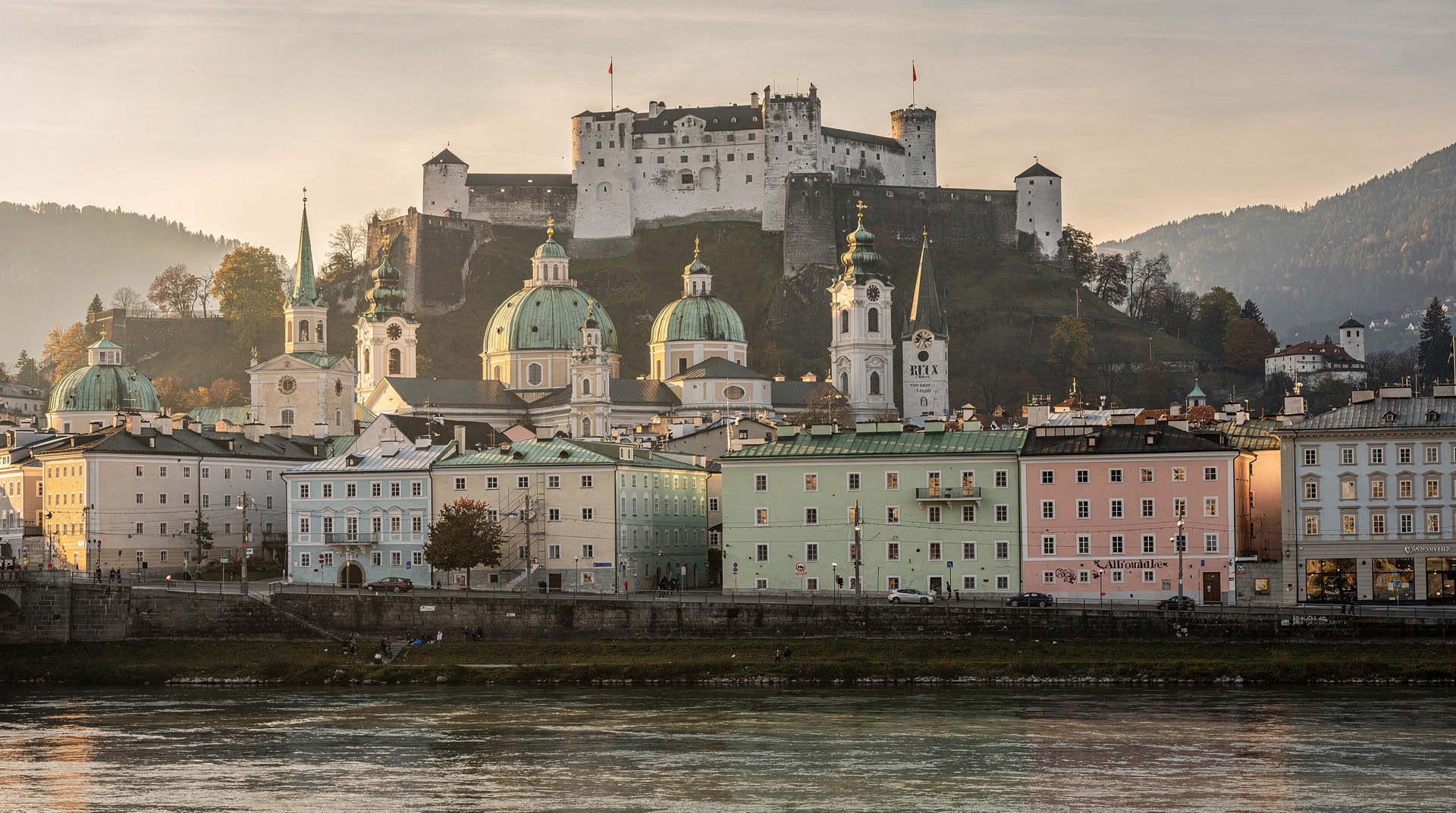
From Vienna: Hallstatt day trip with hotel pickupHallstatt alone is a long way to travel for a village you can walk across in twenty minutes, which is why most operators pair it with Salzburg rather than selling it on its own: a guided day trip to Hallstatt and Salzburg makes the drive earn its length.
What to see in Hallstatt
The salt mine
The Hallstatt salt mine (Salzwelten) is the oldest still-functioning salt mine in the world, with tunnels dating back 3,000 years. Tours descend underground on a miners’ wooden slide (a genuine piece of alpine engineering, not a tourist gimmick), walk through illuminated chambers explaining the geology and history of the salt trade, and visit a preserved wooden staircase from the Bronze Age. Allow 1.5–2 hours. Tickets: €35 adults, €18 children.
Important 2026 note: The Skywalk funicular (Salzbergbahn) that carries visitors up to the mine entrance was closed from September 2025 for renovation and is expected to reopen in June 2026. If the funicular is still closed during your visit, the salt mine is reached by a 20-minute steep uphill walk on a well-maintained path — entirely doable in good footwear.
The market square
The Marktplatz is the visual centrepiece — a narrow lakeside square lined with coloured gabled houses, a Trinity Column in the centre, and the backdrop of the cliff and the parish church. This is the most photographed spot; arrive before 8:30 am for any chance of a peaceful composition. The Hallstatt Museum on the square covers the archaeology of the Hallstatt period with excellent English labelling.
The Hallstättersee boat ride
Taking a boat out onto the lake gives the perspective that makes Hallstatt so visually striking — looking back at the village from the water, with the Alps rising behind it. Electric boat rentals are available at the landing stage (€12–15 per hour). Some tours include a short guided boat excursion in the tour price.
The charnel house (Beinhaus)
Behind the parish church, the small charnel house contains 1,200 decorated human skulls — a practice that developed because the village cemetery ran out of space, and bones were exhumed after 12 years to make room. The skulls are painted with flowers, names and dates. It is an extraordinary piece of vernacular tradition and entirely accessible on a short visit (free, €2 donation suggested).
The lakeside promenade walk
The lakeside path south from the village — towards the Mühlbach waterfall and beyond — offers increasingly impressive views back towards the village with fewer people than the market square. The walk to the waterfall and back takes about 30 minutes.
When to go
September and October are the best months. The autumn colours in the surrounding birch and beech forests reflect in the lake, the Japanese and Korean tour groups have thinned out, and the salt mine is quieter. Temperatures are comfortable for walking (10–18°C). This is the honest recommendation.
April and May are also pleasant — the lake is a deep blue-green from snowmelt, prices are lower and crowds are manageable. The drawback is that alpine weather in April can include cold rain and even late snow at higher elevations.
June through August is peak season. Beautiful weather but genuine overcrowding between 9 am and 5 pm. If you visit in summer, arrive very early (first boat from the station is before 8 am) or stay overnight to experience the village at dawn and dusk.
November through March: The village is quieter (many restaurants close), and the mountains may be snow-covered, which is spectacular. The lake doesn’t freeze. The salt mine and museums remain open.
Honest tips for a Hallstatt day trip
On crowds: The main arrival wave hits around 9:30–10 am when tour buses park in the car park south of the village. If you are on an early-departing tour or the first morning train, you will have a noticeably different experience than the midday arrivals.
On the photos: The famous long-exposure lake reflection shot is taken from the northern boat landing, looking south along the lake towards the village. It requires a tripod and an early morning — the light is right for about 30 minutes around sunrise.
On eating: There are a handful of good restaurants in the village (Bräugasthof is reliable, Seehotel Grüner Baum has a lakeside terrace), but prices are high and tables fill early. Bringing a packed lunch is entirely reasonable and widely done.
On combining with Salzkammergut: Hallstatt is part of the larger Salzkammergut lakes district. The nearby lakes — Wolfgangsee, Traunsee, Mondsee — are accessible if you have more time and a car. See the Salzkammergut lakes guide for the full picture.
On the tour to Hallstatt via mountains and alpine lakes: This longer tour option includes more of the Salzkammergut region and is worth considering if you want more context around the lakes:
From Vienna: Hallstatt, mountains and alpine lakes day tripCombining Hallstatt with other destinations
The Vienna 5-day itinerary and the Salzkammergut loop from Vienna both incorporate Hallstatt alongside Salzburg and the broader lake district. If your itinerary has two nights, basing yourself in Salzburg for a night and visiting Hallstatt as a day trip from there (45 minutes by car or bus) is the most comfortable approach.
See the best day trips from Vienna overview for comparison with other destinations, and the Salzburg day trip guide if you are considering combining both.
Where to stay if you extend to an overnight
Most visitors treat Hallstatt as a single long day from Vienna, but an overnight in the village transforms the experience: once the last tour buses leave around 5–6pm, the market square empties and Hallstatt becomes genuinely peaceful, with the lake reflecting the last light and only a handful of guests wandering the lanes.
Rooms are limited and book out well ahead in summer — the guesthouses directly on the Marktplatz have lake views but cost more; quieter, cheaper options sit a short walk uphill toward the salt mine funicular base station. An overnight also solves the round-trip time problem entirely: arrive by early afternoon train, explore in the empty evening and early morning, and take a leisurely midday train back, cutting the exhausting 12–13 hour public-transport slog to something far more comfortable.
Deciding whether Hallstatt fits your Vienna trip
Hallstatt is a big commitment of time, so it helps to weigh it against the rest of your stay. If you are still working out the length of your visit, the how many days in Vienna guide and the 3-day itinerary show how much the capital itself can fill. A short trip rarely has a spare day for a long excursion.
For a first impression of the village from people who have been, the Hallstatt overrun or magical diary gives a personal account of the crowds. The Hallstatt destination page and the Salzkammergut lakes destination page add background on the village and the wider lake district.
Seasonality matters as much as the route. The best time to visit Vienna and Vienna in autumn guides explain why the shoulder months suit both the capital and an alpine excursion, which is useful if you can pick your dates.
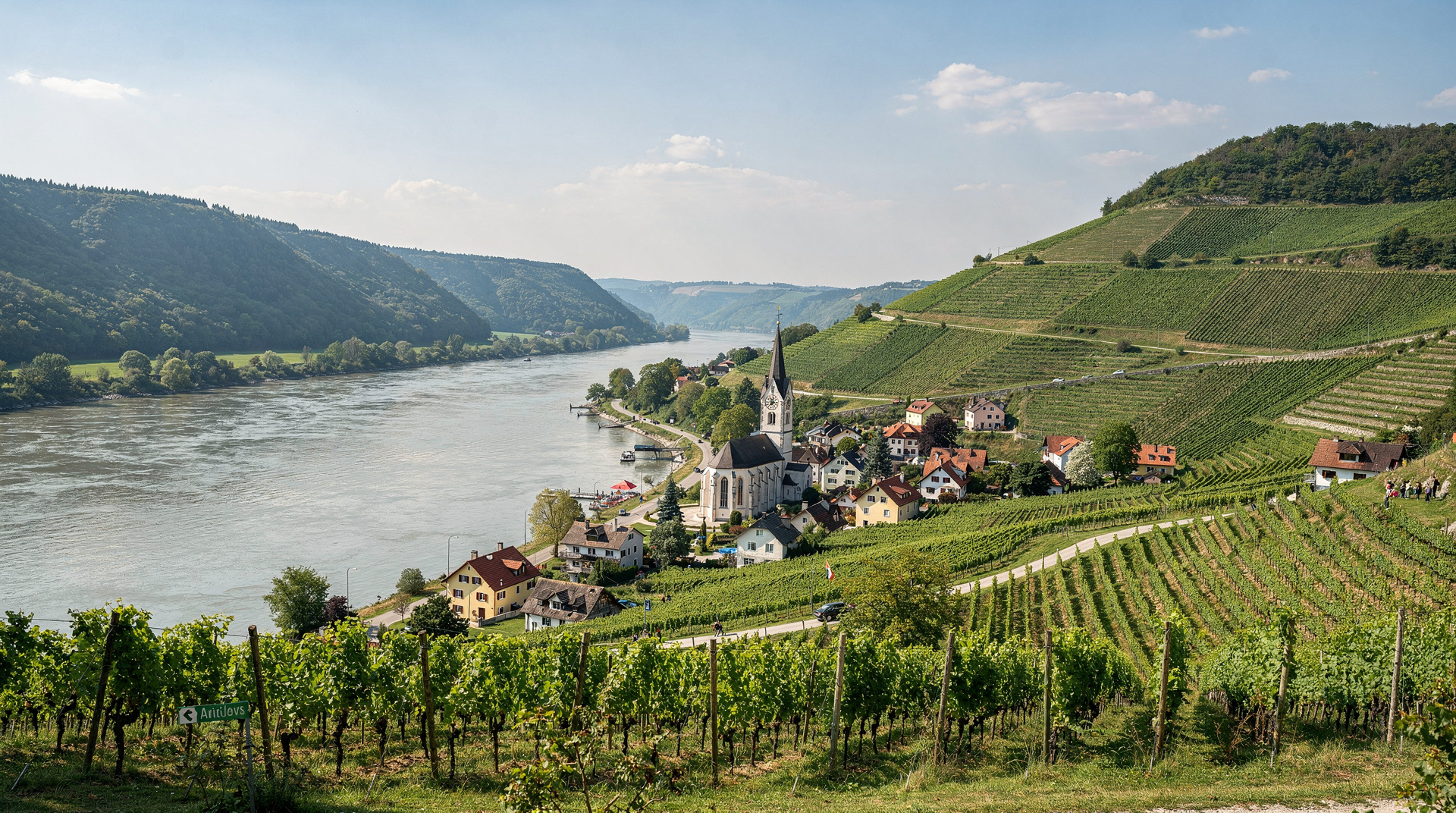
If the long journey puts you off but you still want a scenic day out, the Wachau day trip from Vienna and the Vienna Woods day trip are shorter outings. For getting around the city before and after your trip, the Vienna public transport guide covers the practical side, and the Sound of Music day trip is another option if Salzburg is on your list.
Hallstatt by season, at a glance
| Season | Crowds | Weather | Verdict |
|---|---|---|---|
| June–August | Heaviest, 9am–5pm bus caravans | Warm, reliable | Go, but arrive before 8:30am or accept crowds |
| September–October | Noticeably thinner | Mild, autumn colour in the forests | Best overall balance |
| April–May | Light to moderate | Cooler, occasional rain/late snow | Good value, quieter |
| November–March | Lightest | Cold, mountains often snow-covered | Quiet and atmospheric, some restaurants closed |
If Hallstatt feels too crowded: nearby alternatives
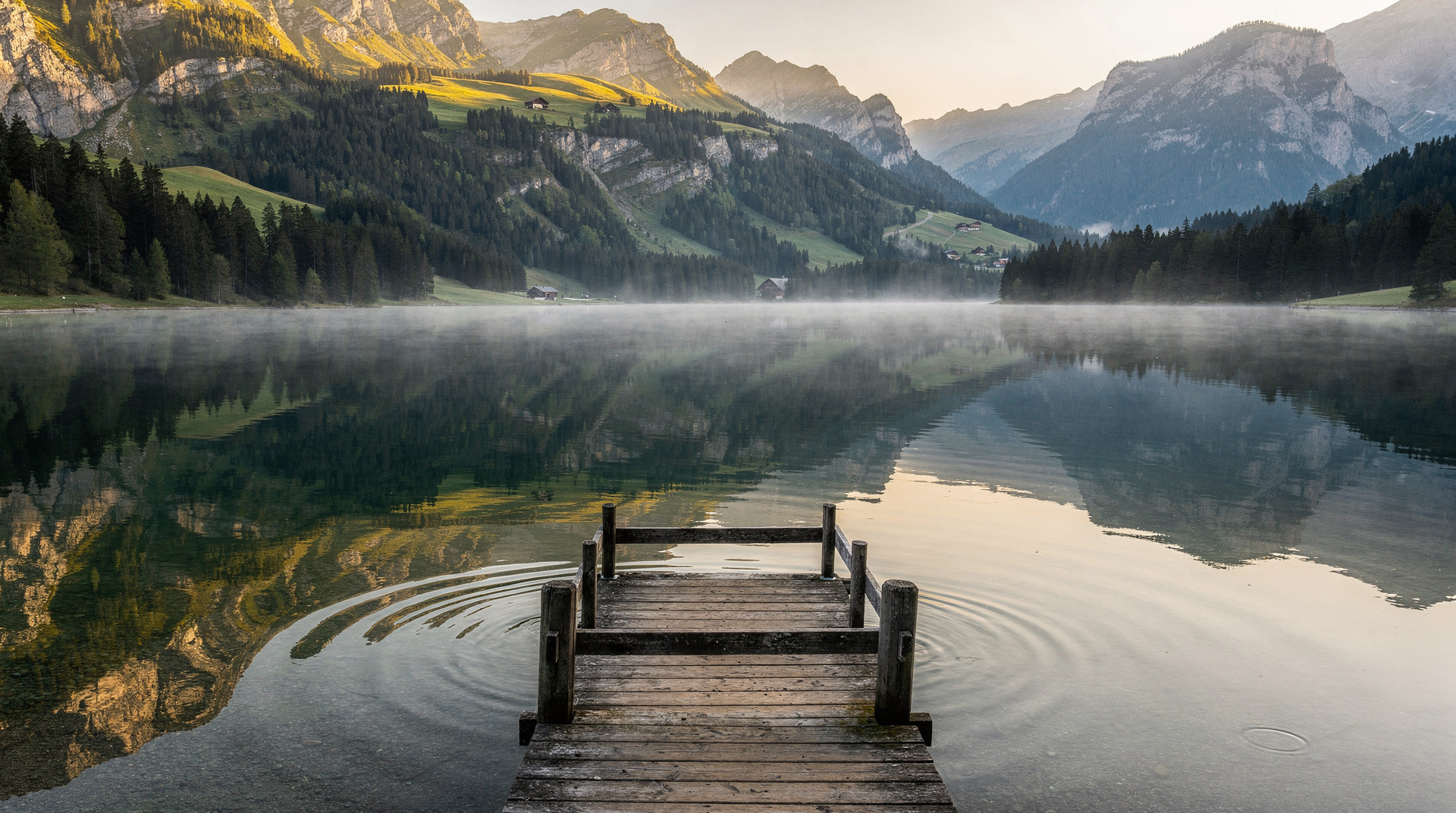
Visitors who do the research and still worry about the summer crowds have a genuine alternative within the same day-trip radius: the wider Salzkammergut lakes region has several villages with a similar alpine-lake setting and a fraction of the visitor numbers, though none carry Hallstatt’s exact combination of the salt mine history and the postcard market square.
If your main goal is the “picture-perfect Austrian lake village” experience rather than Hallstatt specifically, ask a tour operator about Salzkammergut routes that stop at a quieter lakeside village instead. For most first-time visitors, though, Hallstatt’s salt mine and 7,000-year history make it worth the crowds if you time the visit for early morning or the shoulder season.
Frequently asked questions about the Hallstatt day trip from Vienna
How long does it take to get from Vienna to Hallstatt?
By public transport: around 3.5 hours (train to Attnang-Puchheim, regional train to Hallstatt station, 5-minute ferry to the village). By organised tour bus, the journey is about 3 hours but you’re in a comfortable minibus with a guide.
Is the Hallstatt Skywalk open in 2026?
The Skywalk lift (Salzbergbahn funicular) was closed for renovation from September 2025 and is expected to reopen in June 2026. Check before booking — the funicular serves both the Skywalk viewpoint and the salt mine entrance, so its status affects your options.
Is Hallstatt worth visiting despite the crowds?
Yes, but timing matters. Summer weekends bring bus caravans and tour groups from 9 am to 4 pm. Early morning (arrive by 8 am) or late afternoon, and September–October for autumn colours, give a much more serene experience.
What is there to do in Hallstatt besides the Skywalk?
The salt mine tour is excellent and is actually the main attraction for many visitors. The boat ride on the Hallstättersee, the market square, the charnel house (Beinhaus) with decorated skulls, and the walk along the lake promenade fill a comfortable day.
Can I combine Hallstatt with Salzburg in one day?
It is possible on an organised tour that combines both cities, but it is very rushed. Hallstatt alone fills a full day comfortably. If you want both, plan for an overnight stay in Salzburg.
What should I wear to Hallstatt?
Comfortable walking shoes — the village streets are cobbled and the path to the salt mine is a steep 20-minute climb (when the funicular is not running). Layers are advisable even in summer, as the lake valley creates its own microclimate.
Top experiences
Bookable activities with verified prices and instant confirmation on GetYourGuide.