Salzkammergut lakes guide: Hallstatt, Wolfgangsee, Mondsee and more
From Vienna: Salzburg and Alpine Lakes Full-Day Trip
What is the Salzkammergut lake district?
The Salzkammergut is Austria's main lake district — a cluster of 76 alpine lakes between Salzburg, Styria and Upper Austria, known for Hallstatt (the most famous), Wolfgangsee (Sound of Music), Mondsee (wedding scene), Traunsee and Grundlsee. The region produces salt (Salz = salt, Kammer = imperial chamber), and the landscape was UNESCO-listed in 1997.
Austria’s lake district: where landscape becomes legend
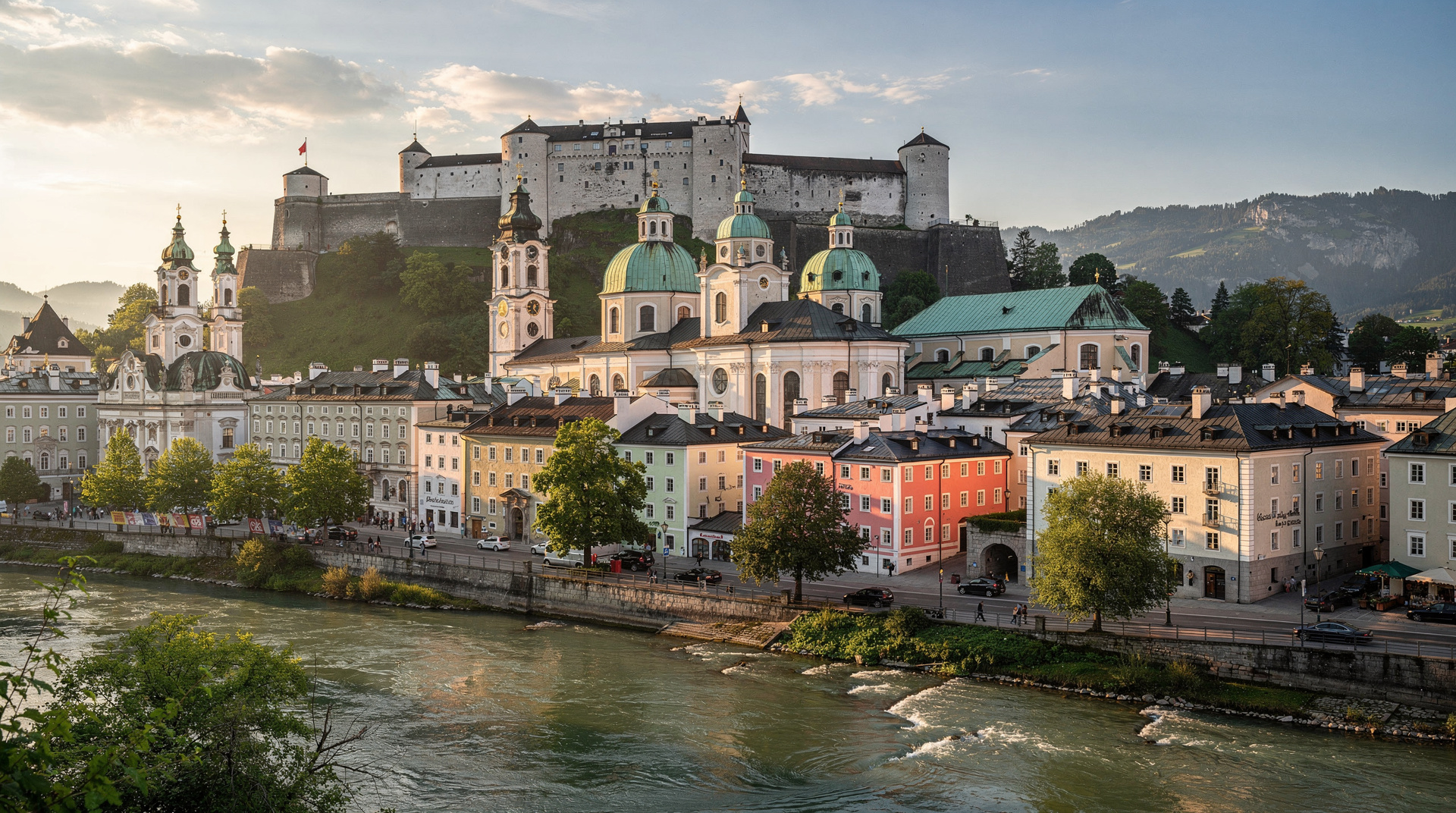
The Salzkammergut is the name given to the cluster of 76 alpine lakes in the upper part of Austria — a region whose salt-mining heritage gave it both a name and a wealth that funded extraordinary baroque architecture in Salzburg, monasteries in the mountain valleys, and the grand villas of 19th-century Viennese families who summered here when the railway made it accessible.
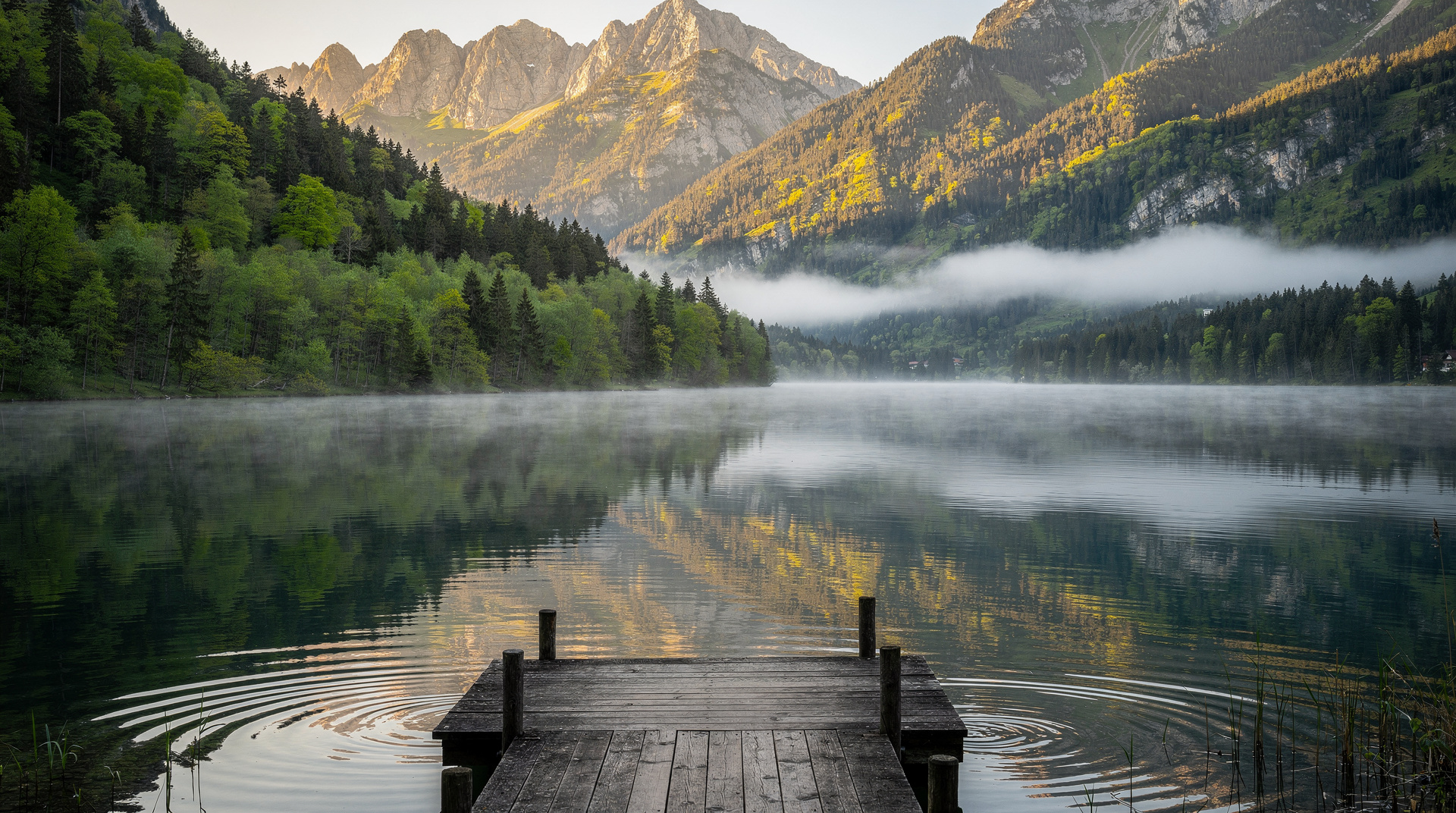
Today the Salzkammergut is known primarily for its lakes — Hallstatt’s dark waters under limestone cliffs, the warm blue Wolfgangsee beloved for swimming, the crescent-shaped Mondsee with its Sound of Music church, the remote Grundlsee ringed by the Totes Gebirge mountains. Each lake has its own character; the region has a collective beauty that rewards spending more than a day in transit between Vienna and Salzburg.
This guide covers the main lakes, how to reach them from Vienna, and how to structure a visit whether you have a day or a week.
| Where | Upper Austria/Styria, between Salzburg and Vienna |
| Cost | Free lake access; train/bus fares €30–60 round trip from Vienna |
| Time needed | Full day for Hallstatt only; 3+ days for the wider region |
| Getting there | Train to Attnang-Puchheim/Salzburg, then regional train/bus |
| Best time | May–June or September–October |
The main lakes
Choosing your lake at a glance
| Lake | Character | Best for | Water temp (summer) |
|---|---|---|---|
| Hallstättersee | Dramatic, cliffs, iconic | Photography, salt mine, history | 17–19°C (cold) |
| Wolfgangsee | Popular, lively, lakeside villages | Swimming, families, the Schafberg railway | 22–24°C |
| Mondsee | Crescent-shaped, warm, clear | Swimming, the Sound of Music church | Up to 26°C |
| Traunsee | Deep, dramatic peak backdrop | Scenery, Gmunden’s castle and ceramics | 16–18°C (cold) |
| Grundlsee | Remote, wild, uncrowded | Escaping the crowds, kayaking, hiking | Cool, variable |
Hallstättersee (Hallstatt) — the famous one
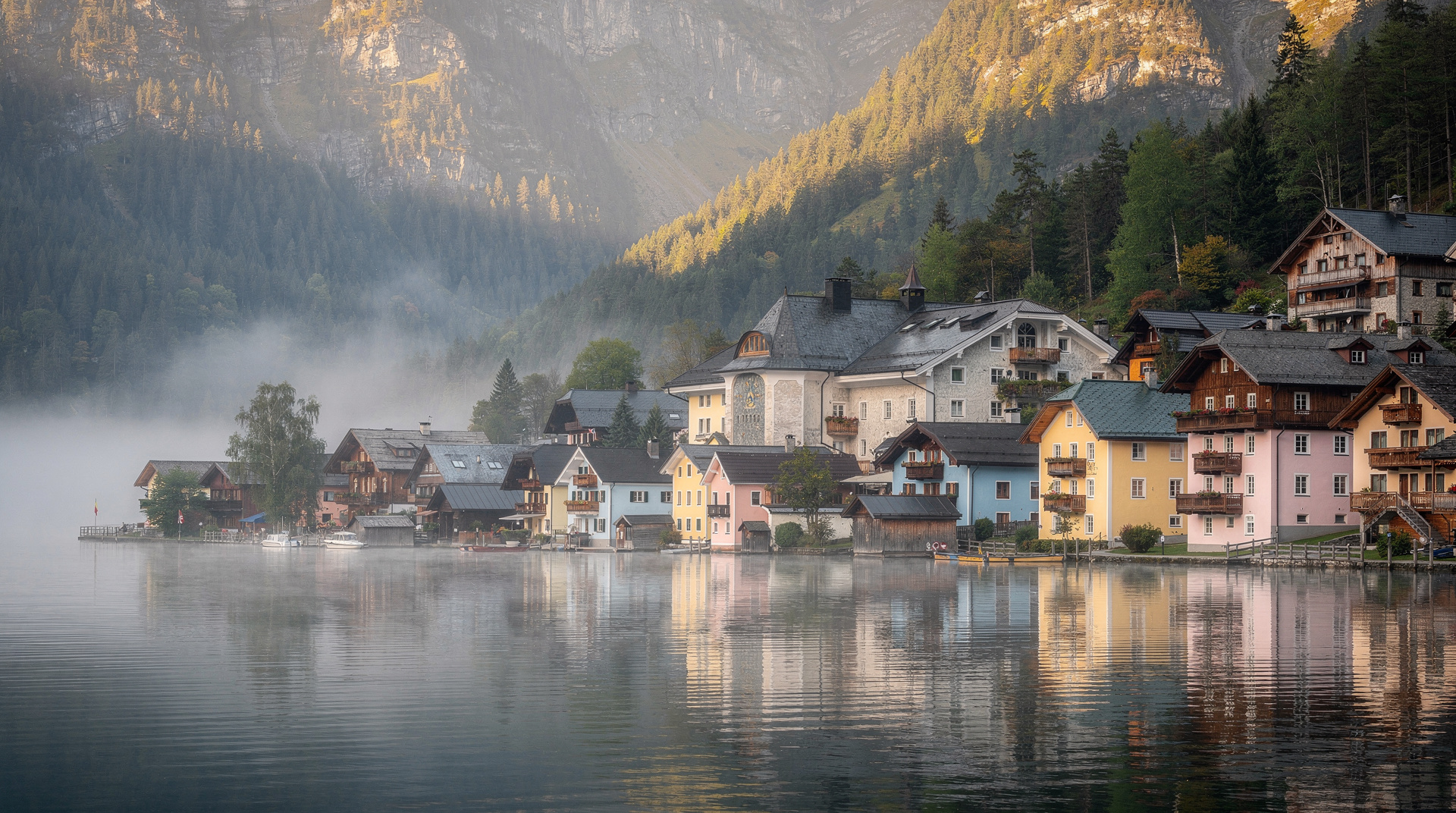
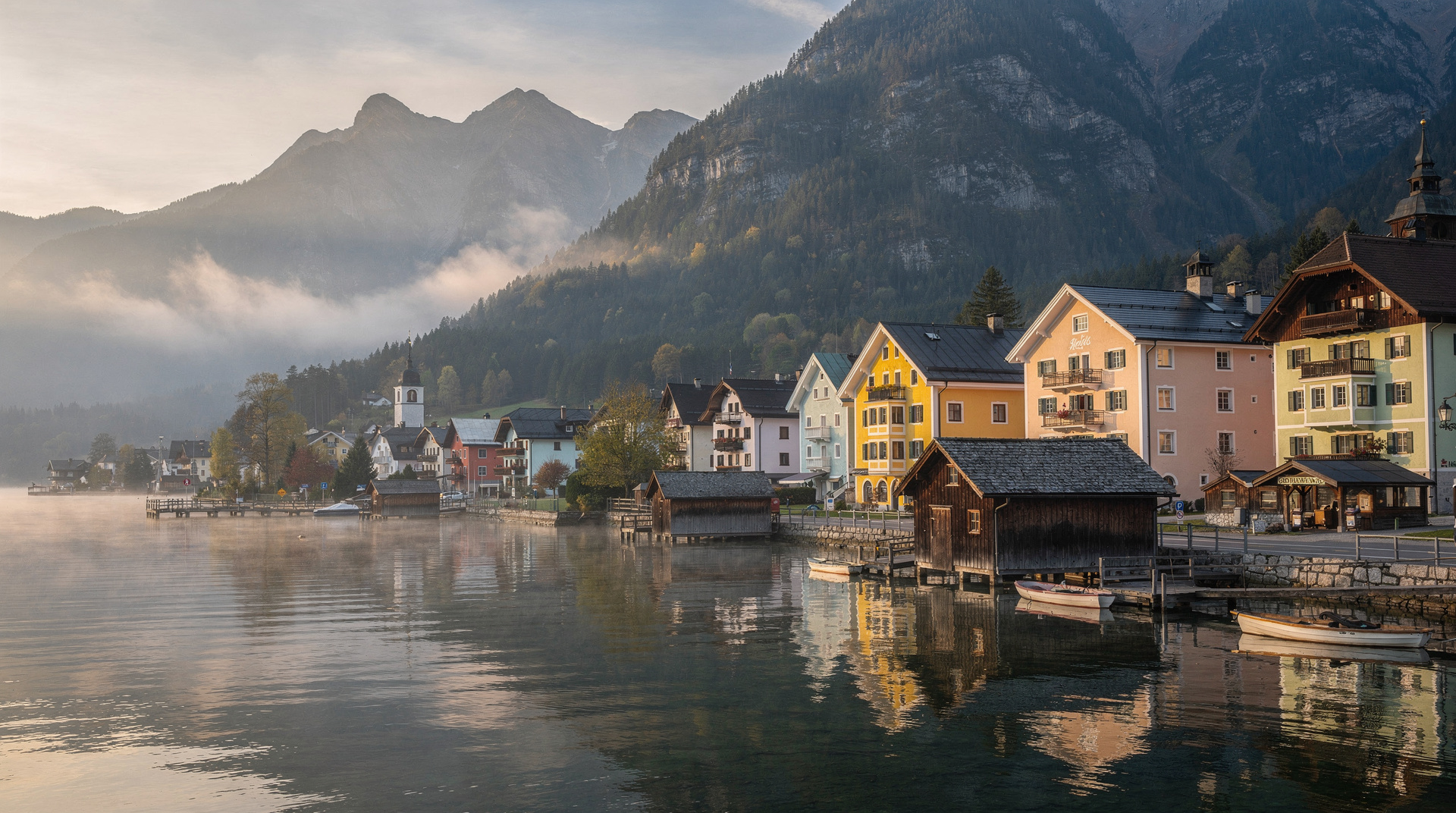
Hallstatt lake is the most dramatic in the region — dark green water in a narrow valley between steep limestone cliffs, with the medieval village perched on the narrow strip of land between the cliff and the shore. The photographs that have made Hallstatt globally famous (and overwhelmed the village with visitors) show the lakeside market square with the cliff and the hills behind: an image that is essentially accurate, though framing omits the coach park and the queue at the lake ferry.
The lake itself is cold (spring-fed, typically 17–19°C even in August) and deep (125m maximum). Swimming is possible from the village jetty; most visitors prefer to look at the lake from above or take a rowing boat out for the perspective back towards the village.
See the complete Hallstatt day trip guide for the specific logistics of getting there from Vienna.
Wolfgangsee — the most popular swimming lake
The Wolfgangsee is Austria’s favourite lake for summer holidays — a 13 km lake between Salzburg and Bad Ischl, accessible by Postbus from Salzburg or from Bad Ischl (S-Bahn from Attnang-Puchheim). The lakeside villages of St. Wolfgang, St. Gilgen and Strobl all have beaches, restaurants, boat rental and Heurigen wine taverns.
St. Wolfgang is the most attractive village — the Weisses Rössl (White Horse Inn, made famous by a 1930s operetta) is still operating on the lakefront, and the Gothic parish church contains one of the masterpieces of late-medieval German altar painting: the St. Wolfgang Altar by Michael Pacher (1481), a polyptych of extraordinary precision.
The Schafberg steam railway above St. Wolfgang (Schafberg Bahn) climbs to 1,783m above the lake — one of the steepest rack railways in Central Europe, operated by the original 19th-century steam locomotives. The summit view takes in 10+ lakes simultaneously on a clear day. The railway was used in a filming sequence for “The Sound of Music” (the steam train scenes).
Swimming: Water temperature in July–August: 22–24°C. Multiple free beach areas along the lakeshore.
Mondsee — warm water and the Sound of Music church
Mondsee (Moon Lake) is named for its crescent shape and is one of the warmest and most visually clear lakes in the Salzkammergut — water temperatures reach 26°C in a good summer. The lakeshore village (also called Mondsee) has good restaurants, a tourist-level but pleasant main square, and the Basilica of St. Michael.
The basilica is famous as the church where the “wedding scene” in “The Sound of Music” was filmed — the Gothic interior with its yellow Baroque facade is the actual filming location, not a reconstruction. See the Sound of Music day trip guide for context. The church interior is open year-round for visitors (free, donations welcomed).
Getting there: 30 km from Salzburg by bus 140 (40 minutes). From Vienna: train to Salzburg (2.5h) then bus to Mondsee.
Traunsee — the deepest lake
The Traunsee at 191m is the deepest lake in Austria — a long, narrow glacially carved lake below the dramatic Traunstein peak (1,691m). The lakeside town of Gmunden, at the northern end, has a wooden pier, a castle on a small island (Ort Castle, accessible by causeway), and the largest collection of green-glazed faience pottery in Austria (Gmundner Keramik, a regional speciality).
Swimming: The deep lake is cold (16–18°C). Swimming areas exist at Ebensee and Traunkirchen; the latter village has a stunning lakeside church projecting over the water on a rocky promontory.
Getting there from Vienna: Train to Wels or Gmunden (via Attnang-Puchheim), approximately 2.5–3 hours. Bus connections from Gmunden along the lake shore.
Grundlsee — the remote lake
Grundlsee is the easternmost of the Salzkammergut lakes, in the Styrian part of the region, and the least visited by international tourists. Three small lakes are connected in sequence — Grundlsee, Toplitzsee (reachable only by boat) and Kammersee — in a valley below the Totes Gebirge (Dead Mountains). The Toplitzsee gained notoriety because Nazi gold and documents were reportedly sunk here in the last weeks of WWII; various diving expeditions have recovered some materials.
Character: Wild, remote, green, uncrowded. Suitable for visitors seeking the Salzkammergut without the Instagram crowds.
Getting there: S-Bahn from Wien Hauptbahnhof to Bad Mitterndorf-Tauplitz (2.5h, via Stainach-Irdning). Bus from Bad Mitterndorf to Grundlsee.
Fuschlsee — the smallest, and a detour worth knowing about
Fuschlsee, between Salzburg and the Wolfgangsee, is smaller and less written about than the main five lakes but has some of the warmest, clearest water in the entire region — a genuine local favourite for a quick swim on the way between Salzburg and St. Wolfgang. It sits directly on the bus route linking Salzburg to Wolfgangsee, making it an easy, essentially free addition if you’re already travelling that corridor and have half an hour to spare.
Getting to the Salzkammergut from Vienna
By train to Hallstatt (the most visited destination)
Wien Hauptbahnhof → Attnang-Puchheim (2h10, direct or with change at Linz) → Hallstatt Bahnhof (1h30, regional Salzkammergut train) → lake ferry (5 min, runs with train connections). Total: 3h45 each way.
This is the standard independent route to Hallstatt. See the Hallstatt day trip guide for the specific timing and logistics.
By Railjet to Salzburg (for the broader region)
Wien Hauptbahnhof → Salzburg (2h25, ÖBB Railjet, hourly). From Salzburg, bus connections reach: Mondsee (40 min), St. Wolfgang (45 min), Hallstatt (via Bad Ischl, 1h15), and Bad Ischl (45 min). Salzburg is the practical base for exploring the entire Salzkammergut.
From Vienna: Salzburg and alpine lakes full-day tripFor a focused Hallstatt and mountains trip:
From Vienna: Hallstatt, mountains and alpine lakes day tripThe Salzkammergut loop from Vienna (6 days with car)
The Salzkammergut loop from Vienna covers the full region in 6 days — Salzburg, Hallstatt, Wolfgangsee, Mondsee and Traunsee — with car recommended for maximum flexibility. This itinerary gives the full lake district experience rather than a single destination day trip.
When to visit
May and June: The lakes are at their clearest, the surrounding forests bright green. Hallstatt is not yet overwhelming. Wolfgangsee and Mondsee are warm enough for swimming by mid-June.
July–August: Peak season for swimming. Hallstatt is extremely crowded (coach parties from 9 am–5 pm). Wolfgangsee and Mondsee have beach crowds on weekends. Start very early if visiting Hallstatt.
September–October: The best months. Autumn colours in the forests surrounding the lakes are spectacular — the combination of copper beeches, dark water and white limestone cliffs in October is unique. Hallstatt crowds thin dramatically. Water still warm enough for swimming in September.
November–March: Lakes can be misty and grey, which has its own atmospheric quality. Hallstatt salt mine is open; the lake village is quiet. Skiing is accessible from the Dachstein massif above Hallstatt. Many restaurants and guesthouses close November–Easter.
Honest assessment of the Salzkammergut
The lake district is genuinely beautiful — all of it, not just Hallstatt. The problem is that international tourism to the Salzkammergut is highly concentrated: 90% of the visitor flow goes to Hallstatt, which receives about 1 million annual visitors for a village of 800 residents. The result is a management challenge that shows.
The less-visited lakes — Mondsee, Wolfgangsee, Traunsee, Grundlsee — offer comparable or superior natural beauty with a fraction of the tourist infrastructure. Visitors who invest the extra travel time to reach Wolfgangsee or Grundlsee typically rate their experience more highly than those who spent the whole day in Hallstatt.
The ideal Salzkammergut visit allocates 1–2 hours to Hallstatt (for the salt mine and the charnel house — genuinely unique) and at least half a day to one of the quieter lakes for swimming, kayaking or hiking.
Practical tips
Hallstatt capacity: The village has implemented visitor management measures including parking restrictions and coach timing windows. Walk-in visitors at any time are welcome; coach tourists arrive in managed waves. The quietest windows are early morning (before 9 am) and late afternoon (after 4 pm).
Lake swimming: All Salzkammergut lakes have free public swimming areas. The water is clean and safe throughout the region. Life jackets are not generally required; follow lake safety guidelines for boat traffic.
Weather: The Salzkammergut has a wetter microclimate than Vienna — the mountains force moisture-laden westerly air to condense. Rain can arrive quickly. Check the weather before planning outdoor activities and bring a waterproof layer.
Accommodation: Outside July–August, last-minute accommodation is often available. In peak season, book 2–3 months ahead for Hallstatt and St. Wolfgang (most popular villages).
Boat rental: Available at Hallstatt (rowing boats), Wolfgangsee (rowing and electric boats), Grundlsee (rowing and kayaking) and most other lakes. Electric boats are widely available and environmentally appropriate on the ecologically sensitive Hallstättersee.
Hiking: The mountains surrounding the lakes offer some of Austria’s best day hiking outside the high Alps proper. The Dachstein massif above Hallstatt has via ferrata routes and the Five Fingers viewing platform; the hills around Wolfgangsee and the Schafberg summit offer gentler options with spectacular lake views. Trail markings follow the standard Austrian Alpine Club system (red-white-red), and most routes are well maintained with regular refreshment huts.
Local food: Reinanke (a delicate lake whitefish) appears on menus throughout the region, typically pan-fried and served with potatoes — a genuinely regional dish worth trying rather than defaulting to Schnitzel everywhere. Gmundner Keramik pottery, produced around Traunsee, makes a distinctive regional souvenir beyond the usual snow globes and postcards.
See the Hallstatt day trip guide for the specific logistics, the Salzburg day trip guide for combining both, and the Sound of Music tour guide for the film-location perspective on the Mondsee and Wolfgangsee area.
How much time to allocate
A single day from Vienna realistically covers Hallstatt only, and even that means over 7 hours in transit for perhaps 3–4 hours in the village — see the Salzburg day trip guide if you’d rather use Salzburg as a base instead of tackling Hallstatt directly from Vienna.
Three to four days, ideally with a car, allows a loop covering Hallstatt, one swimming lake (Wolfgangsee or Mondsee) and one quiet lake (Grundlsee or Traunsee) without feeling rushed. The 5-day Vienna itinerary shows how a Salzkammergut extension fits alongside city time in Vienna itself, and the dedicated Salzkammergut loop itinerary covers the full 6-day version in detail.
Frequently asked questions about the Salzkammergut lakes
Which is the most beautiful lake in the Salzkammergut?
Hallstättersee (Hallstatt) is the most dramatic — dark water, limestone cliffs, medieval village. Wolfgangsee is the most visited Austrian lake for swimming. Grundlsee is the most remote and least touristic. Mondsee is arguably the prettiest for swimming (warmest, clear water, Alpine backdrop).
Can you visit the Salzkammergut from Vienna?
Yes, as a long day trip (3.5 hours to Hallstatt by train and ferry) or as a multi-day trip with a car. From Vienna, Hallstatt is the primary destination. Salzburg (2.5h by Railjet) is the practical base for the full Salzkammergut.
Do you need a car for the Salzkammergut?
A car gives flexibility for reaching remote lakes and smaller villages. However, the main destinations are accessible by train (to Attnang-Puchheim or Salzburg) and bus. The Postbus network covers most villages.
What is the best time to visit the Salzkammergut?
May–June and September–October. Summer (July–August) is peak swimming season but extremely crowded at Hallstatt. Autumn colours in the surrounding forests (September–October) are spectacular.
Is the Salzkammergut good for swimming?
Excellent — Wolfgangsee, Mondsee, Traunsee and Fuschlsee all have clean, warm water (reaching 24–26°C in July–August). Hallstättersee is the coldest (deep and spring-fed, 18–20°C in summer).
What is Hallstatt famous for beyond the photographs?
The world’s oldest salt mine (3,000 years of continuous operation), an archaeological period named after the village (the Hallstatt period, 800–500 BC), the charnel house with decorated skulls (Beinhaus), and a remarkably intact medieval salt merchant’s village.
Top experiences
Bookable activities with verified prices and instant confirmation on GetYourGuide.