Vienna Boys' Choir guide: Sunday Mass at the Burgkapelle explained
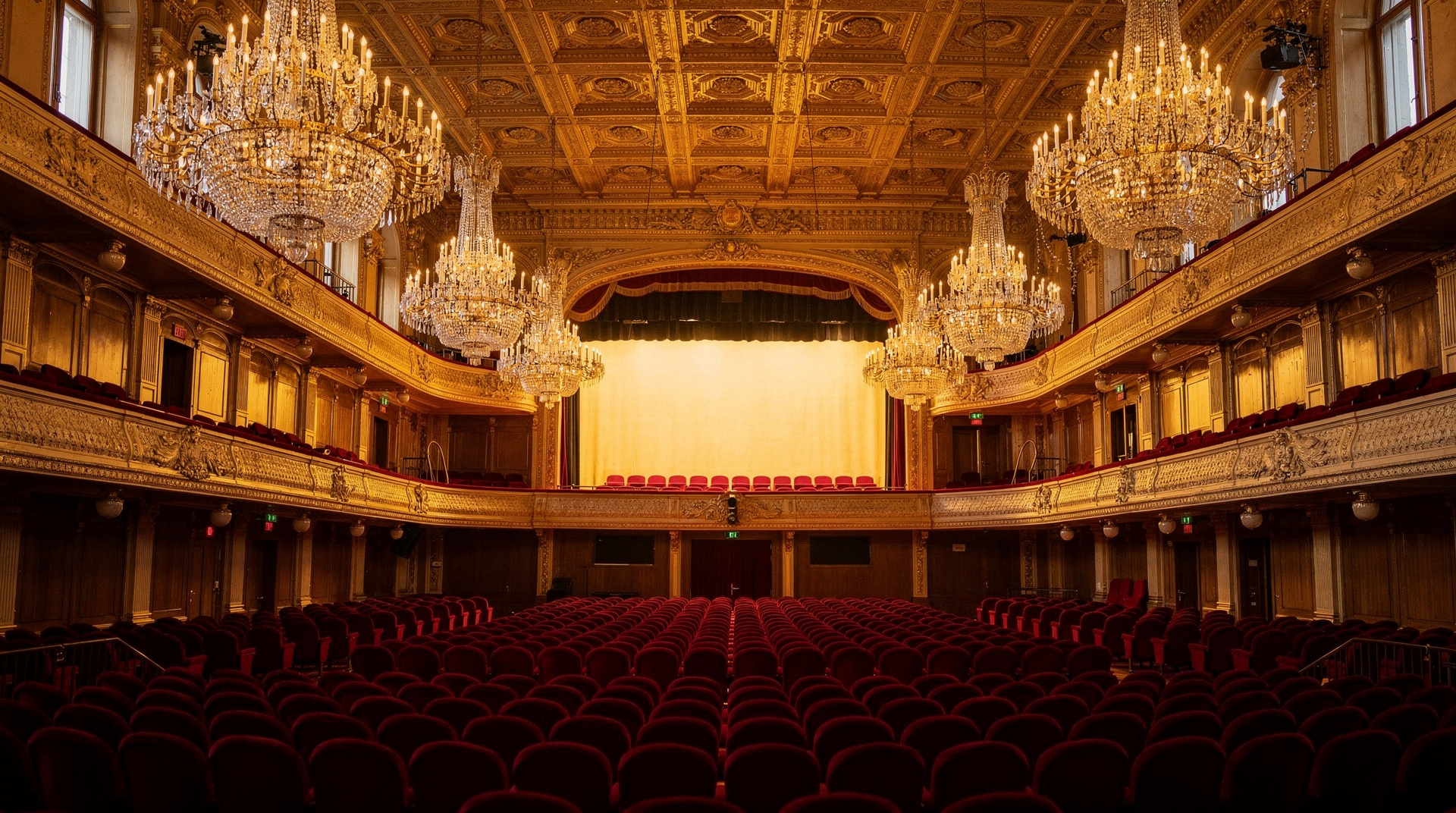
Vienna: Classical Concert in the Musikverein (Four Seasons + Mozart)
How do I hear the Vienna Boys' Choir in Vienna?
The Vienna Boys' Choir sings at Sunday Mass in the Burgkapelle (Hofburg Chapel) most Sundays from September through June. Seated tickets (€5–35) are allocated by advance application up to 8 weeks ahead and are difficult to obtain. Standing places are available free of charge on a first-come basis from 8:15 am. The Mass is a genuine religious service, not a concert — understand this before attending.
What the Vienna Boys’ Choir at the Burgkapelle actually is
The Wiener Sängerknaben (Vienna Boys’ Choir) is one of the oldest and most famous choral institutions in the world, with a documented history going back to 1498 when Emperor Maximilian I established an imperial court choir. The choir still performs at the Hofburg Chapel (Burgkapelle) most Sundays from September through June — the same institutional function, in the same building, as it has for over five centuries.
Understanding what this means in practice before you arrive matters considerably.
| Where | Burgkapelle, Hofburg, Innere Stadt |
| Cost | Free standing; around €5–35 seated |
| When | Sundays, September–June, 9:15 am |
| Getting there | U3 Herrengasse or U1/U3 Stephansplatz |
| Booking | Apply weeks ahead for seats; standing is first-come |
It is a Mass, not a concert
This is the most important thing to say clearly: the Sunday performance at the Burgkapelle is a Roman Catholic Eucharistic liturgy. It is not a Vienna Boys’ Choir concert that happens to take place in a chapel. It is a Mass — with a structure prescribed by the liturgy, prayers, readings, periods of silence, and the expectation that participants either participate appropriately or observe quietly.
The choir sings the choral parts of the Mass (Kyrie, Gloria, Credo, Sanctus, Agnus Dei) using settings by composers such as Haydn, Schubert, or Mozart, accompanied by the Hofmusikkapelle orchestra. The musical quality is extraordinary. The context is not what most visitors expect from a “concert.”
This distinction matters because:
- You cannot applaud (it is a liturgy)
- You cannot arrive late and be admitted during Mass
- You will stand or sit for 75–80 minutes in a relatively small space
- The choir is positioned in the upper gallery, not visible from the standing area or some of the seated sections
If you want to hear the Vienna Boys’ Choir in a concert format, they also perform secular concerts at the Musikverein and other Vienna venues throughout the season — those are available through the choir’s website (wsk.at) and are easier to attend.
Getting tickets: the realistic picture
Standing room (free)
Free standing places in the Burgkapelle are available on a first-come basis. The standing area opens at 8:15 am; Mass begins at 9:15 am. In summer and during holidays, the standing area fills by 8:30–8:45 am — arriving by 8:15 is essential.
The standing area is at the back of the chapel. The choir sings from the upper gallery above the entrance, which means standing visitors hear the choir but typically cannot see them (the choir is above and behind). The acoustic in the small chapel carries the sound well.
Seated tickets (€5–35)
Seated tickets are allocated by the Burgkapelle administration through an advance application system. The choir’s website and the Burgkapelle’s contact address accept written applications typically up to 8 weeks ahead. Places are not guaranteed; applications are handled in order of receipt.
The most expensive seats (front central) give a view of the altar and the Mass; the choir remains in the gallery above and behind. No seated position gives a direct view of the choir.
Practical advice: Apply early and simultaneously arrange a Plan B. Standing room is the accessible fallback.
What the sound is actually like
Visitors sometimes ask whether the small size of the Burgkapelle and the boys’ relatively light voices produce a thin or muted sound. In practice, the opposite is true: the chapel’s stone surfaces and modest volume concentrate the sound in a way that a larger concert hall cannot replicate, and the blend of trebles with the Hofmusikkapelle’s winds and strings fills the space fully even from the standing area at the back. The specific character — bright, focused, slightly austere compared with a full adult choir — is part of what makes this a genuinely different listening experience from a Musikverein evening rather than simply a smaller, lesser version of one.
The Burgkapelle: the chapel itself
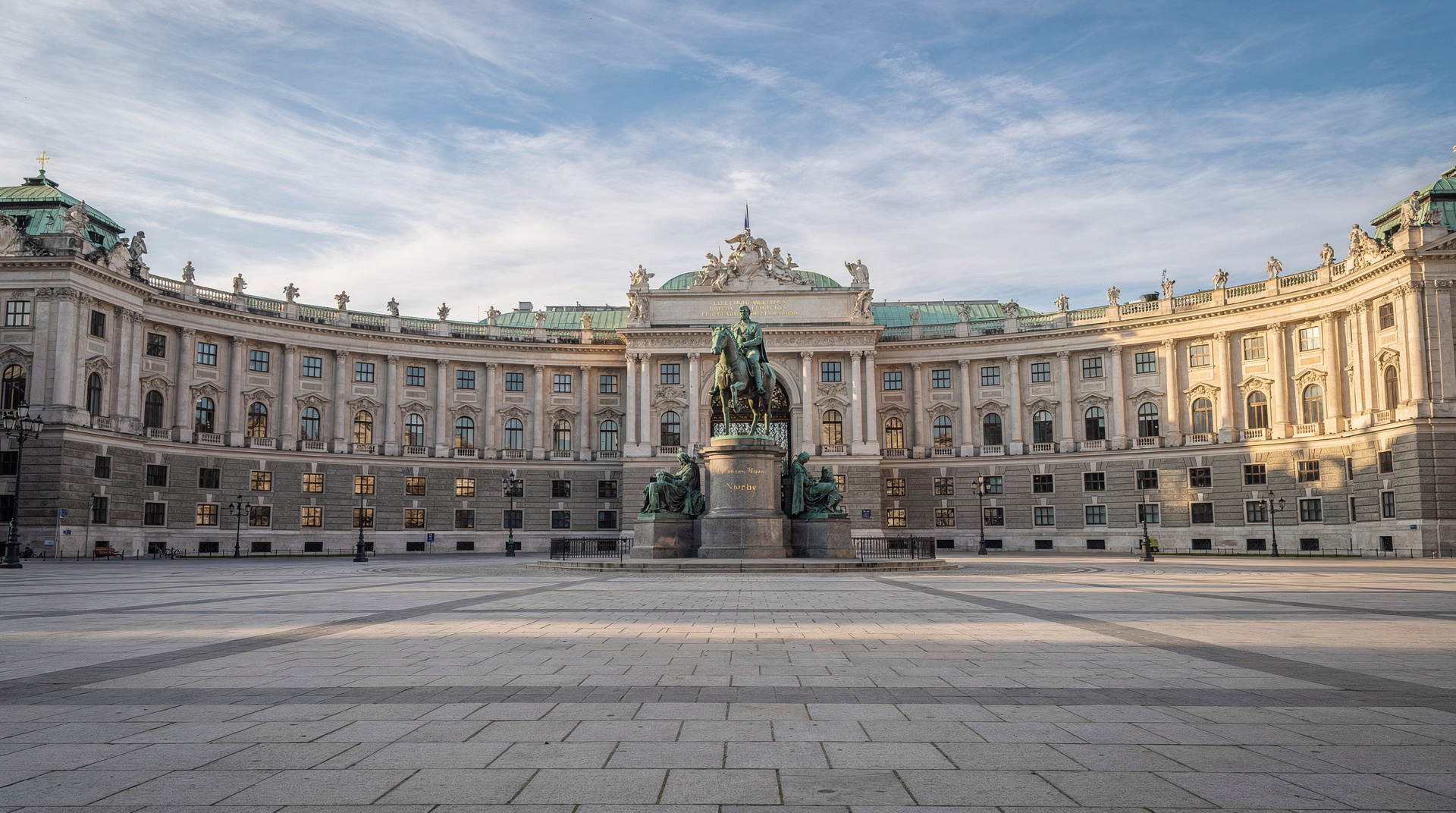
The Hofburg Chapel (Burgkapelle) is a 15th-century Gothic chapel inside the Schweizerhof wing of the Hofburg — a 3-minute walk from the Michaelerplatz main entrance. It is a small, intimate space: capacity approximately 150 seated. The Gothic vaulting and carved stone work are beautiful; the chapel has been in continuous religious use since 1449.
Opening for Mass: Sunday at 9:15 am (doors for standing room at 8:15 am). The chapel has no admission charge for the Mass.
Getting there: U3 to Herrengasse (5 minutes walk) or U3/U1 to Stephansplatz (10 minutes walk through the Burggarten).
Is it worth the effort?
For dedicated choral music enthusiasts and for visitors with a genuine interest in the historical continuity of the imperial music tradition, the answer is yes. The Vienna Boys’ Choir singing a Schubert Mass with the Hofmusikkapelle in the Burgkapelle, where imperial court music has been performed since 1498, is an experience with no equivalent elsewhere.
For general visitors who primarily want to hear beautiful choral music in Vienna, the alternatives are more accessible:
Vienna: classical concert at St. Stephen’s CathedralCathedral concerts at Stephansdom include choral works and are bookable without an application process or 8:15 am arrival. Our St. Stephen’s Cathedral concert guide explains what to expect, and the Stephansdom cathedral guide covers the building itself.
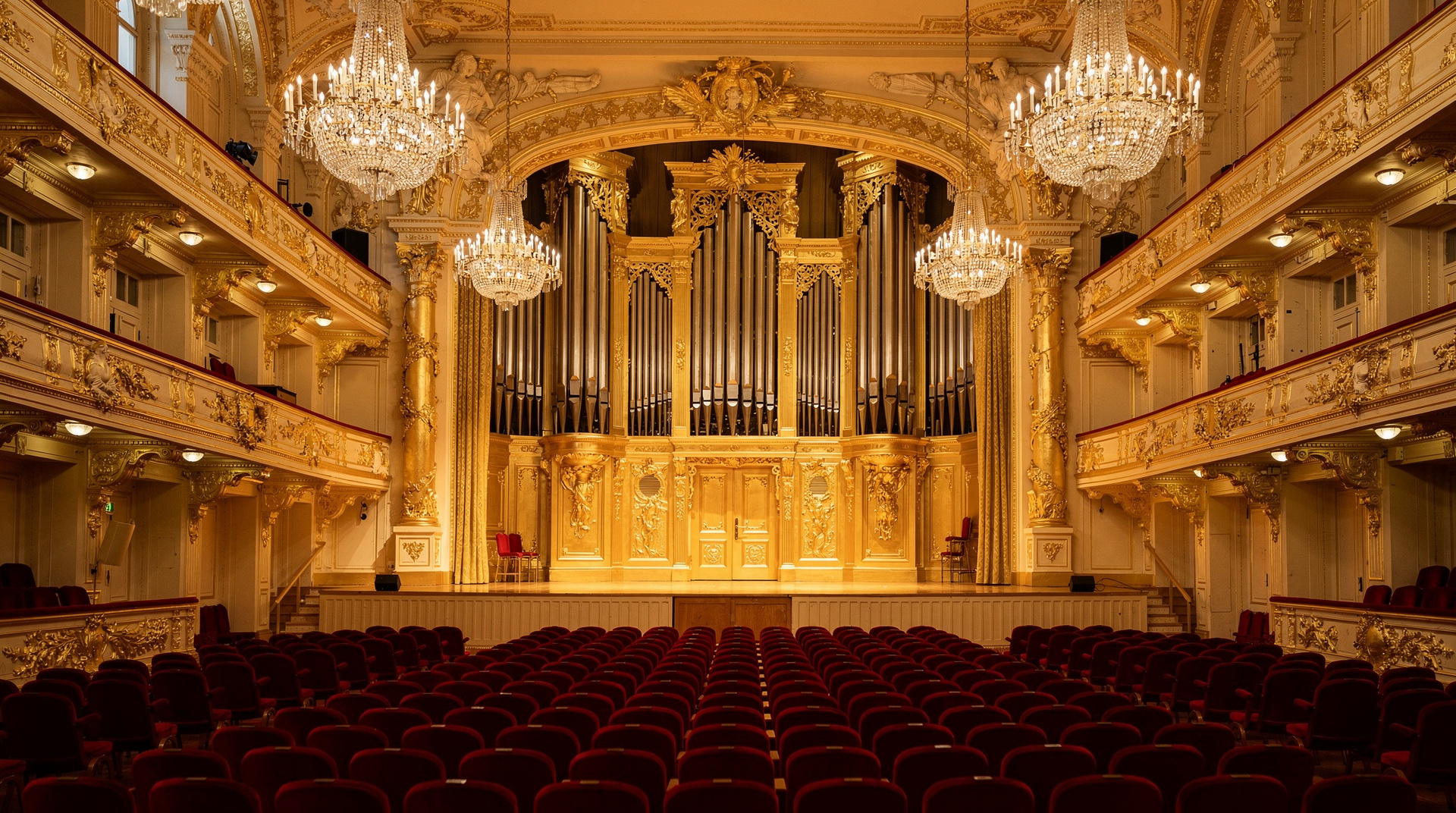
Vienna: classical concert in the Musikverein (Four Seasons and Mozart)The Vienna Boys’ Choir also performs secular concerts in the Musikverein and other venues throughout the season, bookable through normal channels at the choir’s website.
Planning the morning around the Mass
Because the standing area opens so early and the Mass is a fixed liturgy, the sensible approach is to treat Sunday morning as a single planned block rather than something to squeeze in. Decide the night before how you will get to the Hofburg, set an alarm with a margin, and eat something light beforehand — you will be on your feet in a quiet space where leaving and re-entering is not an option. If you are staying in the Innere Stadt, the walk is short and simple; from elsewhere, our Vienna public transport guide explains how to read the Sunday timetable so that a delayed connection does not cost you your place.
Bring a layer, even in the milder months. Old stone chapels hold the cool, and standing still for the length of a Mass feels colder than walking. Keep bags small, since space at the back is tight and a large rucksack makes you an obstacle to the people around you.
Standing or seated: which to choose
Seated places give you comfort and a clearer sense of the liturgy as it unfolds at the altar, which helps if you are not familiar with a Catholic Mass and want to follow the order of the service. Standing gives you the same sound for nothing, at the price of an early start and some discomfort. Because the choir sings from the gallery regardless, neither option changes the thing you came for, which is the music. Many visitors who did not manage to obtain seats report that the standing experience was entirely satisfying once they stopped trying to see the boys and simply listened.
If you cannot decide, think about who is with you. Travelling companions who are less enthusiastic about early mornings or long periods upright are better served by a seated application made well in advance, or by choosing a secular concert instead — see our verdict on whether it is worth the effort for a more opinionated take.
The history behind the sound
The choir’s story is tied closely to the Habsburg court, which valued music as an expression of dynastic prestige and religious devotion alike. Understanding that background makes the Mass more meaningful: you are hearing a tradition that grew out of imperial ceremony, not a performance designed for tourists. If the history interests you, our Habsburg history for travelers gives the wider context, and the Hofburg Palace guide shows the buildings in which the court lived and worshipped. For the music itself, the Haus der Musik guide covers an interactive museum that helps put the city’s composers and ensembles into perspective, which is useful if you want a gentler introduction before committing to a liturgical service.
Combining the Mass with a wider music itinerary
The Sunday Mass fits naturally into a trip built around music. A visitor who spends one evening at the opera, another at a concert hall, and a Sunday morning at the Burgkapelle will have touched three very different sides of Viennese musical life. The Vienna State Opera guide and the Musikverein concerts guide cover the other two, while the classical music itinerary shows how to sequence them across several days. If your stay is short, the weekend itinerary leaves room to attend the Mass on the Sunday before moving on, and how many days in Vienna will help you judge whether a Sunday is available in your schedule at all.
Timing matters as well. The choir sings during the main season rather than the summer recess, so check the calendar when choosing your travel dates, and read the best time to visit Vienna if you have flexibility. A Sunday in the quieter months often feels calmer around the Hofburg than a peak-season one.
Visiting with children
Families often ask whether a Mass is suitable for younger visitors. It depends on the child. Those who already enjoy singing, or who are curious about old buildings, may be captivated; others will struggle with the length and the silence. If your children are likely to be restless, a shorter and more flexible outing may serve everyone better — our Vienna with kids guide suggests activities that suit different ages, and a secular children’s matinee at the choir’s own concert hall removes the pressure to stay still.
How this compares with other Vienna concert options
If the liturgical format doesn’t appeal, or you simply want a straightforward evening concert instead of an early Sunday Mass, our Vienna classical concerts compared guide maps every touristic option in the city — including which offer the best value for the price. For readers weighing whether a “concert” they’ve been offered is a genuine professional performance or a lower-value tourist product, classical vs touristic concerts explains the honest hierarchy.
After the Mass
If you have attended the Sunday Mass, the rest of the morning in the Hofburg is a natural continuation. The Hofburg Palace (Sisi Museum, Imperial Apartments, Silver Collection) opens at 9 am and is a 5-minute walk from the Burgkapelle. The Imperial Treasury opens at 9 am. The Spanish Riding School morning exercise, when scheduled, begins at 10 am.
Etiquette inside the chapel
Because this is an active religious service rather than a performance venue, a slightly different code of behaviour applies than at a concert hall. Applause is not appropriate at any point during the Mass, including after the choir’s contributions — silence at the end of each sung section is the norm, and visitors who forget this and clap are usually the only ones doing so. Photography and filming are generally prohibited once the Mass begins, though a few photos of the empty chapel beforehand are typically tolerated. Dress does not need to be formal, but very casual beachwear or exposed shoulders are best avoided out of respect for the setting, in keeping with general church-visiting etiquette across Vienna.
The Vienna Boys’ Choir beyond the Burgkapelle
The Wiener Sängerknaben are a touring choir that performs internationally throughout the year. Their Vienna concert schedule (wsk.at) includes performances at the Musikverein, the Konzerthaus, and at their own home venue — the MuTh concert hall in the 2nd district (Augarten). MuTh concerts are their most accessible Vienna performances: standard concert format, available through normal booking channels, ranging from evening concerts to children’s matinees.
Frequently asked questions about the Vienna Boys’ Choir
Can I attend Vienna Boys’ Choir for free?
Yes — standing places in the Burgkapelle are free of charge. Arrive by 8:15 am (Mass begins at 9:15 am) to guarantee a position.
How do I book seated tickets for the Vienna Boys’ Choir?
Seated tickets (€5–35) are allocated by advance written application or online request to the Burgkapelle administration, available up to 8 weeks before the date.
What is the Vienna Boys’ Choir programme at the Burgkapelle?
A Roman Catholic Mass (approximately 75–80 minutes). The choir performs choral settings of the Mass — typically Schubert, Haydn, or Mozart — with the Hofmusikkapelle orchestra.
Is the Vienna Boys’ Choir at the Burgkapelle worth the effort?
For dedicated choral music enthusiasts, yes. For general visitors who primarily want to hear the choir, secular concerts at the Musikverein or MuTh are more accessible.
When is the Vienna Boys’ Choir NOT at the Burgkapelle?
During summer school holidays (approximately July through mid-September) and during international touring engagements. Check the Burgkapelle schedule before visiting.
Do children enjoy the Vienna Boys’ Choir Mass?
Older children with an interest in music may find it moving. Younger children generally find the 80-minute liturgical format difficult to sustain.
Top experiences
Bookable activities with verified prices and instant confirmation on GetYourGuide.