Haus der Musik Vienna guide: the sound museum explained
Vienna: Classical Masters Concert at Haus der Musik
Is Haus der Musik worth visiting in Vienna?
Yes — it is one of the best interactive museums in Vienna and genuinely works for both adults and children. You can conduct the Vienna Philharmoniker with a motion sensor, explore the physics of sound through hands-on exhibits, and walk through floors dedicated to Haydn, Mozart, Beethoven, Schubert, Strauss, and Mahler. Allow 2–3 hours. Tickets are €14–17.
A sound museum that actually works
Most sound and music museums end up feeling like interactive exhibits that do not quite interact — buttons that play recordings, displays that describe rather than demonstrate. Haus der Musik (House of Music) in Vienna is a rare exception: a museum where the interactive elements are well-designed, the content is musically substantial, and the experience engages both adults who know classical music and children who have never attended a concert.
It opened in 2000 in the Palais Erzherzog Karl, a historic building a 5-minute walk from the Vienna State Opera. It occupies five floors and two distinct types of content: the physics of sound (floors 1–2) and the world of Vienna’s great composers (floors 3–4).
| Where | Seilerstätte 30, 1010 Wien — 5min from Staatsoper |
| Cost | Around €14–17 adults, €7–10 children |
| Time needed | 2–2.5hrs (3hrs with children) |
| Getting there | U1/U2/U4 Karlsplatz, 5min walk |
| Best for | Rainy days, families with kids 5+, evening visits (open to 10pm) |
What you need to know before you go
Address: Seilerstätte 30, 1010 Wien Opening hours: Daily 10 am–10 pm (open until 10 pm, which makes it excellent for an evening visit) Admission: Approximately €14–17 adults, €7–10 children Getting there: U1/U2/U4 to Karlsplatz then 5 minutes on foot; or U1/U3 to Stephansplatz then 10 minutes
The museum floor by floor
Ground floor: the Vienna Philharmoniker
The ground floor serves as an introduction and houses the Philharmoniker Hall — a display on the history of the Vienna Philharmonic, its self-governance structure, and its most famous recordings. The room includes audio stations where you can listen to historic recordings of specific conductors.
Floor 1: the world of sound
This floor covers the physics of acoustics and musical perception: how sound waves work, how different materials absorb and reflect them, how the human ear processes pitch and rhythm. The exhibits are genuinely interactive — there is a large drum you play by hand that visualises the wave patterns; an echo installation where you hear your voice at different delay intervals; and a room where you lie down and listen to sounds played through the floor.
This floor is the best for younger children. The physical engagement (hitting, clapping, speaking into microphones) is immediately rewarding.
Floor 2: the musical staircase
A famous Haus der Musik exhibit: each step of the staircase between floors triggers a different musical tone when stepped on. The entire staircase is a giant musical instrument. Straightforward but enduringly popular.
Floor 3: the composer rooms
Four rooms dedicated to four composers who defined the classical Viennese tradition — Haydn, Mozart, Beethoven, and Schubert. Each room covers the composer’s Vienna connection, major works, and personal circumstances.
The Mozart room is the most developed: it covers his Vienna period (1781–1791), his working methods, his relationship with other composers, and his death. The interactive element includes a composition tool that generates music in Mozart’s style from phrases you select.
The Beethoven room engages with his deafness through audio demonstrations of what different levels of hearing loss would have sounded like — and what Beethoven heard (or did not hear) during the composition of the late quartets. This is one of the more moving exhibits in the museum.
Floor 4: Strauss and Mahler, plus the virtual conductor
The top floor focuses on Johann Strauss II and Gustav Mahler, two composers whose Vienna periods bracketed the late 19th century.
The centrepiece of this floor — and arguably of the entire museum — is the virtual conductor installation. A motion-sensing camera tracks the movement of your conducting baton (or your hands); the Vienna Philharmoniker recording responds to your gestures in real time, following your tempo changes, your dynamic cues, your entries. It is impressively sophisticated. Good conductors produce a recognizable performance; bad conductors produce chaos. Both outcomes are educational.
The installation generates a printed sheet at the end rating your conducting and allowing you to email the recording to yourself. The queue for this exhibit is the longest in the museum; arrive early or visit midweek to reduce wait times.
The Haus der Musik concert
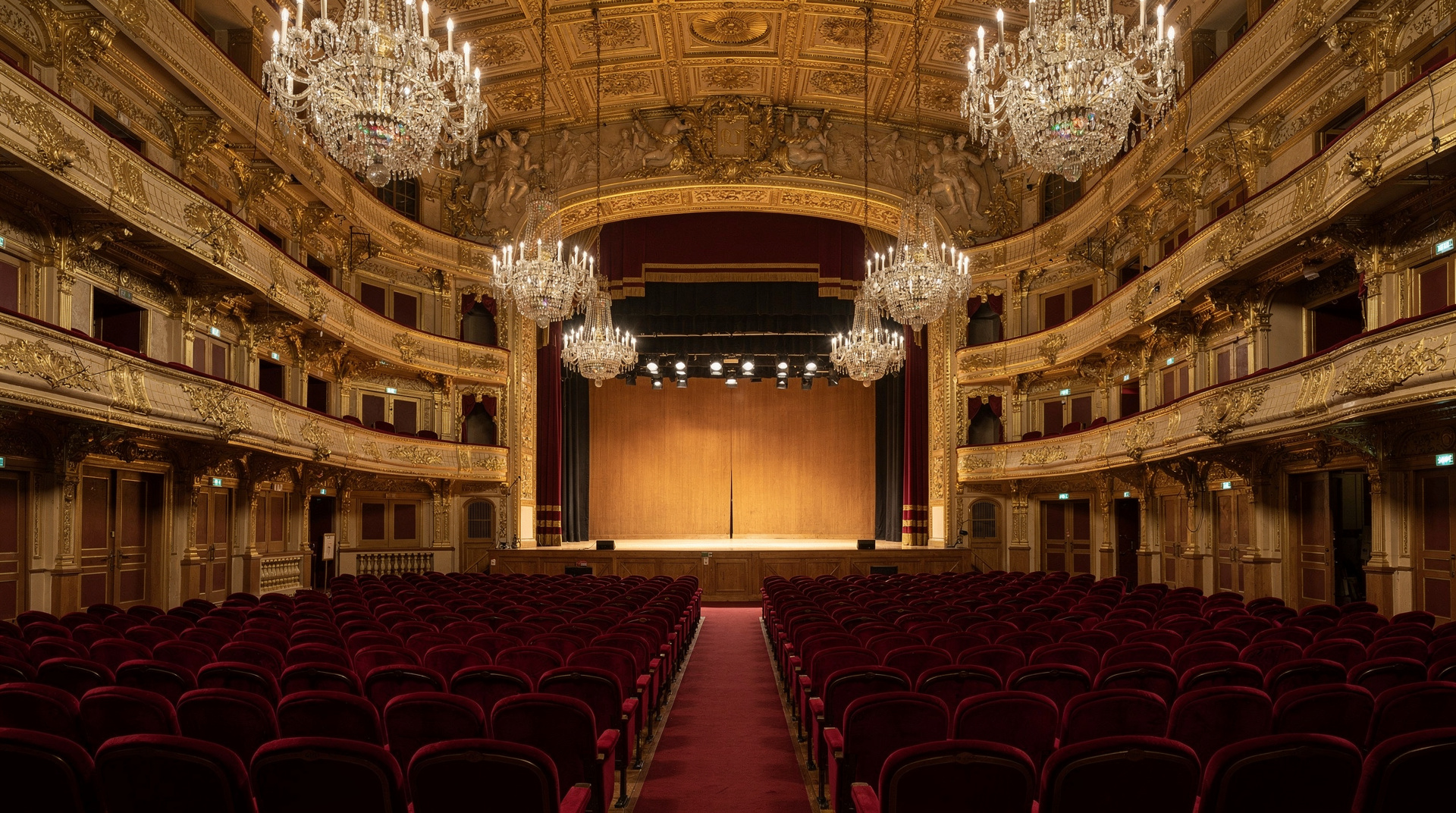
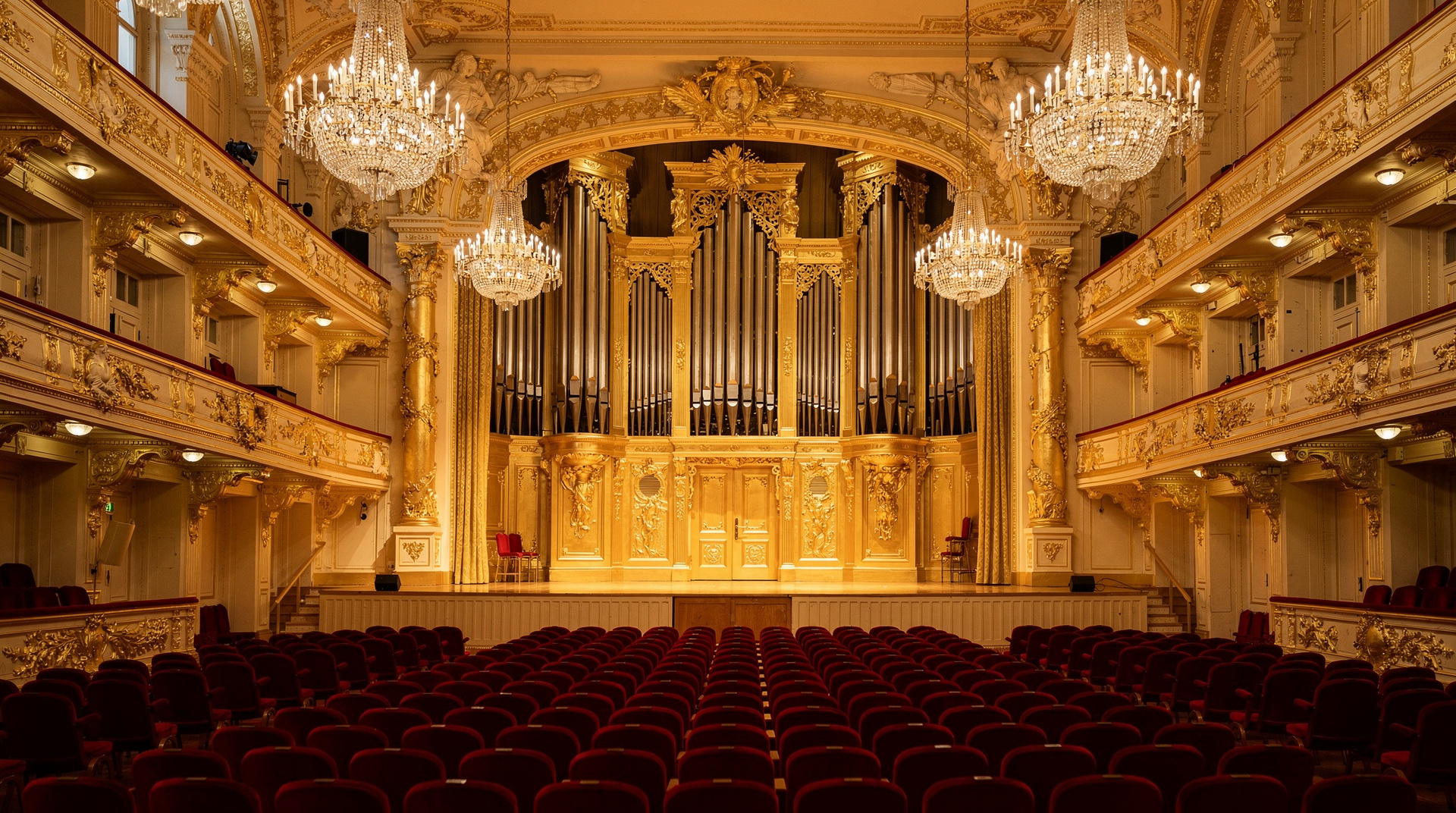
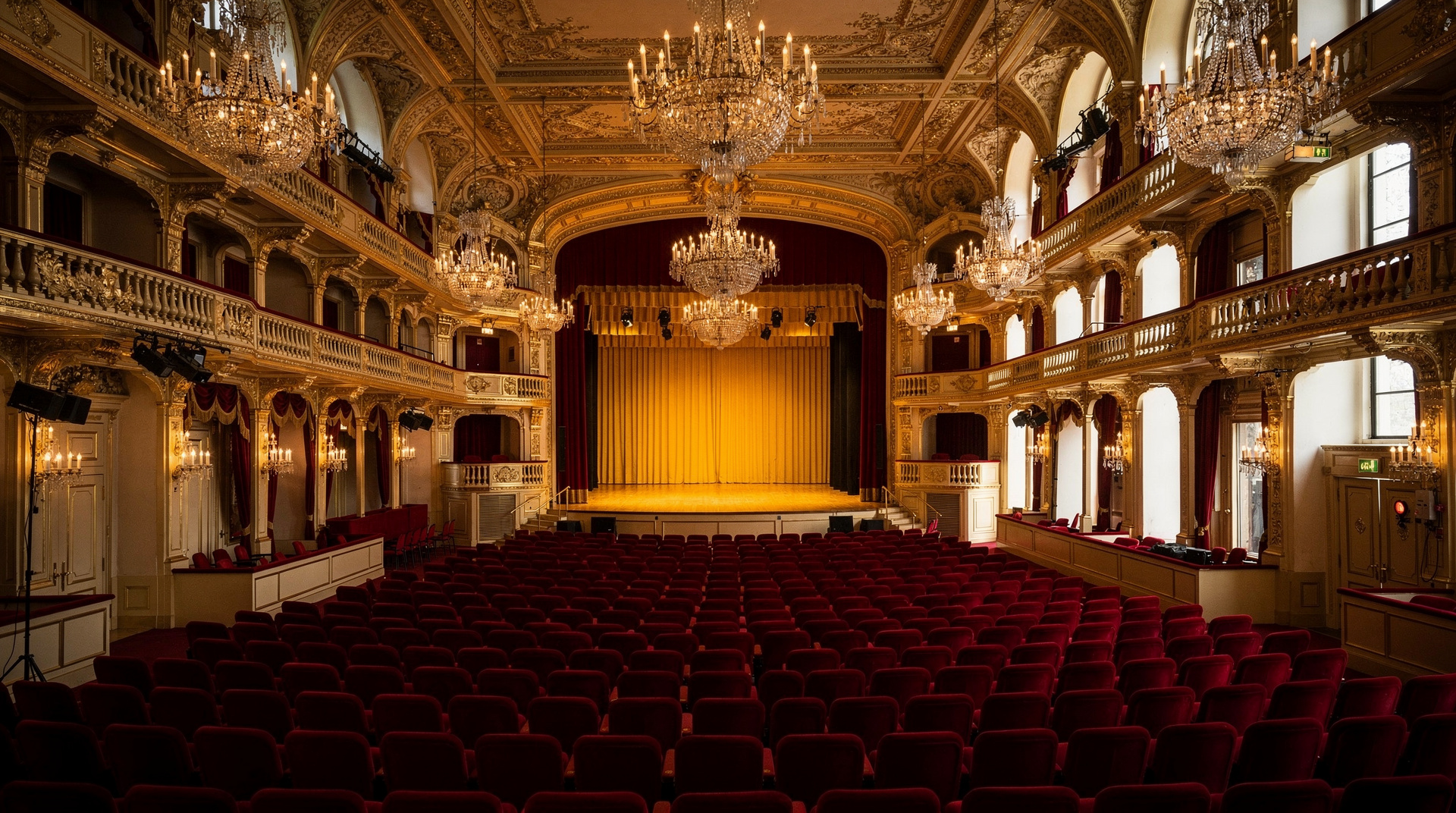
Vienna: classical masters concert at Haus der Musik The Haus der Musik concert hall hosts professional chamber concerts, including the Vienna Classical Masters series — professional soloists performing in the atmospheric historic building in the evenings. These concerts are lower profile than the Musikverein or Kursalon options but offer an intimate setting and convenient location for visitors staying near the Staatsoper or Stephansdom.
Honest assessment
Haus der Musik is one of the more genuinely successful interactive museums in Europe. The virtual conductor is as good as its reputation. The physics exhibits on floor 1 work for children without being condescending to adults. The composer rooms are more conventional display cases with audio, but the Beethoven hearing loss demonstration is powerful.
The €14–17 ticket is more expensive than some Vienna museums, but the museum justifies it through content density — a 2.5-hour visit does not feel like it has run out of things to show you.
Best for: Families with children aged 5+, music enthusiasts of any level, evening visits (open until 10 pm), rainy days.
Less suitable for: Visitors primarily interested in visual art, anyone looking for a purely passive museum experience.
For families with more time, our Vienna with kids guide includes Haus der Musik in a full day itinerary alongside the Schönbrunn Zoo and the Riesenrad.
Haus der Musik vs. other Vienna music experiences
Haus der Musik answers a different question than a concert ticket does. It teaches you how Vienna’s musical history and the physics of sound actually work, hands-on, at your own pace, at any hour of the day. A concert at the Musikverein or a night at the State Opera gives you the live performance itself — an entirely different, and more time-bound, experience.
Visitors who only have one music-related slot in their Vienna schedule and are unsure which to pick should consider their travel party: families with young children or anyone visiting on a day with no evening plans get more consistent value from Haus der Musik, while visitors specifically chasing a world-class live orchestra experience should prioritise a concert. Our Vienna classical concerts compared guide breaks down the concert options in detail if that’s the direction you’re leaning.
If the live-orchestra side is what tempts you, the easiest pairing is a museum afternoon followed by a classical concert in the Musikverein with Vivaldi’s Four Seasons and Mozart, so the composers you met on the upper floors are then heard in a proper hall.
The building itself
The Palais Erzherzog Karl has its own layered history worth a moment’s attention before you go in: built in the early 19th century for Archduke Karl (the Habsburg general who defeated Napoleon at Aspern in 1809), the palace later housed the Austrian Ministry of War and, notably, was also the residence where composer Otto Nicolai founded what would become the Vienna Philharmonic in 1842 — a detail the ground-floor Philharmoniker exhibits reference directly. The building’s transformation into a dedicated sound museum in 2000 preserved much of the original Baroque stairwell and façade, which contrasts pleasantly with the modern interactive installations inside.
Practical tips for a smooth visit
Skip the queue at the conductor simulation by visiting on a weekday morning shortly after opening (10 am) — weekends and school holiday afternoons see the longest waits for this single exhibit. Bring headphones-friendly expectations: several listening stations use shared speakers rather than individual headsets, so the museum can get noisy when busy; this rarely bothers children but adults hoping for a contemplative solo experience should aim for an off-peak slot.
The gift shop on the ground floor sells a better-than-average selection of classical recordings and Vienna Philharmonic merchandise, worth a look on the way out rather than the way in, since queuing to browse before your visit wastes time. Photography is generally permitted throughout except in a few clearly marked rooms — check signage rather than assuming, as policies occasionally change floor to floor.
Where it fits in a Vienna trip
Haus der Musik works best as a flexible slot rather than a fixed appointment. Because the exhibits are self-paced, it slots neatly into the gaps that other plans leave behind: a rainy afternoon in the middle of a three-day itinerary, the hours between a morning of sightseeing and an evening performance, or a calmer day after a heavy palace schedule at Schönbrunn or the Hofburg. If you are still deciding how long to stay overall, our guide to how many days in Vienna helps you see where a museum half-day realistically fits.
Music lovers building a whole trip around the city’s composers will find the museum a useful primer. Visiting it early gives context for everything that follows: the Mozart and Beethoven rooms make the Mozarthaus concert guide and our Beethoven in Vienna diary far more vivid, and the Strauss floor sets up the Kursalon Strauss concerts nicely. For a trip structured around music from start to finish, the Vienna classical music itinerary shows how the pieces connect.
Visiting with different travel styles
With young children. Start on the sound-physics floor while energy is high, and save the quieter composer rooms for when attention begins to drift. Let children lead on the hands-on exhibits rather than trying to read every panel; the museum rewards play. Pair the visit with another family-friendly stop from our Vienna with kids guide, and keep the rest of the day light.
With teenagers. The virtual conductor and the composition tool tend to land best with this age group, since both let them produce something of their own. The Beethoven hearing-loss room often sparks more conversation than expected.
As a couple or solo. An off-peak slot gives you room to linger over the composer rooms and the Philharmoniker listening stations. Solo travellers who like unhurried museums will find the evening hours especially pleasant; see our solo travel in Vienna notes for other relaxed evening ideas.
On a tight budget. The ticket is a real expense, so decide whether this museum is a priority for you before adding it. If you plan several paid sights, compare the options in our Vienna Pass review and the Vienna City Card review to see whether a pass suits your list, and browse Vienna on a budget for cheaper ways to spend an afternoon.
Getting the most from the exhibits
A few habits make the museum noticeably better. Read the short introduction at the start of each floor before touching anything, because it frames what the installations are demonstrating. Take your time at the listening stations in the Philharmoniker hall; the recordings are easy to skip but reward patience. In the composer rooms, try the interactive pieces before reading the longer texts, since the experience of hearing the music makes the biographical detail stick.
Resist the urge to rush to the top floor. The virtual conductor is the highlight, but visitors who go straight there often arrive tired and leave the lower floors unexplored. Working from the bottom up lets the physics of sound build into the music history, which is clearly how the museum was designed to be experienced.
If the weather is bad and you are planning a day indoors, combine this with another museum from our list of the best museums in Vienna, and finish with coffee at one of the places in our best coffee houses in Vienna guide. The wider neighbourhood is covered in the Innere Stadt destination page, which is useful if you want to extend the day on foot.
Combining with other nearby sites
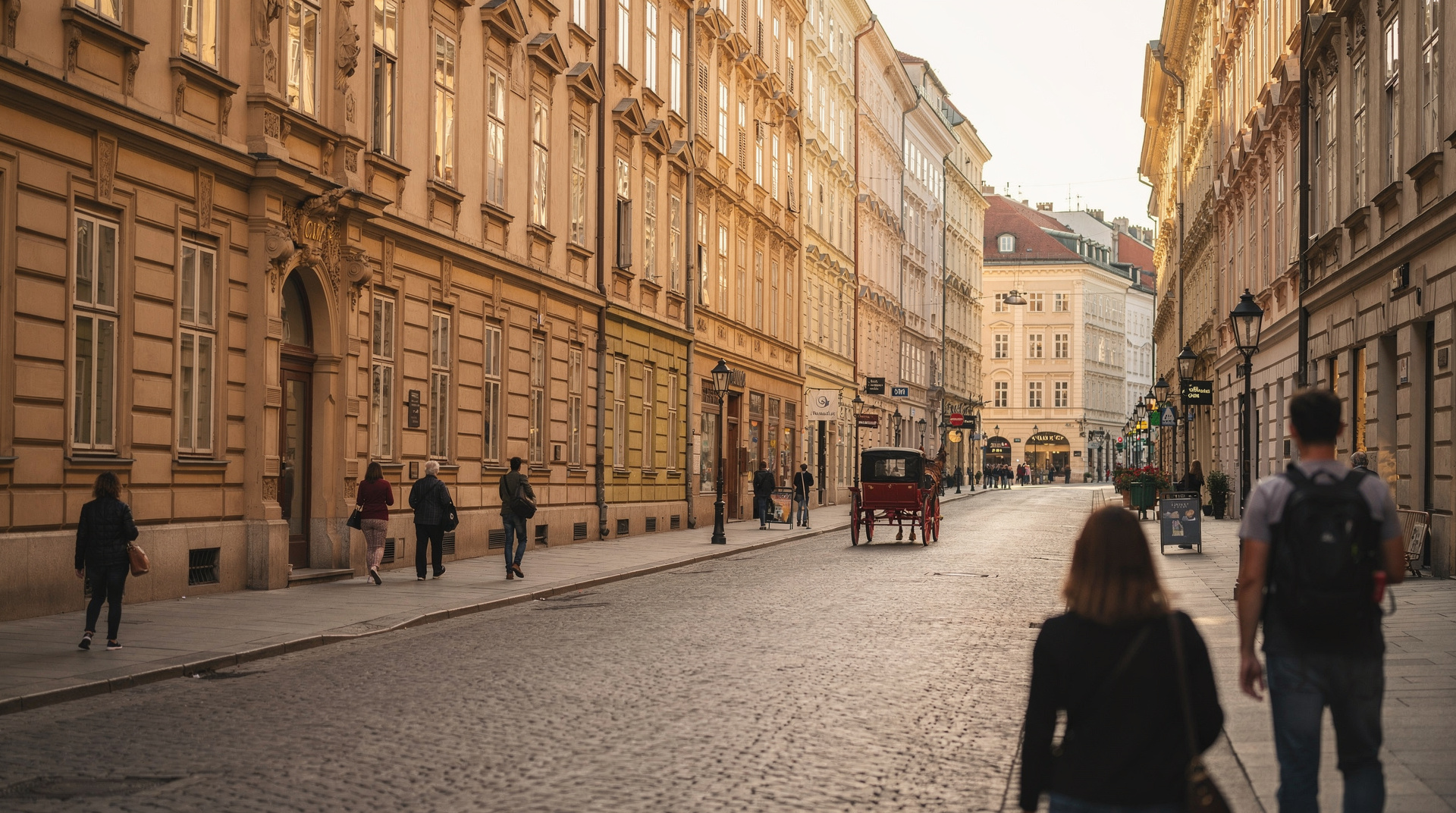
Haus der Musik sits between the Staatsoper and the Ringstrasse. On the same day:
- Morning: Vienna State Opera guided tour (40 minutes) or exterior walk of the Ringstrasse
- Afternoon: Haus der Musik (2.5 hours)
- Evening: Concert at Haus der Musik or Musikverein
If you would rather get your bearings before the museum, a guided walking tour of the city centre highlights in the morning covers the streets around the Staatsoper and Stephansdom, leaving the afternoon free for the exhibits.
Frequently asked questions about Haus der Musik
What is the Haus der Musik in Vienna?
An interactive sound museum in a historic palace near the Staatsoper, with exhibits on sound physics, the Vienna Philharmoniker, and the great Viennese composers.
How long does Haus der Musik take?
Allow 2–2.5 hours for a thorough visit. Families with children typically spend 3 hours.
What is the virtual conductor simulation at Haus der Musik?
A motion-sensing installation where visitors conduct the Vienna Philharmoniker recording — your gestures affect tempo and dynamics in real time.
Is Haus der Musik suitable for children?
Excellent for children aged 5 and above. The hands-on sound physics exhibits are specifically designed for physical engagement.
Where is Haus der Musik in Vienna?
Seilerstätte 30, 1010 Wien — 5 minutes from the Staatsoper, 10 minutes from Stephansdom.
Is there a concert at Haus der Musik?
Yes — the concert hall hosts regular classical performances, including the Vienna Classical Masters Concert series.
Top experiences
Bookable activities with verified prices and instant confirmation on GetYourGuide.