Musikverein concerts guide: how to experience Vienna's greatest concert hall
Vienna: Classical Concert in the Musikverein (Four Seasons + Mozart)
How do I get tickets for a Musikverein concert?
Touristic chamber concerts in the Golden Hall are bookable online any time (€45–70, daily performances). Real Wiener Philharmoniker concerts require booking 2–3 weeks ahead when individual tickets go on sale — they sell out fast. Standing room for the Philharmoniker is €5–8 on the day.
The Musikverein in Vienna: what you need to know
The Musikverein (officially the Gesellschaft der Musikfreunde in Wien — Society of the Friends of Music in Vienna) is one of the most important concert institutions in the world. Its main hall — the Großer Musikvereinssaal, universally known as the Golden Hall — has been the home of the Vienna Philharmonic for over 150 years and is considered by acoustic engineers and musicians to be one of the two or three finest concert halls ever built.
For most visitors to Vienna, the question is not whether to visit the Musikverein but which type of experience to choose. This guide makes that decision clearer.
| Where | Musikvereinsplatz 1, 5 min from Karlsplatz U-Bahn |
| Touristic concert | Around €45–70, daily |
| Philharmoniker seats | €100–400, sells out in hours |
| Standing room | €5–8, day of concert |
| Season | September–June (Philharmoniker); touristic concerts year-round |
The building and the Golden Hall
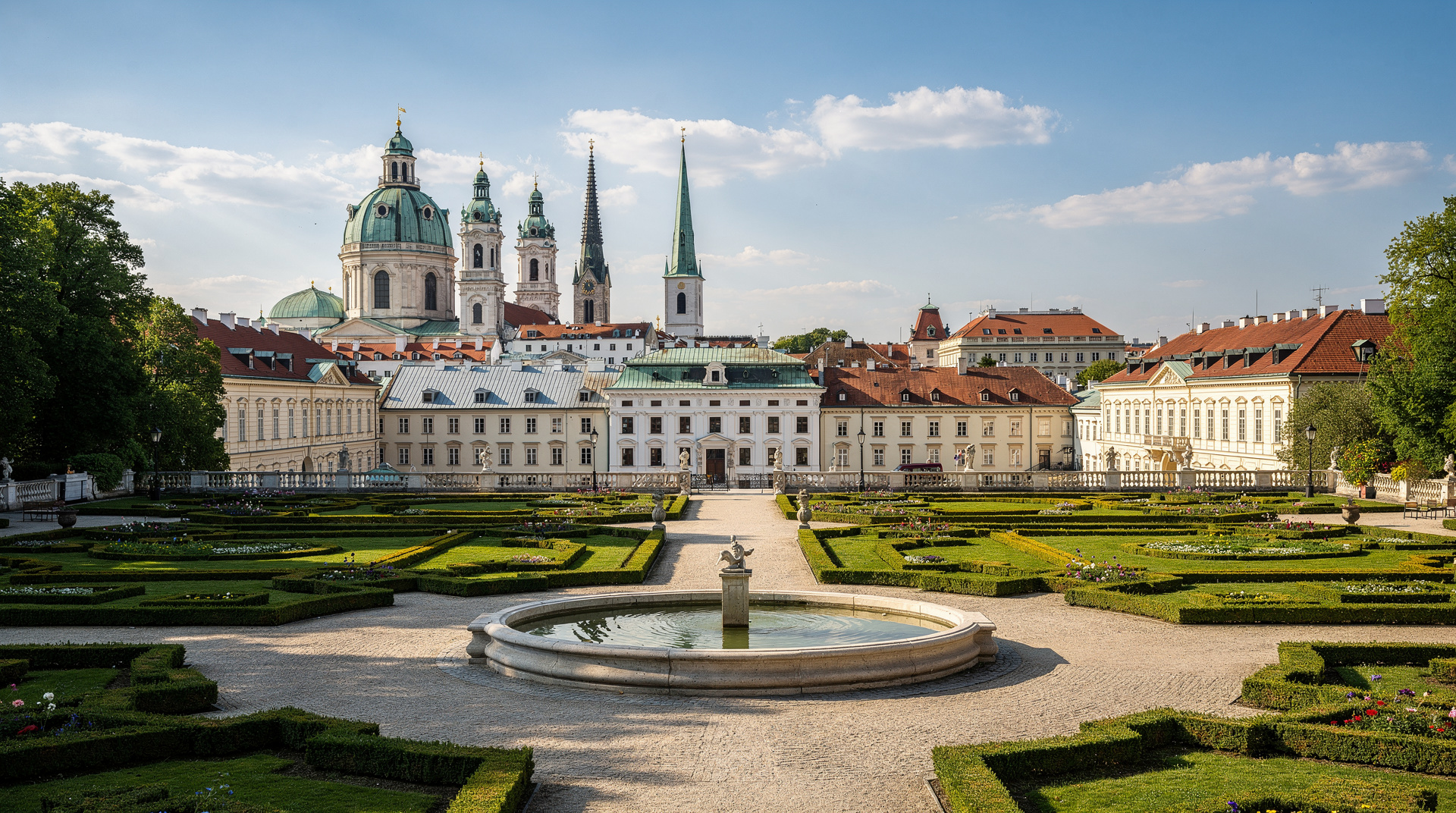
The Musikverein building was designed by Theophil von Hansen and opened in 1870. The exterior is Italianate Revival — a beige-yellow palazzo facade that looks suitably serious on the Karlsplatz. The interior is the famous part.
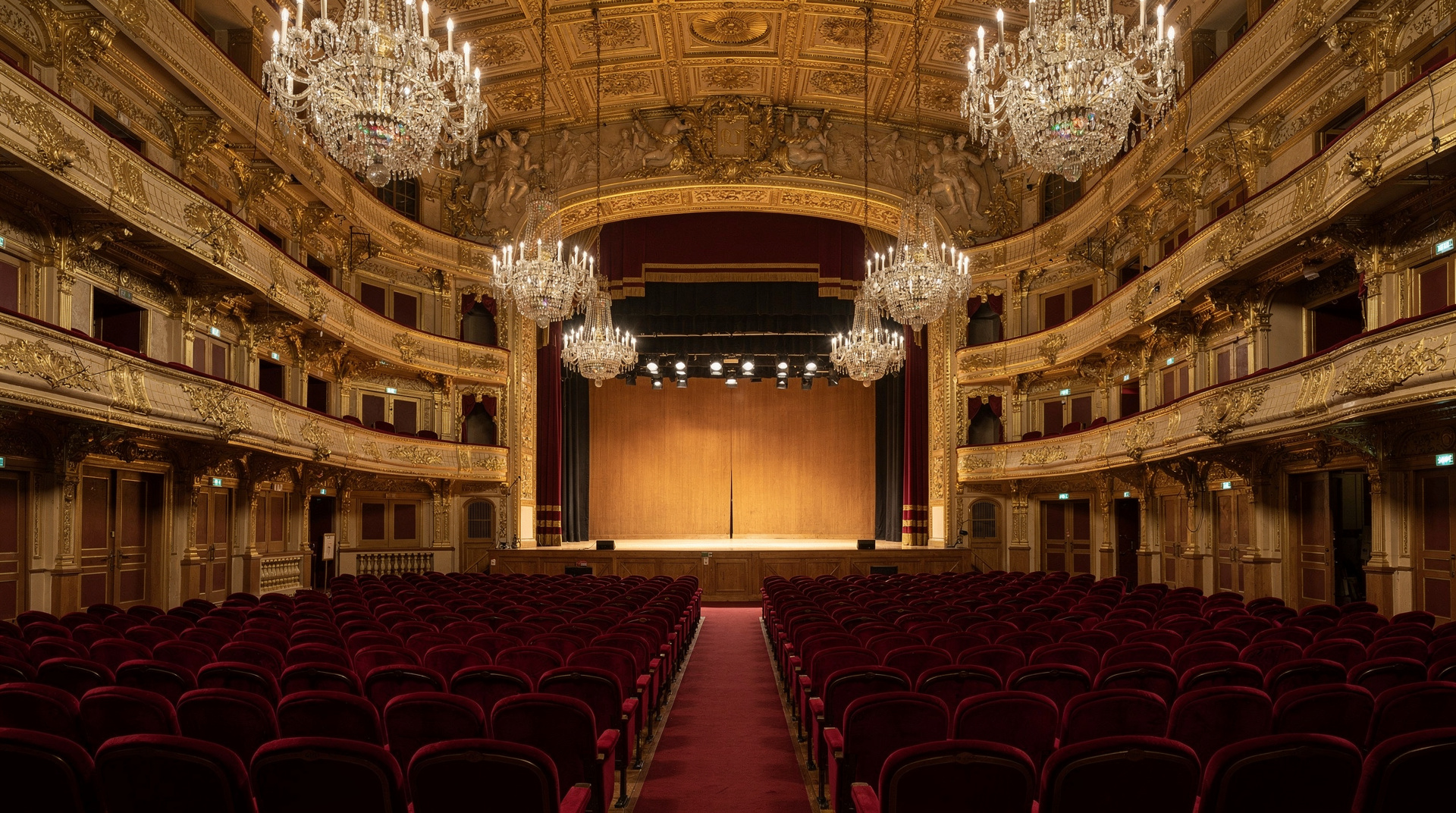
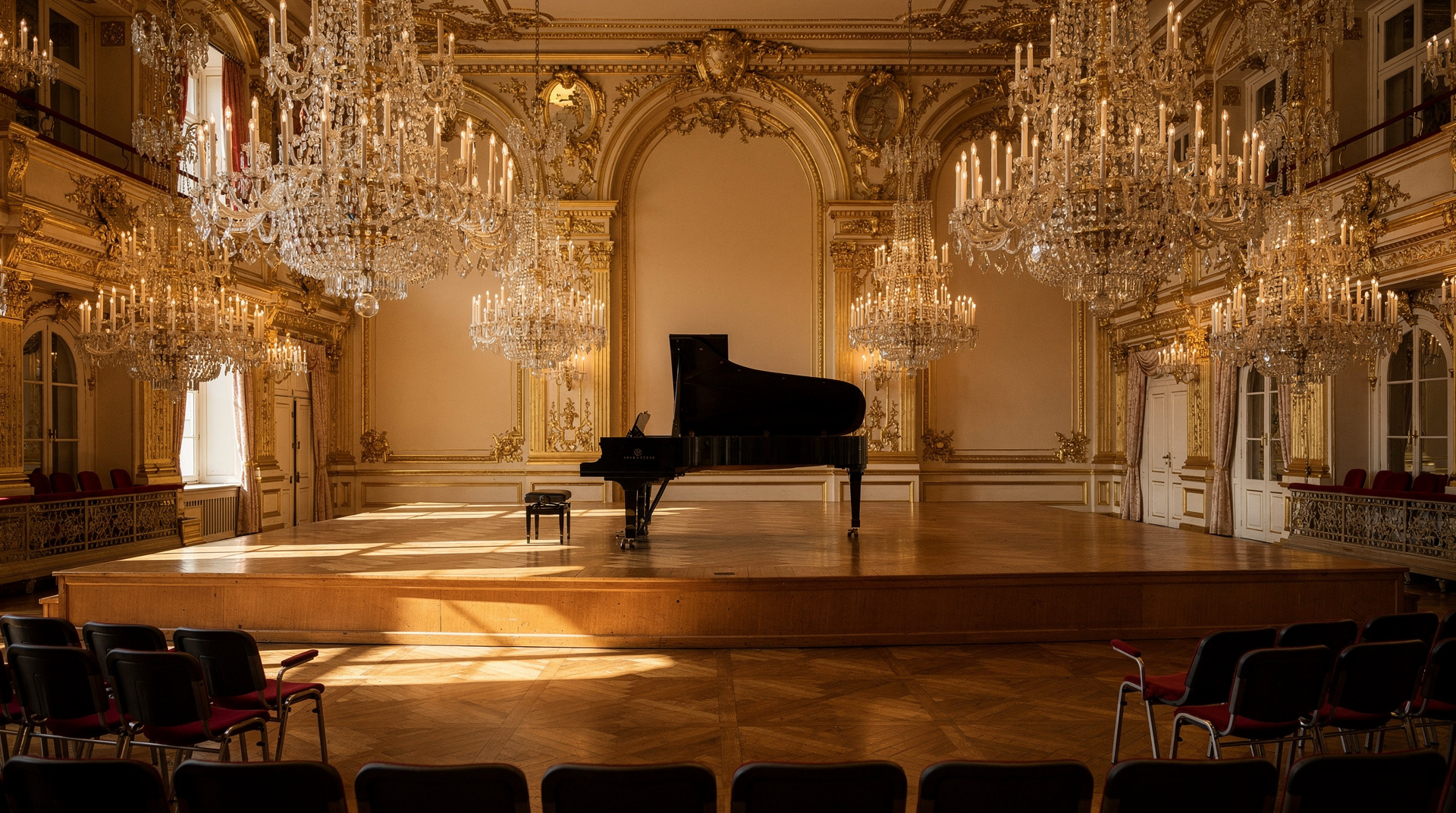
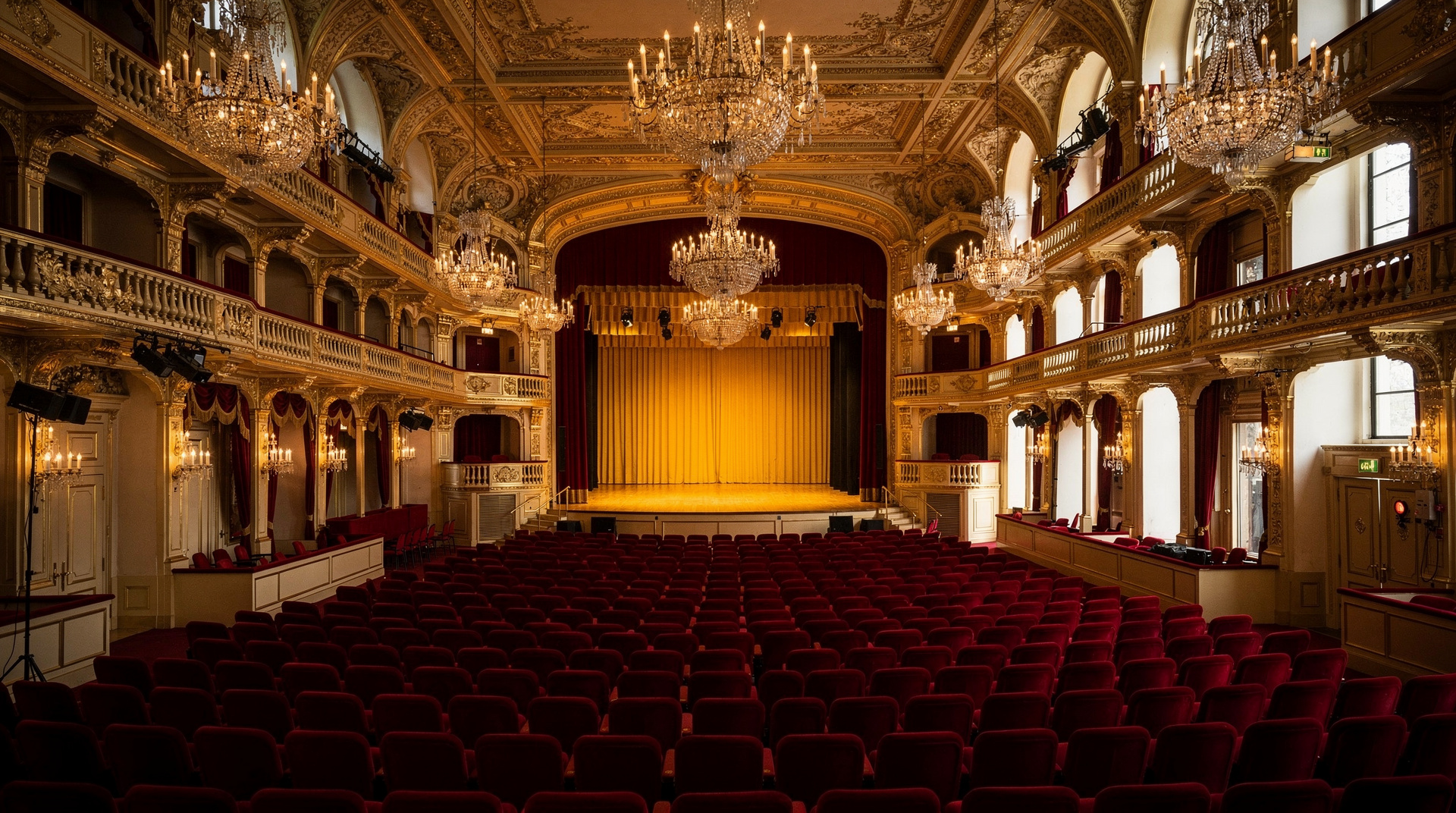
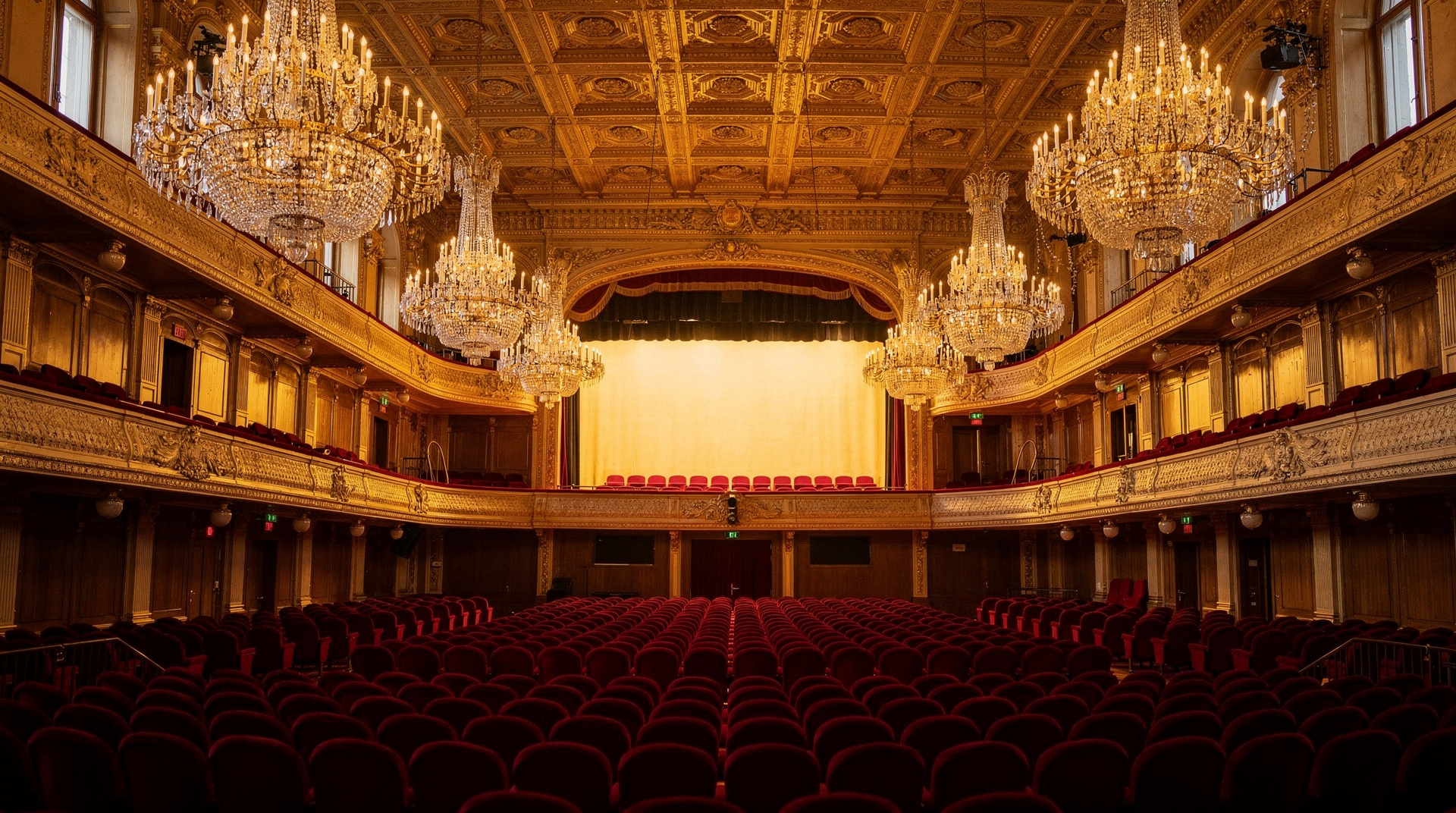
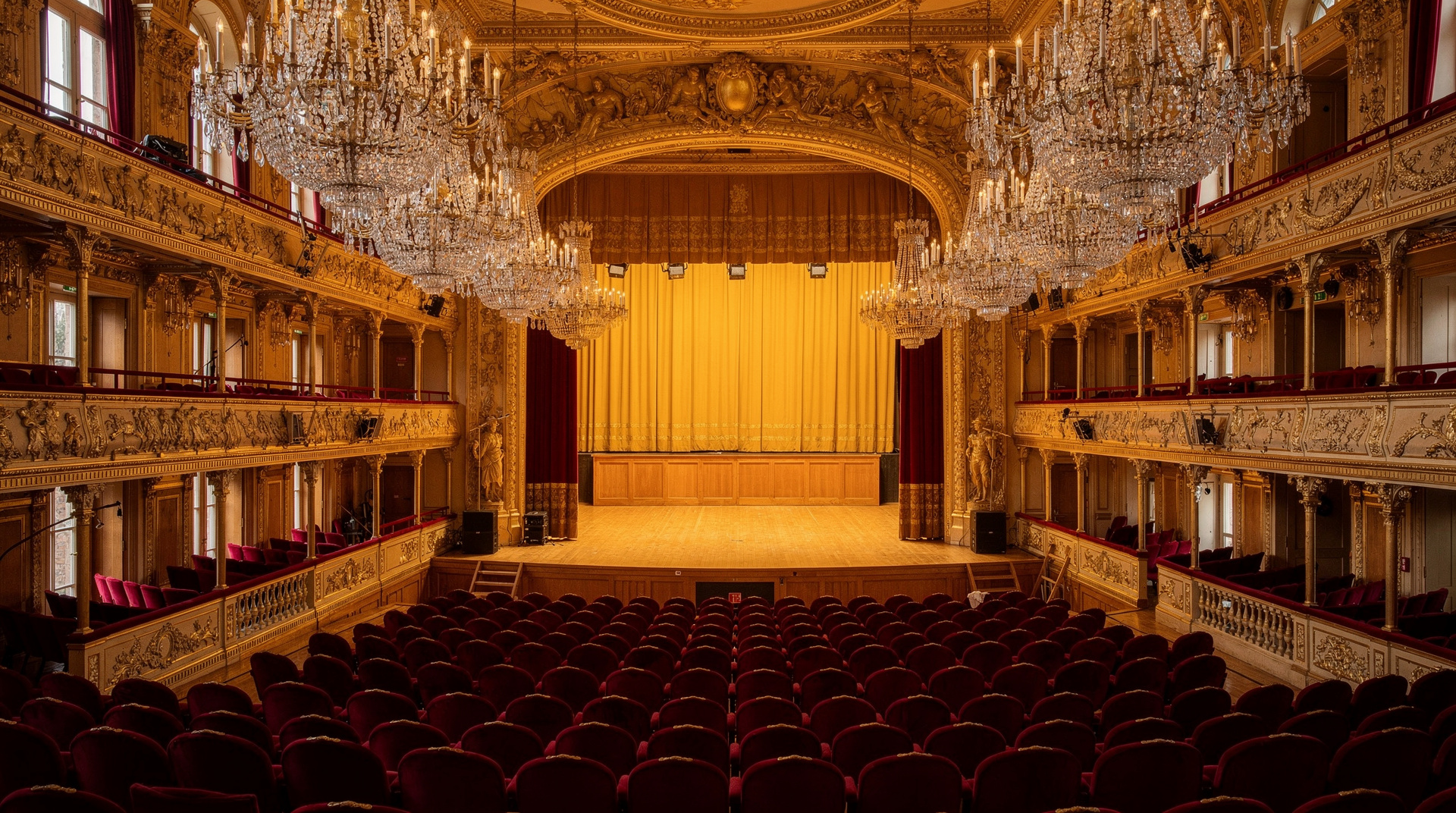
The Golden Hall (Großer Musikvereinssaal) is 48.8 metres long, 19.1 metres wide, and 17.8 metres high. The ceiling is coffered and gilded; the walls are lined with caryatids (female figures supporting the upper gallery); the floor is parquet; the whole room is warm with reflected sound and the colour of old gold. The acoustic — what engineers call a “shoebox” room, long and rectangular — creates the exceptional bloom and warmth of string tone that the Wiener Philharmoniker recordings are famous for.
Even in photographs, the room is beautiful. In person, the combination of visual elegance and acoustic quality is something you have to hear to understand.
The two types of concerts
Wiener Philharmoniker (Vienna Philharmonic)
The Wiener Philharmoniker is an orchestra unlike any other: it is self-governing (the musicians elect their own board), it has no permanent conductor, and it performs a subscription series at the Musikverein from September through June. The quality is extraordinary and the experience — full orchestra in the Golden Hall with top-tier conductors and soloists — is what Vienna’s musical reputation is actually based on.
Tickets: €100–400 for seated positions, depending on the concert and category. Standing room (Stehplatz): €5–8.
How to get them: The subscription system gives priority to long-term subscribers. Individual tickets (Einzelkarten) go on sale publicly approximately 2–3 weeks before each concert, usually at 10 am on the sale date. They sell out within hours. The practical strategies:
- Join the Wiener Philharmoniker mailing list and set calendar reminders for sale dates
- Check the website for returned tickets in the weeks before the concert
- Accept standing room — the acoustic quality is the same, you stand at the back of the main floor, and it is a genuinely good way to hear the orchestra for €5–8
Season: September through June. Summer (July–August) the orchestra is on international tour; the Musikverein’s own programme continues but without the Philharmoniker.
Touristic chamber concerts (Wiener Residenz Orchester and similar)
The Musikverein hosts several chamber ensemble concert series that are specifically designed for tourists: fixed programmes of well-known works (the Four Seasons, Eine kleine Nachtmusik, Strauss waltzes), daily or near-daily performances, no prior booking difficulty, available online any time.
These concerts take place in the Golden Hall (occasionally the Brahms-Saal). The ensembles are professional musicians, the programmes are reliably performed, and the room adds considerable value. They are not the Philharmoniker; they are a legitimate musical product at a tourist price point.
Vienna: classical concert in the Musikverein (Four Seasons and Mozart)What you get: 75–90 minutes of chamber music in the Golden Hall. A small ensemble performing Vivaldi, Mozart, and similar Viennese classical repertoire. Comfortable seating, audio guide optional, appropriate dress informal. Cost: €45–70 depending on seat category.
Honest assessment: The price-to-experience ratio is reasonable. You are paying for the room significantly, and the room delivers. The music is professionally performed if not exceptional. If the alternative is a €65 ticket to a Mozart-impersonator church concert, this is dramatically better value — our Mozart-impersonator concert trap guide explains exactly what those street-sold tickets are and aren’t.
How the Musikverein compares with Mozarthaus
Visitors deciding between a Musikverein touristic concert and one at Mozarthaus — Mozart’s actual Vienna apartment — are choosing between two different kinds of value. The Musikverein wins decisively on acoustics and room quality; nothing in Vienna sounds better. Mozarthaus wins on historical authenticity — you are hearing music in the building where much of it was written. Neither is the wrong choice; they simply answer different questions about what you want from a concert evening.
Choosing between the two for your trip
The simplest way to decide is to ask what the evening is for. If you want a reliable, easy-to-book highlight that lets you see the Golden Hall from the inside, the touristic concert does that job. If you want to hear the orchestra that made the room famous, plan ahead and treat the Philharmoniker as a goal to work towards rather than something to decide on arrival. Many travellers manage both on a longer stay: a chamber concert early in the trip to get a feel for the room, then a standing-room attempt later once they know the sale dates.
Think about how the evening fits around the rest of your day. A concert is a fixed appointment, so it works best after a light afternoon rather than after a full day of palaces. Pairing it with a coffee house visit beforehand is a very Viennese way to do it; our Vienna coffee house guide and best coffee houses in Vienna will help you pick somewhere near Karlsplatz. If you are still shaping the trip, the 3-day Vienna itinerary shows where an evening concert slots in naturally.
What the experience is like on the night
Expect the building to be part of the event. Arrive a little early so you can find your seat without rushing, take in the foyer and the staircases, and look up at the ceiling before the lights go down. The atmosphere is formal in tone but relaxed for visitors, and the audience is usually a mix of locals, subscribers and travellers. Phones go away once the music begins, and applause comes between works rather than between movements, so if you are unsure, wait and follow the room.
If the music itself is what draws you, it can be rewarding to read a little beforehand. Our Beethoven in Vienna diary and the Haus der Musik guide give useful background on the city’s musical heritage, and make the programme feel less abstract once you are sitting in the hall.
Seasons, weather and timing
Because touristic concerts run all year, the Musikverein suits almost any trip, but the mood changes with the season. In winter the walk to the hall can be cold, and a warm interior is a welcome reward; see our Vienna in winter guide for how to plan around the weather. In the shoulder months a concert is an easy evening plan after a day outdoors, and our best time to visit Vienna page helps you choose dates if the Philharmoniker season matters to you.
Other music venues worth knowing
The Musikverein is only one part of the city’s live-music offer. Visitors who enjoy church acoustics may like the St. Stephen’s Cathedral concert guide, while those curious about boys’ choirs can read the Vienna Boys’ Choir guide. For a broader warning about overpriced street-sold tickets and other pitfalls, the Vienna tourist traps guide is a good companion read before you book anything.
If the Golden Hall is not available on your dates, a waltz-and-operetta programme is the closest alternative in spirit: a classical concert in the Strauss Hall keeps the evening light and easy to book, and our Kursalon Strauss concerts guide explains what that programme is like. For an evening that combines music with a meal in an imperial setting, an evening at Schönbrunn Palace with dinner and a concert is the version to consider, and the Schönbrunn Palace guide helps you plan the rest of the visit. Travellers weighing a quieter, more intimate setting can compare it with the Classical vs touristic concerts breakdown, and the Vienna Boys’ Choir worth it? page covers another popular musical outing.
Getting there and what to wear
The Musikverein is at Musikvereinsplatz 1, facing the Karlsplatz. The nearest U-Bahn is Karlsplatz (U1/U2/U4), 5 minutes on foot.
Dress code for Philharmoniker concerts is not formally prescribed, but a substantial proportion of the audience dresses formally (evening wear or smart casual). Touristic concerts are attended in whatever visitors happen to be wearing. Neither extreme causes problems — Viennese concert etiquette is formal in atmosphere but tolerant in practice for non-local visitors.
Punctuality: Vienna concert audiences are serious about punctuality. Latecomers at Philharmoniker concerts are typically not admitted until a pause between movements.
The Brahms-Saal
The Brahms-Saal (Johannes-Brahms-Saal) is the Musikverein’s smaller hall, seating around 600. It is used for chamber music concerts, recitals, and smaller ensemble programmes. Acoustically excellent, visually elegant, and considerably easier to obtain tickets for than the Golden Hall. If you are interested in piano recitals, string quartets, or song recitals (Lieder), the Brahms-Saal programme is worth investigating.
The building actually contains six performance spaces in total, though the Golden Hall and Brahms-Saal are the two visitors encounter. The smaller halls (Metallener Saal, Steinerner Saal, Gläserner Saal, Holzsaal) host more specialised programming — new music, smaller chamber ensembles, and educational concerts — and are rarely part of a typical tourist’s itinerary but are worth knowing about if your interests run toward contemporary classical music or you’re visiting during a specific festival.
New Year’s Concert broadcasts and the Musikverein’s global reach
Beyond the live audience, it’s worth understanding just how central the Musikverein is to the wider image of Viennese classical music. The New Year’s Concert broadcast — filmed inside the Golden Hall every 1 January — reaches an estimated audience of roughly one billion people across some 90 countries when radio and television broadcasts are combined, making the room one of the most-seen concert venues on Earth even though the vast majority of that audience will never enter the building. This global visibility is part of why the touristic chamber concerts command a premium: visitors are paying, in part, to sit inside a room they have likely already seen from an armchair on television.
Comparing with other concert venues
If you are deciding between the Musikverein and other Vienna concert options:
| Venue | What it offers | Price range |
|---|---|---|
| Musikverein (Philharmoniker) | Full orchestra, world-class | €100–400 |
| Musikverein (touristic) | Chamber ensemble, Golden Hall | €45–70 |
| Kursalon Strauss Hall | Strauss waltzes, theatrical | €35–65 |
| Schönbrunn Orangery | Concert + dinner, palace | €95–120 |
| Vienna State Opera | Full opera/ballet | €10–250 |
| Standing room (Philharmoniker or Staatsoper) | Same experience, standing | €3–8 |
Our Vienna classical concerts compared guide covers all the options in a single matrix with honest assessments of each. If a genuinely premium palace evening is what you’re after rather than a concert hall, our Schönbrunn evening concert guide covers the Orangery experience in detail, and the Vienna State Opera guide covers the other end of Vienna’s live-music spectrum for visitors who want opera or ballet rather than a chamber programme.
Practical tips
Book the touristic concerts at least a week ahead in peak season (July–August, Christmas period). Performances can sell out, particularly the evening shows.
For Philharmoniker tickets: Don’t pay secondary market prices. The premium over face value for seats at a Vienna Philharmoniker concert routinely reaches 400%. Standing room at face value gives a better musical experience than bad seats at a premium.
The New Year’s Concert: The Wiener Philharmoniker New Year’s Concert (1 January) is the most globally famous single concert event in Vienna — broadcast to 90 countries and attended by a lottery of approximately 50 ticket recipients from 20,000 applications. If attending is a dream rather than a plan, accept standing room at a Philharmoniker subscription concert instead. The music is the same.
The Vienna Classical Music Itinerary: If classical music is the primary purpose of your Vienna visit, our Vienna classical music itinerary covers how to plan 4 days around the Musikverein, Staatsoper, Mozarthaus, and related sites.
Frequently asked questions about Musikverein concerts
What is the Musikverein?
The Musikverein is the home of the Gesellschaft der Musikfreunde in Wien, the world’s oldest continuously operating concert society. Its Golden Hall opened in 1870 and is considered one of the finest concert acoustics in the world.
Are the touristic concerts at the Musikverein worth attending?
Yes — they are professionally performed in the Golden Hall, and the room justifies a significant portion of the ticket price. They are not the Vienna Philharmoniker but are a legitimate musical product.
Where is the Musikverein in Vienna?
Musikvereinsplatz 1, a 5-minute walk from Karlsplatz U-Bahn (U1, U2, U4).
When is the Musikverein season?
The main concert season runs September through June. Touristic chamber concerts run year-round.
What is the Brahms-Saal at the Musikverein?
A smaller hall (600 seats) used for chamber music and recitals, with excellent acoustics and easier ticket availability than the Golden Hall.
Can I tour the Musikverein without attending a concert?
Yes — guided tours are available on selected days. Check the Musikverein website for schedules.
Top experiences
Bookable activities with verified prices and instant confirmation on GetYourGuide.