Vienna on a budget: the honest cost breakdown
Vienna City Card: Public Transport incl. 200+ discounts
How much does Vienna cost per day on a budget?
A genuine budget traveller can manage €60–80 per day in Vienna: hostel dorm or budget hotel (€25–40), Würstelstand and supermarket meals (€10–15), free museums on selected days, and the Vienna City Card for transport (€17/24h). The imperial sights are the main expense — prioritise ruthlessly.
Vienna is expensive — but not uniformly so
Vienna ranks among Europe’s more expensive capitals for accommodation and dining. A mid-range couple spending three nights in a 3-star central hotel, eating at traditional restaurants twice a day, and visiting four or five paid attractions will easily spend €350–400 per person. That is the honest baseline.
But Vienna has an unusually rich layer of free and low-cost experiences that most travel sites underemphasise: the imperial gardens are free, many museums have free days, the best atmospheric experience (coffee house, Würstelstand, Naschmarkt) costs almost nothing, and the public transport system is cheap and comprehensive. A budget traveller who plans deliberately can have a genuinely excellent Vienna experience for €60–80 per day including accommodation.
This guide gives you the real numbers and the strategy to stay on the right side of them.
| Where | 2nd/6th/7th districts for budget stays; free sights citywide |
| Cost | around €60–80/day, all-in, if planned carefully |
| Time needed | works for any trip length, 2–7+ days |
| Getting there | Railjet or S7, €4.40, from the airport |
| Best time | shoulder season (spring/autumn) keeps hotel rates down |
Real daily budget breakdown (per person)
| Category | Budget | Mid-range | Luxury |
|---|---|---|---|
| Accommodation | €25–40 (hostel/budget hotel) | €90–140 (3-star central) | €250+ (5-star) |
| Food | €15–25 | €40–60 | €100+ |
| Transport | €5.80–15 | €15–20 | €25+ |
| Sights | €0–20 (selective free days) | €30–50 | €80+ |
| Daily total | €60–80 | €180–270 | €450+ |
These are individual daily figures. Couples travelling together save significantly on accommodation per person.
What is free in Vienna
Parks and gardens
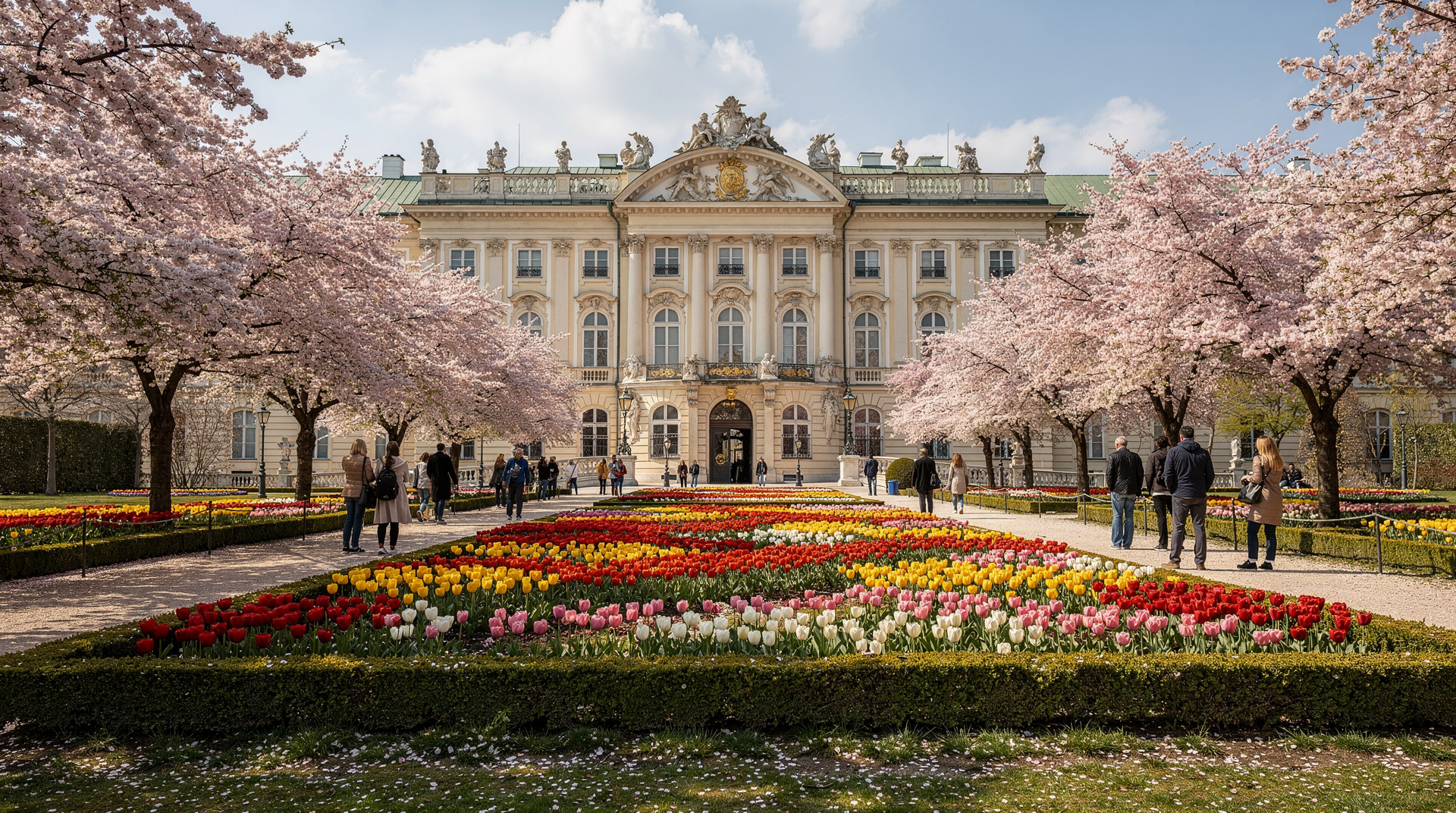
Schönbrunn Palace gardens: The vast formal gardens — parterre, Neptune Fountain, Gloriette viewpoint, Roman Ruin, rose garden — are entirely free to enter. Only specific sections (the Privy Garden) may require payment. The gardens alone justify a 2-hour visit.
Belvedere gardens: The formal gardens between Upper and Lower Belvedere are free and open to the public. The symmetrical layout with the palace facade in the background is among the best free views in Vienna.
Prater park: 6 square kilometres of park, free to enter. Pay only for Riesenrad or amusement park rides.
Stadtpark: The central city park with the famous gilded Johann Strauss II statue. Free, always open.
Museums and sights with free access
Stephansdom nave: The main nave of St. Stephen’s Cathedral is free to enter (towers, catacombs, and treasury are extra). This is one of Europe’s finest Gothic interiors — take your time.
Kunsthistorisches Museum: Free on the first Sunday of the month.
Naturhistorisches Museum: Free for all visitors under 19. Adults pay €16.
Albertina: Not free, but regularly has major exhibitions that are worth the €18 admission.
Vienna Secession building: The exterior with its famous “golden cabbage” dome is free to appreciate. Interior entry is €13.
Naschmarkt: Europe’s great outdoor market is free to walk, browse, and sample (within reason from vendors). Saturday mornings are peak.
The Ringstrasse: Walking the Ring past the Parliament, Rathaus, Burgtheater, Kunsthistorisches and Naturhistorisches museums, State Opera, and the Musikverein is a free 2-hour architectural tour.
Cheapest way to get to Vienna from the airport
The biggest budget mistake on arrival is taking a taxi or the overpriced CAT (City Airport Train) when the ÖBB Railjet costs €4.40 and takes exactly 16 minutes — the same as the CAT.
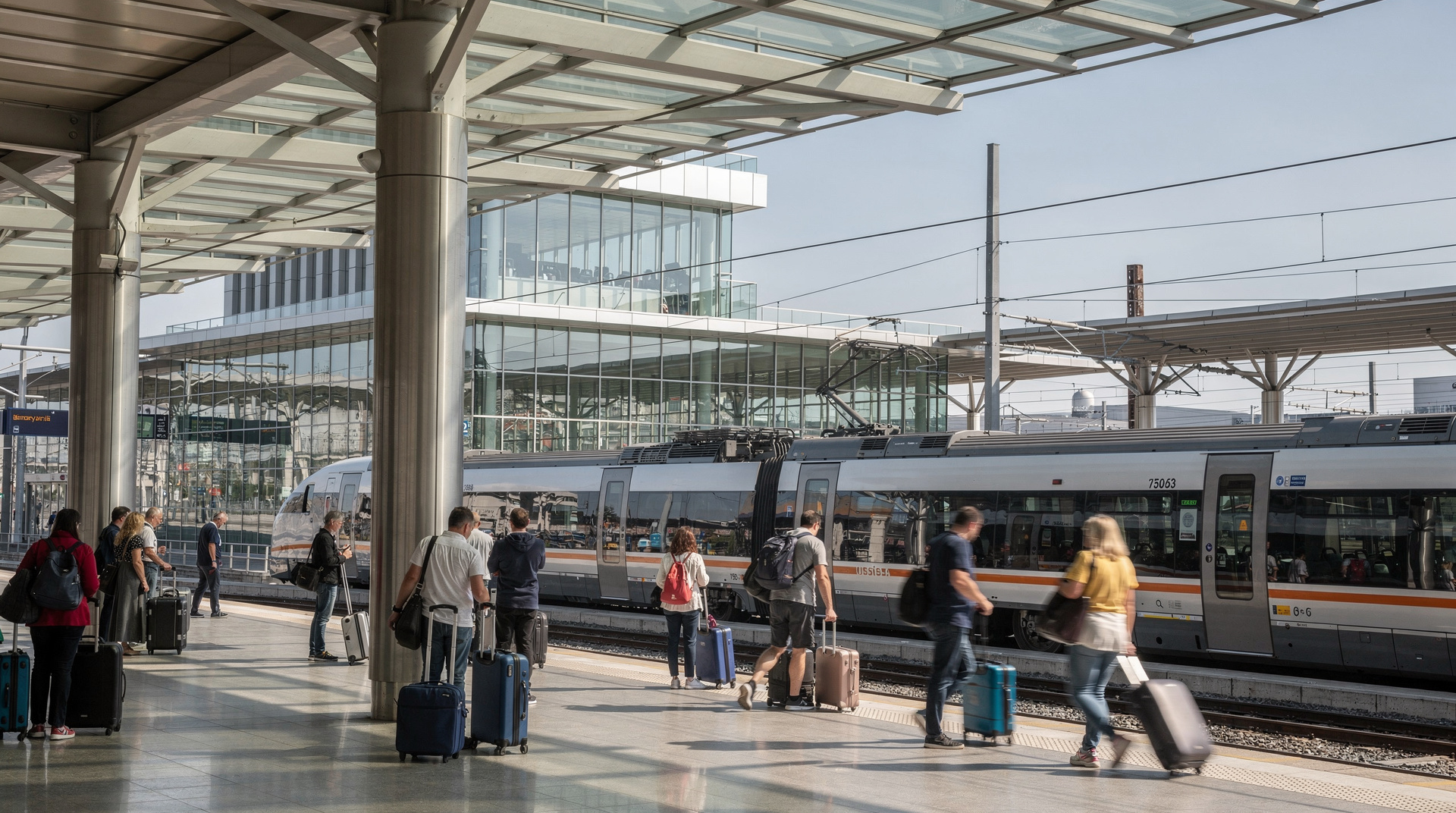
ÖBB Railjet to Wien Hbf (Hauptbahnhof): €4.40, 16 minutes, runs every 30 minutes. This is the budget option. Wien Hbf is a major rail hub with excellent U-Bahn connections (U1, U6).
S-Bahn S7 to Wien Mitte: Also €4.40, 25 minutes, more stops, but terminates closer to the 1st district.
CAT (City Airport Train) to Wien Mitte: €15 single, €25 return. Comfortable and check-in facility, but not worth the premium for transport-only purposes.
Taxi: €35–40. Fine if sharing costs, unreasonable as a solo budget option.
Bus 1185: €11, 40 minutes, operated by ÖBB. Slower but serves some outer districts.
See the detailed Vienna airport to city guide for timetables and comparison.
Public transport: your budget ally
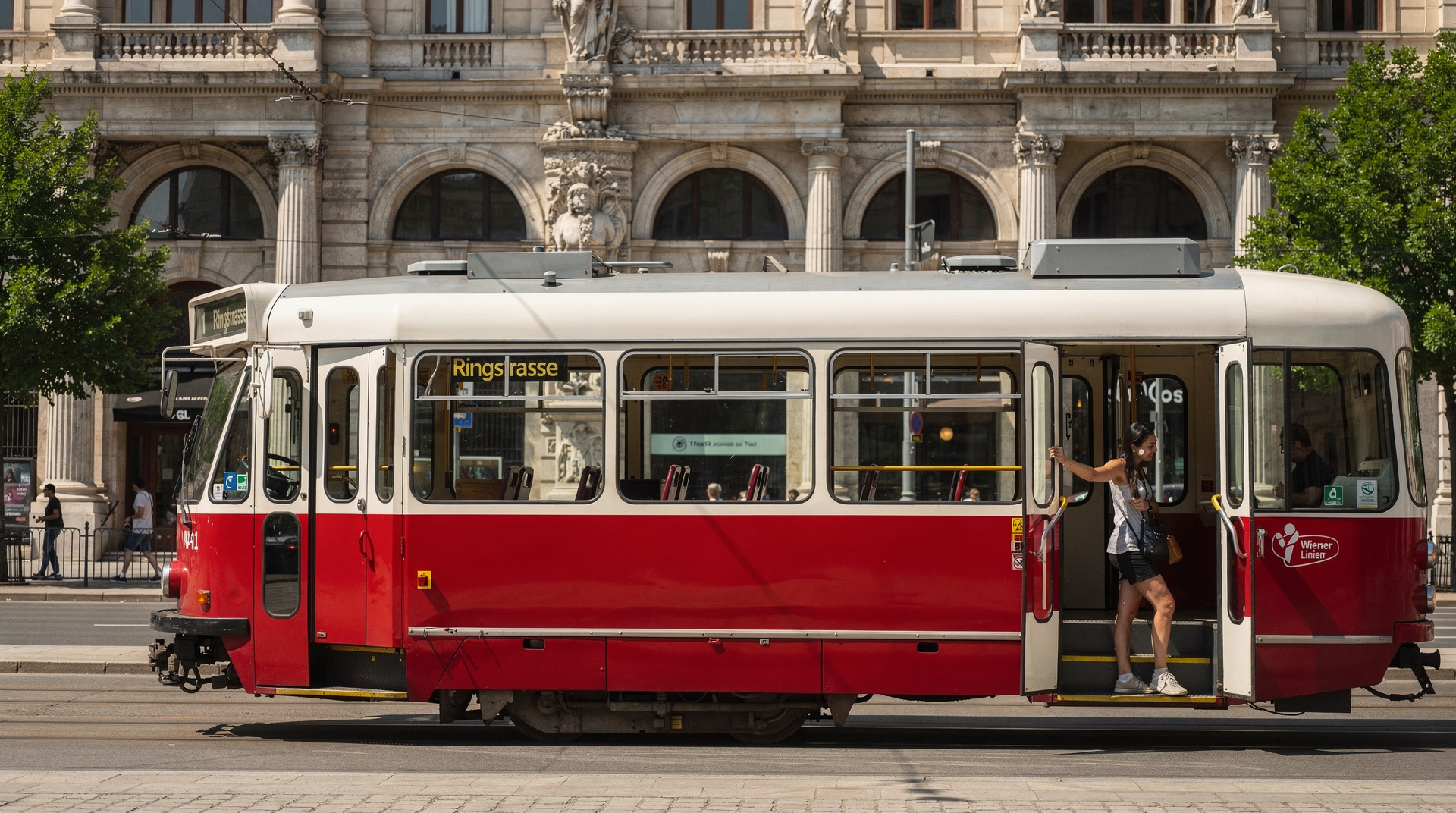
Vienna’s U-Bahn, tram, and bus network is one of the best in Europe. It covers virtually every sight you want to see and runs every 3–10 minutes. Budget travellers should use it extensively.
Ticket prices (2026):
- Single ticket: €2.40
- 24-hour unlimited: €5.80
- 48-hour unlimited: €10.30
- 72-hour unlimited: €15.30
- Vienna City Card 24h: €17 (transport + 200+ attraction discounts)
For a 3-day visit making 4+ transport journeys per day, the 72-hour pass (€15.30) is cheaper than buying singles. The Vienna City Card at €17/24h adds discounts worth having if you’re visiting many paid sights.
Important: Paper tickets must be validated (stamped) in the blue machines before boarding. Smartphone tickets from the Wiener Linien app are pre-validated and do not need stamping. Inspectors operate in plainclothes — a €105 on-the-spot fine for an unstamped ticket is a painful budget fail.
Vienna City Card: public transport plus 200+ discountsEating cheaply in Vienna
The Würstelstand
Vienna’s sausage stands are a genuine institution and the fastest cheap meal in the city. A Käsekrainer (pork sausage stuffed with cheese) costs €3–4, served with mustard and a bread roll. A Brettljause (cold cuts and bread platter) at a Würstelstand is slightly more. These are not tourist experiences — they are where Viennese office workers eat lunch.
Naschmarkt food stalls
The Naschmarkt on Saturdays becomes a farmers’ market with food stalls selling Turkish gözleme, Austrian dumplings, olives, cheese, and bread. A satisfying lunch costs €6–10 eating from stalls.
Supermarkets
Billa, Spar, and Hofer (Aldi) have prepared-food sections with excellent sandwiches, salads, and pasta dishes. Lunch from a supermarket costs €4–7. There is no shame in this — the quality is genuinely good.
Beisl Mittagsmenü (lunch menu)
Traditional Austrian taverns (Beisl) typically offer a two-course lunch menu Monday–Friday for €10–13. Soup plus a main course with meat, vegetable, and side. This is how Viennese office workers eat at restaurants, and it’s among the best-value full meals in the city.
Café culture on a budget
A Melange (Viennese latte) at a traditional coffee house costs €4–5.50, and importantly, there is no pressure to leave. The Viennese coffee house tradition allows you to sit with one cup for as long as you like. Use it: a €4.50 coffee in Café Hawelka buys you 90 minutes of warmth, a newspaper, and atmosphere that no paid attraction can replicate. See the coffee house guide for which houses are genuine versus tourist-facing.
Avoid: restaurants on Kärntner Strasse and Graben where a Wiener Schnitzel of industrial veal costs €28. See our tourist traps guide for the full picture.
Budget sightseeing strategy
Prioritise free sights on arrival
Spend your first afternoon doing free things: walk the Ringstrasse, enter Stephansdom (free nave), walk the Graben and Kohlmarkt, stroll through the Stadtpark. This costs zero and gives you Vienna’s essential character.
Use free museum days
Check museum schedules for free-entry dates before booking. The Kunsthistorisches Museum’s first Sunday of the month free admission saves €21 per person. On that day, arrive early — it becomes crowded by 11 am.
Do the Spanish Riding School morning exercise, not the performance
The morning exercise (€16) uses the same horses, the same arena, the same music as the full performance (€36–256 per seat). The only difference is that the morning exercise is unrehearsed — which many visitors actually prefer. Book well in advance regardless; both options sell out. Closed July and August entirely.
Use the Vienna PASS carefully
The Vienna PASS (€89/1 day, €119/2 days) is not automatically a budget tool — it’s a value tool. Calculate whether the sights you plan to visit exceed the pass price. Schönbrunn Grand Tour (€32) + Belvedere (€18) + Hofburg (€18) + Hop-on Hop-off bus (€35) already exceeds the 2-day pass price before you add the Spanish Riding School or Kunsthistorisches. If you are visiting four or more paid attractions per day, the PASS pays off.
Free walking tours
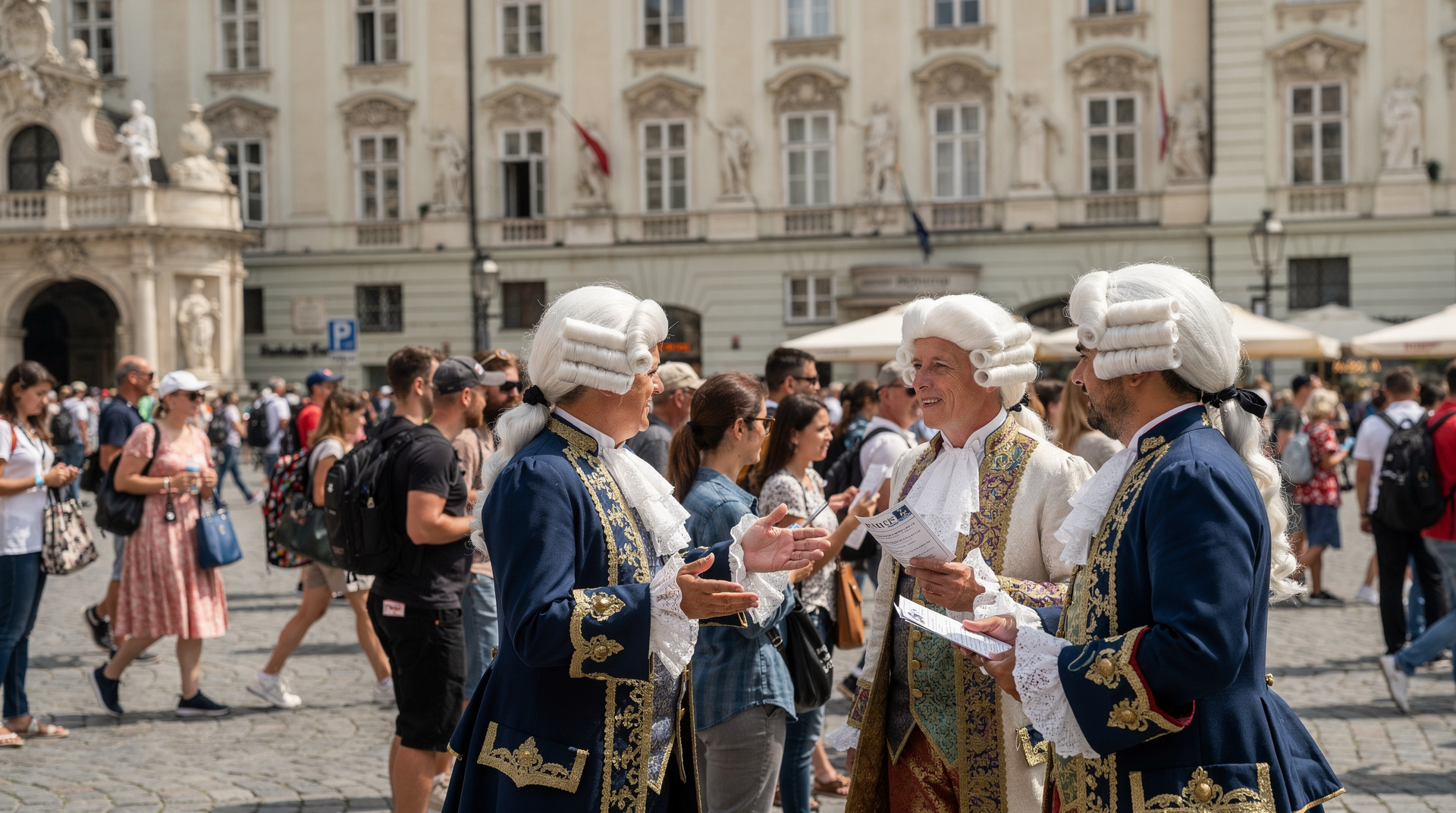
Multiple operators offer “free” (tip-based) walking tours of Vienna’s city centre, leaving from near Stephansdom or the Albertina. These 2-hour tours are genuinely good — often given by students or passionate locals — and cost as little as €5–10 with a reasonable tip. Check listings at hostels or on tour aggregator sites.
Vienna: guided walking tour of city centre highlightsThe guided city walking tour is not “free” but at around €15–20 is excellent value for the orientation it provides on a first afternoon.
Free and cheap evening entertainment
Evenings don’t have to mean an expensive concert every night. The Ringstrasse at dusk, lit and quiet, is a free architectural walk that rivals any paid tour. Standing tickets at the Staatsoper cost as little as €4 and put budget travellers in the same building as €300 orchestra seats — arrive 80 minutes before curtain to queue. A Musikverein Four Seasons concert is not free but at €45–60 is one of the better-value cultural splurges in the city if you only budget for one evening event. See the best coffee houses guide for where a single coffee legitimately buys an hour or more of atmosphere as a low-cost alternative to any paid evening activity.
Budget accommodation options
Vienna’s hostel scene is strong in the 2nd, 6th, and 7th districts. The 2nd district (Leopoldstadt, near the Prater) is particularly well-positioned with excellent U-Bahn links. Typical hostel dorm rates: €25–35/night.
Budget hotels in the 15th–17th districts offer private rooms from €60–80/night — a 10–15 minute U-Bahn ride from the centre. The Westbahnhof (Wien Westbahnhof, U6/U3) area has a concentration of budget hotels.
Avoid: Booking hotel last-minute in peak season (July–August, Christmas markets). Prices rise 40–60%. Book as early as possible for December.
Honest cost summary for 3 days
A realistic solo budget trip to Vienna (3 nights):
| Item | Cost |
|---|---|
| 3 nights hostel dorm | €90 |
| Railjet airport transfer | €4.40 |
| 72h transit pass | €15.30 |
| Schönbrunn (Grand Tour) | €32 |
| Belvedere (free garden day) | €0 |
| Kunsthistorisches (Sunday free) | €0 |
| 3 days food (Würstelstand + Beisl lunch + supermarket dinner) | €75 |
| Evening concert (Musikverein) | €45 |
| Coffee houses (3 × €5) | €15 |
| Total | ~€277 |
That is approximately €92/day including accommodation — genuinely budget for a Western European capital.
Budget day trips without blowing the budget
Day trips can undo a careful budget fast if you book the wrong version. Bratislava is the cheapest realistic option — a public bus or boat costs a fraction of a guided coach tour, and the compact old town needs no ticketed attractions to enjoy for a day. The Vienna Woods is entirely free once you’re on the regional bus: forest trails, Mayerling, and the small spa town of Baden bei Wien cost nothing beyond transport. Save the Wachau and Hallstatt for when your budget has more room — both are worthwhile but add up quickly with a guided tour, boat, and lunch.
Where budget travellers overspend without noticing
The two most common budget leaks in Vienna are drinks and impulse taxis. A round of drinks at a tourist-district bar can easily cost as much as a full Beisl lunch; drink at a Heuriger or a neighbourhood bar instead, where prices are noticeably lower. Taxis from the airport or between attractions add up fast at €35–40 a trip — the Vienna public transport guide covers routes to every major sight, and using it consistently rather than “just this once” taxi trips is where the real daily savings come from.
Frequently asked questions about Vienna on a budget
What is free in Vienna?
The Schönbrunn and Belvedere gardens are free. Stephansdom nave is free. Many museums are free on selected days — Kunsthistorisches Museum free on the first Sunday of the month. The Prater park is free (pay per ride). The Ringstrasse walk costs nothing.
Is the Vienna City Card worth it for budget travellers?
The Vienna City Card (€17/24h, €25/48h, €29/72h) combines unlimited public transport with discounts on 200+ attractions. For budget travellers doing 3+ attractions per day, it saves money. If you are mostly doing free sights, the simpler 24h or 48h transit pass is cheaper.
What is the cheapest way to get from Vienna Airport to the city?
The ÖBB Railjet or S-Bahn S7 costs €4.40 and takes 16–25 minutes. This is by far the cheapest option. The CAT costs €15 for the same distance. Taxi or Uber costs €35–40.
Where can I eat cheaply in Vienna?
Vienna’s Würstelstand charges €3–4 for a Käsekrainer. The Naschmarkt has budget food stalls from €5. Supermarkets have good prepared food sections. The traditional Austrian tavern lunch menu (Mittagsmenü) typically costs €10–13 for two courses.
Which major sights have free or reduced entry?
Schönbrunn and Belvedere gardens: free. Naturhistorisches Museum: free for under-19s. Kunsthistorisches Museum: free first Sunday of the month. Spanish Riding School morning exercise: €16. Vienna Boys’ Choir Sunday mass: standing places from €5.
Top experiences
Bookable activities with verified prices and instant confirmation on GetYourGuide.