Vienna tourist traps: what to avoid and what to do instead
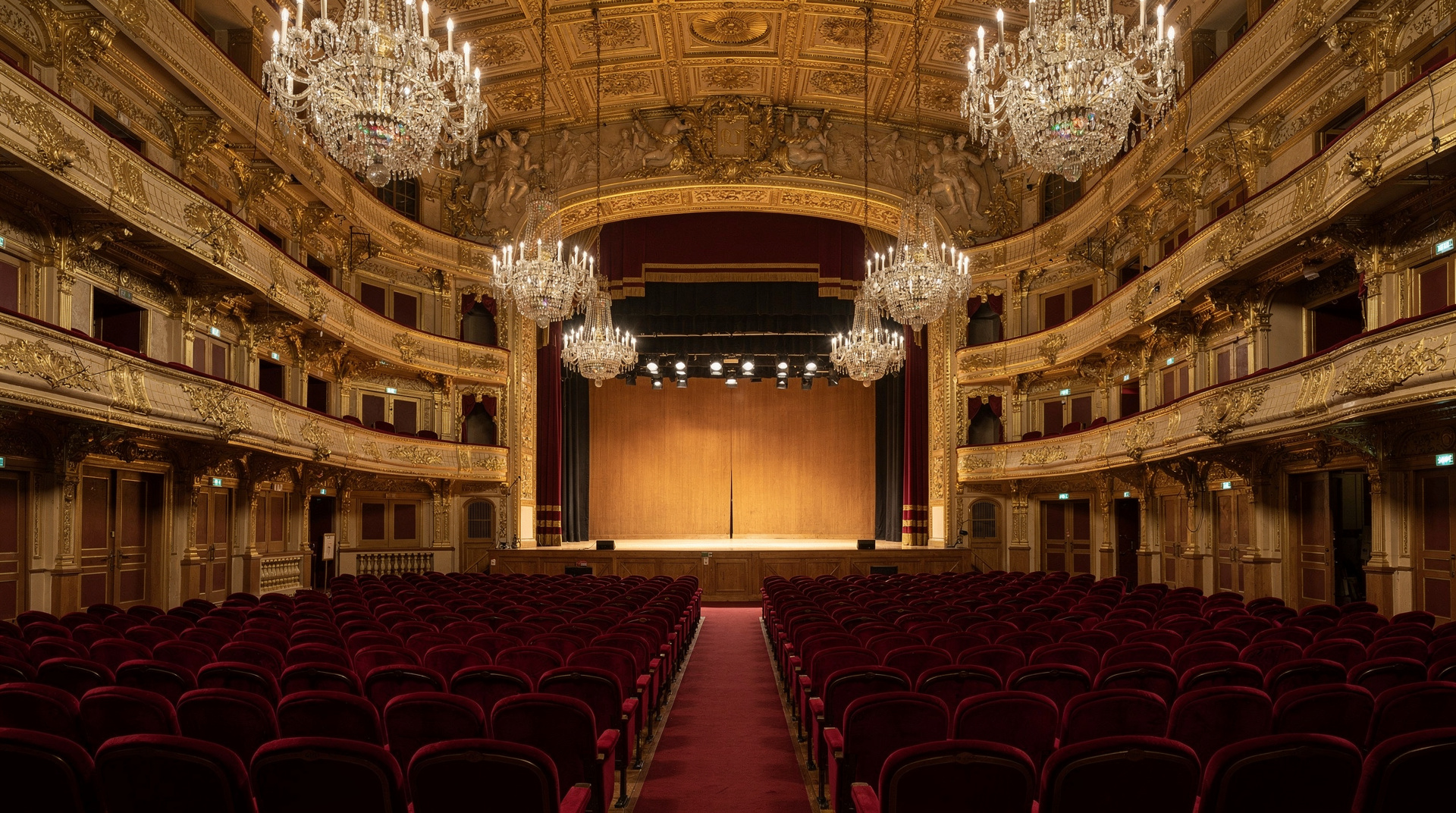
Vienna: Classical Concert in the Musikverein (Four Seasons + Mozart)
What are the main tourist traps in Vienna?
Vienna's main tourist traps are: Mozart-impersonator concert touts outside the Staatsoper (mediocre concerts at €65), restaurants on Kärntner Strasse (€28 industrial Schnitzel), Habsburg-costume photographers on Stephansplatz (€15 per photo), fake Sachertorte at tourist cafés, and airport taxi touts who quote €80 flat rates. All easily avoided with prior knowledge.
Vienna’s tourist traps: the honest guide
Vienna is a sophisticated city with sophisticated tourist traps. Unlike some destinations where the scams are crude (fake goods, fake monks, sob-story beggars), Vienna’s version tends to be legal, polished, and dressed in historical costume — which makes it harder to identify until you already feel vaguely ripped off.
The good news: all of Vienna’s tourist traps are easily avoided once you know what they are. This guide covers the main ones systematically, with specific alternatives for each.
| Worst offenders | Mozart-tout concerts, Kärntner Strasse restaurants, airport taxi touts |
| Typical overcharge | €15–50 above the fair-value alternative |
| Easiest fix | Book concerts and taxis directly; walk one block off the main tourist streets |
| Safety note | Legal and polished, not dangerous — no physical risk, just poor value |
| Best single alternative | Musikverein concert + Railjet airport transfer + one-block-off dining |
Tourist trap 1: the Mozart-impersonator concert touts
The scene: Outside the Staatsoper, the Albertina, and Stephansdom, you will encounter people dressed in 18th-century periwig and red velvet coat, smiling and proffering printed leaflets. They are selling tickets to classical music concerts.
The problem: These are not bad people, but they are selling concerts in tourist venues — the Sala Terrena, small event halls in Palais buildings — at €50–70 per person, sometimes more. The programmes are typically Mozart and Strauss arrangements. The musical quality varies from adequate to poor. The setting is not special. You are paying €65 for an experience that a casual visitor finds “fine” and a music-knowledgeable visitor finds disappointing.
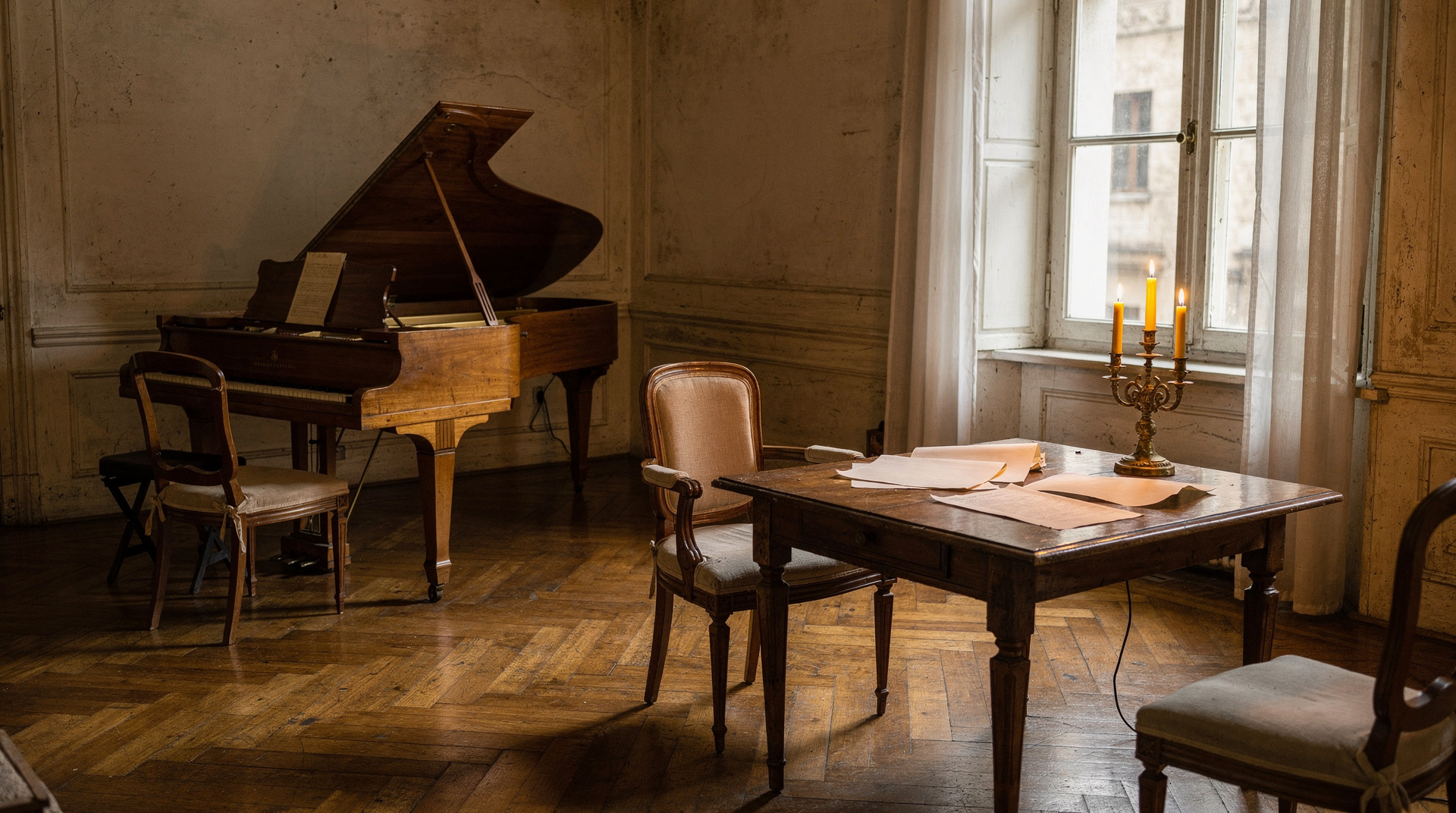
The alternative: A concert in the Musikverein’s Golden Hall — one of the world’s great concert halls, with Vienna’s professional musicians playing the same composers — costs €45–65 from the venue website and is dramatically superior in every dimension.
Vienna: classical concert in the Musikverein — Vivaldi and MozartSee our full guide to the Mozart-impersonator concert trap for the complete breakdown.
Tourist trap 2: restaurants on Kärntner Strasse and Graben
The scene: The two main pedestrian streets of Vienna’s 1st district are lined with restaurants displaying photographs of Wiener Schnitzel outside and prices of €28–35 for the main course.
The problem: At these prices, the Schnitzel is typically industrial veal (sometimes pork with misleading labelling), the portions are correct (large), and the experience is competent without being memorable. You are paying a 40% location premium for the privilege of eating on the city’s tourist spine.
The alternatives:
- Figlmüller (Bäckerstrasse or Wollzeile): Still tourist-facing, but iconic in a legitimate way. The Schnitzel hangs over the plate edge, made from proper veal, and the Wollzeile location has a pleasant interior. Expect €22–25 for the Schnitzel. Book ahead.
- Plachutta (Wollzeile): The Tafelspitz (boiled beef) specialist. The definitive version of the dish that was Emperor Franz Joseph’s favourite meal.
More expensive but correct.
- Gasthaus Pöschl (Weihburggasse): A traditional Beisl one block from the Graben. Local lunch crowd, solid Austrian food, Schnitzel at €18–22.
- Walk one block: Any restaurant one block east or west of Kärntner Strasse operates at normal prices with normal quality. Vienna’s 1st district has excellent neighbourhood restaurants that have no incentive to trap tourists.
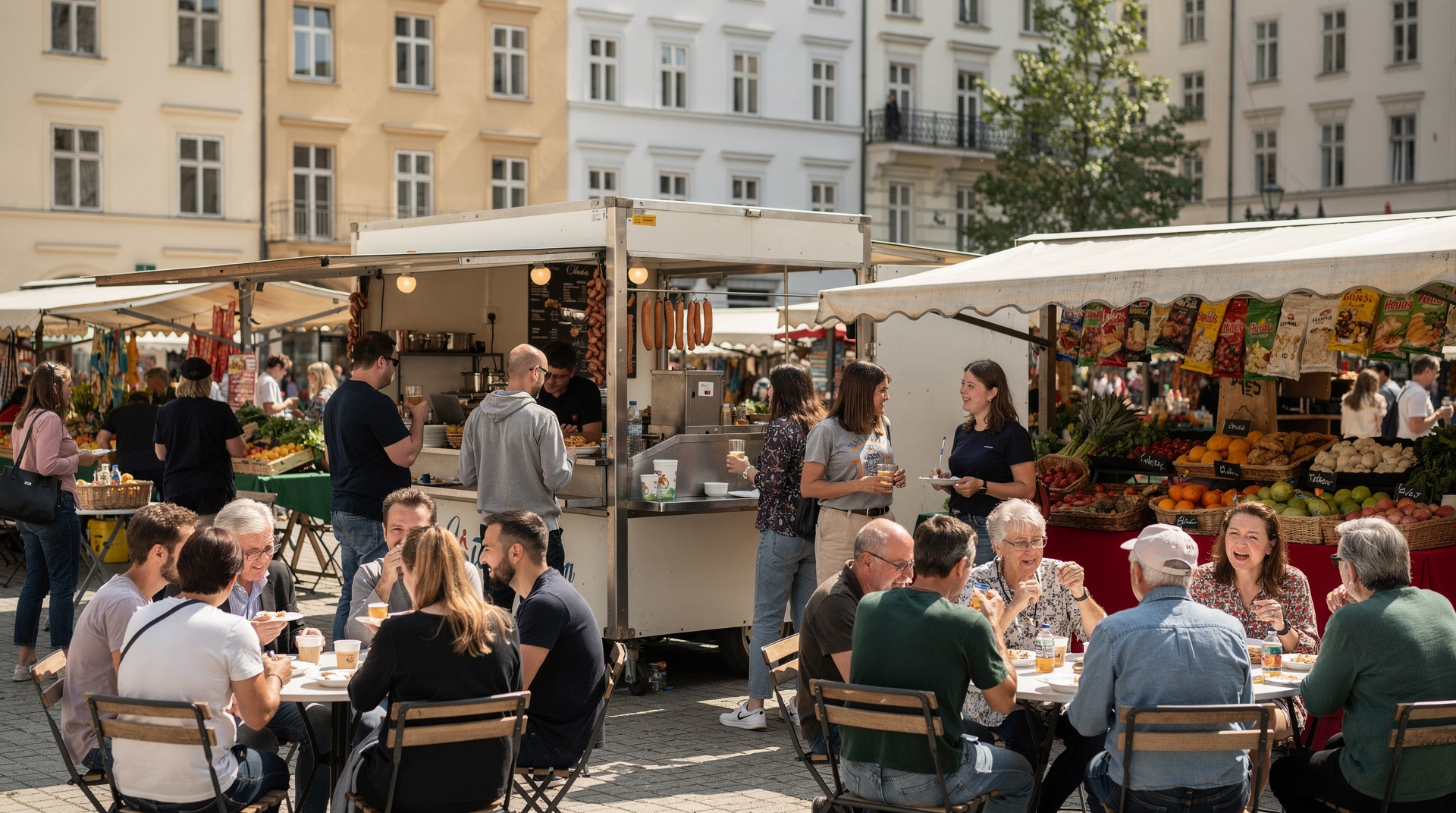
If you would rather have someone else choose the tables for you, a guided tasting walk through typical Austrian dishes that ends in a traditional coffee house is a low-effort way to eat well without scanning menus on the pavement.
Tourist trap 3: “Sachertorte” at tourist cafés
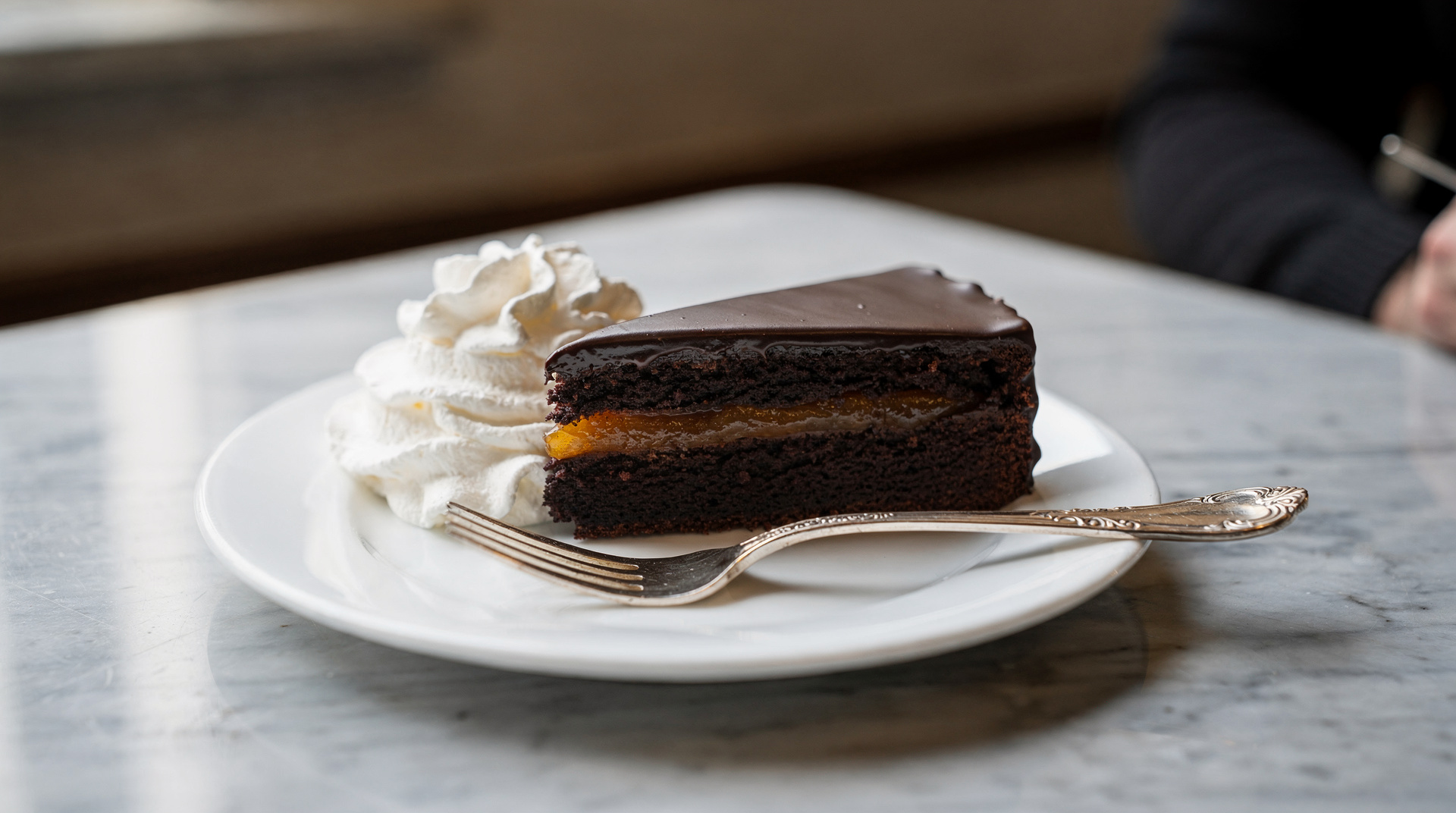
The scene: Nearly every café, pastry shop, and hotel buffet in the 1st district sells “Sachertorte.” It is chocolate cake with apricot jam and chocolate icing — technically meeting the description of a Sachertorte.
The problem: The original Sachertorte is a specific recipe from a specific source. Hotel Sacher has the sealed mark “Original Sacher-Torte” and the recipe with apricot jam inside the cake body. Demel, on Kohlmarkt, has the rival version (apricot on top, chocolate coating different) developed by Eduard Sacher’s son who worked there. The legal dispute between them ran for decades. Every other “Sachertorte” in Vienna is neither.
The authentic options:
- Hotel Sacher Café: The original, sealed with a chocolate disc. €9/slice. Queue at peak times (20–40 minutes). Hotel guests skip the queue.
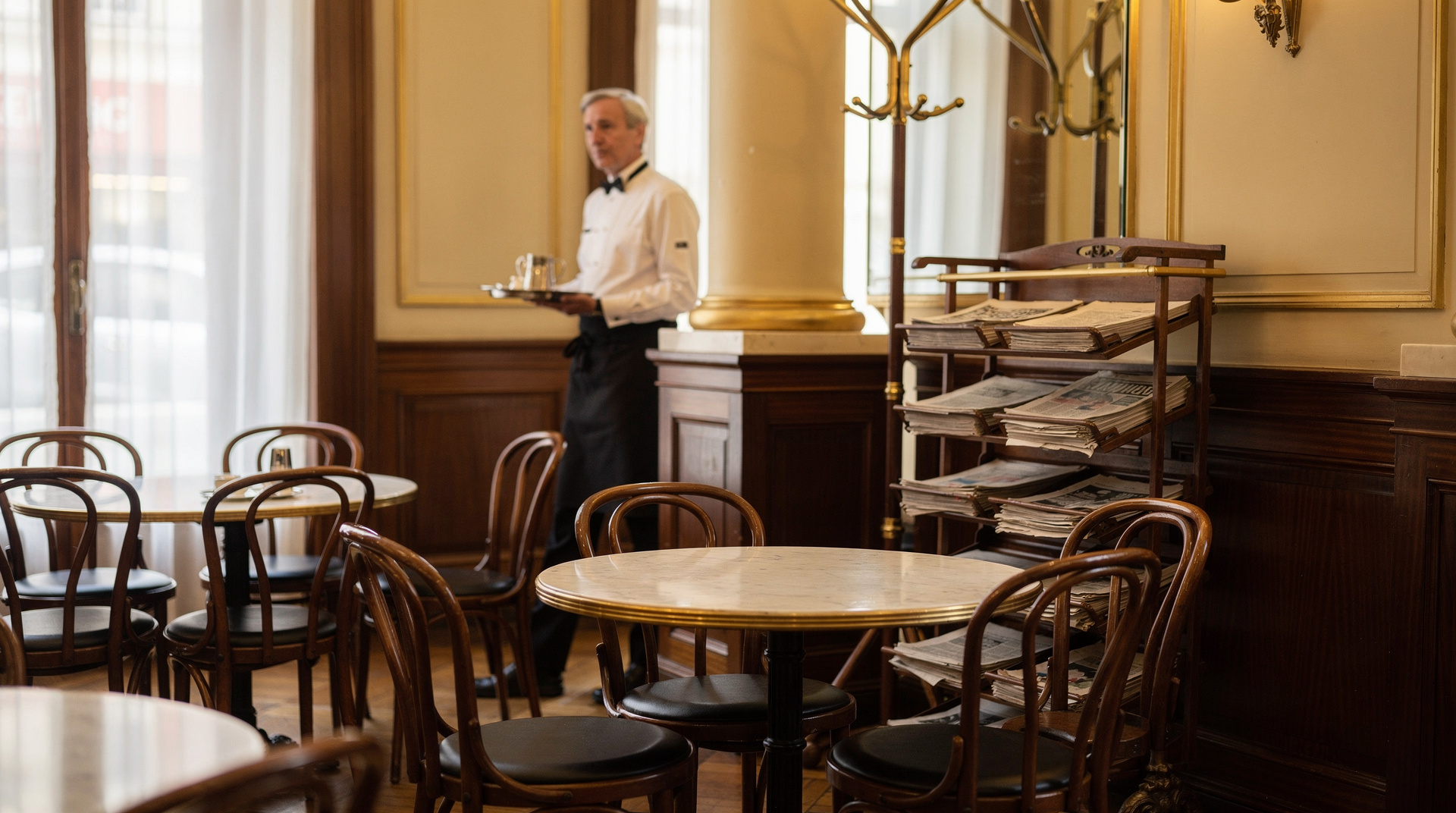
- Demel (Kohlmarkt 14): The rival original. €8/slice. Less queued than Sacher. The café is also more beautiful — a gorgeous preserved Jugendstil interior. In our view, the better all-round experience.
See the full Sachertorte guide for the recipe dispute history and tasting comparison.
Tourist trap 4: Habsburg-costume photographers on Stephansplatz
The scene: On Stephansplatz and around Schönbrunn, people in elaborate Habsburg military uniforms stand for photographs with tourists. The standard arrangement: they pose with you, then present a printed photo and ask €15.
The honest assessment: This is a personal choice, not a scam. The people are visible, the transaction is clear, and no one forces the photo. But: €15 for a novelty photograph with a stranger in a costume is a lot by any measure. Know the price before you pose.
Alternative: Schönbrunn Palace itself provides the Habsburg context. A photo in front of the Schönbrunner Gelb facade is more genuinely atmospheric and costs nothing.
Tourist trap 5: Vienna airport taxi touts
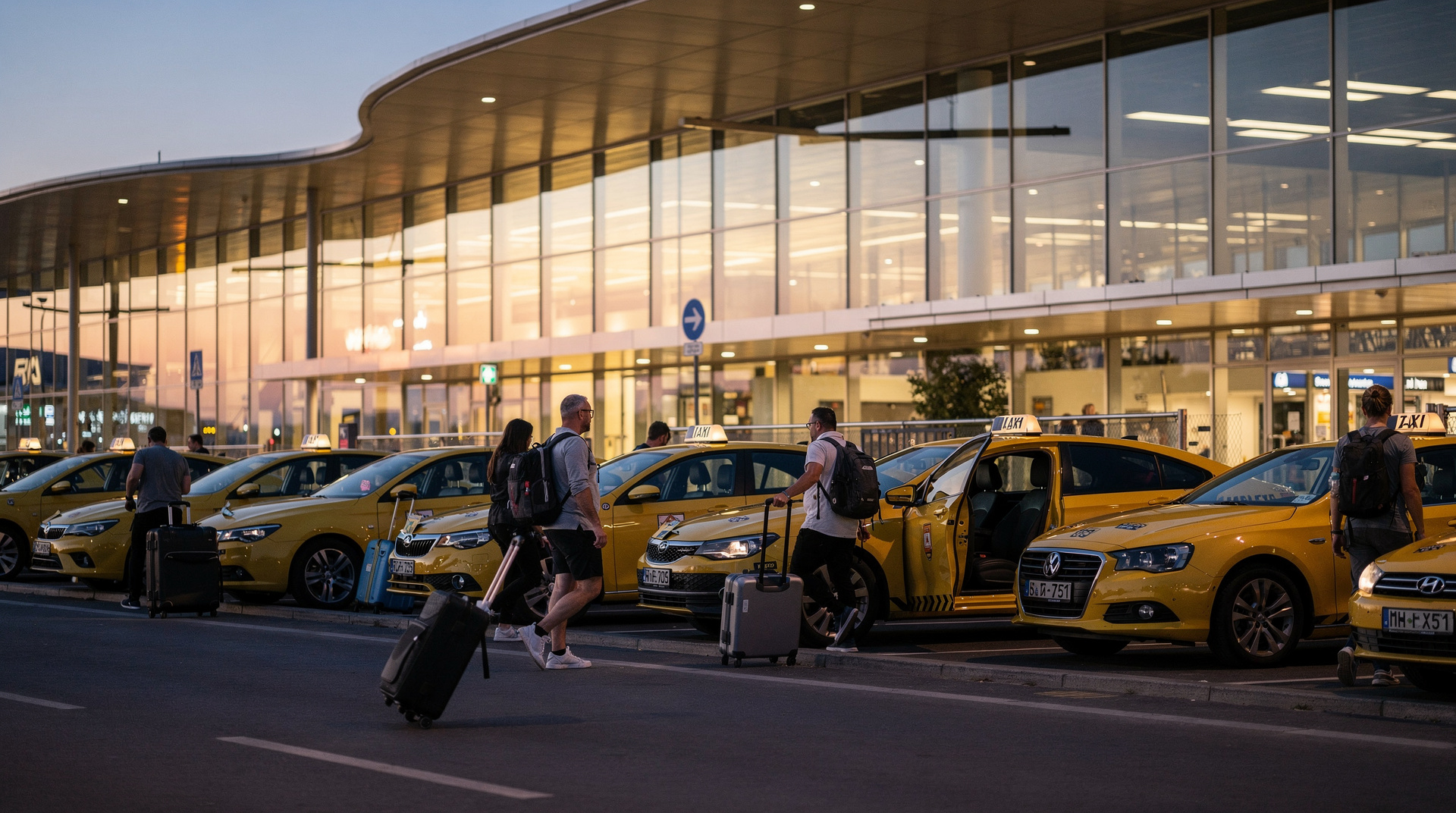
The scene: Inside the arrivals hall at Vienna International Airport (VIE), unofficial taxi operators approach arriving passengers offering rides to the city. Common opening: “Taxi to Vienna? €80 fixed price.”
The problems: €80 is double the legitimate rate (licensed taxis run approximately €35–40). The operators often refuse to use meters. Some insist on the cash flat rate before departure. Some take inefficient routes.
The alternatives:
- ÖBB Railjet: €4.40, 16 minutes to Wien Hbf. The correct choice for 95% of travellers.
- Uber/Bolt: €30–40, meet at designated pickup area outside arrivals. Use the app, not a tout.
- Licensed taxi: Official taxi rank outside arrivals. Metered fare. Approximately €35–40. If the driver suggests a flat rate before starting, exit.
If you prefer to settle the transfer before you fly, a prebooked express train ride from the airport to Wien Mitte removes the arrivals-hall negotiation entirely.
See our full Vienna airport taxi scams guide for the complete picture.
Tourist trap 6: Mozart-themed gift shops
The scene: Kärntner Strasse and the streets around Stephansdom are saturated with Mozart merchandise — busts, chocolate, calendars, key rings, mugs — at prices that carry a significant “this is where tourists are” premium.
The honest assessment: Mozart was not Viennese. He was born in Salzburg and died poor in Vienna. The Mozart merchandise industry in Vienna is largely marketing mythology. If you want Mozart-related souvenirs, Salzburg (his birthplace) does it with more authenticity.
For genuinely Viennese souvenirs: Augarten porcelain (Austrian, since 1718), Loden cloth (traditional Austrian fabric), Demel chocolates, Schönbrunn apple jam, or Viennese coffee house branded merchandise are more specifically connected to Vienna’s actual character.
Tourist trap 7: carriage rides (Fiaker) at peak-hour prices
The honest picture: The Fiaker (horse-drawn carriage) rides around the Innere Stadt are a legitimate Vienna experience — the horses are well-maintained, the routes are pleasant, and the drivers are often knowledgeable. They are not cheap: standard rates run €55–100 for a 20–40 minute circuit.
The tourist trap element: Drivers sometimes offer a “short route” at a lower price that delivers 8 minutes of the circuit and deposits you back before any of the interesting part. Confirm the specific route and time clearly before boarding.
The alternative: Walking the same Graben–Kohlmarkt–Michaelerplatz–Kohlmarkt circuit takes 20 minutes and costs nothing. If you want the Fiaker experience specifically, take a full 40-minute route and confirm the duration in writing (most drivers have rate cards).
Tourist trap 8: the Hop-On Hop-Off as primary transport
The Hop-On Hop-Off bus is a legitimate orientation tool for your first afternoon — the Ringstrasse commentary is genuinely informative. It becomes a tourist trap when used as primary transport for a 3-day visit: it costs 4× more than the U-Bahn, runs 4× less frequently, and covers fewer destinations.
Use it once, on arrival, for the Ringstrasse loop. Then use the U-Bahn. See our HoHo vs metro comparison.
How to spot a trap before you pay
Most of the traps above share the same anatomy, and once you learn it you can recognise new variations in any city. The first sign is location: the closer a business sits to a major monument, the more its prices reflect foot traffic rather than quality. The second is pressure: a seller who approaches you, rather than the other way round, is paying for your attention somehow, and that cost ends up in the price. The third is vagueness: a concert advertised without a named hall, a “fixed price” without a meter, a pastry called “Sachertorte-style” all hide the detail that would let you compare.
A useful habit is to pause for two minutes and check the alternative on your phone before committing. Look up the venue, read the official page, and compare. The honest options in Vienna are almost always well documented, and the best restaurants in Vienna and Vienna food guide will point you to better tables than anything with a laminated photo menu on the pavement.
Planning your first days so you avoid the traps
Traps work best on tired, disoriented visitors. Your first hours in the city are the most vulnerable: you have just landed, you are hungry, and you do not yet know what a fair price looks like. Sort out the airport transfer in advance, using the airport to city guide or the comparison of CAT, Railjet and bus, so that nobody in the arrivals hall can sell you a decision you have not already made.
Book your one big cultural evening early, whether that is a Musikverein concert or the opera, and read the Vienna State Opera guide if the opera house is on your list. Having a confirmed plan makes the costumed sellers outside easy to politely ignore. If you are unsure how much time to give the city, the Vienna 3-day itinerary shows a pacing that leaves room for proper meals away from the tourist spine, and the Innere Stadt neighbourhood page explains which parts of the first district are busiest.
A note on tone and fairness
None of this is meant to make you suspicious of everyone you meet. Most people working in Vienna’s tourism industry are honest, and many of the businesses mentioned here, including the Fiaker drivers and even some of the concert sellers, are simply operating a legal model that does not suit every traveller. The point is informed choice. If you know what you are buying and still want the photo, the carriage ride or the costumed concert, that is a perfectly valid decision. The only real mistake is paying a premium without realising you are doing it.
The bottom line: Vienna is not a scammy city
Vienna’s tourist-trap economy is polished and legal, not dangerous or illegal. Nobody is going to shortchange you in a market, sell you fake goods, or threaten you. The traps here are straightforward: paying too much for things that look more prestigious than they are.
The solution is equally straightforward: book concerts directly from the Musikverein website, eat one block from Kärntner Strasse, take the Railjet from the airport, and go to Hotel Sacher or Demel — not any café claiming to sell “Sachertorte.”
A wider budget context
Avoiding these traps is really a subset of the larger question of how to spend well in Vienna generally. The Vienna on a budget guide covers the full picture — accommodation, food, and attractions — beyond just what to avoid, and the viennese coffee tourist traps guide goes deeper on the specific café-industry version of these problems if pastry and coffee are a big part of your trip. If classical music is on your itinerary, cross-reference this guide’s tout warning with the full Vienna classical concerts compared guide before you book anything from a street vendor.
Frequently asked questions about Vienna tourist traps
Are the Mozart-impersonator concert sellers outside the opera legitimate?
Not in terms of value. They sell tourist-venue concerts at €50–70. A Musikverein Golden Hall concert costs €45–65 and is dramatically better.
Which restaurants in Vienna are tourist traps?
Restaurants on Kärntner Strasse with photos outside and €28–35 Schnitzel menus. Alternatives: Figlmüller, Plachutta, or Gasthaus Pöschl.
What about the Habsburg-costume photographers?
A personal choice — not a scam. €15 per photo is clear pricing. Know what you’re buying before posing.
Is there fake Sachertorte being sold?
Many cafés sell “Sachertorte” unconnected to the original. Go to Hotel Sacher (€9) or Demel (€8) for the real thing.
Are there any ticket scams to watch out for?
No widespread ticket scams. The main issue is the concert tout problem — overpriced tourist concerts sold at street level. Buy from venue websites directly.
Top experiences
Bookable activities with verified prices and instant confirmation on GetYourGuide.