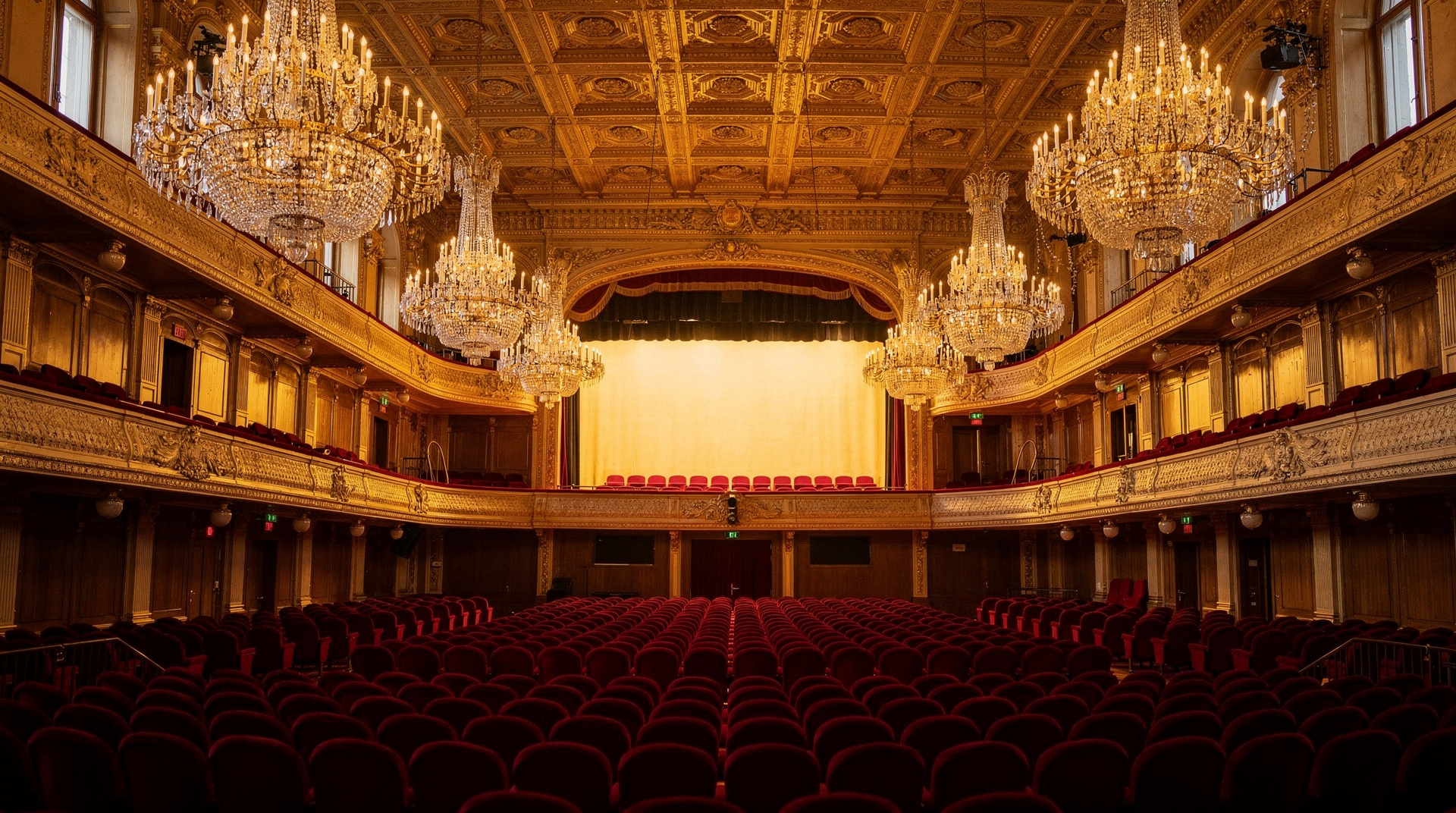
Concert at St. Stephen's Cathedral Vienna: what to expect and how to book
Vienna: Classical Concert at St. Stephen's Cathedral
Are concerts at St. Stephen's Cathedral worth attending?
Yes, for visitors who want a different acoustic and atmospheric experience from the concert halls. The Gothic nave of Stephansdom provides a uniquely reverberant, stone-and-candlelight setting that works best for choral and organ music. Tickets are €29–55 depending on seat. The experience is very different from the Musikverein — more meditative, less technically precise, deeply atmospheric.
Music inside a Gothic cathedral
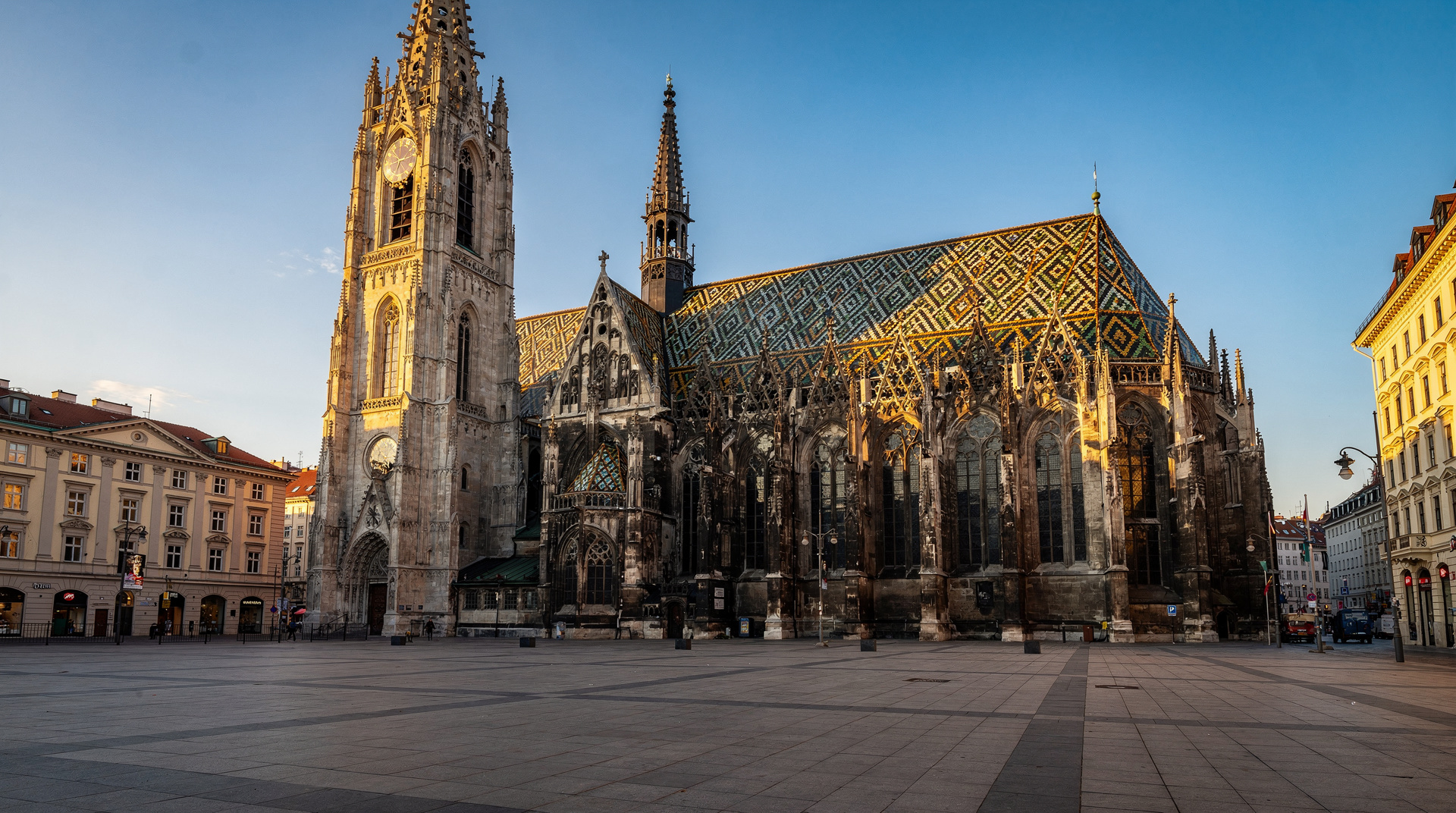
St. Stephen’s Cathedral (Stephansdom) is primarily a functioning church and one of Vienna’s most visited tourist sites. It is also, on selected evenings throughout the year, one of the most atmospheric concert venues in the city — a 110-metre Gothic nave of stone and candlelight, with an acoustic that has nothing to do with modern concert hall engineering and everything to do with 700 years of accumulated stone.
This guide explains what a Stephansdom concert is like, whether it is the right choice for your evening in Vienna, and how it compares with the alternatives.
| Where | Stephansdom nave, Stephansplatz, Innere Stadt |
| Price | Around €29–55 depending on seat position |
| Duration | Around 60–90 minutes |
| Frequency | Selected evenings, more often June–September and Christmas |
| Getting there | Directly above Stephansplatz U1/U3 station |
| Booking | Advance booking recommended for popular dates |
The acoustic: what to expect
The first thing to understand about hearing music inside Stephansdom is that the acoustic is not neutral. The Gothic nave has a reverberation time of approximately 4–5 seconds — meaning a chord played by the organ continues to resonate for that long after the sound stops. In a concert hall, this would be catastrophic for fast passages and complicated counterpoint. In a cathedral, for the right repertoire, it creates an effect that is genuinely beautiful.
The music that works in Stephansdom:
- Choral music in slow tempos (requiems, motets, Mass settings)
- Organ recitals and organ concertos
- Sacred orchestral music designed for cathedral performance (Handel’s Messiah, Vivaldi’s Gloria)
- Plainchant and early music that was composed for similar spaces
The music that works less well:
- Fast symphonic movements where articulation matters
- Chamber music in intimate textures that depend on a dry acoustic
- Opera arias that need the voice to project with clear diction
When choosing a Stephansdom concert, the programme matters. A performance of Mozart’s Requiem inside Stephansdom on a winter evening is one of the more memorable musical experiences available in Vienna. A standard chamber concert of Vivaldi and Haydn will sound muddy and flat regardless of the ensemble’s quality.
Booking a concert at Stephansdom
Vienna: classical concert at St. Stephen’s Cathedral Tickets range from approximately €29 (back or side positions) to €55 (premium central seating with good sightlines). Concerts are scheduled on specific evenings — check the current programme and calendar at the time of booking, as there is no fixed weekly schedule.
Summer months (June–September) and the Christmas period (late November–December) tend to have the highest frequency of concerts. A Christmas period concert of sacred choral music in a candlelit Stephansdom is one of Vienna’s more memorable seasonal experiences.
The venue on a concert evening
On concert evenings, Stephansdom is set up with seating in the nave facing the altar. The cathedral lighting is modified for the event: the harsh overhead fluorescent lights used during daytime tourist hours are replaced with the warmer, dimmer lighting of the stone lamp brackets and chandeliers. The effect transforms the space.
Entry is from the main west entrance (the Riesentor) or side doors on the north nave; concert-goers queue separately from any remaining daytime tourist traffic. Photography during the concert is generally not permitted, though the pre-concert atmosphere with the candlelit stone can be photographed.
Dress: Smart casual is appropriate. The atmosphere is formal but not black-tie.
Arrival: Concerts typically begin at 7:30 or 8:00 pm. Arrive 15–20 minutes early for seating — the central nave fills from the front, and latecomers in a Gothic nave have fewer options than in a raked concert hall.
Comparing with other Vienna concert options
| Feature | Stephansdom | Musikverein (touristic) | Kursalon |
|---|---|---|---|
| Setting | Gothic cathedral | World’s finest concert hall | Period Viennese salon |
| Best for | Choral, organ, sacred music | All chamber and orchestral | Strauss waltzes, operetta |
| Price range | €29–55 | €45–70 | €35–65 |
| Programme flexibility | Varies by specific concert | Fixed (Four Seasons, Mozart) | Fixed (Strauss, Mozart) |
| Atmosphere | Medieval, meditative | Formal, prestigious | Theatrical |
The Stephansdom concert is the right choice when the specific programme suits the space and when the Gothic atmosphere is itself part of what you are seeking. It is not a substitute for the Musikverein experience — it is a categorically different one.
Who this concert actually suits
A Stephansdom evening works best for visitors who already have some feel for choral or organ repertoire, or who simply want an atmospheric evening that is distinct from a standard concert hall night. It is a poor match for anyone hoping for a symphony-orchestra experience — for that, the Musikverein concerts guide or the wider Vienna classical concerts compared roundup is the better starting point. Couples looking for a single “classical Vienna evening” often pair a Stephansdom concert with dinner nearby in the Innere Stadt beforehand, since the cathedral sits at the centre of the district’s restaurant options.
If your priority is understanding the difference between genuinely professional touristic concerts and the lower-value options aimed at casual walk-up buyers, our classical vs touristic concerts guide sets out the honest hierarchy — Stephansdom sits comfortably among the legitimate, worthwhile choices.
Practical evening logistics
Tickets are usually confirmed by email with a specific entrance point noted — read this carefully, as concert-goers do not always use the main west Riesentor. Cloakroom facilities are limited inside a working cathedral, so plan to carry a light coat rather than checking one. Toilets are not available inside the nave during a concert; use facilities at a nearby café beforehand. Mobile phones should be fully silenced, not just on vibrate — the reverberant acoustic carries even a muted buzz.
Vienna: classical concert in the Musikverein (Four Seasons and Mozart)Choosing the right programme
Because the acoustic shapes everything, the single most useful thing you can do before booking is read the programme description rather than just the venue name. Look for words like requiem, motet, Mass, organ or sacred. Those are the signals that the music was written for, or suits, a vaulted stone space. If the listing is a mixed “greatest hits” evening of fast instrumental pieces, you are better served by a hall built for that repertoire, such as the Musikverein or the Kursalon.
It also helps to think about what kind of listener you are. Some people love the slow bloom of a choral chord that hangs in the air and dissolves into the stone. Others want to hear every note of a violin passage with crisp edges. Neither taste is wrong, but the cathedral rewards the first and frustrates the second. Be honest with yourself about which you are, and the evening will meet your expectations.
Where to sit and what you will hear
In a Gothic nave, seating position changes the experience more than it does in a conventional hall. Closer to the performers, you hear more direct sound and more detail in the voices. Further back, the sound arrives more blended and the reverberation dominates, which some listeners find more immersive and others find blurry. The central positions are the premium choice for a reason: sightlines are clean and the balance between direct sound and reverb is the most flattering.
Side and rear positions are cheaper and still perfectly enjoyable for a meditative, eyes-closed kind of evening. If you care about watching the musicians, however, pay for the better position. Pillars in a medieval building have a way of interrupting the view, so check the seat description when you book.
Making an evening of it
A cathedral concert fits neatly into a longer Vienna evening. Many visitors walk the historic centre in the late afternoon, take dinner or a slow coffee close to Stephansplatz, and arrive at the nave with time to spare. If you like the idea of a coffee-house stop beforehand, our Viennese coffee house guide and the notes on coffee house etiquette in Vienna will help you choose well. For a proper meal, the best restaurants in Vienna roundup covers options across the centre.
After the concert, the area around the cathedral is quiet and beautiful. The floodlit spire and the empty square make a good closing walk, and it is a natural moment for photographs of the exterior, since inside photography is generally not permitted during the performance.
Seasonal character of a Stephansdom concert
The same programme feels different depending on the season. In summer, the nave is a cool refuge from the heat of the city, and the long evenings mean you step out afterwards into lingering light. In winter, the contrast is stronger: you come in from the cold into candlelight and stone, and sacred choral music has a particularly strong emotional pull. If you are visiting in the colder months, our guides to Vienna in winter and the Vienna Christmas markets fit naturally around a concert evening.
Dress for the building as well as the occasion. Old stone holds the chill, so a layer is sensible even when the weather outside is mild. That is another reason to travel light and skip the cloakroom problem described above.
Planning around other days of your trip
If you are building a wider itinerary, a concert evening slots in easily after a day of sightseeing. The 3-day Vienna itinerary and the weekend itinerary both leave evenings open for exactly this kind of plan. If you are weighing how long to stay in the first place, see how many days in Vienna. And if you worry about being steered into a poor-quality show, our warning about the Mozart-impersonator concert trap explains what to avoid on the streets around the cathedral, where costumed sellers often work.
The Stephansdom daytime visit and the cathedral tour
If you have not visited Stephansdom during the day, our Stephansdom cathedral guide covers what to see: the South Tower climb, the catacombs, the carved pulpit, and the free nave access. A daytime visit and an evening concert on separate days is the most complete way to experience the building.
If you are choosing a single Stephansdom experience, the evening concert wins for atmosphere — but the daytime South Tower climb (343 steps, panoramic views over Vienna) is a uniquely different reward.
The Vienna classical music scene beyond Stephansdom
Stephansdom is one option among several. Our comprehensive Vienna classical concerts compared guide covers the full landscape: Musikverein Golden Hall, Kursalon, Schönbrunn Orangery, and the important question of how to access real Wiener Philharmoniker concerts without paying secondary market premiums.
For visitors planning a Vienna trip specifically around classical music, the Vienna classical music itinerary structures 4 days around the major venues.
Frequently asked questions about St. Stephen’s Cathedral concerts
When are concerts held at Stephansdom?
Concerts are scheduled on selected evenings throughout the year, with higher frequency in summer (June–September) and the Christmas period. There is no fixed weekly schedule.
What type of music is performed at Stephansdom concerts?
Typically sacred choral music (requiems, motets, Mass settings), organ recitals, and chamber music appropriate to the Gothic acoustic. Mozart’s Requiem, Handel’s Messiah, and Vivaldi’s Gloria are common programmes.
How is the acoustic at Stephansdom concerts?
The Gothic nave has approximately 4–5 seconds of reverberation — excellent for choral and organ music, less suited for fast orchestral or chamber passages.
How do I get to Stephansdom for a concert?
Stephansdom is directly above the Stephansplatz U-Bahn station (U1/U3). Evening concerts typically begin at 7:30 or 8 pm; arrive 20 minutes early.
Are Stephansdom concerts only for religious visitors?
No — they are cultural events attended by a broad mix of international visitors and Viennese music-goers.
How does Stephansdom compare to the Musikverein for concerts?
The Musikverein is acoustically superior for chamber and orchestral music. Stephansdom is the better choice specifically for choral and organ programmes where the Gothic reverb enhances the music.
Top experiences
Bookable activities with verified prices and instant confirmation on GetYourGuide.