Mayerling and Heiligenkreuz
Visit Mayerling hunting lodge and Heiligenkreuz Abbey in the Vienna Woods: the Habsburg royal tragedy of 1889 and Austria's oldest Cistercian monastery.
Vienna Woods and Mayerling Half-Day Tour from Vienna
Quick facts
- Distance from Vienna
- 25–30 km southwest
- Best access
- Guided half-day tour or car
- Mayerling
- Carmelite convent with museum (Habsburg royal tragedy)
- Heiligenkreuz
- Founded 1133, guided tours daily
The Habsburg tragedy and the medieval abbey
Two sites five kilometres apart in the Vienna Woods draw visitors for entirely different reasons. Mayerling is the location of one of the most consequential and enduring mysteries in Habsburg history — the deaths of Crown Prince Rudolf and Baroness Mary Vetsera on the night of January 29–30, 1889. Heiligenkreuz is a living medieval monastery, Austria’s oldest continuously inhabited Cistercian abbey, where monks have sung the Gregorian Hours without interruption since 1133. Together they make one of the most rewarding and historically layered half-day excursions from Vienna.
| Distance from Vienna | 25–30 km southwest, in the Vienna Woods |
| Cost | Guided half-day tour around €55–75; Heiligenkreuz tour entry a few euros |
| Time needed | Half a day |
| Getting there | Guided tour, car via the A21, or S1 train to Baden plus bus |
| Best time | April–October; Vespers at 18:00 for the abbey’s most atmospheric moment |
Mayerling: what happened in 1889
On the morning of January 30, 1889, Crown Prince Rudolf — the 30-year-old heir to the Austro-Hungarian Empire, only son of Emperor Franz Joseph and Empress Elisabeth (Sisi) — was found dead at his hunting lodge at Mayerling, along with the body of 17-year-old Baroness Mary Vetsera, his mistress. The official ruling was murder-suicide: Rudolf shot Mary Vetsera and then himself, sometime in the preceding hours. The causes have been debated since the day the news became public.
Rudolf’s situation was genuinely desperate by January 1889. His marriage to Crown Princess Stéphanie was irretrievably broken. He had made a request to Pope Leo XIII for an annulment that was refused. He was politically frustrated — a man of liberal and progressive instincts trapped in a ceremonial role with no real power within a conservative autocracy — and his health, mental and physical, was deteriorating. The relationship with Mary Vetsera was intense but brief; they had met only months before. Whether the deaths were a suicide pact, a unilateral murder-suicide, or something more complicated involving a political conspiracy, has never been definitively established.
The consequences extended far beyond the personal tragedy. Rudolf’s death eliminated the direct Habsburg male line in that generation; the succession passed eventually to Archduke Franz Ferdinand, whose assassination in Sarajevo in 1914 triggered the chain of events that ended the Habsburg Empire. The night at Mayerling sits, in retrospect, close to the beginning of the imperial collapse.
Emperor Franz Joseph’s response was immediate and decisive: the hunting lodge was demolished and replaced with a Carmelite convent, the room where Rudolf died consecrated as the convent chapel. The chapel and the small museum within the convent are accessible to visitors. The museum presents the events of January 1889 with photographs, documents, and physical evidence in a tone that is sober and factual rather than sensational — which makes it, paradoxically, more affecting than the lurid theatrical versions of the story that circulated in the decades that followed.
For the wider family story behind this tragedy, the Franz Joseph and Sisi guide covers the emperor’s marriage and Rudolf’s difficult place within it, and the Habsburg history for travelers guide puts Mayerling into the longer arc of the dynasty’s decline. Anyone who has already visited the Sisi Museum at the Hofburg will recognise Rudolf and Mary Vetsera as recurring names in that exhibition; Mayerling is where the story they hint at actually happened.
The Vienna Woods and Mayerling half-day tour from Vienna covers both Mayerling and Heiligenkreuz in a guided circuit — the most practical way to visit both sites without a car, with historical context that makes both places considerably more comprehensible.
The Vienna Woods and Mayerling enchanting escapes tour extends the circuit with additional scenic stops and more time in the valley — a good option if you want a full morning in the woods rather than a tight half-day.
Heiligenkreuz Abbey
Stift Heiligenkreuz (Holy Cross Abbey) was founded in 1133 by Margrave Leopold III of Austria — the same Leopold who is patron saint of Austria — and is one of the oldest Cistercian monasteries in the world to have been continuously inhabited by the monks of the founding order. The name refers to a relic of the True Cross brought from the Holy Land, still preserved in the abbey church. Nine centuries of continuous monastic life have accumulated in the buildings and grounds: you can see the architectural layers directly, from the original Romanesque foundations through Gothic additions to baroque restorations and beyond.
The architectural complex is extraordinary in its completeness. The Romanesque cloister (completed around 1240) is one of the finest in Austria, with paired red marble columns supporting romanesque capitals carved with acanthus leaves and biblical scenes. Walking the cloister’s four sides is a meditation in stone. The adjacent Gothic chapter house, where the early Babenberg rulers are buried, contains a sequence of pointed arches that shifts the architectural register abruptly into the 13th century.
The baroque church (completed 1730) has an ornate interior — gilded side altars, ceiling frescoes, and the high altar with its Trinity Pillar — that contrasts deliberately with the severity of the cloister immediately outside. The effect of walking from the Romanesque quiet of the cloister into the gilded baroque interior is like moving between centuries in a single step.
Guided tours run four times daily (check the current schedule at the monastery’s website, as times vary seasonally). English-language tours run at least twice a day. The Vespers service at 18:00 is open to visitors — Gregorian chant performed by the monastic community in the original Romanesque choir, in the same space where monks have sung the same chants since the 12th century. This is the single most atmospheric experience at Heiligenkreuz and requires nothing more than arriving at the church before 18:00 and sitting quietly.
The abbey shop sells an unexpectedly good range of products made at the monastery and by affiliated producers: Stiftskosmetik (the monks’ own face cream, a perennial Vienna souvenir), wines from the estate vineyards, schnapps, and honey. The abbey café adjacent to the shop serves lunch and afternoon coffee in a courtyard setting.
Getting there
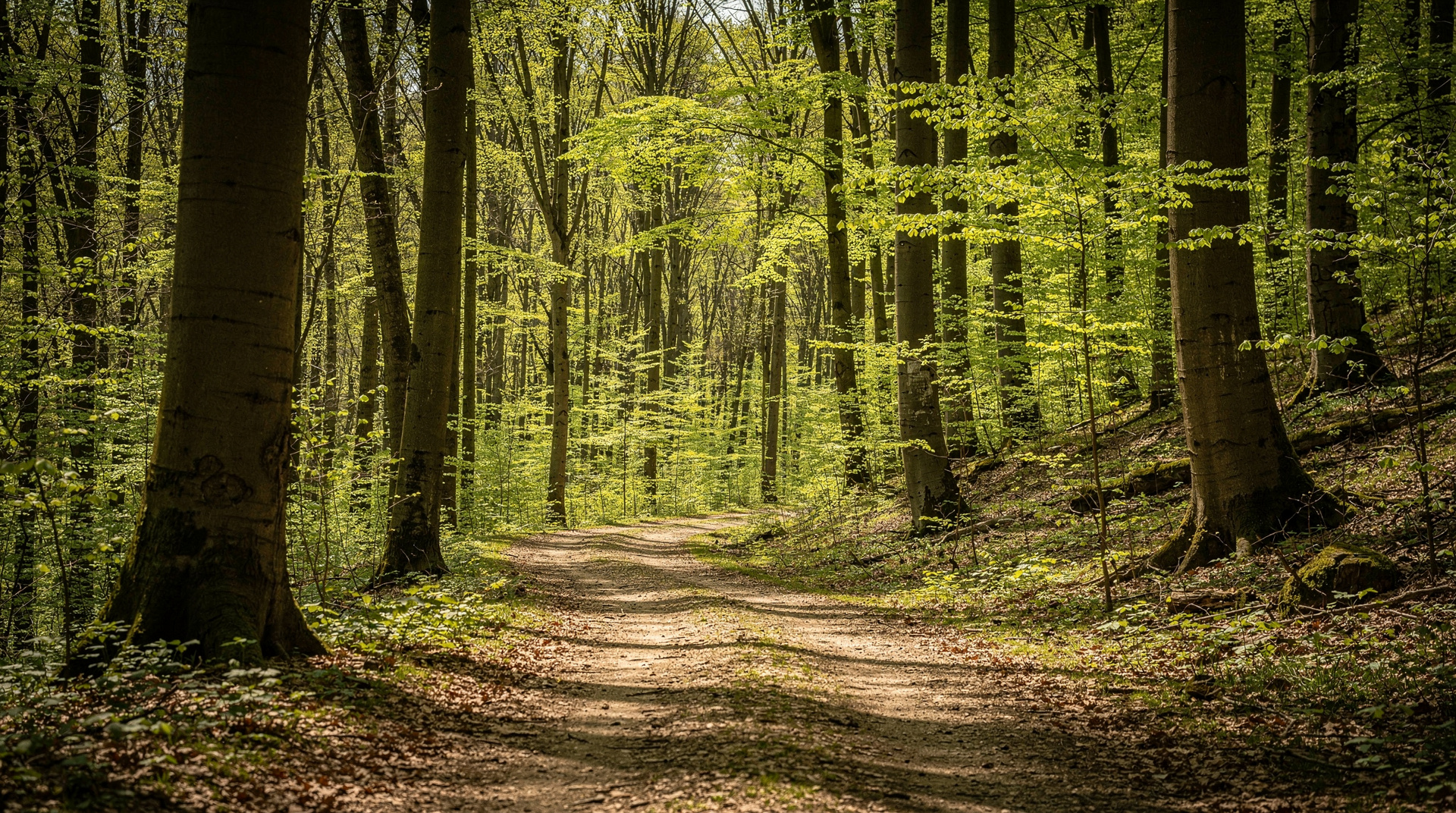
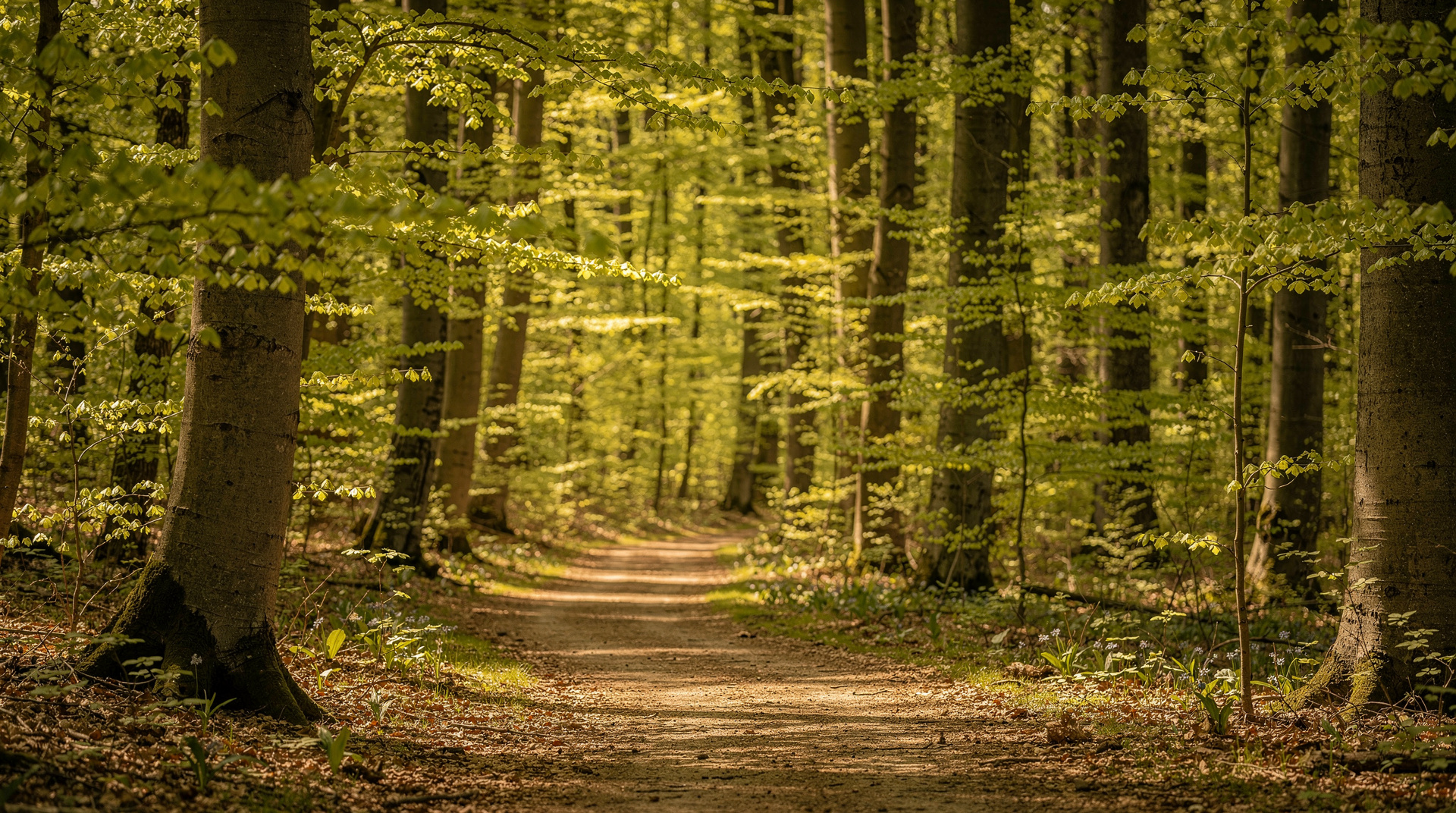
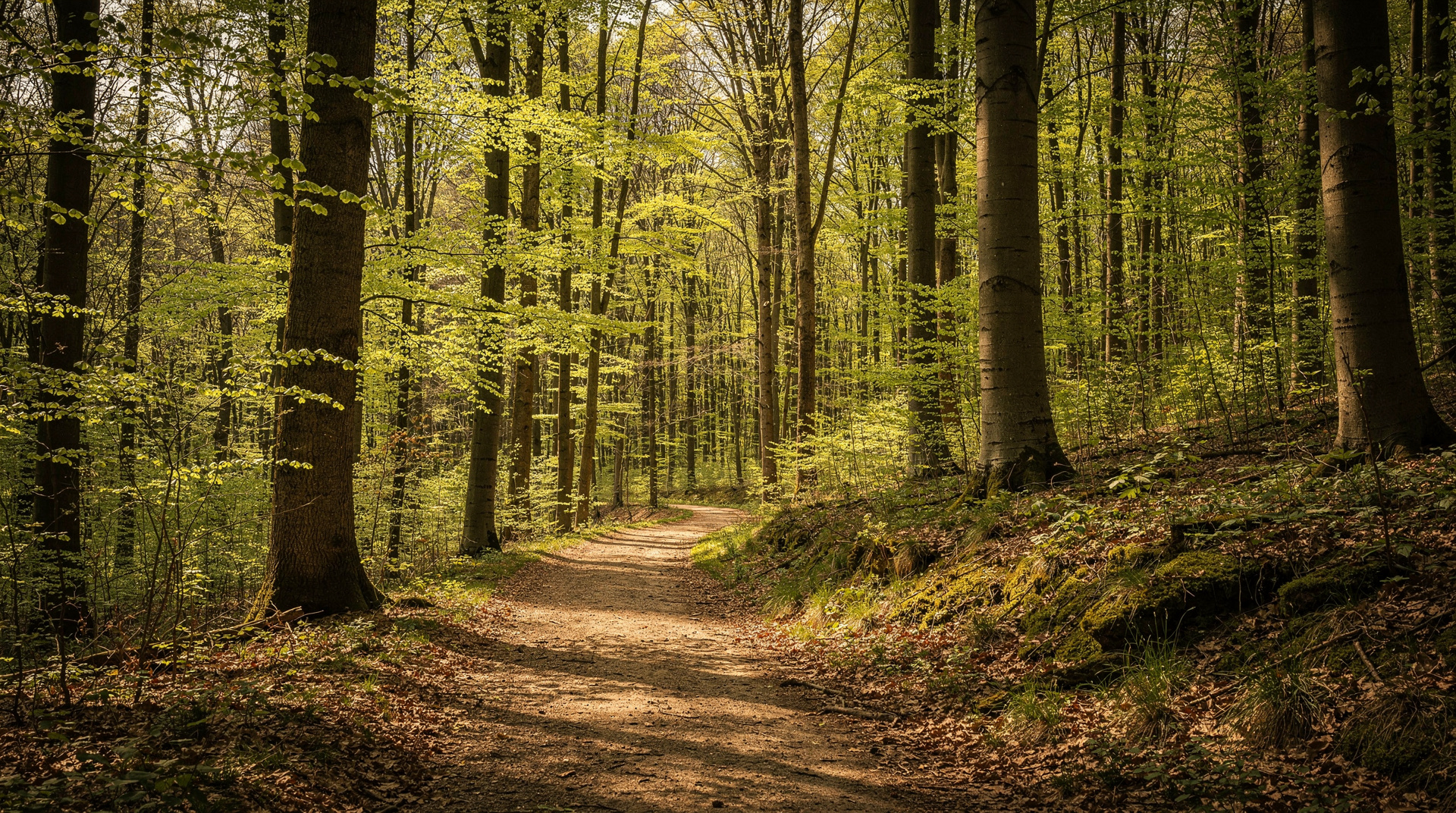
The most practical option without a car is the guided half-day tour from Vienna. By car: take the A21 motorway southwest toward Baden, then exit at Alland; Mayerling and Heiligenkreuz are both signed from the Alland junction, approximately 30–35 minutes from central Vienna. The drive through the forested Helenental valley into the Vienna Woods is itself pleasant — a gradual transition from suburban Vienna to genuine forest.
By public transport: S-Bahn S1 to Baden, then bus from the Baden Josefsplatz stop toward Heiligenkreuz (approximately 15 minutes). Mayerling is 5 km further, reachable by taxi or on foot through the forest. Bus services between Baden and Heiligenkreuz are infrequent, and the Heiligenkreuz-to-Mayerling connection is difficult without a car or taxi. For independent travellers without a car, factoring in a taxi for the Heiligenkreuz-Mayerling leg is the practical solution.
Combining with Baden and the rest of the Vienna Woods
The spa town of Baden bei Wien is on the same S1 line and makes a natural pairing for travellers doing this route independently — a coffee or lunch stop in Baden’s elegant Kurpark before or after Mayerling and Heiligenkreuz. For a broader view of the forested hills that surround both sites, the Vienna Woods destination page and the Vienna Woods day trip guide cover the wider region, including hiking options like the Kahlenberg hike for anyone who wants to extend the day with a walk rather than heading straight back to the city.
How to approach Mayerling with the right expectations
Mayerling rewards visitors who arrive with some background and leave room for quiet. There is no grand staircase, no gilded state room and no audio spectacle: the interest lies in the contrast between what happened here and how calm the place now feels. Many visitors find it helps to read about the dynasty beforehand, so that the names on the museum labels already mean something. The Franz Joseph and Sisi guide is the natural preparation, and the Sisi Museum guide shows how the imperial family itself remembered, and avoided remembering, the events.
Treat the convent as a working religious house. The chapel is a place of prayer rather than a stage set, so keep your voice low, dress modestly, and follow any guidance about photography given on site. The tone that works best is the one the museum itself adopts: respectful, factual and unsensational. If you travel with a group or a guide, agree beforehand how much time to spend in the museum, because it is easy to rush through the documents and photographs and miss the details that make the story human.
What to look for at Heiligenkreuz
The abbey rewards slow looking. On the guided tour, pay attention to how the building changes as you move through it: the plain, severe lines of the oldest parts, then the lighter pointed arches of the Gothic additions, then the exuberance of the baroque church. The monks themselves are the reason the place feels alive rather than preserved. This is a working community, not a museum, so the rhythm of prayer shapes the day and visitors are guests within it.
Spend the unguided time in the cloister rather than hurrying to the shop. The carved capitals reward a close look, and on a quiet afternoon the courtyard is among the most peaceful corners anywhere near Vienna. If you stay for the evening service, sit near the back, switch your phone off and let the chant do its work; nobody expects you to know the liturgy, only to be quiet and respectful.
Planning the half-day
Order matters on this route. Visiting Mayerling first sets the historical scene, and ending at Heiligenkreuz gives the day a calmer, more contemplative close, especially if you time your arrival for the evening service. If you prefer to see the abbey in daylight and skip the chant, the reverse order works equally well. Either way, check the tour times for Heiligenkreuz before you commit, since the interior is open to guided groups only and a missed tour cannot be made up by wandering in.
Bring layers and comfortable shoes. The Vienna Woods are cooler and damper than the city, the abbey’s stone interiors hold the cold, and both sites involve a fair amount of standing and walking. Lunch is easiest at the abbey café or in Baden, so there is no need to carry a full picnic, although a bottle of water and a snack are sensible if you plan to walk any of the forest stretch between the two sites.
If you are still deciding how this half-day fits into your trip, the Vienna Woods hiking guide suggests longer walking options, while the best day trips from Vienna guide helps you compare this circuit with bigger excursions. Visitors with a few days to spare can slot it into the Vienna 5-day itinerary or the Vienna 7-day itinerary, both of which leave breathing room for a quieter excursion outside the centre.
Who will enjoy it, and who might not
History readers, Habsburg enthusiasts and anyone drawn to monastic life will find this half-day more moving than its modest scale suggests. Photographers will enjoy the cloister light and the forest approach. Families with young children may find the guided abbey tour long and the Mayerling story heavy, so judge the mood of your group before choosing it over a lighter outing such as the Vienna with kids guide.
For readers who want more of the dynasty after this trip, the Schönbrunn Palace guide and the Belvedere Palace guide show the grander, happier face of Habsburg Vienna, a useful counterweight to the sombre story told at Mayerling. And for a lively contrast in the wider region, the Vienna Woods destination page and the Wachau valley show how varied the countryside around the capital can be.
Top experiences
Bookable activities with verified prices and instant confirmation on GetYourGuide.