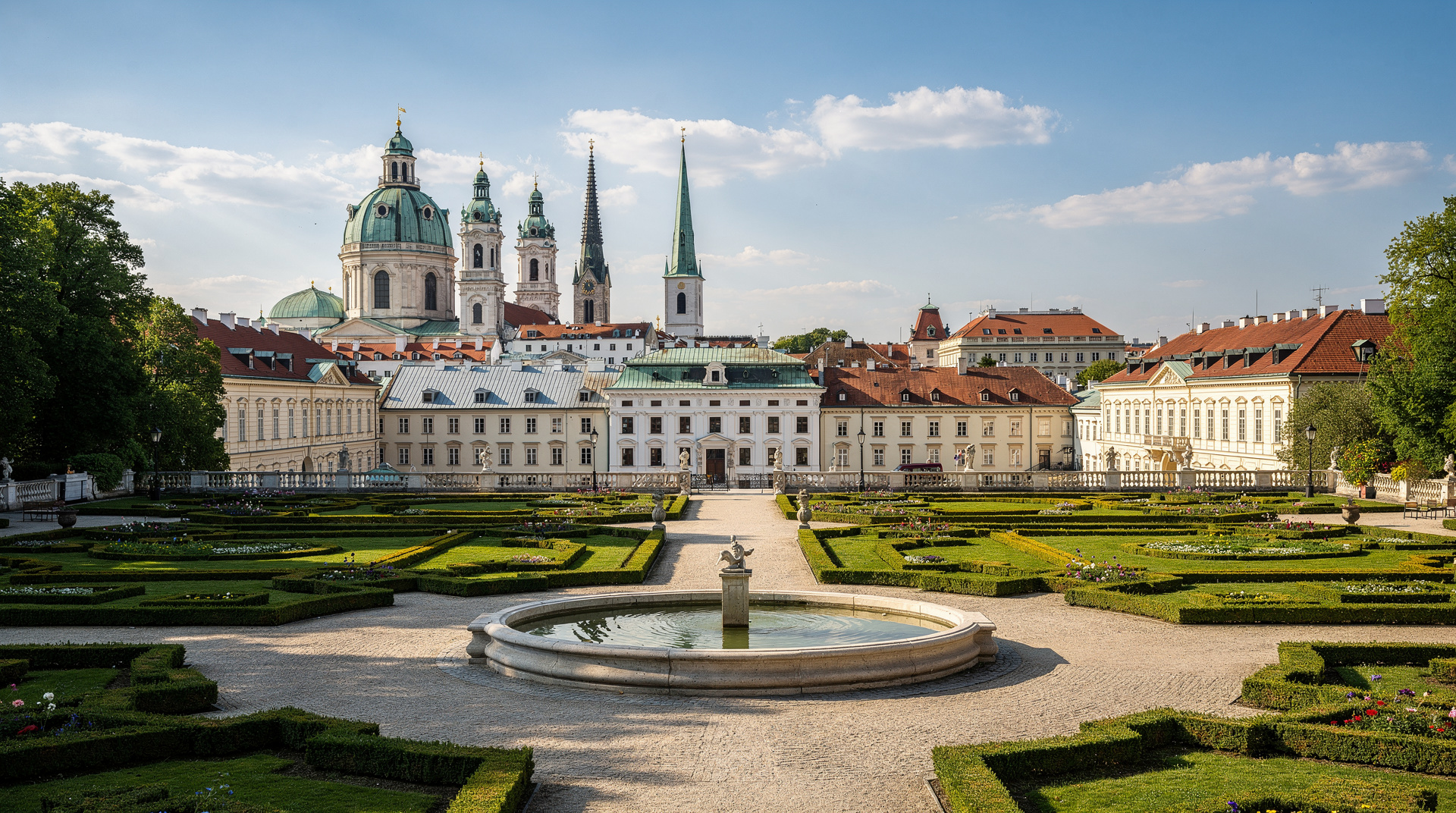
Innere Stadt
Vienna's historic 1st district: Stephansdom, the Hofburg, hidden courtyards, concert halls and honest advice on what to skip on Kärntner Strasse.
Vienna: Guided Walking Tour of City Center Highlights
Quick facts
- District
- 1st (Innere Stadt)
- Nearest U-Bahn
- Stephansplatz (U1/U3)
- Area
- 2.9 km² inside the Ring
- Key sights
- Stephansdom, Hofburg, Albertina, Musikverein
The heart of Habsburg Vienna
The Innere Stadt — Vienna’s 1st district — is the city’s original nucleus, the medieval settlement that grew into the capital of an empire. Its footprint is tiny (under 3 km²) but its cultural weight is enormous. The gothic spire of Stephansdom anchors the skyline at the centre. The Hofburg sprawls across the western quarter. The Musikverein stands at the corner of the Ringstrasse. Within a single morning’s walk you cross 800 years of European history.
A good orientation is to arrive at Stephansplatz U-Bahn, stand under the Stephansdom south tower for a moment, and then follow the Graben pedestrian street west. The Baroque plague column (Pestsäule, 1693) in the middle of the Graben marks the year Vienna lost a third of its population to the plague. At the end of the Graben, Kohlmarkt leads directly to Michaelerplatz and the Hofburg entrance.
| District | 1st (Innere Stadt), inside the Ringstrasse |
| Cost | Free to walk; Stephansdom tower around €6, Hofburg tours from around €15–25 |
| Time needed | A full day for a first visit; a rushed morning covers the essentials |
| Getting there | U-Bahn to Stephansplatz (U1/U3) |
| Best time | Weekday mornings, before the Graben fills with tour groups |
Walking the 1st district
A guided walking tour of the city centre highlights is the most efficient first move — two hours with a knowledgeable guide maps the district’s logic and leaves you with context for the rest of your visit. The Graben, Kohlmarkt, Stallburg, Josephsplatz, and the back streets between the Augustinerkirche and Burggarten repay slower exploration afterward.
The Burggarten behind the Hofburg has the famous seated Mozart statue, well worth five minutes. The Volksgarten on the northwest side of the Ringstrasse has a smaller memorial to Empress Sisi and beautiful rose gardens in June.
Stephansdom
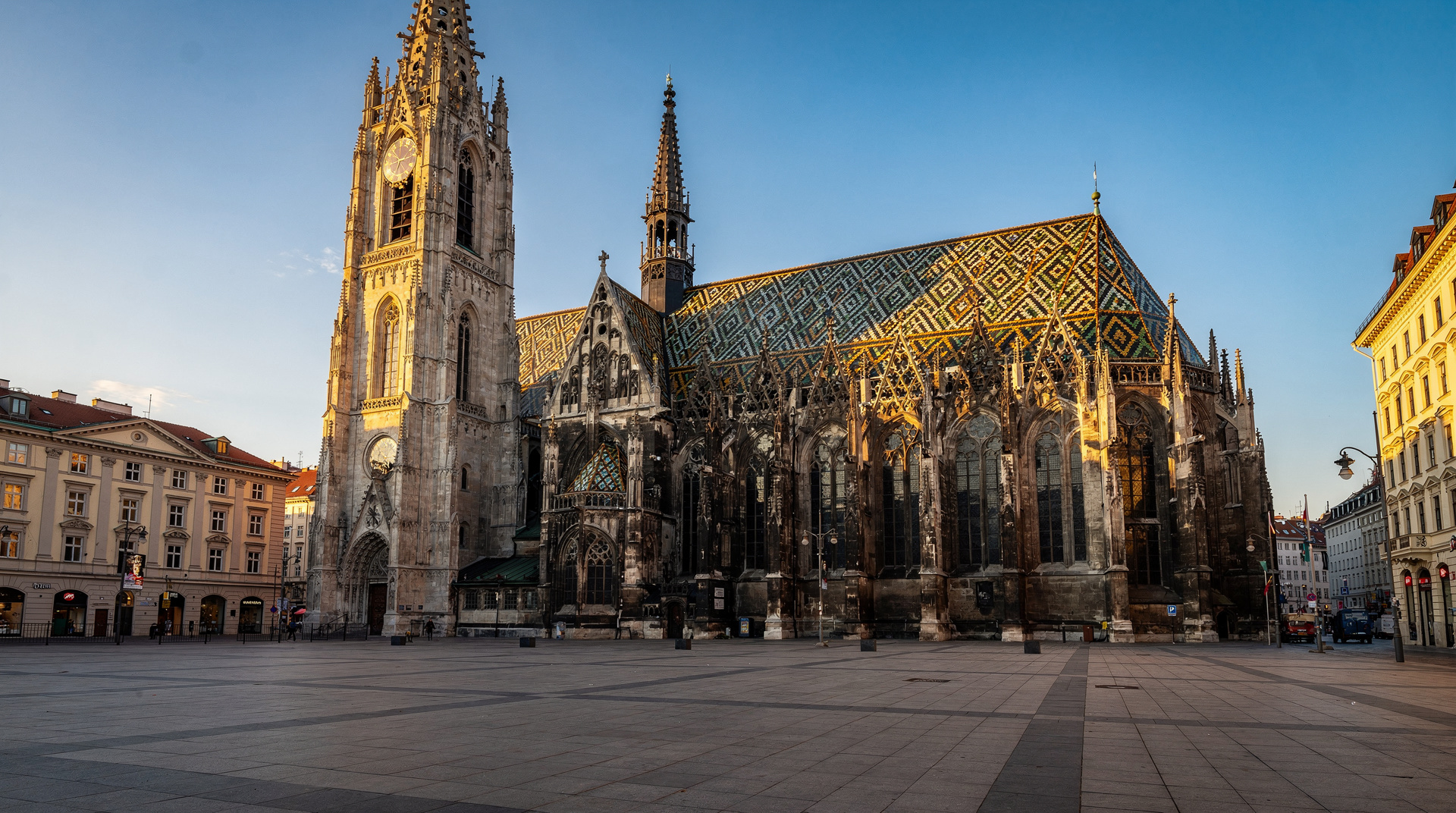
St. Stephen’s Cathedral has been Vienna’s spiritual centre since the 12th century. The gothic interior is dark and dense — the stone carvings of the choir stalls alone are worth studying. Climb the South Tower (343 steps, no lift) for the best aerial view of the Innere Stadt. The catacombs hold the innards (literally — hearts and organs) of the Habsburgs, whose bodies were taken to the Kapuzinergruft and whose hearts went to the Augustinerkirche.
Concerts take place inside Stephansdom most evenings. Unlike the tourist-pitched Mozart concerts elsewhere, the cathedral’s own concert programme features legitimate choral and orchestral works in genuinely extraordinary acoustics. The Stephansdom cathedral guide covers the tower climb, catacombs and concert schedule in more detail than fits here.
The Hofburg
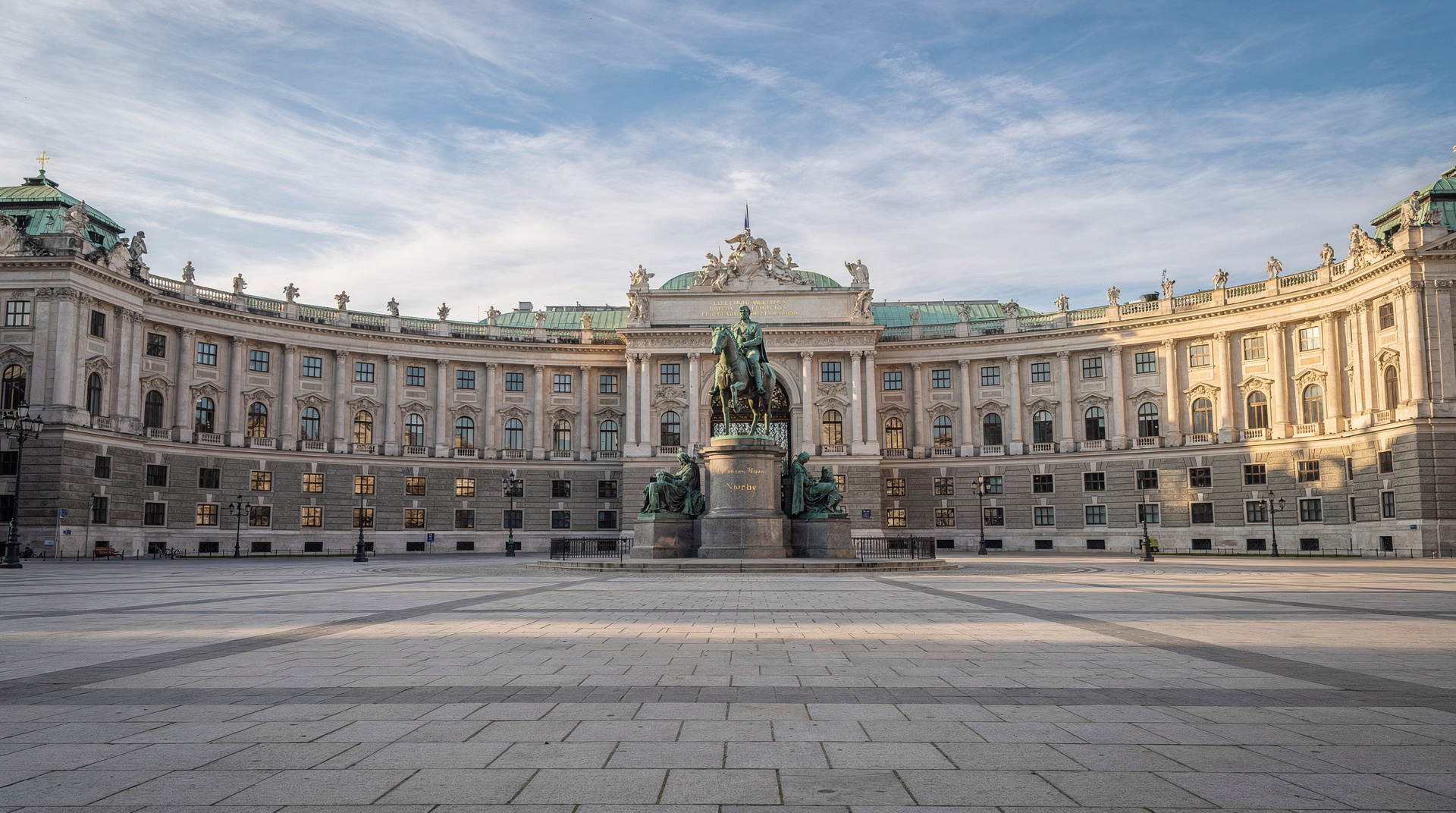
The Hofburg is not one building but a complex of palaces built over five centuries. The must-see route is the Sisi Museum (Empress Elisabeth’s apartments and personal effects), the Imperial Apartments (Franz Joseph’s spartan study, famously un-imperial), and the Imperial Silver Collection (a staggering display of Habsburg table settings).
A guided Hofburg and Sisi Museum tour turns the crowded halls into a coherent story. On your own, the audio guide is adequate, but the context of why Elisabeth’s apartments are so spare compared to Franz Joseph’s formal rooms is lost without explanation.
The Imperial Treasury (Schatzkammer) is in a separate building within the Hofburg and requires a separate ticket. It houses the Habsburg crown jewels including the Imperial Crown of the Holy Roman Empire (10th century), one of the most powerful objects in European history. Allow 1–1.5 hours.
Book the Sisi Museum, Imperial Apartments and Hofburg combined ticket to avoid separate queues at each entrance. The Hofburg palace guide has the fuller room-by-room breakdown if you want to plan exactly where to spend your time.
The Spanish Riding School
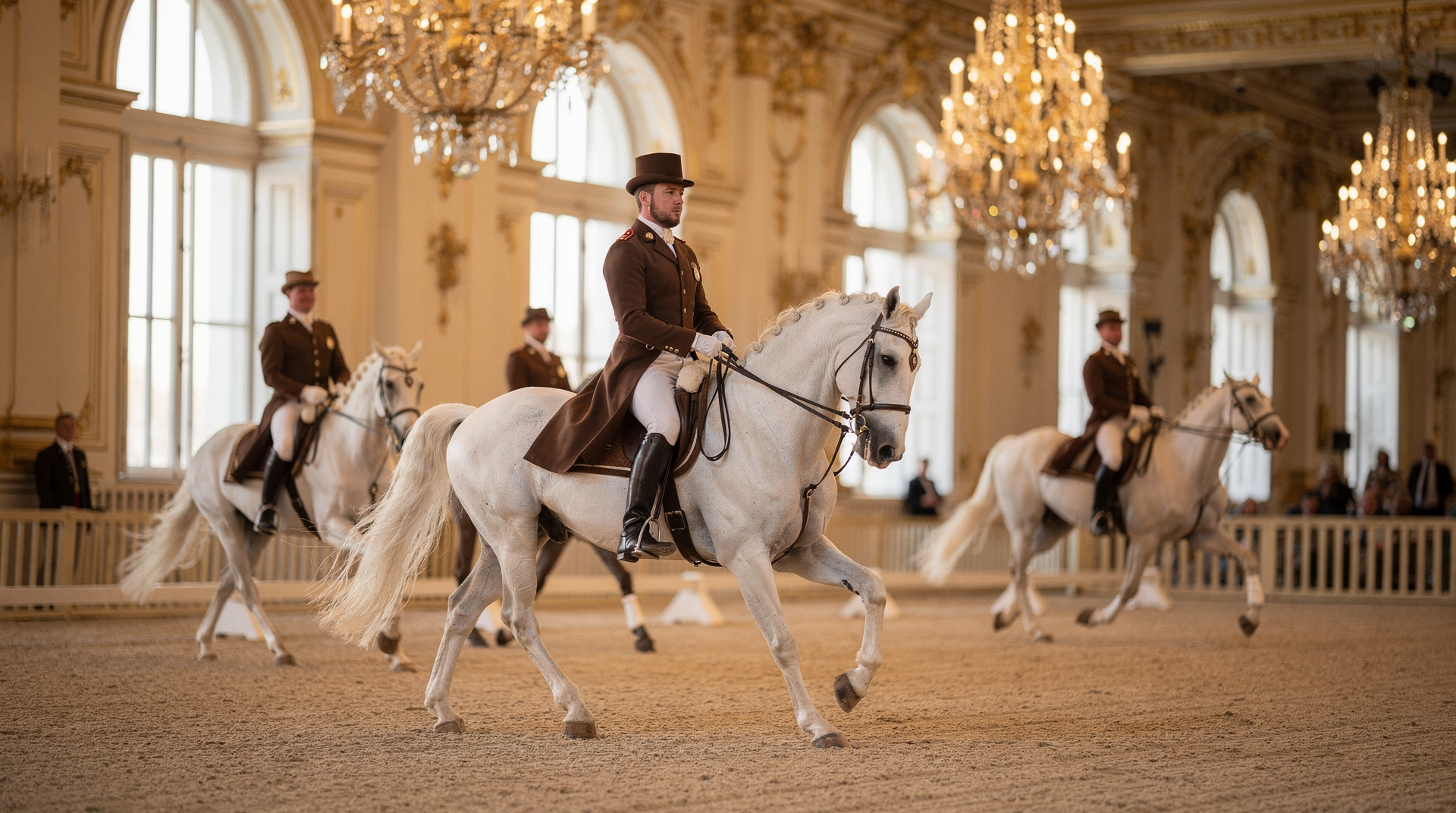
The Hofburg’s Spanish Riding School — where white Lipizzaner horses perform choreographed classical dressage — is one of Vienna’s most distinctive experiences. Performances take place on a regular schedule from September to June. The school is closed in July and August, when the Lipizzaners spend summer at the Piber stud farm in Styria. Do not show up in August expecting a performance — check the schedule before booking.
Morning training sessions (roughly 10:00–12:00 on weekdays when no performance is scheduled) are an affordable way to see the horses working without paying full performance prices. See the Spanish Riding School guide for current schedule and ticket options, and the is it worth it guide for an honest comparison of the training session versus the full performance.
The Albertina and Albertina Modern
The Albertina museum at the southwest corner of the Hofburg holds one of the world’s great graphic art collections — Dürer’s “Hare,” Raphael drawings, the entire history of Western draughtsmanship from the 14th century onward. It also hosts major temporary exhibitions (Monet, Picasso, Impressionists) that rotate every few months.
Albertina Modern in the 4th district is the contemporary counterpart, focusing on post-1945 art in an airy former cinema building. The two museums are covered under the same brand but require separate tickets. See the Albertina museum guide and the Albertina Modern guide for what each collection actually holds before deciding which (or both) to visit.
Concerts and music venues
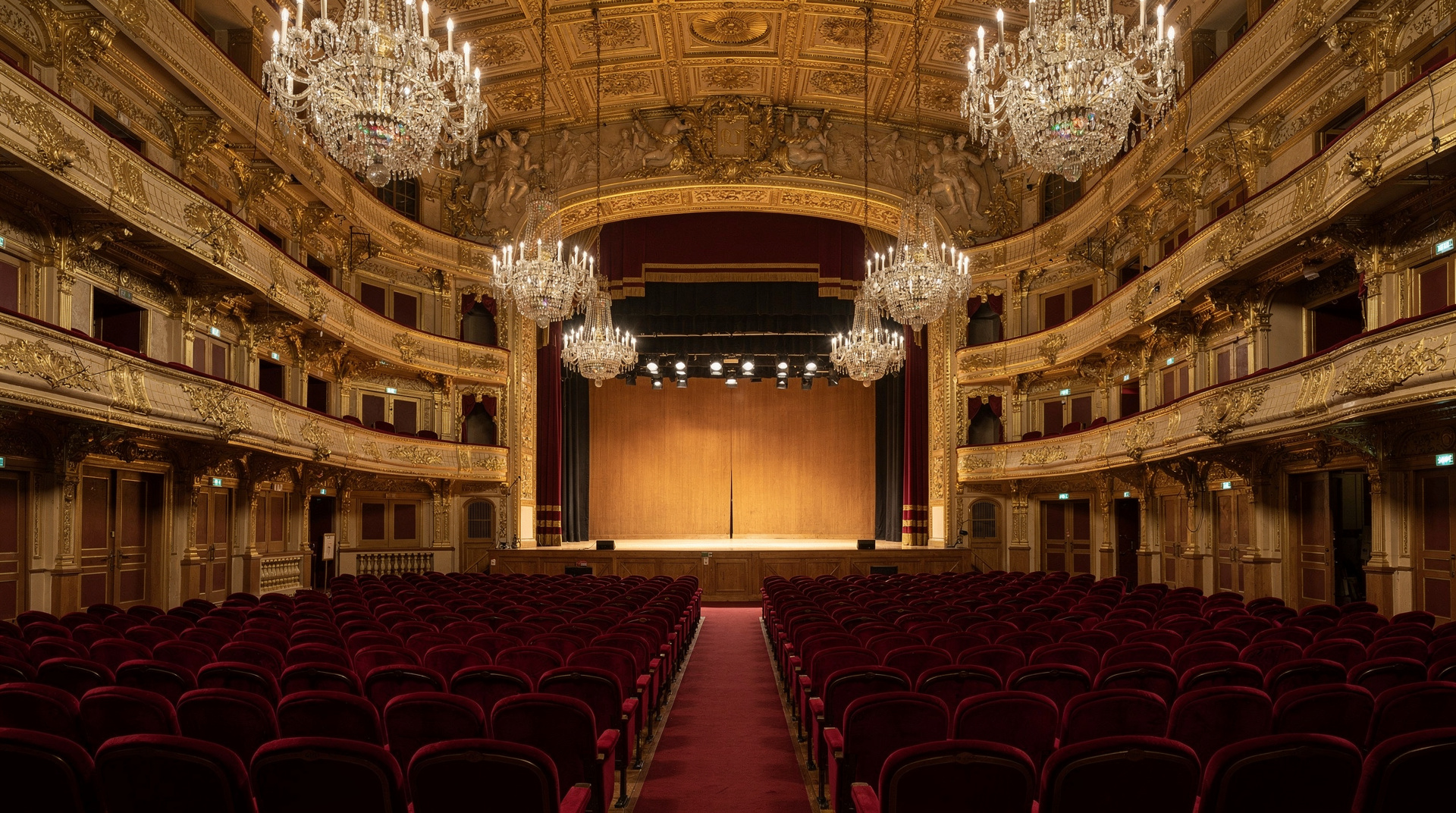
The Musikverein on Dumbastrasse is the home of the Vienna Philharmonic and the venue for the annual New Year’s Concert (broadcast to 90 countries). Its Golden Hall is widely considered the finest concert hall for orchestral music in the world. Tourist-programme concerts here (45–70€) genuinely take place in this hall — unlike some competitor venues that use the Musikverein name loosely. The classical vs touristic concerts guide explains how to tell a genuine Musikverein or Konzerthaus programme from a costume-and-wig tourist show elsewhere in the district.
The Mozarthaus on Domgasse is the only surviving Vienna apartment where Mozart actually lived (1784–1787), where he composed “The Marriage of Figaro.” The house museum includes an audio guide and temporary exhibitions.
The Haus der Musik on Seilerstätte is a sound museum — interactive, well-designed for both adults and children, covering the physics of music and Vienna’s musical heritage. Expect 2 hours.
What to eat in the 1st district
The Innere Stadt has both the best and worst eating options in Vienna. On Kärntner Strasse and Graben, restaurants target tourist footfall with mediocre food at premium prices. One street back, the choice improves dramatically.
Café Demel on Kohlmarkt is the imperial confectionery — pastries, Sachertorte (the rival recipe to Hotel Sacher’s), and breakfast in a gilded room where the Empress Sisi allegedly bought violets. Worth the splurge for coffee and cake.
Plachutta on Wollzeile is Vienna’s most respected Tafelspitz (boiled beef) restaurant. The dish — an imperial staple — is properly served here with three accompaniments: apple-horseradish, chive sauce, and creamed spinach.
Zur Herzogin in the narrow streets near the Augustinerkirche is small, untouristy, and serves excellent Austrian lunch specials. Café Diglas on Fleischmarkt is an old Kaffeehaus that avoids the tourist trail.
Coffee houses and pastry stops
The Innere Stadt is the natural place to meet the Viennese coffee house, a tradition that rewards patience more than any sight on the list. You order one coffee, you keep the table as long as you like, and nobody hurries you. The Viennese coffee house guide explains the rhythm of the room, and the coffee house etiquette guide covers the small habits, such as the glass of water that arrives with the cup and why you should not ask for the bill too early.
If you cannot decide where to sit, the Café Central vs Landtmann vs Sacher comparison lays out the character of the three most famous rooms. Those with a sweet tooth will find the Sachertorte guide useful before queueing anywhere, and the Vienna pastry tour guide suggests how to string several stops together on foot. The simplest rule is the one used for restaurants: the further you are from the Graben, the better the cup tends to be.
A suggested day in the 1st district
For a first visit, the district works best as a loop that starts and ends near Stephansplatz, so the U-Bahn is never far away. Begin early at the cathedral, while the nave is quiet and the light from the windows is at its best. Decide on the spot whether the tower climb is worth your energy; if the queue is long or your legs are tired, the interior alone is already a rewarding visit.
From there, walk west along the Graben and Kohlmarkt, taking your time over the shop windows and the side courtyards that open off the main street. Reach Michaelerplatz and choose one Hofburg museum rather than three. This is the point where most visitors overreach: the palace complex is large, the rooms are crowded, and a single well-chosen visit is more memorable than a blur of all of them. Pick the Sisi Museum and Imperial Apartments if you care about the people, or the Treasury if you care about the objects.
Lunch is best taken one street away from the main route, then the afternoon can go to a gentler pace: the Burggarten, the Albertina, or a coffee house. If you are building a longer trip around this district, the 3-day Vienna itinerary and the Vienna weekend itinerary show where the 1st district fits among the other major sights, and the classical music itinerary builds an entire trip around the concert halls described above.
Evenings in the centre
The district changes character after the shops close. The tour groups thin out, the cathedral and the Hofburg facades are lit, and the narrow lanes around Domgasse feel much closer to the old city than they do at midday. An evening here usually means one of three things: a concert, a long dinner, or simply a walk.
For concerts, the Musikverein concerts guide and the Vienna State Opera guide explain what the two grandest venues offer and how to approach booking. The Mozarthaus concert guide is worth reading if the idea of hearing Mozart close to where he lived appeals to you. Be wary of anyone in period costume handing out leaflets near the opera and the Albertina; the Mozart impersonator concert trap guide explains why, and the Vienna tourist traps guide gathers the other common pitfalls of the centre in one place.
Practical tips for visiting
- Go early, or go late. The pedestrian streets are at their best at the start and the end of the day. Midday on the Graben is the least pleasant moment to be there.
- Wear comfortable shoes. The cobbles are charming but unforgiving, and a full day in the district is mostly on foot.
- Mix paid and free. Walking the streets, entering courtyards and watching the square in front of the cathedral cost nothing. Spend your money on the one or two interiors you really care about.
- Check opening days. Museums and venues keep their own schedules, and seasonal closures such as the summer break at the riding school catch many visitors out. The best time to visit Vienna guide helps you match the season to what you want to see.
- Plan your passes carefully. If you are tempted by a sightseeing card, the Vienna Pass review and the Vienna City Card review help you judge whether it matches the few attractions you actually intend to visit.
Reading the district through its history
The layout of the Innere Stadt is itself a historical document. The irregular lanes follow the medieval settlement, the squares mark former markets and churches, and the Ringstrasse that frames everything stands where the fortifications once did. Walking the district with this in mind turns it from a list of sights into a story, and the Habsburg history for travelers guide gives the background that makes the palaces and monuments easier to place. The Franz Joseph and Sisi guide adds the human side, which is exactly what the Hofburg apartments try to convey, and the Ringstrasse architecture walk is a good follow-up once you have finished the old core.
If you enjoy reading a visit from a traveller’s point of view rather than a guidebook’s, the first time in Vienna trip report and the why visit Vienna essay both describe how the centre feels on a first encounter.
Getting around
Everything in the Innere Stadt is within 20 minutes’ walk. The U1 and U3 lines intersect at Stephansplatz; U3 continues west to the Volkstheater and Museumsquartier. The Ring trams (1 and D) circle the outside of the district and connect to the Belvedere and the Prater.
Cycling within the Innere Stadt is permitted but the streets are narrow and cobbled — practical for crossing but not scenic.
Beyond the Innere Stadt
Once the 1st district is covered, the logical next moves radiate outward along the Ringstrasse, the grand 19th-century boulevard that replaced the old city walls and now rings the historic centre with monumental buildings — the Rathaus, Parliament, and the twin museums on Maria-Theresien-Platz among them. For an overview of how the Innere Stadt fits into a wider Vienna trip, the Vienna destination page and the how many days in Vienna guide both help with pacing a first-time itinerary.
Top experiences
Bookable activities with verified prices and instant confirmation on GetYourGuide.