Wachau Danube cruise guide: the complete 2026 planning guide
Vienna: Wachau Valley, Melk Abbey Tour with Danube Boat Trip
What is the Wachau Danube cruise?
The Wachau cruise is the boat journey through the UNESCO Wachau Valley between Melk and Krems — 36 km of the Danube lined with vineyards, medieval castle ruins and Baroque abbeys. The DDSG Blue Danube boat takes about 1h45 downstream (Melk to Krems) and 3h15 upstream. Most visitors combine it with a visit to Melk Abbey and a train back from Krems.
The Wachau: the finest river cruise in Central Europe
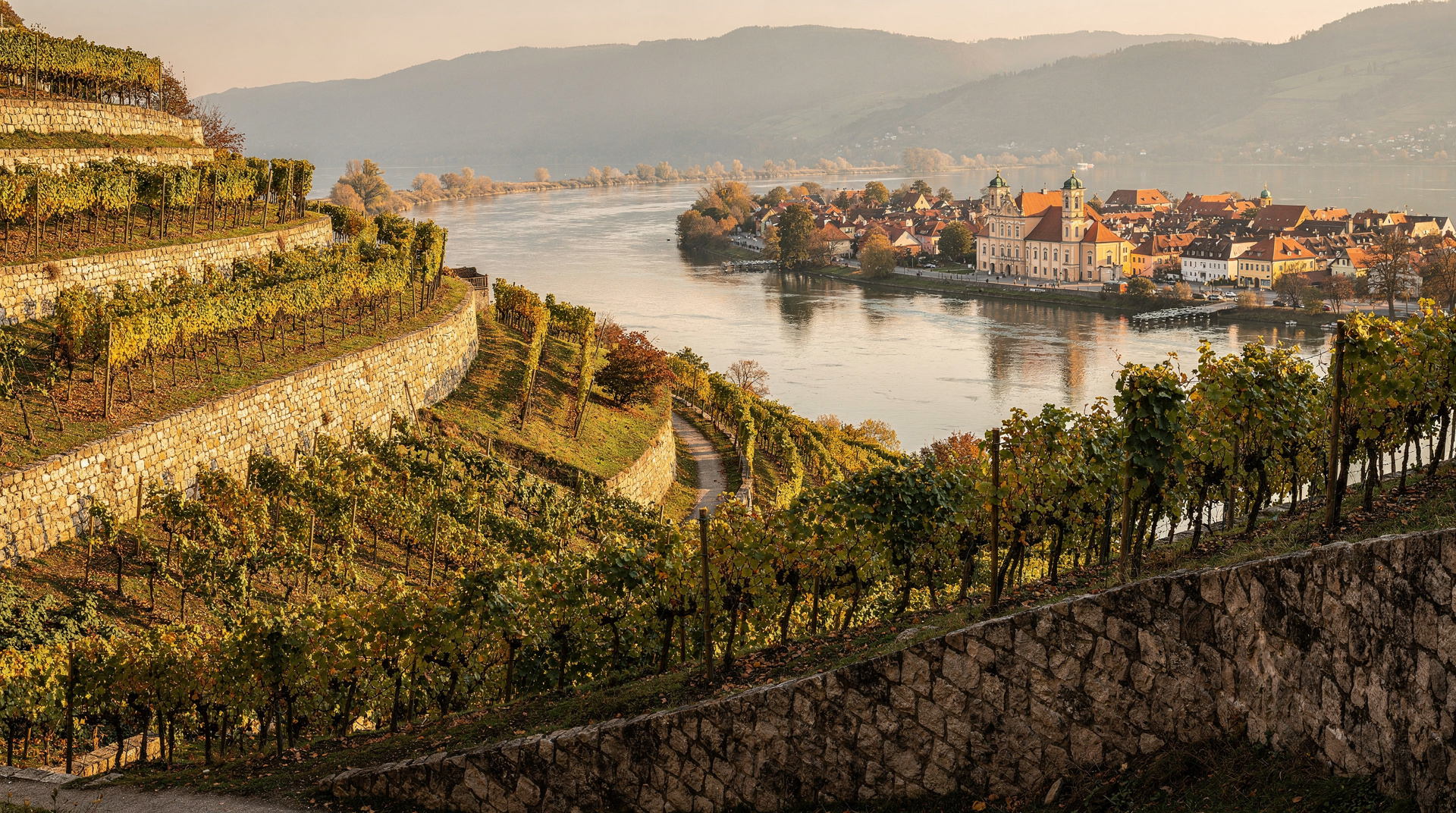
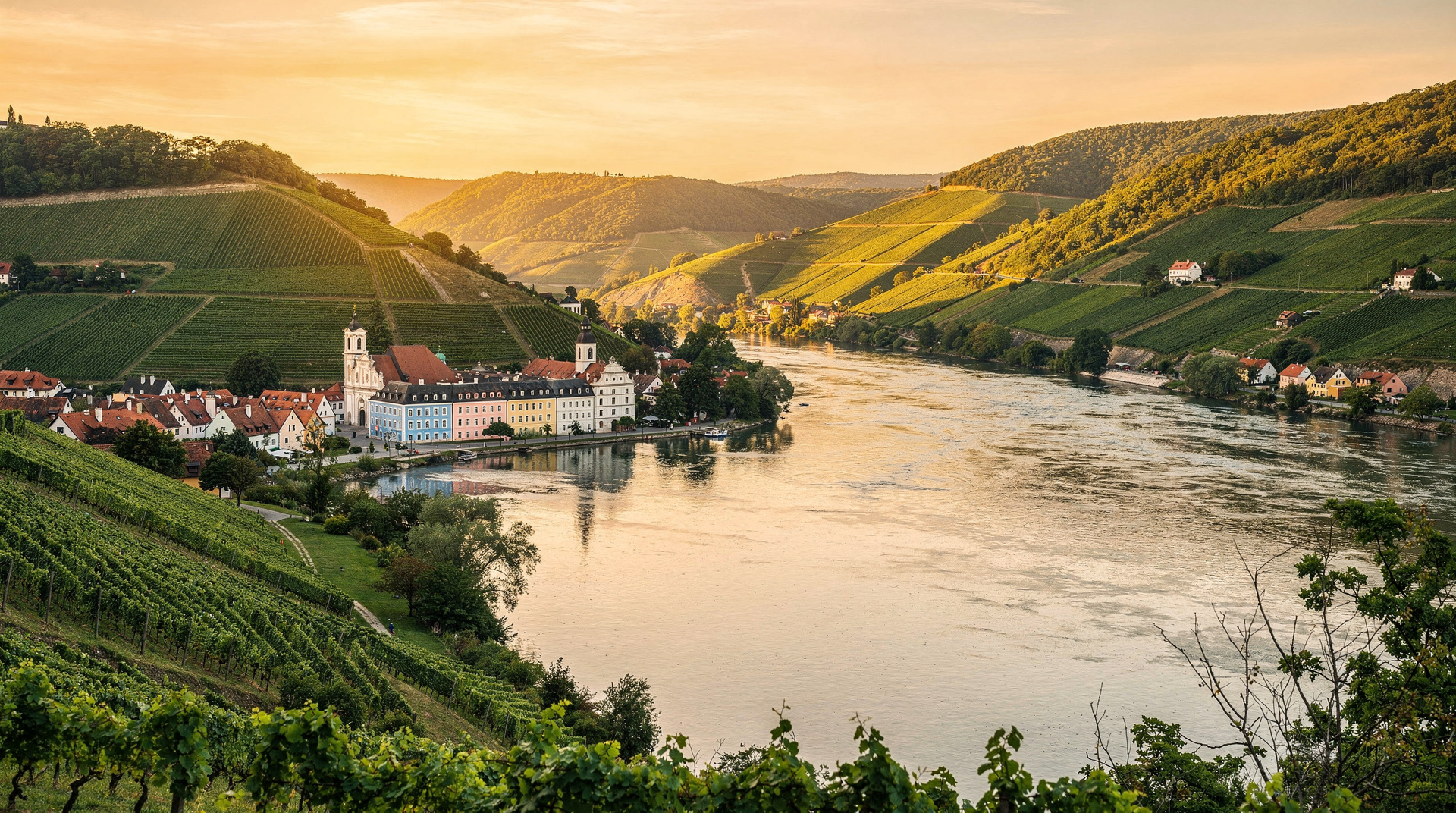
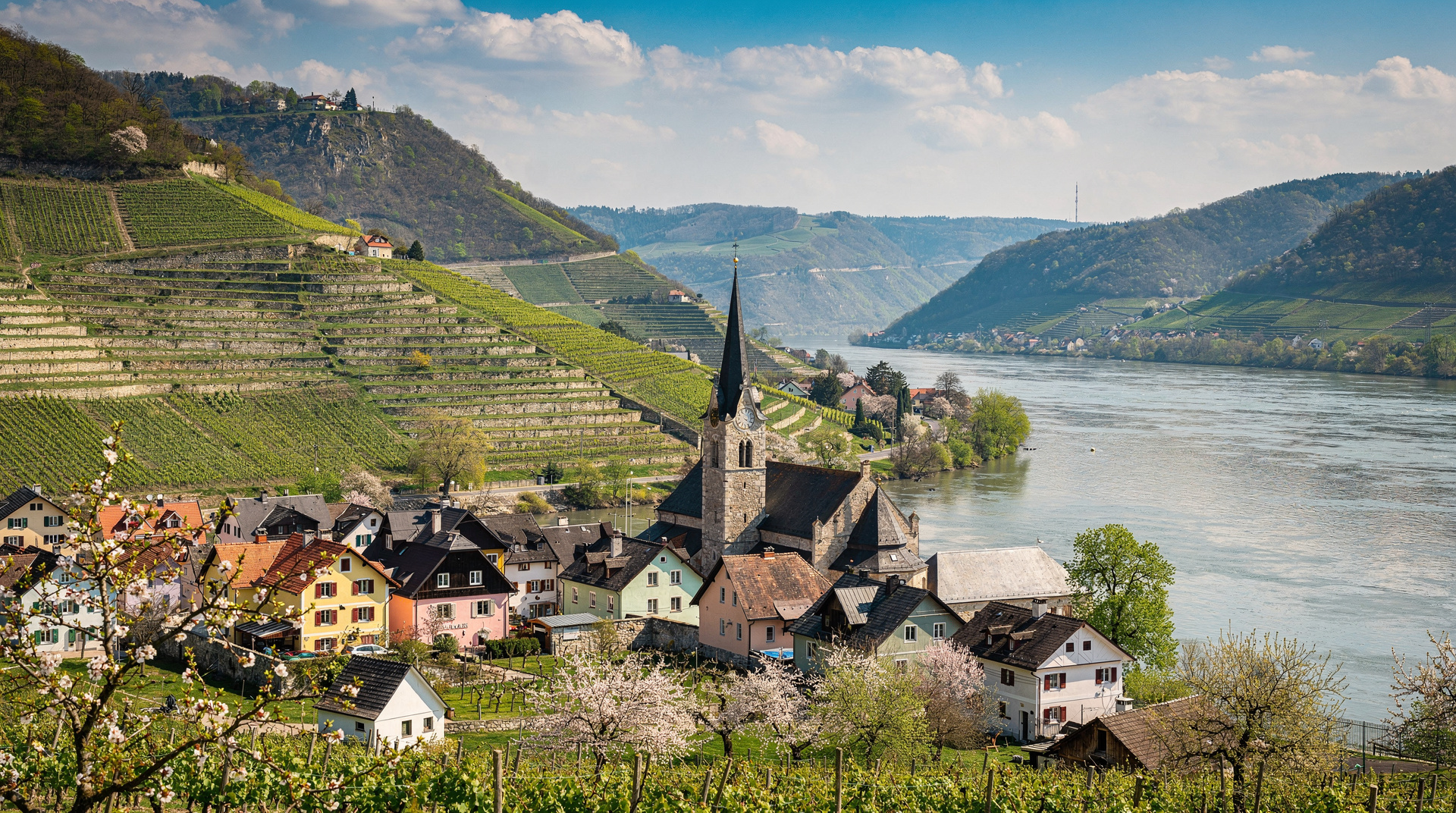
The section of the Danube between Melk and Krems — 36 kilometres known as the Wachau — is the most celebrated stretch of the river in Austria and arguably the most beautiful river landscape in Central Europe. In 2000, UNESCO inscribed the Wachau Cultural Landscape as a World Heritage site, recognising the accumulation of prehistoric settlement evidence, medieval architecture, Baroque abbeys and centuries-old viticulture along both banks.
For most visitors, the Wachau is experienced by boat — the DDSG Blue Danube passenger service that winds downstream through the gorge, past ruined castles on the clifftops, through wine villages clinging to the valley sides, with the limestone bluffs above and the vineyards reflecting in the river below. This is one of the experiences that justifies a visit to Vienna regardless of any other reason for coming.
This guide covers the Wachau cruise from a planning perspective — the routes, operators, seasonal timing, what to see at each stop, and how to fit the cruise into the broader Wachau day trip.
| Where | Melk to Krems, 36 km of the Danube (Lower Austria) |
| Cost | around €30–40 one-way boat ticket, plus abbey entry |
| Time needed | 1h45 downstream; 3h15 upstream |
| Season | April–October only |
| Booking | Reserve ahead in July–August and weekends |
The main route: Melk to Krems (downstream)
The standard Wachau cruise runs downstream from Melk to Krems — with the current behind the boat. Journey time: approximately 1h45. This is the direction almost all day-trippers use, for two reasons: it is faster, and combining it with a morning visit to Melk Abbey (at the western entrance to the valley) and ending in Krems (with its own old town and excellent Heurigen wine taverns) creates a natural day-trip arc.
What you see in sequence
Schönbühel an der Donau (15 minutes from Melk): A small castle on a rocky promontory above the south bank — privately owned, not open to visitors, but visually arresting as the first medieval silhouette of the cruise.
Aggstein castle ruin (30 minutes from Melk): The most dramatically situated ruin in the Wachau. Aggstein Fortress stands on a narrow rocky ridge 300 metres above the Danube on the south bank. First documented in 1149, it was expanded by the lords of Kuenring (the “robber barons” of the Wachau, who extracted tolls from passing river traffic) in the 13th and 14th centuries. The ruin is extensive and can be visited on foot from the village of Aggsbach Dorf below, though this requires getting off the boat and arranging separate transport.
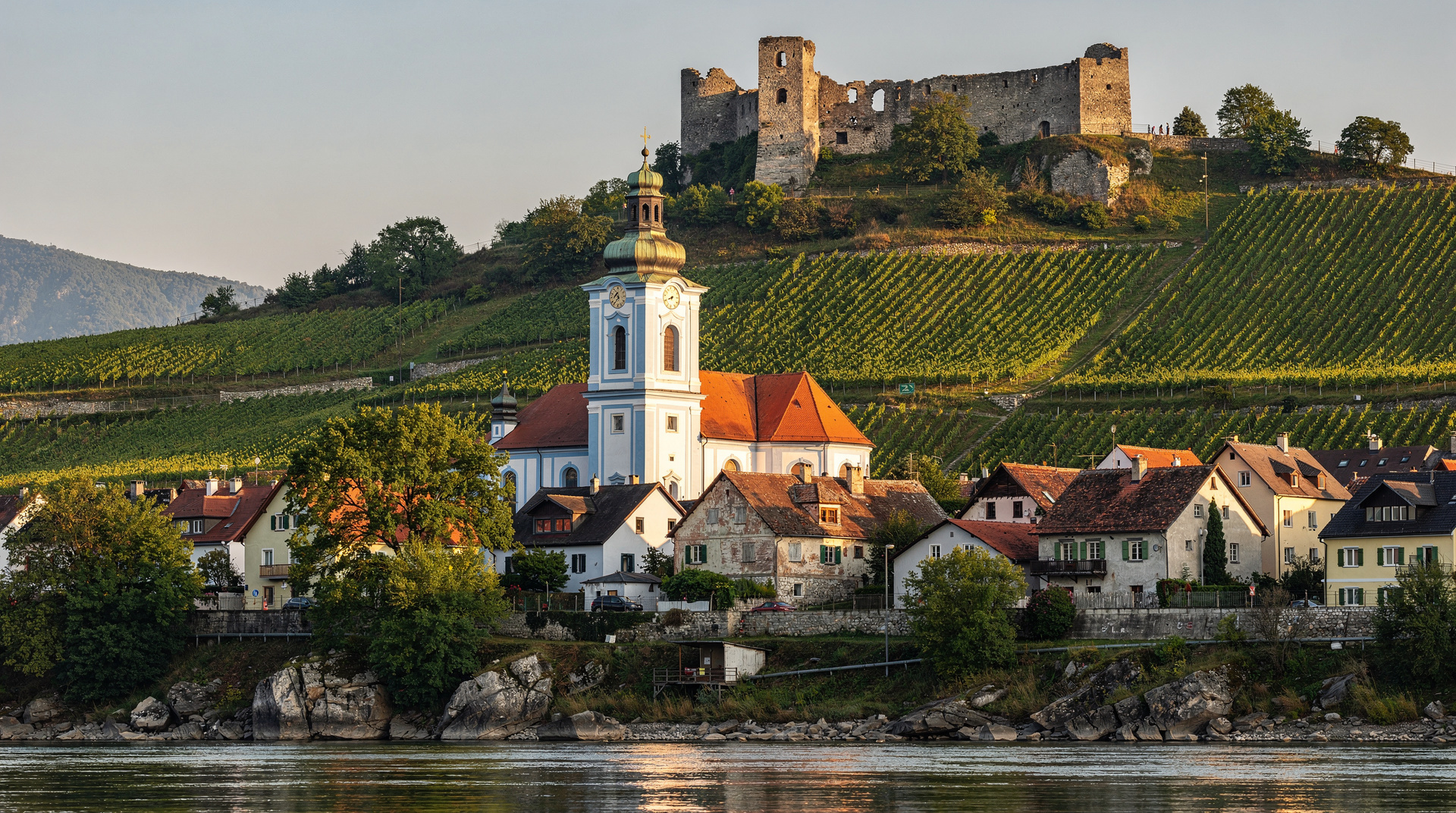
Spitz an der Donau (45 minutes from Melk): A wine village in the broadest part of the Wachau. The distinctive twin-towered parish church (Pfarrkirche) and the Hinterhaus castle ruin above the village are visible from the water. The local wine — the “Tausendeimerberg” (Thousand Bucket Hill) — is one of the Wachau’s best-known red wines by name.
Weissenkirchen (55 minutes from Melk): The main wine village of the Wachau, with the Romanesque-Gothic Parish Church of the Assumption rising above the terraced vineyards. The Wachau Museum (Teisenhoferhof) has local history exhibitions. The town’s wine cooperative produces some of the Wachau’s finest Grüner Veltliner.
Dürnstein stop (1h15 from Melk): Most services make a 30-minute stop here — the most visited village in the Wachau and the one most visitors are most eager to see.
Krems an der Donau (1h45 from Melk): The endpoint, a proper medieval city with a long Landstraße main street, several excellent restaurants and Heurigen, and the Kunstmeile Krems contemporary art cluster.
Dürnstein: the essential stop
Dürnstein is famous for two things: the powder-blue and white Augustinian priory church (Stiftskirche, the most photographed building in the Wachau) and the ruined castle above the village where the English king Richard I (the Lionheart) was held prisoner from December 1192 to February 1193.
The Richard the Lionheart story
Returning from the Third Crusade, Richard was captured by Duke Leopold V of Austria on 25 December 1192. The dispute between the two men stemmed from a conflict at the siege of Acre, where Richard is said to have had Leopold’s standard torn down from a captured fortification. Leopold imprisoned Richard in Dürnstein Castle — the specific room is not identified in the sources, though legend elaborates the circumstances considerably (including the story of the troubadour Blondel finding the imprisoned king by singing their shared song below the castle walls).
Richard was held for 13 months before his ransom was paid — 150,000 marks of silver (roughly three times the annual income of the English crown). The money came partly from a special tax levied in England; the rest from Austrian barons and Italian city-states. Austria used part of the ransom to found the city of Wiener Neustadt and to complete Vienna’s first proper city wall.
What to see in the 30-minute stop
The church exterior is visible immediately from the boat landing. Walk up Hauptstraße (5 minutes) to the church facade and the village square. The castle ruin requires a 20-minute climb on a marked path; this is too much for the 30-minute stop but easy to combine if you arrive by your own transport or get off the boat and rejoin a later service.
If you want to visit Dürnstein properly: Consider getting off the boat at Dürnstein, spending 1.5–2 hours in the village and castle ruin, then continuing to Krems by the next boat (check the schedule — services run every 1–2 hours in season).
Cruise-only vs the full Wachau day trip
This guide focuses specifically on the boat journey. If you want the fuller picture — how the cruise fits into a complete day from Vienna including transport logistics and a suggested itinerary — see the Wachau Valley day trip from Vienna guide.
For a narrower focus purely on the boat leg between the two towns without the wider planning context, the Melk to Krems boat trip guide covers the same route with more detail on ticketing specifics. And if the Danube itself — rather than just the Wachau stretch — is your interest, the Danube river cruise Vienna guide covers the city-based cruise options as a separate, shorter alternative.
Organised tours vs. independent travel
Independent (train + boat + train)
Train Wien Westbahnhof → Melk (1h15), visit Melk Abbey (1.5–2h), DDSG boat Melk → Krems (1h45), explore Krems (1–2h), train Krems → Wien Franz-Josefs-Bahnhof (1h). Total day: 8–9 hours.
Download the DDSG schedule from ddsg-blue-danube.at before travelling — specific departure times matter and a missed boat in Melk means waiting 2 hours for the next.
Organised tour (recommended for most visitors)
Organised tours from Vienna handle the bus from Vienna to Melk (skipping the train connection), include a guide for the abbey visit and boat journey, and return from Krems.
Vienna: Wachau Valley and Melk Abbey tour with Danube boat tripFor visitors who want a general Wachau day tour without the boat focus:
Vienna: day tour to Wachau ValleyThe cruise upstream: Krems to Melk
The upstream cruise (Krems to Melk) takes 3h15 — nearly twice as long as the downstream direction, against the river current. The scenery is the same in reverse. This direction suits visitors staying in Krems who want to travel to Melk by boat; most day-trippers from Vienna prefer the downstream direction.
What to pack for the cruise
The exposed deck rewards a bit of preparation: a hat and sunscreen even on cloudy days (river glare is real), a light jacket for the breeze once the boat is moving, and binoculars if you want a closer look at the Aggstein ruin or the details of Dürnstein’s blue church tower from the water. Bring cash in small denominations for the onboard bar — card acceptance can be inconsistent depending on the vessel. If you plan to disembark at Dürnstein and rejoin a later service, check the timetable before boarding so you know exactly how long you have before the next boat.
Wine on the cruise
The DDSG boats have a bar serving Wachau wines by the glass — Grüner Veltliner and Riesling from local producers. This is a pleasant way to drink the wine of the region while looking at the vineyards where it was grown. Prices are above cellar-door rates but within reason for a tourist boat.
The serious wine tasting happens at the endpoint: Krems has several excellent Heurigen (wine taverns) within 10 minutes’ walk of the boat landing. The Wachau wine route guide covers the best producers and the Wachau wine classification system.
Melk Abbey and Krems: what bookends the cruise
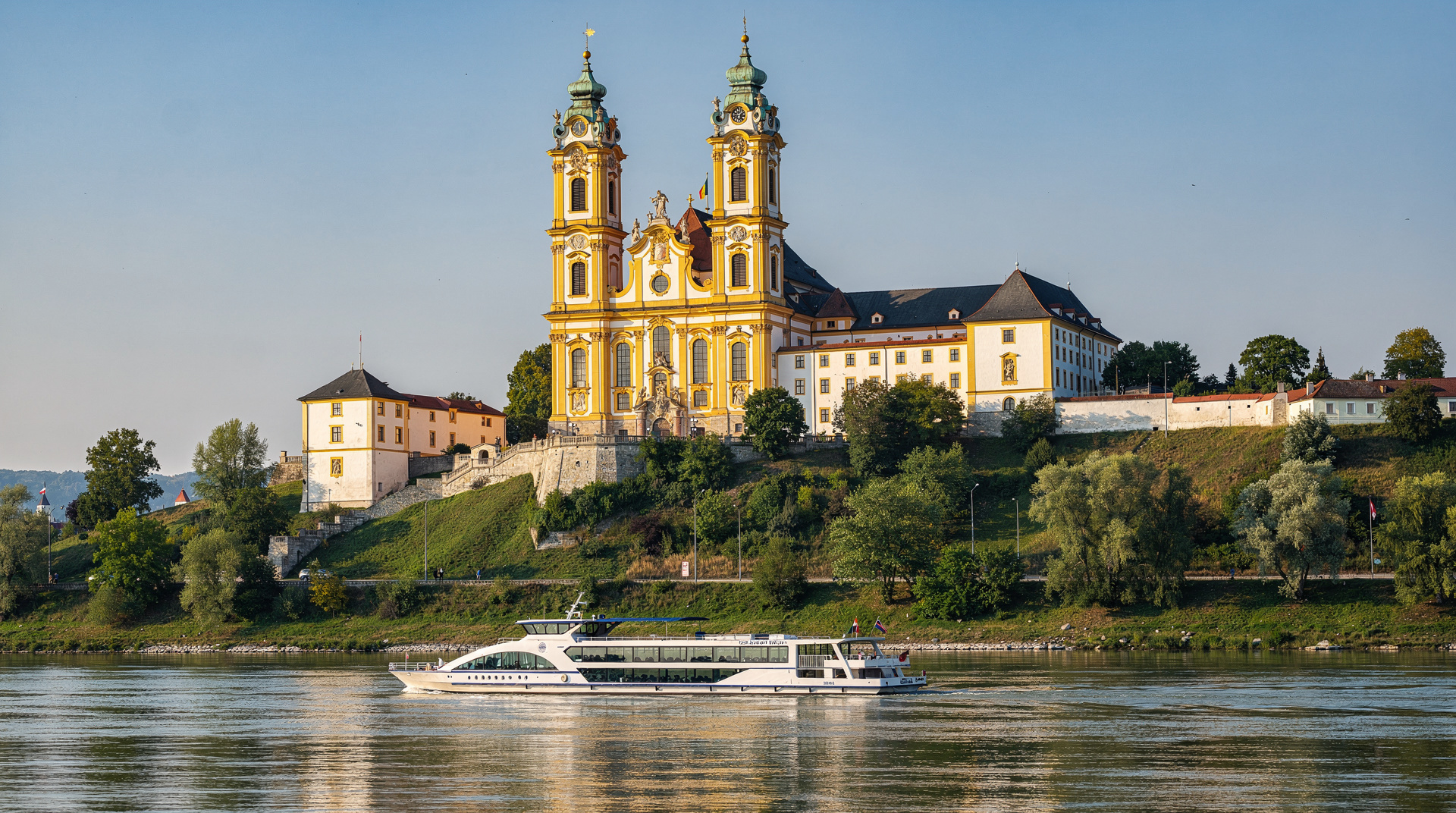
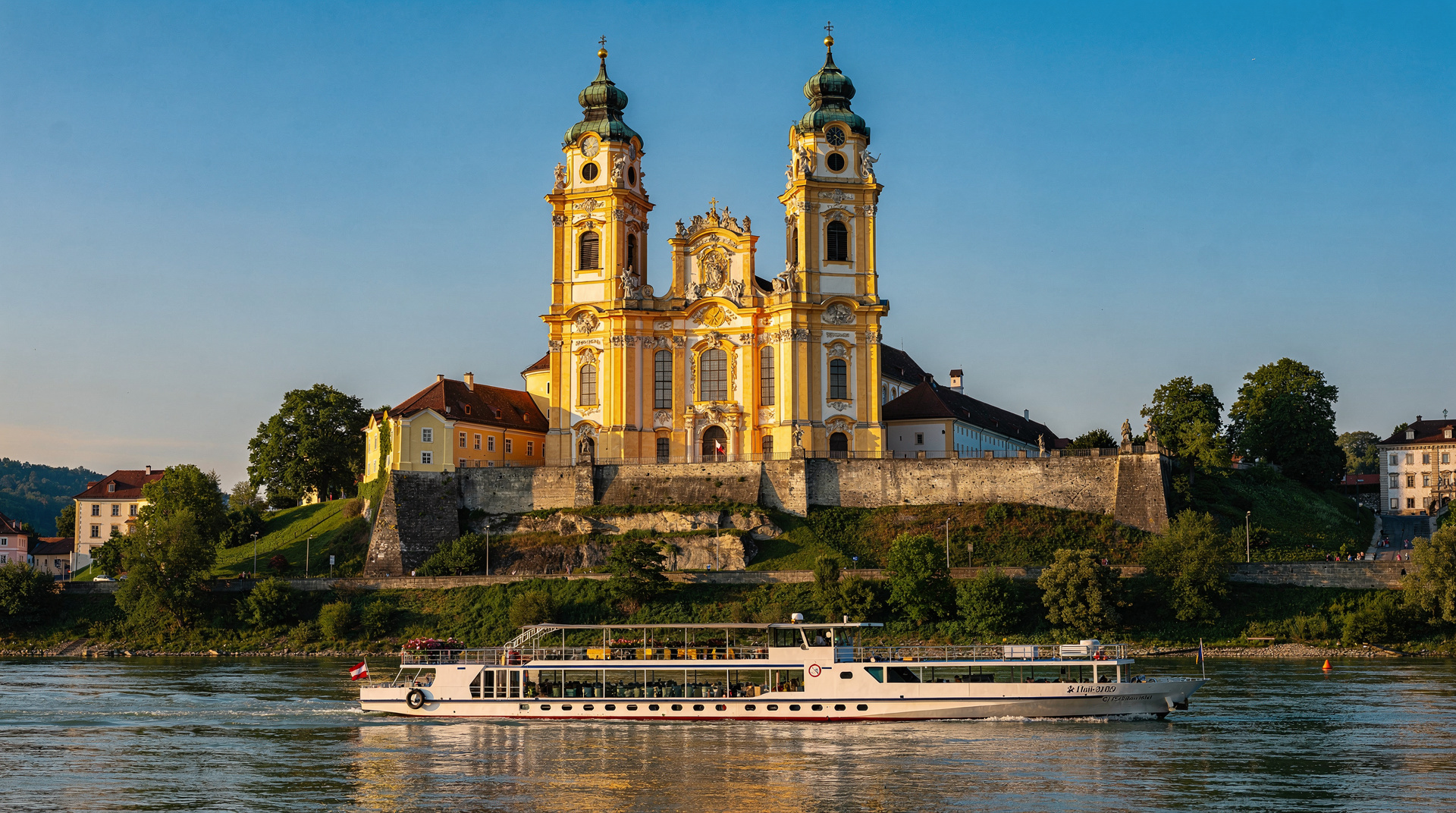
Most cruise itineraries start at Melk, where the Baroque abbey overlooking the river is worth the 1.5–2 hours it takes before boarding — see the Melk Abbey day trip guide for the full visit breakdown. At the other end, Krems and the Dürnstein stop along the way give the cruise its cultural bookends: a working medieval town at one end, the Richard the Lionheart castle ruin at the midpoint. Treating the cruise purely as transport between the two misses much of what makes the Wachau distinctive.
Extending the trip beyond the cruise
The cruise works well as the centrepiece of a longer plan. If you want more castle-ruin scenery, the Aggstein page explains the ruin you pass on the water. The broader Wachau Valley overview helps you decide which villages deserve more than a glance from the deck. For travellers weighing other excursions, the best day trips from Vienna guide shows how the Wachau compares with the alternatives.
Back in the city, the Wachau pairs naturally with a slower day of sightseeing. A 3-day Vienna itinerary leaves room for one full day out on the river, and the Vienna in autumn guide is a good companion if you are timing the trip for the harvest. For a personal account of the valley in that season, read the autumn in the Wachau diary, and if cycling appeals more than sitting on deck, the Wachau by bike diary shows what that day looks like.
When to cruise
April (apricot blossom): The valley orchards (apricot trees — Wachauer Marillen) turn white against the stone terraces and limestone cliffs. Arguably the most beautiful month. Boat services start running in April.
May–June: Spring is excellent. Good weather, vineyards leafing out, relatively few visitors on weekdays.
September–October: Harvest season. Grapes being picked on the steep terraced vineyards; the vines turning gold and red. Wine harvest events in the villages. The most atmospheric season for wine lovers.
July–August: Beautiful weather but the Wachau is busiest with day-trippers and cruise ships from the big Danube river cruises. Boat seats should be reserved in advance.
November–March: The river cruise does not run. The Wachau is still worth visiting by road, but the boat experience is absent.
Practical tips
Reserve boat seats in advance: In July and August, and on weekends throughout the season, the Melk → Krems service fills up. Reserve at ddsg-blue-danube.at or at the Melk boat landing as early as possible.
Sunscreen and layers: The boat deck is exposed. Even in cool weather, the combination of sun reflection off the river and wind makes sunscreen advisable. A light jacket is useful even on warm days.
Combining the cruise with cycling: The Donauradweg cycle path runs along the valley, and some visitors cycle one direction and take the boat the other. Bikes can be rented in Melk, Dürnstein or Krems.
The boat schedule: Check current schedules at ddsg-blue-danube.at — times change by season and year.
Accessibility: Most DDSG vessels have step-free boarding from the main landings at Melk and Krems, though the Dürnstein stop can involve a short gangway depending on water levels. Contact DDSG directly in advance if mobility is a concern, as boarding arrangements vary between vessels.
Frequently asked questions about the Wachau Danube cruise
How long does the Wachau boat cruise take?
Melk to Krems (downstream) takes approximately 1h45. Krems to Melk (upstream, against the current) takes approximately 3h15. The downstream direction is more practical for a day trip as it is faster and the scenery unfolds more naturally.
Does the Wachau boat stop in Dürnstein?
Yes — most DDSG services make a 30-minute stop in Dürnstein between Melk and Krems. Dürnstein is the most picturesque village in the Wachau, with the blue-and-white Augustinian priory church and the castle ruins above where Richard the Lionheart was imprisoned.
What is the DDSG Blue Danube?
DDSG Blue Danube is the main operator of passenger boat services on the Danube in Austria. They run the Wachau cruises (Melk–Dürnstein–Krems), city loop cruises in Vienna, and hydrofoil services. Book at ddsg-blue-danube.at.
Can you do the Wachau cruise without visiting Melk Abbey?
Yes — you can board in Krems and cruise upstream to Melk, or board at Dürnstein for a shorter section. However, the combination of Melk Abbey at one end and a leisurely cruise downstream is what makes the Wachau day trip so complete.
What villages does the Wachau boat pass?
From Melk downstream: Aggstein (cliff castle ruin visible above the south bank), Spitz (wine village with twin-towered church), Weissenkirchen (wine cooperative, beautiful Romanesque church), Dürnstein (stop — blue church tower, castle ruin), Krems (endpoint).
Is the Wachau cruise suitable for children?
Yes — the boat journey is relaxed, the scenery is engaging, and the Dürnstein stop provides a chance to stretch legs. The medieval castle ruins and the stories (Richard the Lionheart) appeal to older children.
Top experiences
Bookable activities with verified prices and instant confirmation on GetYourGuide.