Viennese coffee house tourist traps: what to avoid
Vienna: Typical Austrian Food Tour with Coffee House Visit
Which Vienna coffee houses are tourist traps?
The Mozart Café near the Hotel Sacher and the tourist-facing section of Café Central at peak hours are the most tourist-trap-like. Genuinely good coffee houses that are tourist-aware but not exploitative: Café Landtmann, Café Hawelka, and Café Sperl. The real local coffee houses with no tourist pressure: Café Prückel, Café Schwarzenberg, and Café Braunerhof.
Vienna’s coffee houses: a spectrum from authentic to tourist-facing
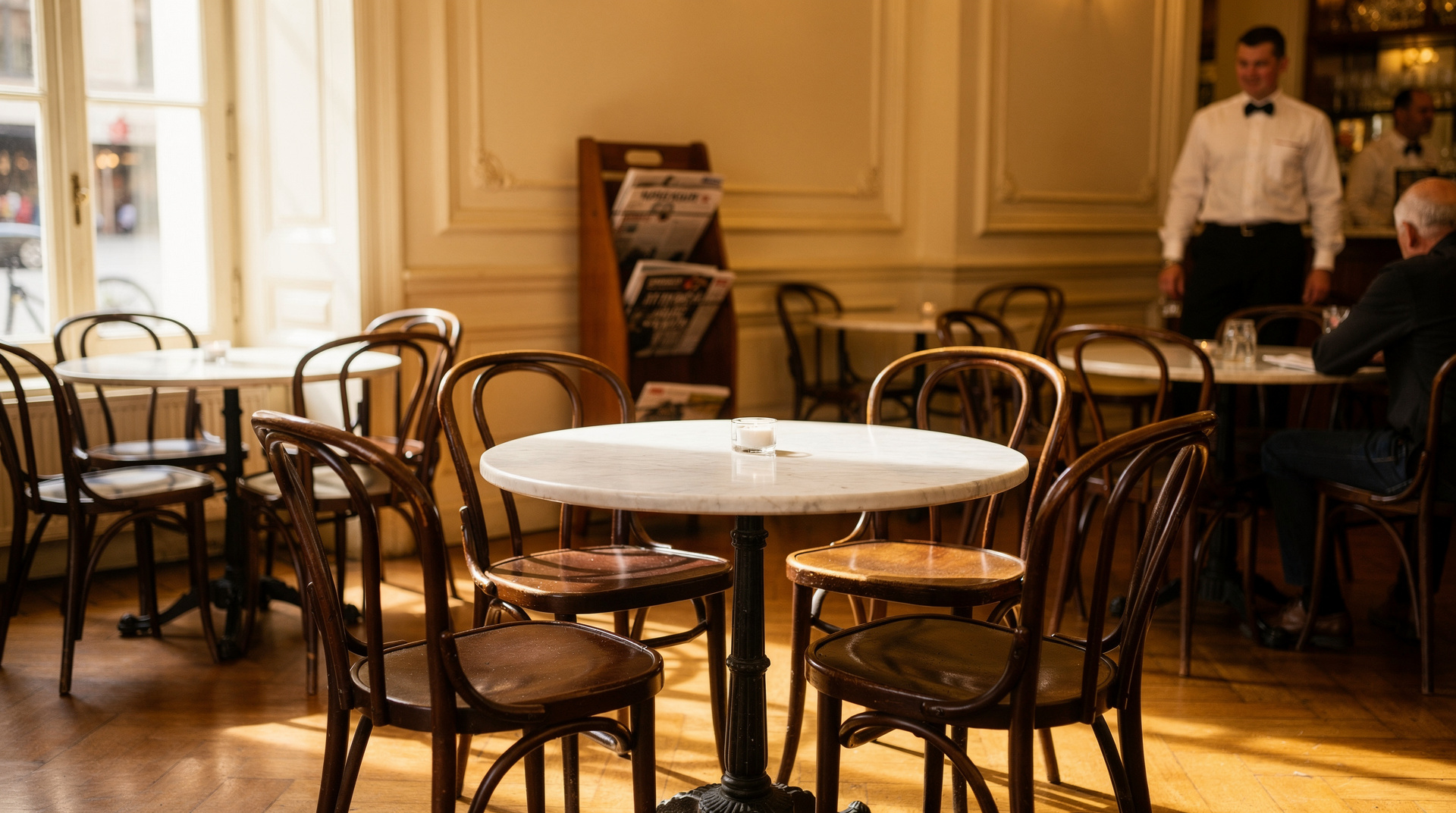
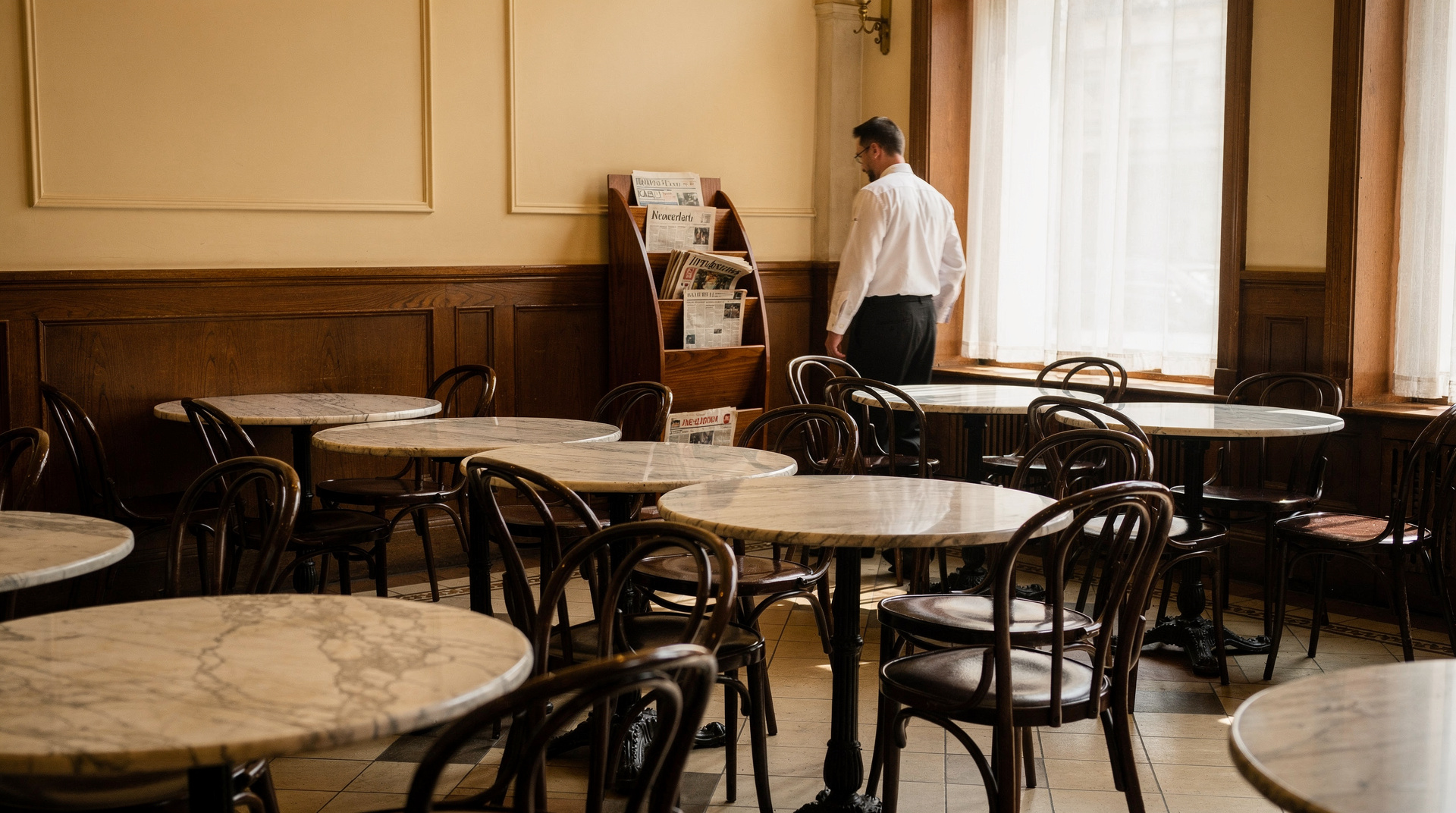
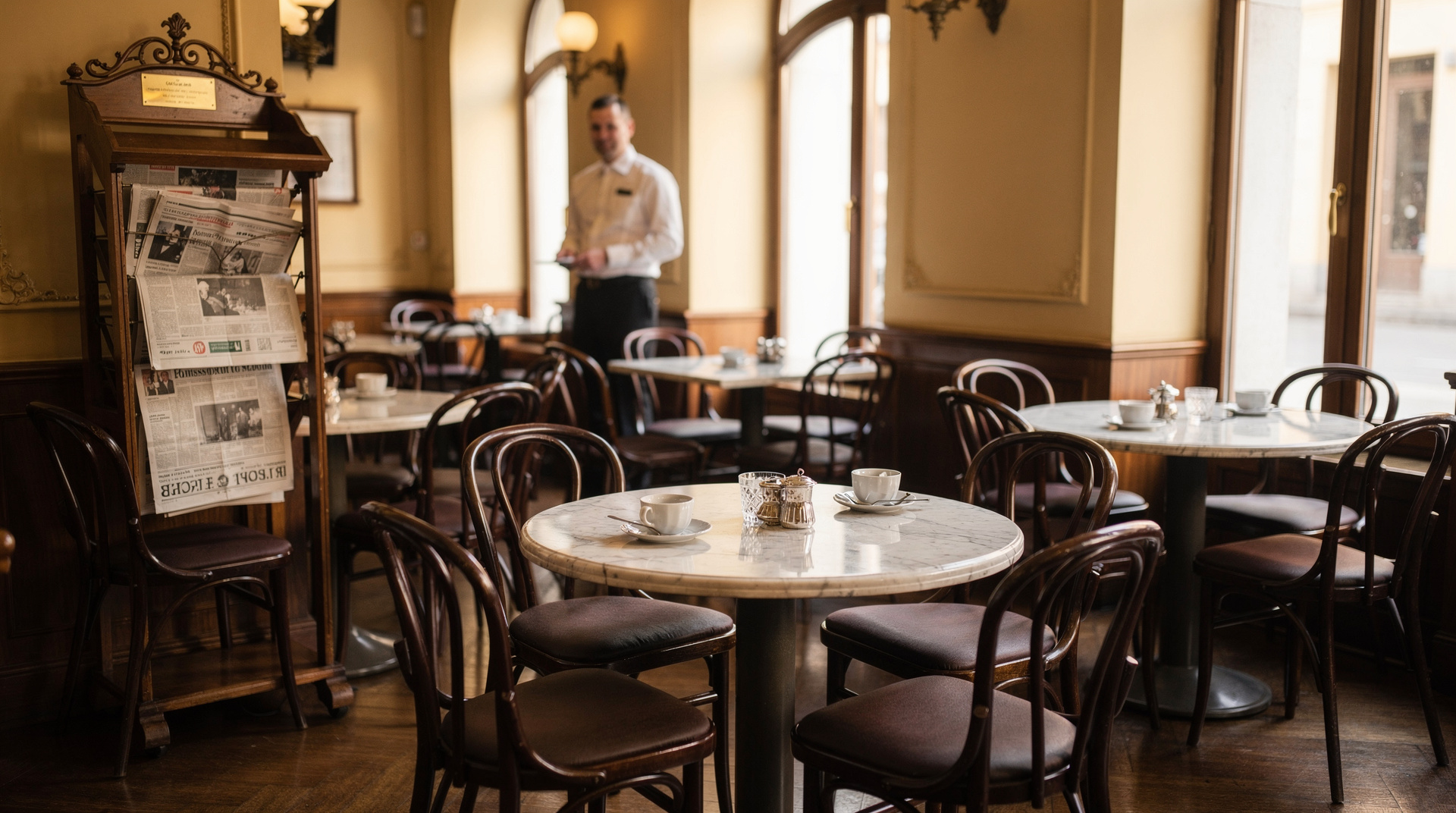
The Viennese coffee house is listed as intangible cultural heritage by UNESCO — not just the buildings, but the institution itself: the practice of sitting alone or with company for hours, nursing a single coffee and a glass of water, reading newspapers from the stand by the wall, and doing nothing that elsewhere would require justification.
This is a real thing. It exists. But like all living cultural institutions, it exists on a spectrum from the genuinely preserved to the commercially staged. This guide identifies where each coffee house falls on that spectrum, so your coffee house experience is the real one.
| Avoid | Mozart Café; Café Central 12–2pm |
| Go instead | Café Sperl, Café Hawelka (evening), Café Prückel |
| Cost difference | Modest — around €1.50–2 per Melange |
| Best time for Central | 3–4pm on a weekday |
| What to order | A Melange — never “a Vienna coffee” |
The tourist-facing problem
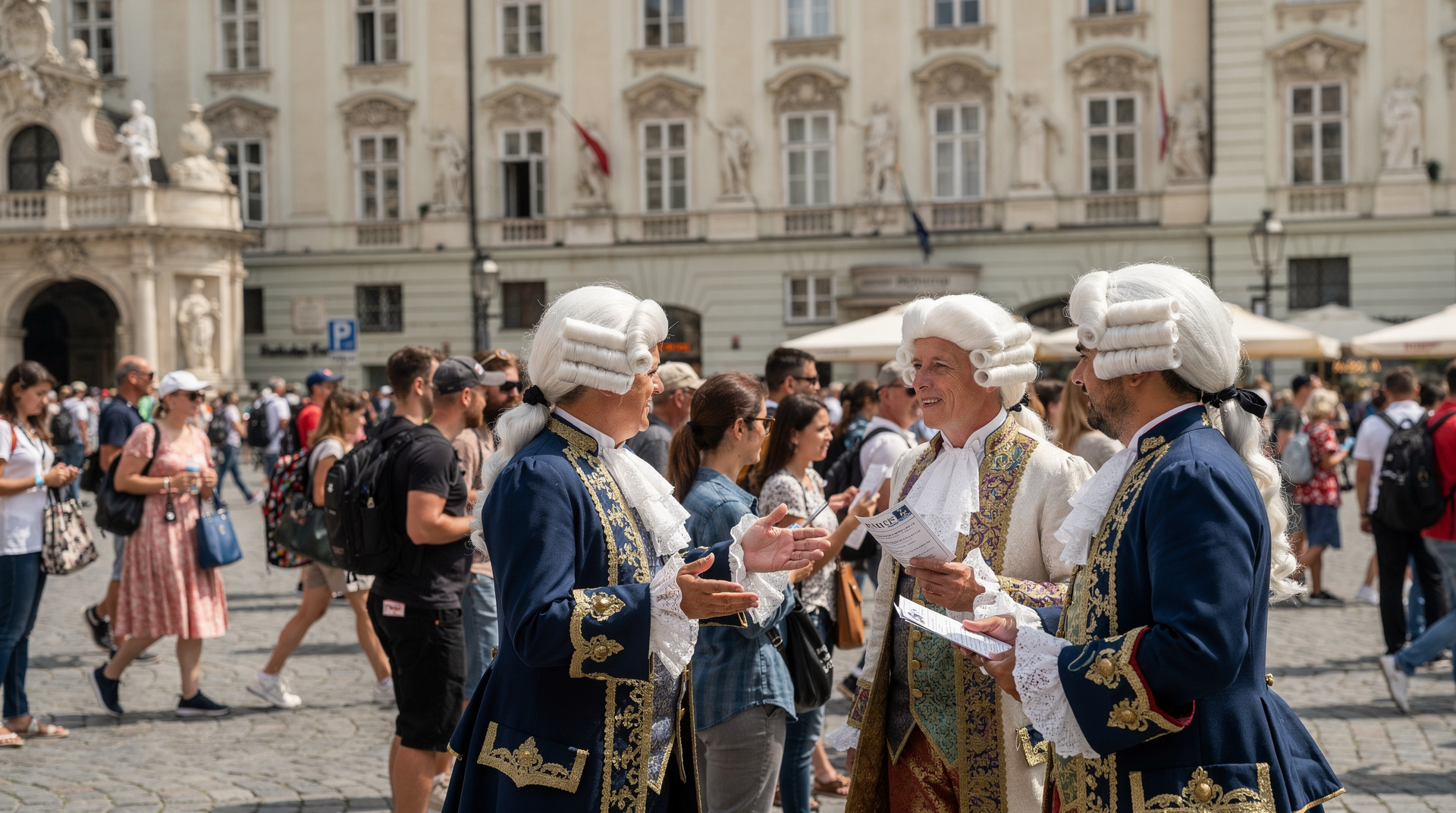
Vienna’s coffee house reputation draws millions of visitors who have read about the “Grand Café” tradition and want to experience it. Commercial operators have, predictably, built products around this demand: tourist-menu cafés with photographs of Sachertorte on laminated stands, Kärntner Strasse locations that process tables at restaurant pace, and historical associations (Beethoven Café, Mozart Café) that have nothing to do with the composers beyond a marketing choice.
The specific traps:
Mozart Café (near Hotel Sacher)
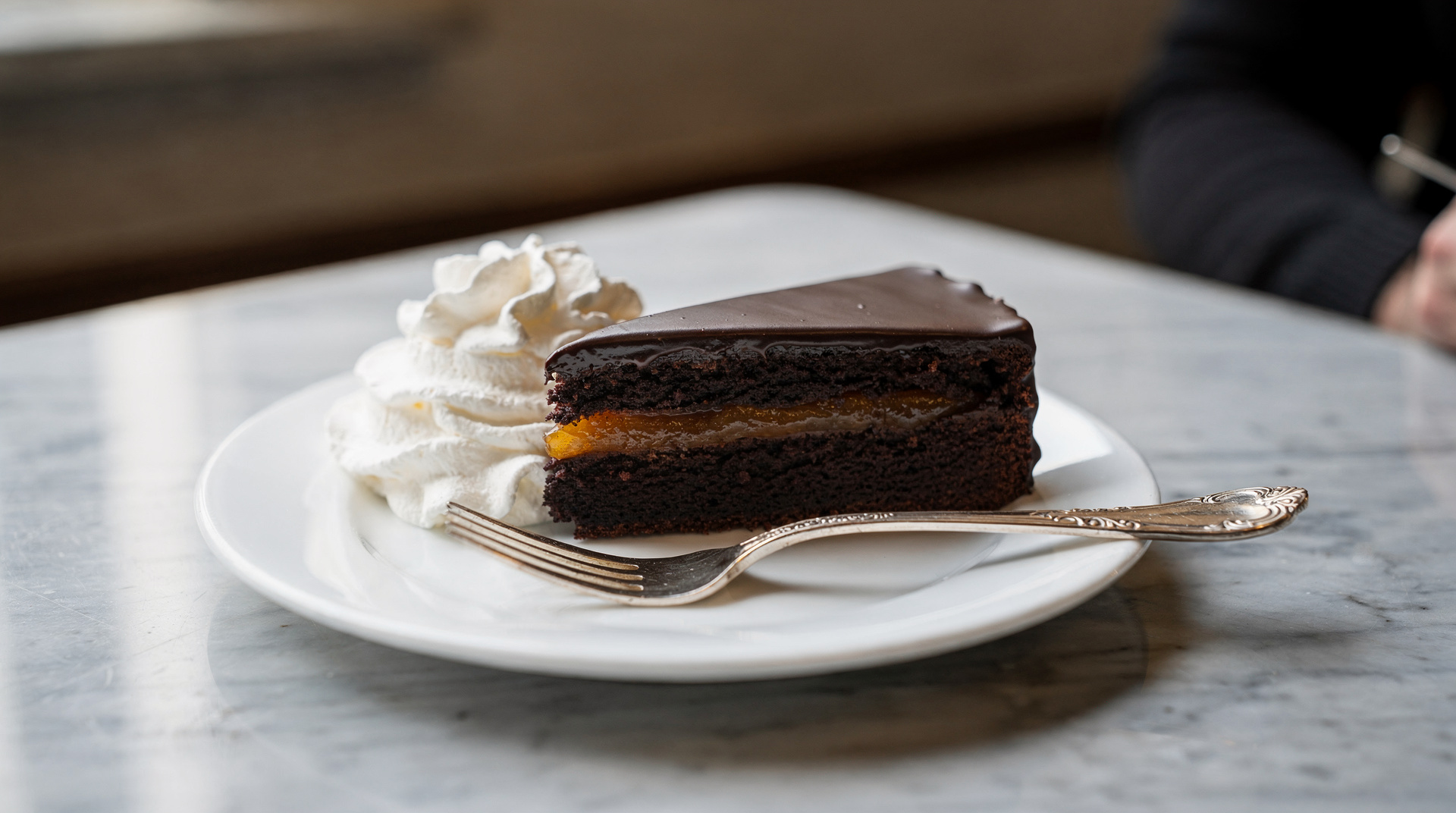
The Mozart Café on Albertinaplatz is the most tourist-trap-like coffee house in Vienna’s centre. The name implies historical connection; there is none. The prices are high. The coffee is acceptable but not distinctive. The interior is pleasant but designed for throughput rather than lingering. The Sachertorte is not from Hotel Sacher — it is a commercial version. Avoid.
Café Central at lunch hour
Café Central is genuinely beautiful — the vaulted Gothic-meets-Renaissance interior of the Palais Ferstel, with paper-mâché figure of the poet Peter Altenberg reading the paper at the entrance, is one of the great café interiors in Europe. This is not a trap in terms of quality. But at 12–2 pm on a weekday, the queue outside is 30 minutes and the service inside is cafeteria-efficient. You are not experiencing the Viennese coffee house tradition; you are experiencing a themed lunch venue for tourists.
The correct approach to Café Central: Visit at 3–4 pm on a weekday. The queue is gone, the tables have space, the afternoon light comes through the vaulted windows, and you can sit for an hour with a Melange and the full spatial experience. At this hour, the café is exactly what it claims to be.
The authentic options
Café Hawelka (Dorotheergasse 6)
The best-known “genuine” coffee house in Vienna’s tourist circuit, Hawelka manages the difficult trick of being well-known among visitors while remaining authentically itself. The Hawelka family opened the café in 1939; the interior (dark wood, old lithographs, slightly worn upholstery) hasn’t changed fundamentally since Leopold Hawelka’s death in 2011.
The atmosphere is warm but not welcoming in a manufactured way — the waiters are efficient, occasionally abrupt, and do not perform hospitality. This is accurate to the Viennese coffee house tradition. The Buchteln (sweet yeast dumplings with jam inside, served only in the evening from about 7:30 pm) are the house speciality and are genuinely excellent.
Hawelka is on the tourist trail but absorbs visitors without changing itself. Go in the evening for the full atmosphere and the Buchteln.
Café Sperl (Gumpendorfer Strasse 11)
The most authentically preserved of Vienna’s grand coffee houses. Opened in 1880, Café Sperl has its original billiard tables (still in use), original Art Nouveau interior woodwork, and a regular clientele of Viennese locals that gives the café genuine community. The 6th district location (10 minutes from the Naschmarkt, less accessible than the 1st district) means it sees fewer tourists.
The coffee is excellent. The Kipferl (croissant), Topfenstrudel, and other pastries are made fresh. The service is unhurried. The afternoon atmosphere — regulars reading Wiener Zeitung, chess players at one table, a couple talking quietly at another — is exactly what the coffee house UNESCO heritage listing was trying to preserve.
Go to Café Sperl if you want the unmanufactured version of the Viennese coffee house experience.
Café Landtmann (Universitätsring 4)
Landtmann is tourist-aware (it is on the Ring, facing the Rathaus, and in every Vienna guidebook) but genuinely good and maintains standards without compromising. The connection to Sigmund Freud, who kept a regular table here, is historically accurate. The breakfast menu is excellent. The cake selection is among the best in Vienna. The service is professional.
Landtmann occupies a middle position: more expensive than Sperl or Hawelka, more comfortable than Hawelka, less atmospheric than Sperl, but consistently good and the most reliable recommendation for first-time visitors who want a quality coffee house without navigating the tourist-trap/authentic distinction themselves.
Café Prückel (Stubenring 24)
A 1950s Viennese coffee house almost entirely unchanged from its postwar refit — turquoise banquettes, modernist wood panelling, excellent coffee, local clientele. Less architecturally dramatic than the 19th-century grand cafés but more specifically authentic to mid-century Vienna. Prückel holds regular literary readings and jazz evenings.
Café Schwarzenberg (Kärntner Ring 17)
Opened in 1861, Café Schwarzenberg on the Ring near the Staatsoper occupies a slightly odd middle position: grander and more tourist-visible than Sperl or Prückel, but with a genuine history (it survived WWII bomb damage and postwar rebuilding without losing its character) and a solid, unhurried service style. It rarely appears on the shortest “top 5” lists, which paradoxically keeps it calmer than Central or Demel despite the equally central location.
Café Braunerhof (Stallburggasse 2)
Between the Hofburg and the Augustinian church, the Braunerhof is one of Vienna’s least-changed coffee houses. Dark, quiet, the afternoon newspapers on their wooden racks, a regular clientele of older Viennese intellectuals. Playwright Thomas Bernhard had his regular table here. The Braunerhof is not beautiful by the standards of Sperl or Central — it is functional and worn — but it is the real thing.
Choosing by neighbourhood
Where you are standing often decides which coffee house makes sense, and a little planning avoids the default of walking into whatever is nearest. In the Innere Stadt, the density of tourist-facing cafés is highest, so it pays to decide in advance rather than improvise at the first hungry moment. Hawelka, Braunerhof and Landtmann all sit close enough to the main sights to fit between a museum visit and an afternoon walk, and none of them requires a detour that costs you half a day.
If you are already wandering the market stalls, the Naschmarkt area leads naturally towards Sperl in the 6th district, which makes a good pairing: browse in the morning, then sit down once the crowds thicken. Our Naschmarkt eating guide covers what to graze on first so you arrive at the coffee house with room for a pastry rather than a full lunch. If you would rather have a local choose the stops, a guided walk through local food, coffee and market stalls combines both in one outing.
For a head-to-head look at three of the best-known names, the Café Central vs Landtmann vs Sacher comparison goes deeper than the quick verdicts here, and our wider best coffee houses in Vienna ranking is useful if you want a longer shortlist to choose from.
Cake, pastry and the same logic
The trap logic applies to what is on the plate as well as to the room. A café that is happy to seat you quickly and push a photographed slice of cake usually cares more about turnover than about the cake. A house that bakes its own Topfenstrudel or Apfelstrudel and lets a slice sit in the display case unhurried is telling you something about its priorities. If cake is the real reason you are in Vienna, read the Sachertorte real deal guide before you order, and consider the Vienna pastry tour if you would rather have someone else choose the stops. A broader guided tasting walk across several of the city’s food stops is another way to sample the real thing without guessing which door to open.
It also helps to separate two questions that visitors tend to merge: “Is this café famous?” and “Is this café good?” Fame brings queues and sometimes brings standards; it can just as easily bring a themed menu and a bill that rewards the name more than the cup. Several of the places in this guide are famous and good. The Mozart Café is the clearest example of famous for the wrong reasons. Judging each place on how it treats a single slow Melange is a fair test.
How the traps compare to the real thing
| Coffeehouse | Verdict | Why |
|---|---|---|
| Mozart Café | Avoid | No genuine Mozart connection; designed for throughput |
| Café Central (12–2pm) | Avoid at this hour | Beautiful but cafeteria-paced at lunch |
| Café Central (3–4pm) | Genuinely worth it | Same setting, no queue, proper Kaffehaus pace |
| Café Sperl | Best authentic pick | 1880 interior, local clientele, unhurried |
| Café Hawelka | Authentic, best in evening | Buchteln from 7:30pm, unchanged since the 1950s |
| Café Landtmann | Reliable middle ground | Tourist-aware but genuinely good, no compromise |
If your interest in Vienna’s coffee culture extends beyond avoiding traps, our companion Viennese coffee house guide covers the full landscape of historic cafés in more depth, and the coffee types explained guide removes any ordering anxiety before you sit down. For food beyond coffee, the Sachertorte real vs tourist guide applies the same authentic-versus-staged logic to Vienna’s most famous cake.
What to order and how to behave
The Melange: Half espresso, half steamed milk foam. This is the default Viennese coffee house order. Not a Latte. Not a Cappuccino. A Melange.
“Vienna coffee” does not exist: Ordering “a Vienna coffee” or “a traditional Viennese coffee” at any authentic coffee house will produce either a puzzled look or an Einspänner (espresso in a glass with whipped cream). There is no single “Vienna coffee” — there are approximately 20 specific Viennese coffee types. See our Viennese coffee types guide.
The glass of water: Every coffee in a Viennese coffee house is served with a small glass of water. It is refilled without asking. This is not a tourist amenity — it is the tradition.
Stay as long as you want: The core rule of the Viennese coffee house. Once you have ordered, no one will rush you out. The waiter will return if summoned (typically by eye contact, not waving). Order another coffee if you want one; don’t order one if you don’t. A single Melange and 90 minutes of reading is entirely legitimate.
Tipping: 10–15% is appropriate and expected.
Reading the warning signs in real time
A few practical tells help you judge a coffeehouse before you sit down, wherever you are in Vienna. Laminated menus with photographs of Sachertorte are a strong indicator of a tourist-facing operation — genuine Viennese coffeehouses use plain printed or handwritten menus, in German, sometimes with an English translation added underneath.
A queue that moves quickly (staff seating groups within a minute or two) suggests a turnover-focused business rather than a Kaffehaus that expects you to linger. Conversely, a slower initial seating process, an unhurried waiter, and tables occupied by solo readers or chess players are good signs you’ve found the real thing. None of this requires research in advance — it’s visible within thirty seconds of walking in.
Going alone, or with company
The coffee house is one of the easiest places in Vienna to sit by yourself without feeling out of place, which is part of why it works so well for people travelling solo. Bring a book, take the newspaper from the rack, and let the afternoon pass. Our solo travel in Vienna guide puts the coffee house among the most comfortable choices for an unplanned hour. With a group, the quieter houses are kinder to conversation, and the unhurried ones will not mind a table staying put for a while.
If you want to understand the etiquette in more detail before your first visit, the coffee house etiquette guide explains how ordering, paying and lingering work. And for the bigger picture of what else to avoid in the city, the Vienna tourist traps overview places these cafés alongside the other common pitfalls. A more personal take on the places we keep returning to is in our Viennese coffee houses we love diary.
The coffee prices: a reality check
Tourist-facing cafés (Mozart Café, Café Central at peak hours): Melange €5.50–7.
Authentic houses (Sperl, Hawelka, Prückel): Melange €4–5.
The price difference is modest. The atmosphere difference is significant. Go to Sperl or Hawelka.
Vienna: typical Austrian food tour with coffee house visitA guided Austrian food and coffee house tour provides context for the coffee house tradition — which names mean what, which roasters supply which cafés, and why the water glass matters. Worth doing on your first full day if the coffee house culture is a specific interest. If you are weighing several guided options, the Vienna food tours compared page sets them side by side, and the Vienna food guide covers eating well in the city without a tour.
Frequently asked questions about Vienna coffee house tourist traps
Is Café Central a tourist trap?
Tourist-facing but not a trap — the setting is genuinely beautiful and the quality is good. Avoid at lunch (12–2 pm). Visit at 3–4 pm for the authentic afternoon experience.
What is the best non-tourist coffee house in Vienna?
Café Sperl (Gumpendorfer Strasse) — 1880, almost entirely unchanged, billiard tables, regular Viennese clientele. The most authentic preserved grand coffee house.
What coffee should I order in a Viennese coffee house?
A Melange — half espresso, half steamed milk. Never “a Vienna coffee” — this category doesn’t exist and marks you as inexperienced.
Why is Café Hawelka considered authentic?
Opened 1939, gathering point for postwar Viennese artists and writers, interior unchanged since the 1950s, Buchteln (jam doughnuts) served evenings. A genuine institution.
Is there a dress code for Vienna coffee houses?
No formal dress code, but traditional coffee houses expect clean, presentable appearance. The most characterful houses (Sperl, Prückel, Hawelka) are not formally strict but a degree of appropriateness is expected.
Top experiences
Bookable activities with verified prices and instant confirmation on GetYourGuide.