Vienna vs Budapest: which Central European capital is better?
From Vienna: Budapest Small-Group Guided Day Tour
Should I visit Vienna or Budapest?
Vienna wins on museum culture, classical music, coffee houses, and Habsburg heritage. Budapest wins on budget, thermal baths, ruin bars, Danube views from the Buda Castle hill, and a more edgy, surprising atmosphere. Both are excellent — and at only 2h30 apart by train, the best answer is usually both.
Vienna and Budapest: the honest comparison
Vienna and Budapest are the two capitals of the former Austro-Hungarian Empire — united for 51 years (1867–1918) under Franz Joseph I, who sat in the Hofburg in Vienna and Buda Castle on the hill above the Danube in equal measure. They share a cultural history and a 19th-century architectural grammar, while remaining distinct in atmosphere, cost, and character.
The question “Vienna or Budapest?” is one the most commonly searched comparisons in Central European travel. This guide gives you the honest answer — not a false balance, but a genuine assessment of what each city does better.
| Distance | 2h30 direct by ÖBB Railjet, ~8 trains daily |
| Cost gap | Budapest around 40–50% cheaper across most categories |
| Vienna wins | Museums, classical music, coffee-house culture |
| Budapest wins | Value, thermal baths, ruin bars, Danube views |
| Best answer | Both — 7+ days lets you combine them comfortably |
Cost: Budapest wins clearly
Vienna is a Western European capital with Western European prices. Budapest is one of the better-value cities in the EU with Central European prices. The gap is substantial:
| Category | Vienna | Budapest |
|---|---|---|
| Mid-range restaurant (per person) | €25–40 | €12–20 |
| Beer (0.5L at café) | €4–5 | €2–3 |
| 3-star hotel (central) | €90–140/night | €50–80/night |
| Museum admission (major) | €15–32 | €8–15 |
| Public transport (daily pass) | €5.80 | €2.40 (equiv) |
| Coffee (café) | €4–5 | €2–3 |
Budget travellers should note that Budapest is 40–50% cheaper for equivalent experiences across most categories. Hungary uses the Hungarian Forint (HUF), so prices feel different — approximately 1€ = 395 HUF — but the value arithmetic is straightforward.
Architecture and beauty: different registers
Both cities are visually extraordinary, but the aesthetic is completely different.
Vienna’s architectural character: Horizontal grandeur. The Ringstrasse is the key to understanding Vienna — a 5-kilometre boulevard of monumental neo-Gothic, neo-Renaissance, and neo-Baroque public buildings (Parliament, Rathaus, Burgtheater, Kunsthistorisches Museum, State Opera) built in a 30-year construction campaign from the 1860s to 1890s. The Habsburg palace complexes (Schönbrunn, Hofburg, Belvedere) are set in vast formal landscapes. The coffee houses and the bourgeois apartment buildings of the 2nd through 7th districts add a human scale.
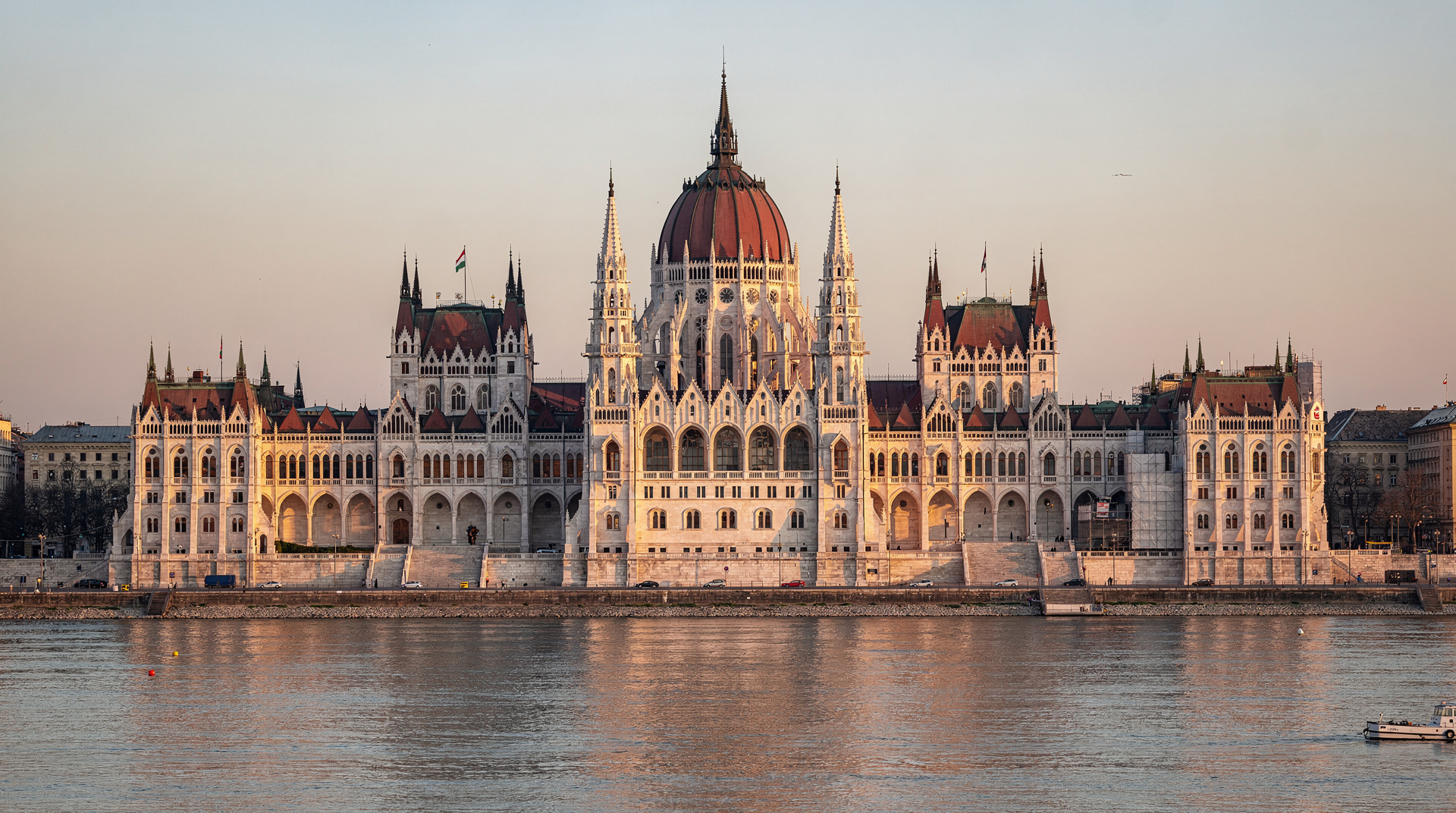
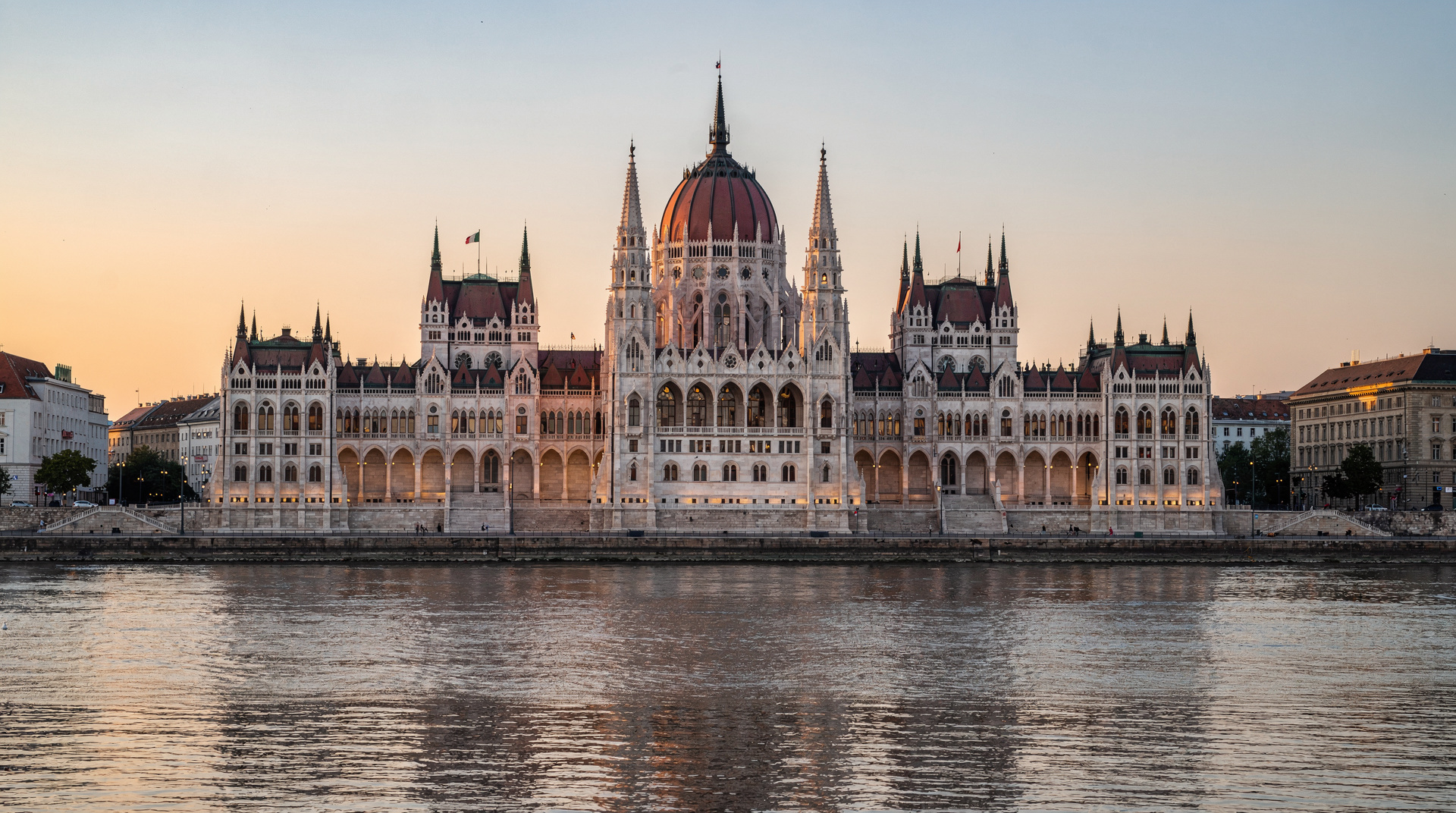
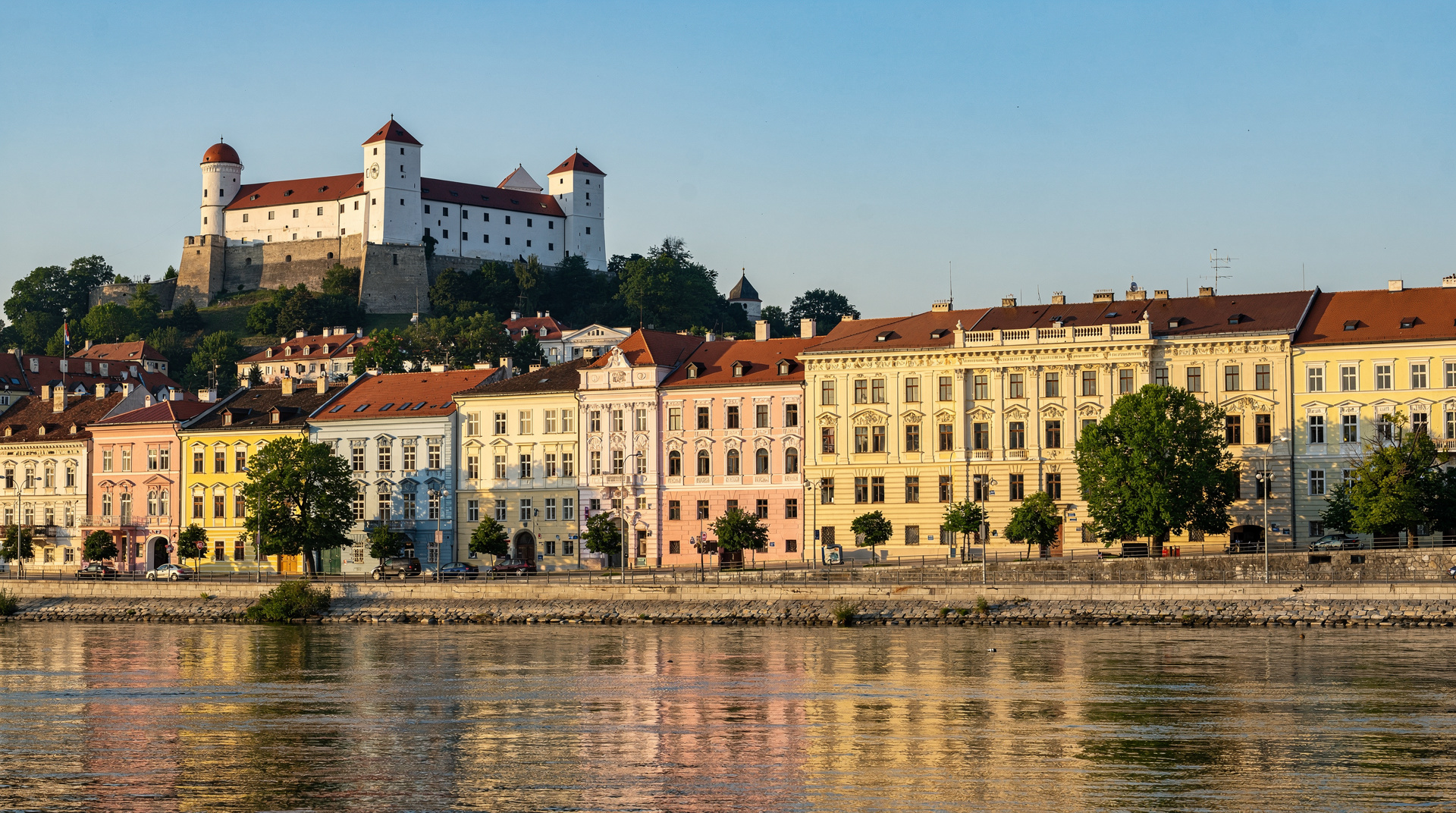
Budapest’s architectural character: Vertical drama. The Buda Castle hill (165m above the Danube) provides the city’s defining vista — the castle complex, Matthias Church, and Fishermen’s Bastion looking across the river to the Hungarian Parliament on the flat Pest bank. The Parliament building (1902) is one of the largest legislative buildings in the world and arguably the most visually spectacular. At night, the bridges and both banks are illuminated — the view from the Chain Bridge or from Fishermen’s Bastion is one of Central Europe’s great photographs.
The honest verdict: Budapest’s Danube panorama has no equivalent in Vienna. Vienna’s Ringstrasse coherence has no equivalent in Budapest. Both are genuine.
Culture and museums: Vienna wins
Vienna’s museum infrastructure is unmatched in Central Europe:
- Kunsthistorisches Museum: One of Europe’s greatest art collections (Rubens, Velázquez, Vermeer, Bruegel)
- Belvedere: Klimt’s The Kiss, Schiele, and one of the finest collections of Austrian art
- Albertina: Major modern and classical graphics
- Leopold Museum: Klimt and Schiele in the Museumsquartier
- Naturhistorisches Museum: World-class natural history collection
Budapest’s museum scene is strong but not comparable in depth:
- Hungarian National Museum: History and culture
- Museum of Fine Arts: Significant European collection
- Szépművészeti Múzeum: Good but not in the same tier as the KHM
For music: Vienna is in a different league. The Musikverein, Staatsoper, Spanish Riding School, Vienna Boys’ Choir, and the Vienna Philharmonic constitute one of the world’s greatest concentrations of classical music performance. Budapest has excellent opera and classical music, but Vienna is genuinely unique.
Coffee and café culture: Vienna wins
Vienna’s coffee-house culture is a UNESCO intangible cultural heritage — the Viennese concept of sitting for hours with a single Melange, reading, thinking, and watching the world go by without pressure to leave is distinctive to this city and has no equivalent elsewhere in Europe.
Budapest has excellent coffee shops (the New York Café is spectacular if touristy), but the specific Viennese tradition of the Stammcafé — a regular’s coffee house that is a social institution rather than a café — is Vienna-specific.
Nightlife and energy: Budapest wins
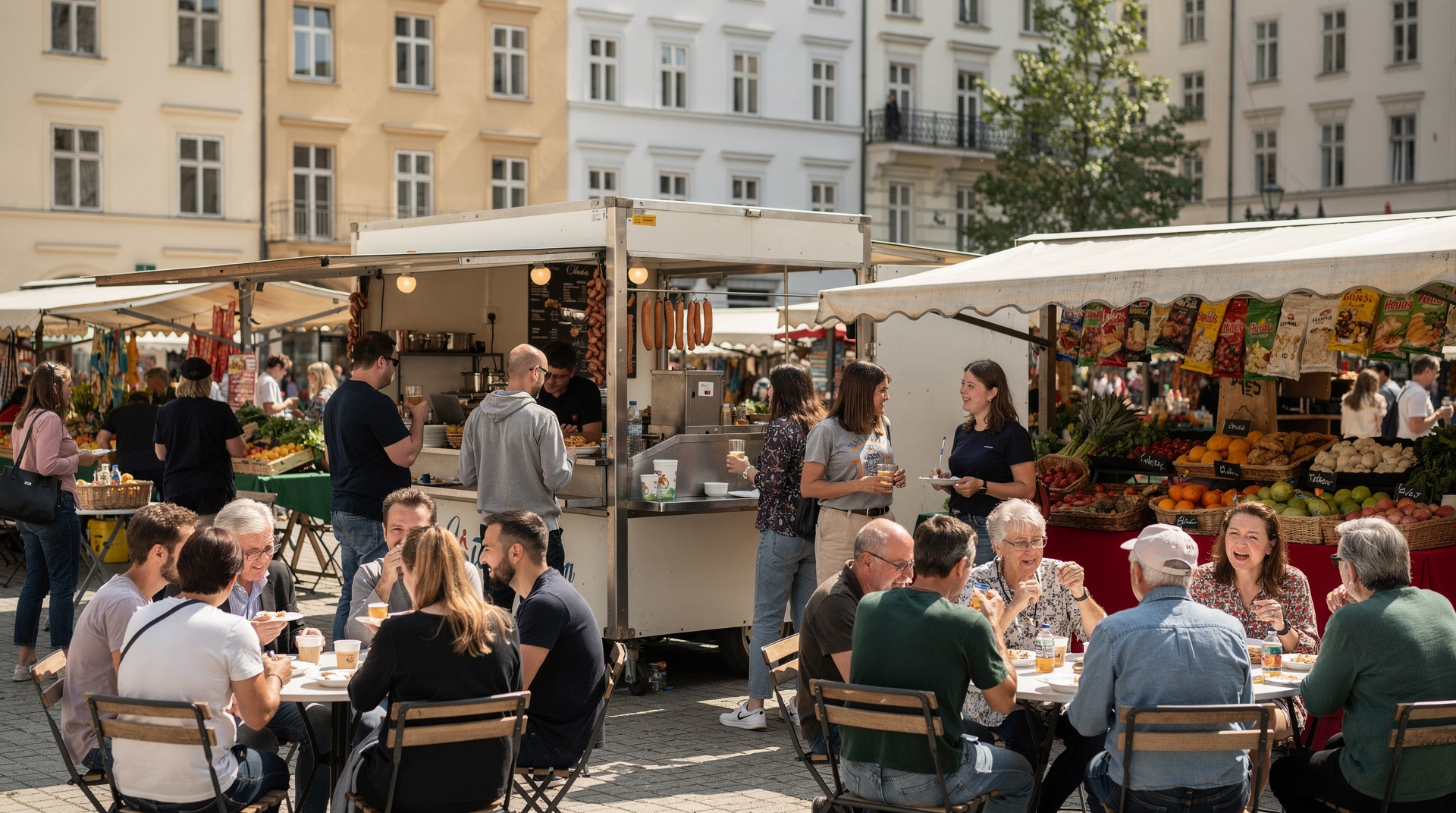
Budapest’s nightlife is one of the best in Europe and significantly more accessible to visitors than Vienna’s. The ruin bars (romkocsmák) of the 7th district — particularly Szimpla Kert, the original and still the best — are unique urban spaces: abandoned buildings in the former Jewish quarter repurposed into multi-room bars, clubs, and event spaces. The atmosphere is deliberately rough-edged, international, and genuinely fun.
Vienna’s nightlife is excellent but more polarised: classical concerts and opera balls at the formal end, a respectable club scene (Prater Sauna, Flex, Grelle Forelle) at the other end. Vienna doesn’t have the mid-range spontaneous evening scene that Budapest’s ruin bars provide.
Thermal baths: Budapest wins easily
Budapest sits on a geological fault line producing 80+ thermal springs. The city has 30+ functioning thermal baths:
- Széchenyi Fürdő (City Park): largest in Budapest, outdoor pools year-round, iconic yellow neo-Baroque building
- Gellért Fürdő (Buda side): Art Nouveau splendour, famous mosaic pools
- Rudas Fürdő: 16th-century Ottoman bath with original dome — the most historically authentic
Vienna has no equivalent thermal bath culture. The Kurbad Oberlaa and some spa hotels offer thermal water experiences, but not at Budapest’s scale or cultural significance. If thermal baths are on your must-do list, Budapest is the destination.
Food: different strengths
Vienna: Coffee house pastry culture (Sachertorte, Apfelstrudel, Kaiserschmarrn), Wiener Schnitzel (from real veal at Figlmüller or Plachutta), Tafelspitz (boiled beef with horseradish), high-end Austrian cuisine (Steirereck). The Naschmarkt is one of Europe’s great food markets.
Budapest: Much better value throughout. The Great Market Hall (Nagyvásárcsarnok) is remarkable — three-floor indoor market with Hungarian paprika, salami, lace, and produce. Langos (deep-fried flatbread with sour cream and cheese) for €2–3 at market stalls. Hungarian goulash (actually a soup) is the dish to try. The 7th district Jewish quarter has excellent restaurants at Budapest price points.
Atmosphere and pace: how the two cities feel day to day
Beyond the comparison tables, the biggest difference is the rhythm of each city. Vienna is orderly, quiet in the evening, and built around set pieces: a morning at a palace, an afternoon in a museum, an evening at a concert or a long dinner. If that is the trip you want, the Vienna 3-day itinerary shows how neatly those pieces fit together, and the Ringstrasse architecture walk is the easiest way to understand how the city was planned as one grand stage.
Budapest is looser and more improvised. Plans change because a bath looks inviting, because a street-side bar fills up, or because a view from the river tempts you to stay out later than intended. Travellers who enjoy wandering without a fixed schedule tend to fall for Budapest quickly, while those who like every day to have a clear shape often feel more at home in Vienna. Neither approach is better; the useful question is which one matches how you actually like to travel.
Who each city suits best
Some travellers are clearly better matched to one city than the other:
- Couples and honeymooners: Vienna’s concerts, candlelit dinners and slow café mornings make it the more traditionally romantic choice; see the Vienna honeymoon guide for how to build that trip. Budapest suits couples who prefer a bath and a rooftop view to a formal evening.
- First-time visitors to Central Europe: Vienna is the gentler introduction, with clear public transport, easy-to-read sights and little friction. The public transport guide explains how simple getting around is.
- Music lovers: Vienna, without question. The classical vs touristic concerts guide helps you pick a performance worth your evening.
- Food-focused travellers: Both reward you, but in different ways. Vienna rewards the pastry and café enthusiast, and the Vienna food guide covers the classics, while Budapest rewards anyone who wants a full table without a high bill.
- Short-break visitors: If you only have a long weekend, Vienna’s compact centre makes it easier to see a lot without feeling rushed; the Vienna weekend itinerary is built for that.
What each city does not do well
An honest comparison should name the weak points. Vienna can feel formal and expensive, and some visitors find its evenings too quiet compared with livelier capitals. Its most famous attractions also draw crowds, and a few of the best-known experiences are tourist traps, which the Vienna tourist traps guide explains in detail.
Budapest, for its part, can feel busy and noisy in its nightlife districts, and the most photographed spots are crowded at the obvious times of day. Its museum scene, as noted above, does not match Vienna’s depth, so anyone whose trip is mainly about major art collections should weigh that carefully. Knowing these trade-offs in advance matters more than any ranking, because the “better” city is the one whose weaknesses bother you least.
The logistics of doing both
Vienna and Budapest are 2h30 apart by direct ÖBB Railjet train (approximately 8 trains per day, advance booking from €19 each way). This makes the combination straightforward:
Classic route: Vienna 3–4 nights → Railjet to Budapest (2h30) → Budapest 2–3 nights → fly home from Budapest, or return by Railjet.
Three-capital route: Vienna 3 nights → Bratislava (1h train, half-day stop or 1 night) → Budapest 2 nights. Bratislava is the midpoint geographically and works well as a shorter stop. See our Vienna Budapest Bratislava itinerary.
From Vienna: Budapest small-group guided day tourFor a day trip rather than an overnight stay, a guided Budapest day trip from Vienna includes transport, a local guide for the castle district and city centre, and return by evening. This is viable but gives you only 6–7 hours in Budapest — enough for highlights, not enough for thermal baths.
From Vienna: day trip to Budapest including Bratislava photo stopThe verdict
Choose Vienna if: Classical music and museum culture are central to your trip. You want the coffee-house experience. You prioritise safety, comfort, and a city that rewards slow travel. Budget is secondary.
Choose Budapest if: Value for money matters significantly. You want dramatic Danube landscapes. Thermal baths are on your list. You want spontaneous nightlife energy. You want to feel like you’ve found something less obvious.
Choose both: The right answer for most travellers with 7+ days in Central Europe.
Planning the practical side of a combined trip
If you’re leaning towards “both,” the Vienna to Budapest train guide has the full ticket and timing breakdown for the 2h30 Railjet connection, and the Budapest day trip from Vienna guide covers the tighter version if a day trip rather than an overnight stay suits your schedule better. For a three-way comparison rather than two, Vienna vs Prague covers the other classic Central European rivalry, which is useful if your itinerary might stretch further north.
Deciding how many nights to allocate to each city is the last practical question. The how many days in Vienna guide and the Vienna on a budget guide both help calibrate the Vienna side of the split, and the best time to visit Vienna guide is worth checking too — Budapest’s thermal baths and Vienna’s Heuriger season both have seasonal sweet spots that can tip the balance of how you split your days.
Frequently asked questions about Vienna vs Budapest
Is Vienna more expensive than Budapest?
Significantly. A mid-range dinner in Vienna costs €25–40; equivalent Budapest quality costs €12–20. Hotels at comparable quality cost 40–50% more in Vienna.
Is Vienna more beautiful than Budapest?
Different beauties. Vienna’s Ringstrasse horizontal grandeur vs Budapest’s Danube vertical drama — Fishermen’s Bastion views across to the Parliament. Both are exceptional.
Which city has better food?
Vienna has deeper coffee-house culture and higher-end Austrian cuisine. Budapest has better value, the Great Market Hall, and a more diverse street food scene.
Which city is better for families?
Vienna for structured museum experiences (Zoo, Prater, Naturhistorisches). Budapest for thermal baths and Danube adventures. Both work for families with older children.
How many days should I spend in each?
Vienna: 3–4 nights. Budapest: 2–3 nights. Combined: 7–8 days with optional Bratislava half-day between them.
Top experiences
Bookable activities with verified prices and instant confirmation on GetYourGuide.