Vienna Boys' Choir Sunday mass: is it worth it?
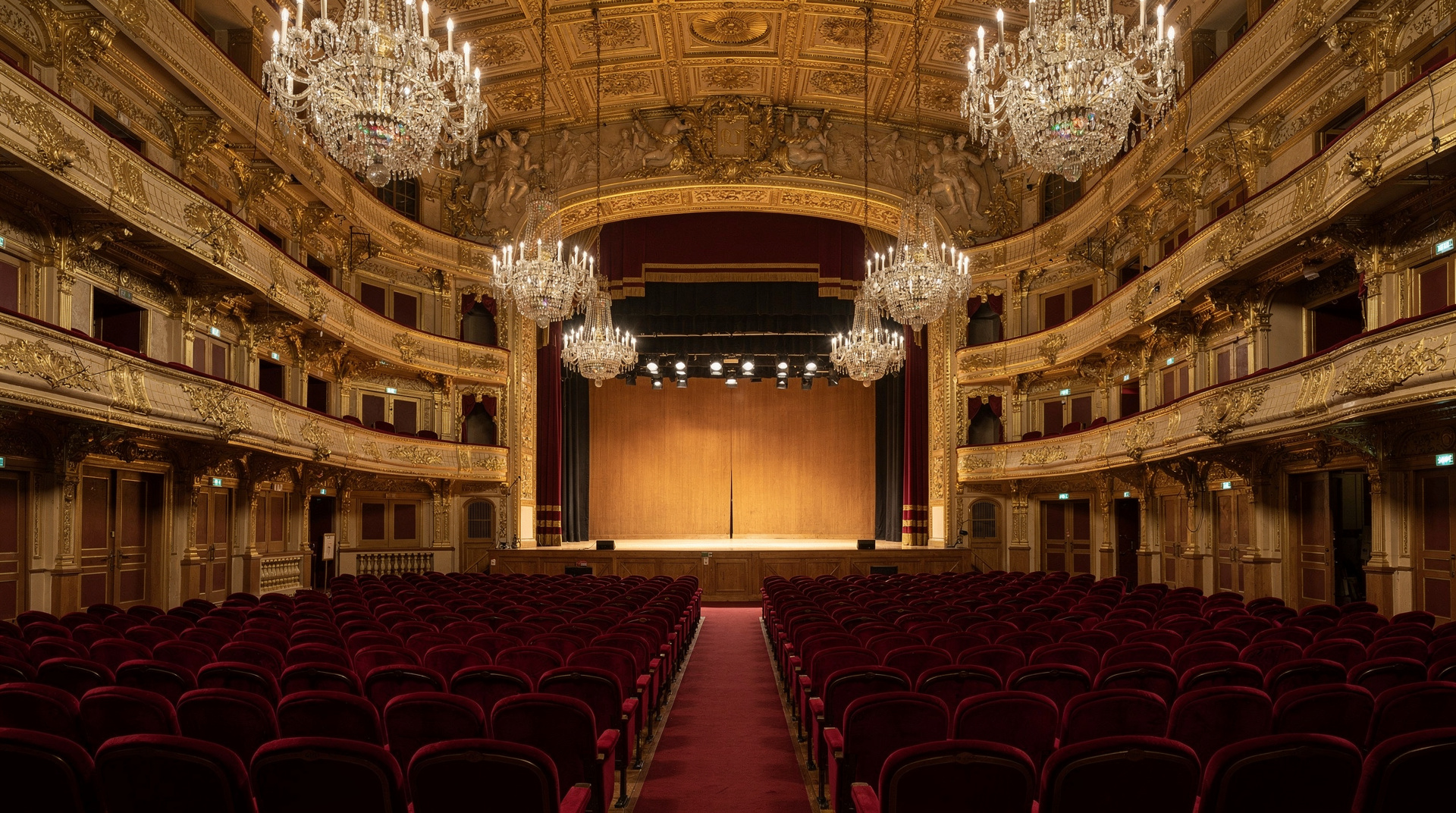
Vienna: Classical Concert in the Musikverein (Four Seasons + Mozart)
Is the Vienna Boys' Choir Sunday mass worth attending?
Worth it if you go with accurate expectations: it is a 60-minute Catholic mass in Latin, of which the choir sings for approximately 20–30 minutes, and you see them only briefly (they sing in an elevated gallery above the altar, not visible from most of the nave). The historical setting at the Hofburg Burgkapelle and the quality of the singing are genuinely beautiful. Not a concert — a liturgical service.
The Vienna Boys’ Choir Sunday mass: setting expectations correctly
The Vienna Boys’ Choir Sunday mass at the Hofburg Burgkapelle is one of Vienna’s most famous cultural experiences — and one of the most commonly misunderstood. Visitors who attend expecting a concert with the choir visible in front of them sometimes emerge confused: they have sat through a Catholic mass in Latin, heard beautiful singing from somewhere above them that they couldn’t see, and felt uncertain whether the experience matched the ticket price.
The experience is genuinely beautiful. But accurate expectations are essential.
This guide tells you exactly what happens, what you will and won’t see, and how to decide whether it is right for your Vienna visit.
| Where | Hofburg Burgkapelle, Innere Stadt |
| Cost | Around €5–50 seated; free standing (donation) |
| Duration | Around 60 minutes, choir sings ~20–30 min |
| Season | September–June, Sundays 9:15 am |
| Booking | 8–10 weeks ahead for seats; standing from 8:30 am |
What actually happens at the Sunday mass
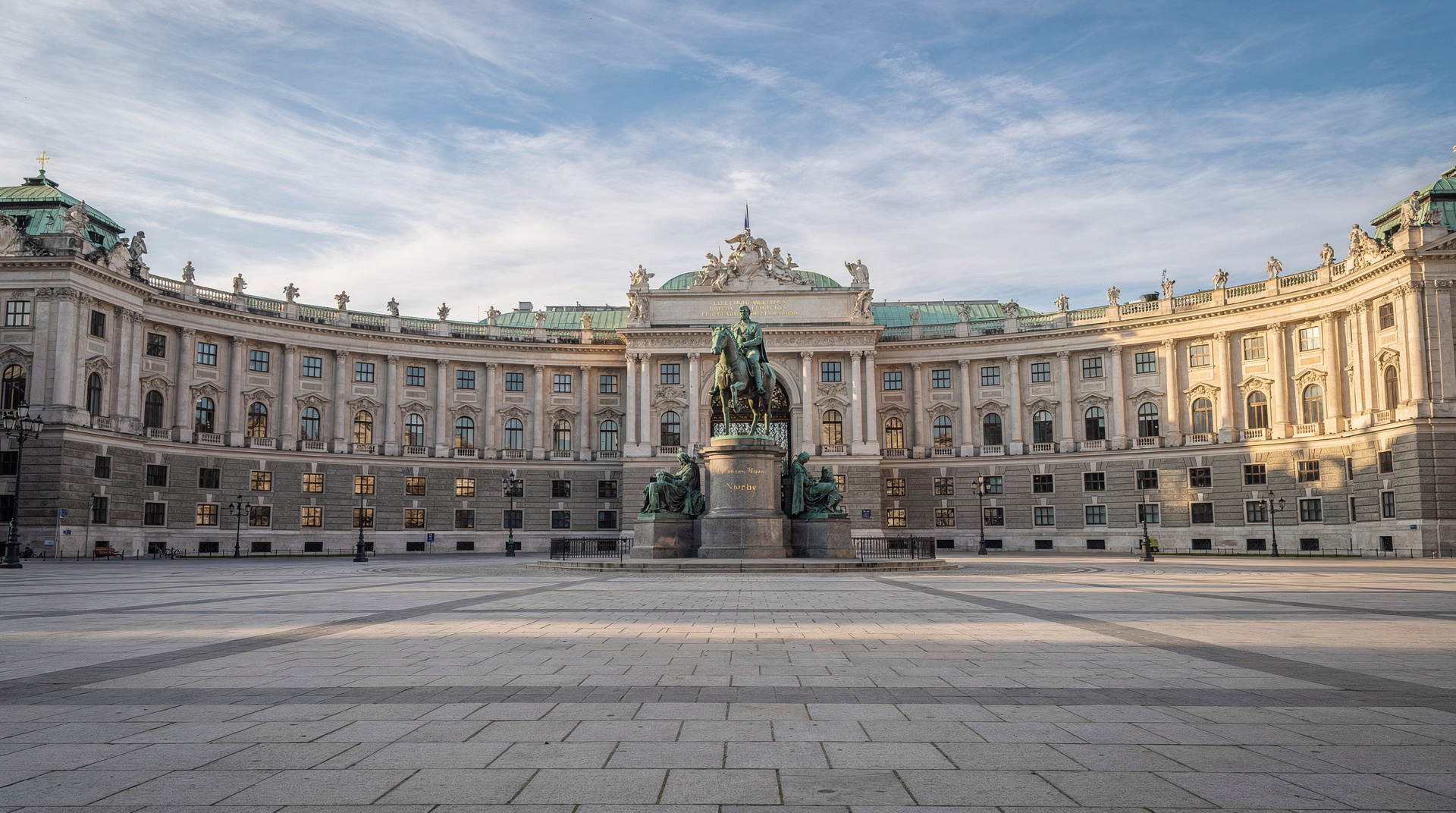
The Hofburg Burgkapelle (Imperial Chapel) is the private chapel of the Habsburg court, located within the Hofburg complex. Every Sunday at 9:15 am from September through June, a Catholic mass is celebrated here. The Vienna Boys’ Choir and members of the Vienna Philharmonic provide the music.
The service structure:
- 9:15 am: Mass begins (Latin Catholic liturgy)
- The choir sings the musical parts of the mass: Kyrie, Gloria, Credo, Sanctus, Benedictus, Agnus Dei
- The priest speaks the rest of the liturgy (in Latin, sometimes mixed with German)
- The mass lasts approximately 60 minutes
Total time the choir sings: Approximately 20–30 minutes out of the 60-minute service. The exact amount depends on the musical programme for that week.
The critical visibility issue: The Vienna Boys’ Choir sings from the organ loft — an elevated gallery above and behind the main altar. From the nave seating (where most tickets are allocated), you cannot see the choir. You hear them beautifully, but visually, most seated attendees only see the altar and priest.
The exception: a small number of gallery seats (directly adjacent to the choir loft) offer a view of the choir. These are the most sought-after and most expensive tickets. Book them specifically if visibility matters to you.
What makes it worthwhile
Despite the visibility limitation, the experience has genuine value:
Historical setting: The Burgkapelle was built in 1449. Beethoven’s String Quartet Op. 18 No. 4 was premiered here. Franz Schubert sang as a chorister in this very chapel in the early 19th century. Attending a mass in this space is an encounter with 500 years of Habsburg musical patronage.
The quality of the singing: The Vienna Boys’ Choir maintains one of the highest standards of choral performance in the world. Even heard without seeing the singers, the sound quality — particularly in the chapel’s natural acoustic — is extraordinary. The blend of the boys’ voices with the Vienna Philharmonic wind and brass players is a sound you don’t hear anywhere else.
The complete experience: The mass as a complete religious and musical event — where the music is embedded in its liturgical function rather than extracted for concert presentation — has an integrity that the choir’s regular touring concerts sometimes lack. This is the original context.
What disappoints visitors who went with wrong expectations
“I came for a concert”: If you expected a concert-format experience with the choir on a stage in front of you for 60 minutes, you will be disappointed. This is a mass, not a concert. The choir sings approximately half the time, from an elevated gallery you cannot see.
The seating: The Burgkapelle is a small chapel. The seating is church seating — wooden pews without cushions. The 60 minutes is not uncomfortable, but it is not concert-hall seating.
Language: The mass is in Latin (with some German for certain prayers). Non-Catholic visitors unfamiliar with the mass structure may find the liturgical sections between the musical moments slow.
The “we couldn’t see them” problem: Many visitor reports cite frustration at being unable to see the choir. If this matters to you, book gallery seats (limited availability, higher price) or adjust expectations to understand that you are attending a liturgical service where the music floats from above — which is, actually, historically accurate to how choral liturgy was intended to work in church architecture.
The companion practicalities guide
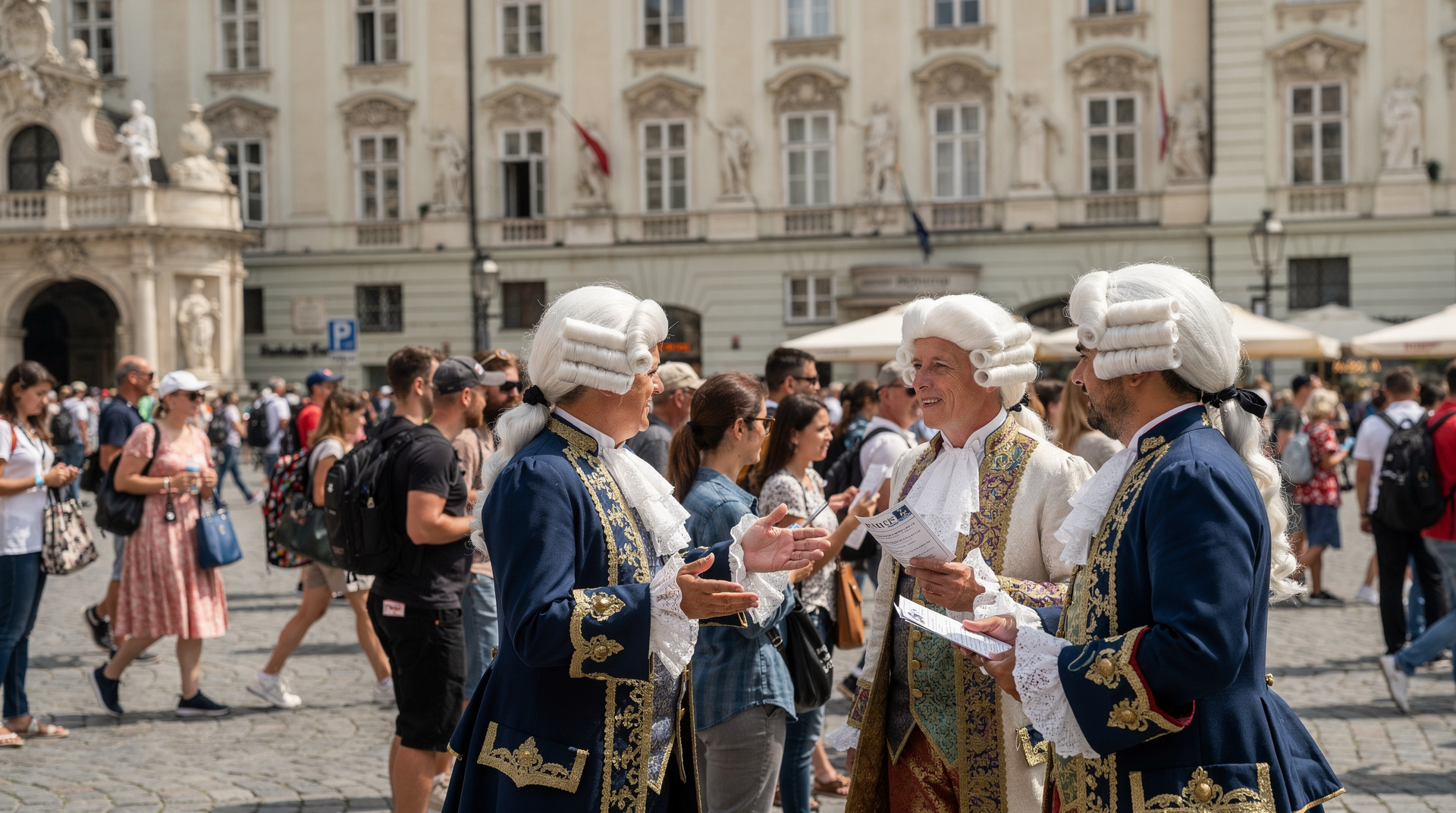
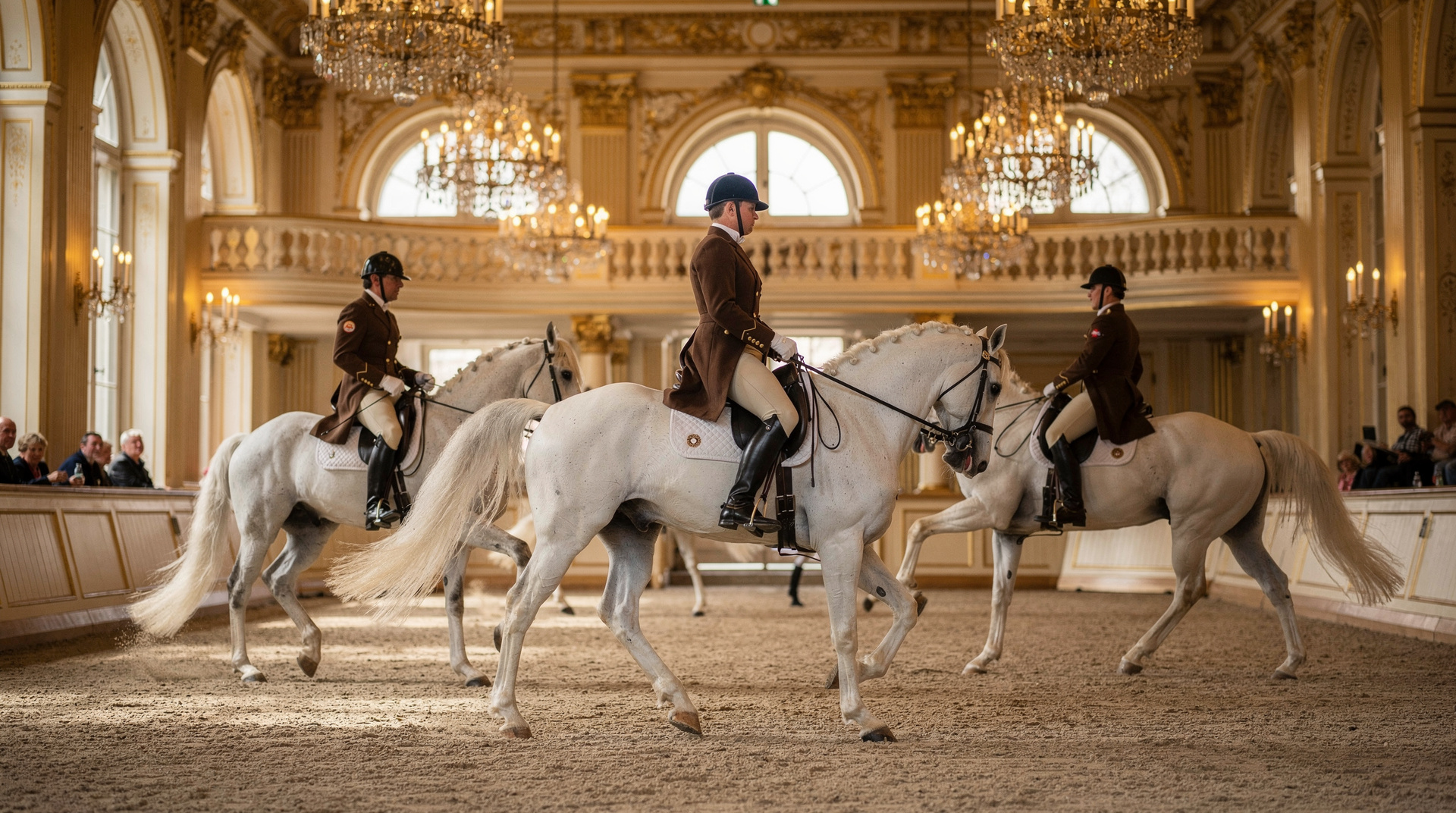
For the fuller walkthrough of ticket tiers, what the Burgkapelle itself looks like, and how the choir’s summer recess works, see our companion Vienna Boys’ Choir guide — this page focuses specifically on whether the experience is worth your Sunday morning, while that one covers the logistics in more depth. If you’re weighing this against Vienna’s other honest-planner “worth it or not” verdicts, our Spanish Riding School worth it guide and the Mozart impersonator concert trap warning cover similarly commonly-misunderstood Vienna experiences.
Is the mass the best way to hear the Vienna Boys’ Choir?
Not necessarily. The choir performs numerous public concerts throughout the year in various Vienna venues — the Konzerthaus, the Musikverein, and their own home venue at the Palais Augarten. These concerts feature the choir on stage, visible, for a programme that is specifically chosen for concert audiences rather than liturgical function.
If hearing the choir for the first time, a public concert may be a better format for the money. The Sunday mass is the right choice if the historical setting and the liturgical context matter — if you want the specific experience of hearing them sing in the Habsburg imperial chapel as they have done for 500 years.
How this differs from a typical Vienna concert booking
Most Vienna concert tickets — Musikverein, Kursalon, Stephansdom — are bought through standard commercial booking platforms with instant confirmation and a fixed seat number. The Burgkapelle mass tickets work differently: they’re allocated by a religious institution’s own administrative process, which means slower turnaround, less certainty, and no guarantee that a seat exists even after applying. Visitors used to the immediacy of app-based ticket purchases sometimes find this frustrating; treating it more like applying for something scarce, rather than buying a product, sets the right expectation from the start.
Booking tickets
Official website: hofmusikkapelle.gv.at
Seated tickets: €5–50 depending on position. The front pews near the altar are the most expensive; the side sections are cheaper but have partial view of the altar. Gallery tickets (view of choir) are available at higher prices and limited quantity.
Advance booking: 8–10 weeks for popular Sundays (October, November, February, March). Last-minute availability varies — some Sundays have seats available 1–2 weeks before.
Same-day standing tickets: Available at the Burgkapelle door from 8:30 am on the morning of the mass. Standing in the back of the nave. Free (voluntary donation). This is the traditional way for budget visitors to attend — arrive by 8:45 am for the best standing position.
Season: September through June. The choir is on summer recess July and August. Some Sundays during the season may have substitute choral groups if the Boys’ Choir is on international tour — this is noted on the website.
What regular attendees say changes their view
Visitors who attend more than once often report that the experience improves markedly on a second visit, simply because the disorientation of not seeing the choir has already been processed the first time around. Knowing in advance that you are there primarily to listen rather than watch — and choosing to close your eyes or focus on the architecture during the sung sections — reframes the whole 60 minutes in a way that first-timers, primed by photographs of the choir performing on concert stages elsewhere, often aren’t prepared for. If you can mentally prepare for a listening experience rather than a viewing one before you arrive, the disappointment factor largely disappears.
For a pure choral concert instead
If you want to hear excellent choral music in a visible concert format, the Vienna choir scene offers:
Musikverein (regular choir concerts): The Vienna Philharmonic Choir and invited choral groups perform regularly. Check musikverein.at for programming.
Augustinerkirche: The court parish church adjacent to the Hofburg holds its own Sunday masses with choral music — less famous than the Burgkapelle but more accessible and less crowded.
Vienna: classical concert in the Musikverein — Vivaldi and MozartFor the broader Vienna classical music scene comparison — including how the Boys’ Choir mass compares to the Spanish Riding School, the Musikverein, and the Staatsoper — see our Vienna classical concerts compared guide.
What to do if you can’t get any ticket at all
If the application process falls through and standing room isn’t feasible on your travel dates either, the experience isn’t entirely closed off. The choir’s other Vienna performances — at the Musikverein, Konzerthaus, or their MuTh home venue — are bookable through normal commercial channels with none of the Burgkapelle’s uncertainty, and they present the choir in a format many first-time listeners find easier to appreciate: visible, on stage, in a concert programme designed for an audience rather than a congregation.
Building the rest of your Sunday around the mass
The mass sits inside the Hofburg complex, so the morning pairs naturally with the rest of the imperial quarter. Once the service ends, you are already at the heart of the Innere Stadt, and the Hofburg Palace guide explains how to read the wider complex you have just walked into. If the history of the court that once worshipped here interests you, the Habsburg history for travelers guide gives the background that makes the chapel more meaningful.
Visitors who enjoy the imperial theme often continue to the Imperial Apartments or the Sisi Museum later in the day, and for a gentler follow-up on the same morning, a long coffee at one of the places in our best coffee houses in Vienna guide suits the quiet mood the music leaves behind.
If you would rather have the rooms explained than wander them alone, a guided visit of the Hofburg and the Sisi Museum is a natural way to extend the imperial theme once the service is over, and it spares you from deciding on the spot what to look at first. Those who prefer to explore the palace at their own pace can read the guides above and go on their own, but a guided format helps most when the history of the court is new to you.
Where the mass fits in a wider Vienna music plan
The Sunday mass works best as one piece of a larger musical itinerary rather than the whole of it. If music is a main reason for your trip, our Vienna classical music itinerary shows how to combine a morning like this with evening concerts, and the classical vs touristic concerts guide helps you tell a serious programme from a staged tourist show. For the major hall experience, the Musikverein concerts guide covers what to expect, and an evening at a staged musical performance of The Phantom of the Opera is an option if you want something with visible singers and a story, while the Vienna State Opera guide is the place to start if you would rather see singers on a stage.
If you are still deciding how many days to give the city, the Vienna 3-day itinerary leaves room for a Sunday morning like this one when your stay includes a Sunday in season.
The honest recommendation
Attend if: You are Catholic or comfortable in a Catholic liturgical setting; you appreciate the historical significance over visual spectacle; you have arranged gallery seating for choir visibility; you are visiting in September–June.
Reconsider if: You are expecting a 60-minute concert with visible performers; you want modern comfort seating; you are visiting in July or August.
The best case: Gallery seats booked 8 weeks ahead, arriving at the Burgkapelle 10 minutes early to appreciate the chapel before the service begins. Walk to Café Central afterwards for a proper Viennese breakfast. This sequence — one hour of extraordinary music in a 15th-century imperial chapel, followed by a long Melange in Freud’s favourite coffee house — is genuinely unique to Vienna.
Frequently asked questions about the Vienna Boys’ Choir
Is the Vienna Boys’ Choir Sunday mass worth attending?
Worth it with accurate expectations. It is a 60-minute Catholic mass in Latin, of which the choir sings 20–30 minutes, from a gallery you may not see. Historically significant and musically beautiful. Not a concert.
How often does the Vienna Boys’ Choir sing the Sunday mass?
September through June, weekly (occasional exceptions when on international tour). Closed July and August.
How do I book tickets?
At hofmusikkapelle.gv.at. Seated tickets €5–50. Same-day standing tickets available at the door from 8:30 am (voluntary donation).
Where does the choir actually sing?
From the choir loft — an elevated gallery above the altar. Most seated visitors in the nave cannot see them. Gallery seats (limited) offer a view.
How long is the Sunday mass service?
Approximately 60 minutes. The choir sings 20–30 minutes of the total. The rest is liturgical.
Top experiences
Bookable activities with verified prices and instant confirmation on GetYourGuide.