Schönbrunn Zoo guide: the world's oldest zoo in Vienna
Vienna: Skip-the-line Tickets for Schönbrunn Zoo
Is Schönbrunn Zoo worth visiting?
Yes — Tiergarten Schönbrunn is not just a historical curiosity but one of Europe's leading modern zoos, with Giant Pandas (Yang Yang and her cubs), polar bears, and exceptional landscaping in a Baroque setting. The zoo and palace make an excellent full-day combination. Adult admission is around €24; allow 3–4 hours.
Why the world’s oldest zoo is still worth visiting
Tiergarten Schönbrunn has two selling points that no other zoo in the world can offer. The first is age: founded in 1752 by Habsburg Emperor Franz I (consort of Empress Maria Theresa), it is the oldest continuously operating zoo on earth, predating London Zoo by 76 years. The second is the Giant Pandas: Vienna’s panda programme, built around the female Yang Yang (resident since 2003), has produced more panda cubs in Europe than any other institution. As of 2026, the zoo remains one of very few places in the Western world where you can see Giant Pandas.
Beyond these headline attractions, the zoo is a serious modern conservation institution — consistently rated among the top five zoos in Europe — and the Baroque setting (the original star-shaped layout with the imperial pavilion at its centre is still legible in the plan) is unlike anything else on the continent.
| Where | Schönbrunn palace grounds, U4 Hietzing |
| Cost | Around €24 adults, €16 children (3–18) |
| Time needed | 3–4 hours |
| Getting there | U4 to Hietzing (direct gate) |
| Best time | Morning, weekdays, spring or autumn |
What you need to know before you go
Getting there: U4 to Hietzing (the Hietzing entrance is directly at the zoo gate). Alternatively, enter through the Schönbrunn Palace grounds from Schönbrunnschlossstraße and walk 10 minutes through the gardens.
Opening hours: Open daily from 9 am. Closing times vary by season: 6:30 pm in summer, 4:30 pm in winter. Check the zoo website for current hours.
Admission (2026): Approximately €24 adults, €16 children (3–18), under 3 free. Skip-the-line tickets save 20–30 minutes at the entrance on busy days.
Size and stamina: The zoo covers 17 hectares with about 700 enclosures. A thorough visit takes 3–4 hours. Wear comfortable shoes.
Café and facilities: There are multiple cafés and restaurants in the zoo, including seating at the central Baroque pavilion. Quality is decent (for a zoo). Bring water in summer.
What to see: the main attractions
Giant Pandas
The Giant Panda enclosure is the zoo’s signature attraction. Yang Yang arrived from China in 2003 and has since produced multiple cubs — an extraordinary achievement given the well-documented difficulties of breeding pandas in captivity. The enclosure is spacious and well-designed, with an outdoor bamboo area and indoor viewing sections. Pandas are most active in the morning (see FAQ below); afternoon visitors often find them asleep.
Polar Bears
The Arctic panorama with polar bears is one of the zoo’s most impressive modern enclosures — a large pool and terrain that allows the bears to swim at close viewing range. The underwater viewing section lets you see the bears move through the water from below.
Asian Elephants
Vienna’s elephant herd occupies a large compound designed for year-round use. The matriarch Gretchen arrived in the 1980s; the current herd includes younger animals born at the zoo.
Aquarium and rainforest house
The combined aquarium (freshwater and marine tanks) and rainforest house is a strong complement to the outdoor animal areas, particularly useful on rainy days or with young children who appreciate the more enclosed, interactive environment. The anaconda tank and the coral reef section are particular highlights.
The Baroque central pavilion
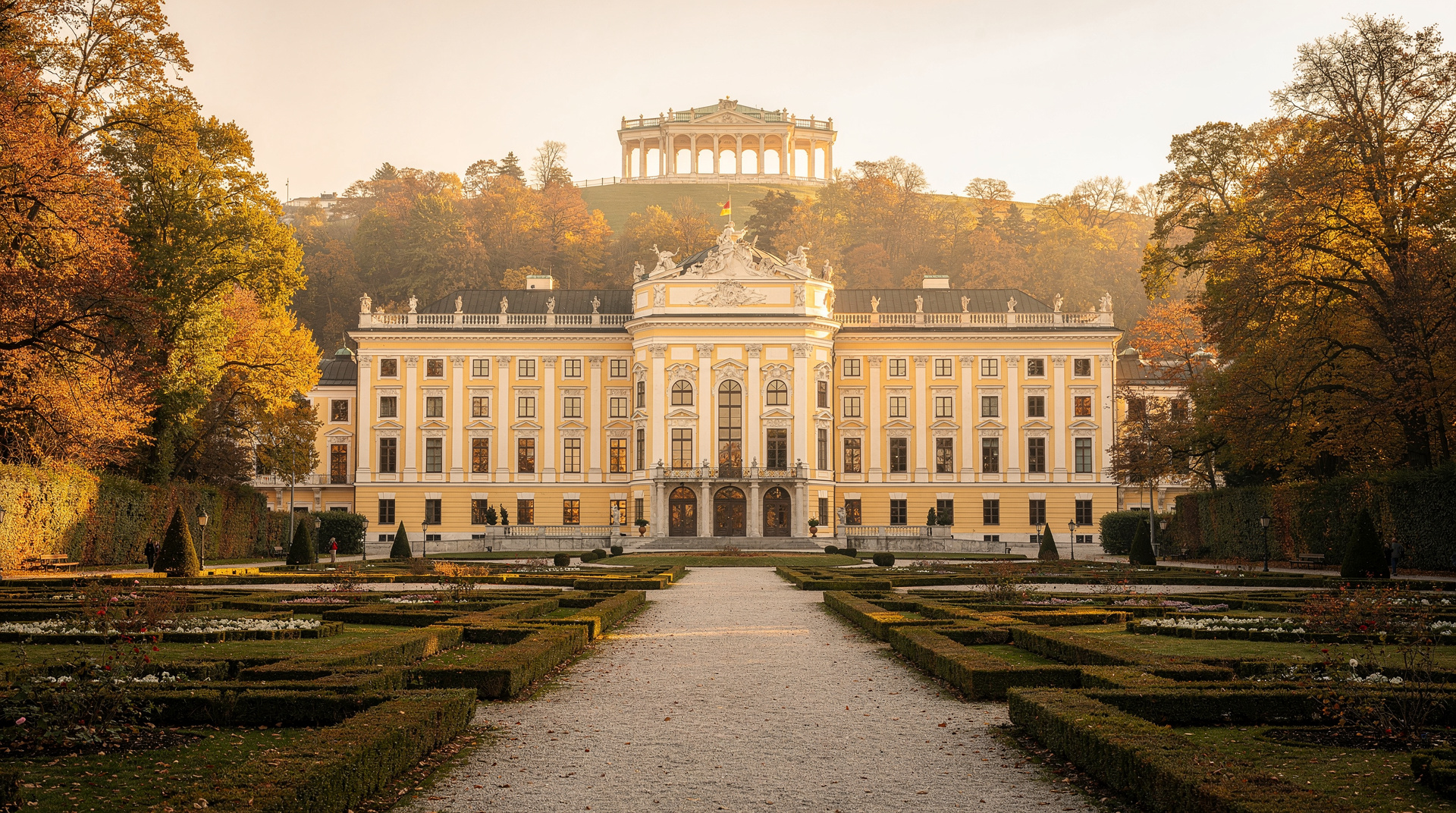
The original imperial pavilion — built in 1759 and restored to its 18th-century appearance — sits at the geometric centre of the zoo where its radiating paths meet. It now functions as a restaurant. Even if you do not eat there, walk to the pavilion and look out at the star-shaped plan: this is what the imperial menagerie looked like to Empress Maria Theresa.
Children’s Zoo (Streichelzoo)
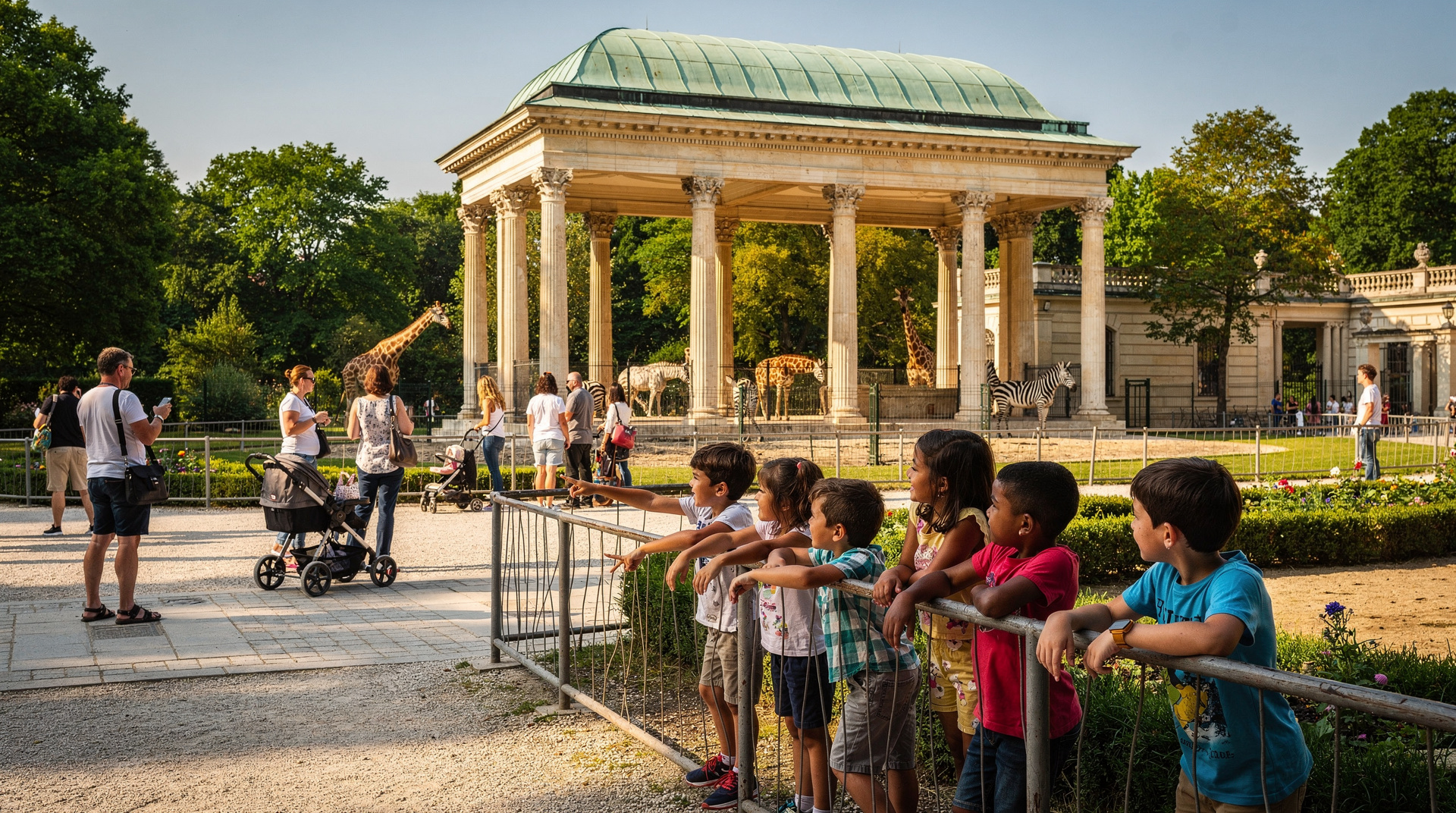
The petting zoo section allows children to feed and touch goats, sheep, and smaller animals. It is particularly popular with children aged 3–8.
How the zoo compares to Vienna’s other family attractions
Vienna has several strong family days, and the zoo is one of the best, but not the only option. The Prater amusement park delivers a different kind of excitement for children old enough for rides, with its historic Ferris wheel and roller coasters. The Naturhistorisches Museum is the strongest indoor, rainy-day alternative, with dinosaur skeletons and meteorite collections.
Our Vienna with kids guide ranks all three plus several other options against age group and weather, and the Vienna with kids itinerary sequences them across a multi-day trip so children don’t burn out on any single day.
Combining zoo and palace
Vienna: skip-the-line tickets for Schönbrunn Zoo The most efficient combination is:
- Morning (9–11 am): Zoo first, arriving when it opens to see the pandas active
- Late morning–early afternoon: Schönbrunn Palace (Imperial Tour: 1.5 hours or Grand Tour: 2 hours)
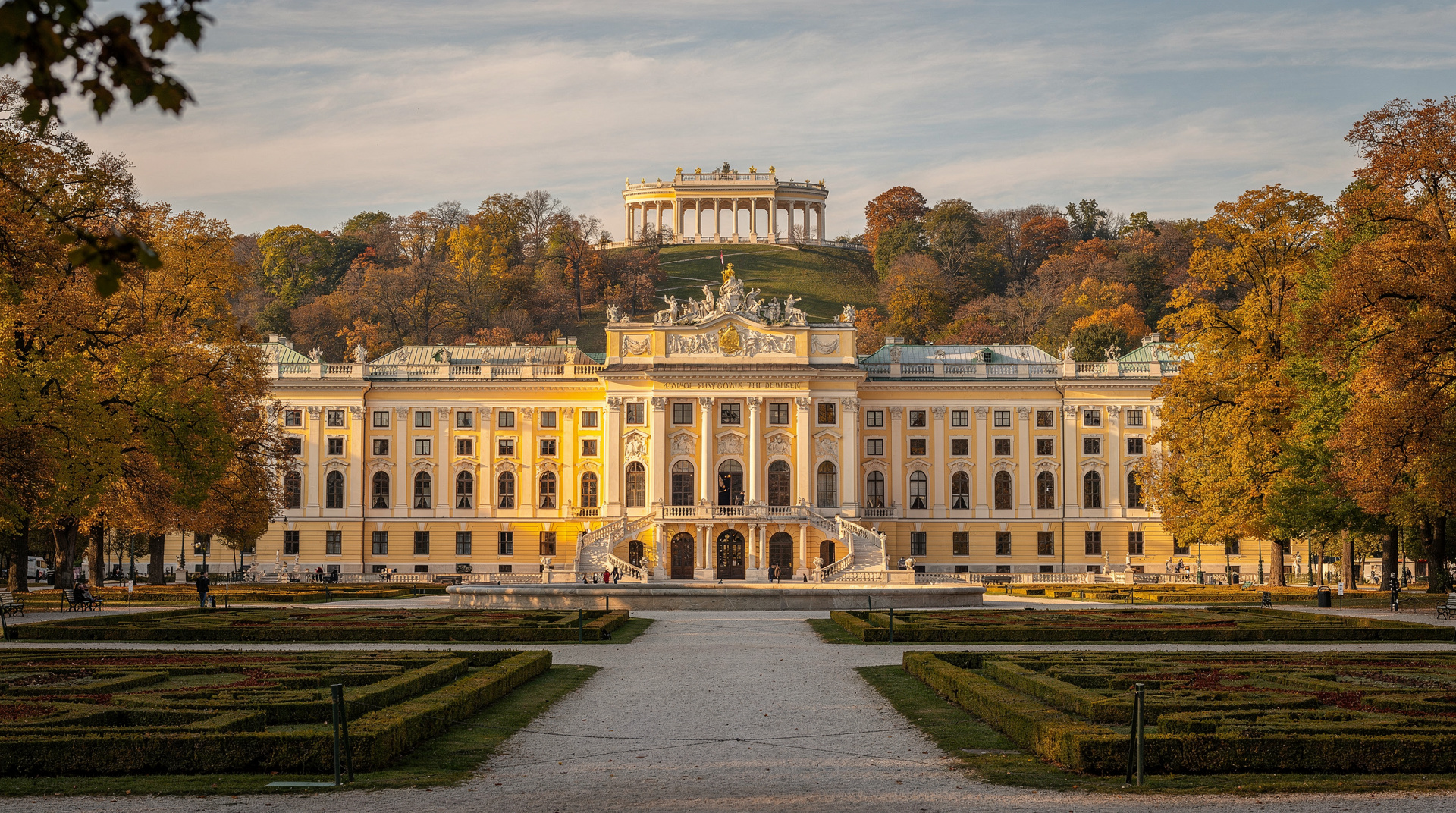
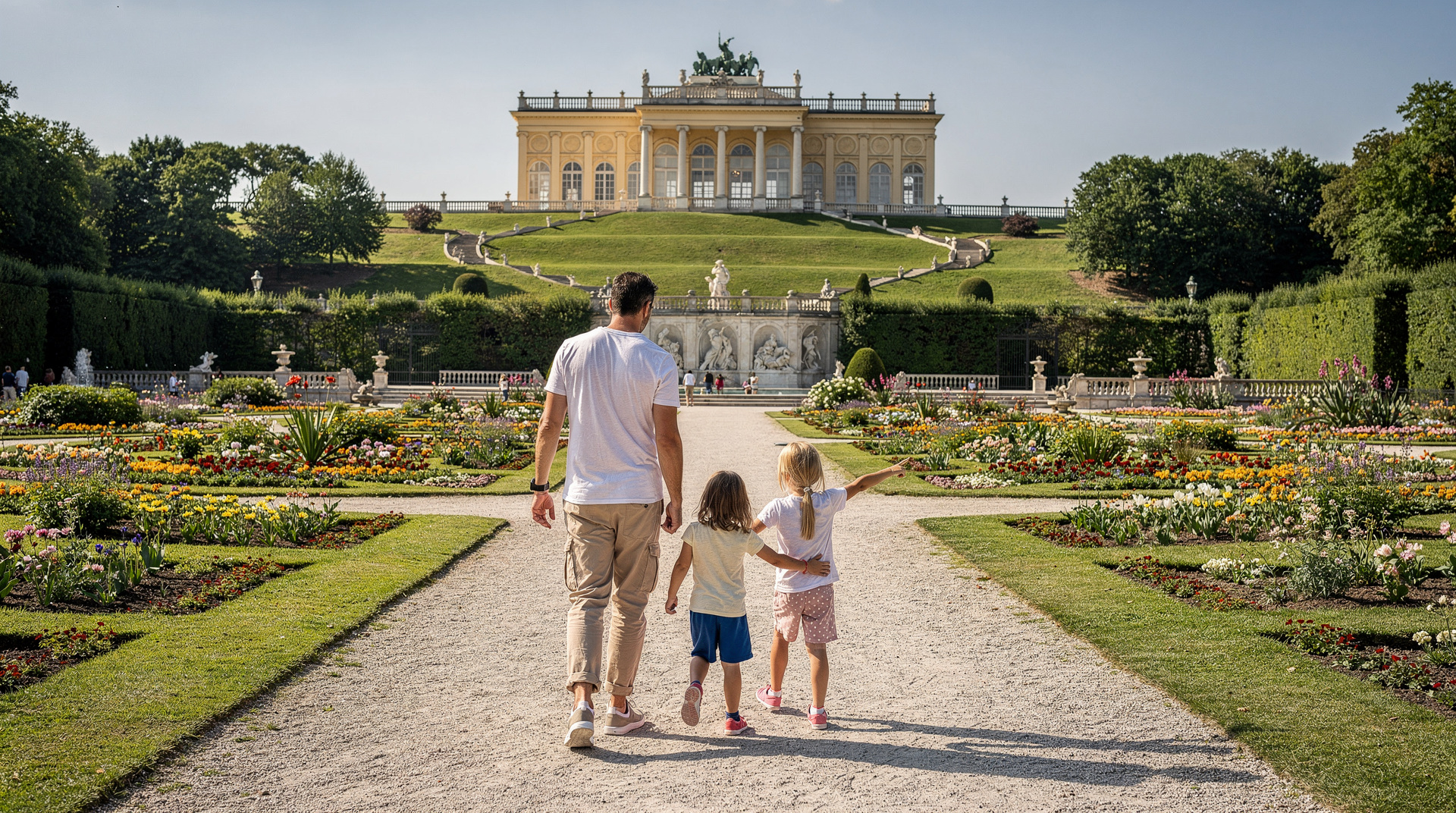
- Afternoon: Schönbrunn gardens and Gloriette
This sequence uses the morning for the zoo (when pandas are active and crowds smaller) and the palace for the warmer part of the day when the palace’s indoor temperature is a relief.
Vienna: Schönbrunn Palace and Gardens skip-the-line tourSeasonal considerations
Spring (April–May): Excellent — baby animals are often born in spring, the gardens are in bloom, and crowds are manageable.
Summer (June–August): Peak season. The zoo is hot, and the pandas and polar bears are particularly sensitive to heat. The zoo manages this with cooled indoor areas, but afternoons can be uncomfortable. Early morning or late afternoon visits are better.
Autumn (September–October): Good visiting conditions. Some outdoor exhibits have reduced hours as the season ends.
Winter (November–March): The zoo is open year-round. The Christmas market in the palace courtyard makes November–December an atmospheric combined visit. Some animals are kept indoors, and the penguin enclosure comes into its own.
Honest tips
Skip-the-line is worth it in summer. The ticket queue on summer mornings can reach 45 minutes. Online tickets (with timed entry) eliminate this and cost only a small booking fee more.
The zoo and the Vienna PASS: The Schönbrunn Zoo is included in the Vienna PASS. If you are visiting multiple attractions, check whether the pass’s break-even point works for your itinerary in our Vienna PASS review.
The Schönbrunn Palace separately: Note that the zoo admission does not include the palace interior. The palace requires a separate ticket. However, the Schönbrunn Palace gardens (the paths, fountains, Gloriette) are free and shared between palace and zoo visitors.
Food: Bring your own snacks if you are budget-conscious — zoo pricing is, as always, a significant premium over what the same food costs outside. The quality of the hot food at the central pavilion restaurant is, however, considerably better than typical zoo catering.
For families planning what else to include on the trip, our Schönbrunn Palace guide covers the state rooms and gardens in full, and the Schönbrunn destination page is a useful orientation to the wider grounds if this is your first visit to the area.
Planning your visit around the rest of your trip
The zoo works best as one anchor of a day, not the whole day. If you are building a longer stay, the 3-day itinerary and the 5-day itinerary both show where a Schönbrunn day fits between the inner-city sights, and the how many days in Vienna guide helps you decide whether you can spare a full day for the grounds at all. Travellers who like to see the zoo and the palace together will find the trade-offs between the two spelled out in Schönbrunn vs Hofburg, which is useful if you only have time for one imperial residence.
Getting around is simple once you know the city’s rhythm. Our Vienna public transport guide explains how the U-Bahn, trams and tickets fit together, so the ride out to Hietzing becomes the easy part of the day rather than something to puzzle over at the station.
A suggested route through the zoo
Because the layout radiates from the central pavilion, it helps to have a loose plan rather than wandering at random. Start with the animal you most want to see while you still have energy and the morning calm: for most visitors that is the pandas. From there, work outward along one of the radiating paths, leaving the pavilion as a natural midpoint for a drink or a meal. Save the enclosed areas, the aquarium and rainforest house, for the moment when your legs are tired or the weather turns, since they are a good place to slow down without feeling you have given up on the day.
Children tend to run out of patience before adults do, so build in a stop at the Streichelzoo rather than leaving it for the very end, when everyone is hungry and tired. If you are travelling with a pram, note the accessibility remarks above and plan to stay on the main paved paths for the busiest stretches.
Photography and etiquette
Animals behave best when visitors are quiet, and the pandas in particular reward patience. Keep voices low near the enclosures, avoid tapping on glass in the aquarium and the underwater polar bear viewing area, and never feed the animals. Flash photography is best avoided indoors, where it startles animals and rarely produces a good picture through glass anyway. For outdoor shots, the Baroque pavilion and the long radiating paths make better photographs than a crowded enclosure rail; the soft morning light is kinder to both animals and cameras. If you enjoy taking pictures around the grounds more generally, our Vienna photography spots guide suggests other places worth lifting a camera.
Rainy days and changeable weather
Vienna weather can turn quickly, and the zoo is more forgiving than many outdoor attractions because so much of it can be enjoyed under cover or in short bursts. On a wet day, lean on the aquarium, the rainforest house and the pavilion restaurant, and treat the outdoor enclosures as quick dashes between shelters. If the forecast is truly poor, you may prefer to swap the zoo for an indoor option from our best museums in Vienna list and return on a clearer day. Our best time to visit Vienna guide helps you judge which season suits you before you commit.
Making it a family day
Younger children enjoy the zoo most when the day has a clear shape: one big animal goal, a snack stop, a play or petting moment, and an early exit before meltdowns begin. Let them choose a favourite enclosure and spend longer there instead of rushing to tick everything off. For parents wondering how the zoo sits alongside other child-friendly stops, the Vienna with kids comparison is covered in the guides linked earlier, and the Schönbrunn zoo family visit page goes deeper on pacing, buggy routes and keeping small visitors happy from the gate to the exit.
Conservation and breeding programmes
Beyond the panda headline, Tiergarten Schönbrunn runs several serious conservation programmes that rarely make the visitor brochures: a European breeding programme for Amur leopards (among the world’s rarest big cats, with fewer than 100 remaining in the wild), a wetland conservation partnership tied to the aquarium’s freshwater exhibits, and participation in international elephant and gorilla studbooks that coordinate genetic diversity across European zoos. None of this changes how you plan a visit, but it’s worth knowing that the zoo’s reputation among conservation professionals is as strong as its reputation among tourists — the two are not always the same thing at older European zoos.
Accessibility notes
The main paths are paved and pram/wheelchair friendly, though some peripheral enclosures (particularly around the elephant compound) sit on gravel side paths that are slower going. Wheelchairs can be borrowed near the entrance in limited numbers — arrive early if you need one. Baby-changing facilities and a nursing area are available near the central pavilion restaurant.
Frequently asked questions about Schönbrunn Zoo
What animals can you see at Schönbrunn Zoo?
The zoo has around 700 species, including Giant Pandas, polar bears, Asian elephants, gorillas, Amur leopards, orangutans, and a large aquarium. The Giant Pandas are the main draw for most visitors.
How old is Schönbrunn Zoo?
Tiergarten Schönbrunn was founded in 1752 by Emperor Franz I as an imperial menagerie and is the oldest continuously operating zoo in the world.
Can I combine the zoo and the palace in one day?
Yes — the zoo entrance is inside the Schönbrunn Palace gardens, a 10-minute walk from the palace building. A palace plus zoo day is entirely manageable.
How do I get to Schönbrunn Zoo?
Take U4 to Hietzing for the direct zoo entrance. Alternatively, enter through the main Schönbrunn Palace gates from Schönbrunnschlossstraße and walk 10 minutes through the gardens.
Is Schönbrunn Zoo suitable for children?
Absolutely — it is one of the best family attractions in Vienna. The Streichelzoo, aquarium, rainforest house, and major animals make it excellent for all ages.
What is the best time to see the Giant Pandas?
Giant Pandas are most active in the morning, typically 8–11 am, before the midday heat sends them to sleep. Arrive at zoo opening (9 am) to see Yang Yang active before the crowds build.
Top experiences
Bookable activities with verified prices and instant confirmation on GetYourGuide.