Prater amusement park guide: Riesenrad, rides and family planning
Vienna: Skip-the-cashier-desk-line Giant Ferris Wheel Ride
What is the Prater and is it worth visiting?
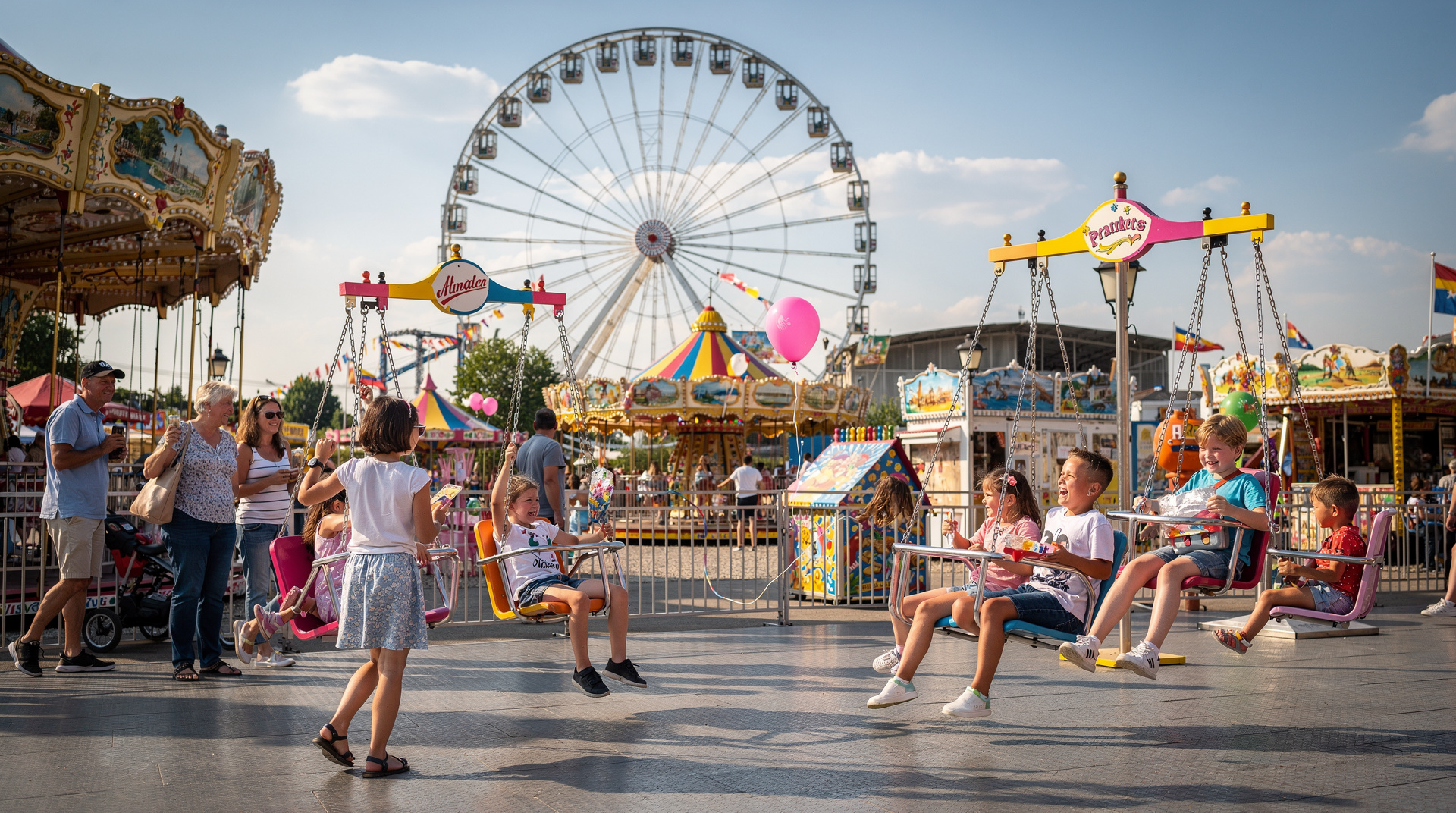
The Prater is a vast public park in the 2nd district containing the Wurstelprater amusement park. Entry to the park is free — you pay per ride or get a day pass. The Riesenrad (Giant Ferris Wheel, 1897) is the iconic centrepiece and one of Vienna's best family experiences. The amusement park has rides for all ages from toddlers to teens.
The Prater: Vienna’s oldest pleasure ground
The Prater has been Vienna’s public park since Emperor Joseph II opened the imperial hunting grounds to the public in 1766. The vast park (6 square kilometres) contains forest, sports facilities, the Liliputbahn miniature railway, and at its western end, the Wurstelprater — Vienna’s traditional amusement park and one of the oldest in the world.
The Riesenrad (Giant Ferris Wheel), built in 1897 by English engineer Walter Basset and photographed since in countless films and novels, is the Prater’s most famous landmark and Vienna’s most recognisable silhouette alongside Stephansdom. For families visiting Vienna, the Prater and the Riesenrad together make one of the city’s best days out.
| Where | Prater/Leopoldstadt, 2nd district |
| Entry | Free; pay per ride or day pass |
| Riesenrad | Around €13 adults, €6–7 children |
| Day pass | Around €25–35 per person |
| Getting there | U1 to Praterstern |
Getting to the Prater
U-Bahn: U1 (red line) to Praterstern station. The Riesenrad is a 5-minute walk from the Praterstern U-Bahn exit. From Stephansplatz (the most central tourist station), it is 3 stops — approximately 8 minutes.
Tram: Tram 1 or O to Praterstern. Bus 80A or N29 also serve the area.
Opening hours: The Prater park itself is open 24 hours, always. The Wurstelprater amusement park operates seasonally — most rides open mid-March through October, with some operating year-round. Hours vary by ride and season; the area is typically active from 10 am through the evening in summer.
The Riesenrad: Vienna’s most iconic ride
Vienna: skip-the-cashier-line Riesenrad Giant Ferris Wheel ride The Riesenrad (Giant Ferris Wheel) is not a modern amusement ride — it is a 127-year-old working piece of engineering history. The 15 red gondolas (originally 30, reduced after WWI damage) rotate on a 61-metre diameter wheel at walking pace. A complete revolution takes approximately 20 minutes.
What you experience: The gondolas are enclosed wooden cabins — weatherproof, with windows on all sides. As the wheel turns, you rise to 65 metres above the Prater, giving a panoramic view of Vienna. The Stephansdom spire is visible to the west, the Danube glitters in the middle distance, and the Vienna Woods frame the north and west. On very clear days, the alpine peaks of the Schneeberg appear to the south.
Duration: The ride lasts approximately 20 minutes (two full rotations for standard tickets; one rotation for the shorter version sometimes offered).
Price: Approximately €13 for adults, €6–7 for children under 12. Skip-the-line tickets from GetYourGuide include entry to the ride.
Queues: In peak summer, the cashier desk can have 20–30 minute queues. Book the skip-the-line ticket in advance.
The Riesenrad Museum: At the base of the Ferris Wheel is a small museum showing historic photographs and the history of the wheel, including its near-destruction in WWII. Included in the ride ticket.
The Wurstelprater: rides by age
For young children (aged 3–7)
The Wurstelprater has extensive provision for young children:
Liliputbahn (Miniature Railway): A narrow-gauge steam and diesel railway that circles the western Prater park on a 4km loop. Running since 1928. Rides take approximately 20 minutes. Children love the scale and the genuine steam engine on some runs. Departs from the main Prater entrance area.
Children’s carousels: Traditional merry-go-rounds with horses, cars, and other animals. Multiple options throughout the park, €2–3 per ride.
Mini Ferris wheels: Smaller versions of the Riesenrad concept scaled for young children.
Miniature cars and trains: Battery-powered or pedal cars on fixed tracks. Common throughout the park.
Puppet theatre (Kasperl-Theater): Traditional Austrian puppet shows — Kasperl (the Austrian Punch character) battles various villains. In German but the physical comedy is universal. Showtimes posted at the theatre entrance.
For older children (aged 8–14)
Hochschaubahn (Traditional Roller Coaster): One of the last wooden traditional roller coasters in Europe, operating since 1948. Not extreme by modern standards — maximum height 18 metres — but the wooden structure gives it a classic rattling charm. The family-appropriate intensity makes it suitable from age 7–8.
Ghost train (Geisterbahn): A traditional haunted house dark ride through painted scenes and pneumatic scares. Suitable from age 6–7 (younger children sometimes find it too intense).
Volare (Suspended Coaster): A modern suspended roller coaster where riders hang below the track. More intense than the Hochschaubahn; suitable from approximately 1.20m height.
Bumper cars (Autodrom): Classic fairground dodgems. Good for 8+ with some coordination.
Water ride: Seasonal log flume-style ride with moderate soaking involved. Summer favourite.
For mixed-age groups
Prater Monorail: A slow-moving overhead monorail with views of the park. More of a touring experience than a thrill ride — good for accompanying adults with younger children.
Shooting galleries: Traditional fairground marksmanship games. Prizes offered.
Haunted House walk-through: A larger version of the ghost train experience with multiple rooms to walk through.
Day pass vs. pay-per-ride
Most Wurstelprater rides operate on a token or cashless payment system. You either:
- Pay per ride: Small rides €2–4, larger rides €4–8. Good for selective visitors who want 3–5 rides.
- Day pass: Approximately €25–35 depending on the package (various ride combinations available). Better value for families who want an all-day park experience.
The Riesenrad is sold separately and is not included in standard Wurstelprater day passes. Budget approximately €13/adult and €7/child for the Riesenrad on top of any day pass.
Beyond the Wurstelprater: the park itself
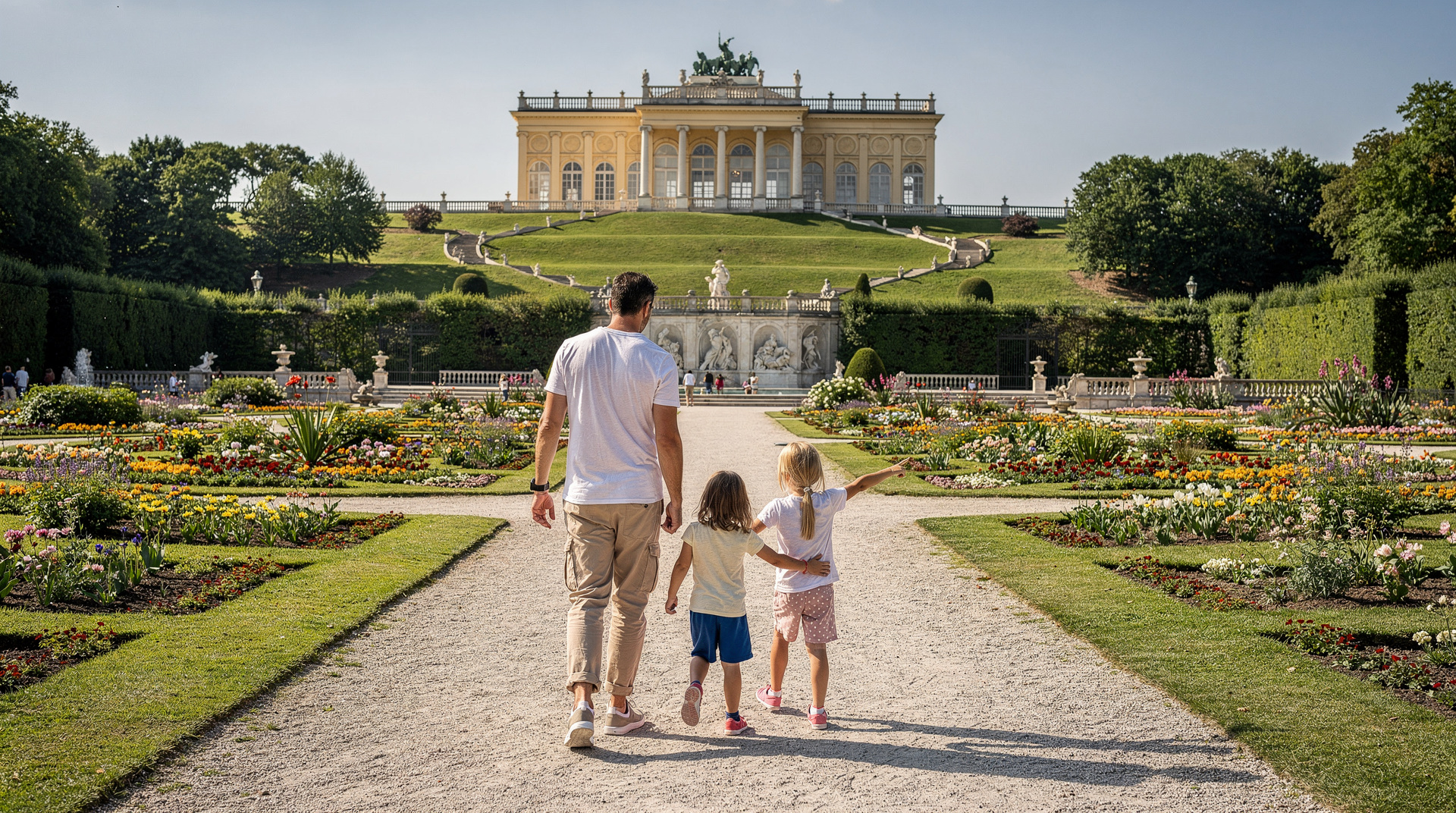
The Prater park extends 6 kilometres east of the Wurstelprater along the Hauptallee (main avenue) — a magnificent dead-straight avenue lined with ancient chestnut trees. This is one of Vienna’s best walks, cycling routes, and (in spring, autumn colour) photography locations.
Prater cycling: Bikes can be rented near the Praterstern station. The flat Hauptallee is excellent for family cycling.
Picnicking: The Prater park has extensive grass areas and benches. Bringing your own picnic is common and comfortable — take a blanket and make an afternoon of it.
Prater Hauptallee autumn: In October, the chestnut trees turn amber and gold — the 4.5km straight of autumn colour is one of Vienna’s most beautiful seasonal sights.
Eating in and around the Prater
Prater Schweizerhaus: The best restaurant in the Prater area. A large beer garden restaurant serving Austrian food and Czech Budvar beer (one of the oldest Budvar serving houses in Vienna). Large outdoor seating, families welcome, solid quality. Open mid-March through October.
Würstelstand near the Riesenrad: Several sausage stands cluster around the Ferris Wheel area. Quick, cheap (€3–4 per sausage), perfect post-ride fuel.
Wurstelprater food stalls: Various food stalls throughout the park serve fried food, soft drinks, and typical fairground snacks. Quality varies; prices are higher than in the city’s regular restaurants.
Combining the Prater with other activities
Prater + Danube cruise: The Prater is adjacent to the Danube. An afternoon Riesenrad ride followed by an evening Danube cruise is a natural combination for one day.
Prater + Naturhistorisches Museum: The U1 connects Praterstern to Karlsplatz (3 stops) where you can walk to the Naturhistorisches Museum. A morning of Prater rides + afternoon of dinosaurs is an excellent family day.
Prater + Leopoldstadt neighbourhood: The 2nd district (Leopoldstadt) surrounding the Prater has an excellent mix of Jewish history (the neighbourhood was Vienna’s Jewish quarter pre-WWII), markets (the Karmelitermarkt Saturday farmers’ market), and a young, neighbourhood restaurant scene.
Prater + a sightseeing day: If you would rather see the city from a seat than on foot, a hop-on hop-off bus ticket that bundles a Ferris wheel ride and a river cruise ties the Riesenrad into a wider loop of the city, which suits families with tired legs. Our hop-on hop-off vs metro comparison helps you decide whether the bus is worth it for your group.
Practical tips
Arrive at opening: The Riesenrad and major rides have minimal queues in the first hour.
Summer heat: The Prater park has limited shade in the amusement area (the Hauptallee forest is shaded). Bring sun protection for summer visits; the Wurstelprater area can feel very exposed in July–August heat.
Cash: Some older Wurstelprater rides still operate on cash tokens. Most modern rides accept cards. Have both options available.
Winter operation: The Prater Christmas market operates December–early January. The Liliputbahn and some indoor rides operate year-round. The Riesenrad operates year-round.
Budgeting a Prater visit for a family
Costs at the Wurstelprater add up quickly on a pay-per-ride basis, so it’s worth planning the budget before you arrive. A family of four doing a moderate mix of rides plus the Riesenrad typically spends €80–140 for the day including food — considerably more than most of Vienna’s paid museum visits. Our Vienna on a budget guide covers where the Prater fits among the city’s free and paid family activities, and how to balance a Prater splurge against cheaper days elsewhere in your trip.
Getting around with a family: Prater and public transport
The Prater’s location right on the U1 line makes it one of the easiest Vienna attractions to reach without a car, and it connects efficiently to most of the rest of the city. Praterstern is also a major transport hub in its own right, with S-Bahn regional trains and multiple tram lines converging alongside the U-Bahn. For families planning several attraction-hopping days, our Vienna public transport guide explains which travel passes make sense for a family group and how to navigate the system with strollers and young children.
Where the Prater fits in a wider family trip
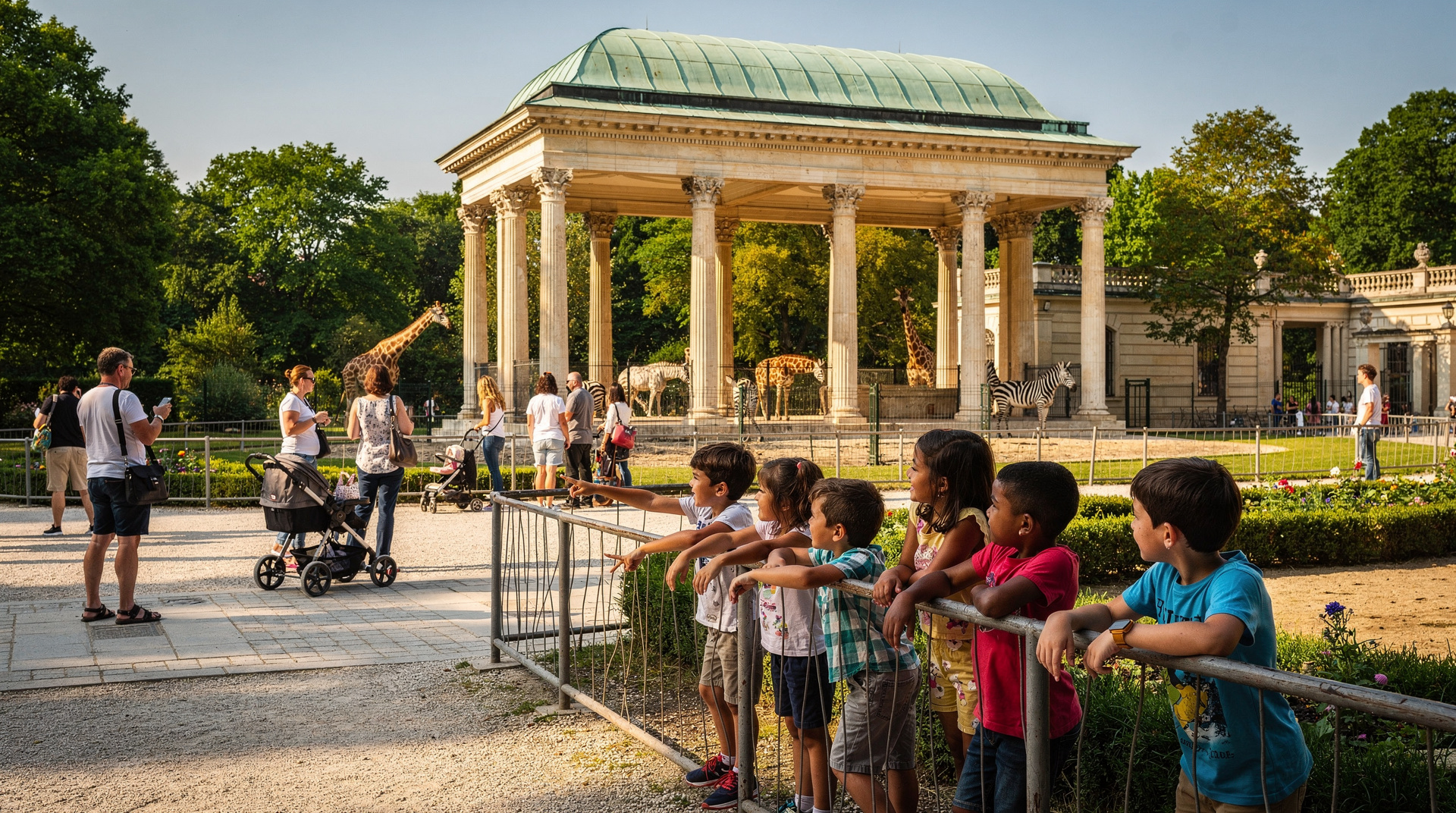
The Prater is one of several strong family anchors in Vienna alongside the Schönbrunn Zoo and the Naturhistorisches Museum, and most families visiting with children end up choosing two or three of these rather than trying to fit in all of them. Our Vienna with kids guide and the companion overview cover how to sequence a family-friendly Vienna trip, and the dedicated Vienna with kids itinerary builds a multi-day structure that gives the Prater a proper half-day without crowding out the rest of the city’s family attractions.
Shaping the day: a sensible order
A Prater day works best when the order follows the energy of your group rather than the map. Start with the Riesenrad while everyone is fresh and the queues are short, then move into the Wurstelprater for the rides that matter most to each child. Keep the quieter attractions, such as the Liliputbahn, the carousels and the puppet theatre, for the middle of the day when younger children begin to tire. Finish with a long meal at the Schweizerhaus or a slow walk along the Hauptallee, which lets everyone wind down before the journey back on the U1.
If your children are very different in age, split the visit into two short sessions with a break in between. Older children can take a second turn on the coasters while parents and toddlers sit down with a drink. It is also worth agreeing in advance how many rides each child may choose, since the fairground atmosphere makes it easy to say yes to everything and regret it at the till.
Prater with other Vienna sights
The Prater sits conveniently close to several other parts of the city, so it combines well with a slower, more cultural day. If you plan to visit several paid sights during your stay, a multi-attraction pass covering dozens of sights may be worth weighing against paying ticket by ticket; our Vienna Pass review goes through the maths. The Ringstrasse architecture walk is a good counterweight to a morning of rides, and the Naturhistorisches Museum guide explains how to handle a rainy-day backup if the weather turns. If your family enjoys boats and water, the Danube river cruise guide describes another way to see the city from a different angle, and the evening Danube cruise works well after a day on foot.
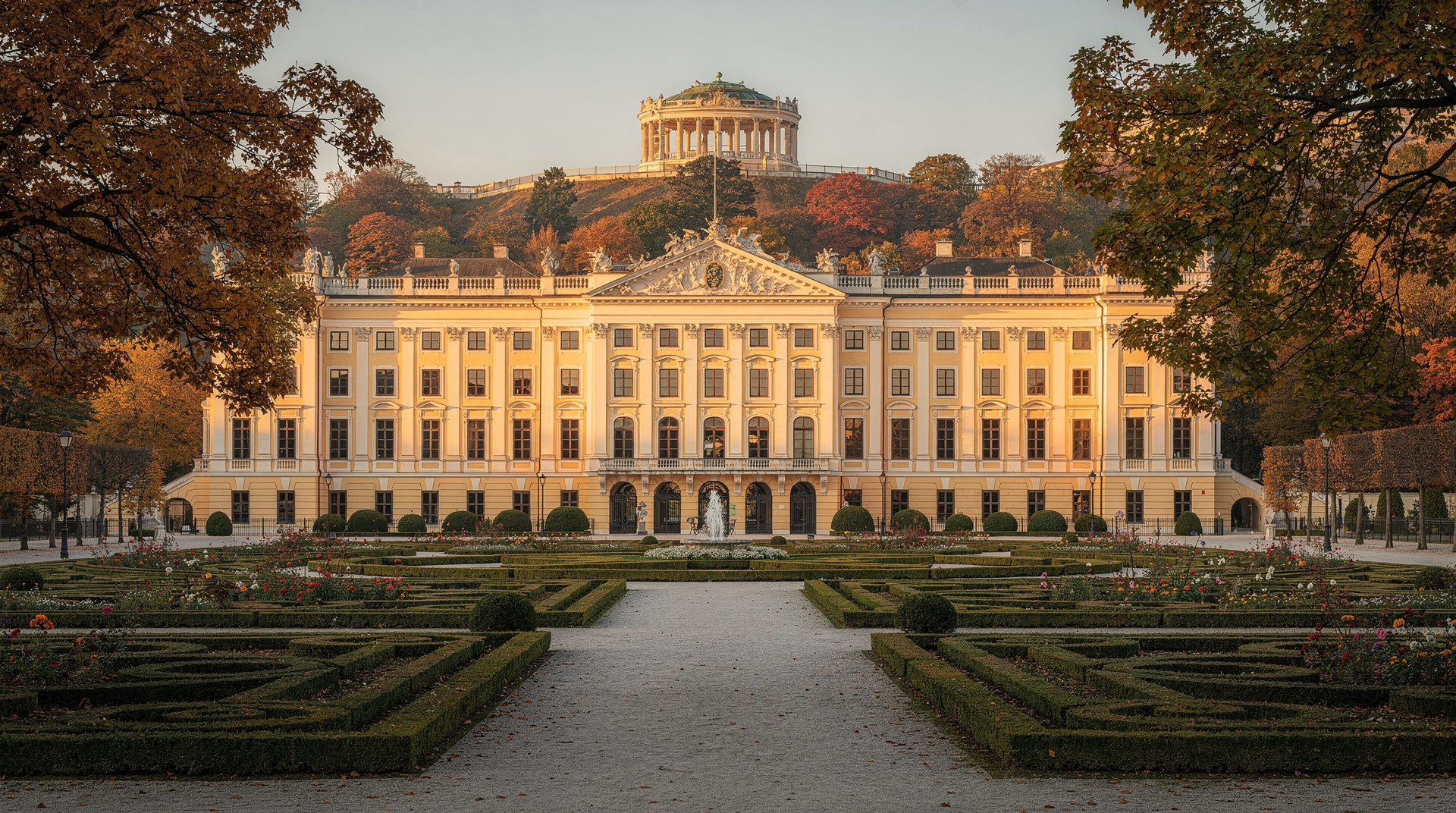
For a first visit to the city, the 3-day itinerary shows where a half-day at the Prater can slot in without squeezing out the major sights. Families staying longer may prefer the 5-day itinerary, which leaves more room for unhurried, child-paced days. If the weather decides against you, the best museums in Vienna guide lists indoor alternatives, and the Vienna in summer guide helps you plan around the heat that makes the open fairground so tiring in July and August.
Photography and memories
The Riesenrad is one of the most photographed structures in Vienna, and the best pictures are often taken from outside the wheel rather than inside a gondola. Walk a little way from the base to frame the red cabins against the sky, and return near sunset when the light softens. Our Vienna photography spots guide collects other viewpoints worth combining with a Prater visit. Inside the gondola, windows can reflect, so hold the camera close to the glass and let children take turns at the best side.
Frequently asked questions about the Prater amusement park
How much does the Prater amusement park cost?
Entry to the park is free. Rides: small rides €2–4, larger rides €4–8, Riesenrad approximately €13 adults. Day passes approximately €25–35.
How tall is the Riesenrad?
65 metres at highest point. Enclosed wooden gondolas. 20-minute ride with panoramic Vienna views.
What rides are there for young children?
Children’s carousels, Liliputbahn miniature railway, mini Ferris wheels, bumper boats, and miniature cars. Most €2–4 per ride.
Is the Prater appropriate for teenagers?
Yes — proper roller coasters (Hochschaubahn, Volare), ghost train, and thrill rides are available for teens.
When is the Prater least crowded?
Weekday mornings outside school holidays. Summer weekends and school holidays are busiest.
Top experiences
Bookable activities with verified prices and instant confirmation on GetYourGuide.