Budapest day trip from Vienna: Railjet, what to see and honest advice
From Vienna: Budapest Small-Group Guided Day Tour
Is Budapest worth doing as a day trip from Vienna?
It is possible — 2.5 hours by Railjet — but a day trip means 12 hours door-to-door with about 6 hours in Budapest. You can see the highlights (Buda Castle, Fishermen's Bastion, Parliament, one thermal bath), but Budapest genuinely deserves one night. If you have the flexibility, stay over.
Budapest from Vienna: grand ambitions, honest logistics
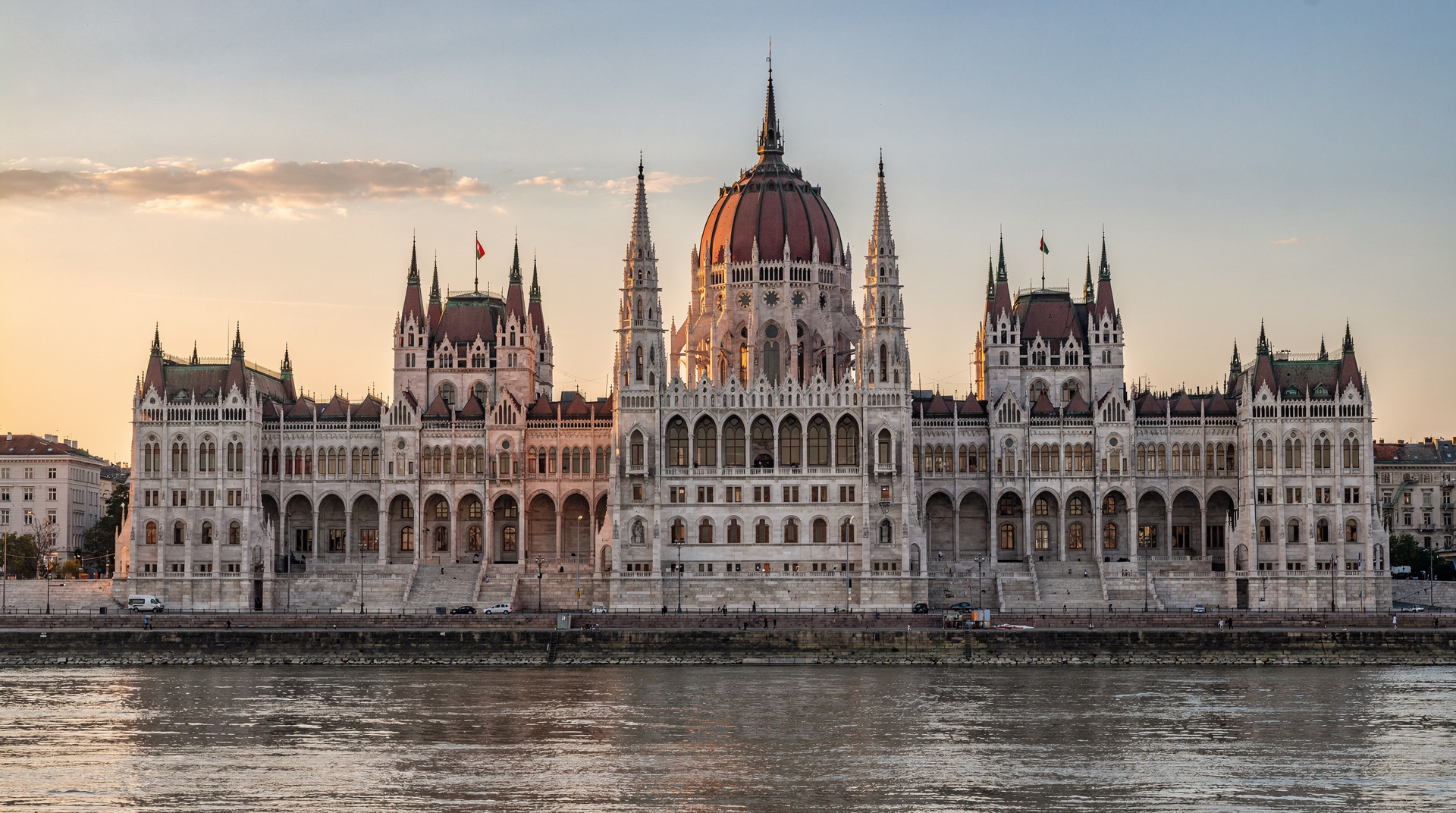
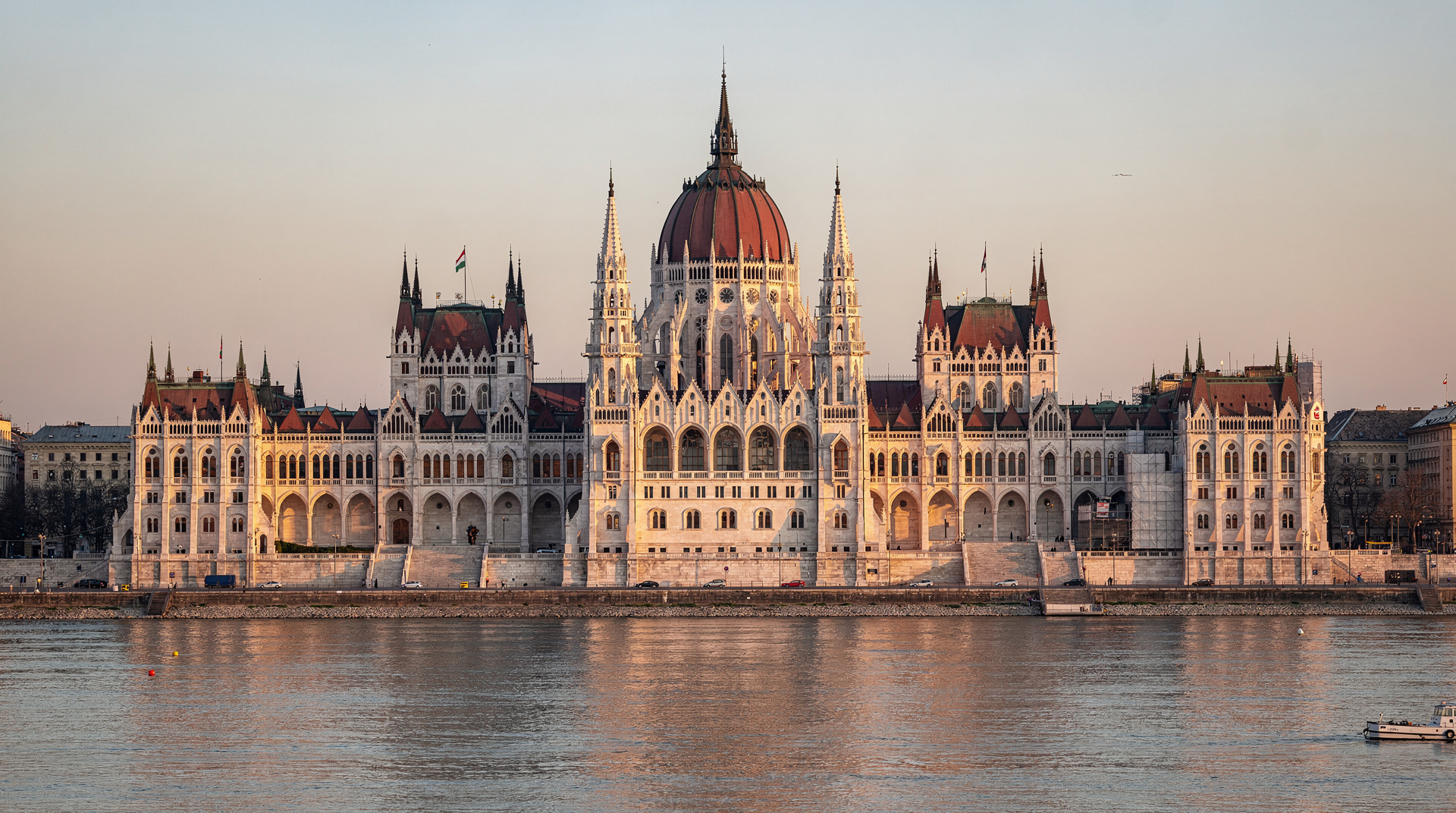
Budapest is the most ambitious day trip on the Vienna day-trip shortlist, and arguably the one most likely to leave you wishing you had stayed longer. The Hungarian capital — formed by the merger of Buda, Pest and Óbuda in 1873 — has a scale and grandeur that takes time to absorb: the Parliament building along the Danube, the hilltop castle on the Buda side, the Art Nouveau thermal baths, the ruin bars in District VII. A day trip gives you the highlights; a night gives you the city.
This guide covers the logistics, what to do with 6 hours in Budapest, and whether the day trip format makes sense for your trip.
If you are still choosing between neighbouring capitals, the Vienna vs Budapest comparison sets the two cities side by side, and the Bratislava day trip is the gentler alternative when you want something less demanding. Anyone building a wider Vienna stay around this outing can start from the Vienna weekend itinerary and slot the Hungarian capital into a spare day.
| Where | Budapest, 2.5h east of Vienna by Railjet |
| Cost | Around €40–60 return train, booked ahead |
| Time needed | Full day out (12h door-to-door, ~6–7h in the city) |
| Getting there | ÖBB Railjet from Wien Hauptbahnhof to Budapest-Keleti |
| Best time | Any season; book Parliament tickets and Sparschiene fares in advance |
Day trip or overnight: an honest day-by-day comparison
| Day trip (one day) | Overnight (2 days / 1 night) | |
|---|---|---|
| Hours in Budapest | 6–7 usable hours | 24+ hours |
| Realistic sights | Buda Castle view, Fishermen’s Bastion, one thermal bath, Parliament (if pre-booked) | All of the above, unhurried, plus ruin bars and an evening Danube view |
| Best for | Tight Vienna schedules, first taste of the city | Anyone with 5+ days in Vienna overall |
| Ruin bars (Szimpla Kert) | Only a daytime coffee stop | The actual evening experience |
| Pace | Genuinely rushed by early afternoon | Comfortable |
If your Vienna trip runs 5 days or more, the 3-capitals itinerary or the longer 7-day Vienna itinerary both build in the extra night this city rewards.
Getting from Vienna to Budapest
By ÖBB Railjet (2.5 hours — the standard option)
The ÖBB Railjet from Wien Hauptbahnhof to Budapest-Keleti runs several times daily. Journey time: approximately 2.5 hours in comfortable air-conditioned carriages with restaurant service. This is the fastest and most convenient option.
Price: Tickets range from €20 one-way (booked 4–6 weeks ahead via the “Sparschiene” early-booking discount) to €60+ at full fare. A return trip booked in advance typically costs €40–60. Book at oebb.at.
On a day trip: To have a reasonable amount of time in Budapest, aim for the 7:05 am departure from Vienna (arriving Budapest-Keleti at 9:35 am). A return train at 7:05 pm gets you back in Vienna by 9:35 pm. This gives you about 9 hours in Budapest, of which 6–7 are usefully available after the walk from the station to the centre.
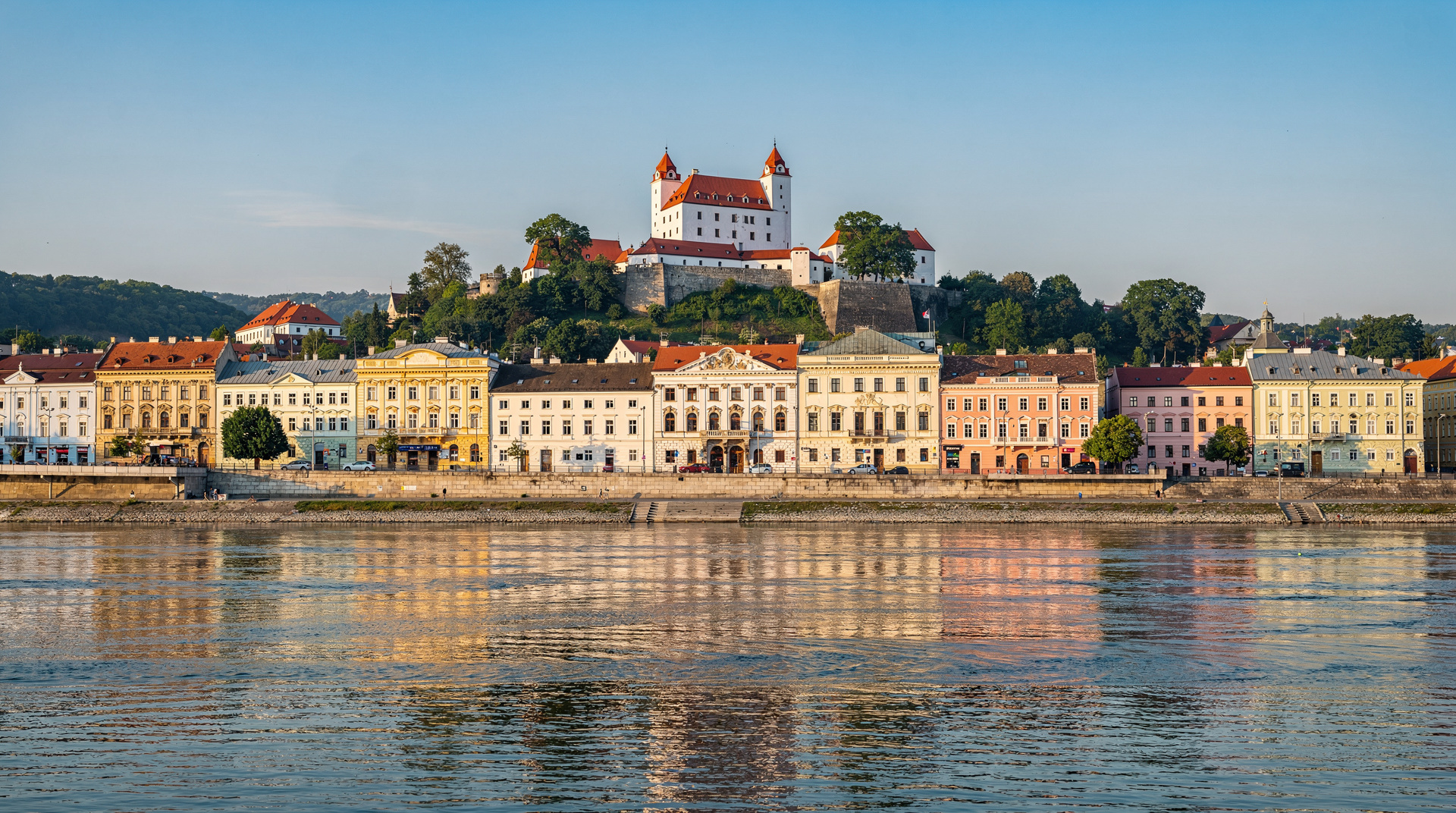
Note on the route: Some trains stop at Bratislava Hlavná stanica en route — this does not add significant time. The journey crosses the Austrian-Hungarian border with no passport checks (Schengen).
By organised tour from Vienna
For visitors who prefer a guided experience, small-group day tours from Vienna to Budapest include transport, a guide and a structured itinerary covering the main highlights.
From Vienna: Budapest small-group guided day tourSome tours combine Budapest with a photostop in Bratislava on the return journey — a useful way to see both cities in one long day:
From Vienna: day trip to Budapest including Bratislava photo stopBudapest is two and a half hours away and spread across two banks, which is exactly the shape of trip a fixed coach schedule handles badly: a full-day private trip from Vienna to Budapest lets the return time follow the day rather than the timetable.
What to see in Budapest in one day
A well-planned 6-hour day in Budapest covers the essential landmarks without rushing. Here is the honest sequence:
Buda Castle and Fishermen’s Bastion (2 hours)
Cross from Pest to Buda via the Chain Bridge and take the funicular from Clark Ádám Square up to the castle district (€2 one-way, or 20-minute walk). Buda Castle houses two museums — the Hungarian National Gallery (Habsburg-era art) and the Budapest History Museum — though with limited time, most visitors content themselves with the terrace views and the castle district streets.
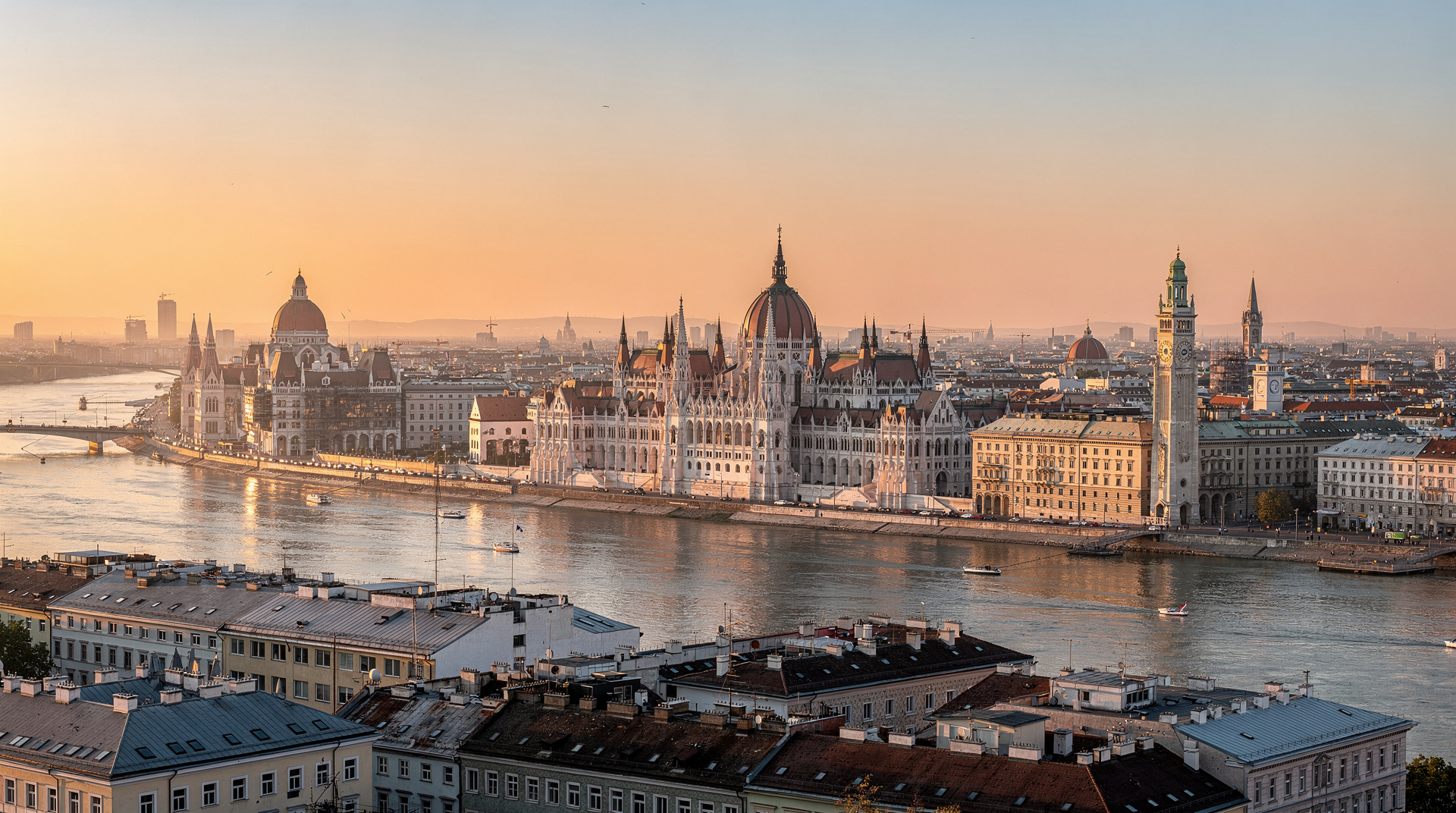
Fishermen’s Bastion is the neo-Romanesque terrace above the castle district with one of the best panoramas in Europe: the Parliament building directly across the river, the Chain Bridge, the curve of the Danube, and Pest stretching east. The lower terrace is free; the upper towers cost €3. Allow 30 minutes minimum just for the view. Entry to the towers: worth it.
The Matthias Church beside Fishermen’s Bastion is one of the most ornate interiors in Central Europe — the neo-Gothic renovation hides 14th-century origins, and the wall and ceiling decoration is extraordinary. Entry: €5.
Hungarian Parliament (1 hour — pre-booking essential)
The Hungarian Parliament on the Pest riverbank is the largest parliament building in Europe by floor area, and its Gothic Revival exterior is the defining image of Budapest. Guided interior tours (the only way to see the main hall and the Hungarian Crown Jewels) run in English throughout the day and must be booked in advance at jegymester.hu. Entry: €20 for non-EU visitors.
If tickets are sold out (common in summer), the exterior view from across the river — from Fishermen’s Bastion or the Chain Bridge — is magnificent and free.
A thermal bath (1.5 hours)
Bathing in Budapest’s thermal springs is one of the city’s most distinctive experiences and genuinely not the tourist gimmick it might appear. The springs have been used since Roman times; the Ottoman occupation (1541–1686) produced the older bath houses; the 19th century Belle Époque added the grand Art Nouveau facilities.
Széchenyi (City Park): The largest thermal bath complex in Europe, with outdoor pools, indoor pools, steam rooms and saunas. Yellow neo-Baroque building, very photogenic. Best reached by metro M1 (Széchenyi Fürdő stop). Entry: €35–45 depending on the package.
Gellért (Buda, near the Liberty Bridge): Art Nouveau interiors, smaller and less busy than Széchenyi in the mornings. Entry: €35–40. Closer to Buda Castle if you are already on the Buda side.
Allow 1.5 hours minimum at a bath — getting changed, using the facilities, drying and repacking. Bring a swimsuit and lock (€1–2 locker deposit).
The Great Market Hall and Váci Street (30–45 minutes)
The Központi Vásárcsarnok (Great Market Hall) at the south end of Váci Street is a 19th-century iron-and-brick market hall with fresh produce on the ground floor and Hungarian craft and paprika stalls on the upper floor. Worth 30 minutes for the architecture and for buying Hungarian paprika, salami and Tokaj wine to take home. Prices are tourist-level but the quality is genuine.
Váci Street itself is a pedestrian shopping street that connects the market hall to Vörösmarty Square — pleasant but largely international brands.
Currency and costs
Budapest is significantly cheaper than Vienna. Rough price guide in 2026:
- Restaurant lunch (3 courses, wine): €15–20 per person
- Coffee and cake: €4–6
- Craft beer in a ruin bar: €3–5
- Metro single ticket: €1.50
- Funicular to Buda Castle: €2 one-way
Currency note: Hungary uses HUF (Hungarian Forint), not euros. 1€ ≈ 400 HUF (check current rate). Cards are widely accepted, but carry some cash for smaller purchases. Use ATMs rather than exchange booths at the station for better rates.
Is the Budapest day trip worth it?
Honest assessment: Budapest is a genuinely great city and the day trip format works — you see the main highlights and get a real sense of the place. However, Budapest more than any other destination on the Vienna day-trip list rewards an extra night. The ruin bars in the Jewish Quarter (District VII), the evening Parliament view from Buda side, a slower morning at Széchenyi — these are experiences that cannot be compressed into a day trip.
If you are visiting Vienna for 5 or more days, consider the Vienna–Budapest–Bratislava 3-capitals itinerary which allocates 2 nights in Budapest and 1 in Bratislava. If you are on a tighter schedule, the day trip still delivers a worthwhile experience.
Practical tips
Train tickets: Book at least 3–4 weeks ahead to get Sparschiene (early-booking discount) fares. Last-minute Railjet tickets can cost €60+ one-way.
Luggage: Most Railjet trains have overhead luggage storage. Budapest-Keleti station has left luggage lockers if you need to store bags during the day.
Language: Hungarian is entirely unlike any other European language. A few words (köszönöm = thank you, jó napot = good day) are appreciated. English is widely spoken in tourist areas and by younger Budapestians.
Safety: Budapest is safe for tourists. Pickpockets operate on the metro (particularly M3 and in the Castle area) — use inside jacket pockets for your phone and wallet.
Ruin bars: The Jewish Quarter ruin bars (Szimpla Kert is the most famous) are fascinating by day for a coffee or juice but are really evening venues. If you want the ruin bar experience, stay overnight.
Planning the Vienna side: A long day away works best when the days around it are lighter. Keep the evening before easy, and pack the next morning with something close to your hotel, such as the Schönbrunn Palace guide or a slow coffee-house morning from the best coffee houses in Vienna. If you are deciding how to split your days overall, the how many days in Vienna guide helps you see where a Budapest outing fits. For a firsthand account of how the day plays out, the Budapest day trip diary is a useful companion read.
For the fuller transport breakdown including all fare tiers and timetable options, see the Vienna to Budapest train guide. If you’re weighing this against the closer Bratislava day trip, or want more on the city itself before committing a full day, our Budapest destination page is worth a look. Travellers stretching a budget across the whole Vienna trip should also check the Vienna on a budget guide — Budapest is one of the easiest ways to lower your average daily spend.
Frequently asked questions about the Budapest day trip from Vienna
How do I get from Vienna to Budapest by train?
Take the ÖBB Railjet from Wien Hauptbahnhof to Budapest-Keleti. Journey time: 2.5 hours. Price: €40–60 return if booked 4–6 weeks ahead; full-fare tickets can exceed €100 return. Book at oebb.at or the Railjet website.
Do I need to change money for Budapest?
Yes. Hungary uses the Hungarian Forint (HUF), not euros. 1€ ≈ 400 HUF (check the current rate). Most shops, restaurants and tourist sites accept cards, but smaller cafés and market stalls prefer cash. Change a small amount at the station or use an ATM in Budapest (better rates than airport booths).
Do I need a separate visa for Budapest?
No. Hungary is a Schengen member, so a valid Schengen visa covering Vienna also covers Budapest. EU citizens need only their ID card.
Can I book the Hungarian Parliament visit online?
Yes, and you should — Parliament entry is by timed ticket only and sells out days ahead in summer. Book at jegymester.hu or the Parliament’s official website.
Which thermal bath should I visit in Budapest?
Széchenyi (in City Park) is the most famous and photogenic — grand yellow building with outdoor pools. Gellért (on the Buda side) is more architecturally beautiful but smaller. If you have one thermal bath visit on a day trip, Széchenyi is the easier choice for logistics.
How do I get around Budapest?
The metro is cheap and efficient (M1, M2, M3 lines cover the main sights). Buda Castle requires either the funicular from Clark Ádám Square or a 20-minute uphill walk. Taxis exist but use BKK (official app) or Bolt to avoid overcharging.
Is it better to do Budapest as a day trip or stay overnight?
A day trip works if it’s your only option and covers the highlights in 6–7 usable hours. An overnight stay is genuinely better for Budapest specifically — it’s the destination on the Vienna day-trip list most likely to leave visitors wishing they’d stayed longer, mainly because of the evening ruin-bar scene and an unhurried thermal bath visit. If your Vienna trip runs 5 days or more, build in the extra night.
Top experiences
Bookable activities with verified prices and instant confirmation on GetYourGuide.