Schönbrunn Zoo family visit guide: what to see and how to plan
Vienna: Skip-the-line Tickets for Schönbrunn Zoo
Is Schönbrunn Zoo worth visiting with children?
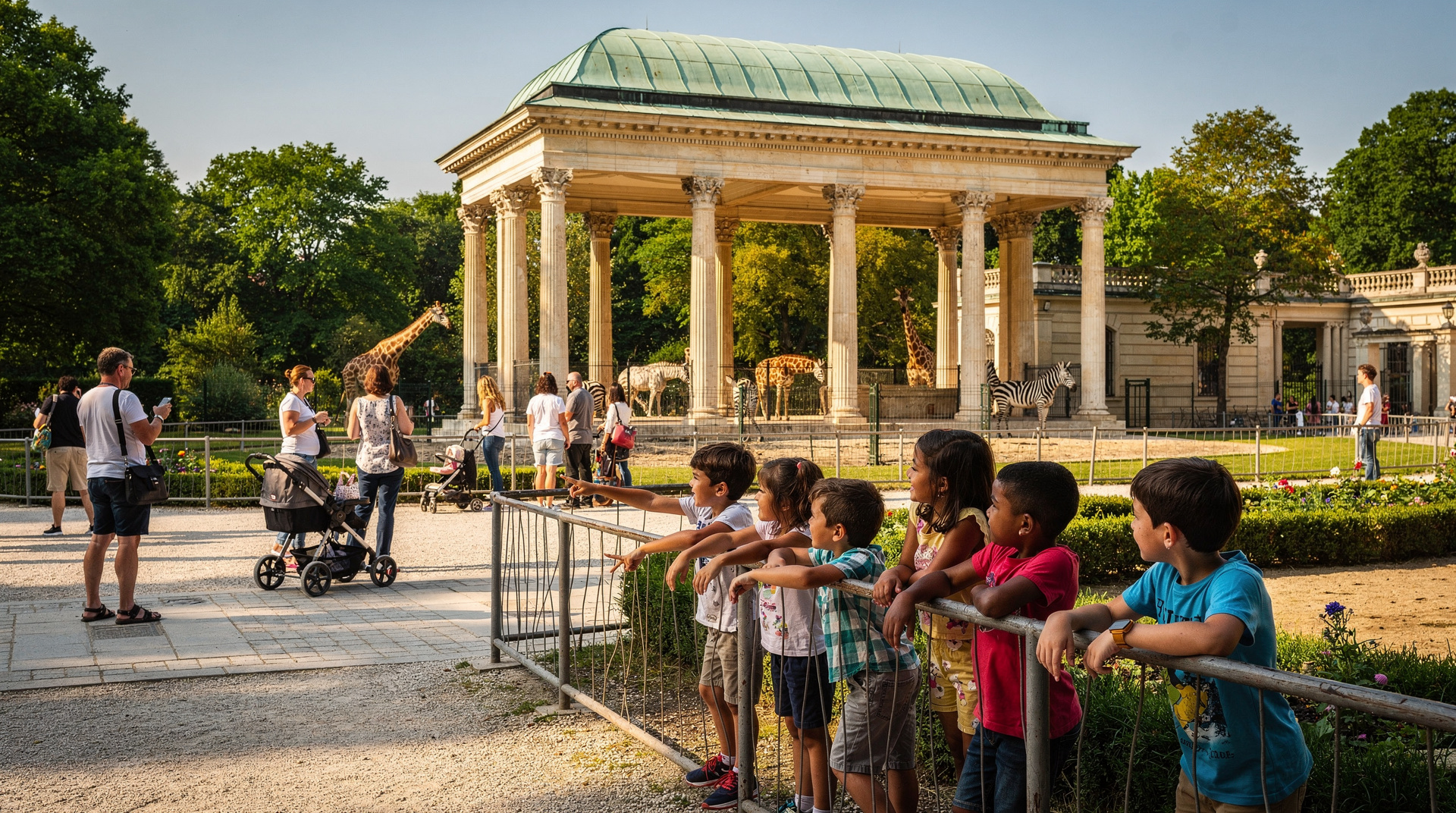
Yes — it is one of Europe's best zoos. The giant pandas, Masoala rainforest hall (free-roaming tropical ecosystem), giant tortoises, polar bears, and children's petting area give families a genuinely world-class zoo experience within the Schönbrunn palace grounds. Allow 3–4 hours minimum.
The world’s oldest zoo: genuinely excellent
The Tiergarten Schönbrunn was founded in 1752 by Emperor Franz I Stefan (the husband of Empress Maria Theresa) as a private imperial menagerie. It became public in 1779 and has operated continuously ever since — making it the oldest surviving zoo in the world. Unlike many old zoos that have become heritage liabilities, Schönbrunn has invested heavily in modern enclosures and conservation programmes over the past 30 years. The result is a zoo that combines historical significance with genuine quality of animal welfare and visitor experience.
For families visiting Vienna, the zoo ranks alongside the Prater and the Naturhistorisches Museum as one of the city’s top child-oriented experiences. This guide covers what to see, in what order, and how to plan around the zoo’s considerable size.
| Where | Schönbrunn palace grounds, 13th district |
| Cost | Around €24 adults, €12 children, family ticket ~€53 |
| Time needed | 3–4 hours (highlights) to 5–6 hours (full visit) |
| Getting there | U4 to Hietzing (direct) or Schönbrunn (via gardens) |
| Best time | Weekday mornings, April–May or September–October |
Getting there
By U-Bahn: U4 to Schönbrunn station. The palace is a 5-minute walk; the zoo entrance is a 10-minute walk through the palace grounds. Follow signs from the palace to the zoo entrance (on the western side of the Schönbrunn park).
Alternatively: U4 to Hietzing station (one stop past Schönbrunn on U4). The Hietzing station exit places you directly at the zoo’s main gate — often more convenient for families going specifically to the zoo rather than the palace.
Opening hours: Daily 9 am–dusk (last entry approximately 4–5 pm in winter, 6 pm in summer). Check the current closing time at zoovienna.at.
If you are travelling with a pushchair, grandparents or tired small children, a private transfer that drops you at the zoo entrance can spare the walk through the grounds at the start and end of the day.
Tickets
Vienna: skip-the-line tickets for Schönbrunn Zoo The skip-the-line tickets are strongly recommended. In summer (July–August) and on spring school holidays, the ticket desk queue can reach 30 minutes. Online pre-purchase via GetYourGuide eliminates the queue and gives you a time-entry window. The zoo is included in the Vienna PASS if you are using one.
Ticket prices (approximate 2026):
- Adults: €24
- Children 6–18: €12
- Under 6: free
- Family ticket (2+2): €53
The highlights — what to see first
Giant pandas: the must-see
Yang Yang and Fu Hu (Vienna’s resident giant pandas) are the zoo’s headline attraction. The panda house is modern and well-designed, with multiple viewing points. Giant pandas are active primarily in morning and evening — visiting between 9–11 am gives you the best chance of seeing them moving and eating rather than sleeping.
The panda house is usually the most crowded part of the zoo by mid-morning — go first thing.
Masoala Rainforest Hall
This is the zoo’s most remarkable exhibit: a 2,000 square metre tropical rainforest building populated with free-roaming Madagascar wildlife — ring-tailed lemurs, ruffed lemurs, radiated tortoises, chameleons, and hundreds of tropical bird species. You enter a controlled rainforest ecosystem and share the space with the animals at close range.
Allow 45–60 minutes for the Masoala Hall. Children are typically mesmerised by the lemurs moving through the tree canopy above them. The building is maintained at tropical humidity and temperature (30°C) — remove jackets before entering.
Giant Aldabra tortoises
A colony of giant Aldabra tortoises from the Indian Ocean. Some are approaching 100 years old — the size contrast with children is extraordinary and the tortoises’ calm indifference to visitors creates naturally relaxed interactions. A reliable “favourite animal” vote-getter from children who weren’t initially impressed by tortoises.
Polar bears and Arctic world
The polar bear enclosure is large and naturalistic, with both above-ground viewing and underwater glass panels where the bears swim. The swimming behaviour at the underwater window is particularly memorable for children.
Aqua Terra: reptiles and aquarium
A combined reptile house and freshwater aquarium covering everything from Komodo dragons and anacondas to tropical reef fish and European freshwater species. The caiman crocodilians in the outdoor enclosure are a reliable favourite for children who missed crocodiles in the wild.
Children’s petting area (Streichelzoo)
A designated area where children can feed and touch domestic and semi-domestic animals: goats, rabbits, guinea pigs, and some of the zoo’s tamer small mammals. Usually open 10 am–5 pm. Buckets of animal feed sold on site (€1–2). This section reliably occupies younger children (3–7) for 20–30 minutes.
Planning a half-day vs full-day zoo visit
Half-day (3 hours): Pandas first, Masoala Hall (45 min), giant tortoises, polar bears, Streichelzoo. This covers the headline exhibits without rushing.
Full day (5–6 hours): Add Aqua Terra, the African savanna section (giraffes, zebras), the Asia section (snow leopards, orangutans), the elephants, and the rainforest birdhouse. Have lunch at the zoo restaurant (Tirolerhof within the zoo grounds).
Combined with Schönbrunn Palace:
- Option A (palace-focused): Schönbrunn Grand Tour 9–11 am, lunch, zoo 1–4 pm
- Option B (zoo-focused): Zoo 9 am–1 pm, lunch, palace gardens + Gloriette 2–4 pm (skip palace interior)
- Option C (full day): Zoo 9 am–12 pm, zoo restaurant lunch, palace and gardens 1–5 pm
Option C is a very full day — only comfortable if children have energy and you do not rush either part.
If you decide to include the palace interior, booking a guided skip-the-line visit of the palace and gardens in advance keeps the indoor part short and predictable, which matters when children are already tired from the zoo.
How the zoo compares to Vienna’s other family days
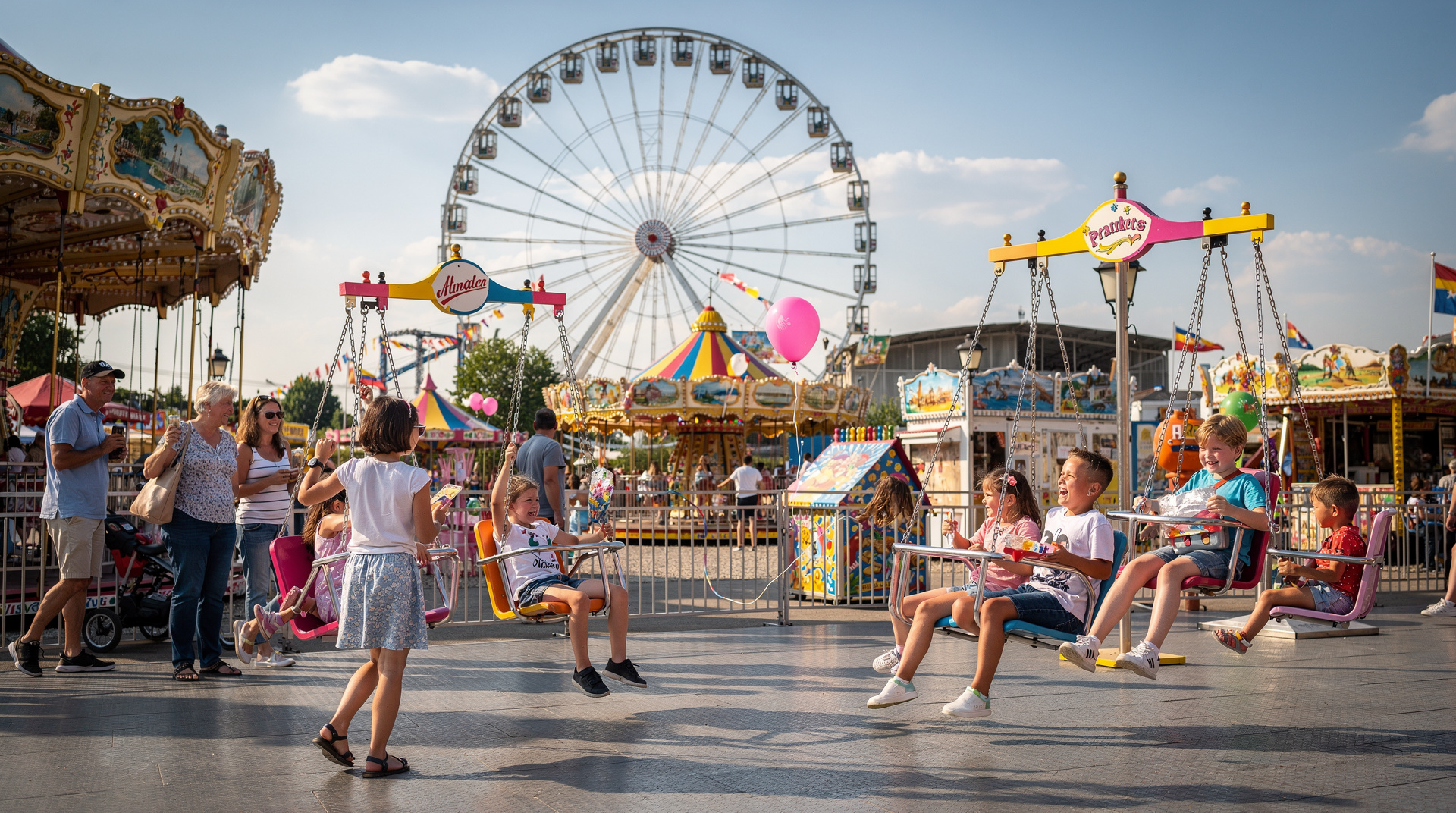
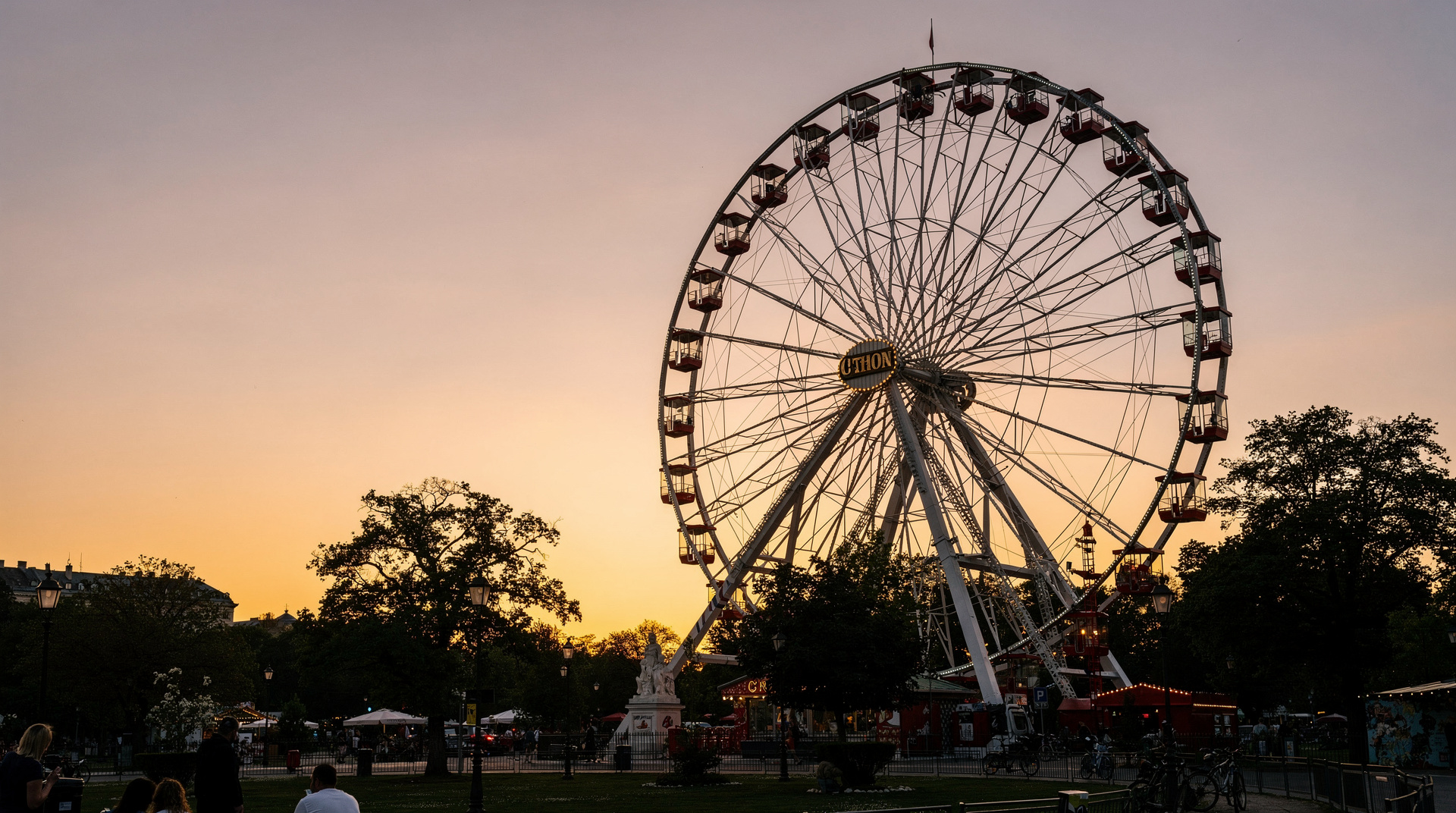
The zoo is one of several strong family options in Vienna, and it’s worth knowing where it fits. For pure ride-based excitement, the Prater amusement park is the better choice — its historic Ferris wheel and rides suit slightly older children who want thrills rather than animals. For a rainy-day fallback, the Naturhistorisches Museum has dinosaur skeletons and a gem collection that hold children’s attention indoors, without the walking distances of the zoo. Our broader Vienna with kids guide ranks all of these against each other for different age groups and weather scenarios.
If you’re building a multi-day trip around family activities, the Vienna with kids itinerary sequences the zoo, Prater, and museums across several days so no single day feels rushed, and works out which combination suits toddlers versus school-age children.
Making the day work for different ages
Toddlers, primary-school children and teenagers get very different things out of the same zoo, and it helps to decide before you arrive who the day is really for. With under-fives, treat the zoo as a sequence of short, rewarding stops rather than a tour: the petting area, the tortoises and a long picnic matter more to them than a complete circuit. With school-age children, the Masoala Hall and the polar bear window usually deliver the memories, and a printed or on-screen checklist of animals turns the walk into a game. Teenagers tend to respond best when they are given a say in the route, so let them pick one section to lead the family through.
Whatever the age, build slack into the plan. A child who is tired by early afternoon will not enjoy even the best exhibit, so keep the final hour flexible and be ready to head to the exit when the mood turns. If you are travelling with grandparents or anyone who walks slowly, agree a meeting point near the middle of the grounds and let faster walkers loop out and back.
Pairing the zoo with other Vienna days
The zoo sits comfortably inside a longer family trip, and the neighbouring days matter as much as the zoo day itself. A calmer morning in the city centre before or after is easier on young legs than a second big outdoor day. Our Vienna with kids guide gathers the other child-friendly stops in one place, while the Haus der Musik guide covers an interactive indoor option that suits wet weather. For a gentler contrast to the zoo’s long walking loops, the Danube river cruise guide describes a seated outing that children often enjoy, and the Vienna photography spots guide can help parents who want a few good family pictures around the palace grounds.
If your visit falls in the colder months, the Vienna in winter guide and the Vienna winter itinerary explain how to balance outdoor time with indoor warm-ups. In warmer months, the Vienna in summer guide and the Vienna in spring guide help you choose the best part of the day for the animals and for your own energy. The best time to visit Vienna guide puts these seasons side by side if your dates are still flexible.
Practical planning around the palace grounds
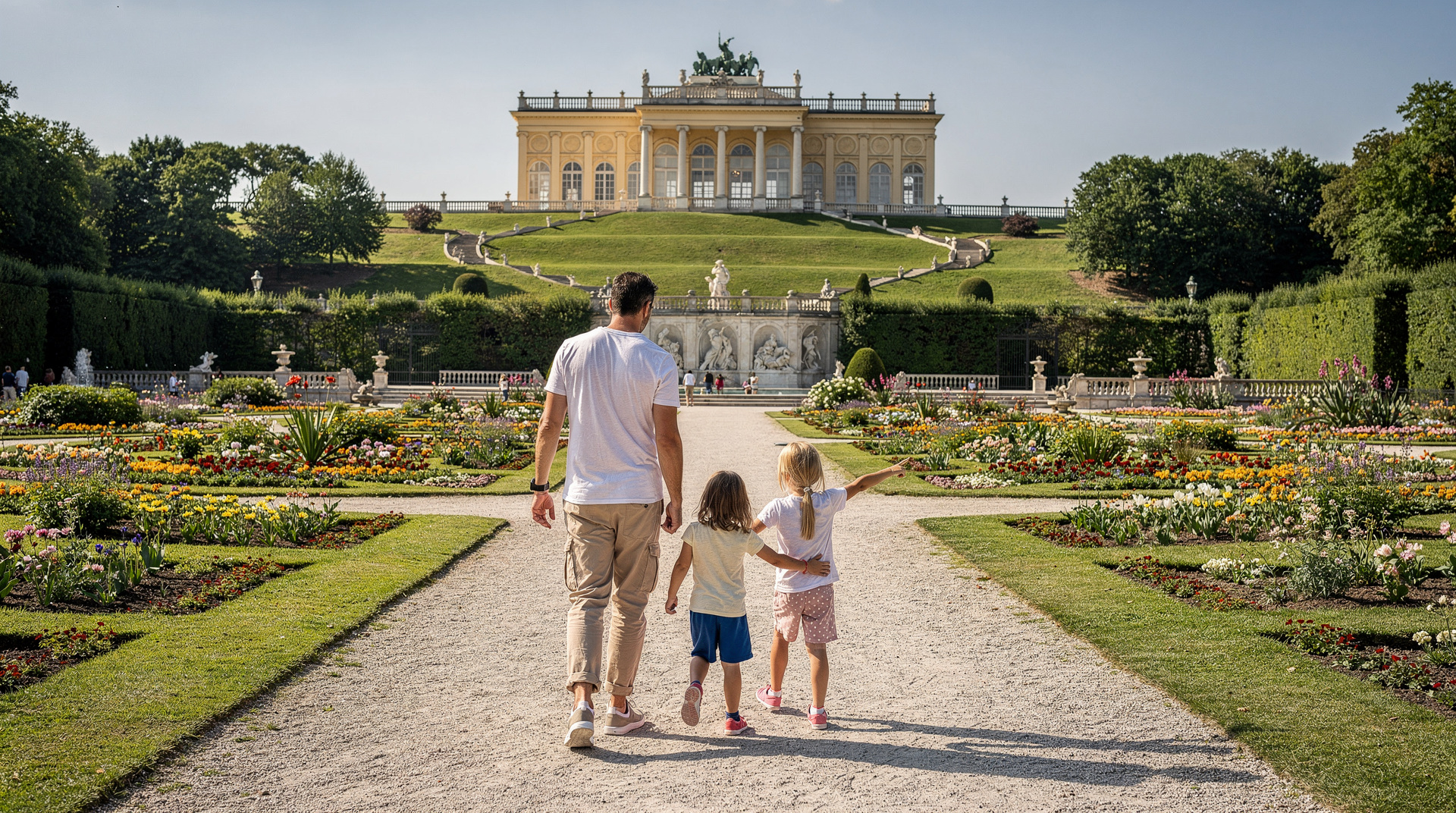
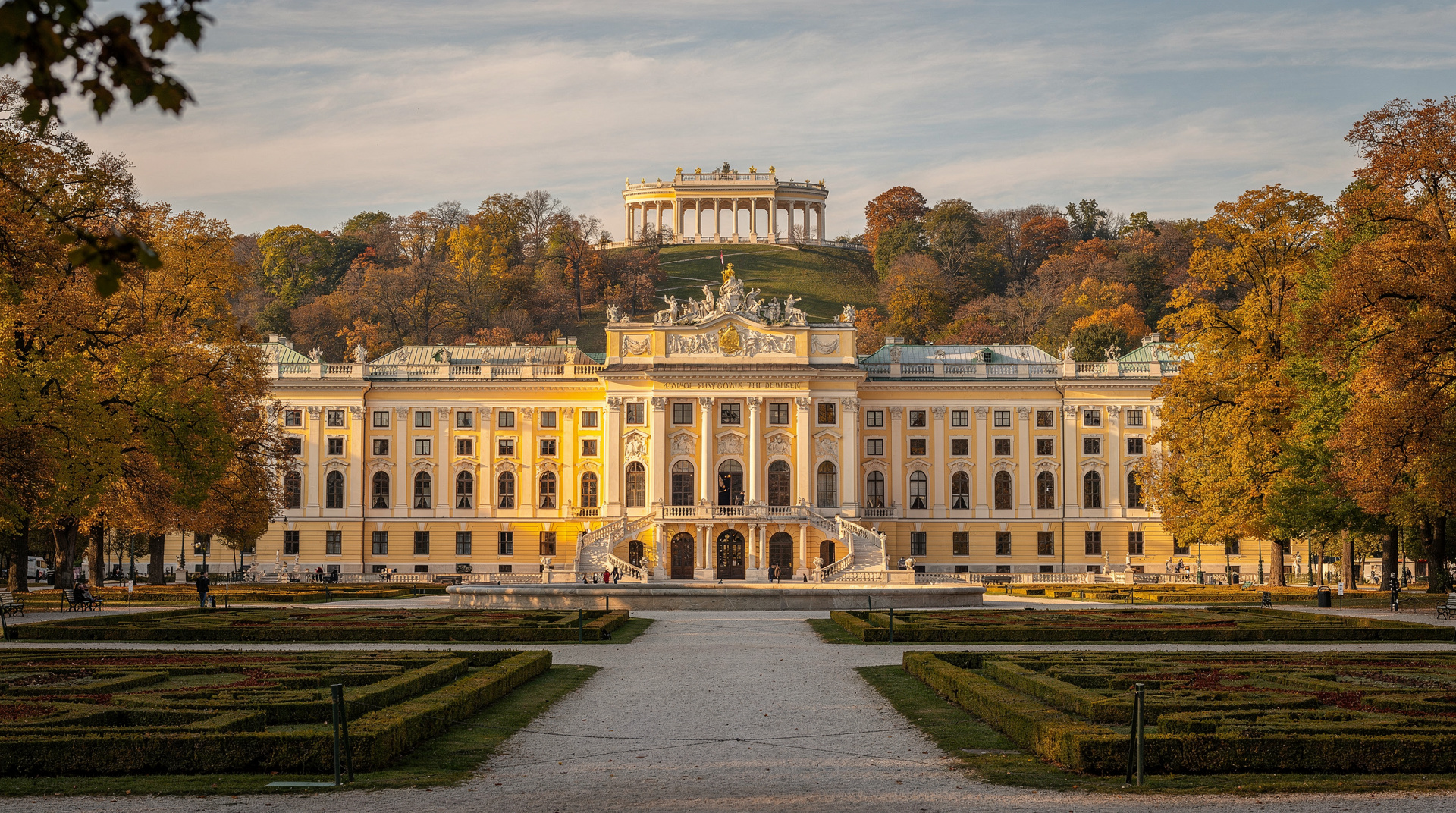
Because the zoo shares the Schönbrunn estate with the palace, many families are tempted to cram everything in. A more relaxed approach is to treat the zoo as the main event and the gardens as the decompression afterwards, walking slowly between lawns and avenues while children burn off whatever energy is left. If your group wants the palace as well, the Schönbrunn Zoo guide gives a second perspective on the animal side, and the Schönbrunn versus Hofburg comparison helps you decide which imperial residence deserves your limited indoor time. Families interested in the history behind the grounds will also enjoy the Habsburg history guide, which explains why an imperial menagerie ended up here in the first place.
For longer stays, the Vienna 3-day itinerary and the Vienna weekend itinerary show where a zoo morning can slot in without wrecking the rest of the plan. Getting around with children is far easier once you understand the Vienna public transport guide, and the accessible Vienna guide is worth a look if anyone in your group needs step-free routes. If you are watching your spending, the Vienna on a budget guide lists ways to keep a family day out affordable.
Food within the zoo
The zoo has three food service points: the Tirolerhof restaurant (indoor seating, Austrian food, €12–18 mains), a café near the panda house, and snack kiosks throughout. Bringing your own food and water is allowed and common — there are picnic tables throughout the grounds. The gardens of Schönbrunn outside the zoo are also excellent picnic territory (free to access).
Seasonal visiting notes
April–May: Excellent — the zoo gardens are green and flowering, many animals are active after winter. Baby season is often spring. Less crowded than summer.
Summer (June–August): Busiest. Book skip-the-line in advance. Visit on arrival at opening (9 am) to see the pandas active. The Masoala Hall’s indoor tropical climate provides a heat escape in summer. The outdoor enclosures can have animals resting in shade during peak afternoon heat.
Autumn (September–October): Comfortable temperatures, lower crowds. The zoo continues full operation through October.
Winter (November–March): The zoo is open year-round, including Christmas and New Year. Some outdoor animals (arctic species) are most active in cold weather. Some tropical animals may be in indoor enclosures. Entry fees are slightly reduced in winter.
Tips for families with young children
Timing: Plan to arrive at the zoo at 9 am opening for the least busy experience and the most active animals (pandas and predators are most active in the morning).
Route: Download the zoo map from zoovienna.at before visiting and plan your route. The zoo is 17 hectares — going in a logical geographic loop saves significant walking time vs. backtracking.
Pram access: The zoo has good pram paths. The main routes are paved; some side paths are gravel. The Masoala Hall entrance has a pram park outside (take valuables, return for collection).
Rest areas: The zoo has benches throughout. Identify the toilet locations (marked on the map) early — they are not always obvious.
The zoo app: The Tiergarten Schönbrunn app (iOS/Android) has a map, feeding times, and animal information. Useful for children to track “what we’ve seen.”
Fitting it into your trip: If this is your first time in Vienna, our how many days in Vienna guide helps work out whether a zoo-plus-palace day fits comfortably into a 3-day or 5-day trip, and the Schönbrunn destination page gives a fuller orientation to the wider palace grounds beyond the zoo and state rooms covered in our Schönbrunn Palace guide.
Accessibility for families
The zoo’s main paths are paved and pram-friendly, though some side paths around the elephant and Aqua Terra sections are gravel and slower going with a pushchair. Wheelchairs are available to borrow near the entrance in limited numbers — arrive early if this matters for your visit. Baby-changing facilities are located near the Streichelzoo and the main entrance toilets. Nursing areas are available on request at the information desk.
Frequently asked questions about Schönbrunn Zoo
How much does Schönbrunn Zoo cost?
Adults approximately €24, children 6–18 approximately €12, under 6 free. Family ticket approximately €53. Included in the Vienna PASS.
How long should I allow for Schönbrunn Zoo?
3–4 hours for the highlights. A full visit with all sections takes 5–6 hours. Half-day (3h) covers pandas, Masoala Hall, giant tortoises, polar bears, and petting area.
What are the best exhibits at Schönbrunn Zoo?
Giant pandas, the Masoala Rainforest Hall (free-roaming lemurs and chameleons), giant Aldabra tortoises, polar bears, and the children’s petting area.
Is Schönbrunn Zoo combined with the palace?
No — separate ticket and separate admission. Both are within the Schönbrunn grounds but require independent tickets. Both included in the Vienna PASS.
When is Schönbrunn Zoo least crowded?
Weekday mornings (9–11 am) in April–May or September–October. Summer weekends are busiest. Opening time is always the quietest.
Top experiences
Bookable activities with verified prices and instant confirmation on GetYourGuide.